SweetFire Kitchen
SweetFire Kitchen sits along the La Cantera corridor in northwest San Antonio, where suburban dining has grown increasingly ambitious over the past decade. The restaurant positions itself within a tier of casual-to-midrange Texan dining that draws on bold, fire-forward cooking. For visitors based near the La Cantera resort district, it represents a convenient local option worth understanding before you book.
Pearl is the En Primeur Club membership app — saves, bookings, and concierge access live there. Same editors, same standards.
- Address
- 16641 La Cantera Pkwy, San Antonio, TX 78256
- Phone
- +12108793520
- Website
- lacanteraresort.com
- Directions
- Get directions
 Saves & bookings on Pearl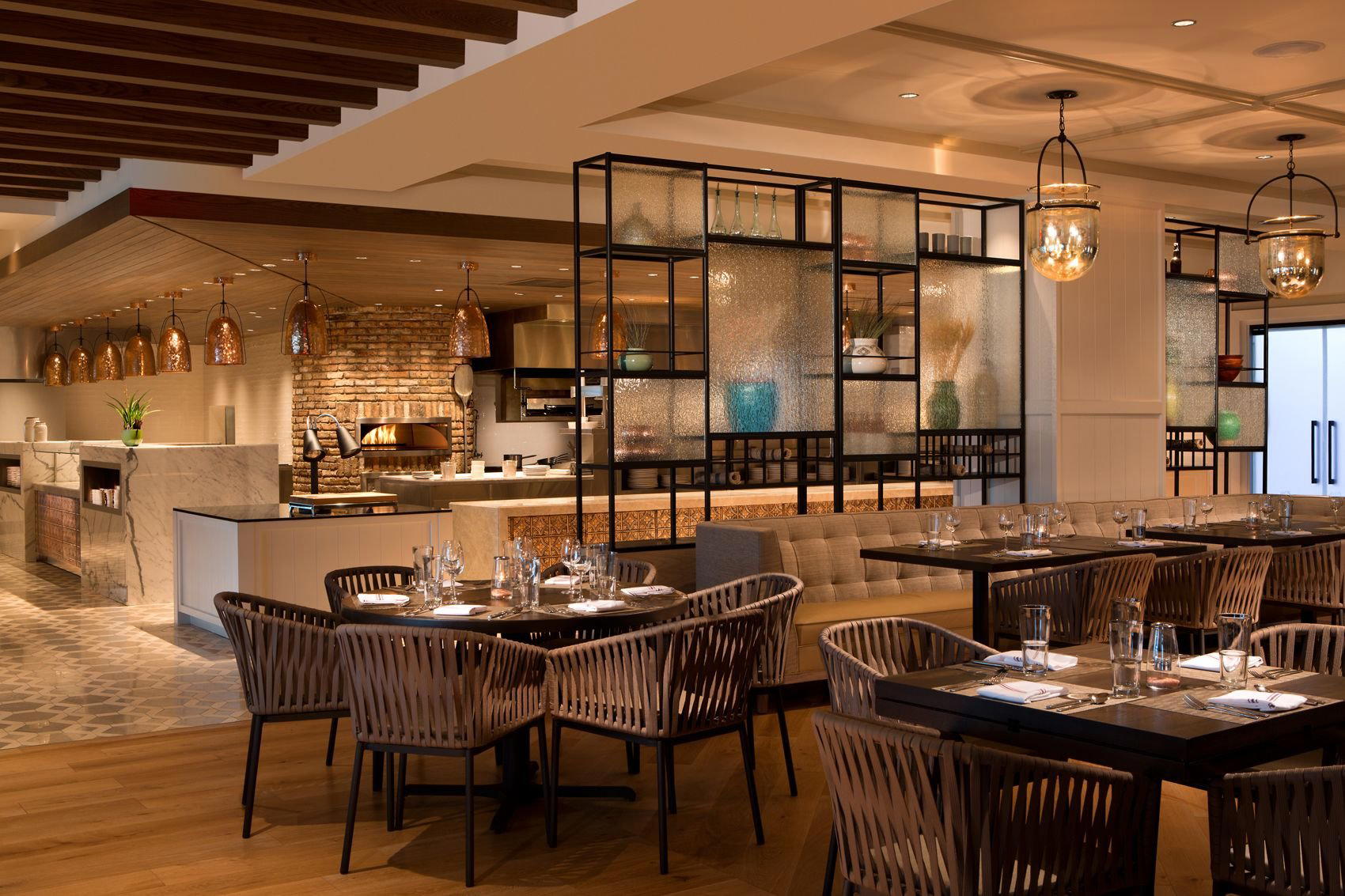
SweetFire Kitchen is a casual restaurant in San Antonio, Texas, serving Modern Texas Grill with Wood-Fired Pizza, with an average price of about $35 per person. The La Cantera Parkway corridor in northwest San Antonio is not where most food-minded visitors expect to find anything worth tracking down. This stretch of retail-adjacent development, running parallel to the Six Flags theme park and anchored by the La Cantera shopping centre, operates on a different register from the Pearl District or the Riverwalk, where San Antonio’s dining reputation is more loudly made. Yet the northwest has its own logic: a residential population with spending power, hotel clusters drawing business travellers and leisure guests, and a suburban dining tier that has grown more confident in its ambitions over the past decade. SweetFire Kitchen at 16641 La Cantera Pkwy occupies a position inside that tier.
What the Name Signals About the Menu
In American casual dining, the name of a restaurant is frequently the clearest map of its menu architecture. “SweetFire” telegraphs a specific construction: the interplay of sweetness and heat that has become one of the dominant organising principles in accessible American cooking over the past fifteen years. This is not the heat-forward tradition of a San Antonio taqueria or the slow-smoke patience of a 2M Smokehouse (Barbecue), where fire means wood, time, and Texas tradition. It is a different register, one closer to the sweet-chilli sauces, glazed proteins, and spiced-fruit preparations that sit comfortably across the middle of contemporary American menus. That framing matters because it sets reader expectations accurately: this is not a temple of regional Texas cuisine, nor a destination for the kind of hyper-specific Mexican cooking that makes Mixtli (Mexican) a nationally discussed address.
Menus built around sweet-heat contrast tend to follow a recognisable structure. Starters lean on shared formats: wings, flatbreads, or dips that carry the signature flavour profile and function as both a preview and a hook. Mains typically offer a choice across proteins, with at least one option showcasing a glaze or a rub that anchors the restaurant’s identity. Side dishes in this format often allow for customisation or substitution, which broadens accessibility without requiring the kitchen to operate multiple distinct menus. Desserts, where they exist, frequently close the loop on the name itself: something sweet, something with a note of spice or citrus, completing the conceptual arc.
Where It Sits in San Antonio’s Dining Picture
San Antonio’s restaurant scene has historically been read through two lenses: its deep, living Tex-Mex and Mexican tradition, and its newer wave of chef-driven rooms that have brought national attention to the city. Venues like Isidore (Texan) and 1Watson represent the latter cohort, operating at a price point and ambition level that invites comparison with destination dining in larger American cities. At the other end, the city’s diners and neighbourhood institutions, including the long-running 410 Diner, hold a different kind of loyalty.
SweetFire Kitchen operates in the broad middle ground between those poles. This is where most of the city’s dining volume actually lives: casual rooms with consistent kitchens, menus broad enough to accommodate a table of mixed preferences, and a price point that makes repeat visits reasonable. That middle tier is often underwritten by the editorial attention that goes to either the cheapest or particularly expensive options, but it is what most residents actually use. For a visitor staying in the La Cantera or UTSA-area hotels, understanding this context is useful before setting expectations.
The northwest location also means SweetFire Kitchen is not competing directly with Riverwalk tourist volume or the Pearl’s weekend crowds. Its competition is local: the chain restaurants and growing number of independent operators that serve the suburban northwest. Within that comparable set, a kitchen with a defined flavour identity, even one as commercially legible as sweet-heat, has a point of difference.
Framing Against National Context
The sweet-heat menu architecture that restaurant appears to occupy has parallels across American dining at multiple price levels. At the technically demanding end of the spectrum, kitchens like Le Bernardin in New York City or Alinea in Chicago treat flavour contrast as a high-precision exercise, calibrating acidity, sugar, and capsaicin with laboratory discipline. Farm-sourcing operations like Blue Hill at Stone Barns in Tarrytown or Single Thread Farm in Healdsburg bring the same sweet-savoury tension to a hyper-seasonal, produce-led framework. Closer to the restaurant’s apparent register, the sweet-heat format has been codified into a broadly accessible American vernacular that travels well across markets and demographics.
Virtue of this kind of menu is its legibility. A diner who has never visited San Antonio before can read the flavour architecture immediately and make an informed choice. The risk is sameness: if the execution does not push the concept past its most generic expression, the result feels interchangeable with dozens of similar rooms in similar suburban corridors across the country. The distinction between a kitchen that merely uses the format and one that makes something interesting within it is usually found in sourcing decisions, spice calibration, and whether the kitchen resists the pull toward over-sweetening.
For the Reader Making a Decision
If you are staying in the La Cantera area or visiting the nearby resort complex and looking for a dinner that does not require driving downtown, the restaurant is the kind of option worth having on a shortlist. It is not the choice for a meal that anchors a special occasion, nor is it a substitute for San Antonio’s more singular dining rooms. For a broader sense of what the city’s dining scene offers, the range runs from neighbourhood staples to destination-level cooking, including venues like Emeril’s in New Orleans-era American confidence, the precise omakase-adjacent tasting formats found at Atomix in New York City, and the California-rooted produce discipline of Providence in Los Angeles, which together illustrate the range of ambitions American dining currently holds.
Closer to home, the contrast between the restaurant’s accessible suburban format and the more demanding room at Lazy Bear in San Francisco or the agricultural seriousness of Addison in San Diego is instructive: the same country, the same broad moment in American dining, but different definitions of what a restaurant is supposed to do. The French Laundry in Napa and The Inn at Little Washington in Washington operate as institutions; the restaurant operates as a neighbourhood option. Both are legitimate things for a restaurant to be, provided expectations are set accordingly. For international context, the gap between this register and the technical precision of a room like 8 1/2 Otto e Mezzo Bombana (Hong Kong) in Hong Kong illustrates how differently the word “restaurant” functions across dining cultures.
Comparable Venues
Comparable venues nearby, for context on price, style, and recognition.
| Venue | Cuisine | Price | Notes |
|---|---|---|---|
| SweetFire KitchenThis venue — the venue you are viewing | Modern Texas Grill with Wood-Fired Pizza | $$ | Not listed |
| Crockett Tavern | Texas BBQ & Tex-Mex Tavern | $$ | Alamo District |
| The Guenther House | Classic American Bakery Cafe | $$ | King William Historic District |
| Two Bros. BBQ Market | Texas Barbecue | $$ | Northeast |
| The Cove | Sustainable American Burgers & Tacos | $$ | Alta Vista |
| Holey Moley - San Antonio | American Casual Bar Food | $$ | Alamo District |
Continue exploring
More in San Antonio
Restaurants in San Antonio
Browse all →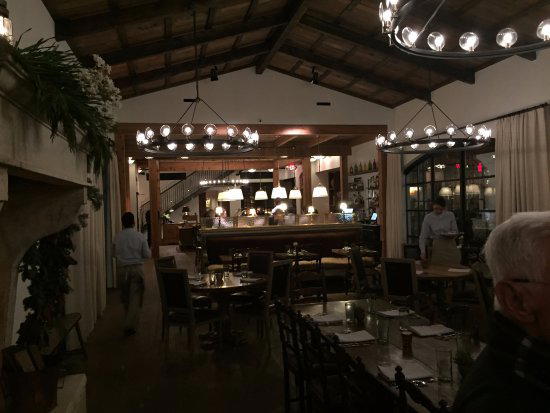
Bars in San Antonio
Browse all →

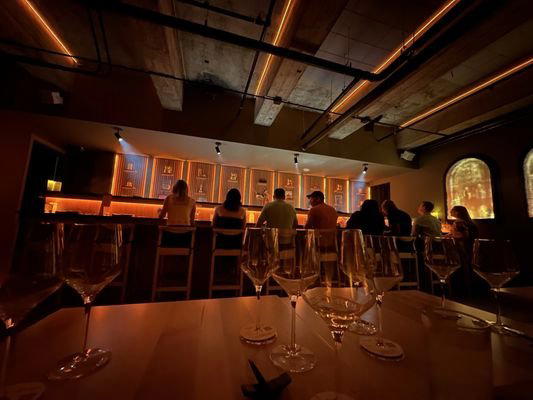
Hotels in San Antonio
Browse all →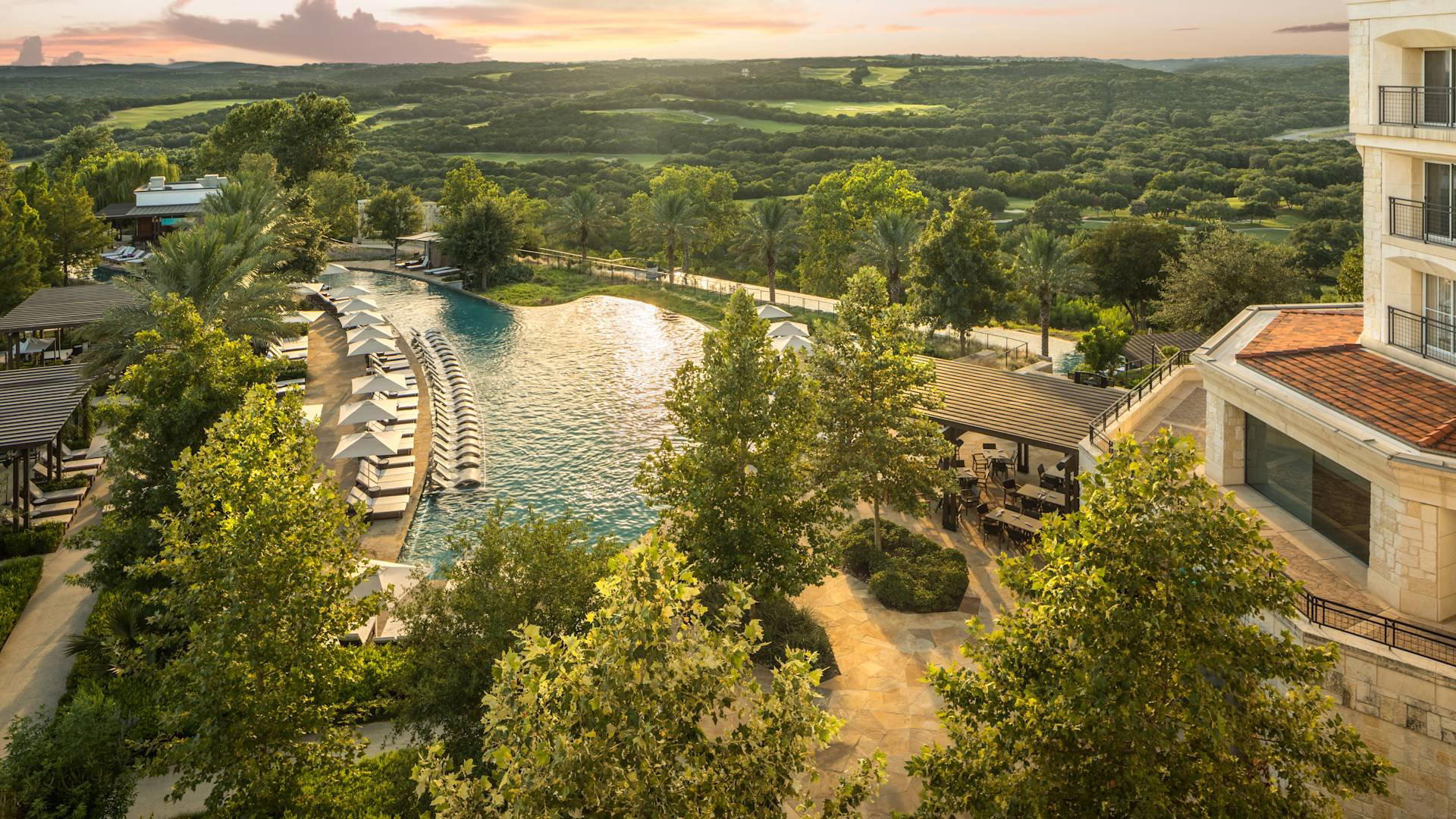

At a Glance
- Lively
- Scenic
- Casual
- Brunch
- Family
- Group Dining
- Celebration
- Business Dinner
- Open Kitchen
- Hotel Restaurant
- Panoramic View
- Terrace
- Extensive Wine List
- Craft Cocktails
- Beer Program
- Mountain
Current opening hours
- Monday
- 7 AM–2 PM, 5–10 PM
- Tuesday
- 7 AM–2 PM, 5–10 PM
- Wednesday
- 7 AM–2 PM, 5–10 PM
- Thursday
- 7 AM–2 PM, 5–10 PM
- Friday
- 7 AM–2 PM, 5–10 PM
- Saturday
- 7 AM–2 PM, 5–10 PM
- Sunday
- 7 AM–2 PM, 5–10 PM
Hours can change for holidays and private events. Last verified .
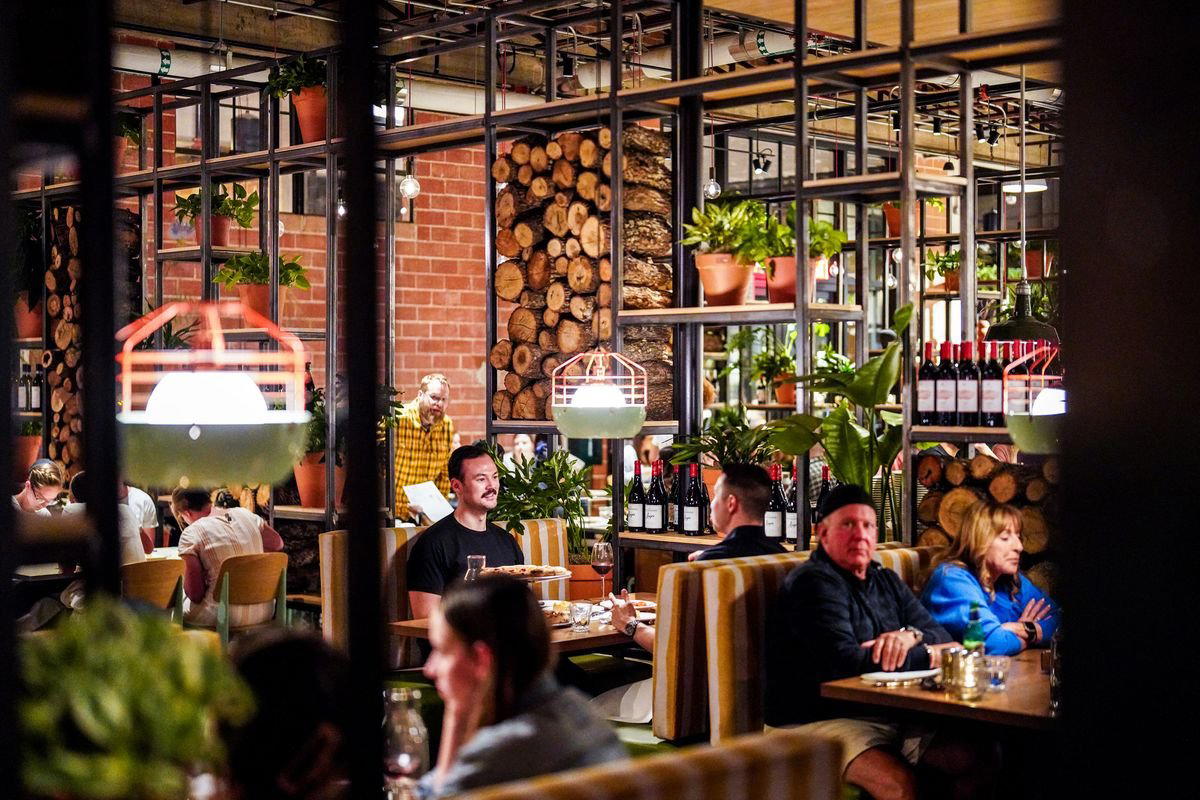
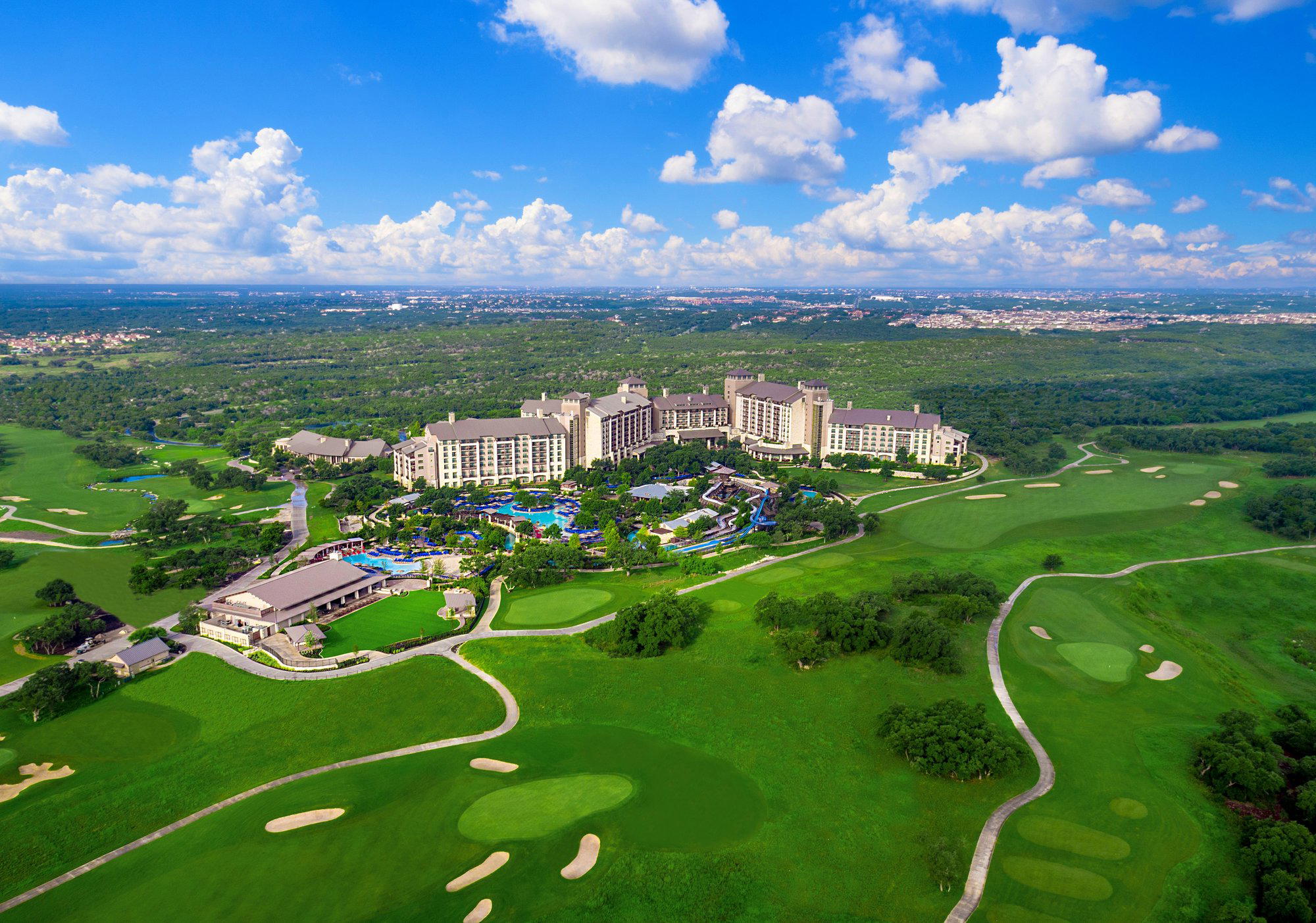
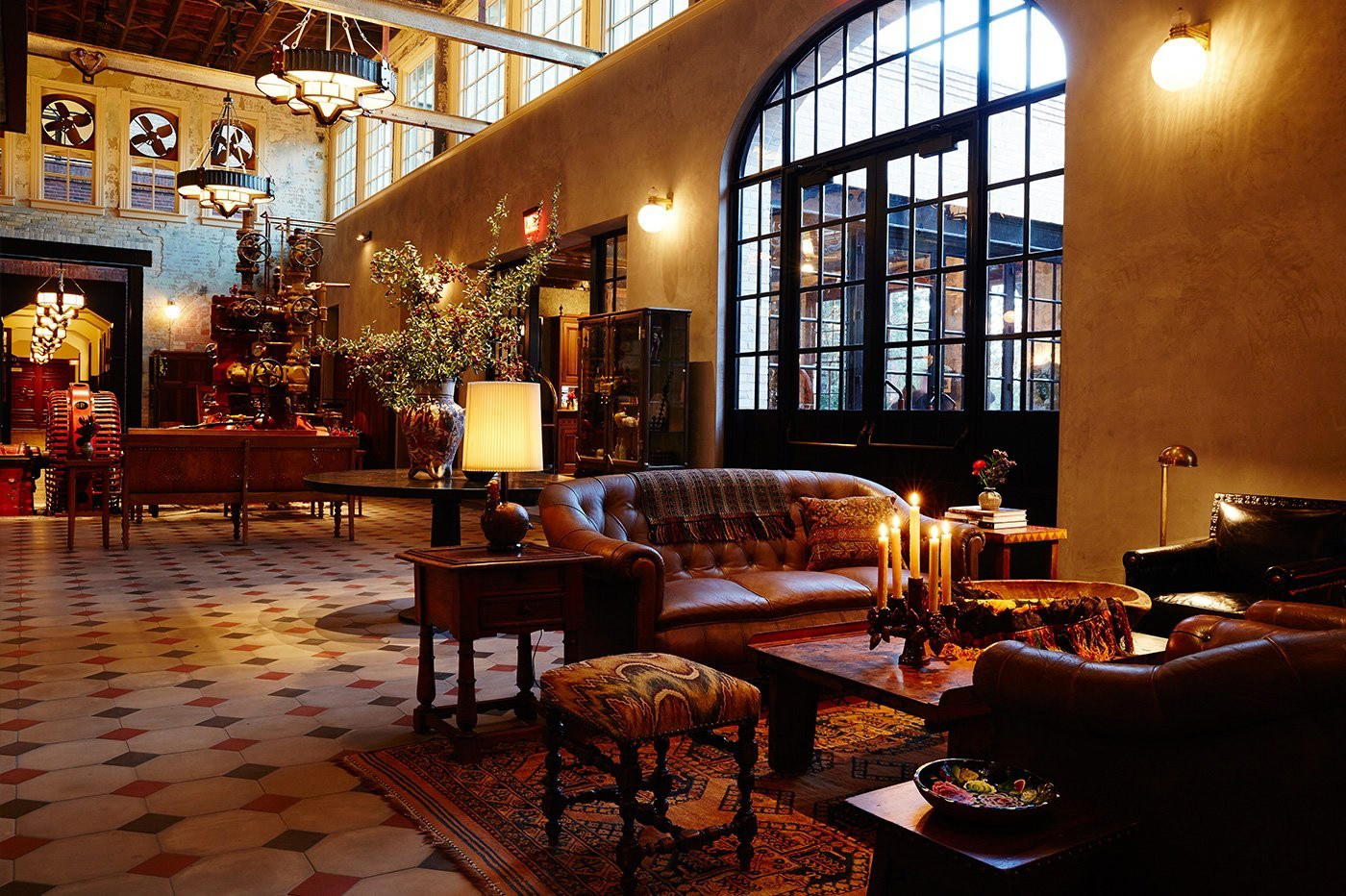
Lively casual dining with bright natural light from the open kitchen, featuring both indoor seating with panoramic Hill Country views and outdoor patio overlooking Plaza San Saba.