The Cove
At 606 W Cypress Street in San Antonio's Beacon Hill neighbourhood, The Cove occupies a corner of the city's casual-dining scene that rewards those who seek it out. The address places it within reach of the Pearl District and Midtown without the tourist-facing crowds that shape dining choices along the Riverwalk. For visitors working through San Antonio's broader restaurant map, it represents a neighbourhood-rooted stop worth factoring into the itinerary.
Pearl is the En Primeur Club membership app — saves, bookings, and concierge access live there. Same editors, same standards.
- Address
- 606 W Cypress St, San Antonio, TX 78212
- Phone
- +1 210 227 2683
- Website
- thecove.us
- Directions
- Get directions
 Saves & bookings on Pearl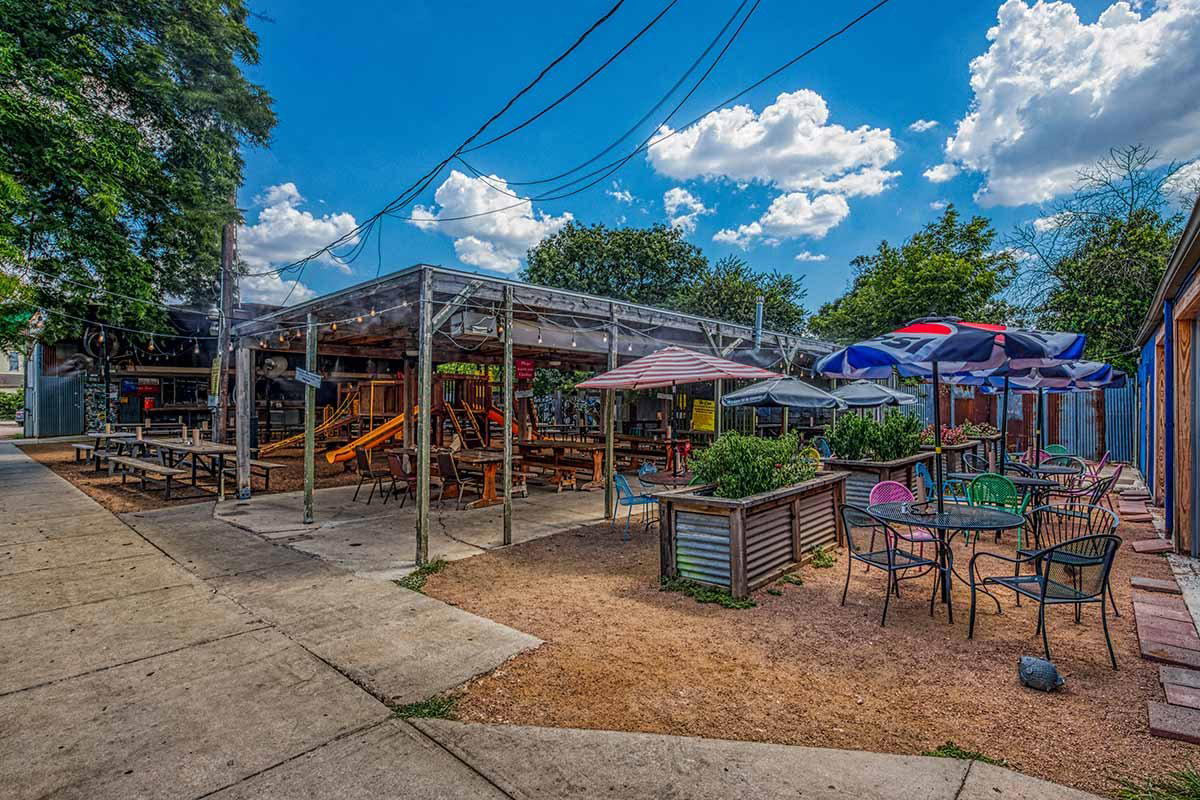
What to Know Before You Go
San Antonio's dining scene has been redrawn over the past decade by a wave of serious independent operators, a pattern visible across the city from the Pearl District's chef-driven formats to the Southside's barbecue circuit. Within that broader shift, the city's neighbourhood restaurants, those sitting away from the tourist corridors of the Riverwalk and downtown, have developed their own identity: lower profile, more locally patronised, and often more honest about what they are. The Cove, at 606 W Cypress St in Beacon Hill, is a casual San Antonio restaurant serving sustainable American burgers and tacos. It is the sort of address that appears on local recommendation lists rather than international travel features, which in a city with as much dining depth as San Antonio is a meaningful distinction.
Beacon Hill sits northwest of the Pearl District, close enough to Midtown to draw a mixed crowd but far enough from the convention-centre radius that the room fills with San Antonians rather than visitors working through a hotel concierge's shortlist. That geography shapes the experience before you arrive. The planning calculus here is different from what you would apply to a reservation-driven tasting room or an allocation-list winery. This is the kind of venue where knowing the neighbourhood, understanding the format, and arriving with calibrated expectations does more for your experience than any booking strategy.
San Antonio's Neighbourhood Dining Context
The city's serious restaurant conversation has, for some years, concentrated on a handful of high-commitment formats. Mixtli (Mexican) operates at the tasting-menu end of the spectrum, running ticketed sittings that function more like a curated cultural programme than a conventional dinner service. Isidore (Texan) signals the city's appetite for refined regional cooking. These formats demand advance planning, often weeks out, and set expectations accordingly. At the other end of the commitment spectrum sit venues like 410 Diner, which operate on availability rather than reservation depth. 2M Smokehouse (Barbecue) on the Southside represents a different tier again, one where the queue itself is part of the format and where selling out before close is a regular occurrence rather than an exception.
The Cove sits in a middle register of this geography, a neighbourhood-facing address that draws on the Beacon Hill and Midtown residential base as its primary audience. That positioning is consistent with a broader pattern visible in American cities: the neighbourhood all-day spot that functions as a community anchor rather than a destination venue. Comparable dynamics appear in markets like Lazy Bear in San Francisco, where the gap between the city's most committed dining formats and its everyday neighbourhood operations has widened considerably, pushing mid-register independent venues into a distinct and increasingly valued tier.
The Booking Experience: What the Format Actually Requires
Because The Cove is walk-in friendly, the practical advice here is to treat it as a walk-in-oriented address. San Antonio's neighbourhood restaurants in this price tier and format category typically operate without advance booking requirements, which is itself a planning signal: these are rooms that reward spontaneity more than they reward calendar management. That said, peak weekend evenings in well-established Beacon Hill spots can produce waits, particularly in the cooler months between October and March when outdoor seating conditions across Texas improve and neighbourhood foot traffic increases.
For visitors building a San Antonio itinerary around dining, the practical approach is to anchor your advance-booking energy on the formats that genuinely require it, venues with ticketed formats or documented booking queues, and leave addresses like The Cove as flexible slots. This is a different logistical discipline from what you would apply at, say, The French Laundry in Napa, Smyth in Chicago, or Atomix in New York City. It is also different from allocation-model venues like Single Thread Farm in Healdsburg or commitment-heavy formats like Blue Hill at Stone Barns in Tarrytown, where the pre-arrival process is part of the experience design.
The restaurant's West Cypress Street address is accessible from both the Pearl District and Midtown by car in under ten minutes, making it a practical mid-evening stop if a longer dinner at a tasting-format restaurant ends earlier than expected, or a useful first stop before a later commitment elsewhere in the city. 1Watson operates in adjacent territory if you are mapping a neighbourhood-focused evening across multiple stops.
Placing The Cove in a Wider American Context
The neighbourhood anchor format, common in cities with strong residential dining cultures, has attracted renewed attention in recent years as the pendulum has swung away from pure destination dining. Markets like New Orleans, where Emeril's in New Orleans defined one era of restaurant ambition, have seen particularly durable local institutions become those that serve their immediate community consistently rather than calibrating entirely to visiting audiences. The same logic applies in Los Angeles, where Providence in Los Angeles and Addison in San Diego anchor the high end, while the residential neighbourhood tier operates on entirely different terms. In Washington, The Inn at Little Washington represents the full destination-resort format; the contrast with a neighbourhood address in Beacon Hill could hardly be sharper. Even internationally, the gap between destination dining, such as Atelier Moessmer Norbert Niederkofler in Brunico, and neighbourhood anchors defines how cities organise their dining ecosystems at different price points and commitment levels.
San Antonio's version of this pattern is shaped by the city's size, its strong local residential culture, and a dining economy that has grown significantly without fully reorienting around visitor spend. That balance benefits neighbourhood venues in Beacon Hill, which can sustain themselves on local patronage without competing directly against the Pearl District's more visitor-facing formats. Le Bernardin in New York City sets a useful reference point for what the fully destination-oriented end of the American dining spectrum looks like; the restaurant operates at the opposite end of that axis, which is the point.
Side-by-Side Snapshot
Comparable venues nearby, for context on price, style, and recognition.
| Venue | Cuisine | Price | Notes |
|---|---|---|---|
| The CoveThis venue — the venue you are viewing | Sustainable American Burgers & Tacos | $$ | Not listed |
| Tributary | Southern Texas Cuisine | $$ | Alamo District |
| Big Lou's Pizza | Giant American Pizza | $$ | Southeast San Antonio |
| Two Bros. BBQ Market | Texas Barbecue | $$ | Northeast |
| Supper | Seasonal American Farm-to-Table | $$$ | River North District |
| Crockett Tavern | Texas BBQ & Tex-Mex Tavern | $$ | Alamo District |
Continue exploring
More in San Antonio
Restaurants in San Antonio
Browse all →
Bars in San Antonio
Browse all →
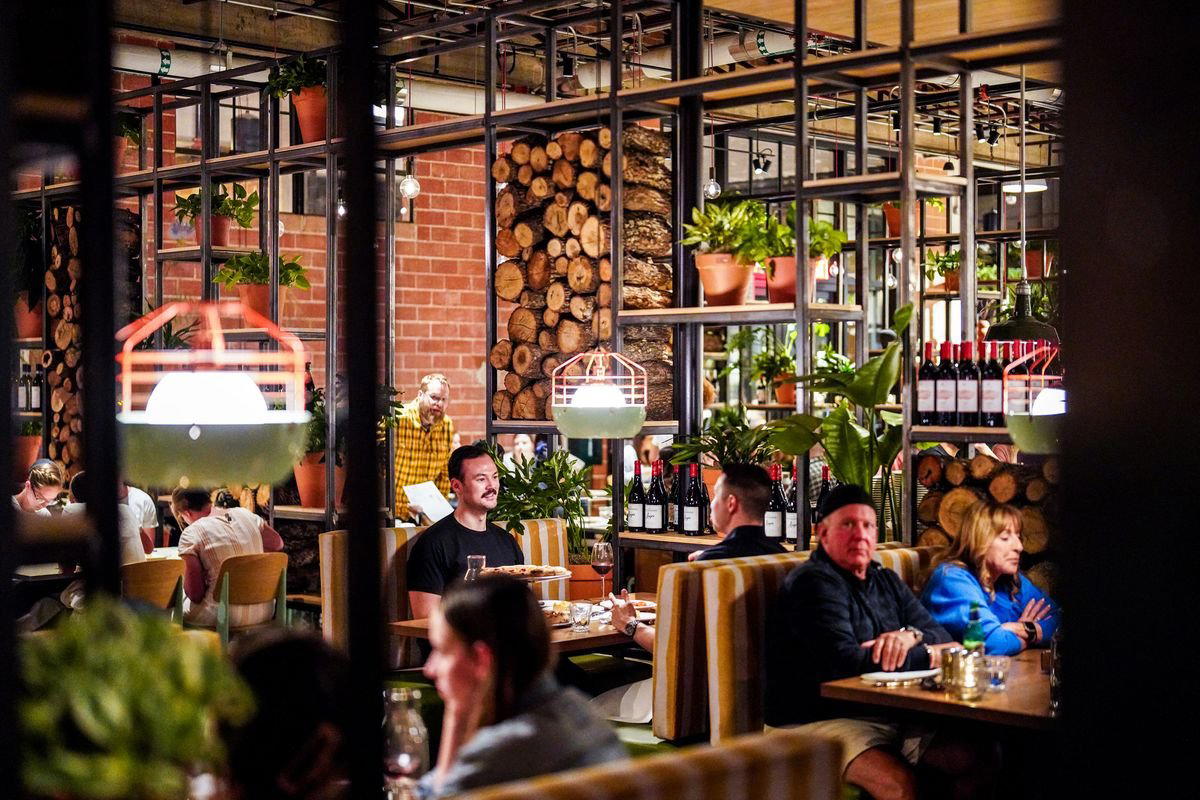
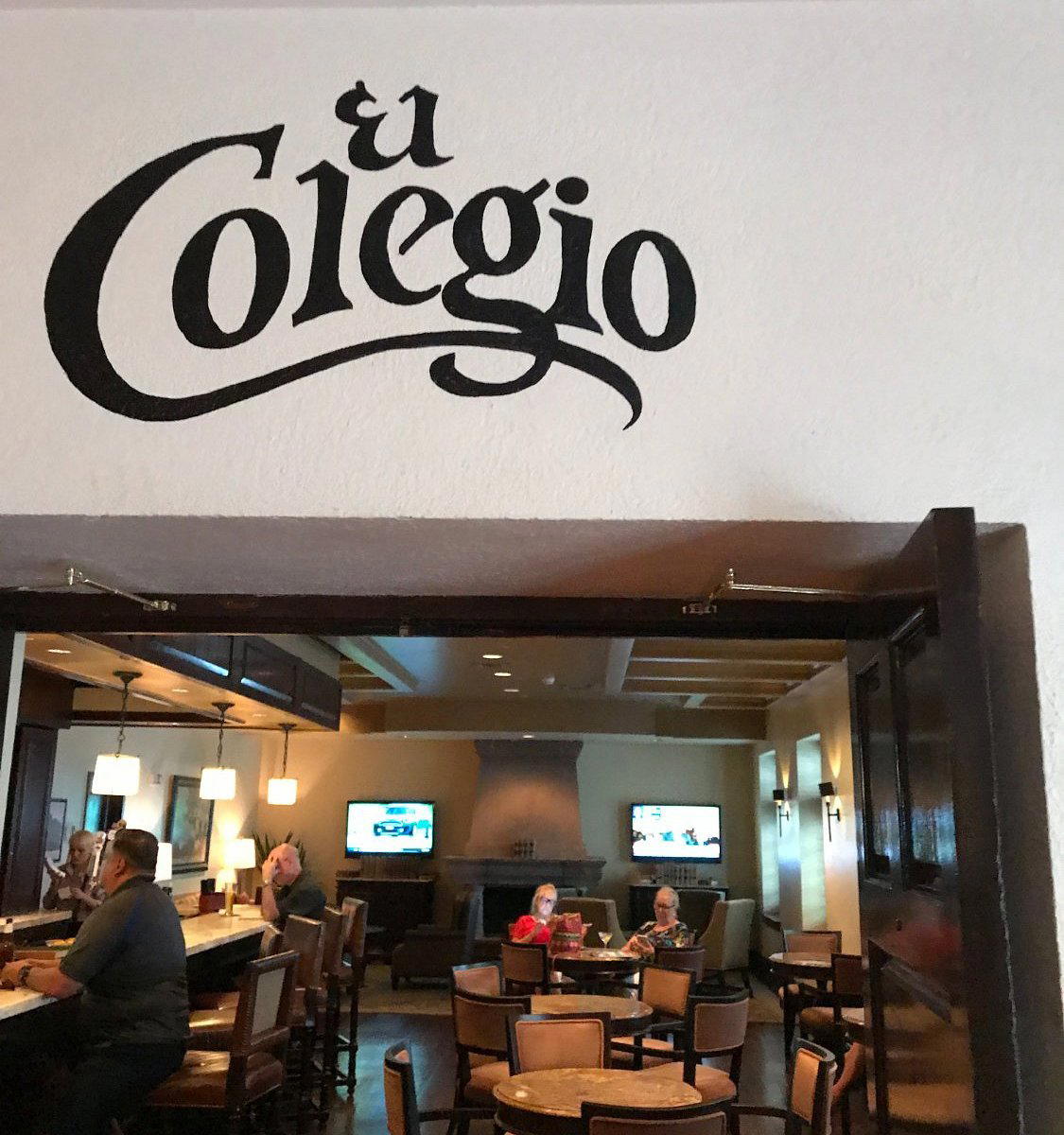
Hotels in San Antonio
Browse all →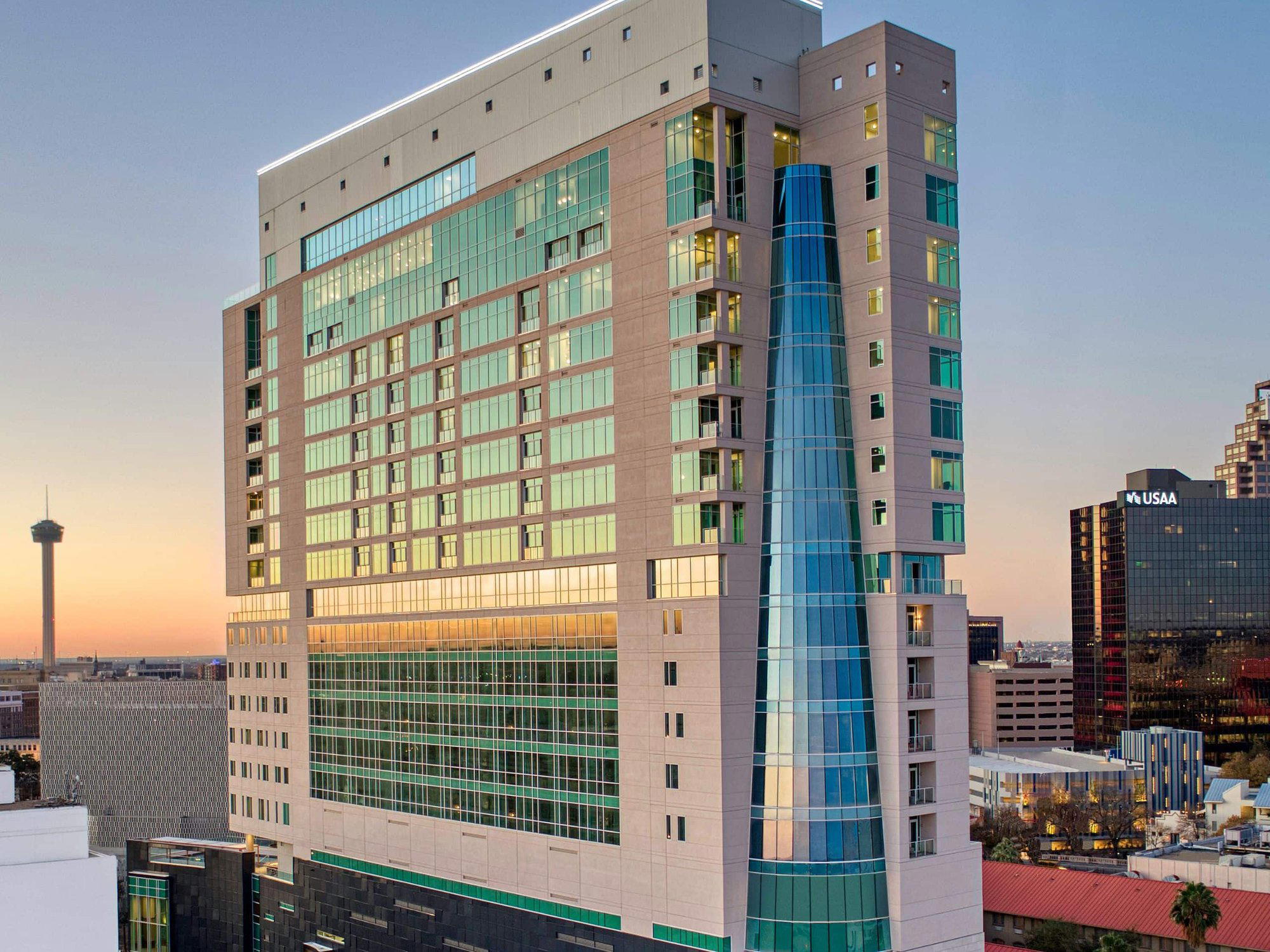

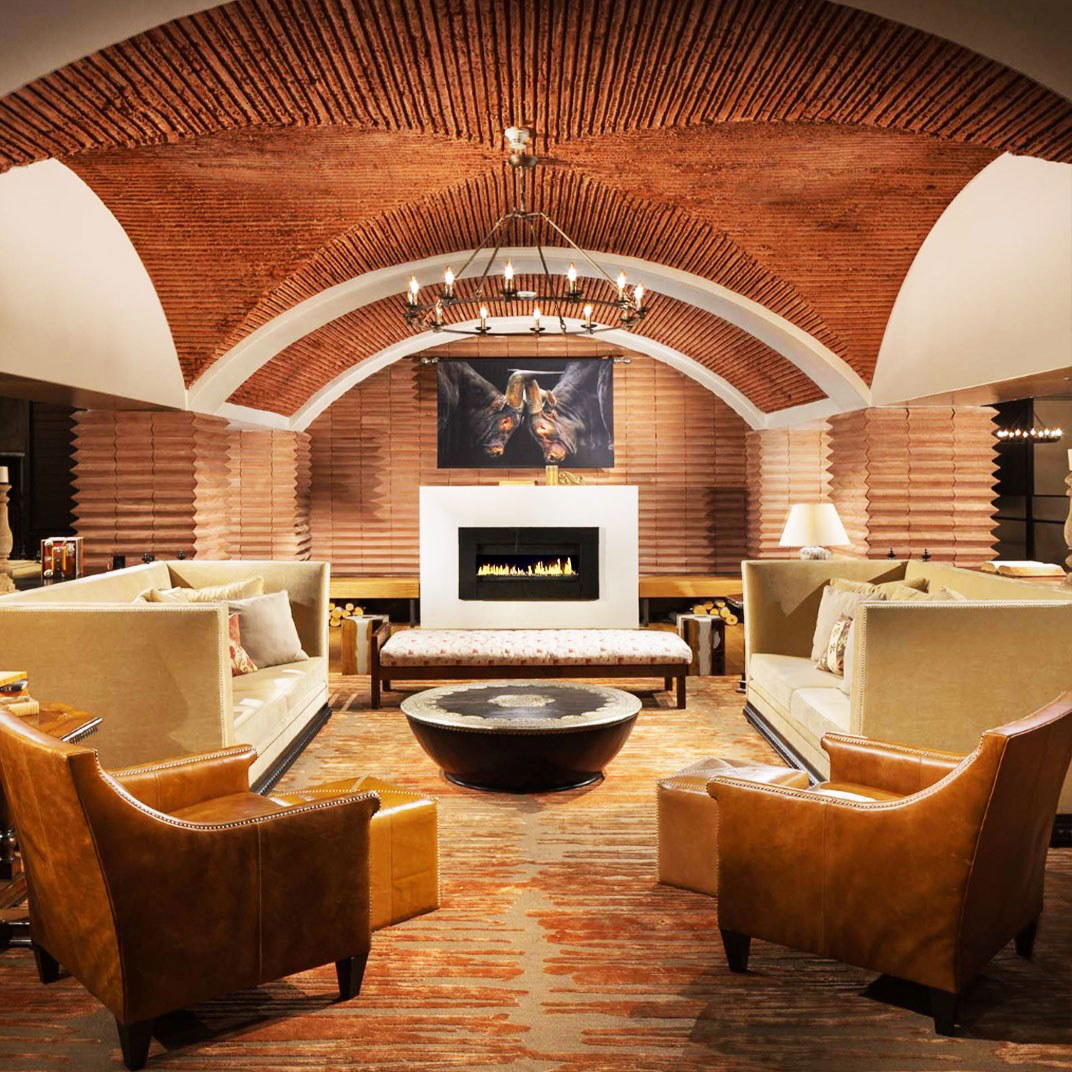
Wineries in San Antonio
Browse all →
At a Glance
- Lively
- Cozy
- Energetic
- Casual Hangout
- Family
- Group Dining
- Live Music
- Open Kitchen
- Beer Program
- Local Sourcing
- Organic
Current opening hours
- Monday
- Closed
- Tuesday
- 11 AM–10 PM
- Wednesday
- 11 AM–10 PM
- Thursday
- 11 AM–10 PM
- Friday
- 11 AM–10 PM
- Saturday
- 11 AM–10 PM
- Sunday
- 11 AM–9 PM
Hours can change for holidays and private events. Last verified .
Lively casual atmosphere with live music, bar area, and outdoor playground.