Swan Coach House
Set within a historic carriage house on the grounds of the Swan House in Buckhead, Swan Coach House occupies a space where Atlanta's institutional memory and its appetite for considered hospitality overlap. The dining room draws a crowd that spans generations, and the setting alone carries the weight of the city's social calendar. It sits in a different register from the tasting-menu circuit but earns its place in any serious survey of Atlanta's dining traditions.
Pearl is the En Primeur Club membership app — saves, bookings, and concierge access live there. Same editors, same standards.
- Address
- 3130 Slaton Dr NW, Atlanta, GA 30305
- Phone
- +1 404 261 0636
- Website
- swancoachhouse.com
- Directions
- Get directions
 Saves & bookings on Pearl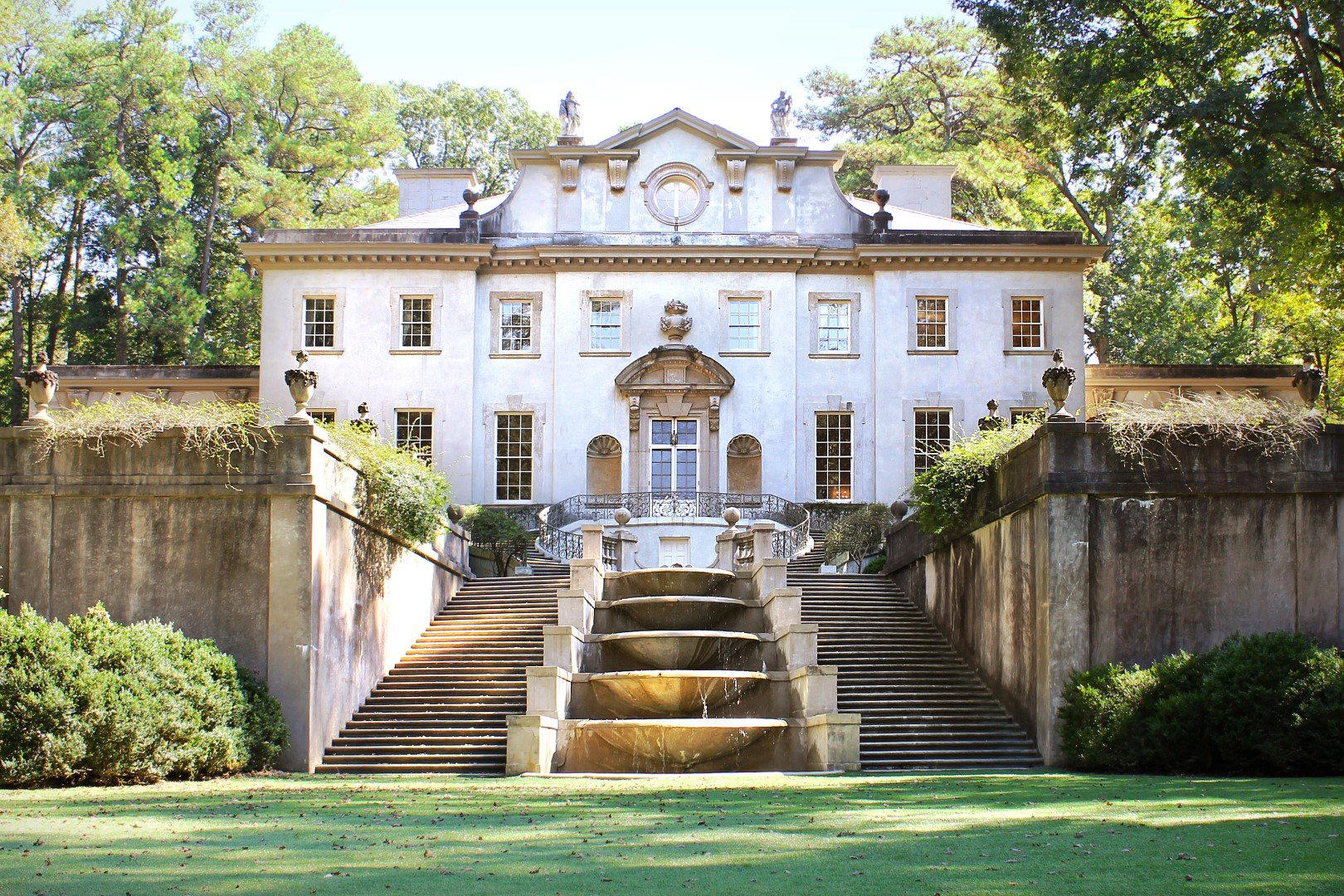
Where Buckhead's Institutional Memory Meets the Table
The approach to Swan Coach House tells you something before you've ordered anything. The building sits on the grounds of the Swan House, the 1928 mansion that serves as the centerpiece of the Atlanta History Center's Buckhead campus at 3130 Slaton Drive NW. In a city that tends to demolish and rebuild, this kind of setting is a significant signal: Atlanta's dining rooms occupy new construction far more often than they occupy buildings with a documented past. The carriage-house format, repurposed from its original function into a restaurant and event space, places Swan Coach House in a distinctive Buckhead setting.
Buckhead itself is Atlanta's most established dining quarter. The corridor that runs through it contains the city's longest-tenured fine-dining addresses, including Bacchanalia, which has anchored serious New American cooking in Atlanta for decades, and Atlas, which operates from inside the St. Regis and pitches its Modern European program at the hotel-dining tier. Swan Coach House functions differently from both: it is not a tasting-menu destination and it does not operate with the contemporary fine-dining apparatus that defines the city's newer ambitious rooms. Its authority is institutional rather than critical-award-driven, rooted in the kind of civic longevity that places it on Atlanta's social calendar in a way few newer openings can replicate.
The Collaborative Architecture of a Room That Has Earned Its Regulars
The dining experience at the restaurant reflects a service model that rewards repeat visits more than first impressions. In the current Atlanta market, where tasting-format restaurants like Lazy Betty and omakase counters like Mujō have sharpened competition for the city's most ambitious dining dollar, the restaurant operates on a different axis entirely. The team dynamic here is less about the kind of front-of-house choreography that defines chef-driven tasting rooms and more about the accumulated institutional knowledge that comes from serving a consistent, returning clientele across decades.
That kind of service model carries its own discipline. A room that does not rely on a rotating-novelty approach to its menu or a celebrity-chef name to generate interest must instead depend on what front-of-house teams are actually built to deliver: recognition, rhythm, and an ability to read a room that has regulars in it. The collaborative structure between kitchen and floor at long-tenured venues like this one tends to produce a quieter competence than the more theatrical team dynamics you encounter at destinations oriented toward out-of-town visitors. It is a different skill set, and in the context of Atlanta's broader dining scene, one worth acknowledging separately from the tasting-menu circuit.
For context, the gap between the restaurant's register and Atlanta's most formally ambitious rooms is significant. Nationally, the team-dynamic model is most legible at venues where the collaboration between kitchen, sommelier, and floor is foregrounded as part of the dining proposition itself: Le Bernardin in New York City, The French Laundry in Napa, and Smyth in Chicago are all examples where the front-of-house is as much a part of the editorial conversation as the kitchen. The restaurant's version of that collaboration is more embedded in the fabric of the building and its history than in a contemporary fine-dining program, but the underlying principle is recognizable.
Positioning Within Atlanta's Dining Tiers
Atlanta's dining scene has developed a clearer internal hierarchy over the past decade. At the serious end of the contemporary spectrum, venues like Hayakawa operate within a defined omakase tradition with direct lineage to Japanese culinary practice. At the other end, neighborhood-rooted venues serve communities rather than occasions. The restaurant occupies a middle position that is, in some respects, harder to categorize: it is occasion-driven without being fine-dining in the tasting-menu sense, and it is historic without being a museum piece.
The comparison set nationally for this kind of venue is not the Michelin-starred tasting rooms that tend to dominate critical coverage. It is closer to the civic-institution category: long-tenured rooms attached to cultural properties that serve a function in the social life of a city that goes beyond the plate. Blue Hill at Stone Barns in Tarrytown occupies a setting with similar institutional weight, though its culinary ambition operates at a different tier. The Inn at Little Washington represents another version of destination dining anchored to a historic property, though again at a different level of critical engagement. The restaurant belongs to that category.
Within Atlanta specifically, the venue's Buckhead address and its connection to the Atlanta History Center give it a positioning that newer openings cannot easily replicate. In a city where the dining conversation has accelerated considerably, driven by an influx of culinary talent and the kind of critical attention that has refined venues like Lazy Betty and Bacchanalia to national visibility, the restaurant represents continuity. That is not a consolation prize. In a market that churns through openings, a room with decades of accumulated patronage is its own kind of credential.
Planning a Visit
The restaurant sits on the grounds of the Atlanta History Center at 3130 Slaton Drive NW in Buckhead, a campus visit and a meal representing two different kinds of Atlanta experience within the same address. Given the venue's lunch hours, it is worth planning accordingly, particularly for weekend visits. The surrounding campus is accessible from central Atlanta, and the Buckhead location places it within reach of the neighborhood's other serious dining addresses.
Internationally, Atlanta's fine-dining scene can be mapped against comparable-tier rooms at venues like Addison in San Diego, Providence in Los Angeles, Single Thread Farm in Healdsburg, Lazy Bear in San Francisco, Emeril's in New Orleans, Atomix in New York City, and Atelier Moessmer Norbert Niederkofler in Brunico. The restaurant does not compete in that tier, but it does occupy a position in Atlanta's dining geography that those venues cannot: it is a room attached to the physical history of the city, and that combination of place and function is not easily replicated by a new opening, however ambitious.
Comparable Spots, Quickly
Comparable venues nearby, for context on price, style, and recognition.
| Venue | Cuisine | Price | Notes |
|---|---|---|---|
| Swan Coach HouseThis venue — the venue you are viewing | Classic Southern Lunch | $$$ | Not listed |
| The Southern Gentleman | Modern Southern Gastropub | $$$ | Buckhead |
| 5Church Midtown | New American | $$$ | Midtown |
| So. Fox | Seasonal American Small Plates with Natural Wine | $$$ | Virginia-Highland |
| South City Kitchen | Modern Southern | $$$ | Midtown |
| Floataway Cafe | Contemporary American with Local Ingredients | $$$ | Clifton Community |
At a Glance
- Elegant
- Classic
- Intimate
- Sophisticated
- Celebration
- Special Occasion
- Group Dining
- Private Event
- Brunch
- Historic Building
- Private Dining
- Garden
Current opening hours
- Monday
- Closed
- Tuesday
- 10 AM–4 PM
- Wednesday
- 10 AM–4 PM
- Thursday
- 10 AM–4 PM
- Friday
- 10 AM–4 PM
- Saturday
- 10 AM–4 PM
- Sunday
- Closed
Hours can change for holidays and private events. Last verified .
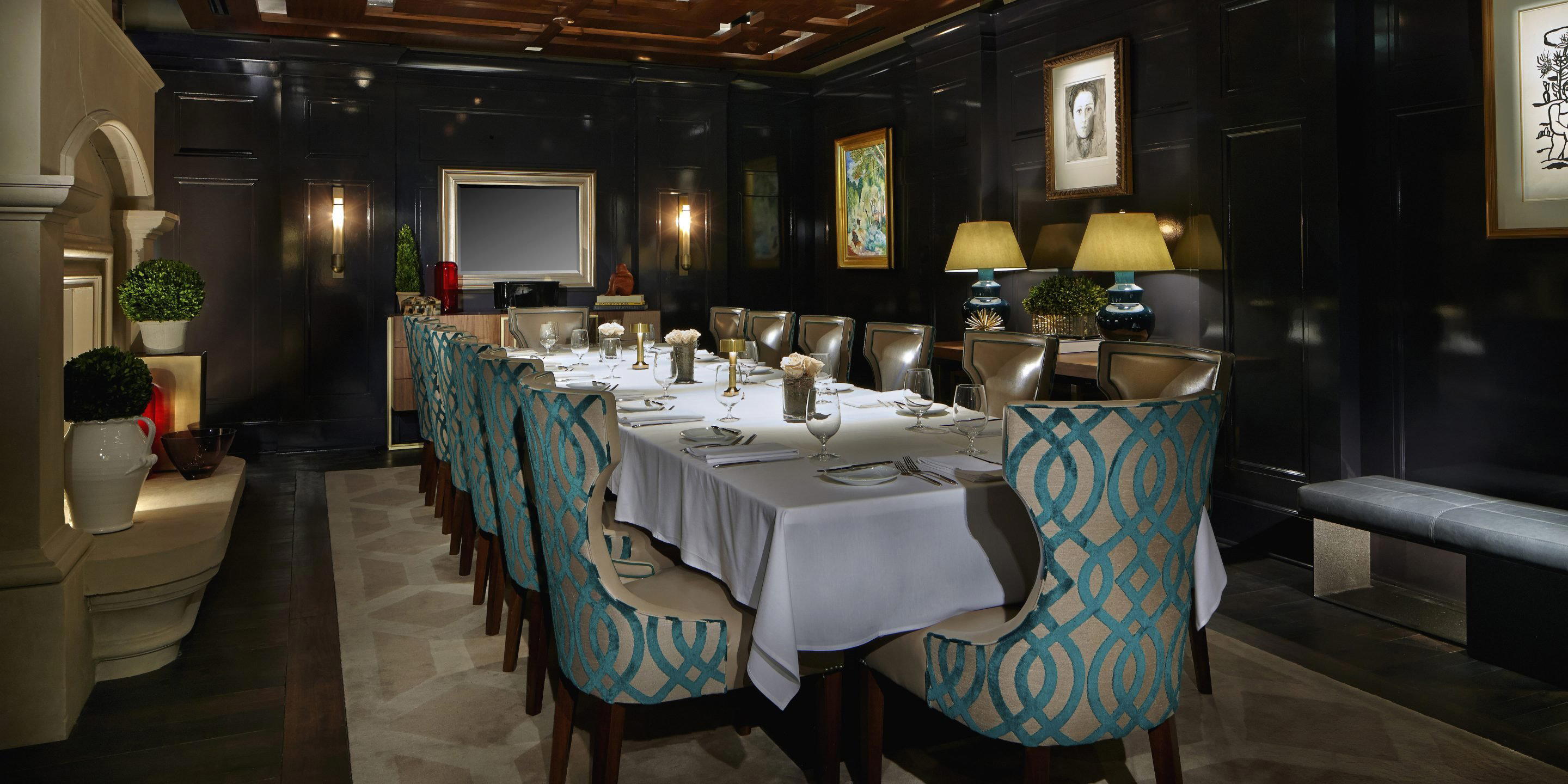
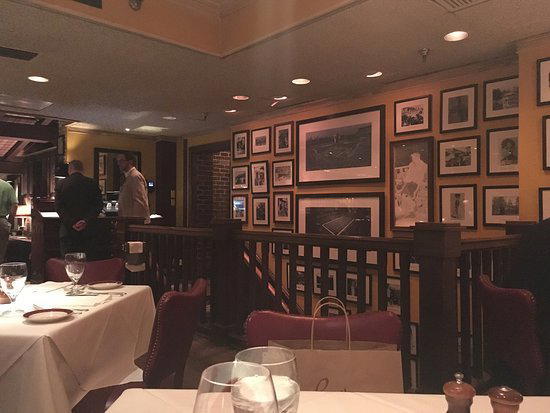
Elegant and refined with formal service; guests describe stepping back in time into a reserved, genteel Southern atmosphere with delightful touches throughout the historic space.