Our verdict
At Sushijin, the omakase experience unfolds like a hushed conversation between ocean and craft—each course a study in balance, purity, and quiet decadence. Seated at an intimate counter of polished wood, guests are guided through a season-driven progression that celebrates the rare and the impeccable: line-caught fish, aged and brushed with whisper-light nikiri; glistening cuts of toro; and rice seasoned to the heartbeat of the chef’s hand. Every gesture is deliberate, every flavor pristine, every moment unhurried—an invitation to savor luxury in its most elemental form. For those who collect experiences as carefully as they collect vintages, Sushijin is a dedication to time, terroir, and the subtle art of restraint.
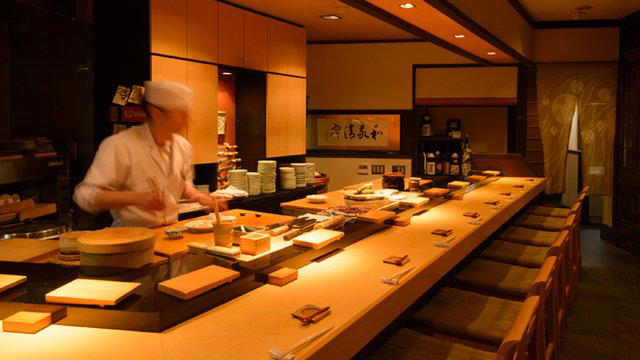
Sushijin is a love letter to seasonality and precision, expressed through an omakase that honors the lineage of Edomae tradition while embracing the chef’s meticulous sense of timing. The dining room is intimate, austere in the most elegant sense: pale timber, soft lighting, and a hushed poise that makes space for every detail—the warmth of the rice, the scent of yuzu mist, the luminous sheen of freshly brushed fish. A seat at the counter is more than proximity; it is an invitation to witness the choreography of craft.
The experience begins with quiet confidence: a clear, crystalline broth to calibrate the palate, a shellfish morsel with saline sweetness, then sashimi cut with architectural precision. Tuna is presented in a crescendo—akami with refined minerality, chu-toro with velvet depth, and o-toro that dissolves with lingering sweetness. Sea urchin arrives cool and custard-soft, balanced by a whisper of nori toastiness; kohada is expertly aged, its brightness tempered into complexity.
Each piece is seasoned to the millimeter—rice warm and aerated, vinegar measured for the day’s temperature, sauces brushed with calligraphic restraint. Textures are a quiet revelation: the lacquered crackle of perfectly tempered nori, the porcelain snap of abalone, the silken glide of engawa lightly kissed by charcoal. Hot courses offer contrast without interruption—perhaps a delicately grilled nodoguro, its fat rendered to perfume, or a chawanmushi with just-barely-set custard cradling the essence of the sea.
The progression is sensorial but never showy, designed to reward attention as much as appetite. Sake pairings are curated with the same fidelity to season and mood, pouring junmai daiginjo with lifted florals, structured junmai with rice-driven minerality, and rare bottlings that frame the meal with clarity. For collectors, there are quiet treasures to discover—labels as restrained and precise as the cuisine itself.
Service is gracious without choreography, attuned to unspoken cues and paced to the rhythm of conversation and contemplation. Sushijin’s rarity is its restraint: a refusal to crowd the plate—or the moment. It is an address for diners who seek intimacy over spectacle, provenance over pyrotechnics, and the kind of luxury measured in the precision of a cut, the warmth of a glance, and the memory of flavors that linger long after the last bow of the brush.
How It Compares
Comparable venues nearby, for context on price, style, and recognition.
| Venue | Cuisine | Price | Awards | Notes |
|---|---|---|---|---|
| SushijinThis venue (the venue you are viewing) | Sushi | Not listed | Not listed | Not listed |
| ル・ポワソニエ | Classic Toyama French | $50–100 | Not listed | 大手モール |
| Yamazaki | Japanese Kaiseki | Not listed | Not listed | Toyama |
| ビストロヨシダ | French Bistro | $20–30 | Not listed | 西田地方町 |
| Tachigui Sushi Jinjin | Dining | Not listed | Tabelog 100 #49 | Toyama |
| 日本料理 雲海 | Japanese Seafood | Not listed | Not listed | Toyama |
Recognition history
Dated appearances from independent guides and award organizations, with the underlying list record or original source where available.
Opinionated About Dining Top Restaurants in Japan Ranked #464
Opinionated About Dining
Full recognition history (2 entries)
Opinionated About Dining Top Restaurants in Japan Highly Recommended
Opinionated About Dining
Continue exploring