

Michelin Guide Plate · Star Wine List · Wine Spectator Award of Excellence
Our verdict
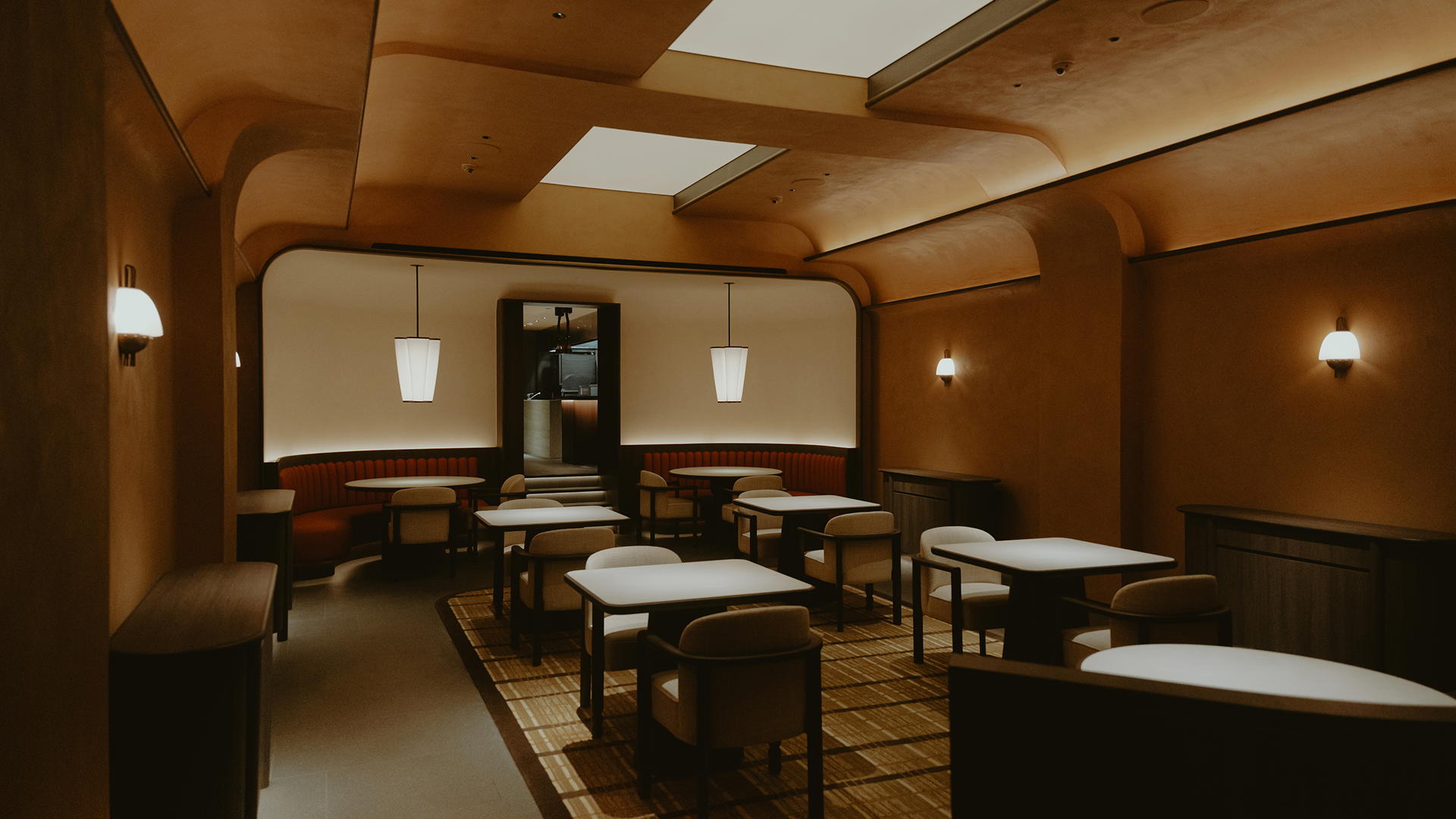
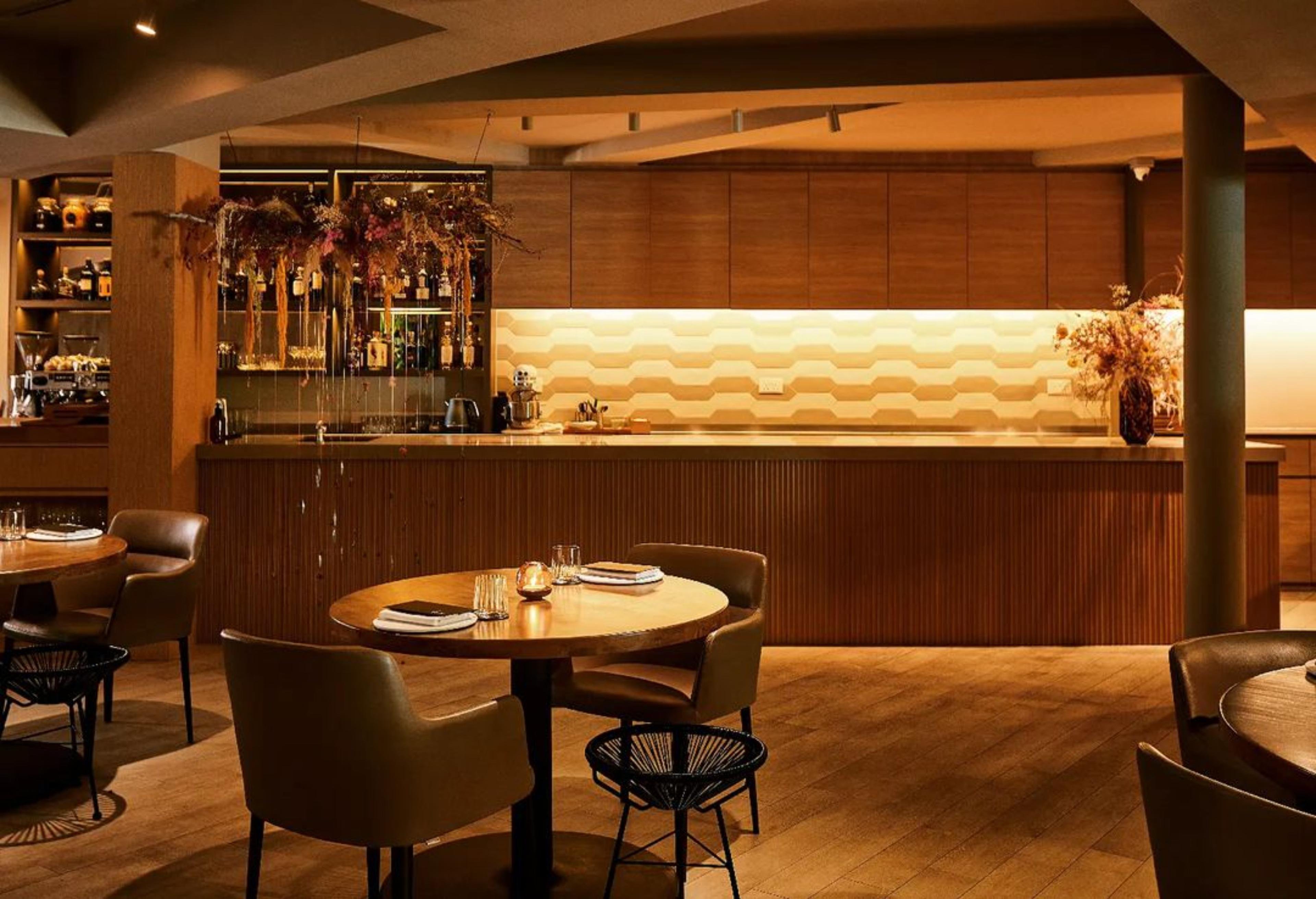
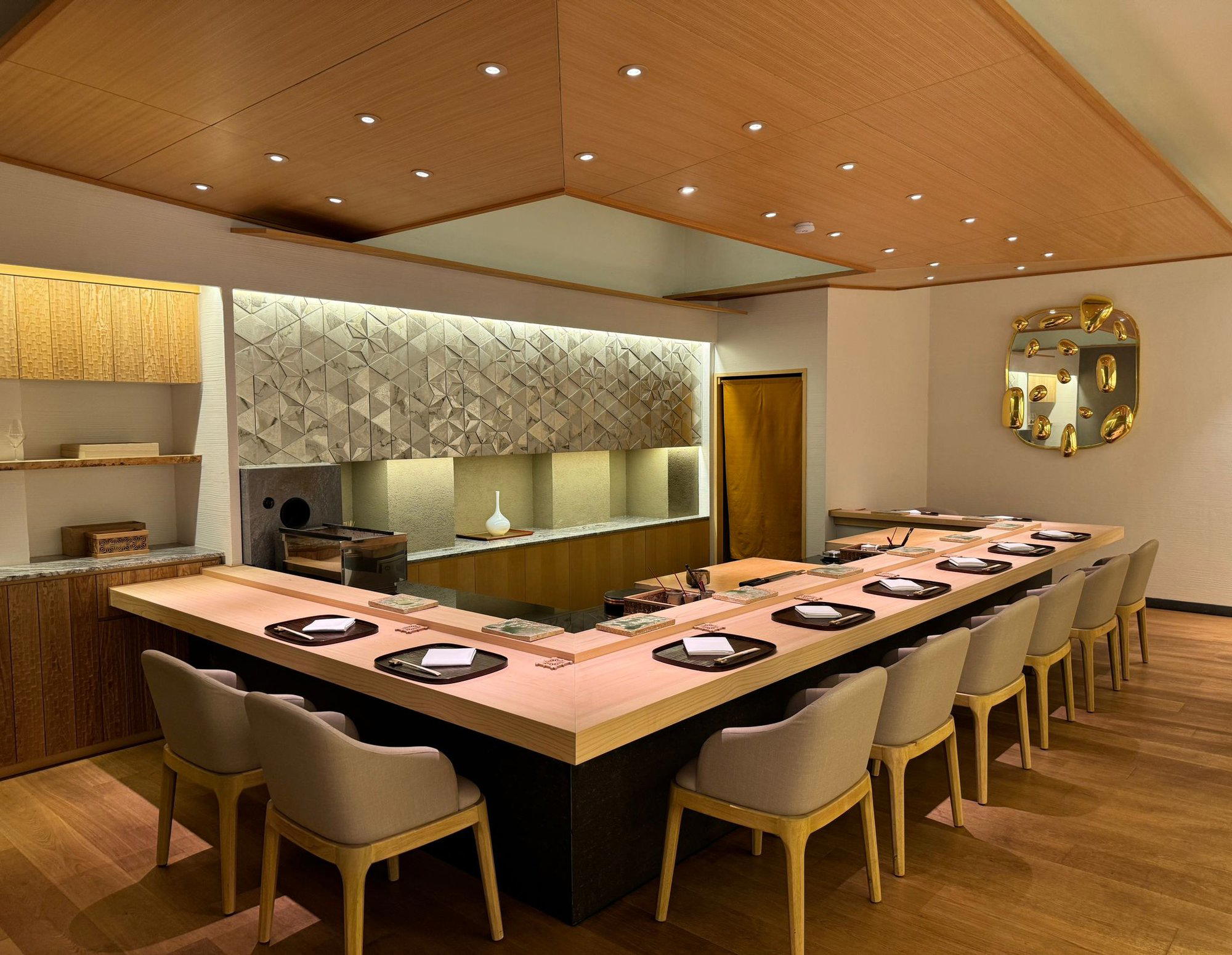
Sushi Oono in Singapore serves traditional Edomae sushi at a 300-year-old hinoki counter near Robertson Quay. Must-try items include the Lunch omakase (12–14-piece nigiri set, approx. SGD 220), the signature Nigiri with prawn powder, and a seasonal sashimi starter. Chef Keisuke Ohno, trained in Ginza, focuses on precise rice seasoning, exact slicing, and seafood from trusted Japanese suppliers. The dining experience pairs each bite with a wine list recognized by Wine Spectator and The World of Fine Wine. Expect warm hinoki aroma, cool, just-cut fish, and attentive counter service that makes every piece distinct and immediate.

Pearl is the En Primeur Club membership app, where members save venues, book tables and use the concierge.
Sushi in Singapore: The Counter Format and Its Place on Mohamed Sultan Road
Singapore's sushi scene has consolidated around two poles over the past decade: mid-market conveyor and delivery formats on one end, and intimate omakase counters on the other. The latter category has grown sharply, with Japanese-trained chefs opening small-seat operations across the island, from Telok Ayer to River Valley. Sushi Oona, at 14 Mohamed Sultan Road in the Robertson Quay corridor, belongs to that counter-format tier, a category defined less by spectacle than by proximity, pace, and the quality of the rice-to-fish relationship on the plate.
Mohamed Sultan Road sits at the edge of the Robertson Quay dining cluster, an area that has shifted over the past several years from late-night bar strip to a more varied food-and-drink corridor. Premium Japanese concepts have found footing here alongside wine bars and modern European rooms, which places Sushi Oona in a neighbourhood already oriented toward the considered, higher-spend diner rather than the passing tourist. That context matters when reading a restaurant's price positioning: at the $$$ tier for cuisine and with a wine list that also sits at $$$, Sushi Oona is pricing against serious peers, not against casual dining.
The Cultural Logic of Omakase in a Singapore Context
The omakase format carries specific cultural weight that gets obscured when it travels. In Japan, entrusting the chef with the meal's direction is an act of deference rooted in the assumption that the kitchen's knowledge of today's fish, today's temperature, and today's rice is superior to the diner's menu-browsing instinct. That contract, between cook and guest, built around seasonal and daily market realities, is what separates a genuine omakase counter from a fixed tasting menu that happens to be called omakase. Singapore's leading counters have absorbed that discipline. The weaker ones use the label as a premium pricing mechanism without the underlying market responsiveness.
The pairing of chef Keisuke Ohno and wine director Hiromi Ohno at Sushi Oona signals something worth noting about how Japanese fine dining has evolved in this city. The presence of a dedicated wine director at a sushi counter is not standard practice in Japan, where sake and beer dominate pairing conversations. In Singapore, the dining public is cosmopolitan, and the expectation of a serious wine list alongside Japanese cuisine reflects local demand rather than tradition. Sushi Oona's list runs to approximately 175 selections across 310 bottles, with declared strengths in France, specifically Bordeaux, Burgundy, and Champagne. That profile, classical French rather than adventurous natural or New World, matches the expectations of the upper-bracket Singapore diner who arrives already fluent in Burgundy vintages.
Reading the Wine List Against the Cuisine
A $60 corkage fee positions Sushi Oona as BYOB-friendly for guests with specific bottles in mind, but not so permissive as to undercut its own list. That fee is at the moderate end of what premium Singapore restaurants charge, where corkage at comparable Japanese establishments can run significantly higher. The 310-bottle inventory, for a sushi counter, represents a serious commitment to the beverage program. For context, many omakase-format restaurants in the same price band operate with a fraction of that selection, relying on a short sake list and a handful of wines.
The French anchoring of the list, Bordeaux's structure alongside Burgundy's texture, is a defensible pairing philosophy with sushi if applied with precision. Leaner white Burgundy, particularly from Chablis or the Côte de Beaune, has documented affinity with raw fish preparations. The Champagne component serves the course-by-course format well, providing acidity and effervescence across lighter early courses. Whether the list is executed with that level of intentionality is a judgment that requires a seat at the counter.
Where Sushi Oona Sits in Singapore's Fine Dining Structure
Singapore's upper dining tier is anchored by European and European-influenced kitchens: Les Amis, Odette, and Zén occupy the highest-recognition bracket alongside Jaan by Kirk Westaway and innovative rooms like Meta. Japanese cuisine, particularly sushi, operates in a parallel track, where recognition comes through a different set of markers: chef lineage, fish sourcing, and counter reputation rather than the Michelin three-star framework that dominates European fine dining publicity.
Globally, the serious sushi counter has become a distinct category within fine dining, sitting in a tier alongside institutions like Le Bernardin in New York City and multi-course destination formats at places such as Atomix in New York City. The sushi counter's intimacy and the direct chef-to-guest service model also shares conceptual territory with experience-led formats at restaurants like Lazy Bear in San Francisco. Internationally, the premium Japanese counter has earned its own critical vocabulary, and Singapore is one of the Asian cities where that format has taken serious root alongside European fine dining, a comparison set that includes 8½ Otto e Mezzo Bombana in Hong Kong across the region.
At the $$$ cuisine tier, Sushi Oona is not competing with casual Japanese restaurants. It is competing with other serious counters and with mid-to-upper European rooms. The question for a diner allocating budget is whether a sushi counter experience, with its emphasis on fish quality, rice craft, and chef proximity, represents a better allocation than a comparable spend at a European kitchen. That is a preference question, not a quality question, but it is the context in which Sushi Oona makes its case.
Planning a Visit
Sushi Oona serves lunch and dinner at 14 Mohamed Sultan Road, #01-01, in the Robertson Quay corridor. The restaurant is accessible from Clarke Quay MRT station, with Mohamed Sultan Road running parallel to the river roughly a five-to-ten minute walk from the station exit. As with most serious counters in Singapore, advance booking is advisable, particularly for dinner seatings on weekends. The $$$ cuisine pricing places a typical meal before beverages above the $66-per-person threshold. Guests bringing wine should note the $60 corkage fee against the list, which is priced at the same tier. For those who prefer to work through the house selection, the French-anchored list, with depth in Bordeaux, Burgundy, and Champagne, provides a structured pairing path through the meal.
For a broader view of Singapore's dining, drinking, and hotel options, EP Club maintains dedicated guides: our full Singapore restaurants guide, our full Singapore bars guide, our full Singapore hotels guide, our full Singapore wineries guide, and our full Singapore experiences guide cover the wider city context. For international comparison, the premium counter format and serious wine program at Sushi Oona also invites comparison with destination dining at levels seen at Alain Ducasse Louis XV in Monte Carlo, Alléno Paris au Pavillon Ledoyen, Aponiente in El Puerto de Santa María, and Emeril's in New Orleans, restaurants that, like Sushi Oona, anchor their identity in craft, provenance, and a specific chef's technical framework.
Frequently asked questions
Is Sushi Oona a family-friendly restaurant?
The omakase counter format at Sushi Oona is structured around a fixed, chef-directed progression of courses, which suits adults with an interest in Japanese cuisine more naturally than it does young children. Pricing sits at the $$$ tier (SGD $66+ per person for a typical two-course baseline), and the wine list runs to 175 selections, signalling a room pitched at adult diners. Families with older children who are comfortable at a formal sushi counter will find it manageable, but it is not a casual drop-in format.
What's the overall feel of Sushi Oona?
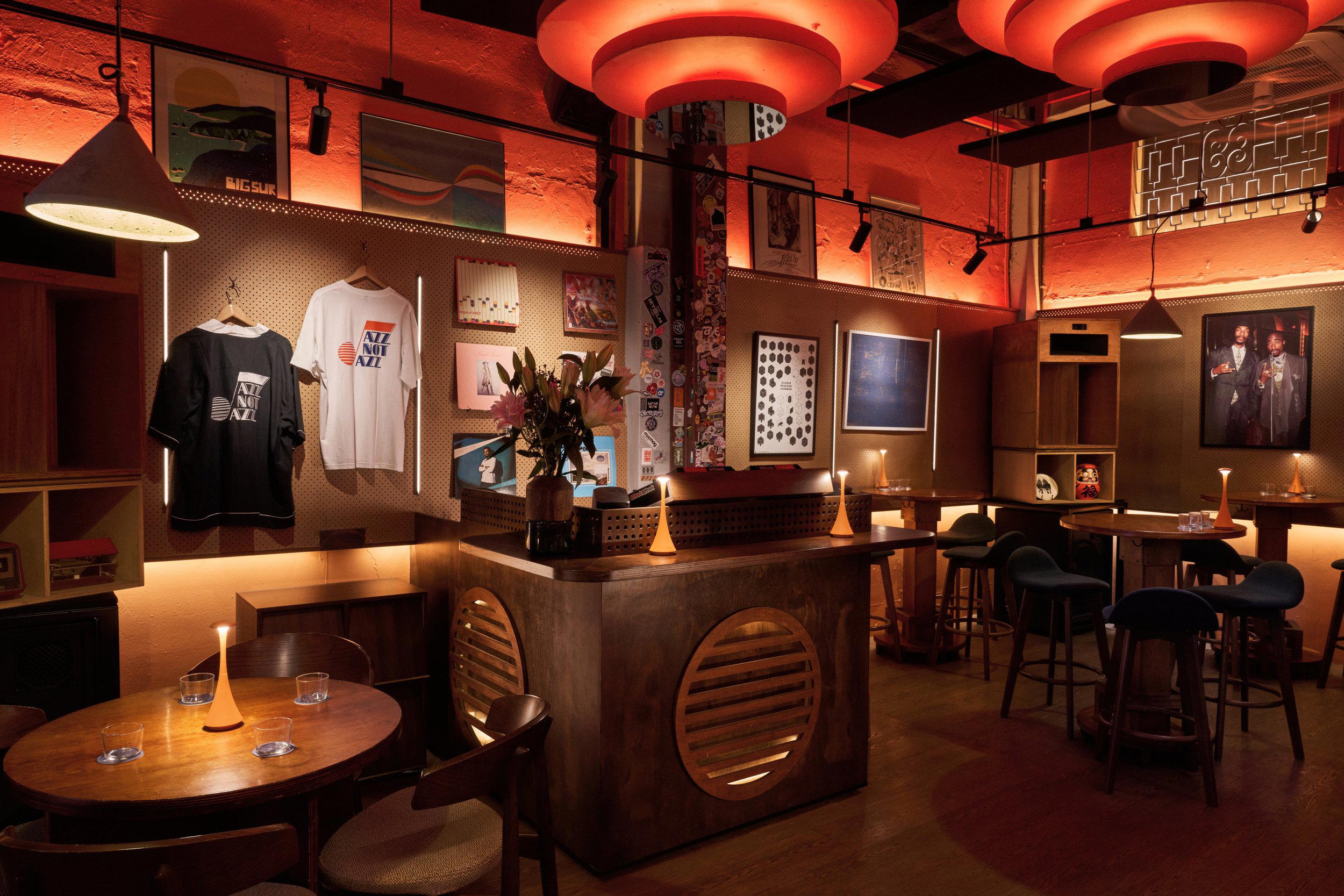
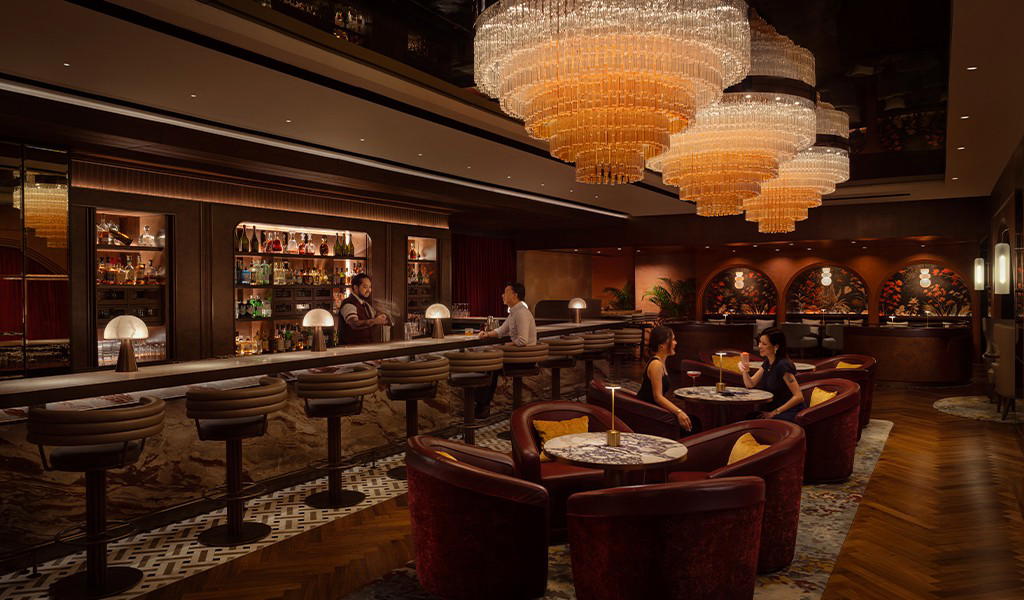
Sushi Oona occupies a shophouse-style unit at 14 Mohamed Sultan Road in the Robertson Quay corridor, a stretch that mixes neighbourhood bars with destination restaurants. The presence of Wine Director Hiromi Ohno alongside Chef Keisuke Ohno suggests a kitchen-and-cellar operation run with genuine dual focus: the 310-bottle inventory with depth in Bordeaux, Burgundy, and Champagne is not incidental to the experience. The overall register is that of a serious Japanese counter where the wine programme carries equal weight to the fish.
Does Sushi Oona have a Michelin star or similar recognition?
Sushi Oona has received recognition including: WINE: Wine Strengths: France, Bordeaux, Burgundy, Champagne Pricing: $$$ i Wine pricing: Based on the list\'s general markup and high and low price points:$ has many bottles < $50;$$ has a range of pricing;$$$ has many $100+ bottles Corkage….
What do people recommend at Sushi Oona?
Because Sushi Oona operates as an omakase format, the menu direction rests with Chef Keisuke Ohno rather than with individual dish selection. The consistent recommendation from guests tends to centre on pairing the omakase progression with selections from the wine list, which covers 175 labels across 310 bottles with particular strength in French regions. For guests bringing their own bottles, the $60 corkage fee makes that a practical option without displacing the in-house list entirely.
Pricing, Compared
Comparable venues nearby, for context on price, style, and recognition.
| Venue | Cuisine | Price | Awards | Notes |
|---|---|---|---|---|
| Sushi OonaThis venue (the venue you are viewing) | INSTITUTION HILL, japanese | Not listed | Michelin Guide Plate · Star Wine List | Not listed |
| Ikkousha Ramen Chijmes | Hakata Tonkotsu Ramen | $20–30 | Not listed | CITY HALL, Hakata Tonkotsu Ramen |
| Bari Bari Steak | Japanese-style teppan steakhouse | $20–30 | Not listed | Tampines, Japanese-style teppan steakhouse |
| Clan 7™ | Modern Cantonese Chinese | Not listed | World's Best Wine Lists Awards WBWL 1-Star | LORONG CHUAN, Modern Cantonese Chinese |
| Hai Di Lao Hot Pot 海底撈火鍋 | Chinese Hot Pot | $30–50 | Not listed | Marina Bay, Chinese Hot Pot |
| Casa Vostra | Casual Italian Pizzeria & Trattoria | $20–30 | Not listed | Raffles City / City Hall, Casual Italian Pizzeria & Trattoria |
Recognition history
Dated appearances from independent guides and award organizations, with the underlying list record or original source where available.
Michelin Guide Plate
Michelin Guide
Star Wine List
Star Wine List
Wine Spectator Award of Excellence
Wine Spectator
World's Best Wine Lists Awards WBWL Category Winner
World's Best Wine Lists Awards
Full recognition history (6 entries)
Wine Spectator Award of Excellence
Wine Spectator
World's Best Wine Lists Awards WBWL 1-Star
World's Best Wine Lists Awards