Our verdict
Ki-sho on Scotts Road is one of Singapore's most focused Japanese kaiseki counters, pairing seasonal cuisine with an uncommon depth of sake selection under Chef Kazuhiro Hamamoto. Ranked #316 among Asia's top restaurants by Opinionated About Dining in 2025, it holds a consistent position in a competitive tier of the city's Japanese dining scene, open for lunch and dinner Tuesday through Saturday.

Pearl is the En Primeur Club membership app, where members save venues, book tables and use the concierge.
The Ritual of the Counter: Japanese Kaiseki in Singapore's Fine Dining Circuit
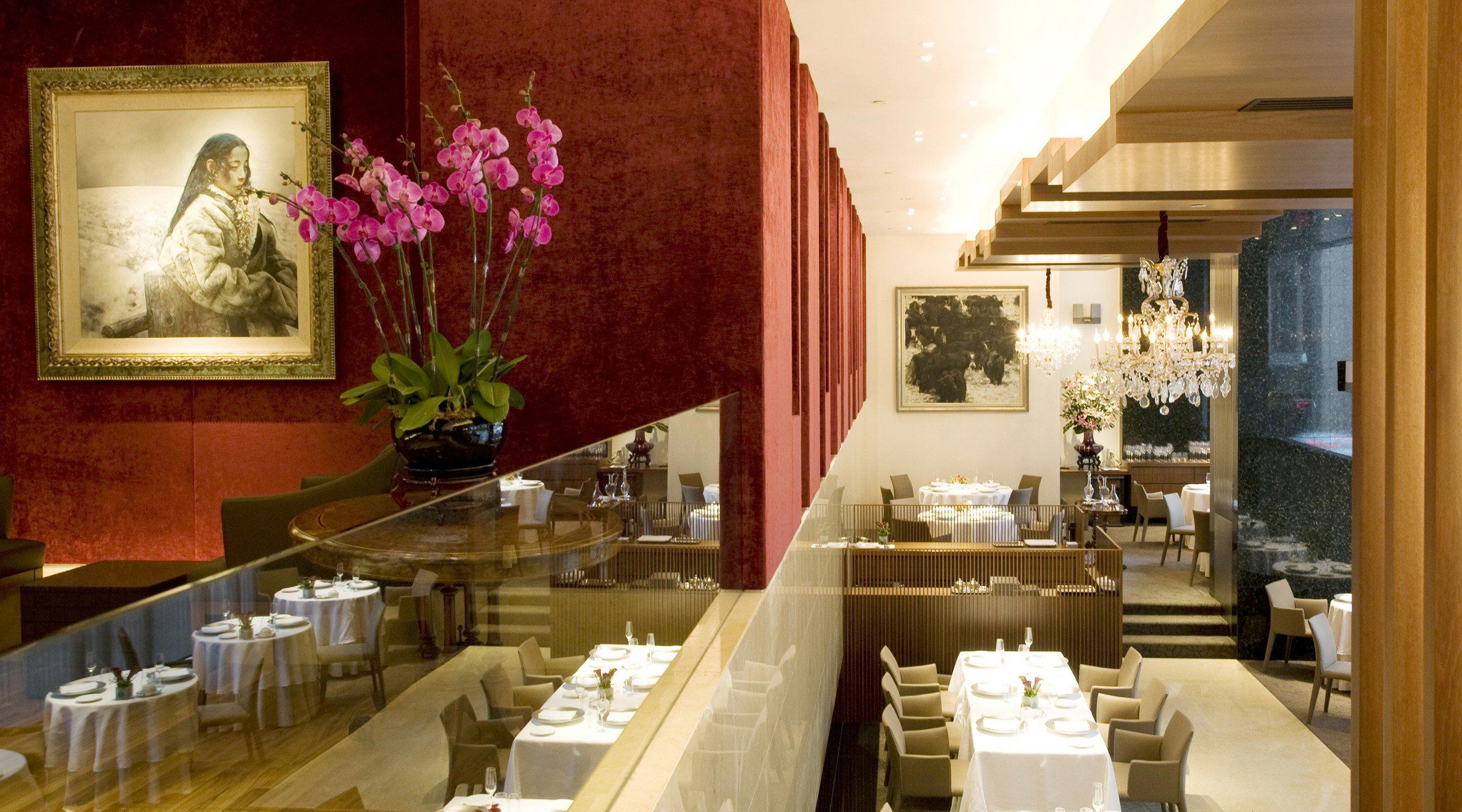
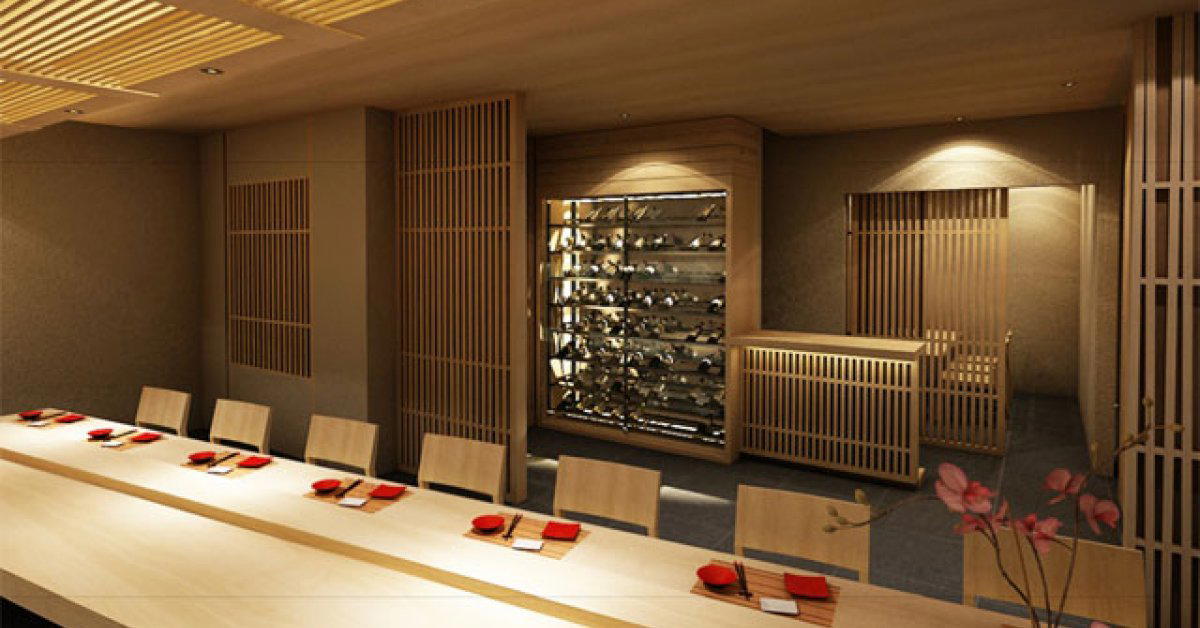
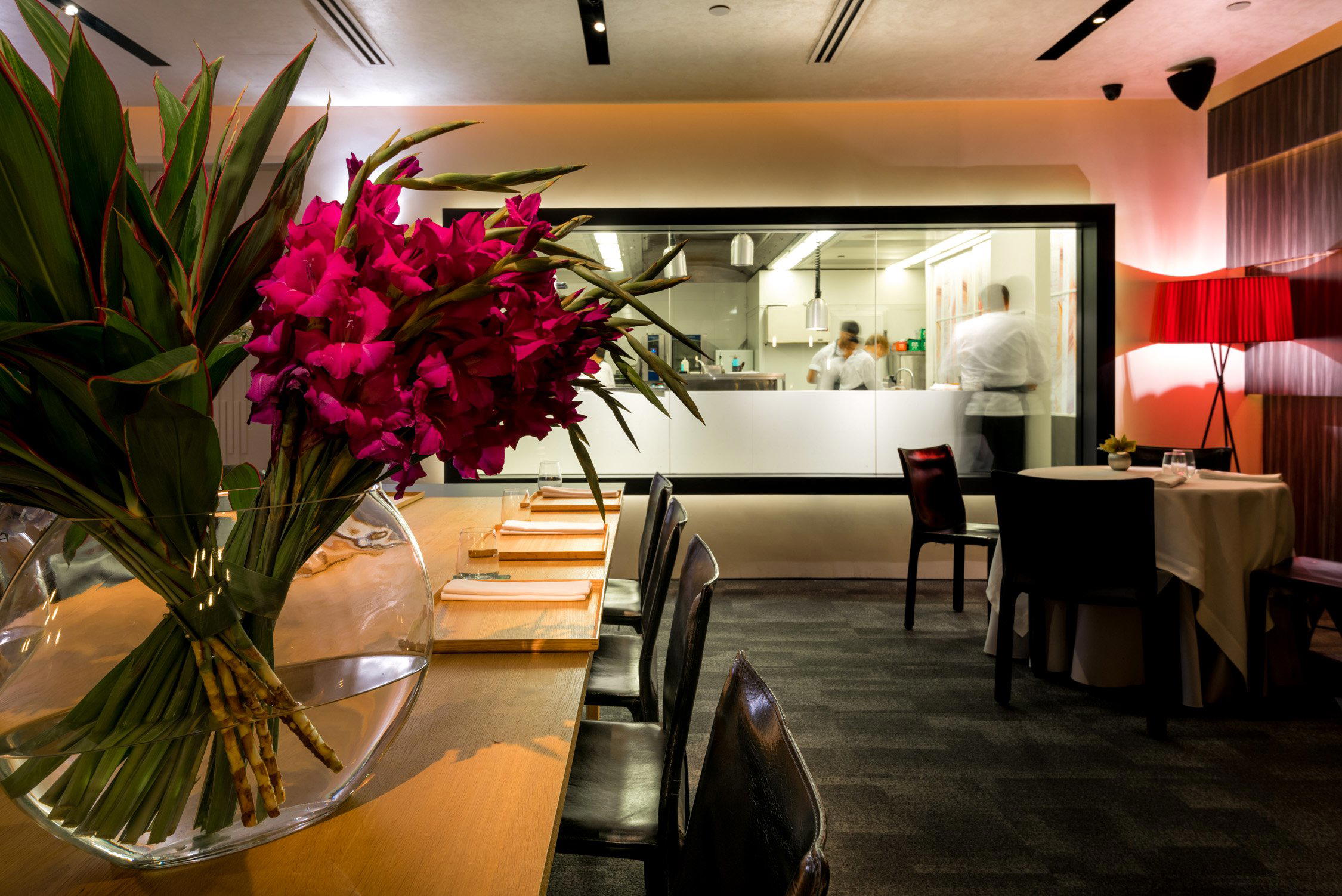
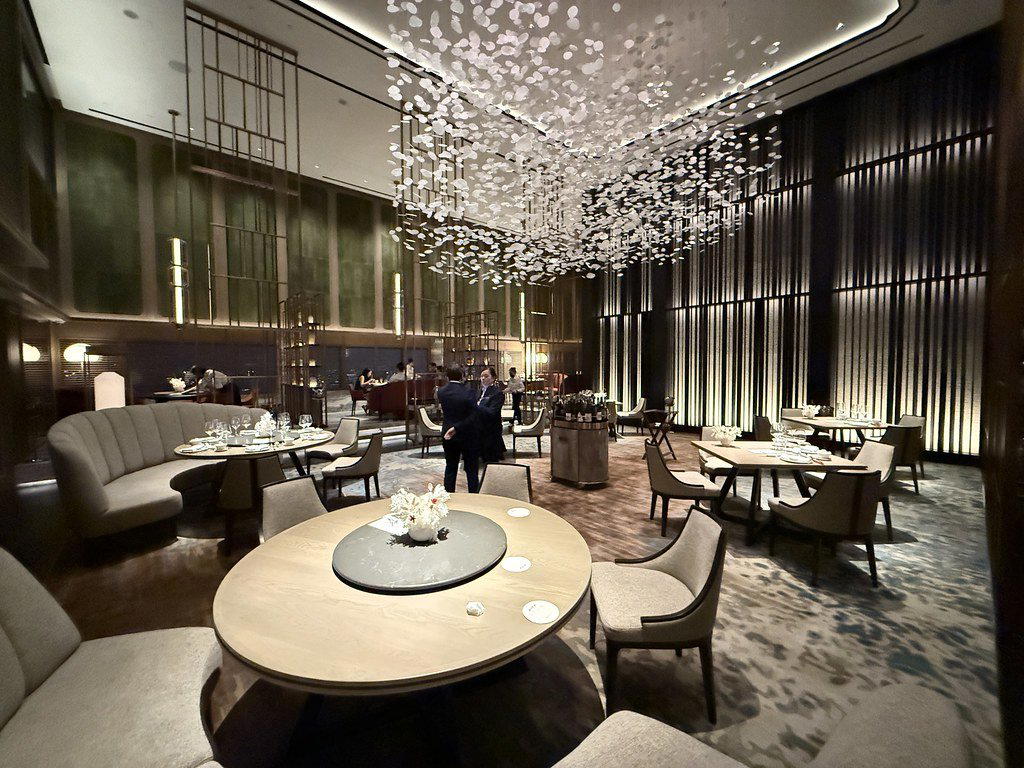
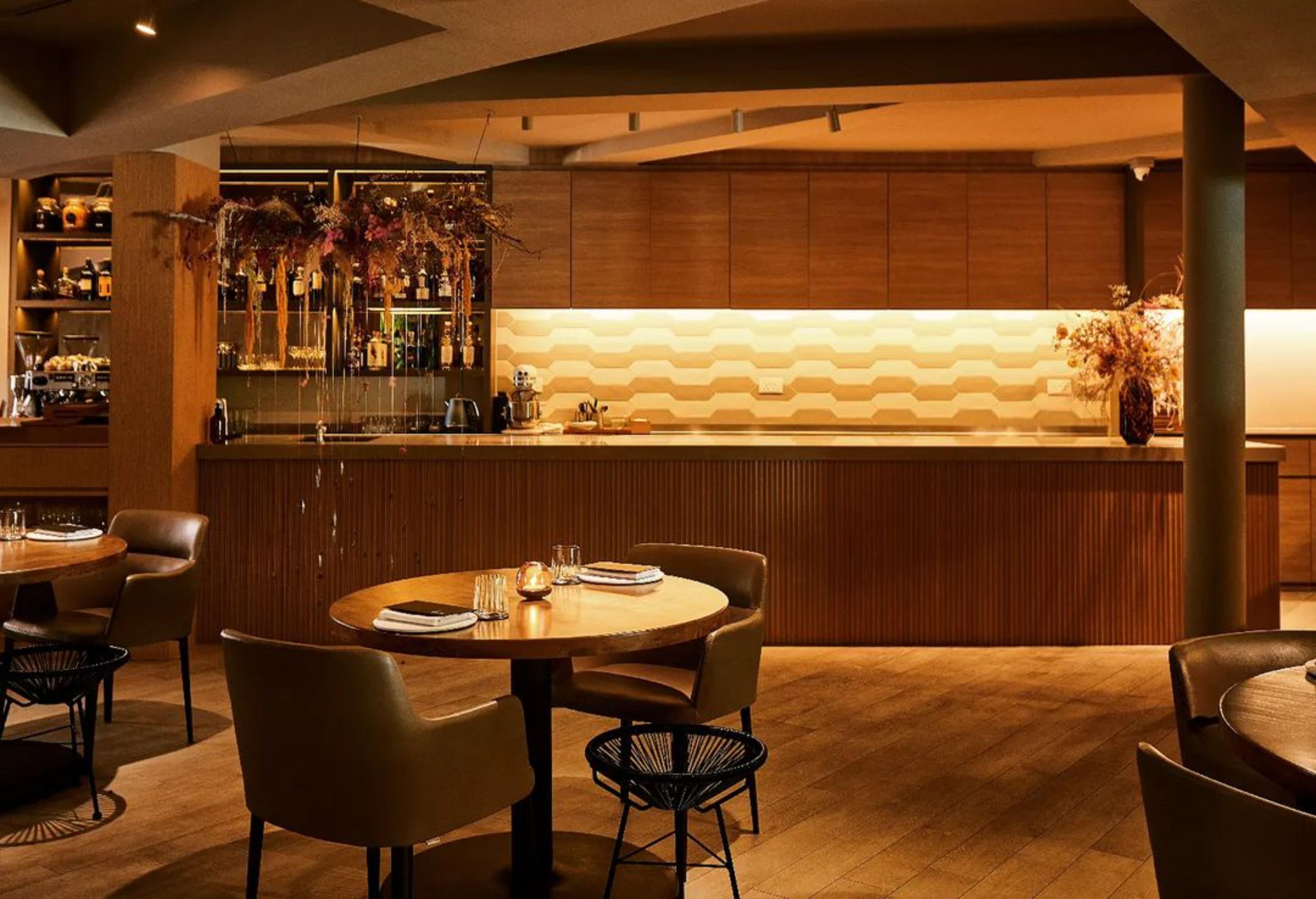
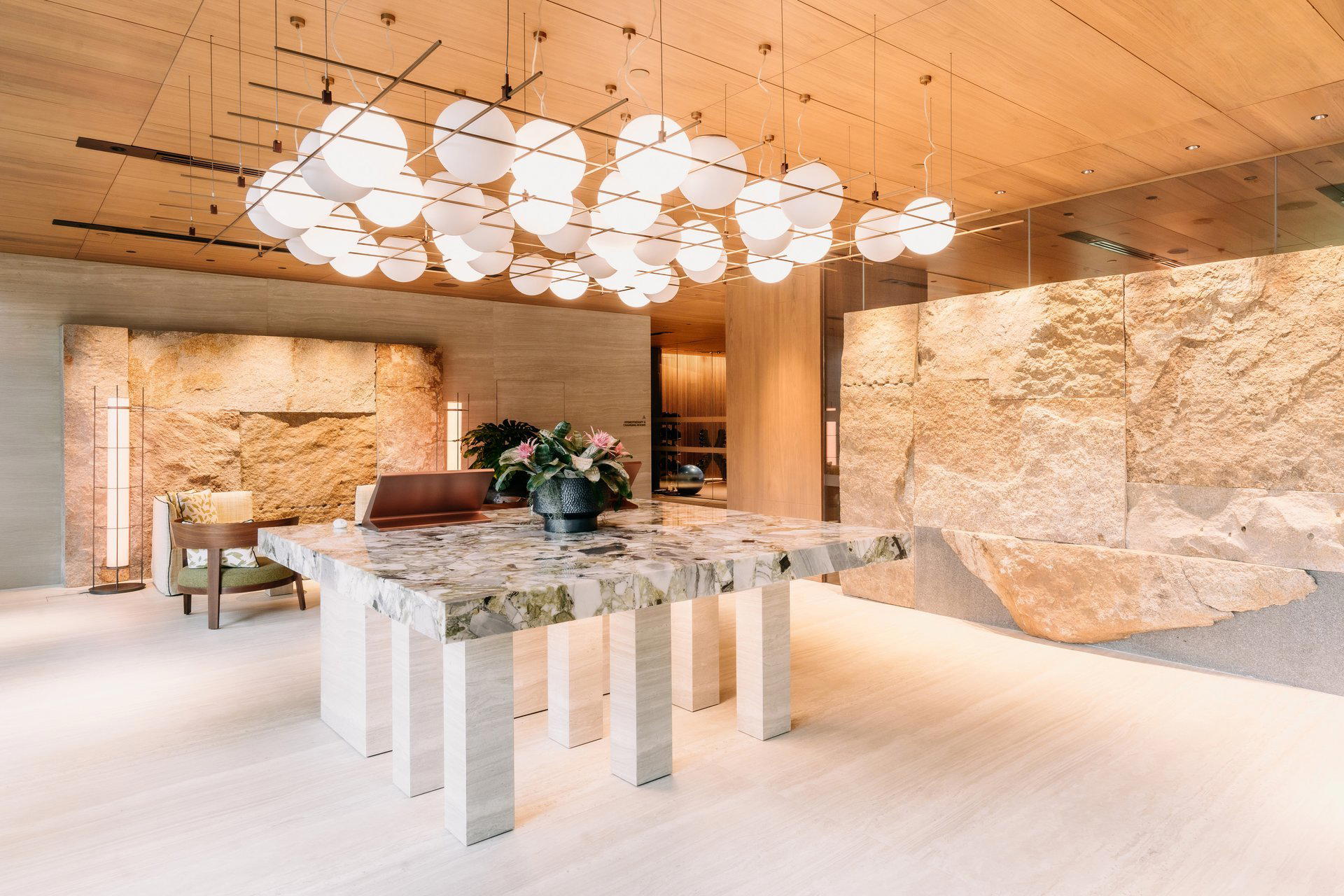
There is a particular kind of discipline that defines the upper tier of Japanese fine dining outside Japan. The room is almost always spare. Service moves at a pace that feels deliberate without being slow. The counter, when there is one, acts less as furniture and more as a stage where the sequence of a meal is made visible. On Scotts Road, Ki-sho operates squarely inside this tradition, occupying a register of the city's dining scene where restraint, provenance, and the logic of a structured menu carry more weight than novelty or spectacle.
Singapore's fine dining tier has grown considerably more pluralistic over the past decade. European formats, from the French classicism of Les Amis to the contemporary European approach at Zén, share the upper bracket with a smaller but committed group of Japanese houses. That Japanese cohort plays by different rules. The reference points are seasonal calendars, regional Japanese ingredients, and a progression logic rooted in kaiseki, the centuries-old multi-course format that originated in Kyoto's tea ceremony culture and spread across Japan's formal dining rooms. Ki-sho sits within that cohort.
Sake as Structure: Why the Pairing Format Matters
The classification of Ki-sho as a sake pairing venue signals something specific about how the menu is conceived. Sake pairing at this level is not a beverage add-on appended to an existing menu. It shapes the architecture of the meal. Sake's flavour range, from the clean dryness of junmai daiginjo to the deeper, earthier registers of aged sake, can track the transition of a kaiseki sequence in ways that parallel how a sommelier might pair Burgundy with a French tasting menu.
Across Asia and globally, restaurants that treat sake with the same structural seriousness as wine pairings remain a minority. Formats that have built this kind of pairing depth alongside kaiseki or high-end Japanese cuisine attract a particular kind of diner, one more interested in the internal logic of a meal than in any single showstopper dish. Compare that to, say, the wine-led theatrics at Le Bernardin in New York City or the multi-sensory progression at Alinea in Chicago, where beverage programs serve different dramaturgical functions. At Ki-sho, sake is closer to a structural element than an accompaniment.
Chef Kazuhiro Hamamoto and the Lineage Question
Japanese fine dining outside Japan draws much of its credibility from training lineage. The question diners and critics consistently ask is not just whether the food is good, but where the chef learned, and from whom. Chef Kazuhiro Hamamoto's presence at Ki-sho anchors the restaurant in Japanese culinary tradition rather than a fusion hybrid, which matters when the format is as culturally specific as kaiseki. The discipline and formality of the kaiseki sequence, its seasonal attentiveness, the balance of textures and temperatures across courses, requires a chef with deep fluency in the form, not just familiarity with its aesthetics.
That fluency is part of what distinguishes Ki-sho from the broader category of Japanese restaurants in Singapore, a city with a wide range of Japanese dining formats from conveyor-belt sushi to izakayas. The gap between a neighbourhood ramen counter and a kaiseki house is not merely one of price. It is a difference of culinary philosophy and cultural referencing, and it is why the top end of Japanese dining in Singapore competes for a different kind of recognition than volume-driven formats.
Recognition and Competitive Positioning
Opinionated About Dining, the critic-weighted restaurant ranking system that aggregates expert assessments rather than public votes, ranked Ki-sho at #316 among Asia's leading restaurants in 2025, up from #325 in 2024, following a Highly Recommended designation in 2023. That trajectory, moving from a general commendation to progressively higher numerical rankings across three consecutive years, is a meaningful signal in a region where OAD's assessments carry weight among serious diners and industry observers.
Within Singapore specifically, this places Ki-sho in a competitive tier that includes Michelin-recognised houses and several internationally watched independents. Peer restaurants in the city's upper Japanese tier, including omakase counters with Michelin stars and kaiseki rooms that attract OAD recognition, operate in a market where Singapore's status as a regional dining hub drives both competition and demand. Across the region, comparable Japanese fine dining institutions in cities like Hong Kong, where restaurants such as 8 1/2 Otto e Mezzo Bombana define the European end of the luxury tier, show how Asian dining cities have developed genuinely plural high-end scenes where cuisine type and cultural format matter as much as Michelin count.
The diner profile that attends OAD-listed restaurants is typically more specific in their expectations and more consistent in their assessment than general review platforms capture.
Scotts Road and the Neighbourhood Context
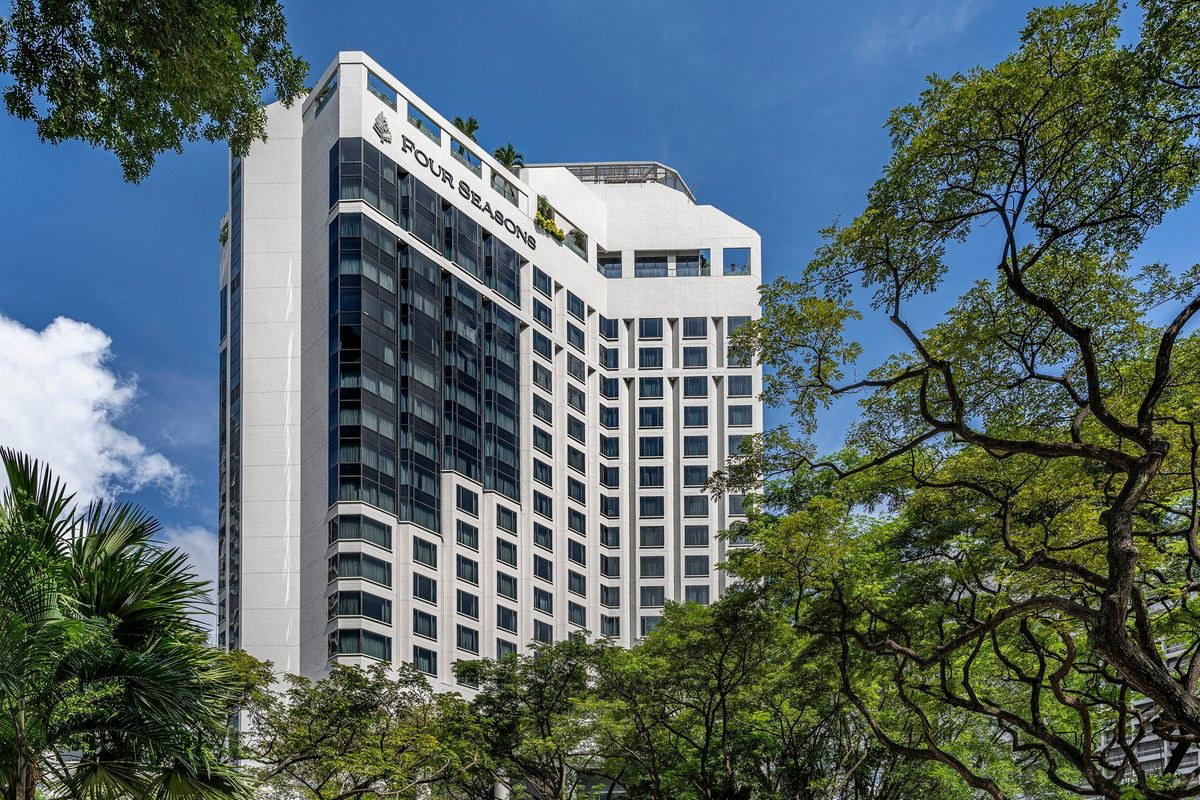
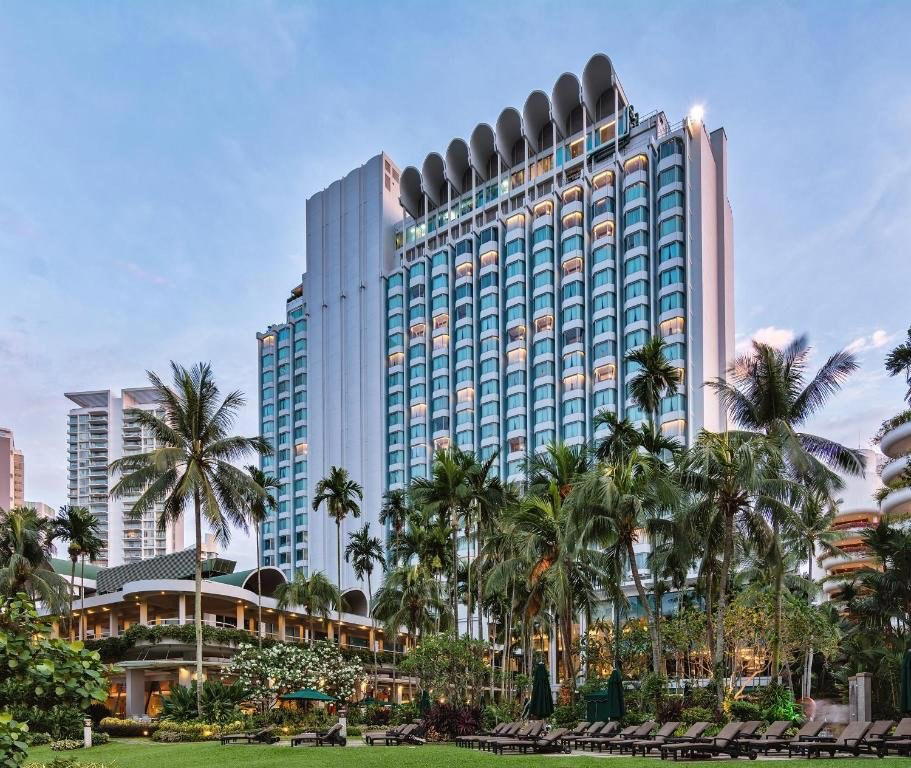
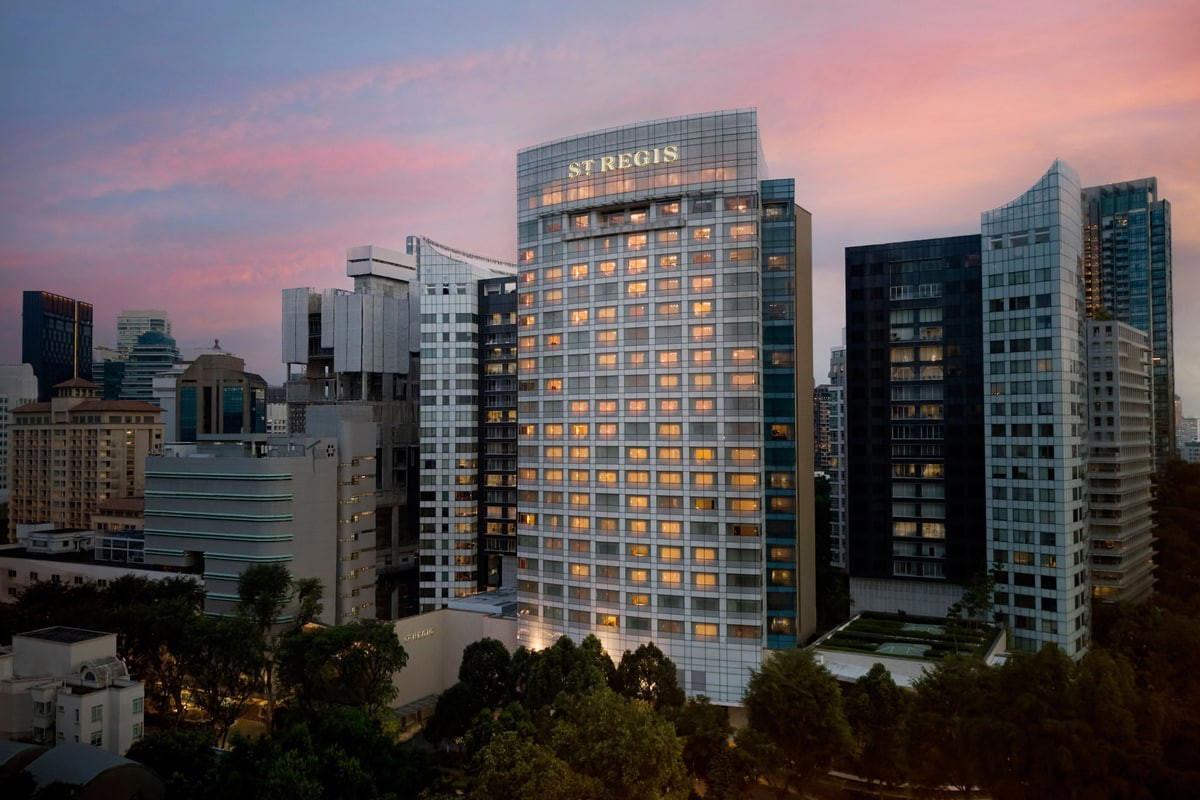
The Scotts Road address places Ki-sho in a corridor that has long housed Singapore's luxury hospitality and dining. The surrounding area, near Orchard Road and several of Singapore's significant hotel properties, is not a neighbourhood in the organic, street-level sense but rather a district defined by density of premium facilities. This matters logistically: the area is accessible, well-connected to transport, and familiar to the international traveller demographic that most high-end Japanese restaurants depend on.
For Singapore's broader dining picture, including European contemporary houses like Odette, British-led tasting menus at Jaan by Kirk Westaway, or the innovative formats at Meta, explore our full Singapore restaurants guide. For accommodation, bars, and other experiences, our Singapore hotels guide, bars guide, and experiences guide map the full picture. If sake-led Japanese dining interests you beyond Singapore, comparative formats exist at the upper end of menus globally, from the refined European rigor of Alléno Paris au Pavillon Ledoyen to the tasting-menu discipline at Lazy Bear in San Francisco and Atomix in New York City, each of which handles beverage pairing as a structural element of the experience.
Planning Your Visit
| Detail | Ki-sho | Zén (peer reference) | Jaan by Kirk Westaway (peer reference) |
|---|---|---|---|
| Cuisine Format | Kaiseki / Sake Pairing | European Contemporary | British Contemporary |
| Price Tier | Not published | $$$$ | $$$ |
| Awards | OAD #316 Asia (2025) | Michelin 3 Stars | Michelin 2 Stars |
| Lunch Service | Mon–Fri, 12–3 pm | Limited | Available |
| Dinner Service | Mon–Sat, 6:30–11 pm | Available | Available |
| Closed | Sunday | Varies | Varies |
Ki-sho is closed on Sundays. Saturday service runs dinner only, from 6:30 pm to 11 pm. Monday through Friday covers both lunch (12 to 3 pm) and dinner (6:30 to 11 pm). The address is 29 Scotts Road, Singapore 228224.
Frequently asked questions
What do regulars order at Ki-sho?
Because Ki-sho follows a kaiseki format anchored in sake pairing, the menu is structured as a fixed sequence rather than an à la carte selection. Regulars at this type of restaurant are typically engaging with the full pairing progression, trusting the chef's seasonal sequencing rather than anchoring on individual dishes. The cuisine classification and OAD recognition signal that the pairing format and the kaiseki progression are the main event. For specific current menu details, contacting the restaurant directly is the reliable route, as kaiseki menus rotate with season and availability. For wider context on Singapore's dining scene, see our full Singapore restaurants guide and, for comparison across international tasting-menu formats, Alain Ducasse at Louis XV in Monte Carlo and Emeril's in New Orleans illustrate how structured menus function differently across culinary traditions. Ki-sho's Singapore wineries guide context also helps situate how sake fits into the broader premium beverage scene in the city.
Reputation First
A quick snapshot of similar venues for side-by-side context.
| Venue | Cuisine | Price | Awards | Notes |
|---|---|---|---|---|
| Ki-shoThis venue (the venue you are viewing) | Kappo-style Japanese Omakase | $200–300 | Not listed | Not listed |
| Zén | Yakitori & Japanese Izakaya | $50–100 | Tabelog 100 #92 | European Contemporary |
| Jaan by Kirk Westaway | Modern British Fine Dining | $200–300 | 2 Michelin Stars · Michelin Guide 2 Stars | British Contemporary |
| Burnt Ends | Modern Australian Barbecue | $100–150 | 1 Michelin Star · Michelin Guide 1 Star | Australian Barbecue, Barbecue |
| Summer Pavilion | Michelin-Starred Cantonese | $100–150 | 1 Michelin Star · Michelin Guide 1 Star | Cantonese |
| Born | Contemporary Fusion Fine Dining | $200–300 | 1 Michelin Star · Michelin Guide 1 Star | Creative Cuisine, Innovative |
Recognition history
Dated appearances from independent guides and award organizations, with the underlying list record or original source where available.
Opinionated About Dining Top Restaurants in Asia Recommended
Opinionated About Dining
Full recognition history (4 entries)
Opinionated About Dining Top Restaurants in Asia Ranked #316
Opinionated About Dining
Opinionated About Dining Top Restaurants in Asia Ranked #325
Opinionated About Dining
Opinionated About Dining Top Restaurants in Asia Highly Recommended
Opinionated About Dining