Tabelog 100 #41
Our verdict
Sushi Taira belongs to Tokyo’s high-discipline sushi tier, where restraint, sourcing rhythm, and counter etiquette matter as much as luxury signals. Its 2025 Tabelog Sushi TOKYO 100 selection and Minato address place it in a serious dining circuit, with a format that suits travellers who understand omakase as a seasonal conversation rather than a checklist.

Pearl is the En Primeur Club membership app, where members save venues, book tables and use the concierge.
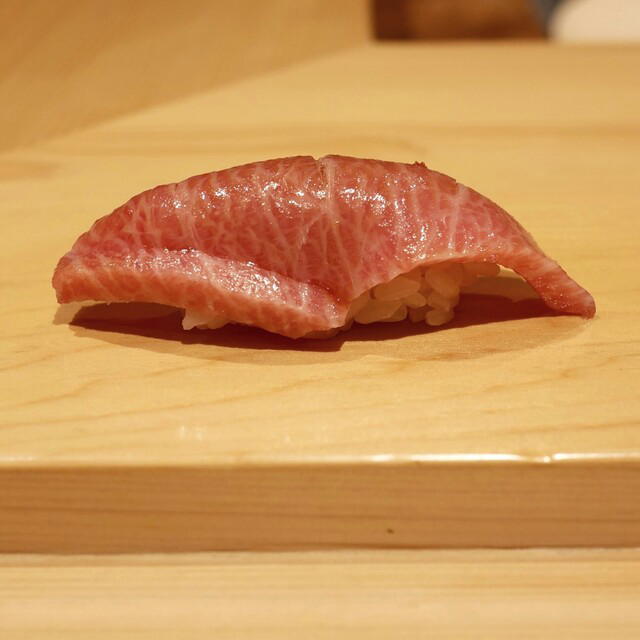
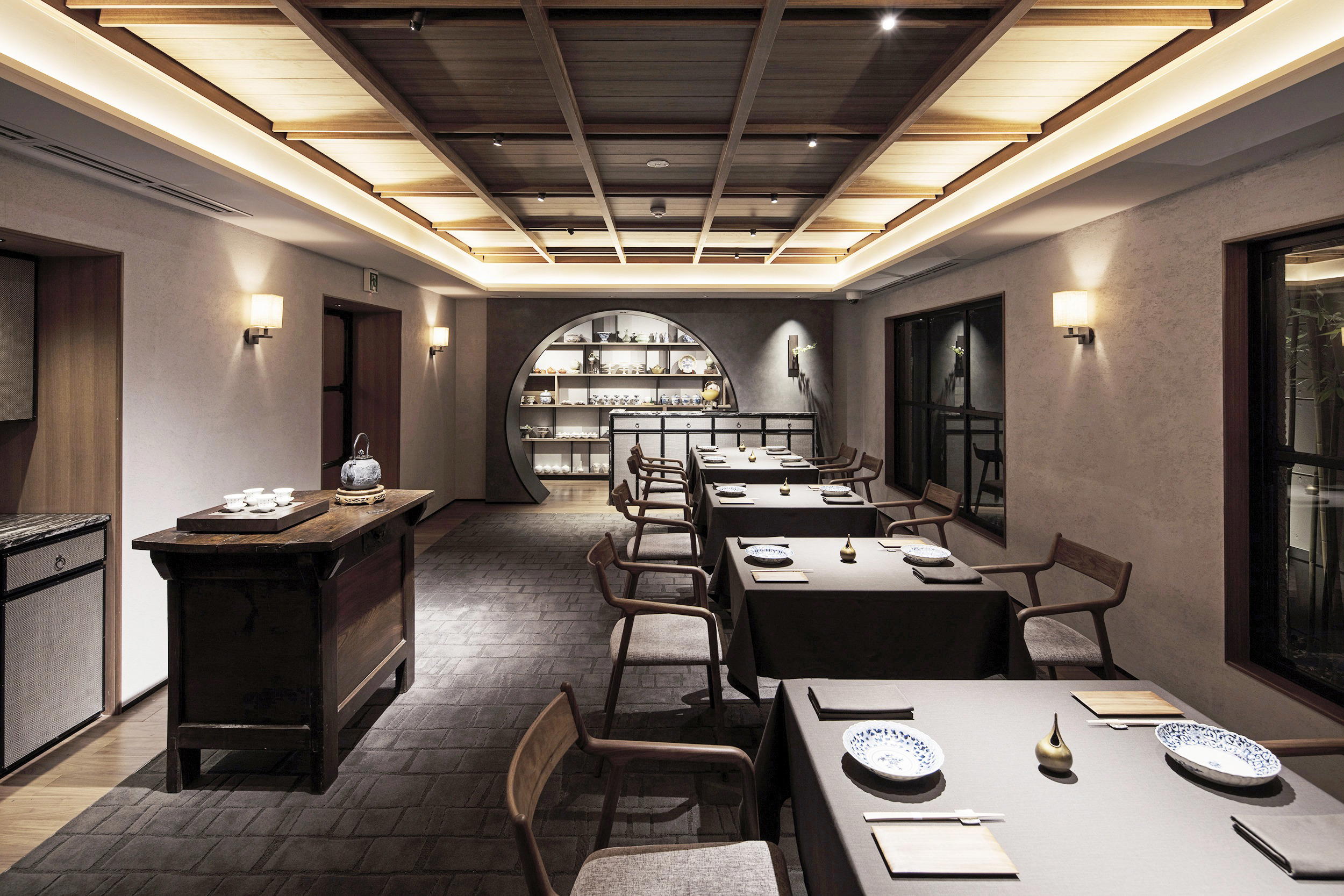
In Tokyo, sushi often announces itself quietly: a narrow threshold, a controlled room, the soft choreography of guests settling in before the meal takes over. The city’s serious sushi culture depends on that restraint. Noise, perfume, sprawling parties, and spectacle all work against a cuisine built on temperature, timing, rice texture, and the daily condition of fish. Sushi Taira sits inside that disciplined Tokyo tradition, where the room is not a stage set but a frame for concentration.
The sustainability story at this level is not usually told through slogans. In Tokyo sushi, environmental consciousness is more often expressed through procurement discipline, portion control, and respect for seasonality. A focused meal can buy closer to need, reduce the excess associated with broad à la carte menus, and shape the experience around what the market can support on a given day. That does not make every premium sushi restaurant automatically ethical, but it does explain why the format can be leaner than it looks from the outside.
Sushi restraint in a city that measures the genre by discipline
Tokyo has many forms of sushi, from quick counters near stations to rarefied rooms where the meal is shaped by sequence, timing, and judgment. The upper tier is less about abundance than calibration: how much rice supports a piece, how strongly vinegar is pushed, when lean fish gives way to richer cuts, and how quickly service moves without feeling rushed. Sushi Taira belongs to that narrower lane, with sushi as the defining category rather than a broader Japanese tasting-menu hybrid.
Its selection for Tabelog Sushi TOKYO 100 in 2025 matters because Tabelog’s Hyakumeiten lists reflect sustained local attention within specific genres. For travellers, that signal is useful in a city where overseas fame and local demand do not always overlap. A Tabelog score of 3.98 places the restaurant in a competitive bracket where small differences in rice, sourcing, hospitality, and repeat-guest confidence carry weight. The point is not trophy dining. The point is that Tokyo’s sushi audience is exacting, and recognition within that audience is harder to fake than a fashionable dining-room photograph.
The environmental angle also sharpens the way to read the experience. Sushi is often discussed through rarity, but better contemporary judgment looks at responsibility: seasonal availability, controlled pacing, and the absence of wasteful theatrical excess. A focused sushi format can be conservative in the productive sense of the word, limiting choice so the kitchen can work with a tighter set of ingredients. In a city where seafood demand has global consequences, that discipline is part of the meal’s moral architecture, even when it is not spelled out during service.
Tokyo sushi, high prices, and the ethics of attention
Tokyo’s dining culture includes small, expensive rooms that expect guests to arrive prepared. That means understanding the codes before sitting down: no strong fragrance, no casual grazing mentality, and no assumption that a serious sushi meal is interchangeable with any other premium booking. These conventions can feel severe to first-time visitors, but they protect the experience for everyone in the room. Sushi depends on aroma and temperature; a guest’s perfume can interfere with the work as surely as a late arrival disrupts pacing.
The price tier also changes the critical standard. At this level, generosity is not measured by quantity. It is measured by consistency, product judgment, and whether the format feels coherent from start to finish. Sushi Taira’s reported dinner range of JPY 40,000 to JPY 49,999 puts it in the bracket where travellers should expect a focused sushi meal rather than a casual night out. That budget should be read alongside the 2025 Tabelog Sushi TOKYO 100 selection, not in isolation: the meal is competing for attention in one of the densest sushi cities on earth.
The proposition is best read through the disciplined logic of serious sushi. The broader appeal remains the intimacy and precision of sushi served with attention to rice, fish, pacing, and temperature rather than decorative excess. Practical details should be checked directly before booking, because Tokyo’s premium dining rooms can be modern in reputation and conservative in how they manage reservations, service, and payment.
For a wider view of the city’s eating culture, use Our full Tokyo restaurants guide, then branch into other formats rather than forcing every meal into the same luxury register. Nearby or citywide alternatives in the broader Tokyo file include other Tokyo dining rooms, casual counters, cafés, grilled specialities, and curry shops. For the rest of the trip, the same city index extends to broader Tokyo guides for hotels, bars, wineries, and experiences.
How to place it within a Japan itinerary
A serious sushi meal in Tokyo rewards a lighter schedule around it. Avoid stacking another formal meal the same day; the better pairing is a quiet afternoon, a punctual arrival, and enough attention left for the progression of the meal. Travellers building a broader Japan dining route can contrast Tokyo’s precision with regional and casual formats elsewhere in Japan, from grilled dishes and cafés to curry counters, rice-led meals, and relaxed drinking rooms. Outside Tokyo, the conversation changes again as sushi culture meets different local expectations and dining rhythms.
The editorial case for Sushi Taira is clear: choose it for a serious Tokyo sushi experience where recognition, price, and etiquette all point toward a focused meal. The sustainability dimension is quieter but relevant. In a cuisine tied to fragile marine systems, disciplined sourcing, controlled reservations, and respect for seasonality are not side issues; they are part of what separates a responsible restaurant from a luxury performance.
Frequently asked questions
What's the pricing like at Sushi Taira?
Pricing at Sushi Taira is listed as JPY 40,000 - JPY 49,999 JPY 40,000 - JPY 49,999 View spending breakdown.
What part of town is Sushi Taira in?
Tokyo.
Can I walk in to Sushi Taira?
Plan ahead before visiting Sushi Taira. It is in Tokyo, and the dinner range is JPY 40,000–49,999, so confirming current booking details directly is part of the format.
What is Sushi Taira known for?
Sushi Taira is known for sushi in Tokyo, with recognition in the 2025 Tabelog Sushi TOKYO 100.
Comparable venues nearby, for context on price, style, and recognition.
| Venue | Cuisine | Price | Awards | Notes |
|---|---|---|---|---|
| Sushi TairaThis venue (the venue you are viewing) | Edomae Sushi Omakase | $300–500 | Tabelog 100 #41 | Not listed |
| Yachiyo | Japanese Kaiseki | $100–150 | Not listed | Marunouchi |
| Akasaka Asada | Traditional Kaga Kaiseki (Ryotei) | $150–200 | Not listed | Akasaka |
| Mon cher ton ton (六本木 モンシェルトントン) | Kobe Beef Teppanyaki | Not listed | Tabelog 100 #69 | Roppongi |
| 日本料理 明寂 | Modern Minimalist Kaiseki | $300–500 | 3 Michelin Stars · World's 50 Best #33 | Nishi-Azabu |
| Ginza 1954 | Japanese Bar | Not listed | Not listed | Ginza |
Recognition history
Dated appearances from independent guides and award organizations, with the underlying list record or original source where available.
Tabelog 100 #41 · No. 41
Tabelog · Tabelog 100 - Sushi - TOKYO - 2025