Sushi Sono
Our verdict
Sushi Sono occupies a deliberate position in Columbia, Maryland's dining scene: a sushi-focused address on Wincopin Circle that draws regulars from across Howard County and the broader DC corridor. In a suburban market where Japanese cuisine often skews toward casual rolls and combo plates, Sono represents the more considered tier of the local offer. Confirm details directly with the restaurant before visiting.

Pearl is the En Primeur Club membership app, where members save venues, book tables and use the concierge.
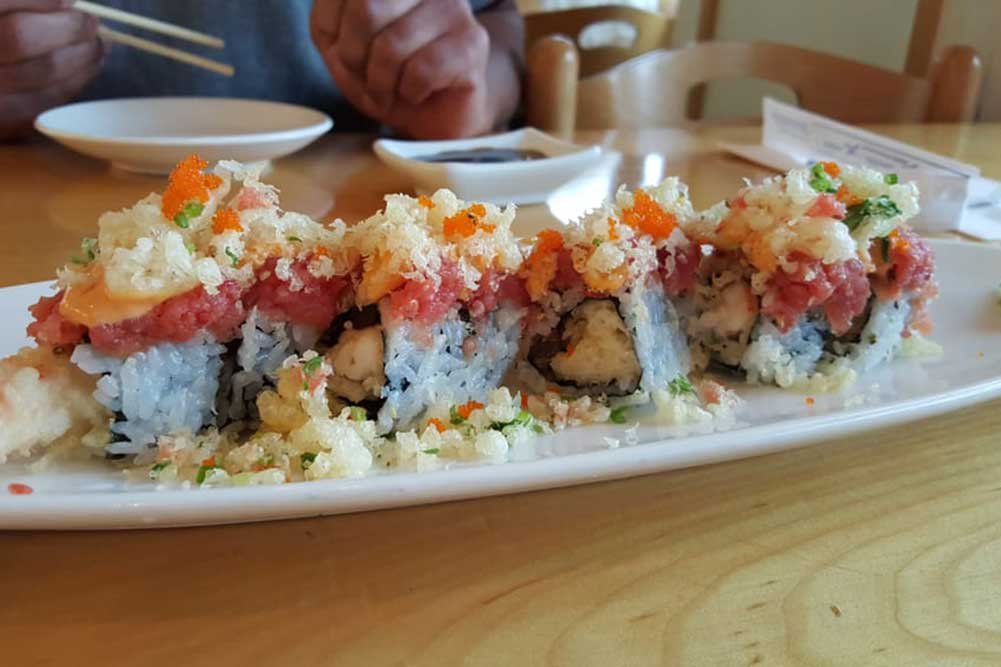
A Counter in the Suburbs, Placed With Intention
Wincopin Circle sits along the lakeside edge of Columbia's Town Center, a planned community where the dining scene has historically punched below its demographic weight. The address at 10215 Wincopin Circle places Sushi Sono within walking distance of the water, in a low-rise commercial corridor that sees a mix of independent operators and chain adjacents. Arriving here, the surrounding architecture is unremarkable. What matters is what the interior resolves to, and in that sense Sono functions as a reminder that suburban Maryland has developed pockets of genuine culinary seriousness, even if they rarely generate the attention reserved for Washington DC proper or Baltimore's Harbor East.
The physical space is the first editorial argument Sushi Sono makes. In American sushi dining, the room does ideological work: a long cypress or hinoki counter signals omakase intent; a dining room dominated by booths signals something closer to a neighborhood Japanese restaurant. The experience at Sono sits in the territory between those poles, where the seating arrangement communicates accessibility without abandoning craft. That middle register is where most serious suburban sushi operations compete, and it is a harder position to hold than it appears, because the counter-service discipline expected at the high end sits in tension with the table-service comfort expected by a broader local audience.
Where Sono Sits in the Columbia Dining Tier
Columbia's independent restaurant scene has expanded meaningfully in the last decade, and the comparison set now includes genuinely diverse operators. An Loi represents the Vietnamese end of the spectrum; Clove and Cardamom anchors the South Asian offer; Cafe Poland by Iwona and Cazbar Columbia extend the range into European and Eastern Mediterranean territory. Di Vino Rosso, at the Italian end and sitting in the three-dollar-sign price bracket, occupies the formal dining tier locally.
That context matters when calibrating expectations. Sushi in the mid-Atlantic suburbs operates in a different market structure than the omakase counters of Midtown Manhattan or the kaiseki-adjacent rooms in San Francisco or Chicago. Places like Le Bernardin in New York City or Alinea in Chicago occupy an entirely different category: tasting-menu institutions where the room, the staff-to-cover ratio, and the price per head are calibrated to one another with precision. Sushi Sono does not operate at that scale or with those resources. What it offers is something more practical: a serious Japanese kitchen within a 20-30 minute drive of a large DC-corridor population that does not always want to commit to an evening in the city.
The Design Logic of a Suburban Sushi Room
Interior design in Japanese restaurants carries more communicative weight than in most other cuisines, because the physical arrangement of seating is directly tied to the dining grammar. At the high end of American sushi, operations like Atomix in New York City have pushed the format into gallery-like minimalism, where the counter itself becomes an architectural object. At the neighborhood end, the design language softens: booths appear, lighting warms, the kitchen recedes behind glass or a partial partition. These are not aesthetic choices alone; they signal how the chef-diner relationship will function and how much the kitchen's process will be made visible.
Sushi Sono's location on Wincopin Circle, in a building type common to Columbia's commercial nodes, works within the physical constraints that most suburban operators accept. The design brief for such spaces is typically about making the interior feel removed from the parking lot and strip retail that surrounds it. The most effective suburban Japanese rooms achieve this through material choices: natural wood tones, controlled lighting, an absence of clutter. Whether Sono achieves that quality of separation is something leading assessed in person, but the positioning of the restaurant within a lakeside setting gives it a geographic advantage that most of its category peers in Howard County do not share.
The Wider Map: Sushi in the DC Corridor
The Washington-area sushi scene draws meaningful comparison to the broader American high-end Japanese dining movement, even if it operates at a remove from the most competitive coastal markets. The Inn at Little Washington, while not a Japanese restaurant, represents the ceiling of serious dining ambition in the region, and its sustained recognition over decades has helped establish that the mid-Atlantic market will support precise, expensive cooking. That precedent filters down: diners in Howard County and Montgomery County have calibrated expectations shaped by proximity to a serious restaurant city.
For those building a wider itinerary around precision cooking in the United States, the reference points extend further: Single Thread Farm in Healdsburg, The French Laundry in Napa, Blue Hill at Stone Barns in Tarrytown, Providence in Los Angeles, and Addison in San Diego each define what the American fine-dining register looks like at its most committed. Sushi Sono is not competing in that tier, but understanding where those benchmarks sit helps locate what Sono is actually doing: providing a disciplined Japanese dining option in a suburban market that has historically underserved that demand. For a broader view of what Columbia's restaurant scene offers across cuisines, see our full Columbia restaurants guide. Global reference points for precision Japanese-influenced cooking also extend internationally, including operations like 8 1/2 Otto e Mezzo Bombana in Hong Kong and American contemporaries like Lazy Bear in San Francisco and Emeril's in New Orleans.
Planning a Visit
Sushi Sono is located at 10215 Wincopin Circle, Columbia, MD 21044. Given the lakeside setting and the restaurant's reputation within the local dining community, weekend evenings are likely the higher-demand periods, and confirming availability in advance is advisable. Columbia's Town Center is accessible by car, with parking available in the surrounding commercial area. For those arriving from Washington DC, the drive along Route 29 or I-95 to Route 175 takes roughly 30-40 minutes depending on traffic.
Frequently asked questions
Where is Sushi Sono located?
Sushi Sono is located at 10215 Wincopin Cir, Columbia, MD 21044, Columbia.
What's the best way to book Sushi Sono?
The restaurant is located at 10215 Wincopin Circle, Columbia, MD 21044, and contacting them directly at that address or through local directory listings is the most reliable starting point. Given that counter-format Japanese restaurants in this tier often fill quickly on weekends, contacting ahead rather than walk-in is advisable.
What's the signature at Sushi Sono?
The restaurant sits within Columbia, MD's expanding independent dining scene, where Japanese operators at this tier typically anchor around either omakase counters or à la carte sushi menus. Confirming the current format directly with the venue before visiting is advisable.
Is Sushi Sono good for vegetarians?
Traditional Japanese sushi restaurants vary considerably in their vegetarian options, with some offering extensive vegetable and egg-based nigiri while others are limited. Contacting the restaurant at 10215 Wincopin Circle, Columbia, MD 21044 before visiting is the practical step for anyone with dietary requirements.
Is Sushi Sono overpriced or worth every penny?
For context, Japanese sushi restaurants in the DC corridor range from around $30 per person for casual à la carte formats to well above $150 for omakase counters, with Columbia, MD operators generally sitting below DC proper on price. Checking current menu pricing directly with Sushi Sono at its Wincopin Circle address gives the clearest picture before you commit.
A Lean Comparison
Comparable venues nearby, for context on price, style, and recognition.
| Venue | Cuisine | Price | Notes |
|---|---|---|---|
| Sushi SonoThis venue (the venue you are viewing) | Traditional Japanese Sushi | $30–50 | Not listed |
| Hunan Manor | Hunan Chinese | $20–30 | Columbia, Hunan Chinese |
| An Loi | Vietnamese Pho | $10–20 | Owen Brown, Vietnamese Pho |
| Royal Taj | Fine Dining Indian | $30–50 | Columbia, Fine Dining Indian |
| Medium Rare Restaurant | Classic French Steak Frites | $30–50 | Columbia, Classic French Steak Frites |
| The Collective Offshore | Coastal Seafood with Local Flair | $30–50 | Columbia Lakefront, Coastal Seafood with Local Flair |
Continue exploring
More in Columbia
Restaurants in Columbia
All restaurants in Columbia →
Bars in Columbia
Browse all →
Hotels in Columbia
Browse all →
Wineries in Columbia
Browse all →
Details
- Elegant
- Date Night
- Business Dinner
- Waterfront
- Sake Program
- Sustainable Seafood
- Waterfront
- A La Carte
- Sake Program
- Vegetarian Friendly
- Gluten Free Options
Current opening hours
- Monday
- 11:30 AM–3 PM, 5–10 PM
- Tuesday
- 11:30 AM–3 PM, 5–10 PM
- Wednesday
- 11:30 AM–3 PM, 5–10 PM
- Thursday
- 11:30 AM–3 PM, 5–10 PM
- Friday
- 11:30 AM–3 PM, 5–10 PM
- Saturday
- 11:30 AM–3 PM, 5–10 PM
- Sunday
- 12–9 PM
Hours can change for holidays and private events. Hours as of .
Peaceful traditional Japanese decor complementing serene lake views, creating a calm and elegant dining atmosphere.