
In Kaohsiung's Fongshan District, Sushi Mikoshi operates at the upper end of the city's Japanese dining tier, where a Tokyo-trained owner-chef runs an omakase counter framed in hinoki wood and built around fish flown directly from Japan. The menu moves from cooked zensai to nigiri over two-vinegar sushi rice, closing with custard-like tamagoyaki and Taiwanese black tea. Autumn brings a sanma shiso spring roll that draws serious attention.
Pearl is the En Primeur Club membership app — saves, bookings, and concierge access live there. Same editors, same standards.
- Address
- 13 Wenlong Road, Fongshan District
- Phone
- +886 7 780 2333
- Directions
- Get directions
 Saves & bookings on Pearl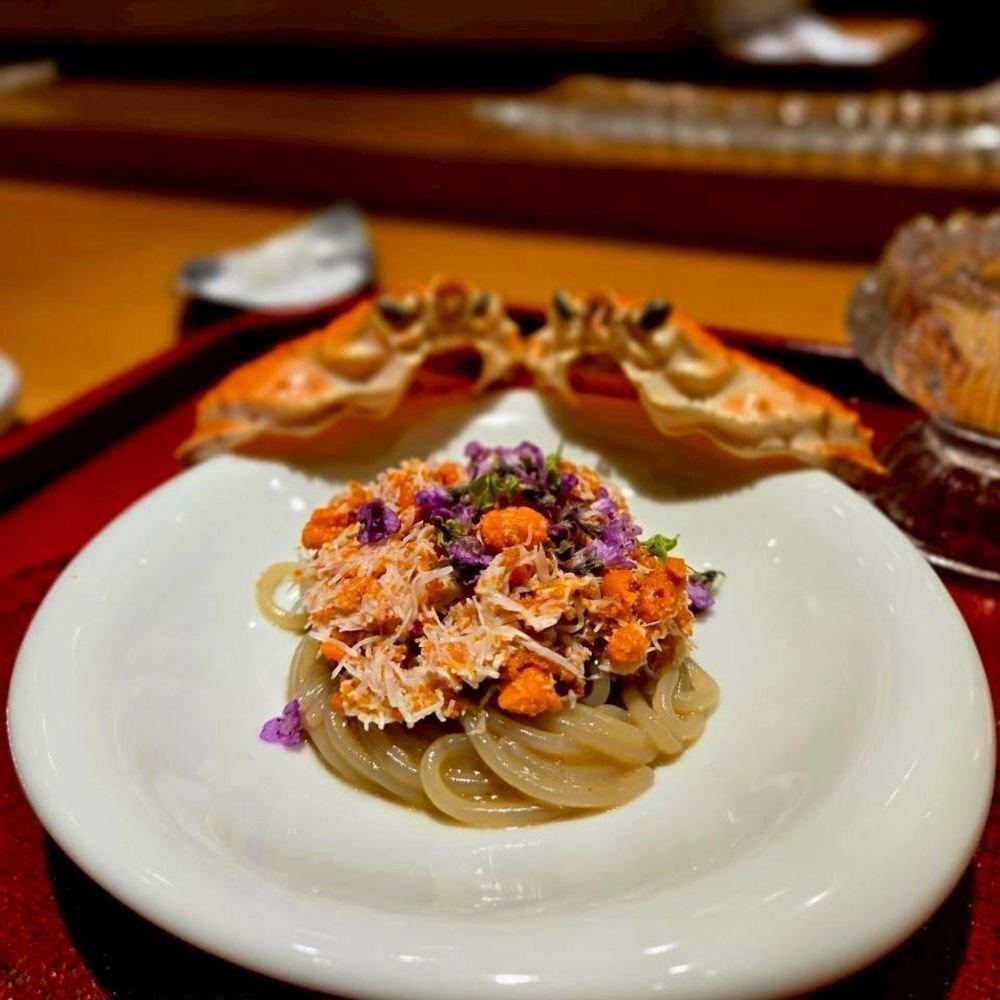
Where the Fish Comes From
Kaohsiung's Japanese dining scene has grown steadily over the past decade, with omakase counters now competing on provenance and technique. In that context, ingredient provenance has become the sharpest differentiator. At the high end of any serious omakase operation, the question is less about technique, which can be learned and replicated, and more about supply chains: who has access to the right fish markets, and how quickly can that fish travel from water to plate.
Sushi Mikoshi, at 13 Wenlong Road in Fongshan District, anchors its entire offering to that logic. The owner-chef, who trained in Tokyo before relocating to southern Taiwan, maintains direct supply lines to Japan for his catch. That fish arrives by air, which compresses the time between harvest and service to a degree that most regional counters in Taiwan cannot match. For a Kaohsiung diner accustomed to good local seafood, the distinction is immediate: the texture and temperature of fish sourced this way behaves differently on the rice, and the flavour profile carries less of the oxidation that accumulates over longer transport windows.
Where some counters in the region rely on import brokers who aggregate from multiple suppliers, tighter direct relationships produce more consistent quality and allow the chef to respond to what the market is offering that week rather than what a distributor happens to have in stock.
The Room Before the Meal
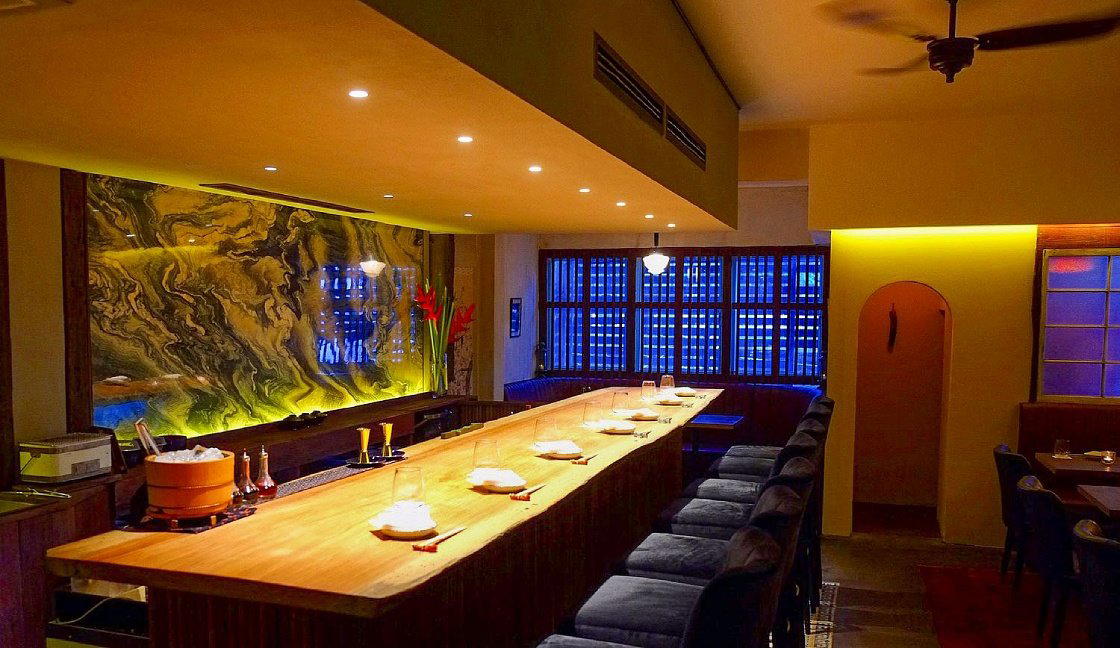
Omakase dining in Japan has always leaned on atmosphere to establish the register of the meal, and the physical environment at Sushi Mikoshi signals its positioning clearly. The interior is built around hinoki cypress wood, the same fragrant, light-coloured timber that defines the interiors of Japan's most considered sushi rooms. The material gives the room a clean, restrained tone and suits sushi service well. An ice cellar for fish storage reinforces that signal, cold chain discipline is the operational foundation that the room's aesthetic rests on.
The Fongshan address places it slightly outside the central dining corridors.
How the Menu Is Structured
The omakase format at Sushi Mikoshi follows a structure that Tokyo's mid-to-upper counters have refined over decades. The meal opens with zensai, cooked preparatory dishes before the nigiri sequence begins. This is a deliberate ordering: the zensai communicates that the kitchen can cook, not just slice, and it introduces the diner to the season's produce before fish takes the foreground.
The nigiri itself is dressed on sushi rice prepared with two varieties of akazu, the red rice vinegar that most Edomae-style counters favour over the milder white rice vinegar more common in casual sushi. Akazu-dressed rice has a deeper colour, a more pronounced acidity, and a greater affinity for oily, flavourful fish. The use of two types suggests careful calibration across the service.
The meal closes with tamagoyaki and Taiwanese black tea.
The Autumn Argument
Seasonal thinking is built into serious omakase dining, and at the restaurant it produces one dish that has attracted particular attention: the sanma shiso spring roll, available in autumn when Pacific saury is at its peak. Sanma is a fish with a short, defined season, it runs from late summer into early winter, with October generally considered the optimal window. The fish carries natural oils that diminish quickly after peak season, so timing matters considerably. The spring roll format here is an adaptation rather than a traditional preparation, wrapping the seasonal fish in shiso leaf inside a fried exterior, a departure from the nigiri sequence that acts as a seasonal accent in the meal. For anyone visiting during this window, the autumn menu represents a different version of what the counter can do.
Seasonal specificity shapes the menu, especially in autumn.
Elsewhere in Taiwan, Zhu Xin Ju in Tainan and Akame in Wutai Township represent the range of serious dining available across the island's southern and central regions.
Planning Your Visit
Omakase counters at this level in Taiwan typically require reservations well in advance, particularly on weekends and across the October to November sanma window when seasonal demand concentrates. The restaurant's Fongshan address, at 13 Wenlong Road, is accessible by the Kaohsiung MRT with a short onward transfer, though most diners in this category arrive by taxi or private vehicle. Reservations are essential, especially for peak autumn service. The dress code is smart casual.
For those comparing Kaohsiung's Japanese-focused options against the broader premium dining scene, GEN and A Fung's Harmony Cuisine offer distinct Cantonese and Taiwanese reference points in the city, while the Kaohsiung wineries guide is relevant for those building a longer food-and-drink itinerary in the region.
Side-by-Side Snapshot
Comparable venues nearby, for context on price, style, and recognition.
| Venue | Cuisine | Price | Awards | Notes |
|---|---|---|---|---|
| Sushi MikoshiThis venue — the venue you are viewing | Japanese Omakase | $$$ | Michelin Plate | Not listed |
| Pale Jade Pavilion | Modern Taiwanese | $$$ | Michelin Plate | Zuoying |
| Good Crab House | Penghu Seafood Specialist | $$ | Michelin Plate | Sanmin District |
| Thomas Chien | Modern French-Taiwanese Fusion | $$$ | Michelin Plate | Cianjhen District |
| Syan Syang | Traditional Taiwanese Game & Wild Greens | $$ | Michelin Plate | Jiaxian District |
| Temperature Studio | Modern Fusion Omakase | $$$ | Michelin Plate | Gangshan District |
Recognition history
Dated appearances from independent guides and award organizations, with the underlying list record or original source where available.
Michelin Plate
Michelin
Continue exploring
More in Kaohsiung
Restaurants in Kaohsiung
Browse all →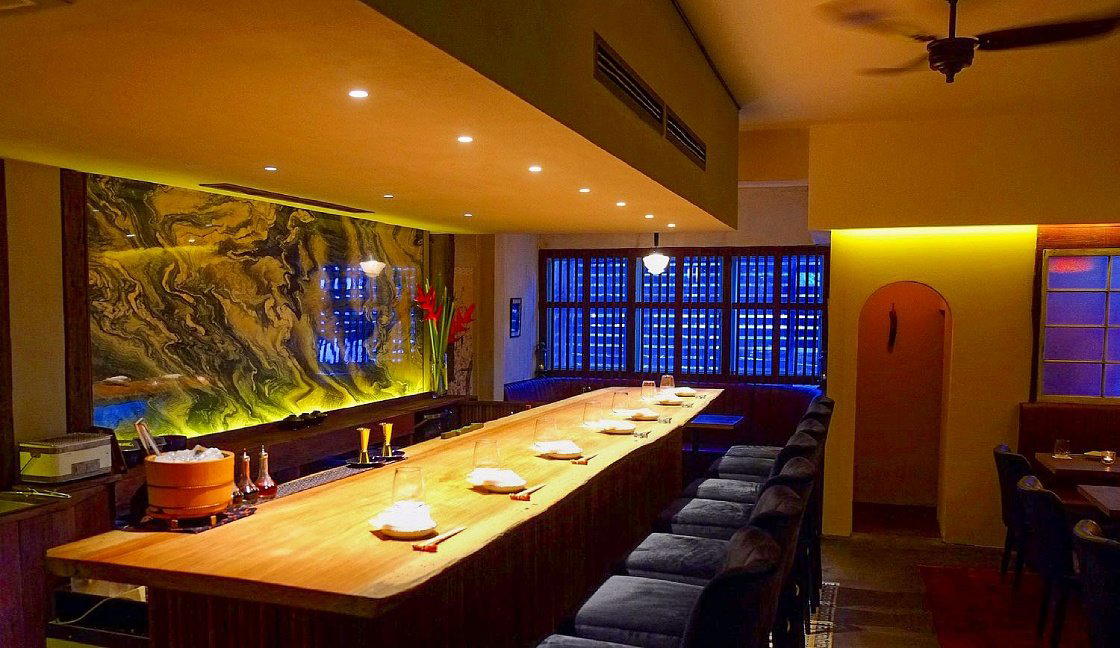
Bars in Kaohsiung
Browse all →
At a Glance
- Elegant
- Intimate
- Sophisticated
- Special Occasion
- Date Night
- Chefs Counter
- Sake Program
- Sustainable Seafood
Current opening hours
- Monday
- Closed
- Tuesday
- 12–2 PM, 6–9 PM
- Wednesday
- 12–2 PM, 6–9 PM
- Thursday
- 12–2 PM, 6–9 PM
- Friday
- 12–2 PM, 6–9 PM
- Saturday
- 12–2 PM, 6–9 PM
- Sunday
- Closed
Hours can change for holidays and private events. Last verified .
Interior steeped in Japanese charm with profusion of hinoki wood and ice cellar for fish storage.