Sushi by the Heights
Houston's Heights neighborhood has quietly developed a small cluster of counter-format sushi worth tracking, and Sushi by the Heights on Studewood Street sits within that local conversation. The format rewards regulars who return often enough to understand the rhythm of the kitchen, making this a different kind of sushi proposition than the city's more formal omakase rooms.
Pearl is the En Primeur Club membership app — saves, bookings, and concierge access live there. Same editors, same standards.
- Address
- 1111 Studewood St #B, Houston, TX 77008
- Phone
- +17139936404
- Website
- sushibytheheights.com
- Directions
- Get directions
 Saves & bookings on Pearl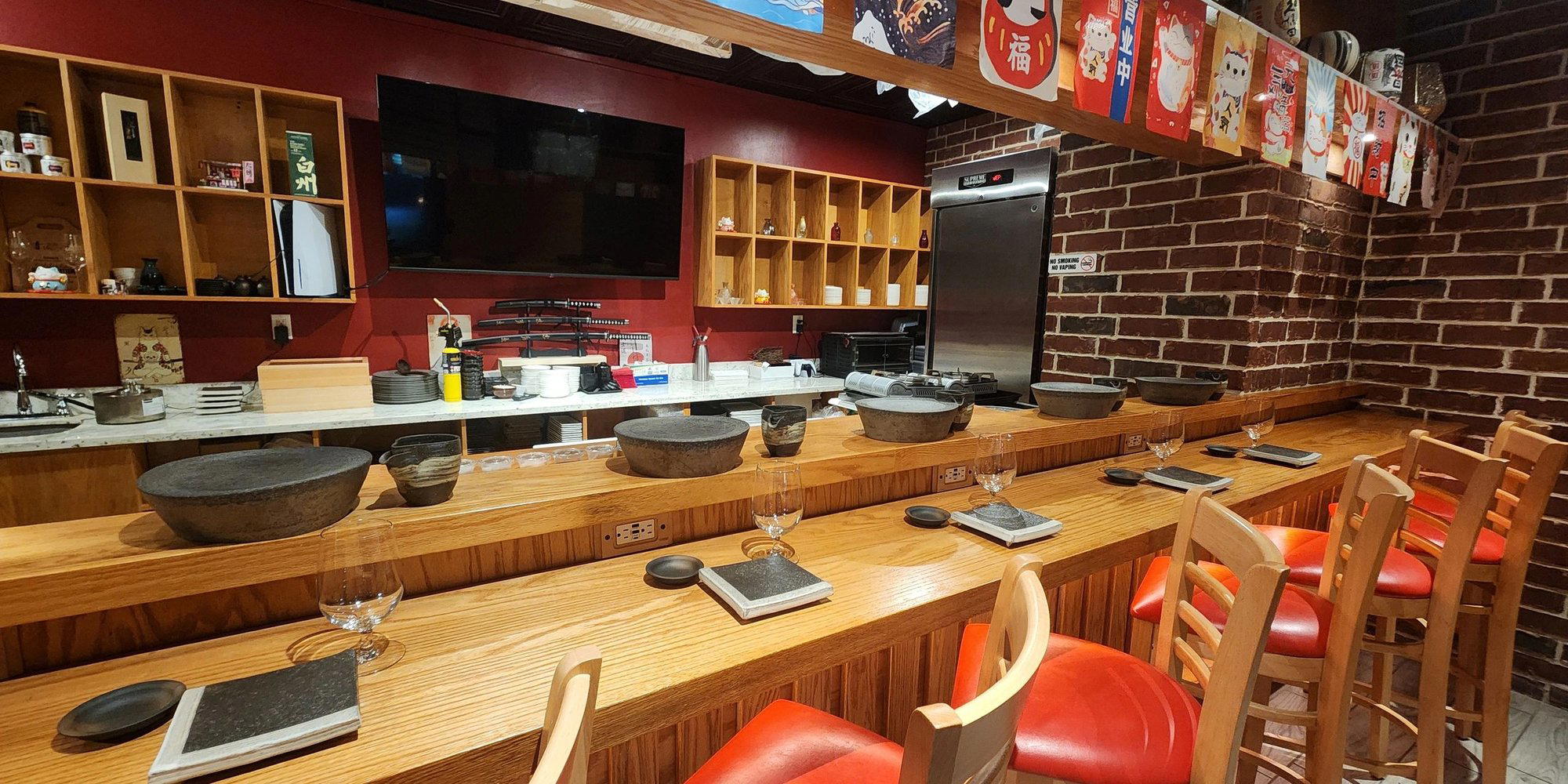
A Neighborhood Counter in a City That Takes Sushi Seriously
Houston's relationship with Japanese cuisine runs deeper than most American cities its size. The Gulf Coast's proximity to premium seafood supply chains, combined with a dining public shaped by decades of international energy-sector migration, has produced a sushi scene that punches considerably above regional expectations. The city now supports formal omakase counters charging four-figure tabs alongside neighborhood-facing operations where the fish quality remains high but the atmosphere tilts toward repeat visitors rather than destination diners. Sushi by the Heights is a contemporary Japanese sushi and robata restaurant at 1111 Studewood St #B in Houston's Heights district, with counter-format dining at about $30 per person and reservations recommended.
The Heights as a Dining Context
The Heights is not Houston's flashiest dining corridor, which is precisely why it produces a certain kind of loyal clientele. Unlike the Galleria area or Midtown, where restaurants often pitch themselves to visitors and expense accounts, the Heights operates on a residential rhythm. The regulars here are not hunting for Instagram architecture or celebrity-chef theatre; they are looking for a kitchen they can trust across repeated visits. That context matters for a sushi operation because omakase-adjacent formats in neighborhood settings live or die on the relationship between chef and returning guest. The counter becomes a kind of informal club, where what you are served reflects an accumulated understanding of your preferences as much as what arrived from the supplier that morning.
This dynamic places Sushi by the Heights in a different competitive frame than, say, Houston's higher-formality omakase rooms. It is not competing for the same occasion as a four-hour, multi-course counter experience. It competes for the weeknight decision, the recurring Thursday ritual, the dinner you book two weeks out rather than three months in advance.
Where It Sits in Houston's Sushi Tier
Houston's sushi options now span several clear price and format tiers. At the leading end, reservation-only omakase counters operate on strict seat counts, long lead times, and tasting menus priced comparably to the city's most ambitious European kitchens. Venues in that bracket, like Hidden Omakase, represent the formal end of the spectrum. Below that sits a middle register of counter-format restaurants where quality remains the priority but the format is more flexible and the commitment less ceremonial. Sushi by the Heights appears to operate in or near that middle tier, where the question for a repeat visitor is not whether the fish is good but whether the kitchen tracks your preferences over time.
For broader context on how Houston's fine dining scene distributes across cuisines and price points, the full Houston restaurants guide maps the city's key categories alongside venues like March (Venetian, upper-tier tasting menu), Musaafer (Indian, gallery-scale ambition), BCN Taste & Tradition (Spanish), Le Jardinier Houston (French), and Tatemó (Mexican, masa-focused).
What Regulars Come Back For
In counter-format sushi, the quality ceiling is ultimately set by sourcing relationships, technical consistency, and the kitchen's willingness to adjust over time. Regulars at neighborhood sushi counters rarely return for a static menu; they return because the kitchen has absorbed enough information about their preferences to make each visit feel calibrated rather than generic. This is the unwritten social contract of the neighborhood omakase-adjacent model, and it applies here as clearly as at any counter in Tokyo's outer wards or Los Angeles's less-publicized Japanese enclaves.
The Heights format also tends to attract guests who value quieter environments over choreographed dining theatre. The neighborhood's residential character keeps the room from skewing too loudly celebratory, which makes it a reasonable choice for a dinner conversation that actually needs to happen, rather than one that competes with ambient noise engineered for social media.
Sushi in the American Context: A Broader Pattern
The rise of serious neighborhood sushi counters across American cities reflects a broader maturation of Japanese dining culture outside the coasts. For most of the 2000s, premium sushi in the United States clustered almost entirely in New York, Los Angeles, and a handful of San Francisco addresses. That concentration has since loosened. Houston, with its international population and above-average restaurant spending, has accumulated enough critical mass to sustain both upper-tier formal omakase and the neighborhood counter format that serves the same audience on off-peak nights.
This pattern mirrors what happened in American fine dining more broadly as chefs trained in high-formality kitchens (places like Le Bernardin, The French Laundry, or Alinea) began opening smaller, more personal formats. The instinct to build a room around depth of return rather than breadth of first-time visitors has produced a distinct subcategory across American cities, visible in venues as different as Lazy Bear in San Francisco, Blue Hill at Stone Barns in Tarrytown, and Atomix in New York. Neighborhood sushi counters are the Japanese-cuisine version of that same structural shift.
For readers tracking Japanese dining at the highest international level, venues like 8½ Otto e Mezzo Bombana in Hong Kong and Providence in Los Angeles represent the cross-cultural fine dining conversation that shapes what ambitious American kitchens benchmark against. Closer to home, Addison in San Diego, Single Thread Farm in Healdsburg, The Inn at Little Washington, Emeril's in New Orleans, and Blue Hill at Stone Barns each illustrate different approaches to building a loyal dining constituency outside New York's gravitational pull.
Planning Your Visit
The venue is located at 1111 Studewood Street, Suite B, in the Houston Heights. The restaurant is open Mon to Thu 11 AM to 10 PM, Fri 11 AM to 2 AM, Sat 11 AM to 11 PM, and Sun 12 PM to 10 PM. Address: 1111 Studewood St #B, Houston, TX 77008. Budget: Pricing tier not confirmed; verify before visiting. Timing: Booking is recommended.
Nearby-ish Comparables
Comparable venues nearby, for context on price, style, and recognition.
| Venue | Cuisine | Price | Notes |
|---|---|---|---|
| Sushi by the HeightsThis venue — the venue you are viewing | Contemporary Japanese Sushi & Robata | $$ | Not listed |
| Teppay | Authentic Traditional Japanese Sushi | $$ | Briarmeadow |
| Ichijiku | Edomae-Style Sushi | $$ | Sharpstown |
| Aiko | Modern Japanese Omakase | $$$ | Neartown |
| Kata Robata | Modern Japanese Robata and Sushi | $$$ | Upper Kirby |
| Crust City Pizza | Chicago-Style Thin Crust Pizza | $$ | Houston Heights |
Continue exploring
More in Houston
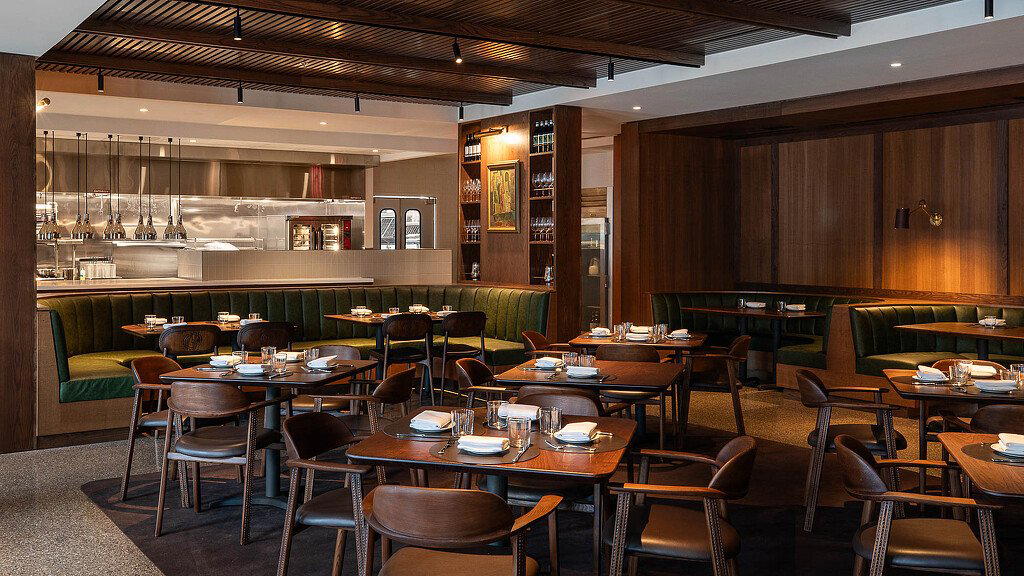
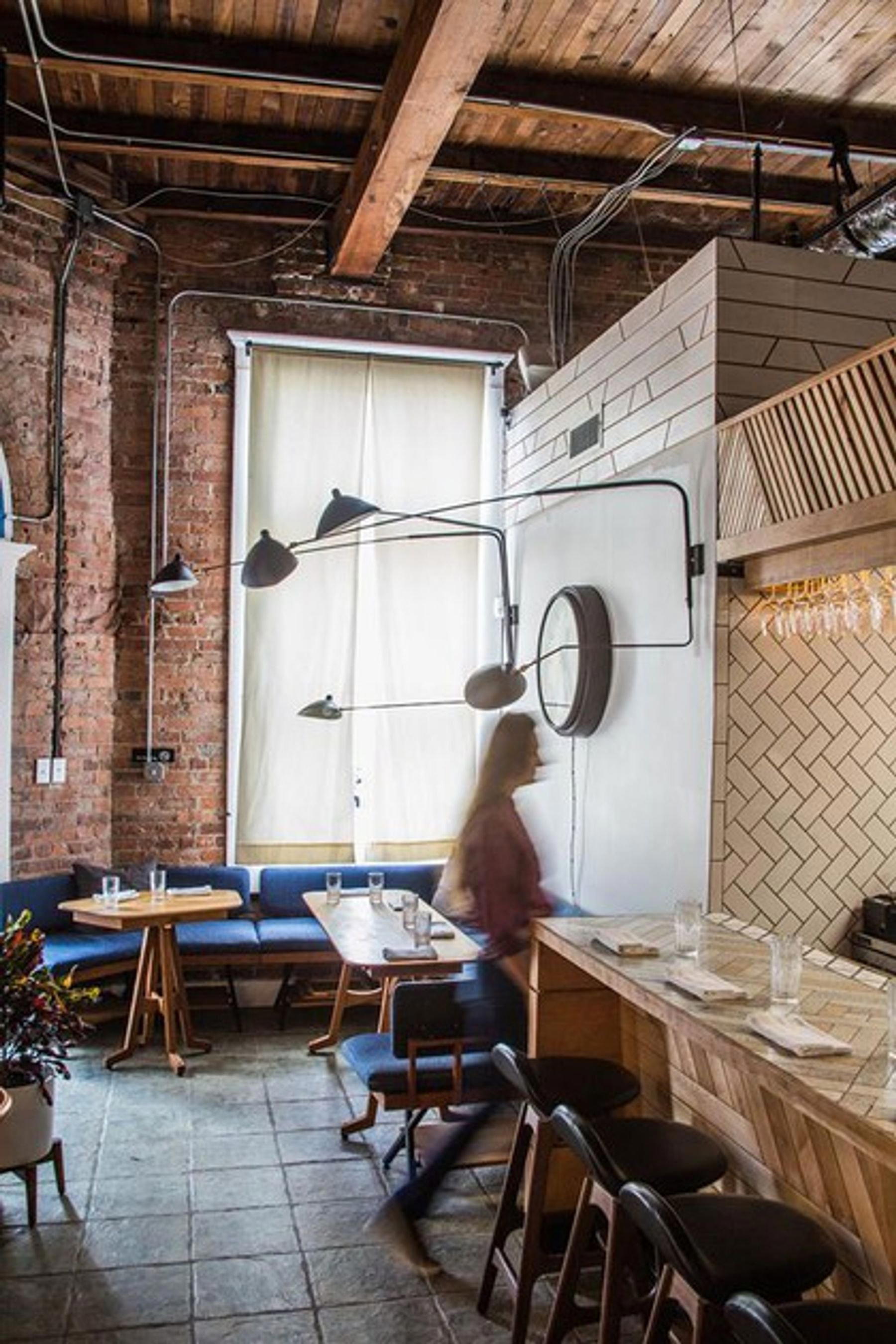
Restaurants in Houston
Browse all →
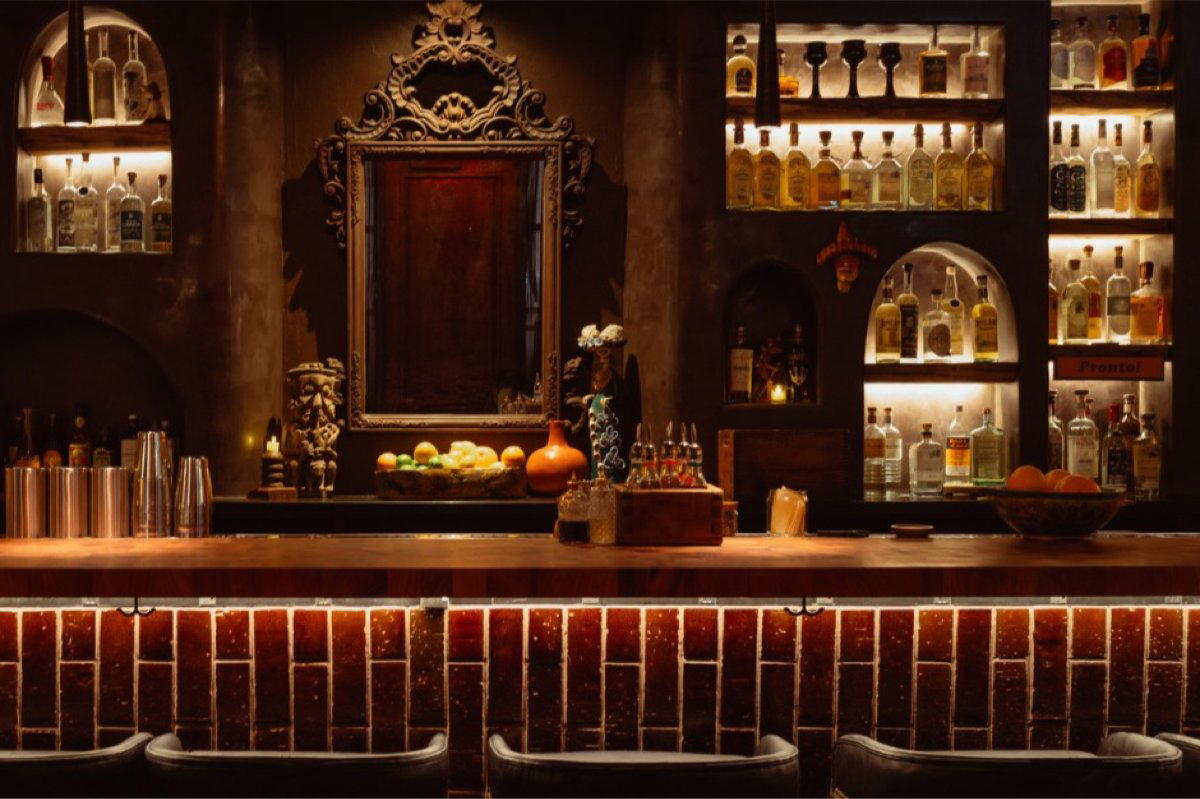
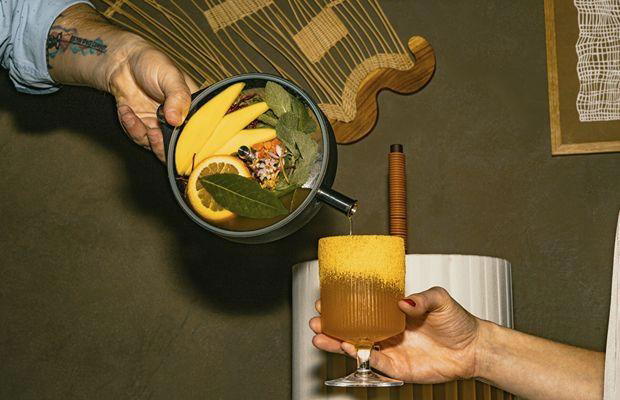
Bars in Houston
Browse all →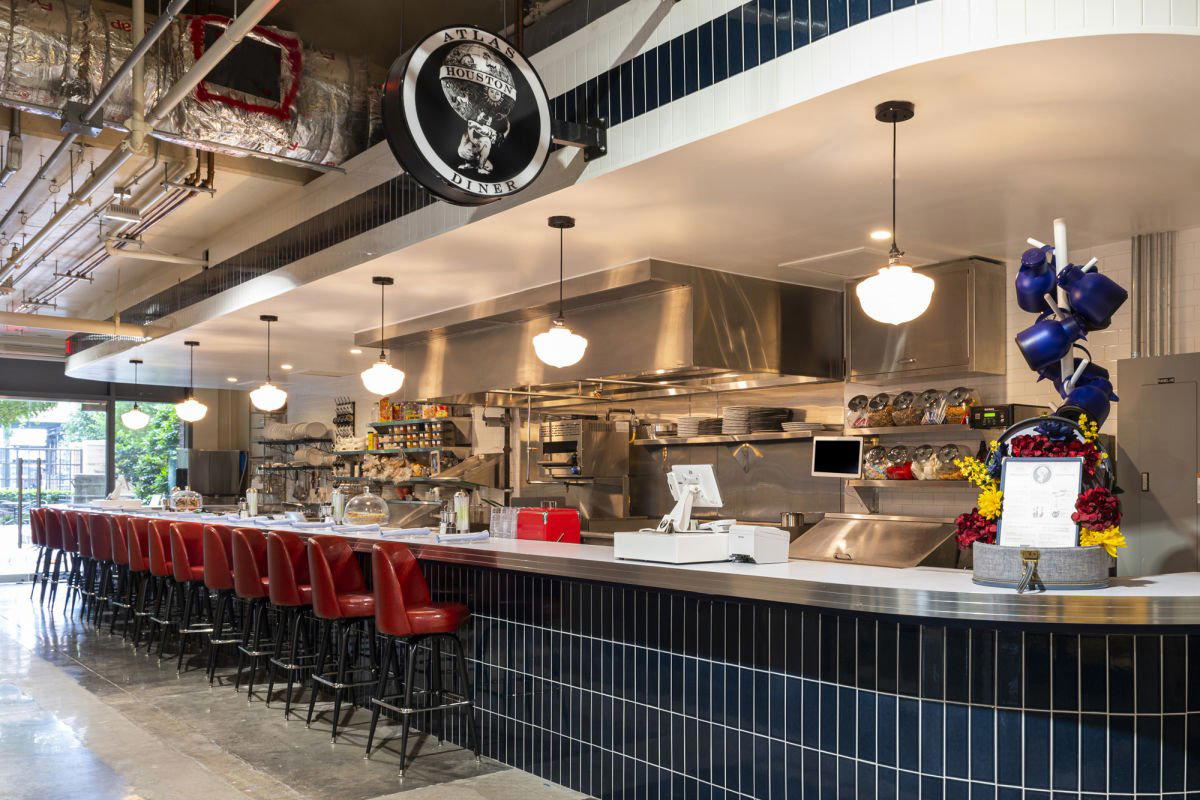
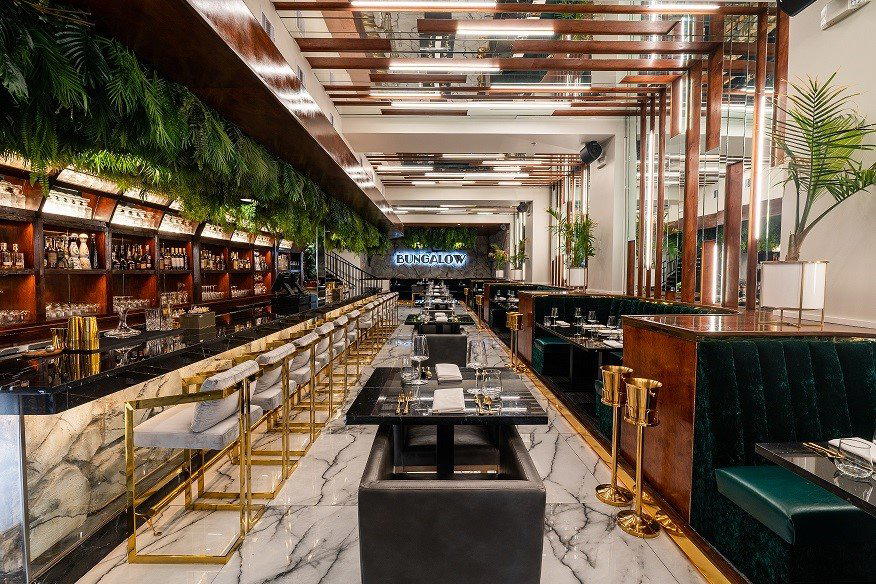
Hotels in Houston
Browse all →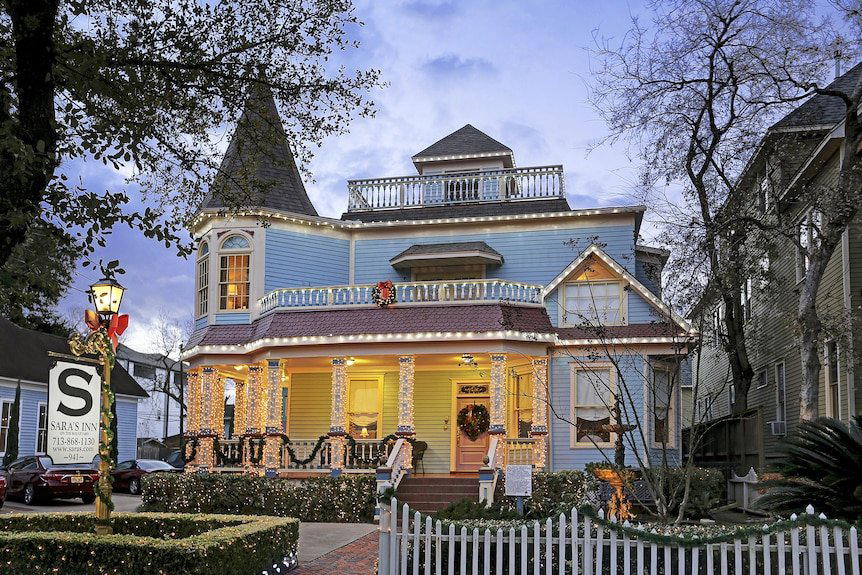
At a Glance
- Modern
- Trendy
- Cozy
- Date Night
- Casual Hangout
- Open Kitchen
- Sake Program
- Local Sourcing
- Sustainable Seafood
Current opening hours
- Monday
- 11 AM–10 PM
- Tuesday
- 11 AM–10 PM
- Wednesday
- 11 AM–10 PM
- Thursday
- 11 AM–10 PM
- Friday
- 11 AM–2 AM
- Saturday
- 11 AM–11 PM
- Sunday
- 12–10 PM
Hours can change for holidays and private events. Last verified .
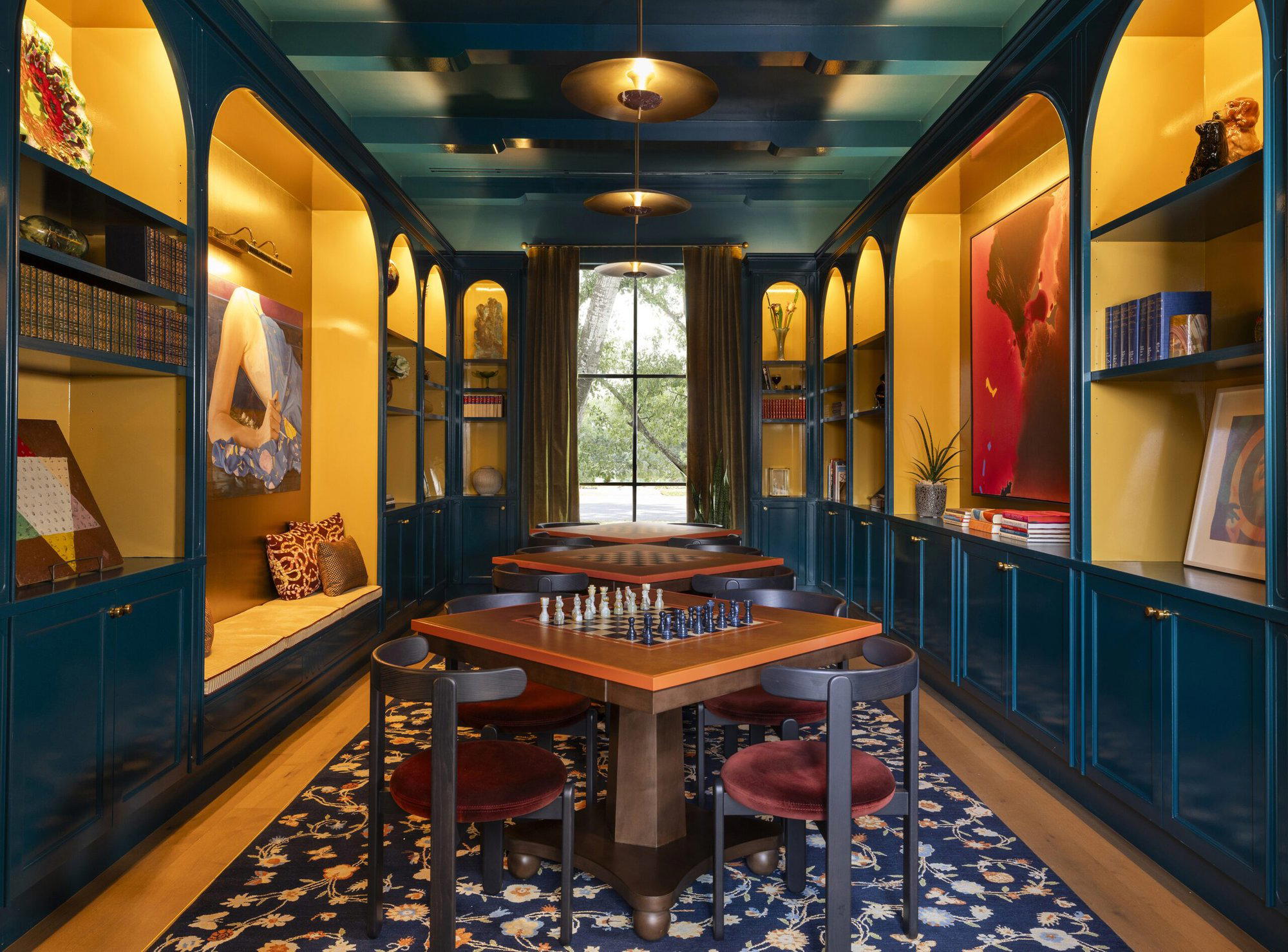
Stylish dining room with social bar and inviting patio area fostering communal dining.