Aiko
Aiko occupies a suite on Washington Avenue in Houston's Washington Corridor, a stretch that has become one of the city's more contested dining addresses. The restaurant's positioning within a neighborhood that prizes both local sourcing and environmental awareness places it in a conversation about how fine dining in Texas is being redefined from the inside out. Sparse on spectacle, the room lets the food carry the argument.
Pearl is the En Primeur Club membership app — saves, bookings, and concierge access live there. Same editors, same standards.
- Address
- 1902 Washington Ave suite c, Houston, TX 77007
- Phone
- +18325827525
- Website
- opentable.com
- Directions
- Get directions
 Saves & bookings on Pearl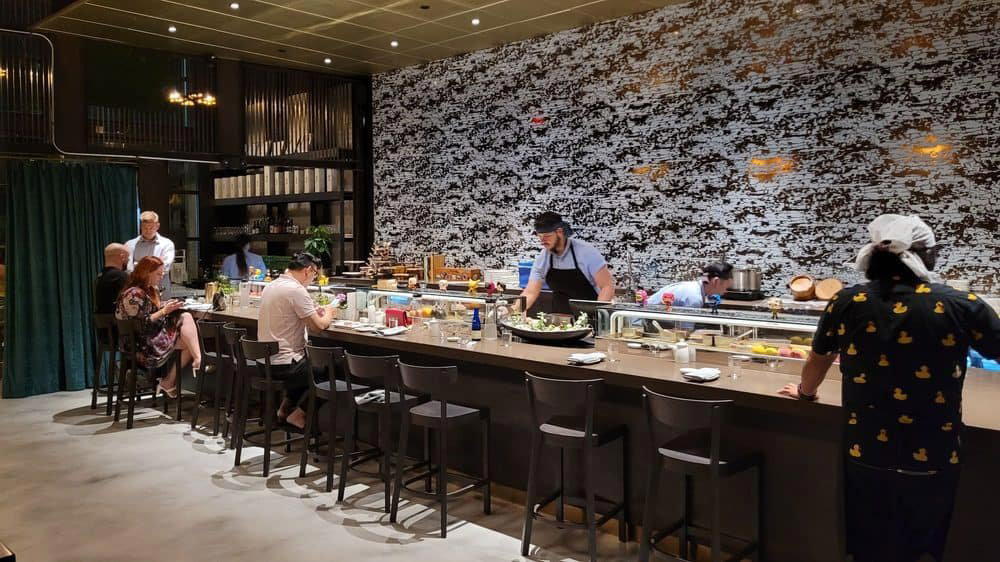
Washington Avenue and the Case for Intentional Dining
Houston's Washington Corridor has spent the last decade sorting itself out. Once known primarily for its nightlife density, the stretch between Memorial Park and the Heights has attracted a quieter, more considered wave of hospitality. The restaurants that have taken root here tend to operate with some degree of conviction about what they are doing and why. Aiko, at 1902 Washington Ave, is one of them.
The address alone signals something: this is not a downtown power-lunch room or a Montrose destination built for maximum visibility. Washington Avenue's dining scene rewards the curious rather than the passive. You arrive with some intention, which means most tables do too. That self-selection shapes the room's atmosphere in ways that no design brief can manufacture.
Where Aiko Fits in Houston's Sustainability Conversation
Across American fine dining, the sustainability story has fractured into two distinct camps. The first is performative: menus printed on recycled paper, a single local farm mentioned in the corner of the menu, and no meaningful structural change to how the kitchen sources or wastes. The second camp is operational: sourcing decisions made before the menu is written, waste reduction built into prep rather than tacked onto marketing, and relationships with producers that run deeper than an invoice.
Houston has seen both versions. Musaafer operates at the luxury end of the Indian dining tradition with ingredient sourcing that reflects a deep respect for provenance. March, at the upper tier of the city's fine dining market, has built its Venetian-inflected tasting menu around seasonal discipline and supplier relationships. Tatemó has staked its identity on masa as a culturally and ecologically grounded ingredient, treating the corn supply chain as part of the story rather than background noise.
Aiko enters this conversation at a moment when Houston diners are more attuned than ever to the gap between what a kitchen claims and what it actually does. That attentiveness is a productive pressure. It means the restaurants that survive on sustainability credentials must deliver evidence, not language.
Nationally, this standard has been set at properties like Blue Hill at Stone Barns in Tarrytown, where the farm-to-table framework is literal rather than rhetorical, and Single Thread Farm in Healdsburg, where the kitchen, farm, and inn operate as an integrated ecological system. Closer to Houston's own register, Smyth in Chicago has demonstrated that sourcing discipline and serious technique are not mutually exclusive. These are the peer references that define the ceiling of the category.
The Room: Function Over Atmosphere Theater
Aiko's suite format on Washington Avenue is not the kind of space that announces itself. Suite C suggests a building shared with other tenants, a configuration that has become more common in Houston as restaurant operators look for flexibility in footprint and cost. This is an architectural form with its own logic: lower overhead can translate to better product on the plate, which is ultimately the trade-off that matters.
Rooms like this tend to succeed when the food is the event and fail when the stripped-back environment is mistaken for minimalism. The Washington Corridor has enough ambient energy that a quieter interior can read as deliberate restraint rather than a budget constraint, provided the kitchen is doing its part.
How Houston's Fine Dining Tier Is Shifting
Houston's restaurant scene has long punched above its national profile. The city's diversity of food cultures, its proximity to Gulf seafood, and its population of diners with both appetite and means have created conditions for serious cooking at multiple price points. What is changing now is the expectation around environmental accountability. Diners who have traveled and eaten at places like Lazy Bear in San Francisco or Providence in Los Angeles, both of which operate with documented sourcing programs, bring those expectations home.
The local comparisons are instructive. BCN Taste and Tradition draws on Spanish culinary heritage with ingredient sourcing tied to that tradition's emphasis on seasonality. Le Jardinier Houston operates within a vegetable-forward framework that is structurally aligned with low-waste cooking. These are not identical approaches, but they share an orientation: the sourcing decision precedes the menu decision, not the reverse.
At the national level, restaurants like Le Bernardin in New York, Addison in San Diego, and The Inn at Little Washington have each found ways to operate at the highest technical level while making sourcing a visible part of the editorial. Atelier Moessmer Norbert Niederkofler in Brunico represents the European end of this spectrum, where alpine sourcing constraints become a creative framework rather than a limitation. Even Emeril's in New Orleans, operating within a long-established Louisiana ingredient tradition, demonstrates how regional sourcing identity can persist across decades.
Aiko occupies this moment in Houston's dining timeline, where the sustainability story is no longer a differentiator and has become closer to a baseline expectation for restaurants operating with serious intent.
Reservations and the Question of Access
Washington Avenue's dining scene is more accessible than Houston's Uptown or downtown corridors in terms of neighborhood character, but individual venues operate with their own booking logic. Restaurants at this tier in Houston vary significantly: some run open seatings on a walk-in basis, others operate on timed reservation systems, and a smaller number use waitlist or membership-style access models.
What can be said is that restaurants on Washington Avenue at this level of intentionality tend to fill in advance on weekends, and midweek visits typically offer more flexibility. The Gulf Coast's seasonal produce calendar is also worth noting: spring and fall bring the widest range of local ingredients into Houston kitchens, which tends to be when sourcing-focused menus are at their most expressive. See our full Houston restaurants guide for broader context on timing and neighborhoods.
For readers who follow this conversation across cities and formats, Atomix in New York and The French Laundry in Napa represent the outer edge of what reservation discipline looks like in American fine dining. Aiko is not operating in that demand tier, but the analogy is useful for calibrating expectations: intention-driven restaurants at any scale tend to fill on their own schedule.
Know Before You Go
Address: 1902 Washington Ave, Suite C, Houston, TX 77007
Neighborhood: Washington Corridor
Seasonal note: Spring and fall align with the broadest range of Gulf Coast and Texas regional produce; sourcing-focused kitchens in Houston tend to be most expressive during these windows
Peer context: Sits within a Washington Avenue cohort that includes intentional, producer-linked restaurants; not a drop-in casual address
How Aiko Houston compares with similar nearby venues.
| Venue | Cuisine |
|---|---|
| B&B Butchers and Restaurant | Steak |
Continue exploring
More in Houston
Restaurants in Houston
Browse all →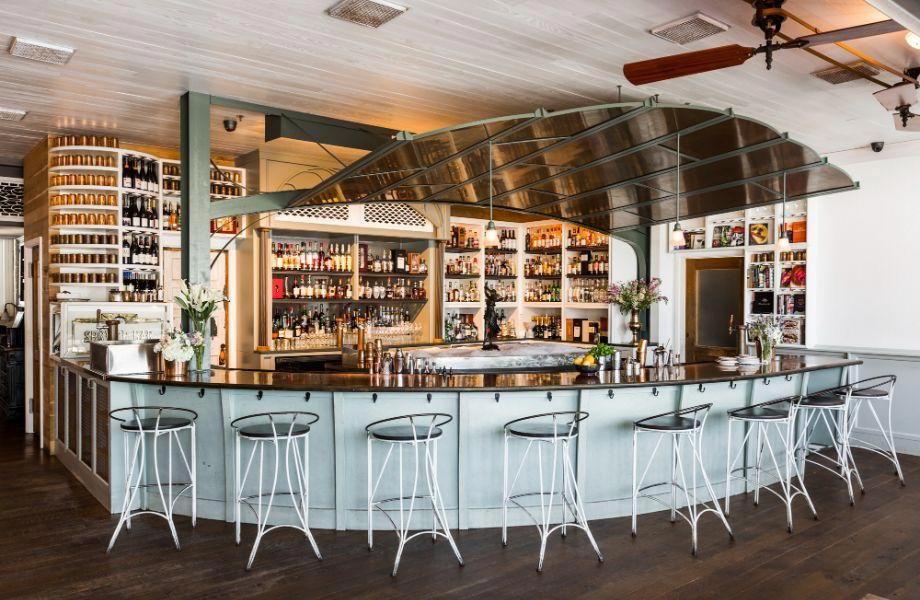
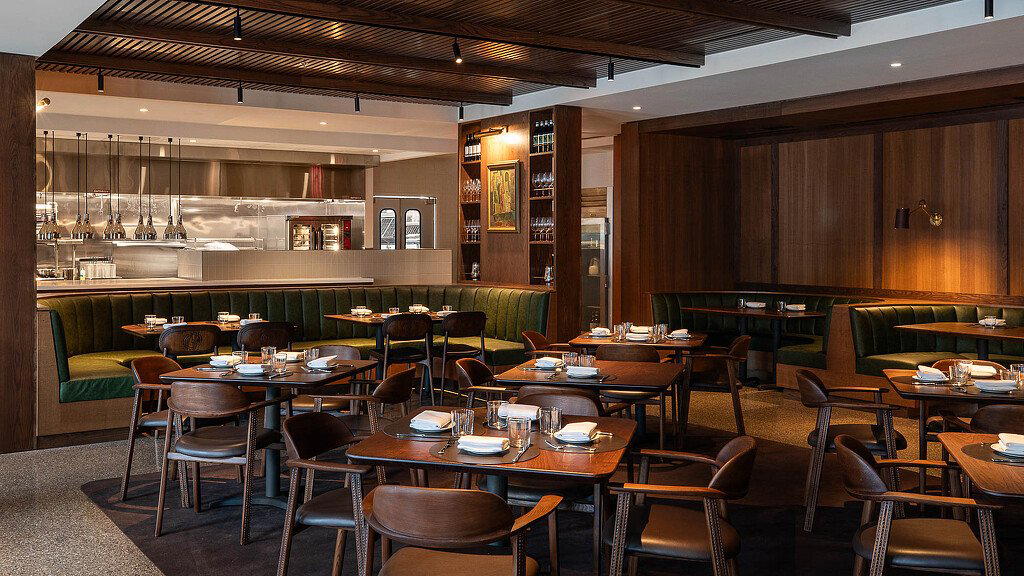
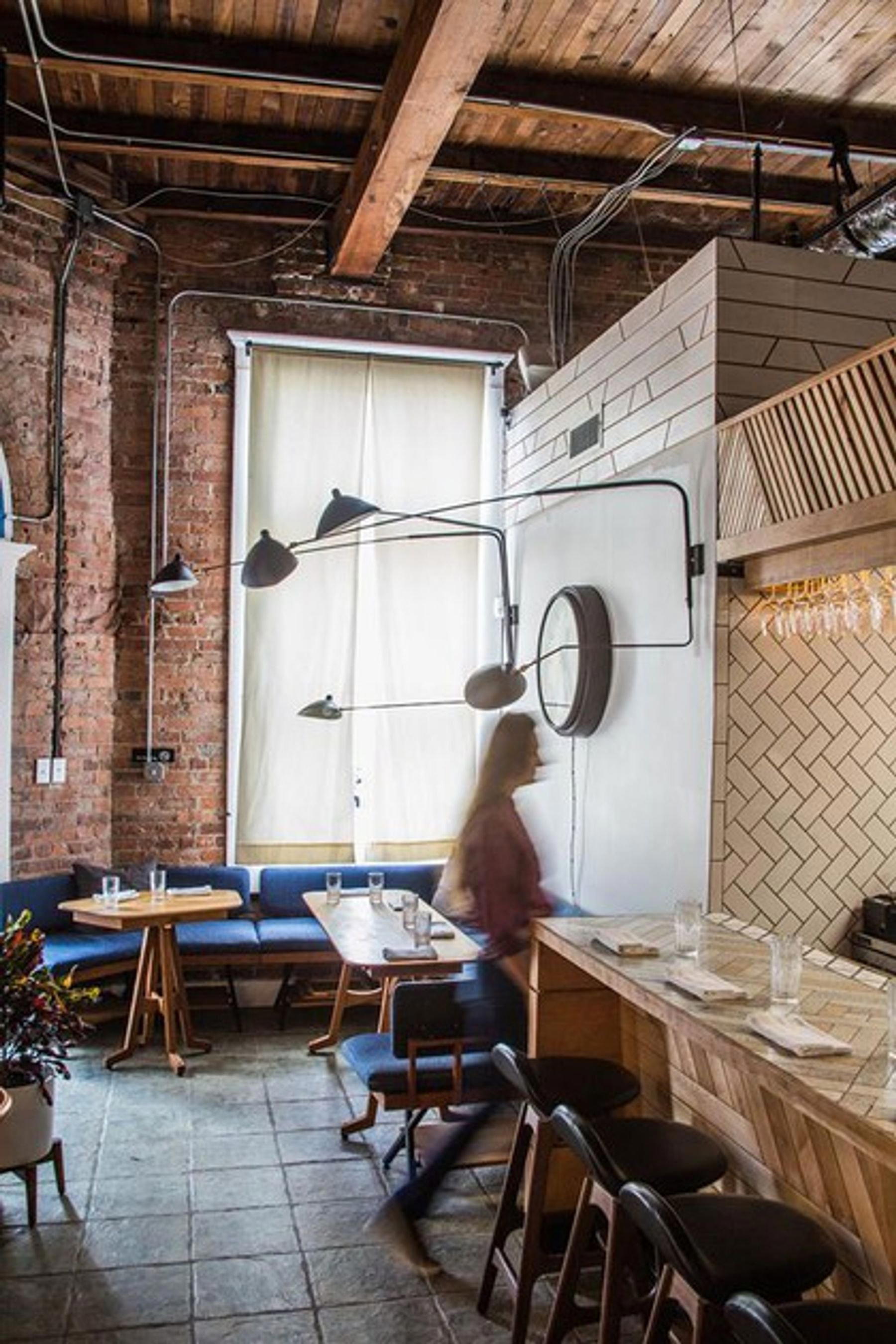
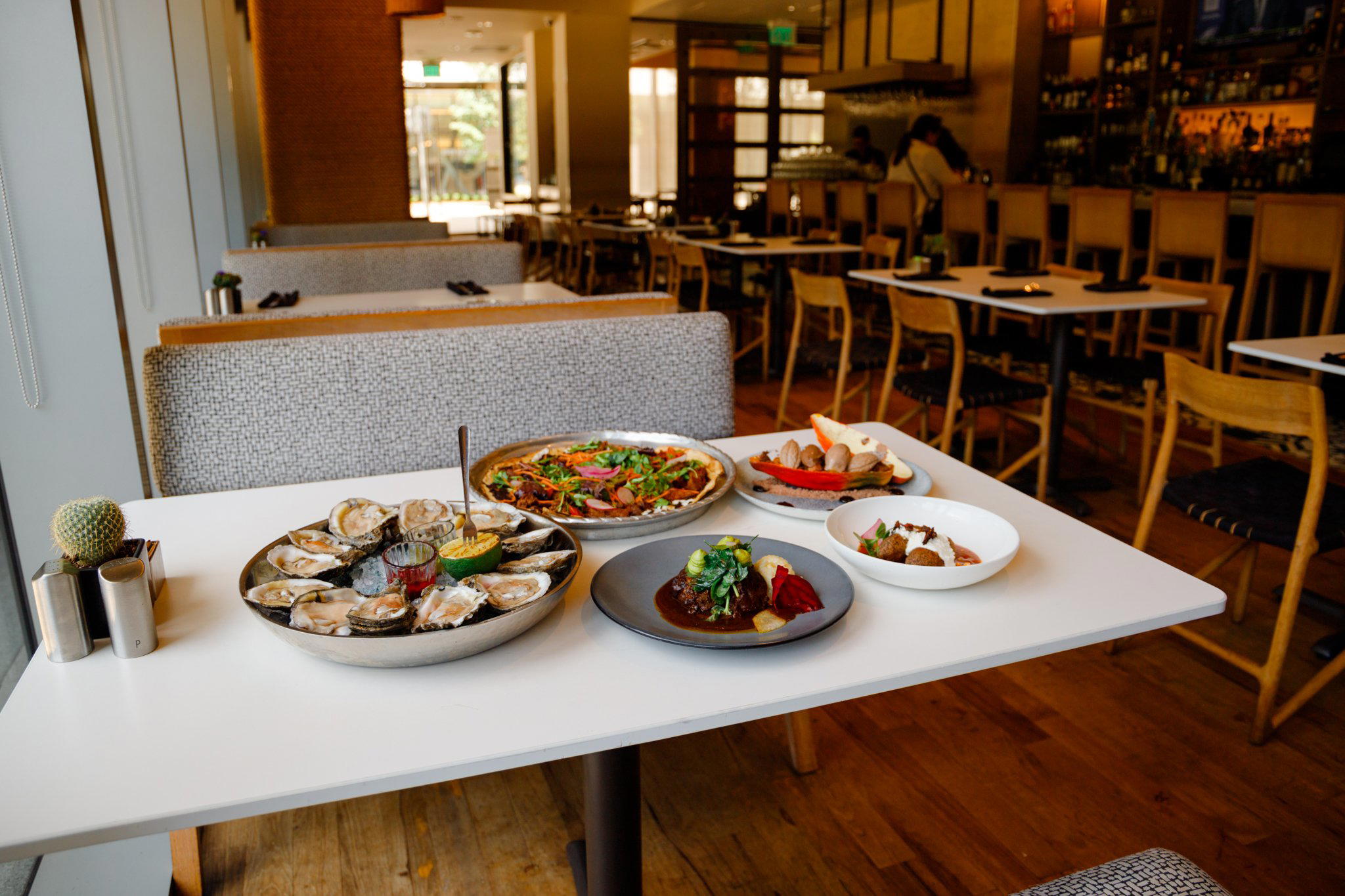
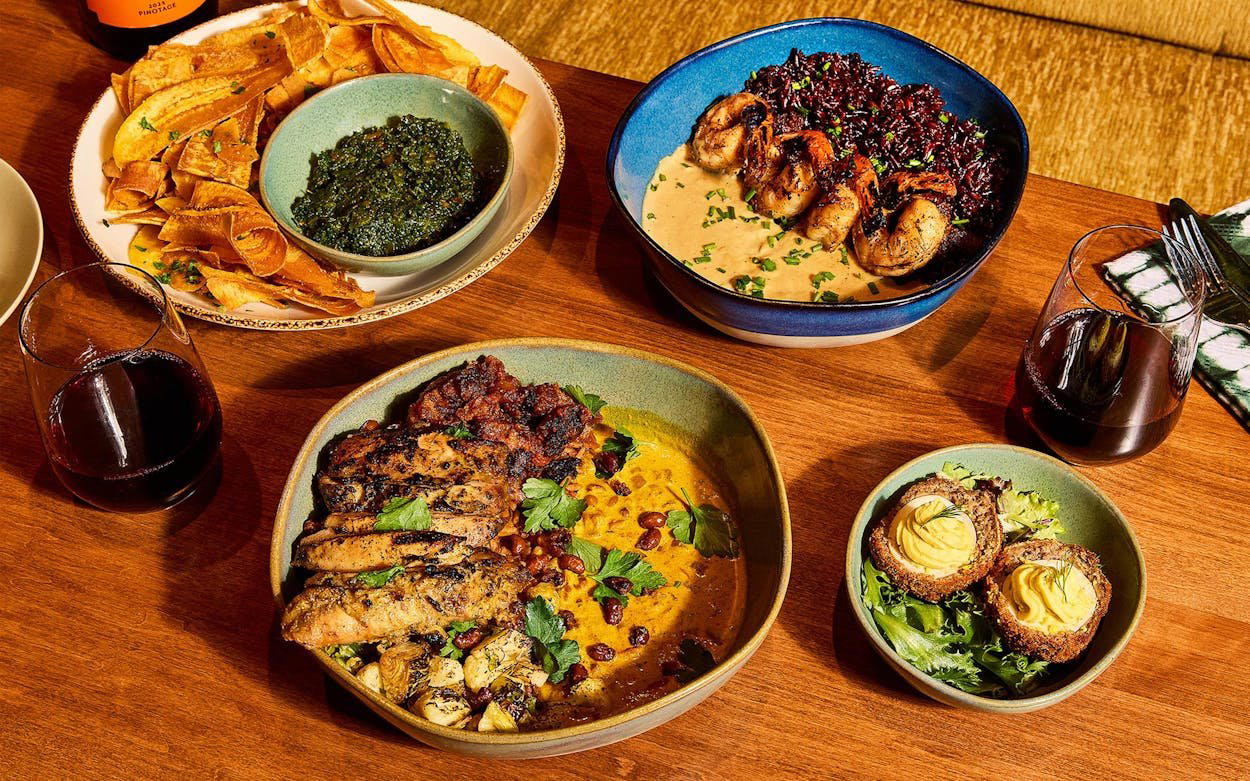
Bars in Houston
Browse all →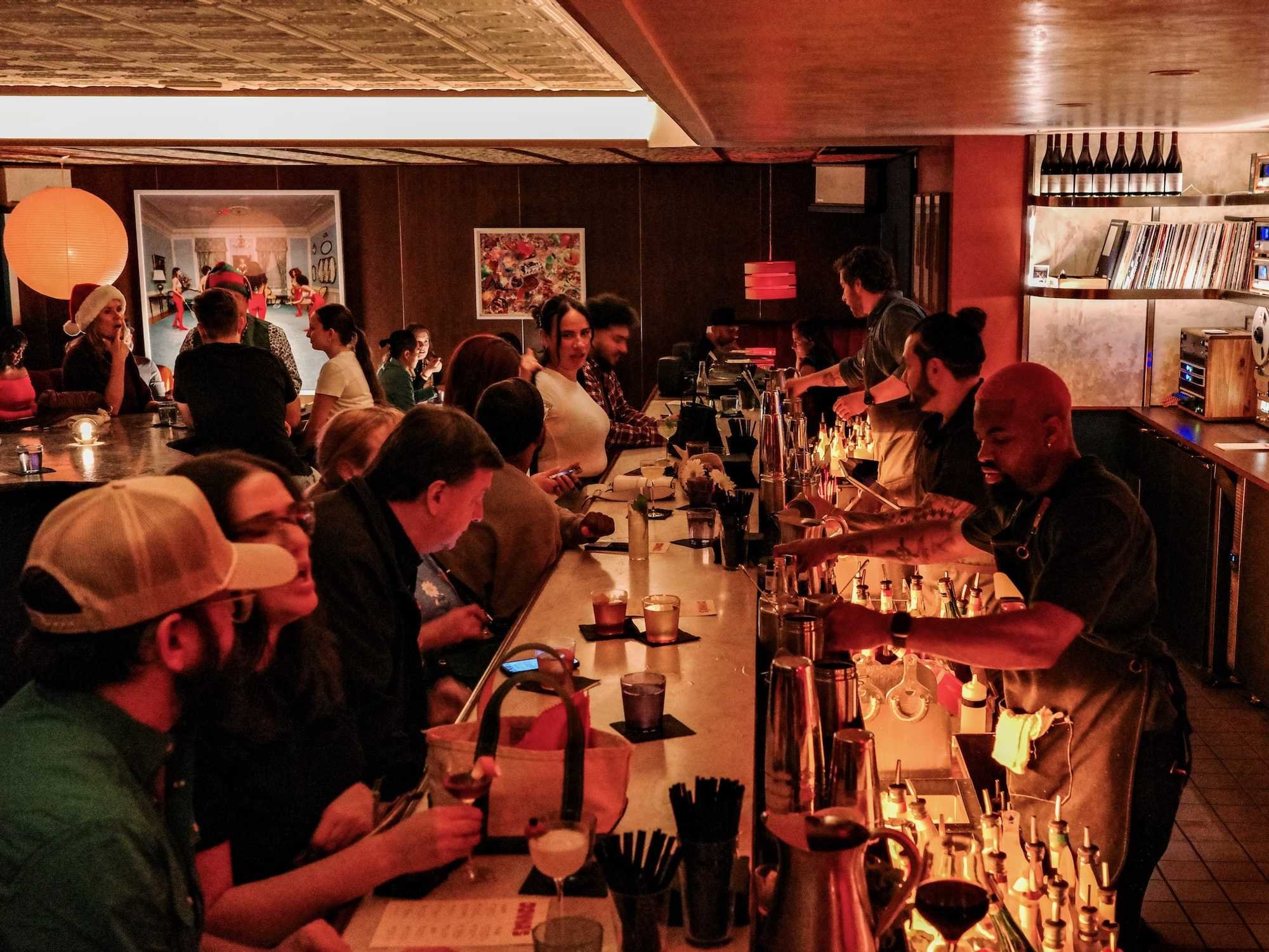
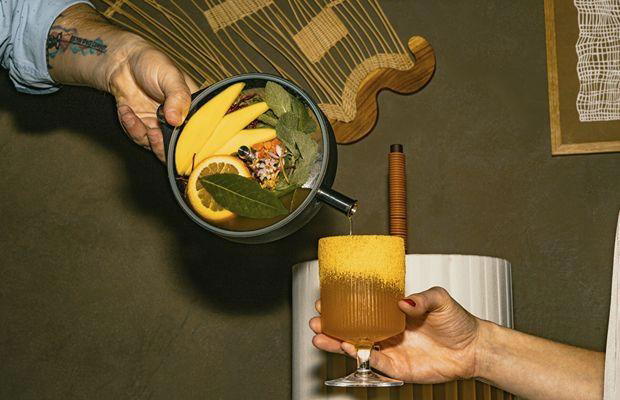
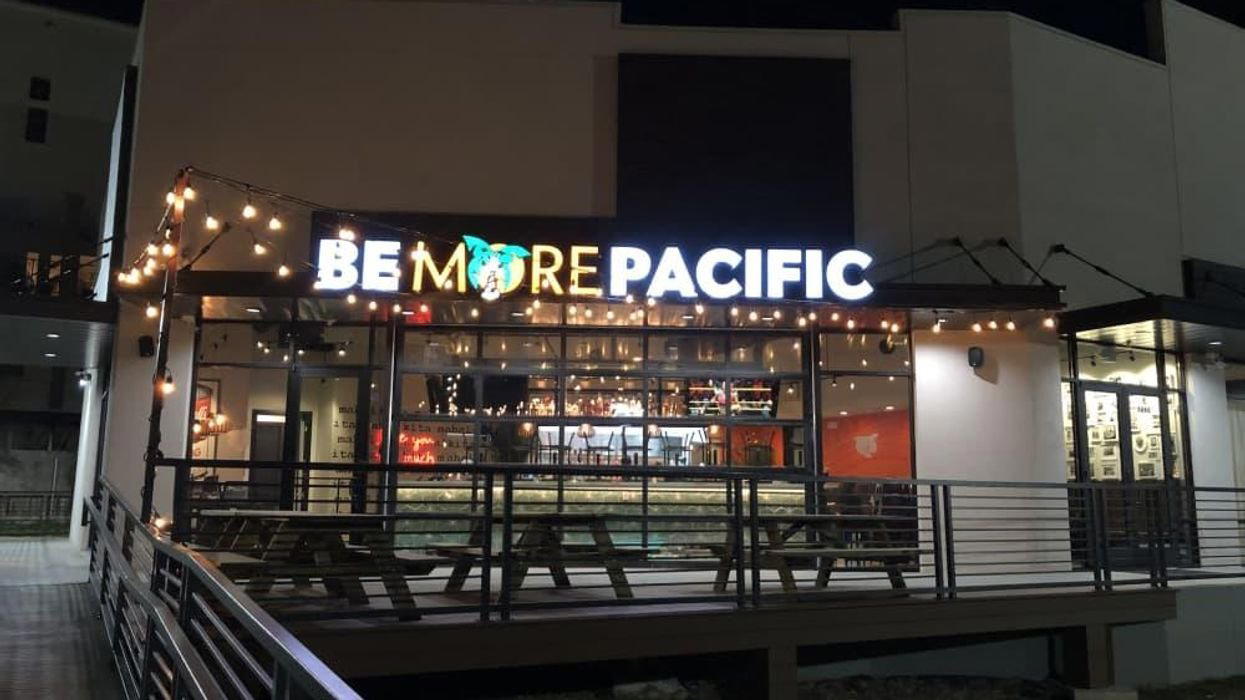
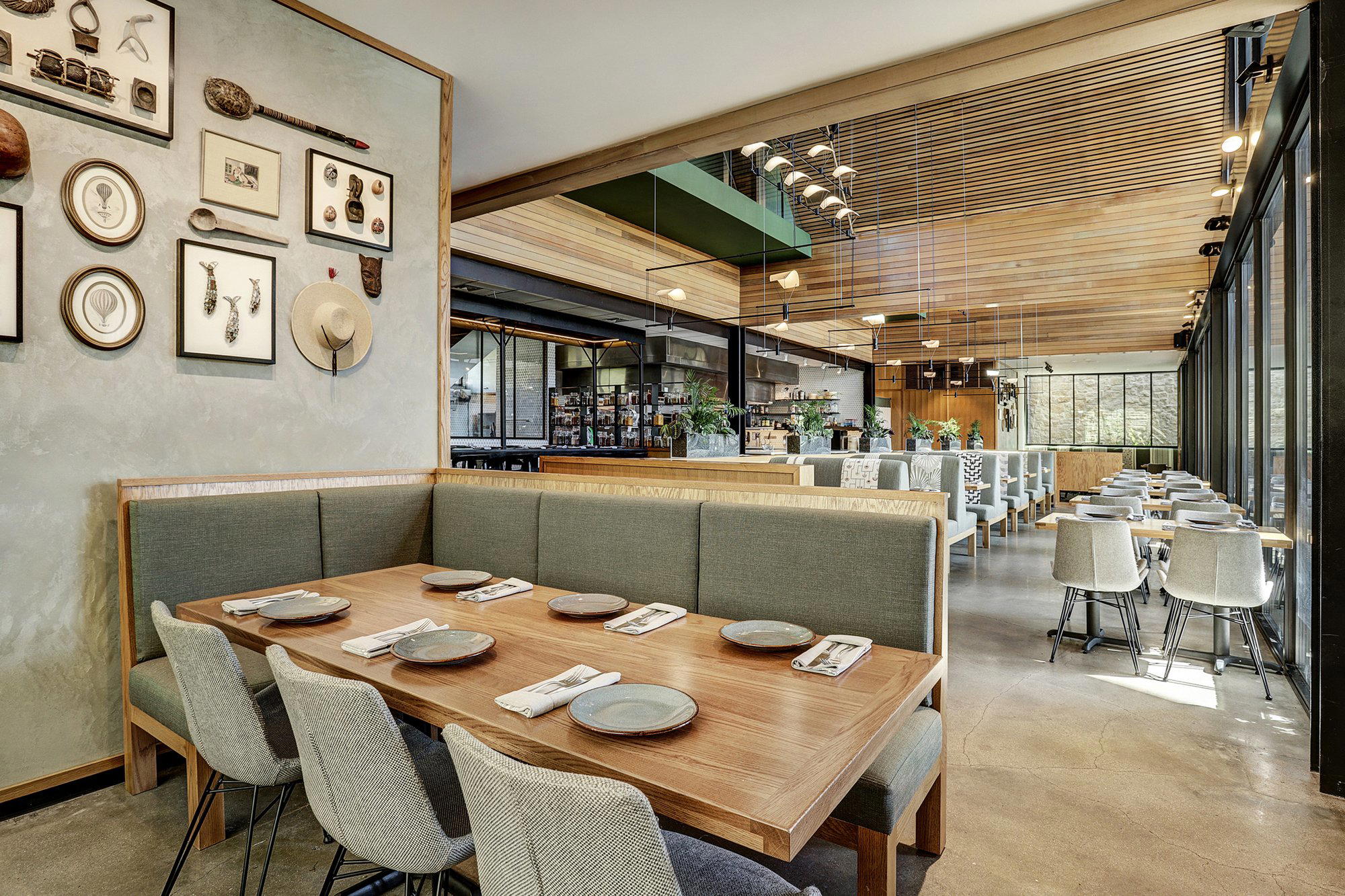
Hotels in Houston
Browse all →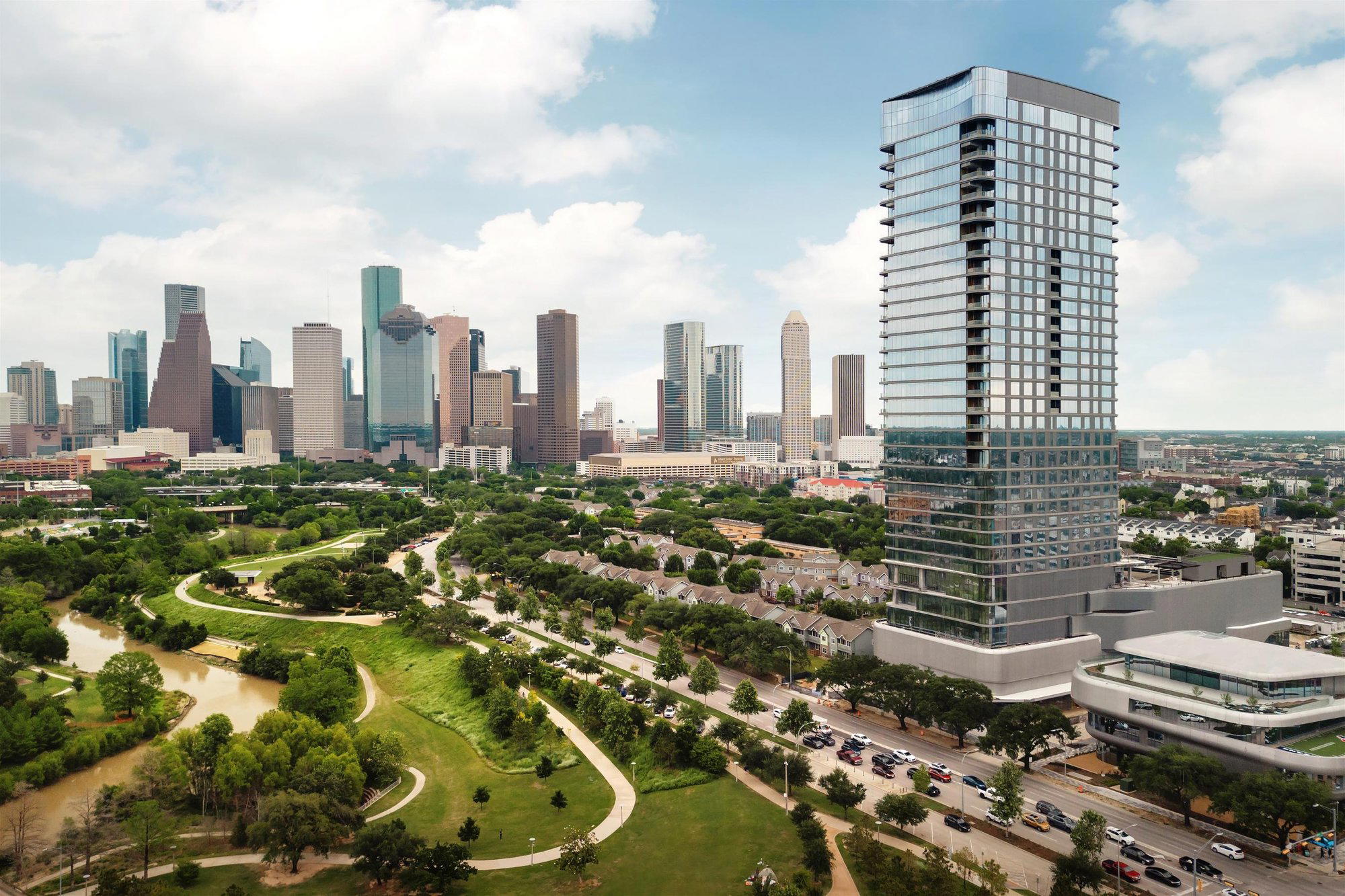
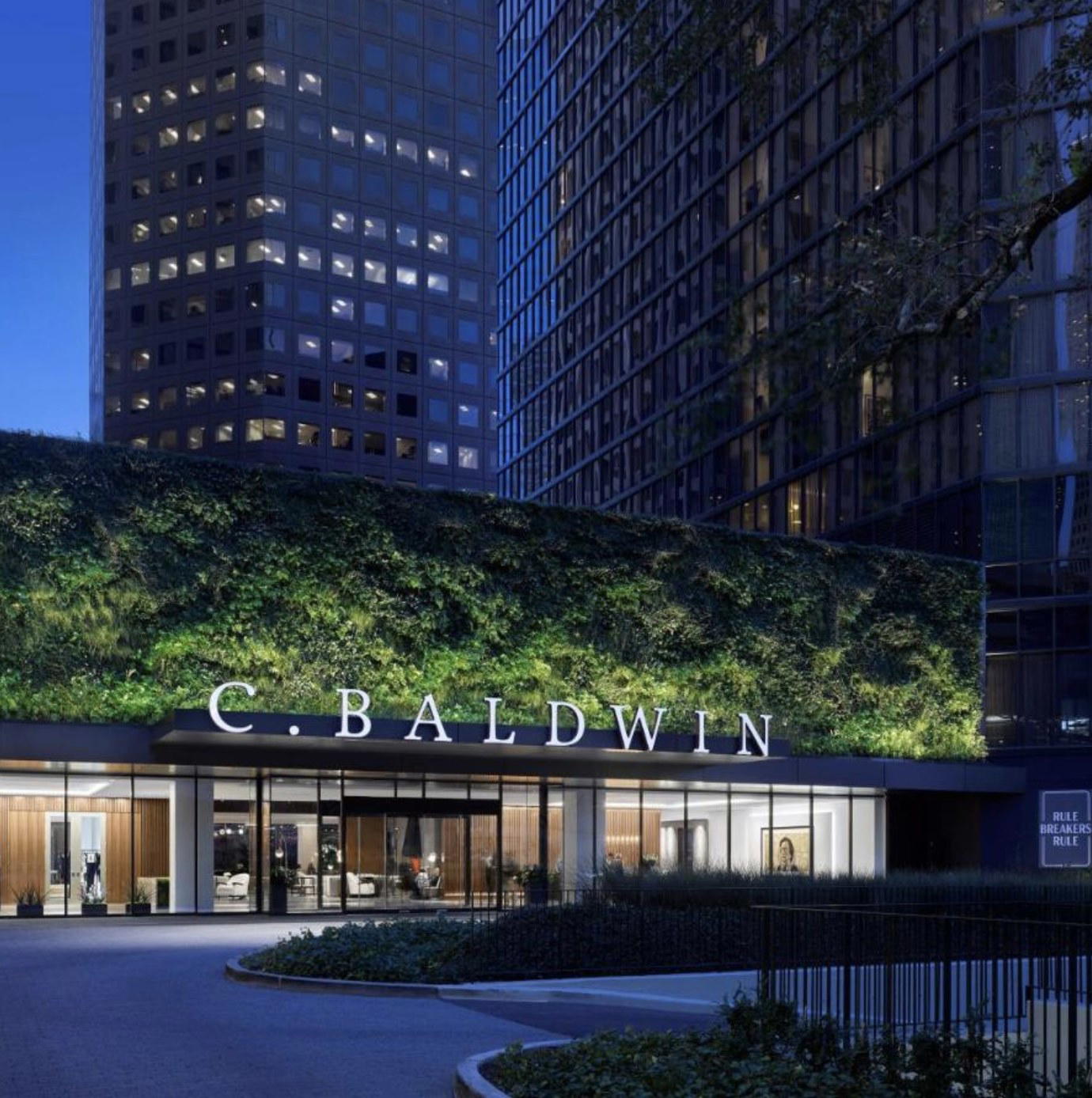
At a Glance
- Romantic
- Modern
- Elegant
- Intimate
- Sophisticated
- Date Night
- Special Occasion
- Business Dinner
- Chefs Counter
- Open Kitchen
- Sake Program
- Sustainable Seafood
Current opening hours
- Monday
- 11 AM–3 PM, 5–10 PM
- Tuesday
- 11 AM–3 PM, 5–10 PM
- Wednesday
- 11 AM–3 PM, 5–10 PM
- Thursday
- 11 AM–3 PM, 5–11 PM
- Friday
- 11 AM–3 PM, 5–11 PM
- Saturday
- 11 AM–3 PM, 5–11 PM
- Sunday
- 11 AM–3:30 PM, 5–10 PM
Hours can change for holidays and private events. Last verified .
Sleek yet cozy with dim lighting that sets a refined mood; intimate sushi bar setting with bright stage lighting showcasing the chefs' work.
Know Before You Go
- Getting there
- 1902 Washington Ave suite c, Houston, TX 77007