On Robson Street in Vancouver's West End, Sura occupies a stretch of the city where Korean dining has quietly deepened its presence over two decades. The restaurant draws on the formal traditions of Korean royal court cuisine, positioning it in a different register from the neighbourhood's more casual Korean options. For visitors orienting around Vancouver's broader Asian dining scene, it warrants attention alongside the city's upper-tier Chinese and Japanese addresses.
Pearl is the En Primeur Club membership app — saves, bookings, and concierge access live there. Same editors, same standards.
- Address
- 1518 Robson St, Vancouver, BC V6G 1C3, Canada
- Phone
- +1 604-687-7872
- Website
- surakoreancuisine.com
- Directions
- Get directions
 Saves & bookings on Pearl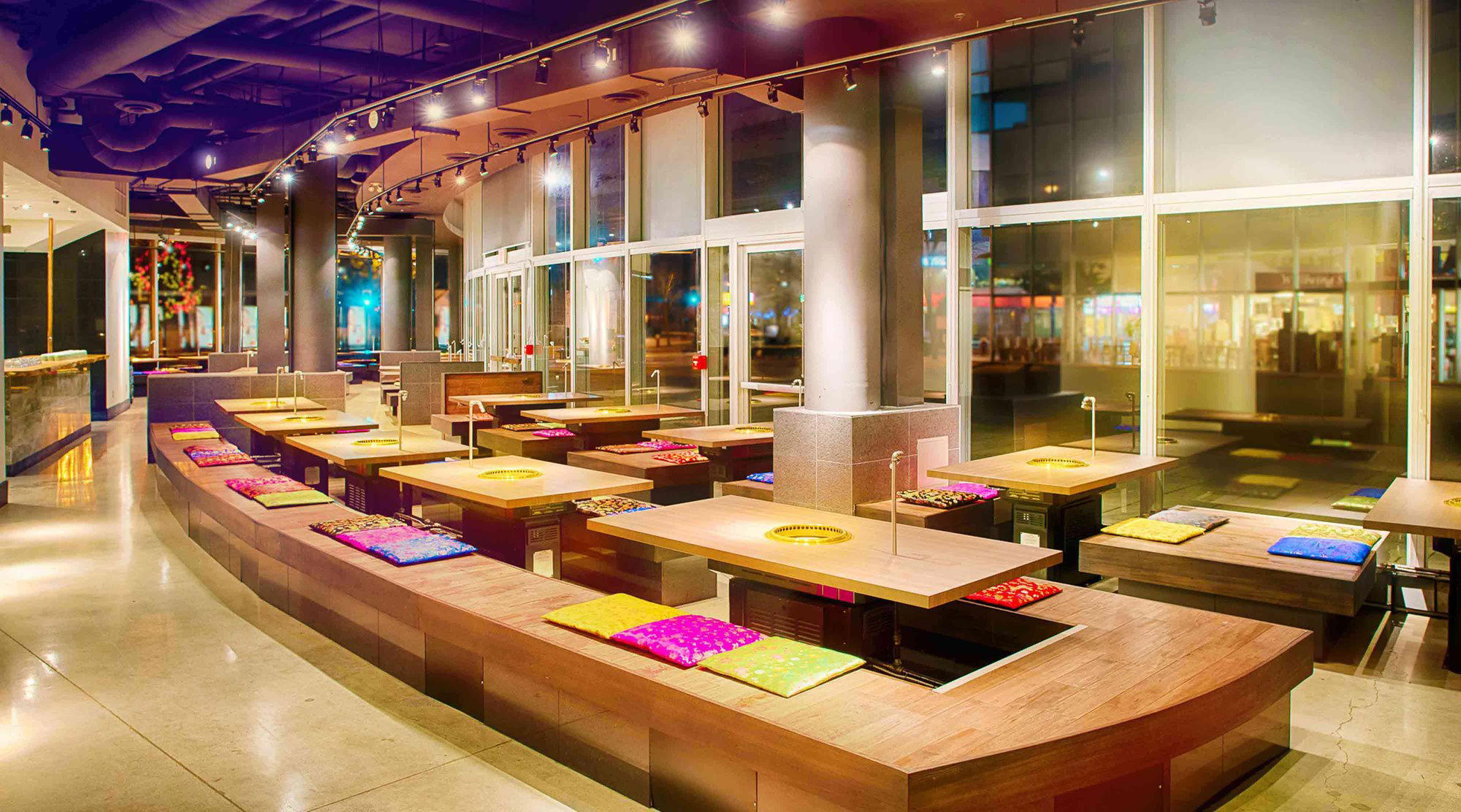
Robson Street and the Slow Maturation of Korean Fine Dining in Vancouver
Vancouver's West End has never been a single-cuisine district, but Robson Street has accumulated enough Korean restaurants over the years to function as a loose reference point for the city's Korean dining scene. Sura is a Korean restaurant in Vancouver's West End, serving Korean royal court cuisine at a casual price tier of about $25 per person. What has changed in that time is the register. A decade ago, the dominant format was casual: bibimbap, soon tofu, affordable set menus aimed at students and families. The higher end of the Korean dining spectrum, banchan-forward tasting formats, royal court presentations, longer menus anchored by fermentation and technique, has taken longer to establish itself. Sura, at 1518 Robson St, belongs to that slower-moving evolution. It operates in a bracket where the comparison set is not the casual Korean strip nearby but the broader tier of Vancouver's formal Asian dining addresses.
That shift in reference point matters. Diners who contextualise Sura against quick-service Korean miss what the restaurant is actually attempting. A better frame is the one that places it alongside iDen & QuanJuDe Beijing Duck House or Masayoshi, rooms where a specific national culinary tradition is being interpreted at deliberate, formal length. Korean royal court cuisine, known as gungjung yori, carries its own weight in that conversation: it is among the more codified dining traditions in East Asia, historically reserved for the Joseon court and governed by rules of colour balance, seasonal sourcing, and presentation precision that predate most Western fine dining conventions by centuries.
What the Royal Court Tradition Actually Demands
The gungjung yori format is demanding to execute well, and it is worth understanding what that means in practice before arriving. A traditional royal court spread is not simply a large number of banchan. It is a structured progression with rules around the five cardinal colours, red, green, yellow, white, black, and an expectation that each element on the table serves a distinct nutritional and aesthetic function. The technique is labour-intensive: dishes like gujeolpan (a nine-compartment lacquer tray with wraps and fillings), sinsollo (a brass hotpot historically served only to royalty), and multi-layered jeon pancakes require preparation time and skill that the casual Korean kitchen does not invest. Restaurants that do this seriously in North America are rare enough that the category itself functions as a credential.
Across North America, the small number of restaurants attempting formal Korean court presentations are concentrated in cities with established Korean diaspora communities: Los Angeles, New York, Toronto. Vancouver's position in that list has strengthened over time, and Sura's presence on Robson contributes to a scene that, at its upper tier, now draws comparisons to serious Korean addresses in other major cities. For reference, Atomix in New York City represents one internationally recognised expression of refined Korean dining in North America; the distance between that benchmark and what Vancouver's leading Korean addresses offer has closed meaningfully in recent years.
Where Sura Sits in Vancouver's Broader Fine Dining Map
Vancouver's premium dining tier has consolidated around a recognisable set of addresses. On the contemporary Canadian side, AnnaLena, Barbara, and Kissa Tanto occupy the conversation around locally rooted, formally executed menus. On the Asian fine dining side, the reference points shift toward technique-led Japanese and Chinese formats. Sura's position in this map is as the primary serious Korean address, which gives it a near-uncontested position within its category in the city, but also means it is being evaluated by diners who are comparing the Korean court tradition against the precision of omakase counters and the drama of Peking duck service.
That is a useful pressure. It pushes the kitchen toward a level of presentation and sequencing that a restaurant with no serious competition nearby might not sustain. The broader Canadian fine dining scene has seen this pattern in other cities: Tanière³ in Quebec City and Alo in Toronto both operate in categories where local competition is thin but national and international benchmarks are high. The result tends to be restaurants that need to justify their positioning through consistent execution rather than scarcity alone.
The Evolution Question: How This Kind of Restaurant Changes Over Time
Formal ethnic cuisine restaurants in North America follow a recognisable trajectory. They open oriented toward a diaspora audience that understands the tradition, then face a decision point: remain anchored to authenticity as the primary value, or begin translating the format for a broader dining public without diluting the core. Particularly successful addresses in this category manage both simultaneously. They preserve the structural integrity of the tradition, the sequencing, the technique, the visual grammar, while making the experience legible to diners encountering the format for the first time.
Sura's position on Robson Street, in a neighbourhood with significant tourist and non-Korean foot traffic, suggests the restaurant has had to manage that translation across its years of operation. The West End is not Koreatown. The clientele arriving through the door includes diners who may have no prior reference point for royal court presentation, alongside Korean-Canadian diners for whom the format carries deep cultural familiarity. Executing well for both audiences simultaneously, without condescending to either, is the specific challenge that defines how a restaurant in this position matures. How a kitchen handles that tension over time is what determines whether a formal ethnic dining address becomes a durable institution or a novelty that fades as the novelty wears off.
For context on how this plays out elsewhere in Canada, Aux Anciens Canadiens in Quebec offers a parallel: a restaurant built around a codified historical cuisine navigating the same balance between tradition-holder audience and curious newcomer. The comparison is not culinary but structural. Long-running formal cuisine addresses that survive do so by making the tradition itself the draw, not the novelty.
Planning Your Visit
Know Before You Go
- Address: 1518 Robson St, Vancouver, BC V6G 1C3
- Neighbourhood: West End, walkable from the Robson Street retail corridor and Stanley Park approaches
- Category: Korean royal court cuisine in a formal sit-down format
- Booking: Reservations are recommended, and the restaurant is open daily from 11:30 AM to 4 PM and 5 to 10 PM.
- Peer context: Sits in Vancouver's formal Asian dining tier alongside Masayoshi and iDen & QuanJuDe Beijing Duck House
- Canadian dining context: Compare it with Jérôme Ferrer - Europea in Montreal or Restaurant Pearl Morissette in Lincoln for formal dining at comparable ambition levels elsewhere in Canada
- Bibimbap
- Bulgogi
- Galbi
- Japchae
- Seafood Pancake
- Bossam
Same-City Peers
Comparable venues nearby, for context on price, style, and recognition.
| Venue | Cuisine | Price | Notes |
|---|---|---|---|
| SuraThis venue — the venue you are viewing | Korean Royal Cuisine | $$ | Not listed |
| Adesso | Northwestern Italian (Ligurian) | $$ | West End |
| Au Petit Comptoir | Classic French Bistro | $$ | Downtown |
| Flying Pig Yaletown | Nouveau Canadian Gastropub | $$ | Downtown |
| Toyokan | Modern Japanese Izakaya | $$ | Kitsilano |
| MeeT on Main | Vegan Comfort Food | $$ | Riley Park |
Continue exploring
More in Vancouver
Restaurants in Vancouver
Browse all →
Bars in Vancouver
Browse all →
At a Glance
- Elegant
- Modern
- Sophisticated
- Date Night
- Group Dining
- Family
- Casual Hangout
- Celebration
- Standalone
- Open Kitchen
- Beer Program
- Sake Program
Current opening hours
- Monday
- 11:30 AM–4 PM, 5–10 PM
- Tuesday
- 11:30 AM–4 PM, 5–10 PM
- Wednesday
- 11:30 AM–4 PM, 5–10 PM
- Thursday
- 11:30 AM–4 PM, 5–10 PM
- Friday
- 11:30 AM–4 PM, 5–10 PM
- Saturday
- 11:30 AM–4 PM, 5–10 PM
- Sunday
- 11:30 AM–4 PM, 5–10 PM
Hours can change for holidays and private events. Last verified .
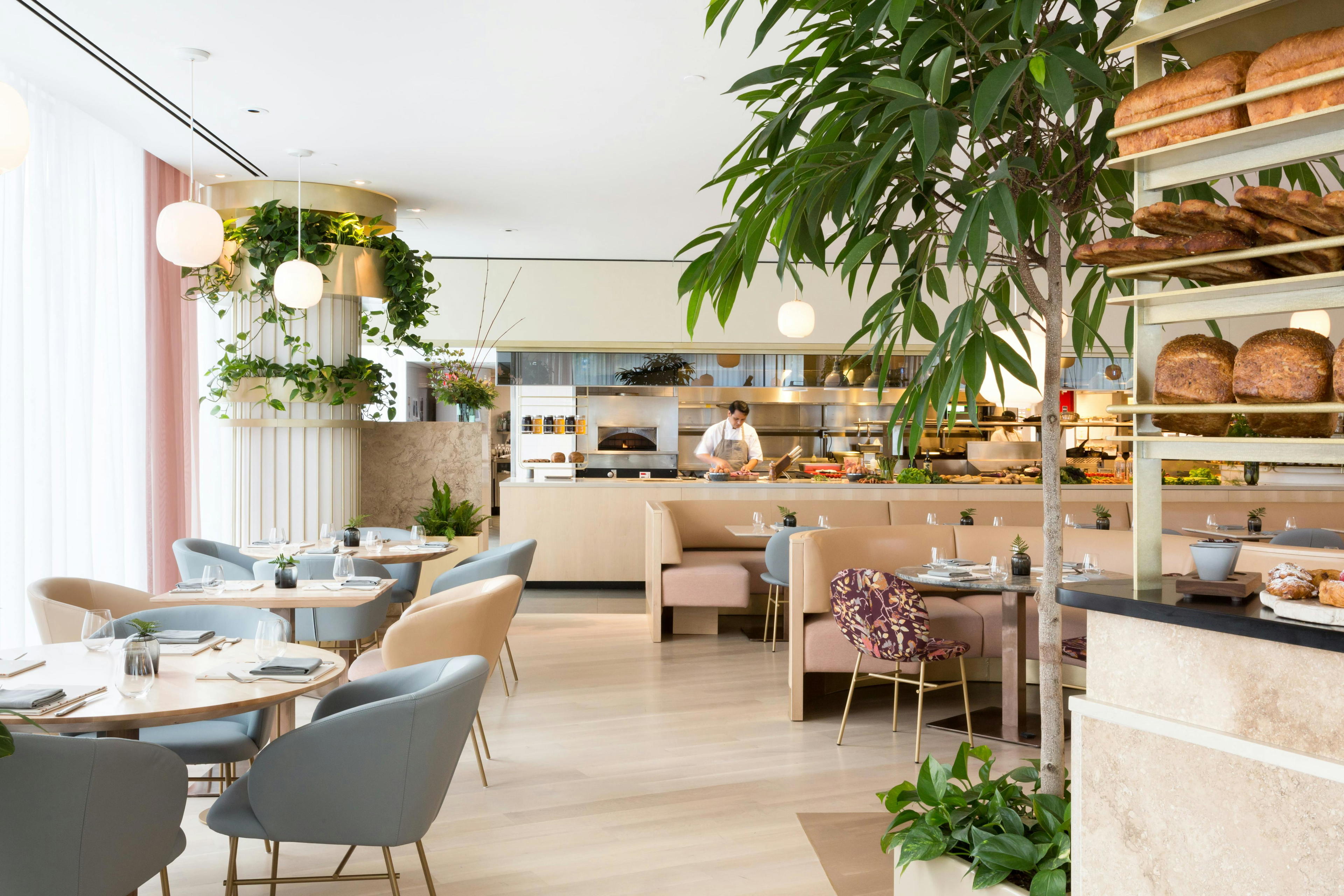
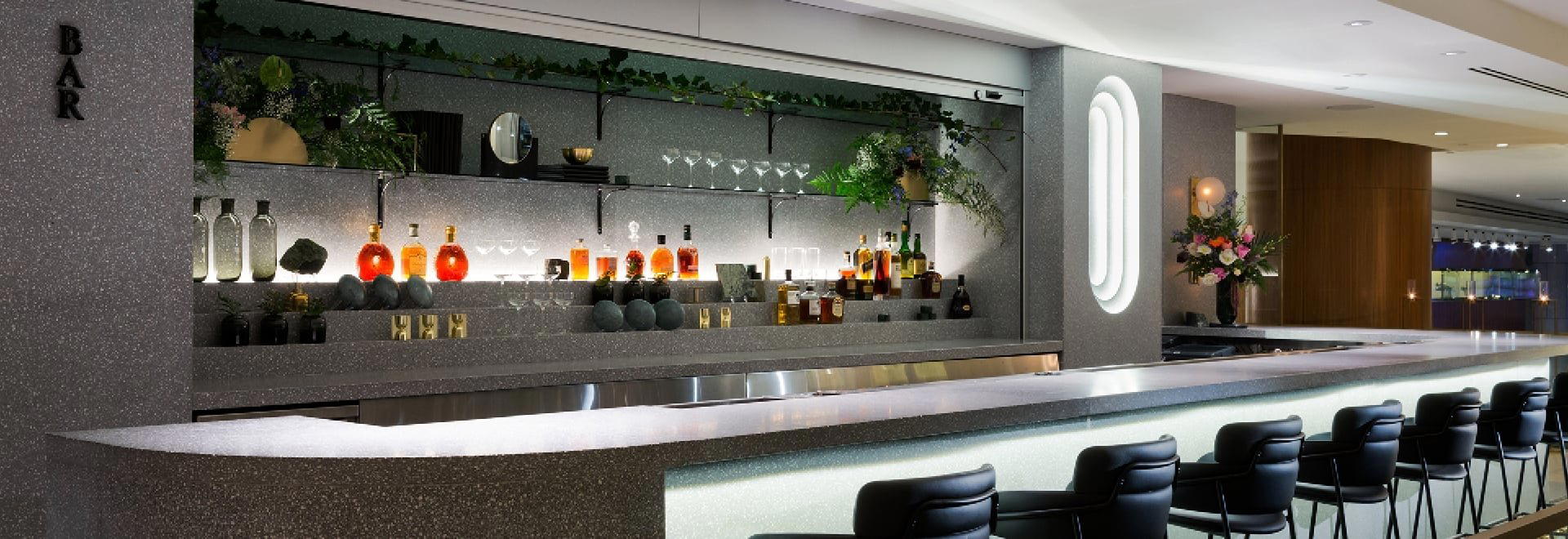
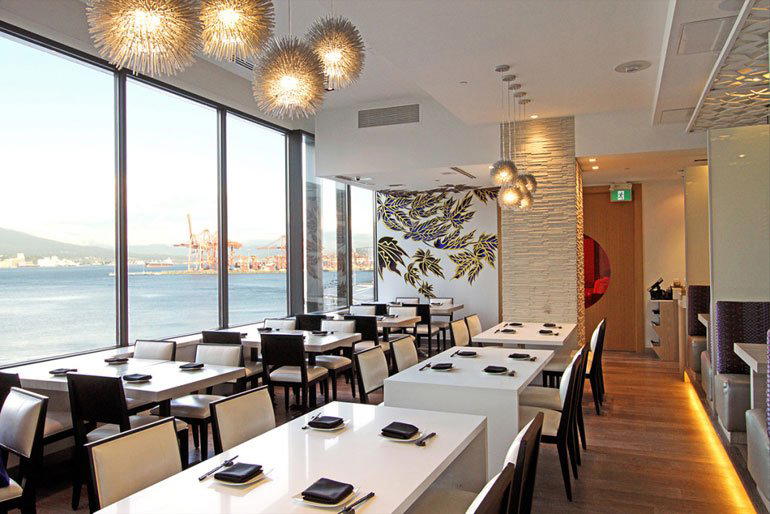
Bright, welcoming atmosphere with modern aesthetic woven through Korean traditional design; well-spaced tables and attentive service create a comfortable dining environment.