Supra

Michelin Plate
Our verdict
Washington D.C.'s Georgian restaurant scene is a short list, and Supra sits near the top of it. The 2024 Michelin Plate holder on 11th Street NW draws on one of the world's oldest wine cultures and a menu built around the communal logic of the Georgian table, khachapuri, spreads, dumplings, and amber wine, at a mid-range price point that makes it one of the more accessible serious meals in the city.

Pearl is the En Primeur Club membership app, where members save venues, book tables and use the concierge.
Wood Panels, Sheep Hats, and the Logic of the Georgian Table
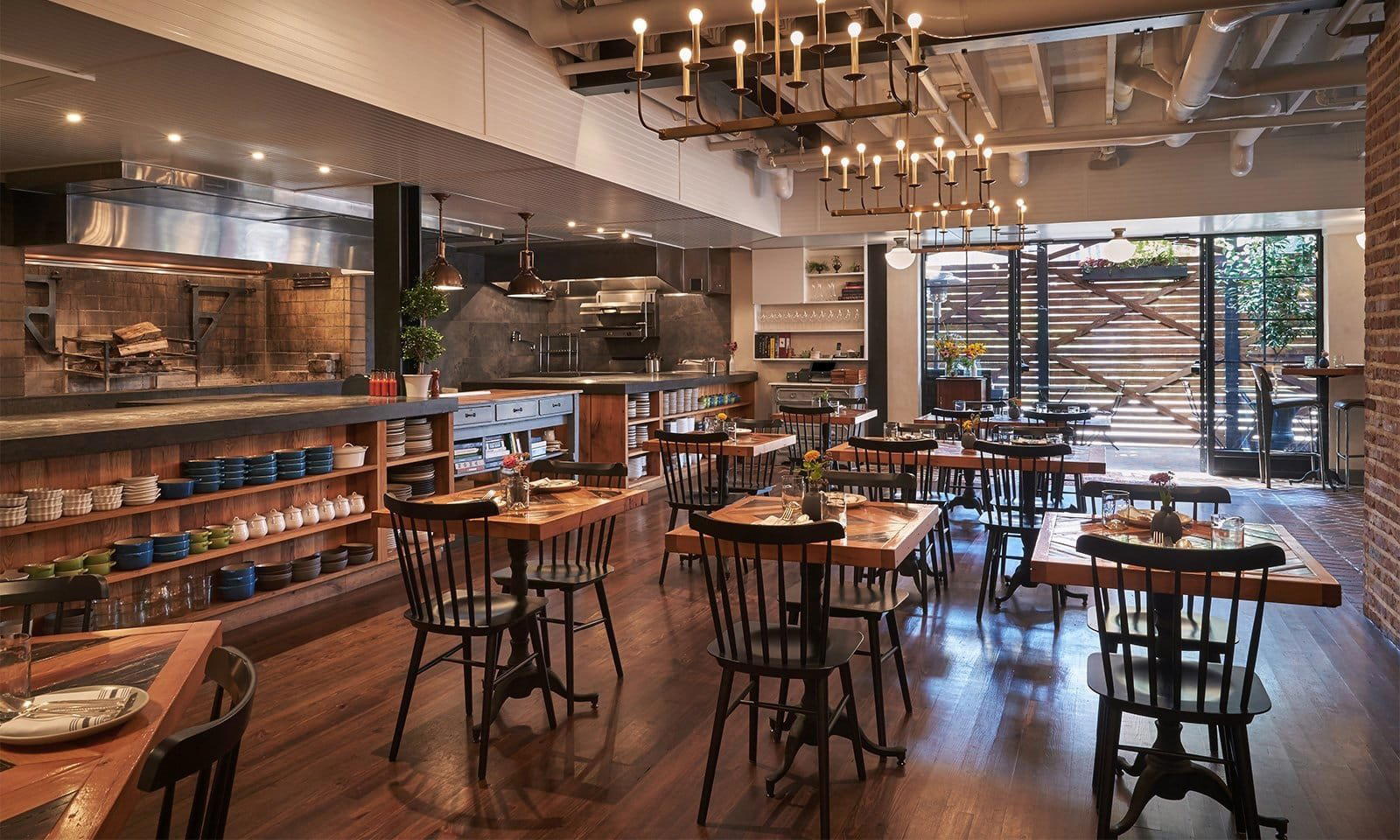
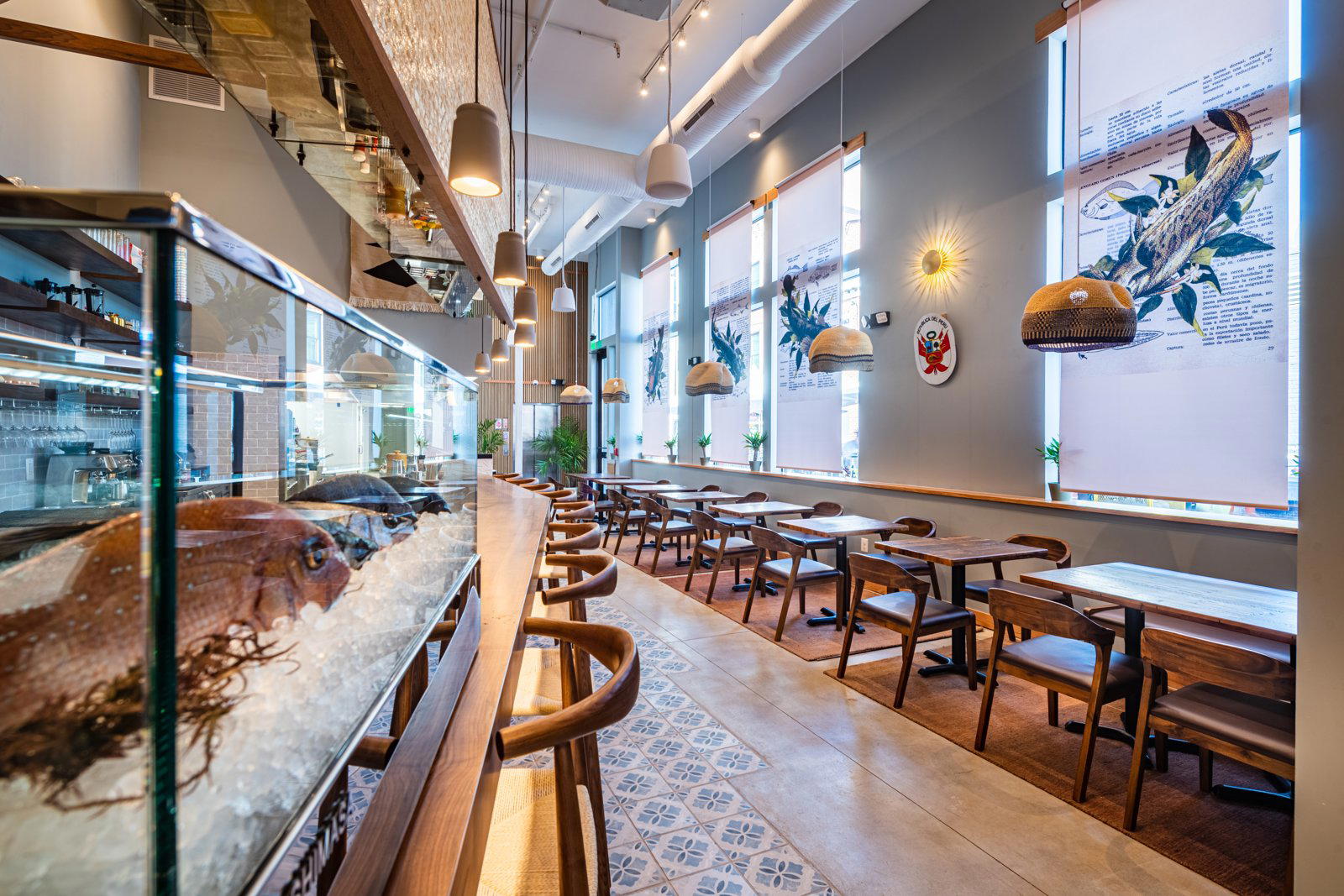
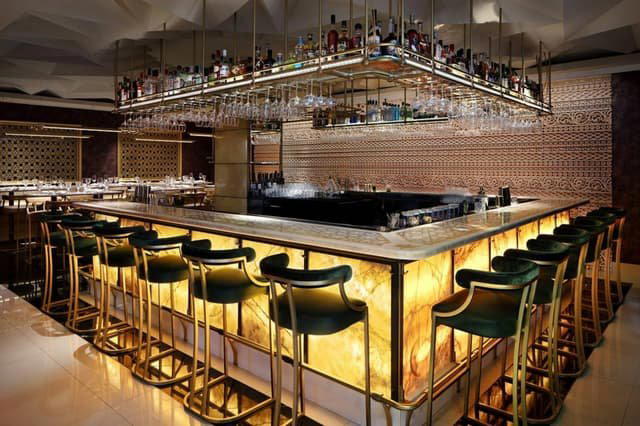
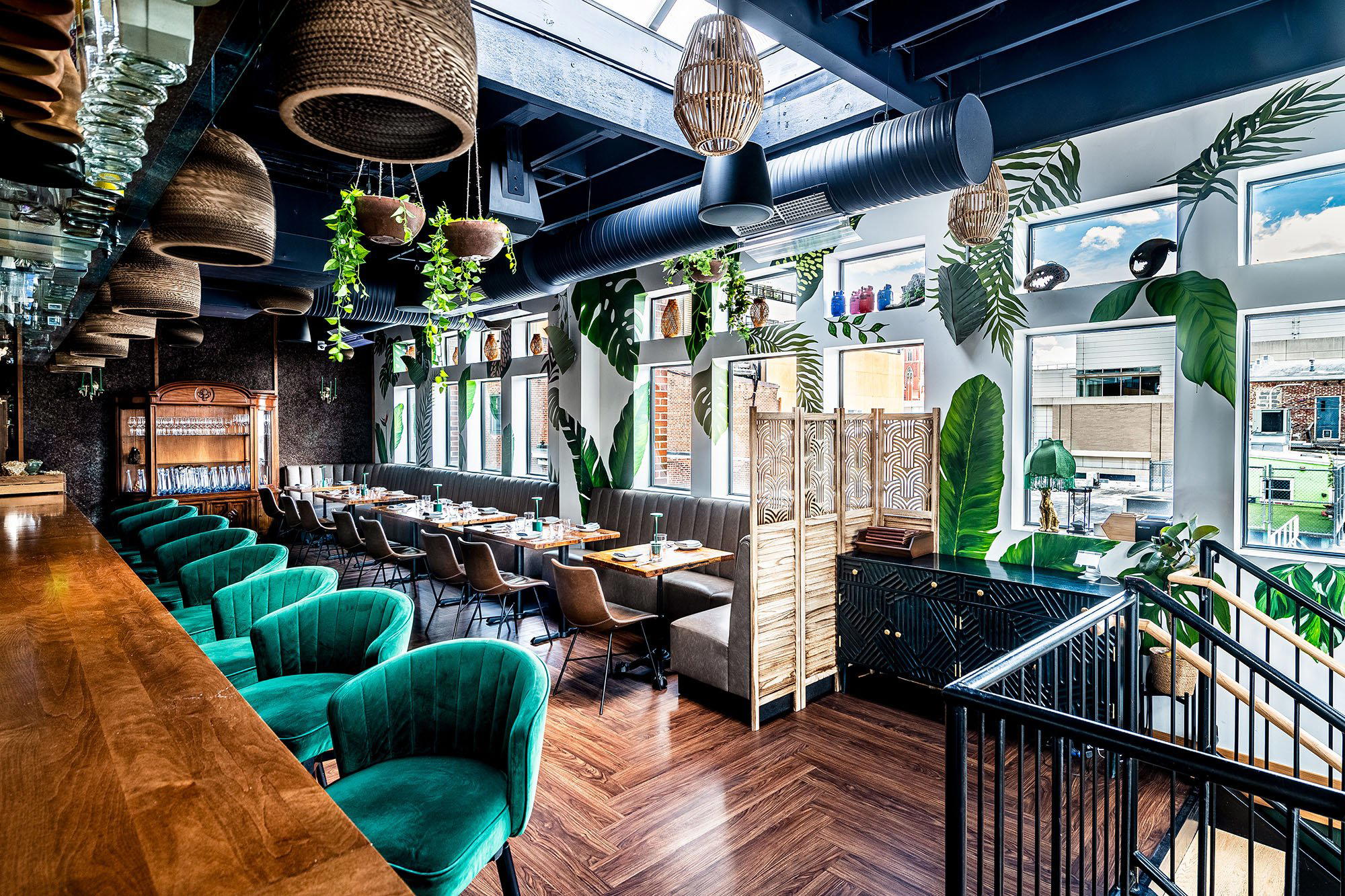
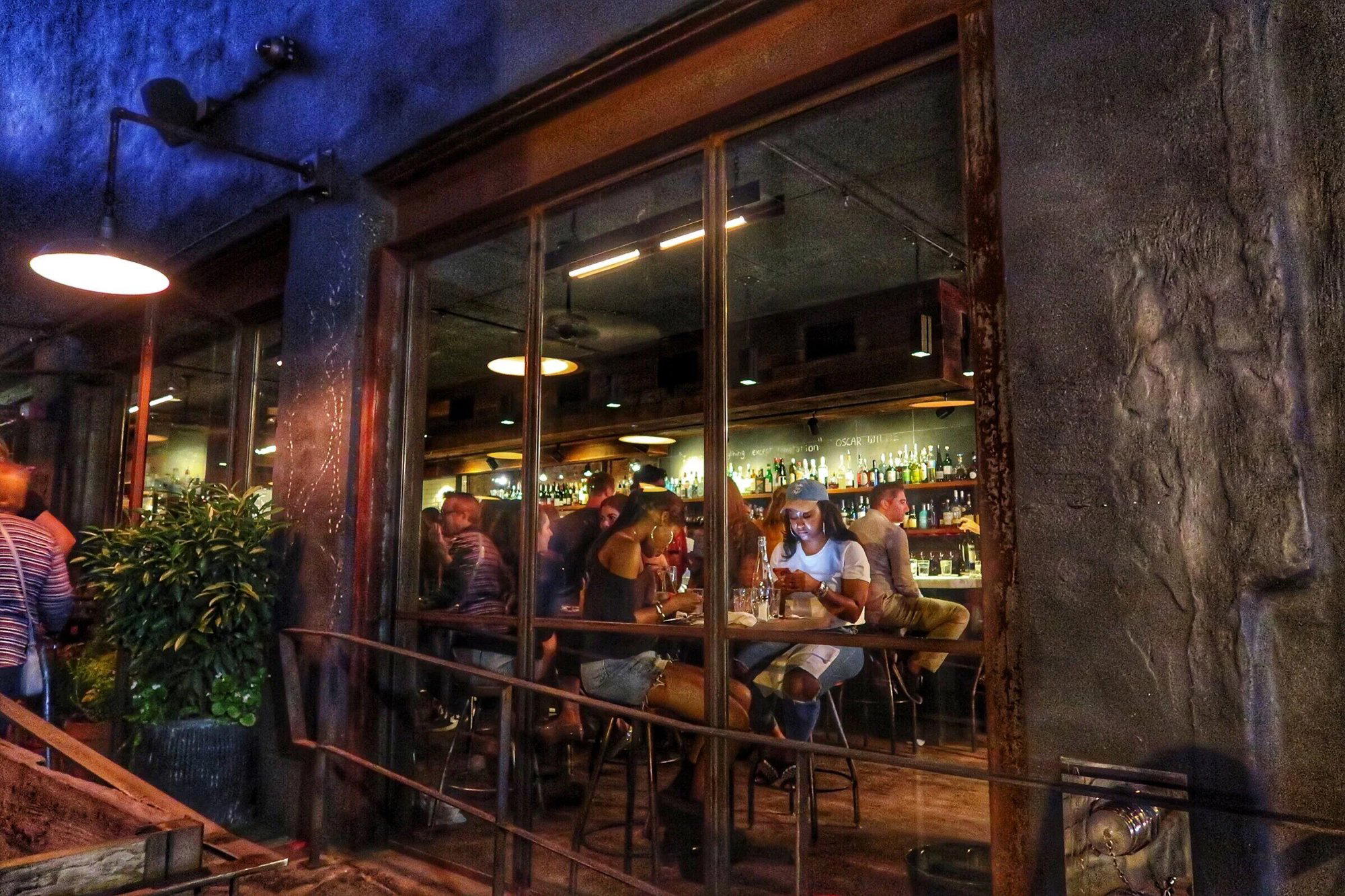
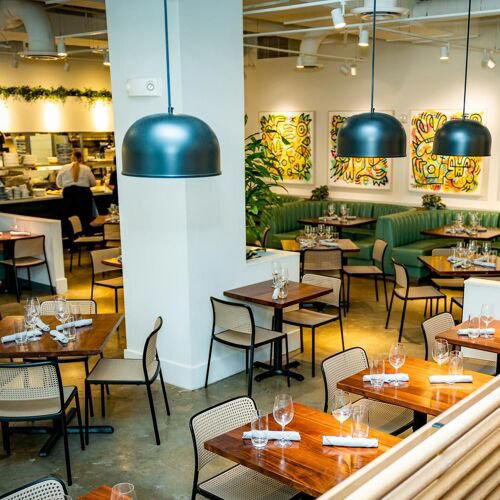
Walk into Supra on 11th Street NW and the room signals its intentions without subtlety. Warm wood paneling and close-set tables establish a register somewhere between neighborhood restaurant and considered dining room, while hanging sheep hats on the walls provide the kind of regional shorthand that could tip into kitsch but here lands as genuine. The room is doing what good ethnic restaurant interiors should do: placing you in a tradition before the food arrives to explain it.
That tradition is Georgian, and it carries weight. Georgia sits at the intersection of Eastern Europe, the Caucasus, and the Silk Road, and its cuisine reflects that layering, walnuts and fenugreek appear where you might expect neither, dairy runs through the menu in ways that feel neither French nor Middle Eastern, and bread is not an accompaniment but a structural element of the meal. Supra's space makes that argument visually before the kitchen makes it on the plate.
How the Menu Is Built, and What That Tells You
The architecture of a Georgian menu differs from what most American diners encounter at European or East Asian restaurants, and understanding that architecture matters here. The meal is designed to spread outward: it begins with small shared plates, cheeses, and dips that function less as starters and more as the table's foundation. From there, soups and heartier plates arrive in no strict sequence. The rhythm is communal rather than progressive, and ordering accordingly, rather than treating it like a conventional appetizer-to-entree format, produces a substantially better experience.
At Supra, that communal logic is reinforced by a $$ price point that sits well below the $$$$ tier occupied by peers like Albi or Causa. The Georgian table is, by tradition, about abundance rather than scarcity, and a mid-range price structure fits that ethos more honestly than a tasting-menu format would.
The spreads and cheeses that open the meal frame everything that follows. These are not decorative amuse-bouche territory, they are substantive, and eating them slowly alongside early drinks is the correct approach. Soup dumplings and mussels represent the kitchen's move toward heartier material, dishes that carry enough weight to anchor a table without overwhelming the meal's broader spread.
Khachapuri as the Menu's Argument
No dish on the menu makes a clearer editorial case for the kitchen's seriousness than the khachapuri, and Supra offers two versions that define the upper register of what this bread can be. The imeruli is the more restrained form: a closed, round cheese-filled bread that represents western Georgia's approach to what is essentially the country's national dish. The ajaruli is the version that tends to stop first-time visitors: an open boat of bread with a well of molten cheese finished with a raw egg yolk, butter stirred in tableside or at the point of serving.
These are not novelty dishes dressed up for Western palates. Both forms have deep regional roots, and the khachapuri's presence on virtually every Georgian table, from roadside bakeries to formal meals, signals that Supra is building its menu around the actual logic of Georgian eating rather than an edited Western interpretation of it. The Michelin Plate recognition Supra received in 2024 is consistent with this: the designation typically signals a kitchen operating with clear craft and culinary identity rather than star-level ambition, which matches Supra's register precisely.
The dessert menu follows the same pattern of working within tradition while applying technique. The white pelamushi, a grape-must pudding that is one of Georgia's oldest sweets, arrives here with pomegranate caramel and walnut crumble, reworking the dish's familiar flavors into a format that reads as restaurant-calibrated without abandoning its source material.
The Wine Argument
Georgia's claim on wine history is not promotional language. Archaeological evidence places wine production in the South Caucasus at roughly 8,000 years ago, making it among the earliest documented viticultural regions on the planet. The traditional method of fermenting wine in buried clay vessels called qvevri produces amber wines, skin-contact whites, that have seen a significant international resurgence in the past decade, appearing on natural wine lists across London, New York, and Paris.
Supra's wine list drawing from Georgian producers places it within a niche that few D.C. restaurants occupy. For comparison, restaurants like Jônt and minibar operate at price points and with wine programs oriented toward European fine wine and prestige bottles. Supra's program sits in a different register entirely, smaller producers, an unfamiliar grape vocabulary (Rkatsiteli, Saperavi, Mtsvane), and a pedagogical function that makes the wine list part of the meal's education rather than its punctuation.
Where Supra Sits in the D.C. Scene
Washington D.C.'s restaurant scene has diversified considerably in the past decade, with diaspora-driven cuisines taking serious critical notice alongside the city's more established fine dining tier. Oyster Oyster has drawn attention for its sustainability-focused American cooking; the fine dining end of the market still anchors around technically demanding formats. Supra occupies a different position: it is among a small number of restaurants in the country making a considered case for Georgian cuisine at the level of both execution and education.
Georgian restaurants outside Georgia remain genuinely sparse in the United States. For context, Badageoni Georgian Kitchen in Mount Kisco and The Gundis in Chicago represent the broader picture of where this cuisine has taken root.
Diners who have worked through the D.C. fine dining circuit, Le Bernardin in New York, Alinea in Chicago, or The French Laundry in Napa, will find Supra operates in a completely different register. The comparison is not useful. Supra is not competing on technical ambition or prestige pricing; it is competing on authenticity, cultural specificity, and the particular satisfaction of a meal structured by a logic most American diners have not encountered before.
Planning Your Visit
| Detail | Supra | Albi | Oyster Oyster |
|---|---|---|---|
| Cuisine | Georgian (Central Asian) | Middle Eastern | New American / Vegetarian |
| Price Tier | $$ | $$$$ | $$$ |
| Michelin Status | Plate (2024) | Plate / Star | Plate |
| N/A | N/A | ||
| Address | 1205 11th St NW | N/A | N/A |
| Format | Communal / À la carte | Tasting / À la carte | Seasonal / À la carte |
Reservations are advised, particularly on weekends. The communal menu format rewards groups of three or more, as it allows for broader coverage of the spreads-and-mains structure. Order the khachapuri regardless of what else you choose, passing on it defeats the purpose of being here.
For more on where to eat, drink, and stay in the capital, see our full Washington, D.C. restaurants guide, our D.C. bars guide, our D.C. hotels guide, our D.C. wineries guide, and our D.C. experiences guide.
What Do People Recommend at Supra?
The khachapuri is the anchor recommendation across the board: the ajaruli version, with its molten cheese and egg yolk, is the dish most associated with the restaurant. Beyond that, the spreads and cheeses that open the meal draw consistent praise as the correct way to begin, and the Georgian wine list, drawing from one of the world's oldest viticultural regions, is a regular point of interest for wine-curious diners. The white pelamushi with pomegranate caramel and walnut crumble represents the kitchen's strongest argument on the dessert end. For broader D.C. dining context, see Emeril's in New Orleans, Lazy Bear in San Francisco, or Single Thread Farm in Healdsburg for comparable levels of regional culinary specificity at different price points and formats.
Frequently asked questions
What type of food is Supra known for?
What price level is Supra?
Pricing at Supra is listed as $$.
Is Supra Michelin-listed?
Supra has received recognition including: Supra is a gem for Georgian cuisine, so make those reservations. The dining room’s paneling and wood tables lean elegant, while the hanging sheep hats flaunt regional flair. This chef churns out authentic dishes with a dose of delicious. St….
What do people recommend at Supra?
The ajaruli khachapuri draws the most consistent attention: an open boat of crusty bread holding molten cheese and a runny egg yolk at its center. The imeruli version, a closed cheese-filled bread, is the other khachapuri worth ordering. Beyond bread, the spreads and cheeses at the start of the meal set the table's Georgian logic, and the white pelamushi, built around pomegranate caramel and walnut crumble, is the dessert most cited by returning guests. The wine list, drawn from one of the world's oldest viticultural regions, completes the picture Supra's Michelin Plate recognition is built on.
What's the address for Supra?
Supra is located at 1205 11th St NW, Washington, DC 20001, Washington, D.C.
Comparison Snapshot
A small set of peers for context, based on recorded venue fields.
| Venue | Cuisine | Price | Awards | Notes |
|---|---|---|---|---|
| SupraThis venue (the venue you are viewing) | Authentic Georgian | $50–100 | Michelin Plate | Not listed |
| Albi | Modern Levantine Fine Dining | $300–500 | 1 Michelin Star · World's 50 Best #6 | United States, Middle Eastern |
| Causa | Modern Peruvian Fine Dining | $150–200 | 1 Michelin Star · James Beard Award Best Chef: Mid-Atlantic | Peruvian |
| Oyster Oyster | Modern Vegetable-Focused Tasting Menu | Not listed | 1 Michelin Star · James Beard Award Outstanding Chef #1 | New American, Vegetarian, Vegetarian (Sustainable) |
| Bresca | Modern French Bistronomy | $150–200 | 1 Michelin Star · James Beard Award Semi Finalist | Modern French, Contemporary |
| Gravitas | Modern American Fine Dining | $150–200 | 1 Michelin Star | New American, Contemporary |
Recognition history
Dated appearances from independent guides and award organizations, with the underlying list record or original source where available.
Michelin Plate
Michelin
Full recognition history (2 entries)
Michelin Plate
Michelin