Superprime Steakhouse
Superprime Steakhouse brings the steakhouse conversation to Mission Street, where San Francisco’s business-district dining tends to favor polished service, direct cooking, and a menu built around recognizable cuts. With public details on chef, awards, hours, and pricing not listed in the current record, the sharper way to read it is by category: ribeye richness, strip structure, filet tenderness, and the theatre of larger bone-in cuts.
 Discover on Pearl
Pearl is the En Primeur Club membership app — saves, bookings, and concierge access live there. Same editors, same standards.
- Address
- 545 Mission St, San Francisco, CA 94105
- Phone
- (415) 658-7654
- Website
- superprimesf.com
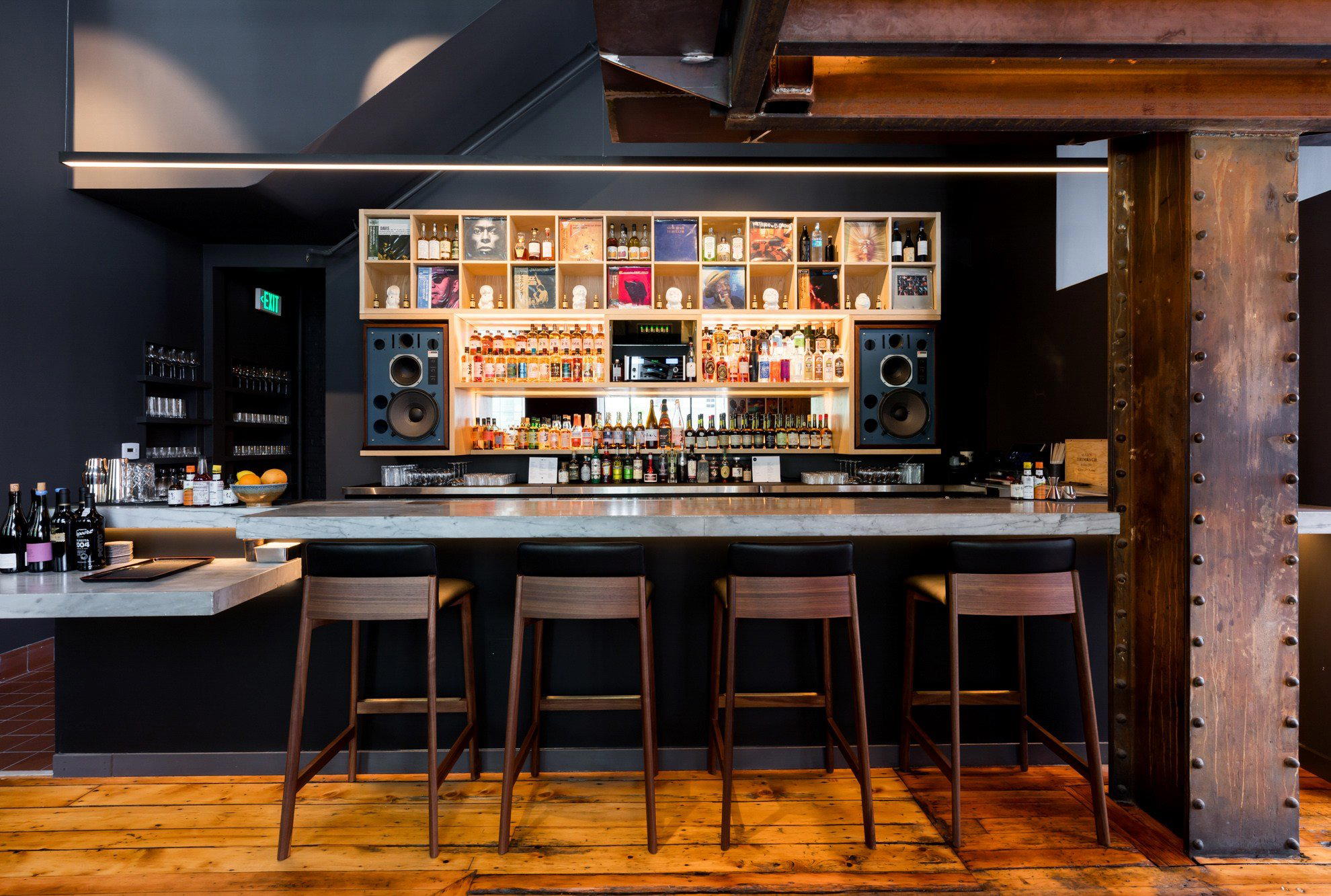
Mission Street and the Modern Steakhouse Mood
Approaching 545 Mission Street places Superprime Steakhouse in a part of San Francisco where dinner often begins in office light rather than candlelight. The blocks around Mission Street carry the rhythm of the Financial District and SoMa: weekday velocity, post-work tables, hotel foot traffic, and a dining public that tends to know exactly what kind of evening it wants. In that setting, a steakhouse has a clear job. It has to deliver ceremony without slowing the city down, offer generosity without vagueness, and make the choice of cut feel intentional rather than merely expensive.
San Francisco’s steakhouse culture has never been only about red meat. The city’s appetite is shaped by Bay Area produce, wine-country proximity, seafood habits, and a dining audience that compares a steak dinner with tasting-menu temples, omakase counters, and ingredient-led Californian rooms. Superprime Steakhouse enters that conversation as a Mission Street steakhouse, not as a chef-biography story. The useful question is not whether a steakhouse can be formal or casual, but how clearly it communicates the grammar of beef: ribeye for fat and depth, New York strip for chew and symmetry, filet for tenderness, and larger bone-in cuts for shared theatre.
That cut-by-cut lens matters in San Francisco because the city already has a developed steakhouse comparable set. Miller & Lux brings a waterfront, clubby register to the category, Alexander’s Steakhouse is associated with a more contemporary luxury-steakhouse vocabulary, and Epic Steak ties the format to the Embarcadero and bridge-view dining. Superprime Steakhouse, by contrast, is anchored at 545 Mission Street, which gives it a downtown-business address and a practical role for dinners built around proximity, pace, and recognizably steakhouse decisions.
The Cut Is the Argument
Steakhouses often look similar from a distance: dark rooms, heavy plates, structured wine lists, and a menu that names cattle anatomy with ritual confidence. The differences appear in how the kitchen and service team frame the cuts. Ribeye is the hedonist’s cut, prized for marbling, cap, and a deeper beef flavor that rewards high-heat cooking. Strip is more architectural: firmer, cleaner, and better suited to diners who want texture without the fat-forward intensity of ribeye. Filet is the tender option, lower in intramuscular fat and often dependent on saucing, crust, and sides for drama. A tomahawk, porterhouse, or other large-format cut changes the table dynamic altogether, moving dinner from individual order to shared centerpiece.
That framework helps separate a steakhouse from a generic special-occasion restaurant. A diner choosing ribeye is not ordering the same experience as a diner choosing filet. One asks for richness and edge; the other asks for softness and precision. A strip sits in the middle with a firmer bite, while a bone-in format turns the evening toward portion, timing, and presentation. In a city where many high-end meals are built around progression and surprise, the steakhouse offers a different kind of confidence: the guest knows the main event before sitting down, and the value lies in execution, sourcing clarity, heat management, and the balance of the rest of the table.
Superprime Steakhouse does not list signature dishes, chef name, price range, awards, hours, or seat count. That absence should be read carefully. It means editorial claims about specific aging programs, menu items, sauces, or service rituals would be guesswork. What can be said with confidence is narrower and more useful: this is a steakhouse in San Francisco at 545 Mission Street, and the category itself gives diners a reliable way to think through the meal before choosing it over a tasting menu, seafood room, or neighborhood Californian restaurant.
San Francisco's Steakhouse Lane
San Francisco is not a pure steakhouse town in the way Chicago or parts of New York can be. Its premium dining identity is divided among tasting menus, Japanese counters, seafood institutions, wine-driven California cuisine, and restaurants that blur luxury with informality. That makes the steakhouse a specific lane rather than the default form of celebration. It tends to work when guests want a clear main dish, an adult dining room, and a menu that supports groups with different appetites. The format is direct, but not simple.
Downtown steakhouses also serve a logistical purpose. In a city where cross-town movement can turn dinner into a planning exercise, a Mission Street address suits business meals, hotel-based visitors, and anyone pairing dinner with meetings, galleries, bars, or a stay in SoMa or the Financial District. Superprime Steakhouse benefits from that geography. Its known address gives it a functional advantage for centrally planned evenings, especially when compared with destination restaurants that require more advance choreography or a longer ride across the city.
The comparison with San Francisco’s tasting-menu culture is instructive. At Benu (French - Chinese, Asian) or Lazy Bear (Progressive American, Contemporary), the point is sequence, authorship, and the rhythm of a composed menu. At a steakhouse, the guest retains more control: cut, doneness, sides, wine, and pace. That distinction matters for travelers choosing where to spend one serious dinner in the city. A steakhouse trades surprise for agency.
How to Read Ribeye, Strip, Filet, and Larger Cuts
Ribeye signals appetite for fat. Its appeal comes from marbling and the cap muscle, which carry flavor differently from leaner cuts. In a serious steakhouse setting, ribeye is often the choice for diners who want char, juiciness, and a plate that does not need much narrative around it. The risk is imbalance: too much richness, not enough contrast. That is where acid, bitter greens, mineral reds, or restrained sides become more than accessories.
New York strip is the disciplined order. It usually brings a tighter grain and a more pronounced chew, making it a strong choice for guests who care about texture as much as tenderness. Strip can be less forgiving than ribeye because it lacks the same fat cushion, but it gives a clean read on seasoning and cooking. In a business-district steakhouse, this is often the cut that suits a diner who wants the category’s seriousness without the excess of a larger bone-in order.
Filet has a different logic. It is tender, mild, and often chosen by diners who prefer restraint or who want sauces and sides to share the stage. Steakhouse purists sometimes dismiss filet for lacking the deeper beef character of ribeye or strip, but that misses its social function. Filet is the cut for mixed tables, lighter appetites, and dinners where texture matters more than intensity. When cooked well, it offers precision rather than swagger.
Tomahawk, porterhouse, and other large-format cuts are less about personal preference and more about table architecture. They are useful for groups because they create a shared object at the center of dinner. They also demand more from the kitchen: timing, resting, slicing, and pacing become visible. Without venue-specific menu data, it would be wrong to state which large cuts Superprime Steakhouse serves, but the category expectation is clear enough to guide decision-making. If the menu includes a bone-in format, it should be treated as a group order rather than a solo flourish.
What Awards and Public Data Do, and Do Not, Tell You
Trust signals matter in premium dining, but they have to be handled with discipline. Superprime Steakhouse lists no Michelin, James Beard, or 50 Best awards. That does not make the restaurant weaker; it simply means the editorial case cannot lean on external honors. In practical terms, readers should evaluate it by category fit, address, cuisine type, and how it compares with other San Francisco steakhouse options rather than by award momentum.
This is also where San Francisco differs from destinations where a single rating system dominates the conversation. The city has restaurants with heavy international recognition, including the wider Bay Area’s destination dining rooms such as The French Laundry in Napa and Single Thread Farm in Healdsburg. Those restaurants operate in a different register from a downtown steakhouse. Their reputations are tied to tasting-menu authorship, agricultural narratives, and long-range booking behavior. A Mission Street steakhouse answers a different brief: decisive ordering, central geography, and a familiar luxury format.
National comparisons sharpen the point. Le Bernardin in New York City makes seafood the language of formal dining, Emeril’s in New Orleans reflects a city where regional cuisine carries the room, Smyth in Chicago sits in a tasting-menu lineage, and Providence in Los Angeles builds its identity around seafood and precision. Steakhouse dining is a parallel track. It is less about discovering the chef’s sequence and more about choosing the right cut for the right table.
Where Superprime Fits for Travelers
For travelers, Superprime Steakhouse is easiest to understand as a downtown San Francisco steakhouse with a Mission Street address and a menu category that rewards advance decision-making. If the evening calls for a celebratory but legible meal, steak is often a better fit than a long tasting menu. If the group includes diners with different appetites, the steakhouse structure is useful: one person can choose filet, another strip, another ribeye, while the table shares sides and wine according to appetite rather than ideology.
Superprime Steakhouse sits in a premium tier, with an estimated spend of about $175 per person. The sensible approach is to treat it as a category where final cost depends heavily on cut selection, wine, cocktails, and shared items. A table built around filet and modest drinks will read differently from one built around ribeye, large-format beef, and a serious bottle.
Booking logic follows the same caution. The record does not list a booking method or hours, so no specific reservation channel should be inferred. Still, San Francisco steakhouse demand is often concentrated around Thursday and Friday dinners, business-hosted meals, convention weeks, and holidays. For a central address such as 545 Mission Street, planning ahead is the safer move when a precise time matters. Walk-in flexibility, if available, should be treated as a bonus rather than a strategy.
Planning the Evening Around Mission Street
Superprime Steakhouse’s confirmed practical detail is its address: 545 Mission St, San Francisco, CA 94105. That location places it within the city’s downtown dining circuit, useful for guests staying near SoMa, the Financial District, Union Square, or the waterfront. Diners should confirm operating details before arranging a group dinner or time-sensitive evening.
The surrounding itinerary can be built without overcomplicating it. For restaurant comparisons across the city, Our full San Francisco restaurants guide gives a broader view of the dining field. Travelers pairing dinner with a stay can cross-check Our full San Francisco hotels guide, while a pre- or post-dinner drink belongs in Our full San Francisco bars guide. Visitors extending the trip beyond dinner can use Our full San Francisco wineries guide and Our full San Francisco experiences guide to understand how the city connects to the wider Bay Area.
International steakhouse comparisons are also useful for calibrating expectations. Capa, Steakhouse in Orlando represents the hotel-driven steakhouse model, where views, property context, and travel convenience shape the meal. A Cut, Steakhouse in Taipei shows how the format translates in an Asian luxury-dining context, where service precision and beef sourcing often carry the conversation. Superprime Steakhouse should be read through San Francisco’s version of that equation: downtown utility, cut-led ordering, and a city dining culture that expects polish without theatrical excess.
In Context
Comparable venues nearby, for context on price, style, and recognition.
| Venue | Cuisine | Price | Awards | Notes |
|---|---|---|---|---|
| Superprime SteakhouseThis venue — the venue you are viewing | $$$$ | , | ||
| Harris' | $$$$ | 1 recognition | Russian Hill, Classic American Steakhouse | |
| The House | Polk Gulch, Classic Prime Rib Steakhouse | $$$ | , | |
| Hakkasan | Financial District, Modern Cantonese | $$$$ | , | |
| La Folie | Russian Hill, Classic French Fine Dining | $$$$ | , | |
| Bourbon Steak | Tenderloin, Modern Steakhouse | $$$$ | , |
Continue exploring
More in San Francisco
Restaurants in San Francisco
Browse all →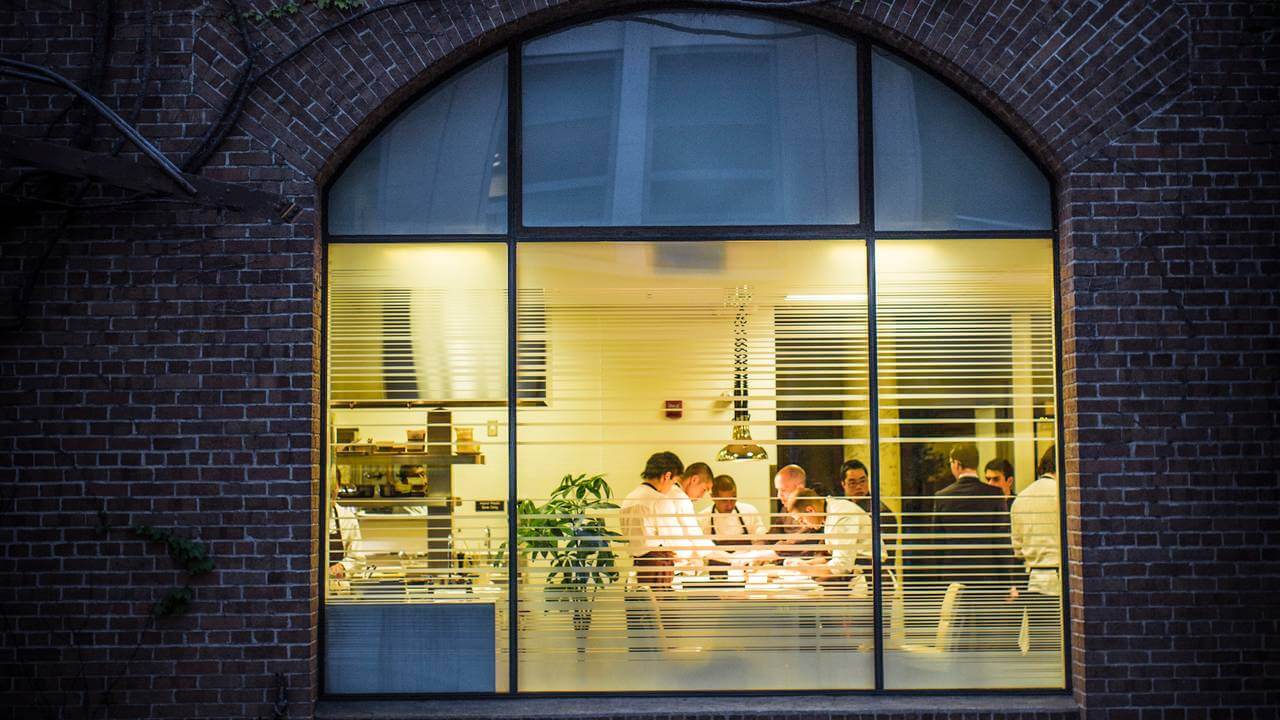
Bars in San Francisco
Browse all →
Hotels in San Francisco
Browse all →

At a Glance
- Modern
- Industrial
- Lively
- Trendy
- Sophisticated
- Date Night
- Business Dinner
- Group Dining
- Celebration
- Special Occasion
- Private Event
- Design Destination
- Private Dining
- Standalone
- Extensive Wine List
- Craft Cocktails
- Local Sourcing
- Sustainable Seafood
Industrial‑chic and dimly lit with a high‑fidelity JBL sound system, creating a stylish, energetic room that feels more like a modern listening lounge than a traditional white-tablecloth steakhouse.[2][3]