Bourbon Steak
Our verdict
Bourbon Steak occupies the higher end of San Francisco's steakhouse tier, where premium beef programs and fine-dining service overlap. Positioned against the city's $$$$ restaurant cohort, it draws comparisons to tasting-menu peers like Saison and Lazy Bear while operating in a more classic format. The combination of fire, aged beef, and serious wine service places it in a distinct category within the city's dining options.

Pearl is the En Primeur Club membership app, where members save venues, book tables and use the concierge.
Where San Francisco's Steakhouse Format Meets Fine-Dining Ambition
San Francisco's leading dining tier has, over the past decade, tilted hard toward the tasting-menu format. Restaurants like Lazy Bear, Saison, and Atelier Crenn have defined what $$$$ dining in the city looks like: fixed seatings, chef-driven narratives, ingredient-forward menus that change with the season. Bourbon Steak operates in a different register entirely. It belongs to a narrower category, the steakhouse that reaches for fine-dining credibility without abandoning the format people actually came for. That tension, between the archetypal American chophouse and the expectations of a cosmopolitan food city, is what makes it worth understanding on its own terms.
The name announces the approach directly: bourbon and steak, two American archetypes, placed together with enough confidence to suggest the kitchen isn't trying to be anything other than what it is. In a city where Benu and Quince represent the more cerebral end of the dining spectrum, Bourbon Steak occupies a category where the primary sensory experience is heat, smoke, char, and the particular richness of well-sourced beef. That is not a lesser ambition, it is a different one.
The Atmosphere and What It Signals
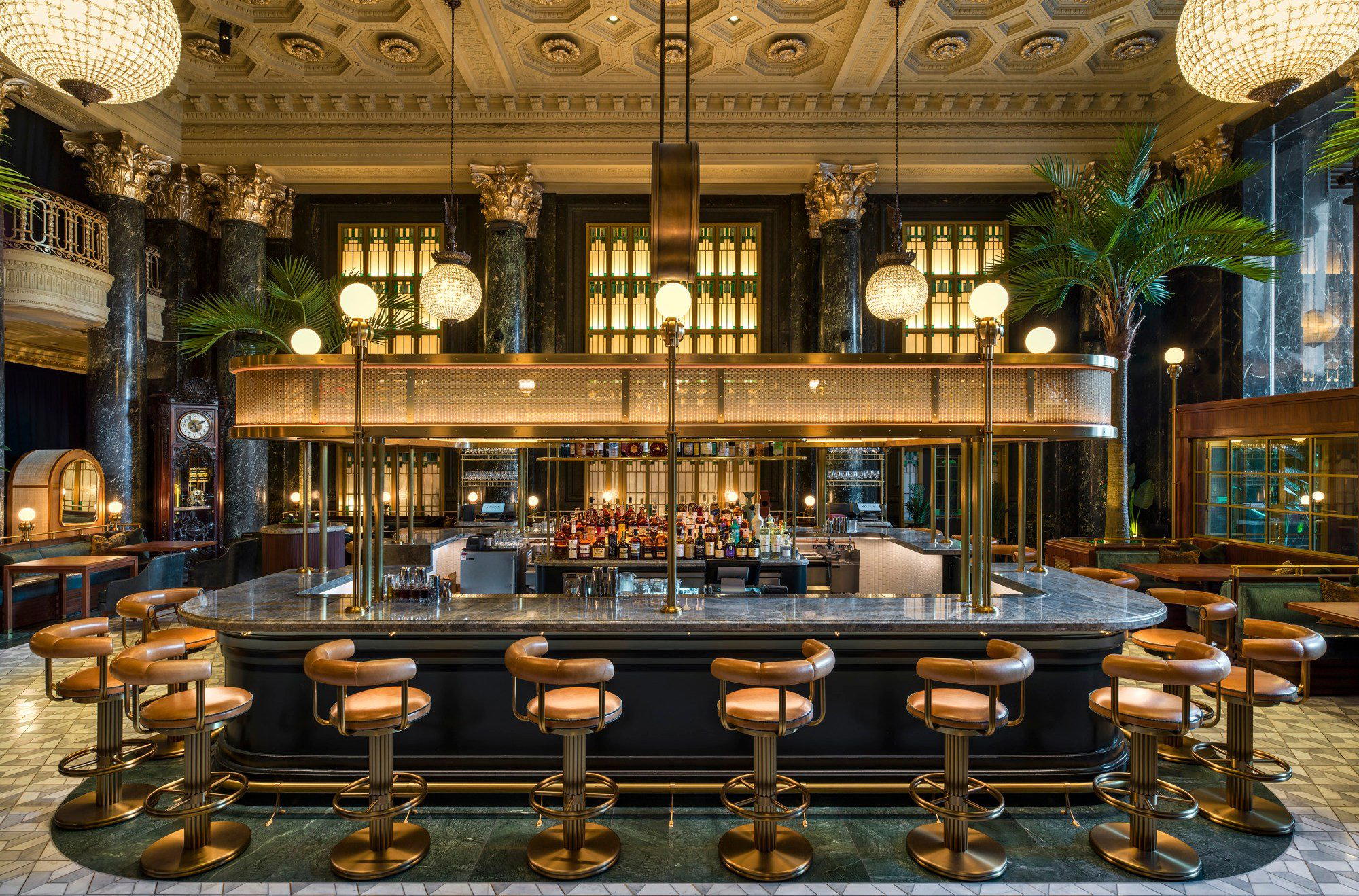
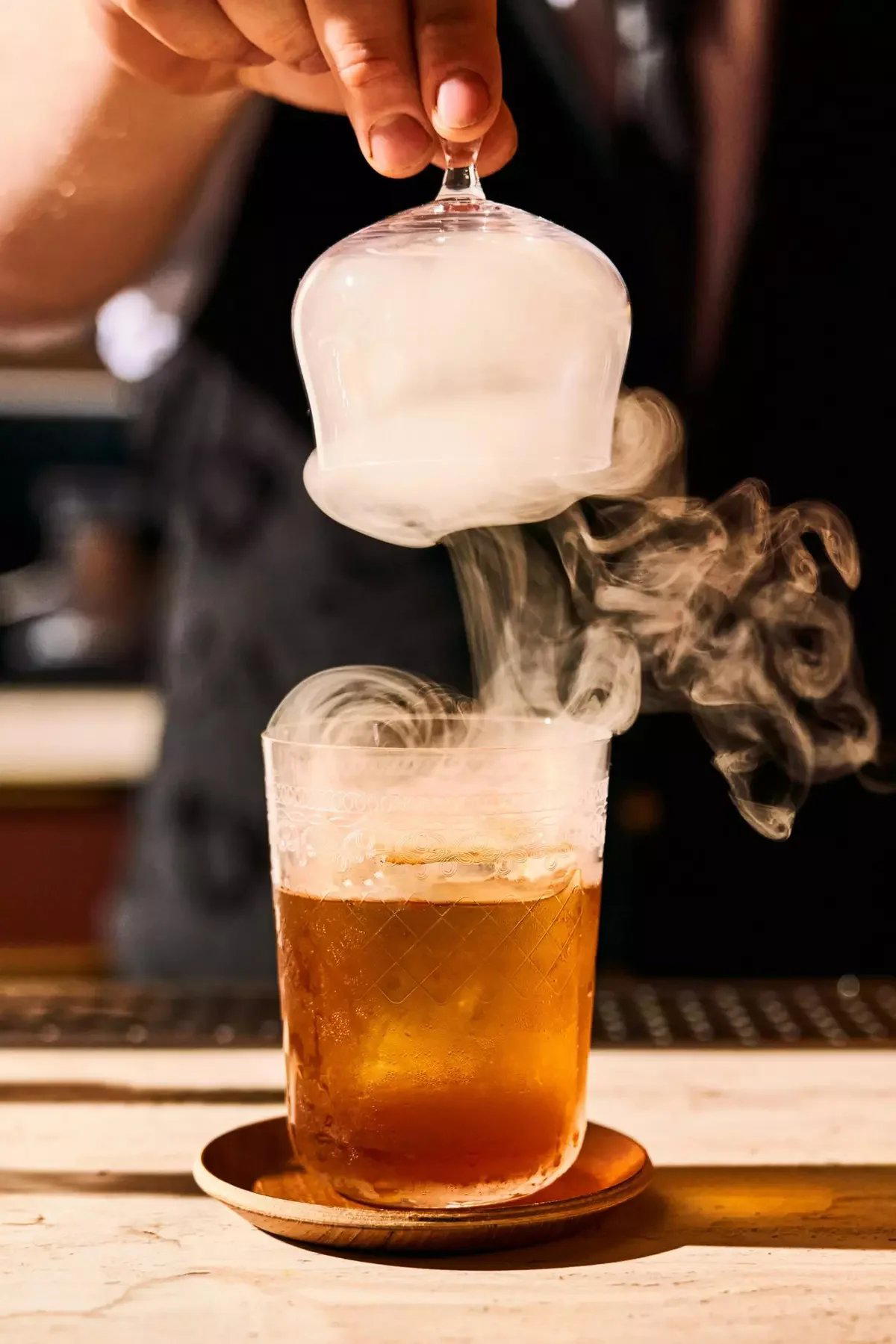
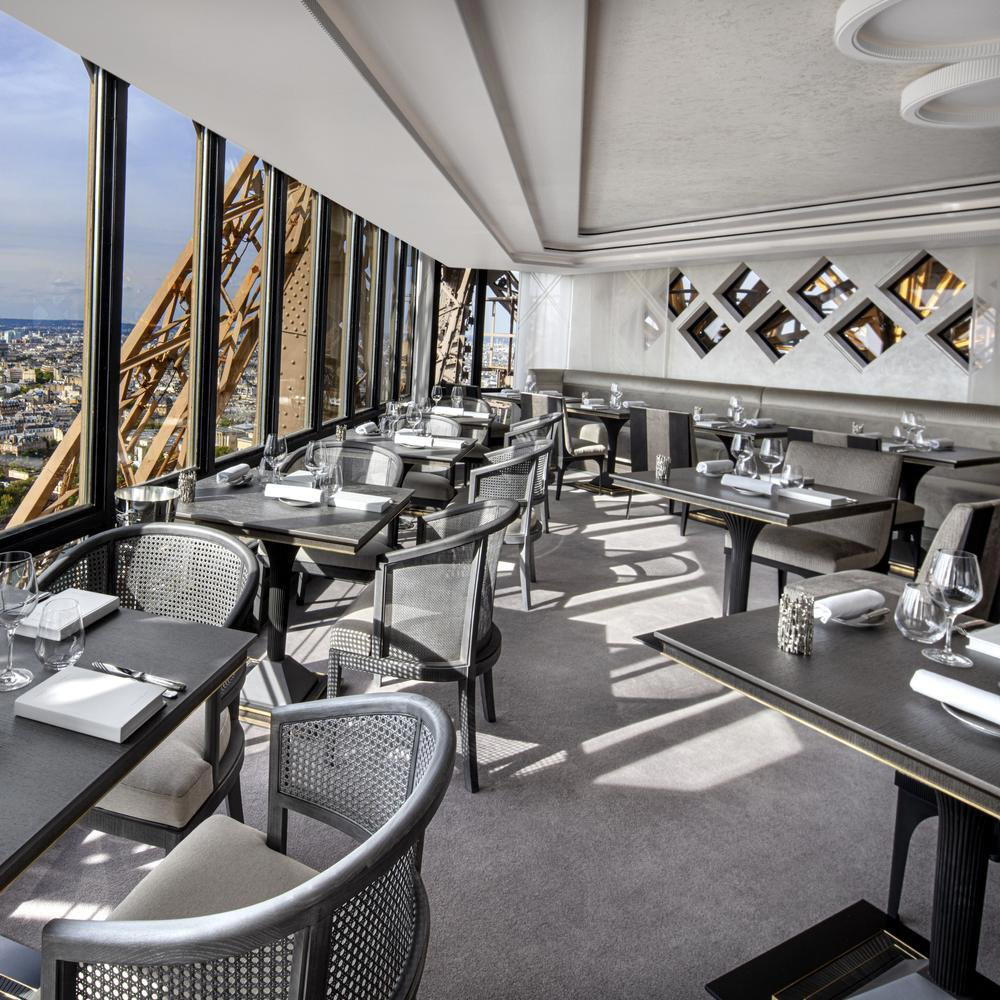
The physical experience of a high-end steakhouse follows a recognizable grammar: warm light, dark wood or leather, a room that absorbs sound rather than amplifying it, and a bar program visible enough to set the mood before you sit down. Bourbon Steak fits within that tradition while operating in San Francisco, a city that layers its dining expectations with a certain West Coast informality. The result is a room that reads as special-occasion without demanding the austere attention of a tasting-menu counter.
Sound plays a particular role in a steakhouse environment. The sizzle from service, the low register of a room filling up on a Friday evening, the particular clatter of serious silverware, these cues operate differently than the hushed reverence of a twelve-seat counter. A steakhouse is meant to feel alive, and the better ones balance energy with enough acoustic control to allow conversation. That calibration matters when the price point asks for sustained attention across two or three hours.
Wine service at this tier comes with specific expectations: a list with meaningful depth in California and Napa, sufficient staff knowledge to navigate it, and glassware that doesn't undercut what's in it. For context on the broader Northern California wine scene relevant to pairings here, our San Francisco wineries guide covers the regional producers whose bottles frequently appear on lists like this one.
The Steakhouse Format in a Fine-Dining City
The American steakhouse has undergone significant repositioning over the past twenty years. The national chains, which dominated the category through the 1990s, have ceded the upper tier to independent and hotel-anchored properties that treat sourcing, aging, and technique with the same seriousness applied to any other fine-dining format. That shift mirrors what happened in the broader restaurant industry: the premium tier separated from the mid-market, and operators at the leading end began competing on a different set of variables.
In that context, a fine-dining steakhouse in San Francisco competes not just against other steakhouses but against the full range of $$$$ options available to a diner on any given evening. The comparative question isn't only whether the beef is aged correctly, it's whether the total experience justifies the spend relative to a tasting menu at Saison or a progressive American format at Lazy Bear. Bourbon Steak's answer to that question is format itself: the steakhouse offers choice, pace, and a kind of agency over the meal that fixed menus by definition cannot.
Nationally, the fine-dining steakhouse sits in a competitive cohort that includes hotel-anchored operations in major cities. Comparable reference points include the standards set at Le Bernardin in New York City for what hotel fine dining can achieve at the highest level, and the kind of place-specific ambition that defines restaurants like Alinea in Chicago. Bourbon Steak operates in a more accessible register than those extremes, but the peer comparison clarifies what the category can achieve when it executes correctly.
How It Fits Into the Broader San Francisco Dining Picture
San Francisco rewards planning. The city's leading restaurants operate with booking windows that range from a few weeks to several months, and the steakhouse format, which tends to have more covers than an eight-seat counter, is generally more accessible than tasting-menu peers, though the better-known operations fill up quickly on weekends. For anyone building a multi-night itinerary, our full San Francisco restaurants guide maps the full dining spectrum, from casual neighborhood staples to the multi-month-advance counters.
The city also has a cocktail culture worth factoring into any evening. Our San Francisco bars guide covers the options for pre- or post-dinner drinking, while our experiences guide handles the broader leisure context. For visitors building a longer California trip, nearby references include Single Thread Farm in Healdsburg and The French Laundry in Napa, both within driving distance and operating at the absolute ceiling of Northern California fine dining. Accommodations planning is covered separately in our San Francisco hotels guide.
The steakhouse format also travels well as a category. For comparison points outside California, Emeril's in New Orleans and Providence in Los Angeles represent what chef-driven fine dining looks like when it commits to a specific regional and culinary identity. Internationally, Alain Ducasse at Louis XV in Monte Carlo defines one ceiling of what a single dining room can sustain over decades. And for the most precise edge of contemporary fine dining, Atomix in New York City shows how tightly a kitchen can define its own terms. Bourbon Steak is not competing with those references directly, but understanding where it sits relative to that spectrum clarifies the decision.
Planning Your Visit
For a steakhouse at this price point, Thursday through Saturday evenings represent peak demand, and securing a table more than a week in advance on those nights is the practical approach. Midweek visits tend to offer a quieter room and sometimes faster service. The bar area at a steakhouse of this format generally allows walk-in access, which functions as both an entry point for the spontaneous and a reasonable option for solo diners who want to engage with the kitchen's output without committing to a full table reservation. Given San Francisco's dining density, building in flexibility across a multi-night stay, rather than front-loading all reservations, is usually the more reliable strategy.
Frequently asked questions
How does Bourbon Steak differ from other fine-dining options in San Francisco?
Bourbon Steak occupies a specific niche in San Francisco: a cuisine format, the American steakhouse, applied with fine-dining standards in a city whose top-end restaurant scene has largely moved toward tasting menus and chef-driven concept kitchens. That makes it one of a small number of San Francisco restaurants where guests can order à la carte at a fine-dining level without committing to a multi-course tasting menu. For visitors or locals who want the rigour of a serious kitchen without a fixed-format meal, that distinction matters.
What do people recommend at Bourbon Steak?
Bourbon Steak operates in the fine-dining steakhouse format, meaning the core draw is prime beef prepared with the precision and sourcing discipline of a high-end kitchen rather than a chain grill. Most guests at comparable San Francisco fine-dining steakhouses build the meal around a signature cut, supplemented by composed sides. Specific current menu items are best confirmed directly with the restaurant before visiting.
How hard is it to get a table at Bourbon Steak?
San Francisco's top-tier restaurants across all formats run booking windows that commonly stretch two to six weeks, and fine-dining steakhouses see peak demand on Thursday through Saturday evenings. Securing a reservation more than a week out for weekend dining is advisable. Off-peak slots on Tuesday or Wednesday evenings tend to open with shorter lead times.
What's the standout thing about Bourbon Steak?
Bourbon Steak positions itself at the intersection of the American steakhouse tradition and the fine-dining kitchen ethos that defines San Francisco's upper dining tier. Where the city has leaned heavily into tasting-menu formats at restaurants like Lazy Bear and Saison, Bourbon Steak holds the steakhouse structure while applying fine-dining sourcing and technique to it. That tension between format familiarity and kitchen ambition is what sets it apart from both casual chophouses and the tasting-menu circuit.
Is Bourbon Steak overpriced or worth every penny?
Fine-dining steakhouses in San Francisco at this positioning level typically run $100–$200 per person before wine, placing them above casual steakhouse chains but in line with the city's broader fine-dining price band. Whether that represents fair value depends on what you are comparing: against a neighbourhood grill it reads expensive, against a Michelin-starred tasting menu the per-dish cost often looks reasonable. Confirmed current pricing should be checked with the venue directly.
When is the best time to visit Bourbon Steak?
Weeknight dinners, particularly Tuesday through Wednesday, offer the most table availability and a quieter room than the Thursday-to-Saturday peak. For groups or special occasions requiring a specific time slot, booking well in advance of a weekend visit is the practical approach. San Francisco's steakhouse demand follows the city's broader dining calendar, meaning holiday weekends and conference weeks tighten availability further.
A Minimal comparable set
Comparable venues nearby, for context on price, style, and recognition.
| Venue | Cuisine | Price | Awards | Notes |
|---|---|---|---|---|
| Bourbon SteakThis venue (the venue you are viewing) | Modern Steakhouse | $150–200 | Not listed | Not listed |
| Osso Steakhouse | Classic Steakhouse | $100–150 | Wine Spectator Best of Award of Excellence | Nob Hill, Classic Steakhouse |
| Alexander’s Steakhouse | Japanese-American Steakhouse | $100–150 | Not listed | Financial District/South Beach, Japanese-American Steakhouse |
| Nob Hill Club | Contemporary American with Mediterranean Influences | $50–100 | Not listed | Nob Hill, Contemporary American with Mediterranean Influences |
| Maruya | Traditional Edomae Sushi Omakase | Not listed | Not listed | Mission District, Traditional Edomae Sushi Omakase |
| 5A5 Steak Lounge | Modern Japanese Wagyu Steakhouse | Not listed | Not listed | Financial District, Modern Japanese Wagyu Steakhouse |
Continue exploring
More in San Francisco
Restaurants in San Francisco
All restaurants in San Francisco →
Bars in San Francisco
All bars in San Francisco →

Details
- Elegant
- Sophisticated
- Modern
- Business Dinner
- Special Occasion
- Date Night
- Hotel Restaurant
- Live Music
- Private Dining
- Craft Cocktails
- A La Carte
- Cocktails
Current opening hours
- Monday
- 4–9 PM
- Tuesday
- 4–9 PM
- Wednesday
- 4–9 PM
- Thursday
- 4–9 PM
- Friday
- 4–10 PM
- Saturday
- 4–10 PM
- Sunday
- 4–9 PM
Hours can change for holidays and private events. Hours as of .
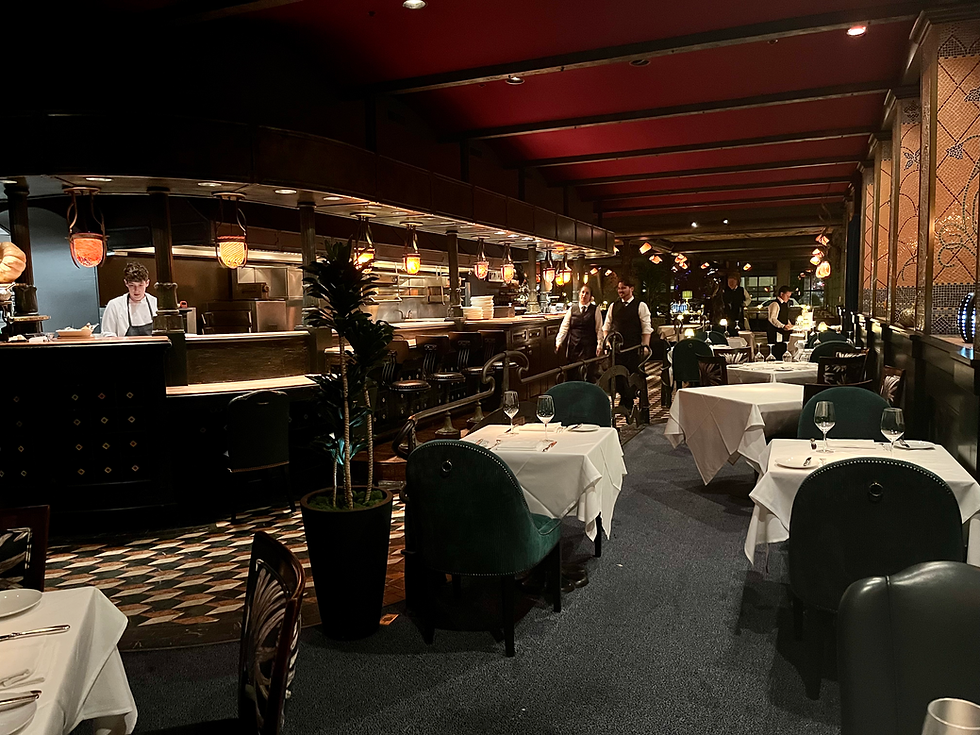
Dark, clubby space with Art Deco grandeur, lofty ceilings, dramatic mirrors, and a polished lounge atmosphere featuring live music.