Super Peach
Our verdict
Super Peach occupies a Century City address that places it squarely inside one of Los Angeles's most contested dining corridors, where imported culinary technique meets the city's extraordinary seasonal produce. The restaurant sits at the intersection of ambitious kitchen craft and California's ingredient depth, making it a reference point for understanding how LA's dining scene continues to absorb and reinterpret global methods on local terms.

Pearl is the En Primeur Club membership app — saves, bookings, and concierge access live there. Same editors, same standards.
- Address
- 10250 Santa Monica Blvd, Los Angeles, CA 90067
- Phone
- (310) 421-8250
- Hours
- Mon–Thu 11 AM–9 PMFri–Sat 11 AM–11 PMSun 11 AM–9 PM
- Website
- momofuku.com
- Directions
- Get directions
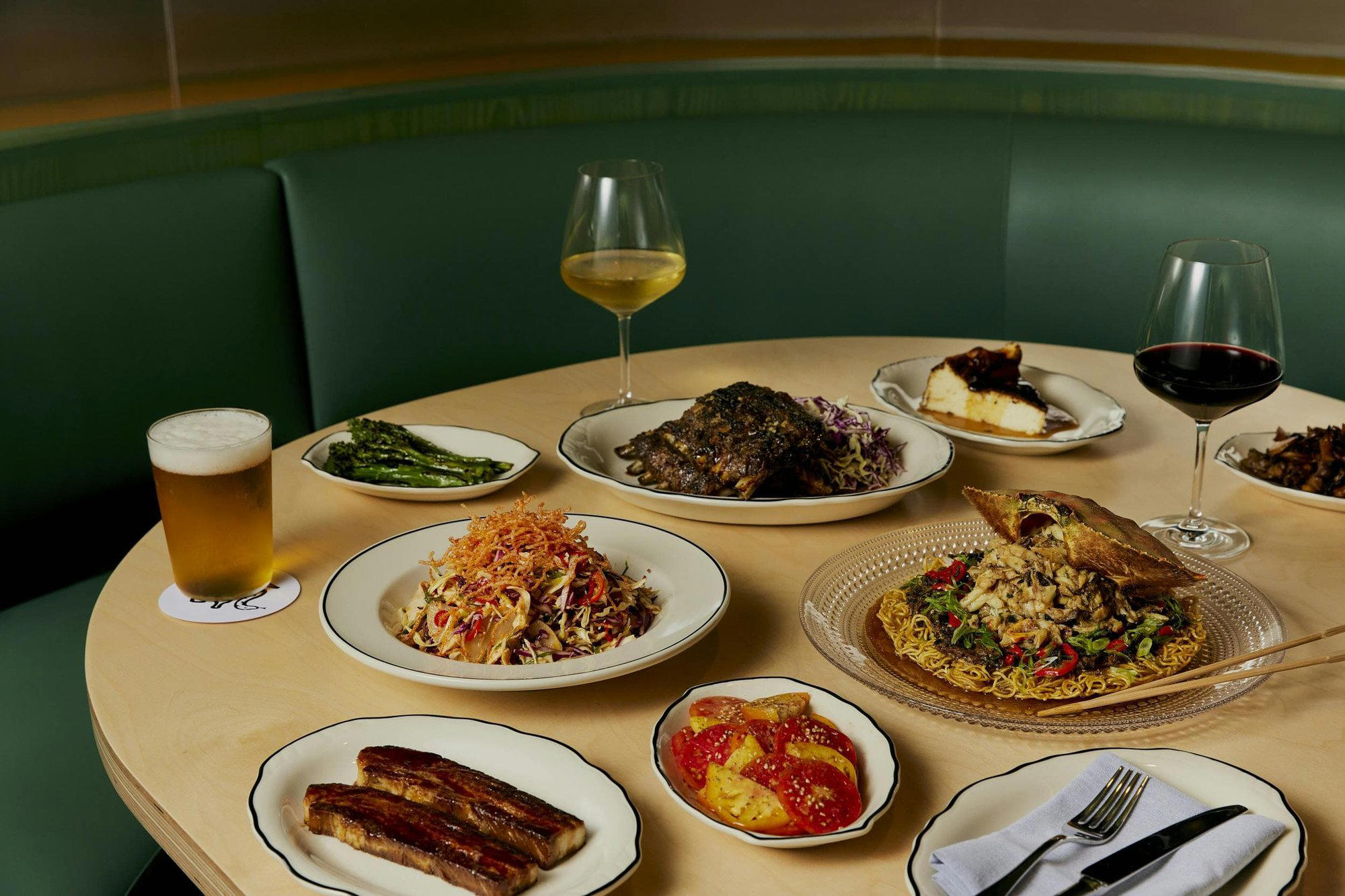
The menu
What to order
- Glazed pork belly
- Fried chicken kimbap
- Savory donut
Century City and the Pressure of the Westside Dining Corridor
The stretch of Santa Monica Boulevard running through Century City has long operated at a different register than the louder, more scenographic dining scenes in Silver Lake or Venice. The clientele here skews toward power lunches, post-screening dinners, and the kind of repeat business that sustains a restaurant through economic cycles. It is, in other words, a demanding audience, one that has seen enough to resist novelty for its own sake. Venues that survive and build a reputation along this corridor tend to do so through consistency and craft rather than spectacle. Super Peach, at 10250 Santa Monica Blvd, enters that context.
The Westside's dining geography has shifted considerably over the past decade. What was once a corridor dominated by reliable expense-account standbys has gradually absorbed more technique-forward kitchens, as the broader Los Angeles dining scene moved to establish itself alongside San Francisco and New York as a serious destination. Our full Los Angeles restaurants guide tracks that shift across the city's neighborhoods, but the Century City node is particularly instructive: it rewards precision over personality, and kitchens that can translate global technique into the idiom of California produce tend to hold their ground longest.
The Case for Local Ingredients Processed Through Global Methods
Los Angeles sits in one of the most produce-rich agricultural zones in the country. The Santa Monica Farmers Market, the proximity to Central Valley growing operations, and the city's direct Pacific Rim connections mean that a kitchen operating here has access to ingredients that would be the envy of chefs in landlocked markets. The more interesting question, for any serious restaurant in this city, is not whether to use local ingredients but which global framework to apply to them.
This tension has produced some of the most compelling cooking in America over the past decade. Kato, working in a New Taiwanese idiom, demonstrated that Asian diaspora techniques applied to California seafood and produce could produce something genuinely distinct from either source tradition. Hayato approached the same productive tension from a Japanese kaiseki framework, applying extraordinary seasonal discipline to local ingredients through a rigorous imported methodology. Somni, before its closure and return, positioned itself at the more experimental end of that spectrum. Each represents a different answer to the same underlying question: what does global culinary training do when it encounters California's ingredient abundance?
Super Peach occupies a position within that broader conversation. The name itself carries a particular resonance in this context: the peach as a fruit associated with both California agriculture and East Asian culinary symbolism, carrying meaning across traditions. Whether that reading is intentional or incidental, it points toward the kind of cross-cultural legibility that defines the more considered end of Los Angeles dining.
How the Century City Context Shapes the Offer
Dining in Century City operates under specific constraints that shape every decision a kitchen makes. The area's proximity to major entertainment industry offices and the Westfield Century City retail complex means a significant portion of any restaurant's traffic comes from time-pressured weekday lunch and early dinner business, alongside a leisure weekend component from surrounding residential neighborhoods. The kitchens that have built the most durable reputations along this corridor have learned to serve both audiences without compromising the quality of the offer for either.
That dual-audience pressure is not unique to Los Angeles. Le Bernardin in New York City has managed the same challenge across decades, maintaining technical standards through a volume of covers that would erode lesser operations. Emeril's in New Orleans built a model around accessible technique and local ingredient identity that could absorb tourist traffic without collapsing into a theme restaurant. The challenge for any ambitious kitchen on Santa Monica Boulevard is comparable: hold a creative line without pricing out or alienating the repeat business that keeps the lights on.
The Broader LA Framework: Where Super Peach Sits
Los Angeles's premium dining tier has consolidated around a recognizable set of approaches. There are the Michelin-anchored rooms like Providence, which has held two stars for years through a seafood-focused menu of considerable technical depth. There are the chef-driven Italian and Mediterranean rooms like Osteria Mozza, which built a model around a clear culinary identity and the credibility of its kitchen lineage. And there is a growing cohort of restaurants that resist easy category assignment, operating at the intersection of multiple traditions and drawing on the city's demographic and agricultural diversity to build something harder to replicate elsewhere.
That last category is where the most interesting eating in Los Angeles tends to happen now. Comparison points from other cities are instructive: Atomix in New York City demonstrated that a Korean fine dining framework could command the city's highest price tier and critical attention simultaneously. Lazy Bear in San Francisco built a format around communal dining and seasonal California produce that became a reference point for the format's viability. Alinea in Chicago and The French Laundry in Napa represent the institutional end of that ambition, rooms where technique has been refined to the point of cultural artifact. Single Thread Farm in Healdsburg and 8 1/2 Otto e Mezzo Bombana in Hong Kong show how ingredient provenance and imported classical training can combine into something coherent and market-specific.
Super Peach sits within this expanded reference set: a Los Angeles restaurant operating at an address that demands seriousness, in a city that now has the culinary infrastructure to support genuine ambition.
Planning Your Visit
Super Peach is located at 10250 Santa Monica Blvd, Los Angeles, CA 90067, in the Century City corridor, accessible from the 405 and with validated parking available through the surrounding commercial complex. For further context on what the broader LA dining, hotel, bar, and experience scenes offer around this address, see our full Los Angeles hotels guide, our full Los Angeles bars guide, our full Los Angeles wineries guide, and our full Los Angeles experiences guide.
Quick reference: Super Peach, 10250 Santa Monica Blvd, Century City, Los Angeles, CA 90067.
Frequently asked questions
Would Super Peach be comfortable with kids?
How would you describe the vibe at Super Peach?
What's the must-try dish at Super Peach?
Is Super Peach connected to the broader wave of Asian-influenced fine dining that has reshaped the Los Angeles restaurant scene?
A Quick Peer Check
Comparable venues nearby, for context on price, style, and recognition.
| Venue | Cuisine | Price | Awards | Notes |
|---|---|---|---|---|
| Super PeachThis venue — the venue you are viewing | Chinese-American-Korean Fusion | Not listed | Not listed | Not listed |
| Schezwan Club | Indo-Chinese | Not listed | Not listed | Silver Lake |
| Hu's Szechwan Restaurant | Classic Szechwan Chinese | $10–20 | Not listed | Palms |
| Foo-Chow Restaurant | Classic Chinese | $20–30 | Not listed | Chinatown |
| Mason's Dumpling Shop | Chinese Dumplings | $10–20 | Not listed | Highland Park |
| Pine and Crane Silverlake | Fast-Casual Taiwanese | $20–30 | Michelin Bib Gourmand | Silver Lake |
Continue exploring
More in Los Angeles
Restaurants in Los Angeles
Browse all →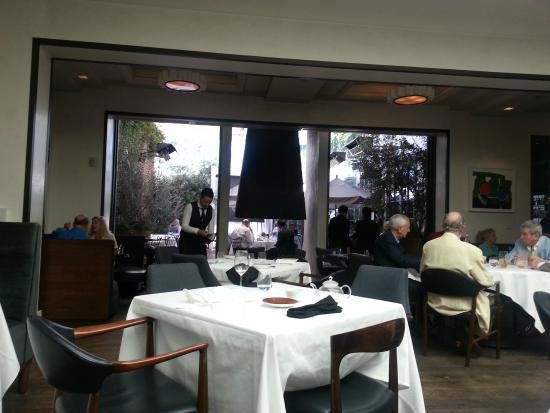
Bars in Los Angeles
Browse all →
Hotels in Los Angeles
Browse all →
Wineries in Los Angeles
Browse all →
Details
- Modern
- Trendy
- Casual Hangout
- Family
- Open Kitchen
- Craft Cocktails
- A La Carte
Current opening hours
- Monday
- 11 AM–9 PM
- Tuesday
- 11 AM–9 PM
- Wednesday
- 11 AM–9 PM
- Thursday
- 11 AM–9 PM
- Friday
- 11 AM–11 PM
- Saturday
- 11 AM–11 PM
- Sunday
- 11 AM–9 PM
Hours can change for holidays and private events. Last verified .
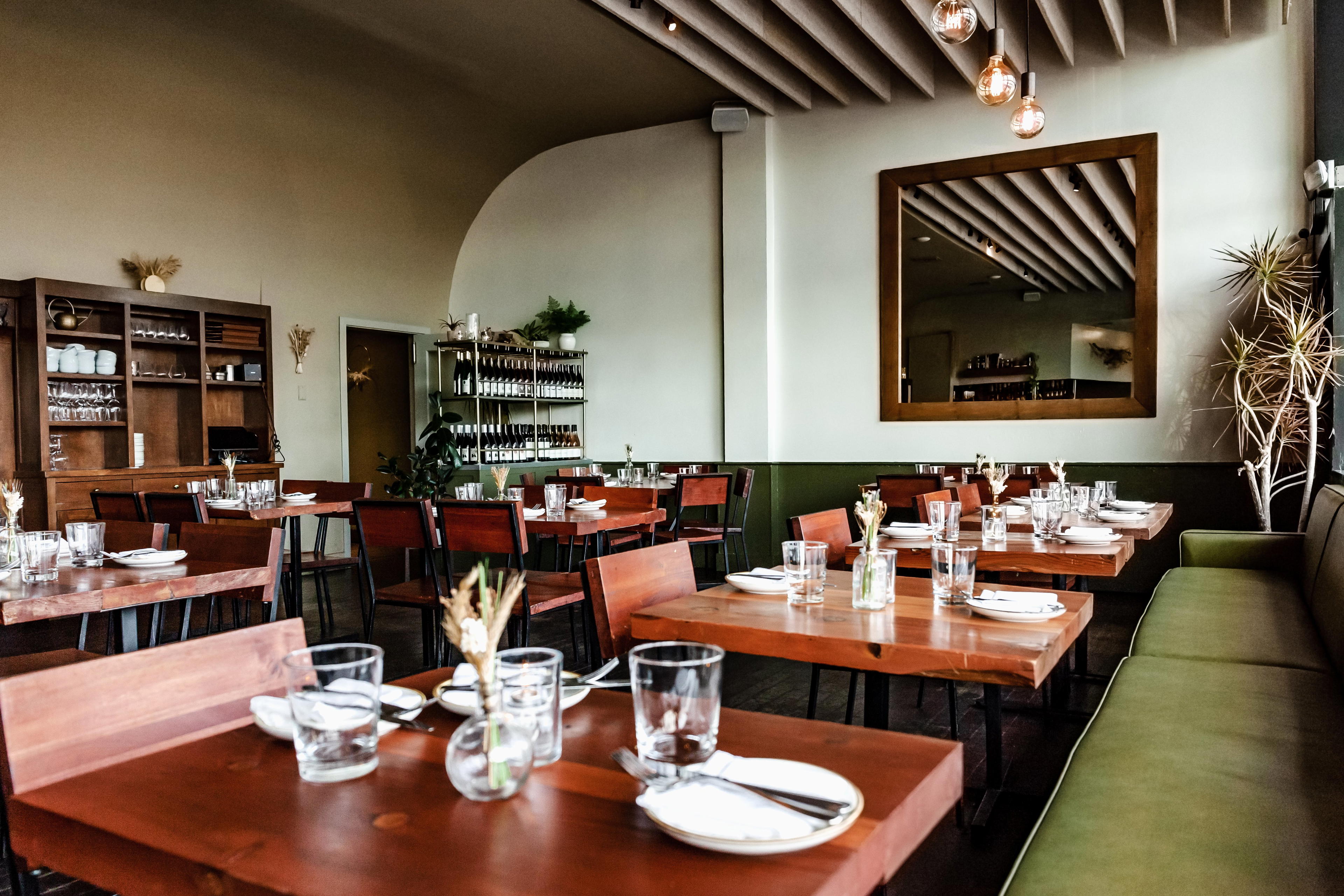
Modern and approachable mall restaurant atmosphere with moderate noise levels.