Pine and Crane Silverlake

Pine and Crane Silverlake has occupied a quiet stretch of Griffith Park Boulevard long enough to become a reference point for Taiwanese-American cooking in Los Angeles. The format is counter-casual, the sourcing leans local and seasonal, and the prices stay accessible in a city where that combination grows harder to find. For a neighbourhood that prizes both quality and conscience, it fits precisely.
Pearl is the En Primeur Club membership app — saves, bookings, and concierge access live there. Same editors, same standards.
- Address
- 1521 Griffith Park Blvd, Los Angeles, CA 90026
- Phone
- +1 323 668 1128
- Website
- pineandcrane.com
- Directions
- Get directions
 Saves & bookings on Pearl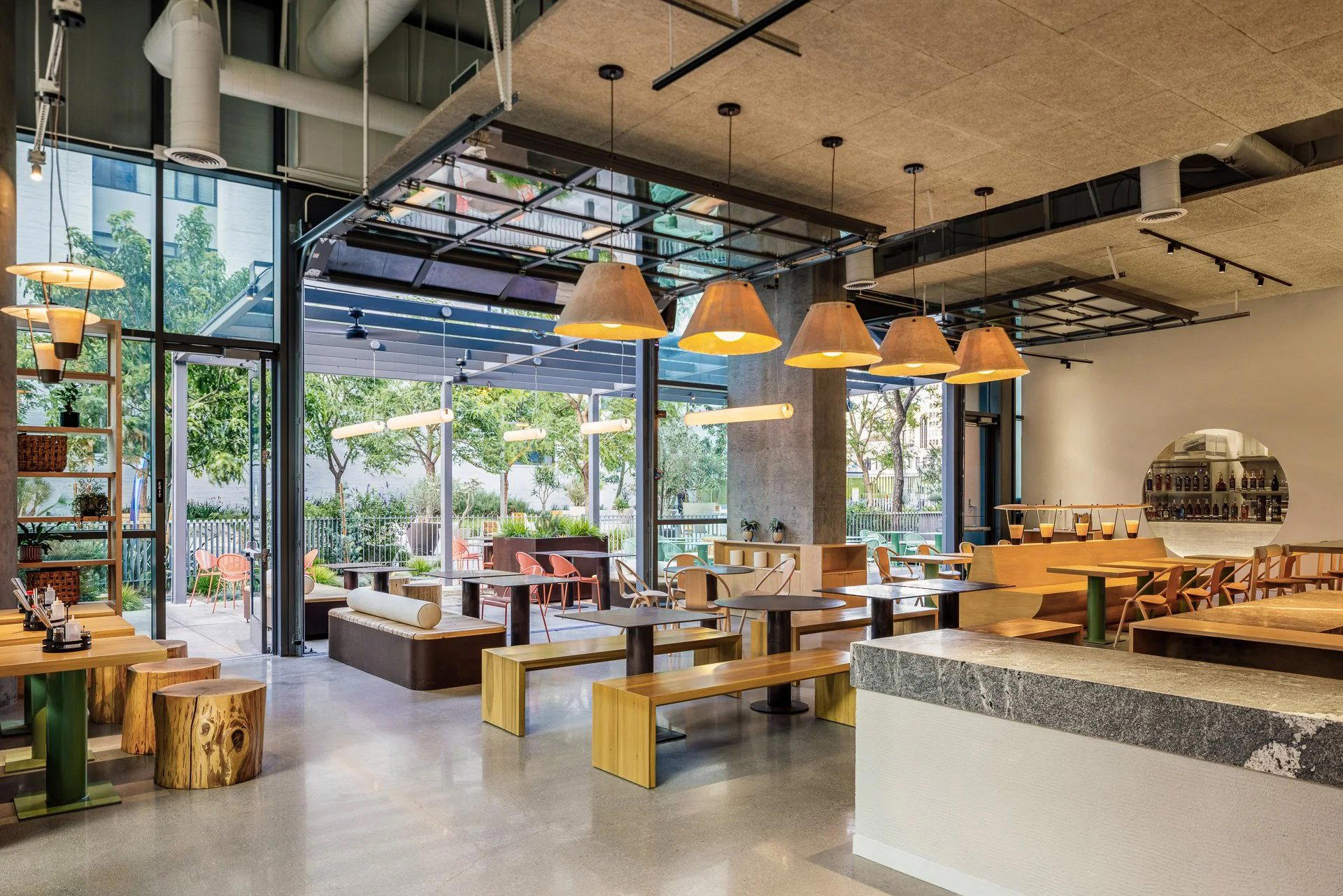
Where Silverlake's Appetite for Casual Precision Meets Taiwanese Tradition
Griffith Park Boulevard in Silverlake has a particular character that distinguishes it from the more theatrical dining corridors of West Hollywood or Downtown Los Angeles. The buildings are low, the street noise is ambient rather than aggressive, and the restaurants that endure here tend to do so because the neighbourhood actually uses them, not because a PR campaign willed them into relevance. Pine and Crane sits inside that logic at 1521 Griffith Park Blvd, a spot that reads as genuinely embedded rather than installed. Approaching it, the scale is domestic: no canopy drama, no valet queue, no façade designed to signal ambition. What announces itself instead is the line, which on weekday evenings forms with the quiet determination of people who have planned ahead.
The Taiwanese-American Casual Format and What It Represents in LA
Los Angeles has developed one of the most sophisticated Chinese-American and Taiwanese-American dining cultures outside of Taiwan itself, concentrated historically in the San Gabriel Valley but gradually seeding westward into more central neighbourhoods. Pine and Crane belongs to that westward migration, translating the food of beef noodle soup, scallion pancakes, and three-cup chicken into a Silver Lake context without softening it into fusion. The format is fast-casual in infrastructure, counter-service and self-bussed trays, but the sourcing discipline and culinary specificity push well past what that label usually implies.
This matters in a city where fast-casual has split into two distinct tiers: chains executing at volume with minimal sourcing transparency, and independent operators using the format to keep prices accessible while maintaining ingredient standards that rival full-service kitchens. Pine and Crane occupies the latter position, and that positioning becomes increasingly rare as real estate pressure and supply chain costs squeeze independents across Los Angeles. Compared to peers like Kato, which carries New Taiwanese cooking into a formal tasting menu format at $$$$, Pine and Crane addresses the same culinary tradition at a register that the neighbourhood can use as a weekly resource rather than a quarterly occasion.
Sourcing Discipline as the Organizing Principle
The sustainability story at Pine and Crane is not performed through certification badges or menu copy that announces its own virtue. It operates through the sourcing decisions that shape what appears and what disappears across seasons. California's agricultural system gives Los Angeles restaurants access to one of the most diverse local supply chains in the country, and kitchens that take that access seriously can build menus around what is genuinely available rather than what is contractually convenient year-round.
That seasonal responsiveness is visible in how the menu shifts across months. Dishes that depend on peak-season produce cycle out when the produce does, which means the menu in late summer looks different from the menu in February. For diners who treat a restaurant as a recurring destination rather than a single visit, this is a feature rather than an inconvenience. It also reflects a broader shift in how younger Los Angeles restaurateurs think about waste: not as a regulatory compliance issue but as a kitchen design problem, one where buying closer to the source and in proportions matched to demand reduces both cost and loss simultaneously.
Across the United States, restaurants that have built sustainability into operational structure rather than marketing language share certain characteristics: closer supplier relationships, shorter menus, a willingness to 86 items mid-service rather than substitute inferior product, and pricing that reflects actual ingredient cost rather than padding. This is the model Pine and Crane runs. It places the restaurant in a cohort that includes, at different price points, operations like Single Thread Farm in Healdsburg and Blue Hill at Stone Barns in Tarrytown, both of which have made farm-to-table sourcing the structural core of the dining experience rather than its decorative frame.
Where Pine and Crane Sits in the Broader Los Angeles Dining Map
Los Angeles dining in 2024 and 2025 has continued to bifurcate sharply between high-investment tasting menu operations and the neighbourhood-level independents that define daily eating. At the formal end, venues like Providence, Hayato, and Somni operate at price points and reservation depths that position them as destination dining rather than neighbourhood restaurants. Osteria Mozza holds a middle register. Pine and Crane occupies a different tier entirely: accessible, repeatable, and locally rooted in a way that makes it function as community infrastructure.
That function carries its own kind of critical weight. A city's dining culture is not measured only by its tasting menu ceiling; it is measured by whether the mid-register and the casual register maintain standards that justify return visits. By that measure, Silverlake has historically punched above its density, and Pine and Crane is part of the reason why. The restaurant draws from a customer base that includes industry workers, families, and the kind of food-attentive resident who might drive to the San Gabriel Valley for specific regional dishes but appreciates having a considered Taiwanese option within the neighbourhood.
For context beyond Los Angeles, the broader American casual-dining sustainability shift is visible in kitchens from Smyth in Chicago to Lazy Bear in San Francisco, and internationally in places like Atelier Moessmer Norbert Niederkofler in Brunico, where ethical sourcing has become the primary editorial frame for the kitchen's identity. Pine and Crane operates at a different scale and price point than any of those, but the underlying sourcing logic connects them. See our full Los Angeles restaurants guide for the broader city picture.
Know Before You Go
Address: 1521 Griffith Park Blvd, Los Angeles, CA 90026
Format: Counter-service, fast-casual
Cuisine: Taiwanese-American
Price tier: Accessible; below the mid-range full-service bracket
Reservations: Not taken; walk-in format with queue at peak hours
Leading timing: Weekday lunch or early dinner to avoid the evening queue; the menu's seasonal items move fastest at dinner service
Neighbourhood: Silverlake, central Los Angeles; parking on surrounding streets
Recognition history
Dated appearances from independent guides and award organizations, with the underlying list record or original source where available.
Michelin Bib Gourmand
Michelin
Continue exploring
More in Los Angeles
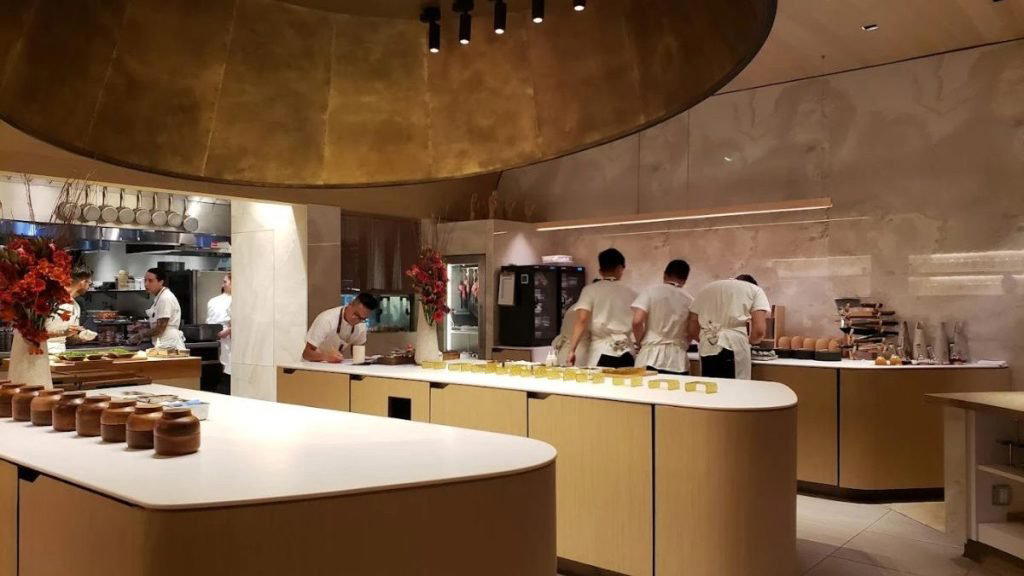
Restaurants in Los Angeles
Browse all →
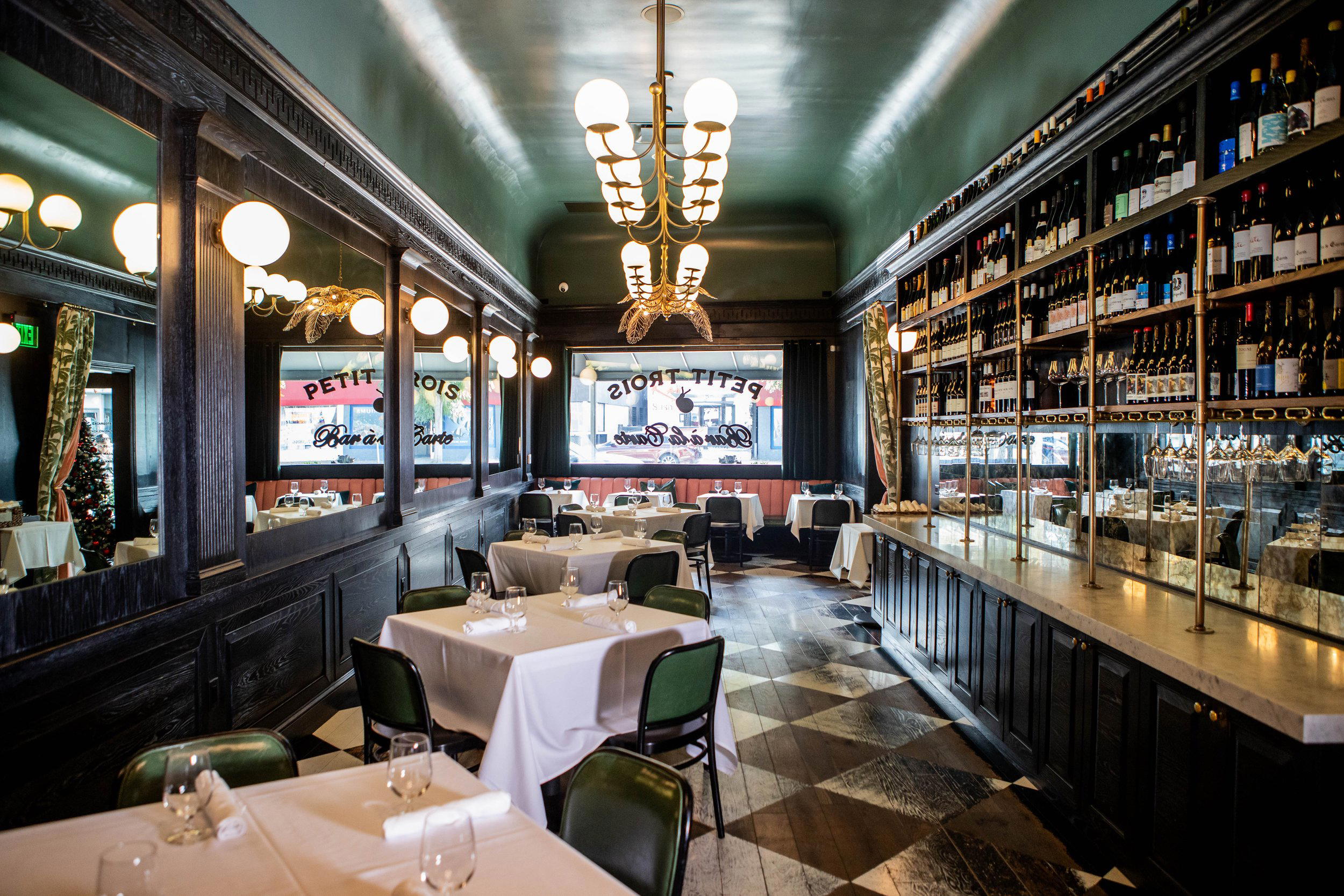
Bars in Los Angeles
Browse all →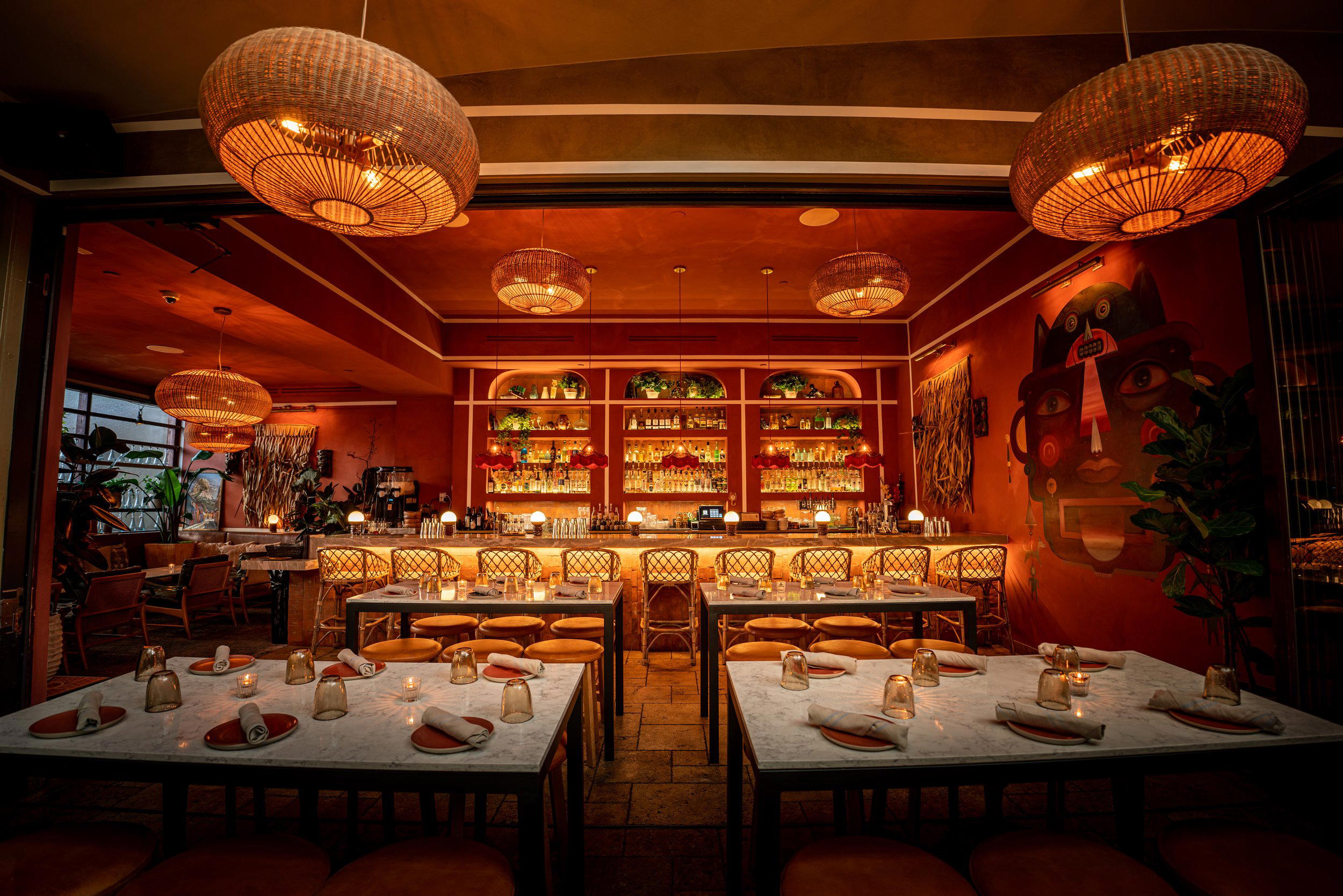
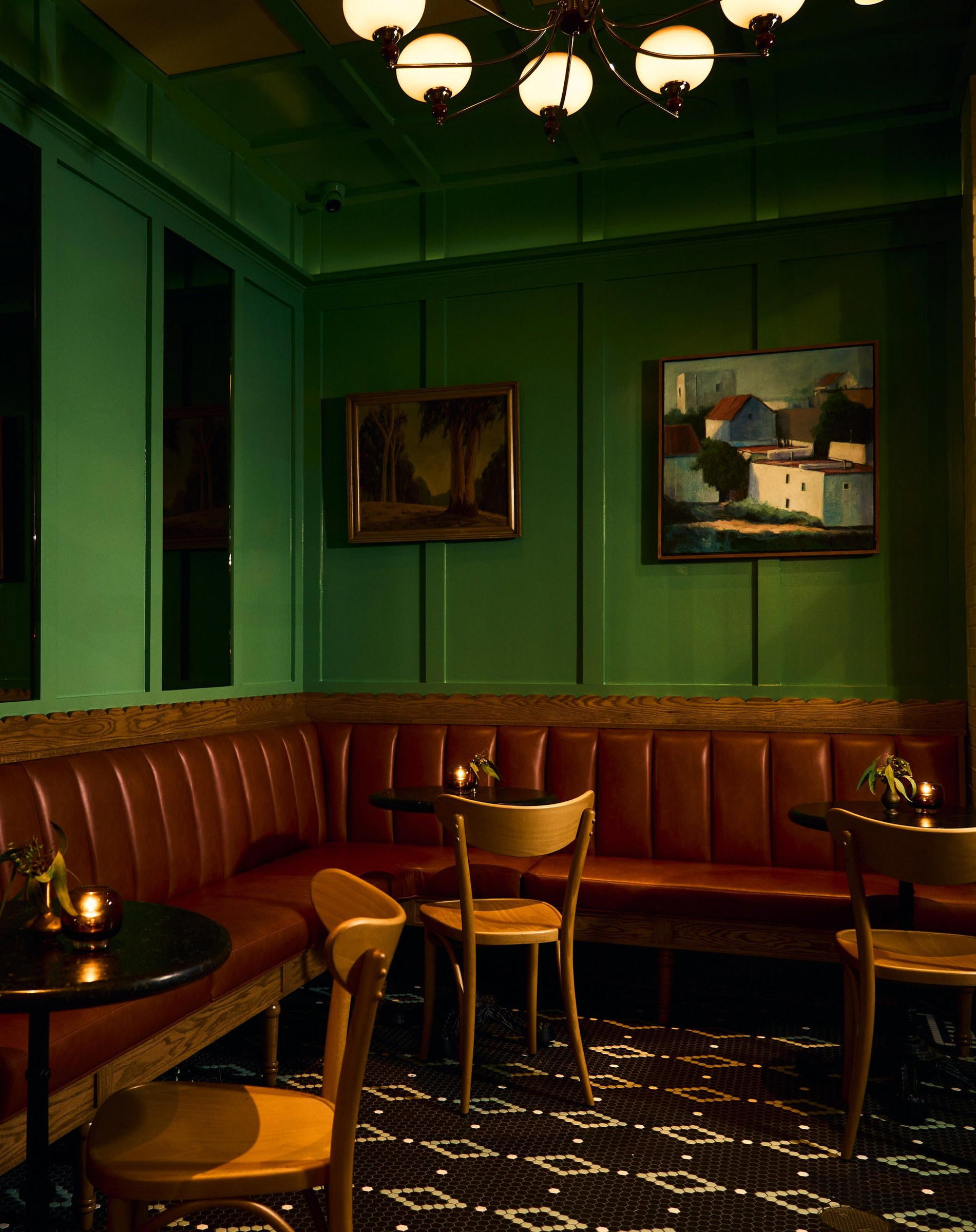

Hotels in Los Angeles
Browse all →

Wineries in Los Angeles
Browse all →
At a Glance
- Modern
- Trendy
- Minimalist
- Casual Hangout
- Open Kitchen
- Sake Program
- Local Sourcing
Current opening hours
- Monday
- 12–10 PM
- Tuesday
- Closed
- Wednesday
- 12–10 PM
- Thursday
- 12–10 PM
- Friday
- 12–10 PM
- Saturday
- 12–10 PM
- Sunday
- 12–10 PM
Hours can change for holidays and private events. Last verified .
Sunny dining room with rustic exposed brick, concrete floors, varnished wood tables, and a long communal table in a comfortable modern setting.
Know Before You Go
- Getting there
- 1521 Griffith Park Blvd, Los Angeles, CA 90026