Cantina Romana
An understated spot offering handcrafted bites
Pearl is the En Primeur Club membership app — saves, bookings, and concierge access live there. Same editors, same standards.
- Address
- R. da Paz, 237 - Jardim dos Estados, Campo Grande - MS, 79002-190, Brazil
- Phone
- +556733249777
- Website
- cantinaromana.com.br
- Directions
- Get directions
 Saves & bookings on Pearl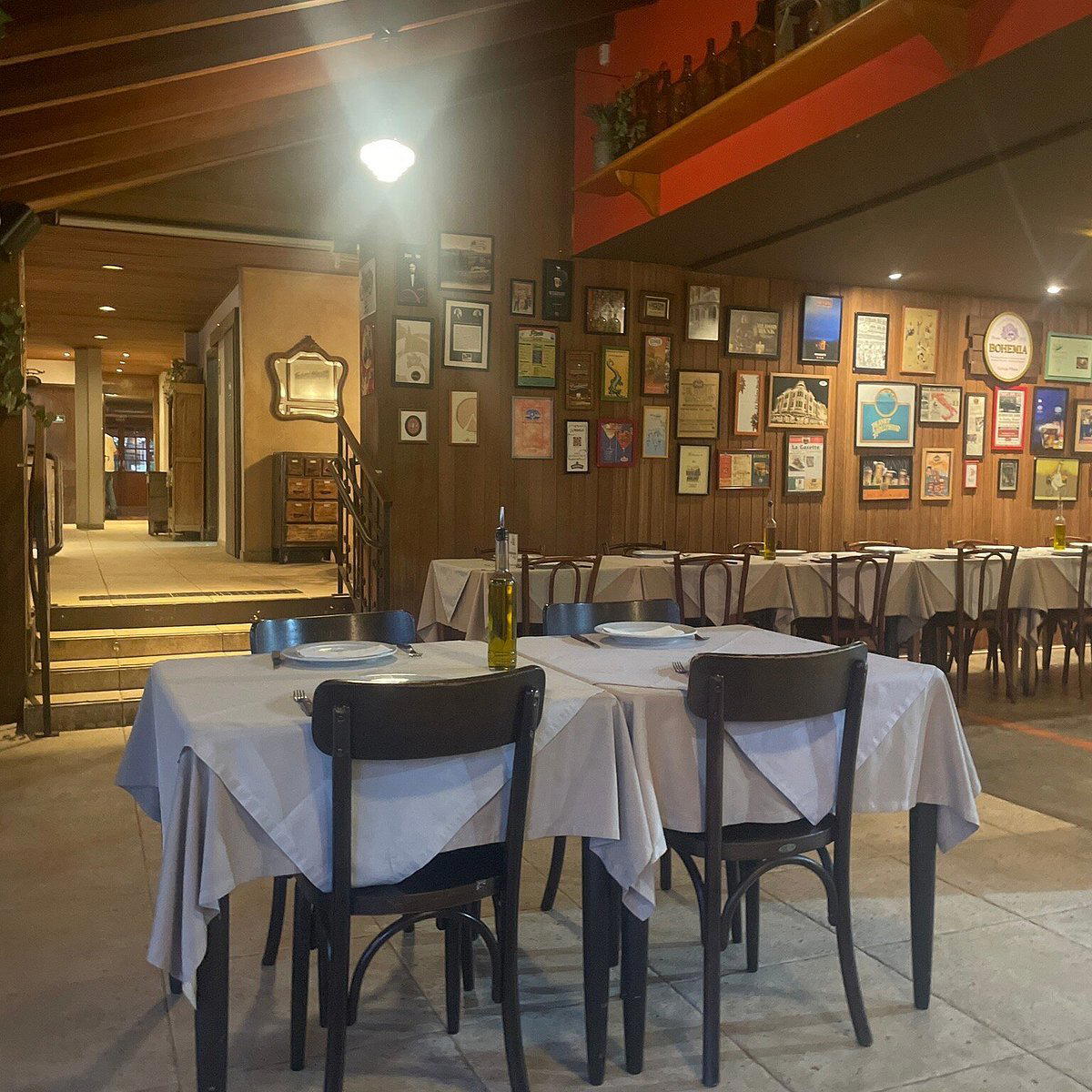
Italian Roots in the Cerrado
Rua da Paz sits in Jardim dos Estados, one of Campo Grande's more settled residential and commercial corridors, where the rhythm is unhurried and the dining rooms tend toward the personal rather than the performative. It is in this context that Italian-inflected cooking finds a natural home: a tradition built around long preparation times, patient sourcing, and recipes that resist shortcut. Cantina Romana occupies that address at number 237, and the surroundings set an expectation that the food here is meant to be eaten slowly, with people you know.
The broader story of Italian cuisine in Brazil's interior is one of immigration and adaptation. Communities of Italian descent spread through the south and centre-west of Brazil across the twentieth century, and their culinary inheritance did not stop at São Paulo's city limits. In cities like Campo Grande, Italian-style cantinas developed their own character: less concerned with metropolitan fashion, more focused on consistency and the kind of hospitality that comes from cooking for regulars over decades. That tradition values the larder over the tasting menu, the sauce that has simmered since morning over the sauce assembled to order.
Sourcing in a Region That Produces
Mato Grosso do Sul is not a state that announces itself as a food region in the way that São Paulo or Rio Grande do Sul might, but it is one of Brazil's significant agricultural zones. Cattle production dominates the state's identity, but the surrounding Cerrado biome also yields ingredients that don't appear in Italian-influenced cooking elsewhere in Brazil with the same frequency or freshness. A cantina operating in Campo Grande has access to cuts and produce that most Italian restaurants in coastal cities import or substitute.
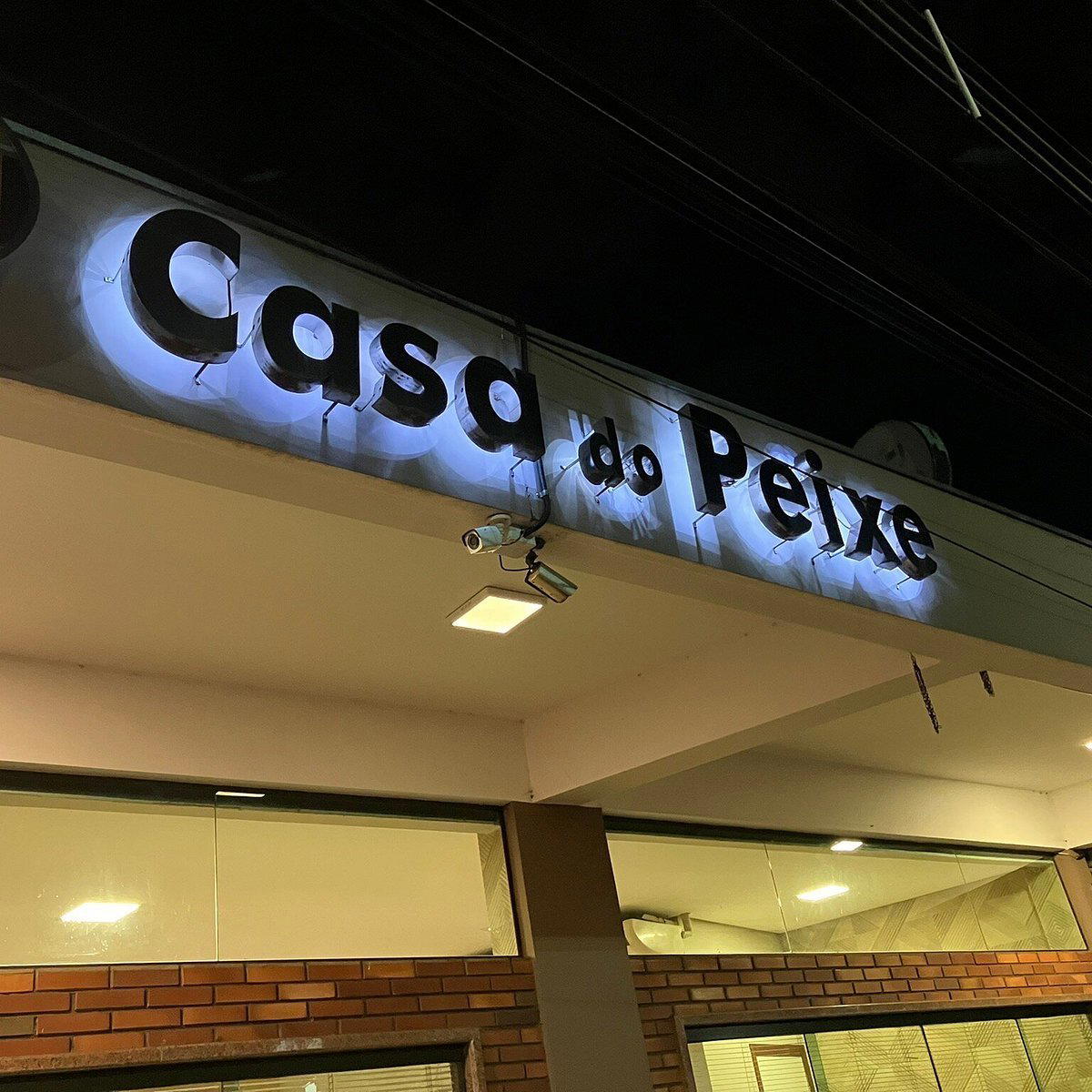
This matters for the cooking tradition Cantina Romana represents. Italian pasta sauces built on high-quality beef, slow-braised and reduced, carry differently when the animal was raised within the same state rather than shipped across the country. The same logic applies to fresh dairy, pork, and the dried goods that Italian-style kitchens depend on. Campo Grande's position as a distribution and agricultural hub gives restaurants here a sourcing advantage that the city's dining reputation doesn't always reflect externally. Places like Casa Colonial and Casa do Peixe demonstrate how local sourcing shapes distinct dining registers in the same city; Cantina Romana operates within the Italian-kitchen version of that logic.
Where It Sits in the Campo Grande Restaurant Scene
Campo Grande's restaurant scene is more varied than its profile outside Brazil suggests. Pizza and Italian-adjacent venues form a competitive sub-category within the city: Giuseppe Pizzaria, Pizzaria Romana, and Sumida Sushi each occupy distinct positions in a city where diners range from quick-service regulars to those seeking longer, sit-down experiences. The cantina format occupies a particular niche in that spectrum: more formal than a pizzaria, less theatrical than a contemporary tasting-room concept, structured around shared dishes and a menu that changes with supply rather than season-by-season editorial decisions.
Brazilian cities in the interior have developed their own Italian-restaurant grammar over generations, and it diverges in meaningful ways from what the southern states, with their larger Italian-descended populations, typically produce. Campo Grande's version tends toward practicality and generosity of portion rather than delicacy of presentation. That is not a criticism; it reflects the dining culture of a city where restaurants are built to serve communities, not to audition for national media coverage. For visitors arriving from Brazil's coastal capitals or from abroad, the contrast can be clarifying. The comparison points are not Oteque in Rio de Janeiro or D.O.M. in São Paulo, nor the technically ambitious work at Manu in Curitiba. The reference frame is a different and equally legitimate tradition: the Italian family restaurant that has outlasted trends by staying close to its original purpose.
The Atmosphere and What to Expect
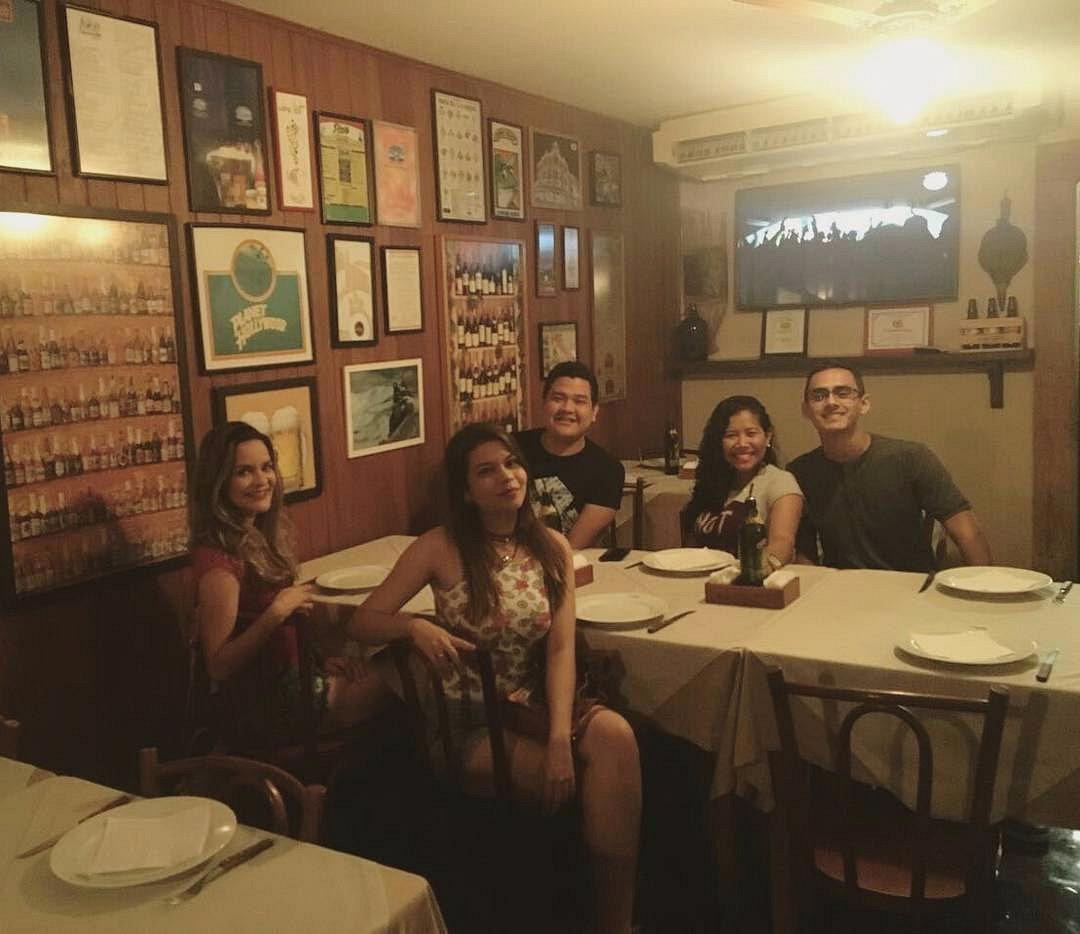
Jardim dos Estados is a neighbourhood where mid-century residential blocks sit alongside professional offices and the kind of small commercial establishments that serve the same clientele year after year. A cantina in this setting tends toward warm interior light, close-set tables, and a room that fills with conversation rather than music. The atmosphere in Italian-style dining rooms of this type is not minimalist or curated for photography; it is practical and comfortable in the way of places that expect you to stay for two hours without feeling observed.
The format is typically à la carte or set-price, with pasta, protein, and antipasto forming the structure of the meal. Shared plates are common, and portion sizes generally reflect the assumption that you are splitting with the table. Wine lists at this tier in Brazilian interior cities tend to focus on accessible Chilean and Argentine bottles alongside domestic options from the Serra Gaúcha, Brazil's main wine-producing region.
Italian Cooking Across Brazil's Regions
The Italian-restaurant tradition in Brazil stretches from the Italian-community strongholds of Rio Grande do Sul and São Paulo to smaller outposts in states with less documented immigration history. In the south, places like Primrose in Gramado and Castelo Saint Andrews in Vale do Bosque operate within a region that actively markets its European heritage. In São Paulo's hinterland, Olivetto Restaurante e Enoteca in Campinas brings an enoteca-level approach to wine and food pairing. In Minas Gerais, Birosca S2 in Belo Horizonte and Mina in Campos do Jordão reflect how Brazilian cooks are reworking European frameworks through local ingredients. Further afield, Orixás North Restaurant in Itacaré and State of Espírito Santo in Rio Bananal show how Brazil's regional diversity produces entirely different culinary vocabularies. And in international reference, the discipline of French kitchens at places like Le Bernardin in New York City or the community-driven format of Lazy Bear in San Francisco illustrate how different cultures encode hospitality into their restaurant formats. Cantina Romana sits within the Brazilian-Italian cantina strand of that broader map.
Planning Your Visit
Address is R. da Paz, 237, Jardim dos Estados, Campo Grande, Mato Grosso do Sul. Jardim dos Estados is a short taxi or rideshare ride from the city centre and the main hotel corridors. As with most cantina-format restaurants in Brazilian interior cities, arriving earlier in the dinner service tends to allow more choice and a quieter room. Booking ahead for larger groups is advisable given that cantinas in this format typically run modest room sizes. Hours are Monday to Friday from 11am to 2pm and 6pm to 11pm, Saturday and Sunday from 11am to 2:30pm and 6pm to 11pm. Reservations are recommended, and the price tier is moderate, with an estimated spend of about US$15 per person.
Quick Comparison
Comparable venues nearby, for context on price, style, and recognition.
| Venue | Cuisine | Price | Notes |
|---|---|---|---|
| Cantina RomanaThis venue — the venue you are viewing | Traditional Italian Pizza & Pasta | $$ | Not listed |
| Sumida Sushi - Campo Grande MS | Traditional Japanese Sushi | $$ | City Center |
| Pizzaria Romana | Traditional Italian Pizza & Pasta | $$ | Jardim dos Estados |
| Casa Colonial | Traditional Brazilian Churrascaria | $$ | Campo Grande |
| Giuseppe Pizzaria | Rodízio Pizza | $$ | Chacara Cachoeira |
| Casa do Peixe | Brazilian Seafood Rodízio | $$ | Amambaí |
Continue exploring
More in Campo Grande
At a Glance
- Cozy
- Rustic
- Classic
- Family
- Casual Hangout
- Open Kitchen
Current opening hours
- Monday
- 11 AM–2 PM, 6–11 PM
- Tuesday
- 11 AM–2 PM, 6–11 PM
- Wednesday
- 11 AM–2 PM, 6–11 PM
- Thursday
- 11 AM–2 PM, 6–11 PM
- Friday
- 11 AM–2 PM, 6–11 PM
- Saturday
- 11 AM–2:30 PM, 6–11 PM
- Sunday
- 11 AM–2:30 PM, 6–11 PM
Hours can change for holidays and private events. Last verified .
Cozy atmosphere with modern rustic decor and themed Italian elements.