Casa Colonial
Casa Colonial occupies a prominent address on Avenida Afonso Pena in Campo Grande's Centro, placing it within reach of the city's main civic corridor. The name signals the colonial-era dining tradition that has shaped Mato Grosso do Sul's restaurant culture, where hearty, land-rooted cooking remains the dominant register. Visitors to Campo Grande's Centro will find it a reference point for understanding how the city's food identity has been constructed over time.
Pearl is the En Primeur Club membership app — saves, bookings, and concierge access live there. Same editors, same standards.
- Address
- Av. Afonso Pena, 3997 - Centro, Campo Grande - MS, 79020-000, Brazil
- Phone
- +556733833207
- Directions
- Get directions
 Saves & bookings on Pearl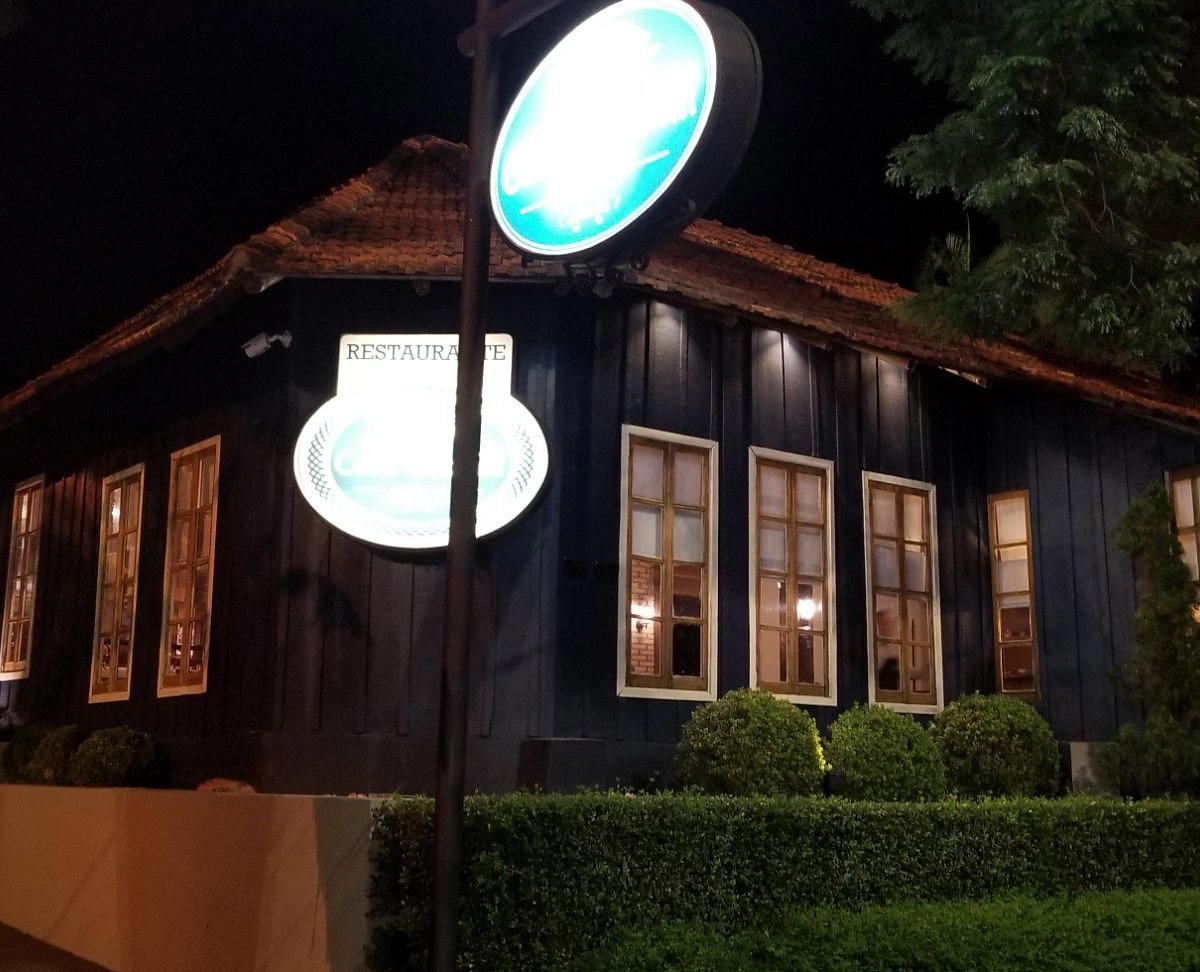
Avenida Afonso Pena and the Architecture of Campo Grande's Dining Scene
Avenida Afonso Pena runs through Campo Grande like a spine, and the addresses that line it carry a particular kind of civic weight. This is not a street where restaurants open speculatively; the rents and visibility demand a certain established confidence. Casa Colonial sits at number 3997, in the Centro district, placing it within Campo Grande's established dining corridor. In a city where dining culture has historically been organised around generosity of portion and depth of tradition rather than formal innovation, that address matters.
Campo Grande occupies an unusual position in Brazil's food geography. The capital of Mato Grosso do Sul sits at the intersection of cerrado and pantanal ecosystems, which means its food traditions draw on cattle culture, river fish, and indigenous ingredients in proportions that differ markedly from the coastal cities that dominate Brazil's national food conversation. The beef here is a baseline rather than a luxury signal. Restaurants that have endured on Afonso Pena have done so by understanding that relationship between place and plate.
Colonial Cooking as Cultural Argument
The word "colonial" in a Brazilian restaurant name carries specific freight. It typically signals an alignment with the interior food traditions that predate the urban cosmopolitanism of the twentieth century: slow-cooked meats, stone-ground corn preparations, preserved proteins, and the kind of table abundance that treats the communal act of eating as its own form of statement. In Mato Grosso do Sul, that tradition connects to the region's cattle ranching economy, to Bolivian and Paraguayan cross-border influences, and to the pantaneiro cooking culture that is distinct from both Amazonian and coastal Brazilian food.
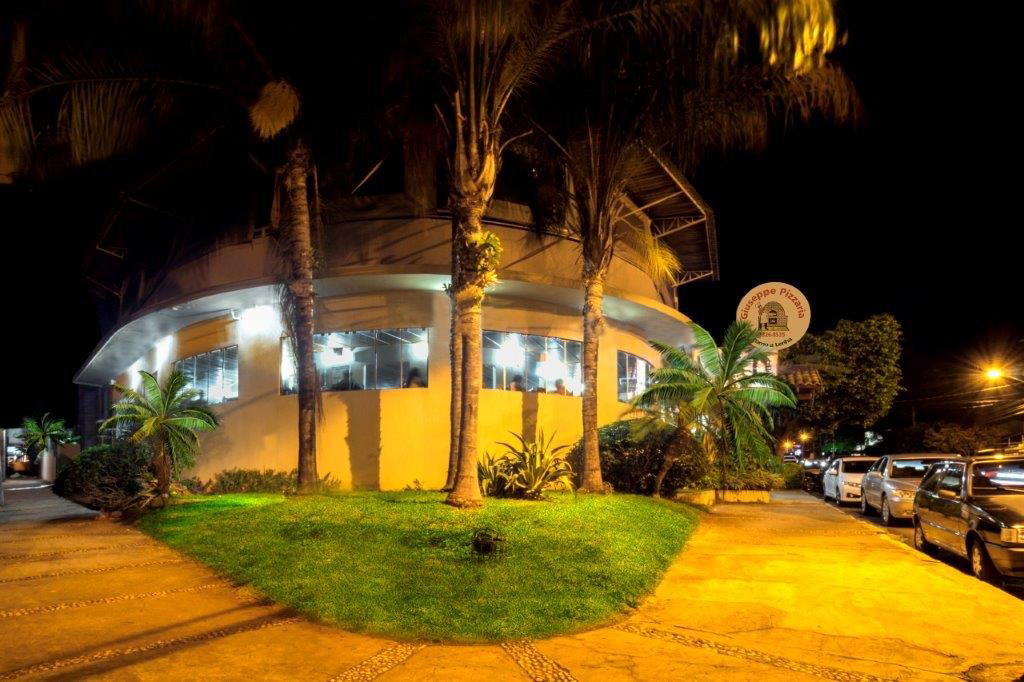
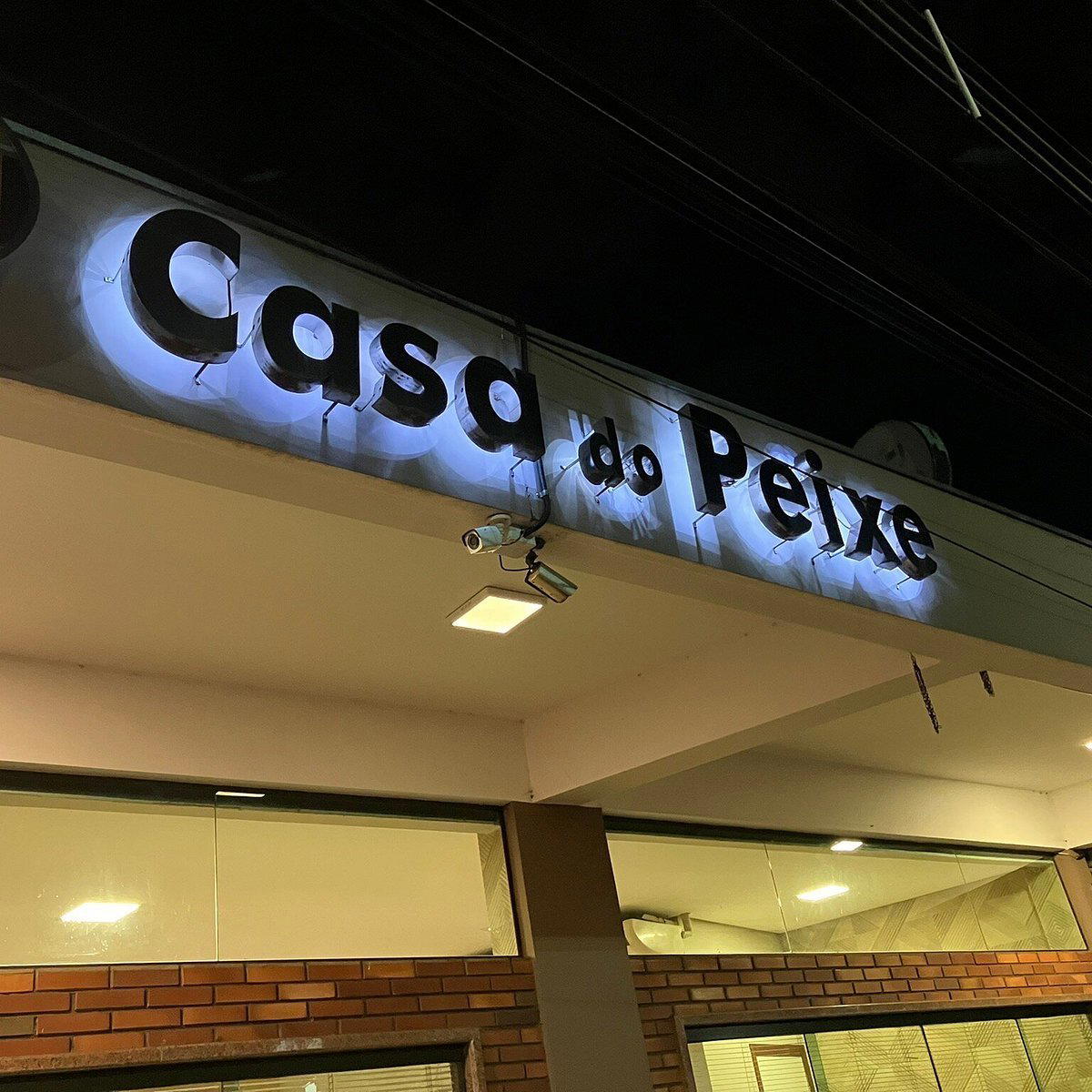
This positions Casa Colonial within a broader argument about what Campo Grande's food identity actually is. The city has a growing sushi culture, represented by venues like Sumida Sushi, and a solid Italian-Brazilian tradition present at places like Cantina Romana, Giuseppe Pizzaria, and Pizzaria Romana. But the colonial register, rooted in the region's own agricultural and ranching history, sits outside those immigrant-food traditions and makes a different kind of claim on local identity. Where Casa do Peixe makes the case for Campo Grande as a river-fish city, a colonial-format restaurant makes the case for the interior cattle and grain culture that defined the state long before Campo Grande became a capital.
How This Fits Within Brazil's Broader Regional Dining Moment
Brazilian fine dining has spent the past decade in a sustained conversation about regional identity. Restaurants like D.O.M. in São Paulo and Oteque in Rio de Janeiro have built international reputations partly by taking Brazilian ingredients seriously as a subject. Further afield, venues like Orixás in Itacaré and Birosca S2 in Belo Horizonte represent the regional-rooted approach at different price points and formats. What Campo Grande's colonial tradition represents is a version of that same argument made without the apparatus of contemporary fine dining.
That absence of external validation is, in some ways, the point. The interior states of Brazil have long cooked for themselves, and restaurants operating in the colonial format are not making bids for São Paulo magazine coverage. They are serving the people who live and work in Mato Grosso do Sul, and that localness is the credential. This pattern is visible across Brazil's interior dining scene. Venues like Mina in Campos do Jordão, Manu in Curitiba, and Olivetto in Campinas each navigate similar questions about how regional identity translates into a formal dining format, each arriving at different answers.
At the international level, the question of how traditional formats earn credibility without institutional markers is one that venues from Le Bernardin in New York to Lazy Bear in San Francisco resolved by leaning hard into technique and awards. The colonial tradition in Brazil's interior resolves it differently: through continuity, through neighbourhood anchoring, and through the kind of repeat clientele that treats a restaurant as infrastructure rather than occasion.
Practical Notes for Visiting Campo Grande
Casa Colonial's address on Avenida Afonso Pena places it within walking distance of Campo Grande's central commercial and civic areas, making it accessible from the city's main hotel corridor. For visitors arriving to explore the region's food culture, the Centro district is the logical starting point, and Afonso Pena is the street that most legibly maps the city's institutional dining character. For a fuller orientation to what Campo Grande offers across price points and cuisines, our full Campo Grande restaurants guide covers the city's dining range in detail.
Those extending their trip through the southern states will find useful comparative reference points at Castelo Saint Andrews in Gramado, Primrose in Gramado, and State of Espírito Santo in Rio Bananal, each of which represents a different version of how Brazil's interior food traditions are being framed for contemporary audiences.
The Centro location means weekday lunch is the busiest window. Arriving outside peak lunch hours typically improves table availability.
Pricing, Compared
Comparable venues nearby, for context on price, style, and recognition.
| Venue | Cuisine | Price | Notes |
|---|---|---|---|
| Casa ColonialThis venue — the venue you are viewing | Traditional Brazilian Churrascaria | $$ | Not listed |
| Casa do Peixe | Amambaí, Brazilian Seafood Rodízio | $$ | Not listed |
| Pizzaria Romana | Not listed | $$ | Jardim dos Estados, Traditional Italian Pizza & Pasta |
| Sumida Sushi - Campo Grande MS | City Center, Traditional Japanese Sushi | $$ | Not listed |
| Cantina Romana | Not listed | $$ | Jardim dos Estados, Traditional Italian Pizza & Pasta |
| Giuseppe Pizzaria | Chacara Cachoeira, Rodízio Pizza | $$ | Not listed |
Continue exploring
More in Campo Grande

At a Glance
- Classic
- Lively
- Rustic
- Group Dining
- Family
- Casual Hangout
- Standalone
Current opening hours
- Monday
- 11 AM–3 PM
- Tuesday
- 11 AM–3 PM, 6–11:30 PM
- Wednesday
- 11 AM–3 PM, 6–11:30 PM
- Thursday
- 11 AM–3 PM, 6–11:30 PM
- Friday
- 11 AM–3 PM, 6–11:30 PM
- Saturday
- 11 AM–3 PM, 6–11:30 PM
- Sunday
- 11 AM–3 PM
Hours can change for holidays and private events. Last verified .
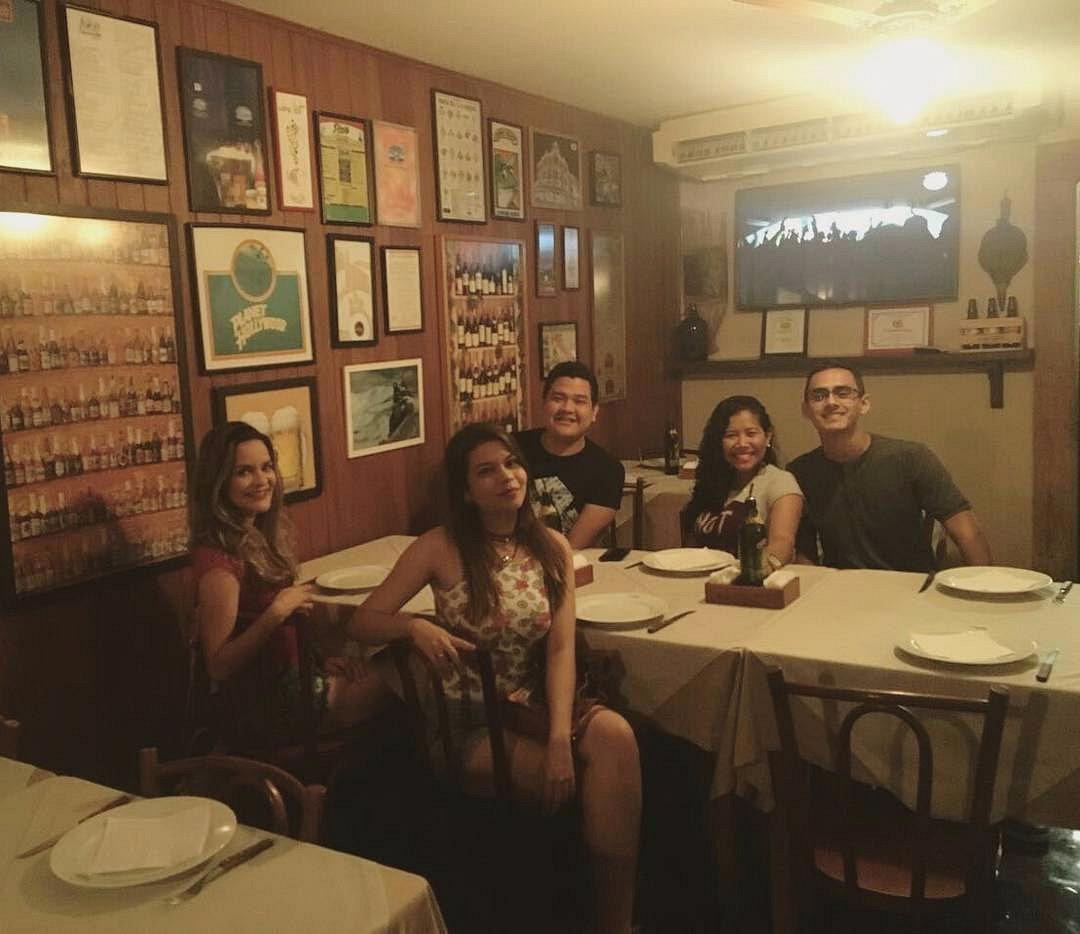
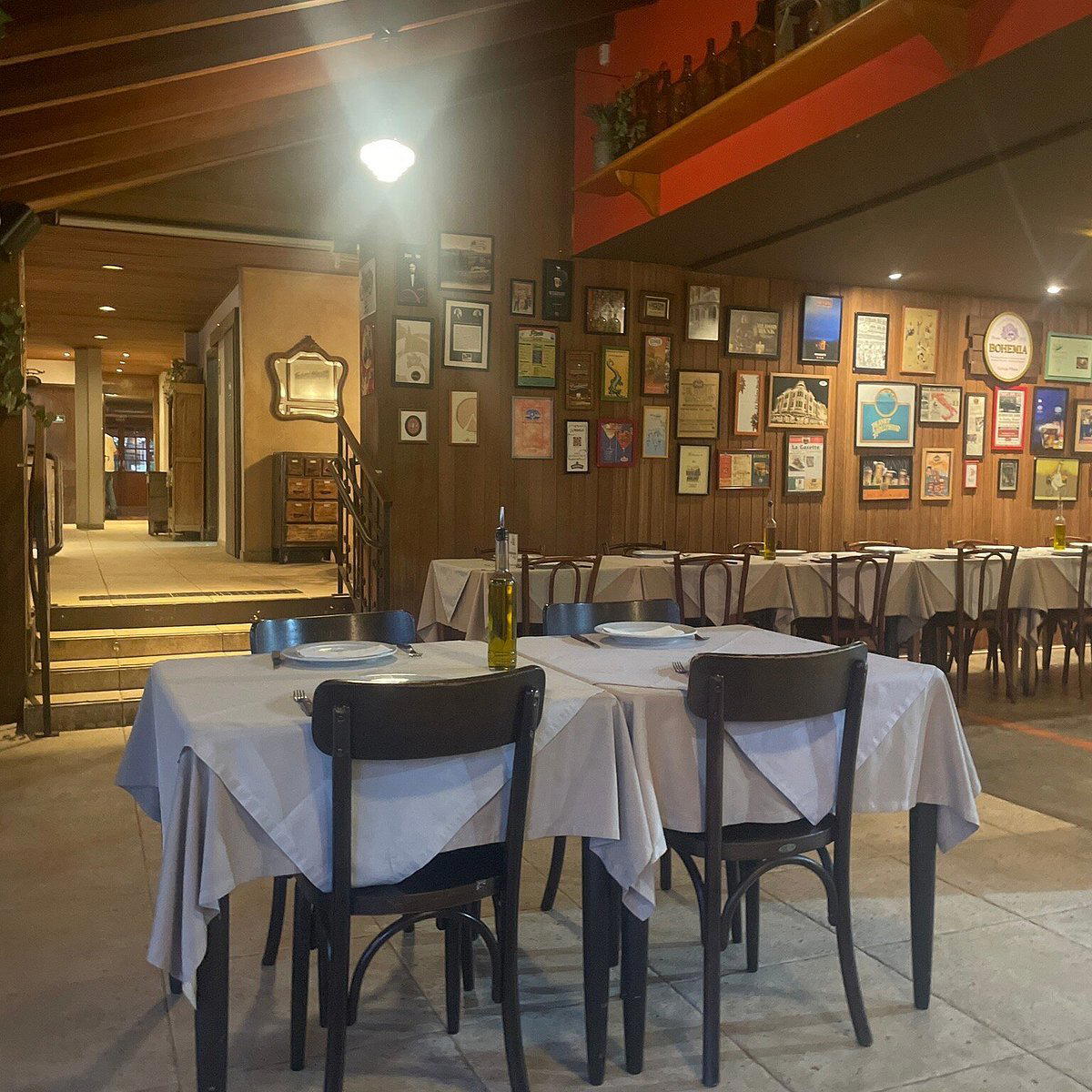
Lively and welcoming atmosphere with a focus on traditional Brazilian dining culture and generous portions.