Giuseppe Pizzaria
A neighbourhood pizzaria on Rua Dr. Antônio Alves Arantes in Chácara Cachoeira, Giuseppe sits within Campo Grande's tradition of Italian-Brazilian casual dining where the sourcing of dough, cheese, and toppings tells as much about a city as its formal restaurants do. The address puts it away from the city-centre circuit, drawing a local rather than tourist crowd.
Pearl is the En Primeur Club membership app — saves, bookings, and concierge access live there. Same editors, same standards.
- Address
- R. Dr. Antônio Alves Arantes, 155 - Chácara Cachoeira, Campo Grande - MS, 79040-720, Brazil
- Phone
- +556733271247
- Website
- pizzariagiuseppe.com.br
- Directions
- Get directions
 Saves & bookings on Pearl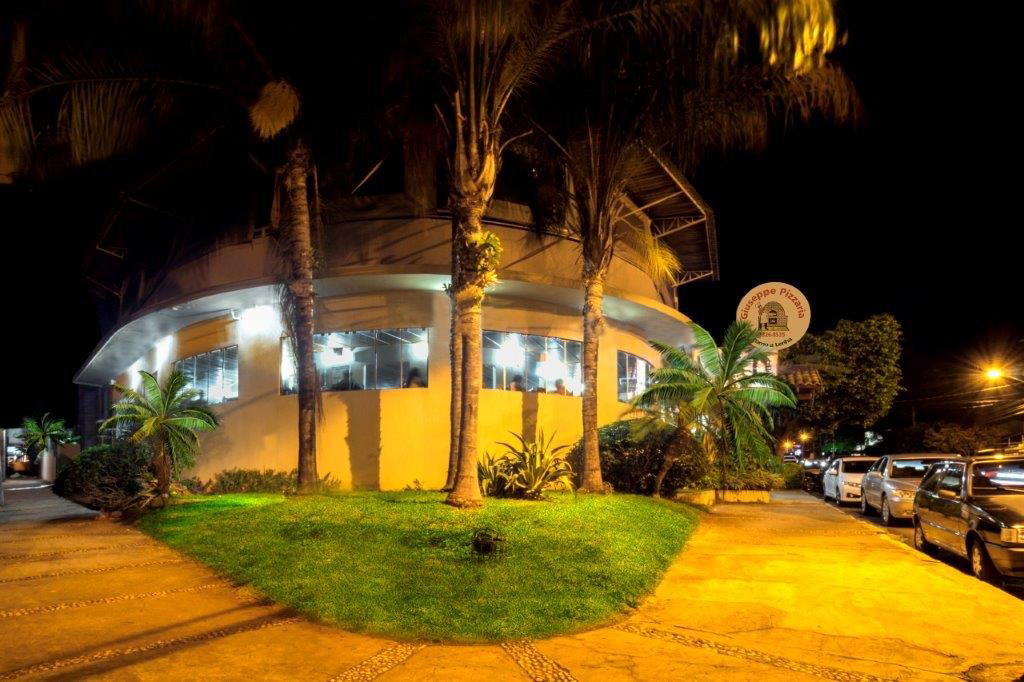
Pizza and Place: Reading Campo Grande Through Its Neighbourhood Pizzarias
Campo Grande's most telling dining rooms are rarely the ones beside the cathedral or the convention centre. They are found in residential bairros where the clientele is hyperlocal, the menu changes slowly, and the kitchen's choices about flour, cheese, and cured meat reveal something genuine about regional supply chains and taste. Giuseppe Pizzaria, on Rua Dr. Antônio Alves Arantes in Chácara Cachoeira, belongs to that category. The neighbourhood sits southwest of the historic core, a residential stretch where families cycle through the same handful of reliable addresses rather than chasing novelty. A pizzaria that survives in that environment does so on consistency, not on buzz.
The broader context matters here. Campo Grande sits in Mato Grosso do Sul, a state whose agricultural identity is defined by cattle, soya, and an interior geography that sits far from Brazil's coastal port cities. Italian immigration shaped pockets of southern and southeastern Brazil profoundly, and the pizza tradition that took root in São Paulo over a century ago has diffused inland along supply and cultural corridors. What arrives in a city like Campo Grande is a version of that tradition filtered through local ingredient availability: Mato Grosso do Sul beef products appear alongside standard toppings, regional queijo coalho and similar semi-hard cheeses substitute where mozzarella supply fluctuates, and the dough culture reflects local preferences for a thicker, more substantial base than the thin-and-charred Neapolitan style that has recently captured urban Brazilian attention in cities like São Paulo and Rio de Janeiro. For a broader map of how that coastal fine-dining scene operates, venues such as D.O.M. in São Paulo and Lasai in Rio de Janeiro represent the high-end pole; Campo Grande's neighbourhood pizzarias occupy a completely different point on that spectrum, shaped by different priorities and a different relationship with their raw materials.
Ingredient Sourcing in Brazil's Interior: What the Centre-West Kitchen Looks Like
In any pizzaria operating this far from the coast, ingredient decisions are not abstract. Mato Grosso do Sul is one of Brazil's leading beef-producing states, which means that meat-topped pizzas here draw on a supply chain that is genuinely local in a way that coastal cities cannot replicate. The region's cattle industry is export-grade by volume, but it also sustains a domestic market where cuts and processed products, charque, linguiça, calabresa, are produced and consumed locally. A pizza topped with regional calabresa in Campo Grande is a different proposition from the same topping sourced through a national distributor in a city without that agricultural base.
Cheese supply tells a different story. Brazil's artisan cheese tradition is concentrated in Minas Gerais, and distribution to Mato Grosso do Sul adds both cost and transit time. Most neighbourhood pizzarias in cities like Campo Grande work with commercially distributed mozzarella rather than fresh or artisan varieties, a practical reality that shapes texture and flavour in ways that a diner coming from São Paulo's more cheese-varied pizza scene will notice. This is not a shortfall specific to Giuseppe; it reflects the structural geography of Brazilian dairy distribution. The sourcing gap is partly compensated by the quality of local charcuterie and the freshness of vegetable supply from the region's small producers, particularly tomatoes, peppers, and onions that travel short distances to city kitchens.
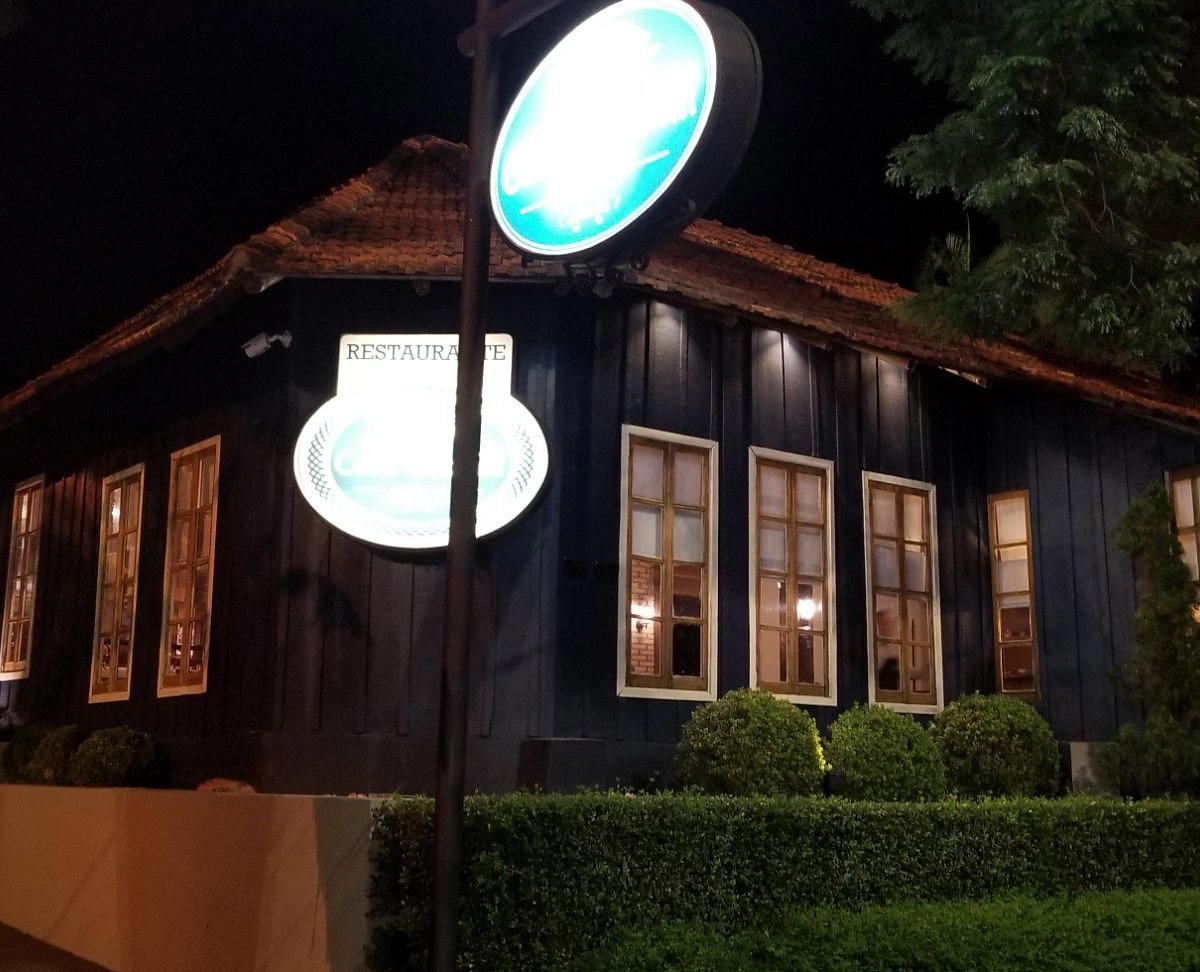
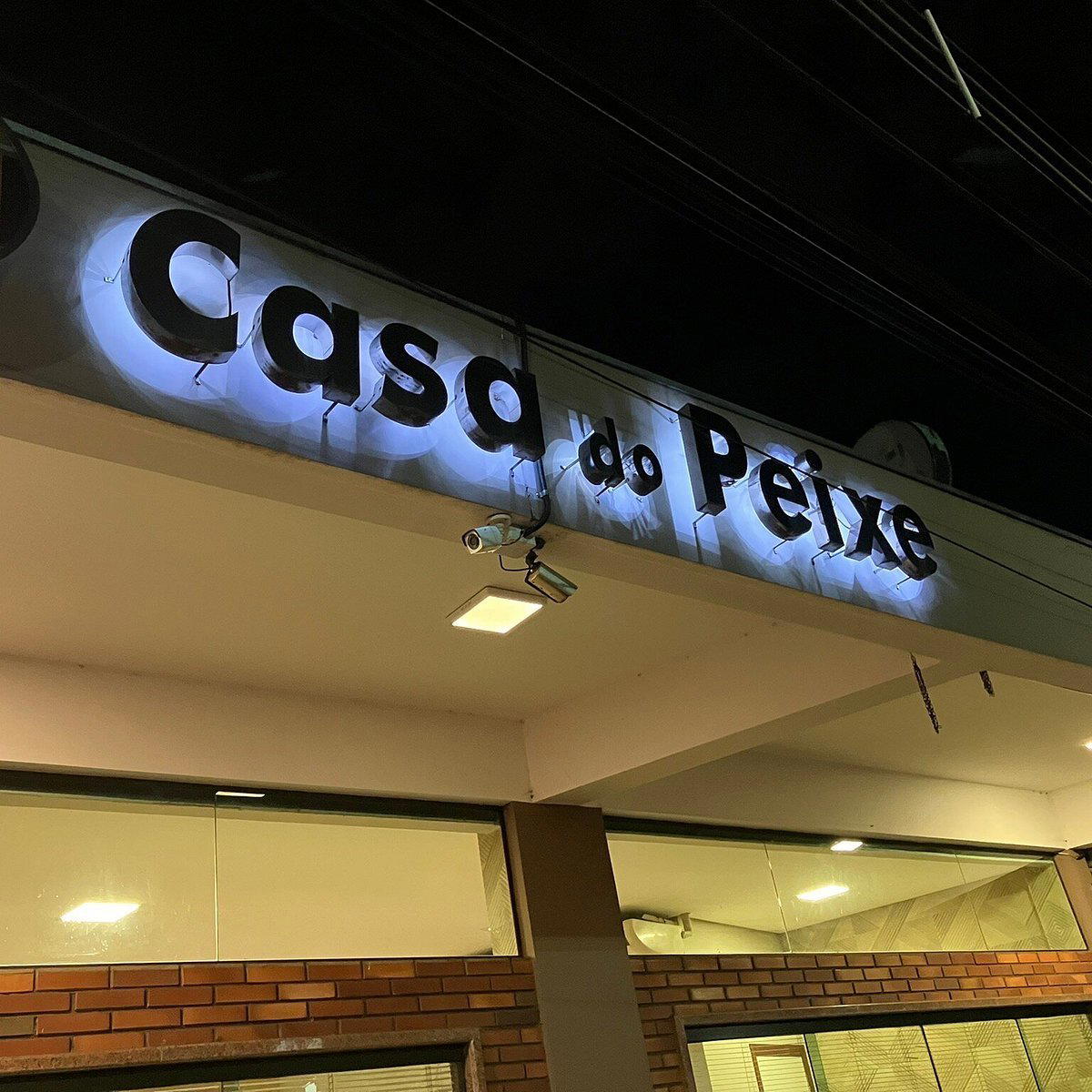
For comparison across Campo Grande's dining options, venues like Casa do Peixe work the local fish supply chain, and Casa Colonial draws on regional meat traditions in a more formal register. Cantina Romana and Pizzaria Romana operate in a directly comparable tier to Giuseppe within the city's Italian-Brazilian casual category, and Sumida Sushi illustrates how the city's dining diversity has expanded beyond its Italian-Brazilian core.
The Chácara Cachoeira Setting and What It Signals
Location shapes expectation. Chácara Cachoeira is a residential bairro, not a dining destination in the way that some of Campo Grande's more central streets are. A pizzaria at this address is serving its immediate community first: families on weeknights, groups on weekend evenings, regulars who return because the product is reliable and the format is familiar. The physical rhythm of such places tends toward the unhurried. Tables fill steadily rather than turning quickly. Orders are placed without performance. The kitchen works to a consistent repertoire rather than a rotating creative menu.
This neighbourhood-anchored model is common across Brazilian interior cities and is worth understanding on its own terms rather than against the metrics of urban fine dining. The relevant comparison is not with Le Bernardin in New York City or Atomix in New York City but with similar neighbourhood anchors across Brazil's mid-sized cities: Cantina Pozzobon in Santa Maria, Famosa Pizza in Ribeirao Preto, or Casa da Flor Restaurante in Dourados, each of which operates a similar function within its local context. Further afield, Aero Burguer e Grill in Santa Cruz Do Sul, Bistro Fitz Carraldo in Manaus, Arte e café Imperial in Angra Dos Reis, Casa da Dika Restô e Eventos in Braganca, and Casa da Picanha Penedo in Itatiaia each reflect regional Brazilian dining as it actually operates outside the major metropolitan restaurant circuits.
Planning a Visit: What to Know Before You Go
Giuseppe Pizzaria sits at R. Dr. Antônio Alves Arantes, 155, Chácara Cachoeira, Campo Grande, MS. The practical advice is to arrive during standard Brazilian dinner hours, which in Campo Grande tend to run from around 7 pm onward on weeknights and earlier on weekend evenings when family groups peak.
Fast Comparison
Comparable venues nearby, for context on price, style, and recognition.
| Venue | Cuisine | Price | Notes |
|---|---|---|---|
| Giuseppe PizzariaThis venue — the venue you are viewing | Rodízio Pizza | $$ | Not listed |
| Cantina Romana | Traditional Italian Pizza & Pasta | $$ | Jardim dos Estados |
| Pizzaria Romana | Traditional Italian Pizza & Pasta | $$ | Jardim dos Estados |
| Sumida Sushi - Campo Grande MS | Traditional Japanese Sushi | $$ | City Center |
| Casa do Peixe | Brazilian Seafood Rodízio | $$ | Amambaí |
| Casa Colonial | Traditional Brazilian Churrascaria | $$ | Campo Grande |
Continue exploring
More in Campo Grande
At a Glance
- Lively
- Cozy
- Group Dining
- Family
- Casual Hangout
Current opening hours
- Monday
- Closed
- Tuesday
- 5:45–11 PM
- Wednesday
- 5:45–11 PM
- Thursday
- 5:45–11 PM
- Friday
- 5:45–11:30 PM
- Saturday
- 5:45–11:30 PM
- Sunday
- 5:45–11 PM
Hours can change for holidays and private events. Last verified .
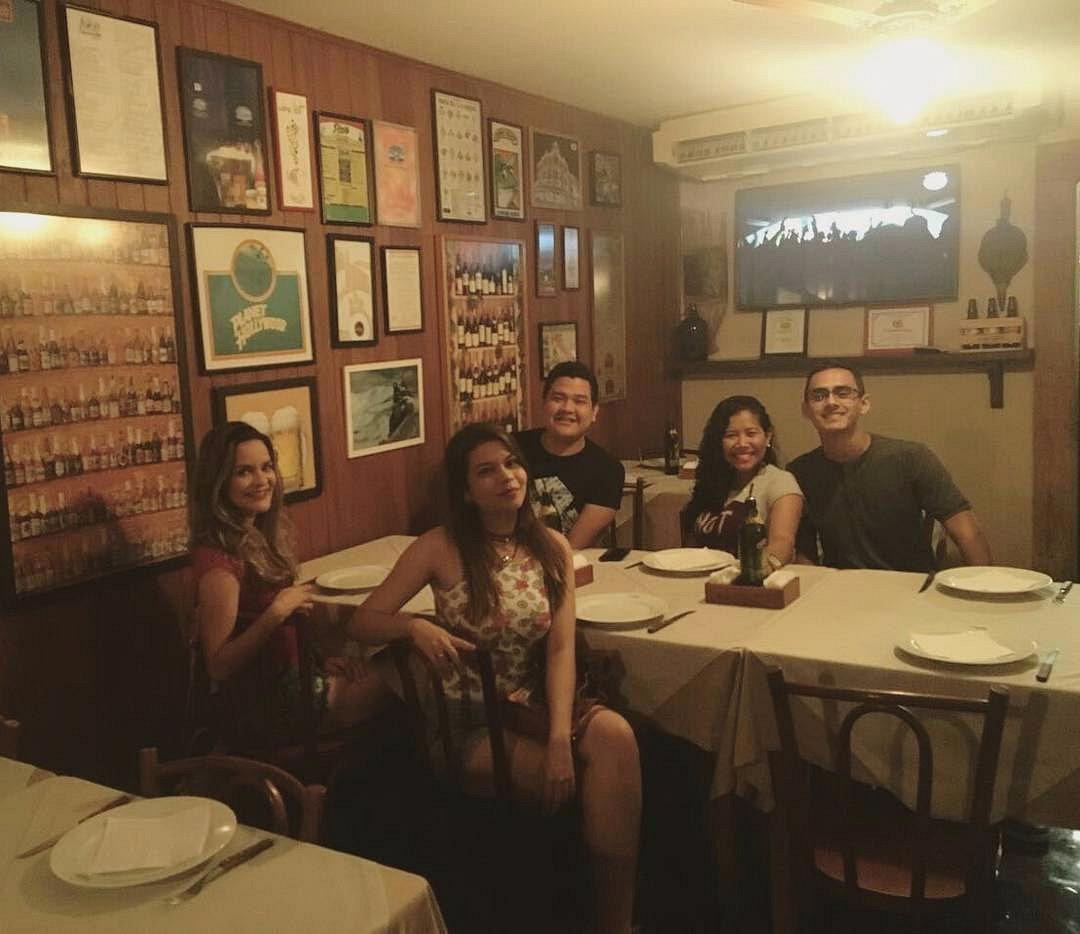
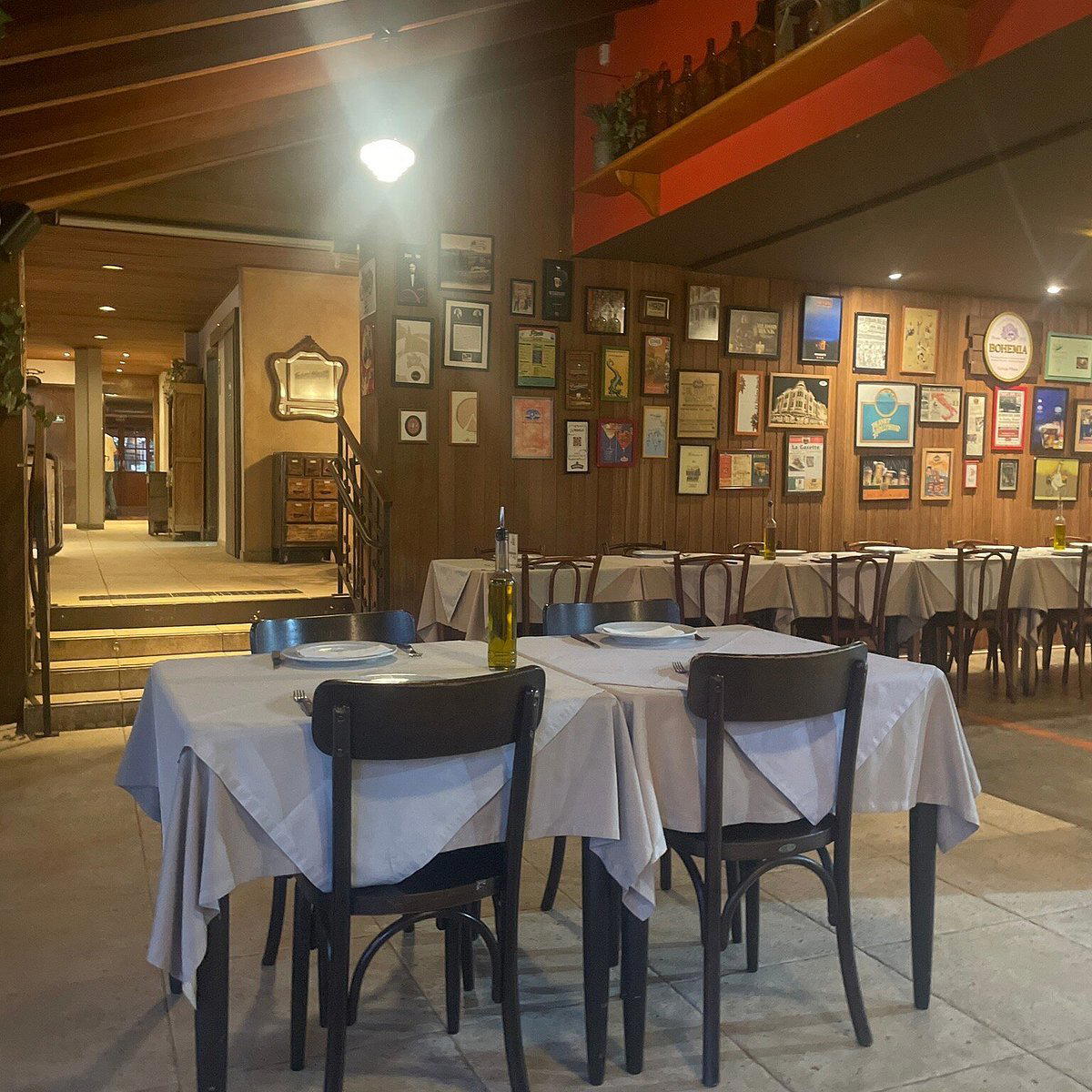
Casual and lively atmosphere focused on all-you-can-eat pizza service with efficient and amiable staff.