Casa do Peixe
Our verdict
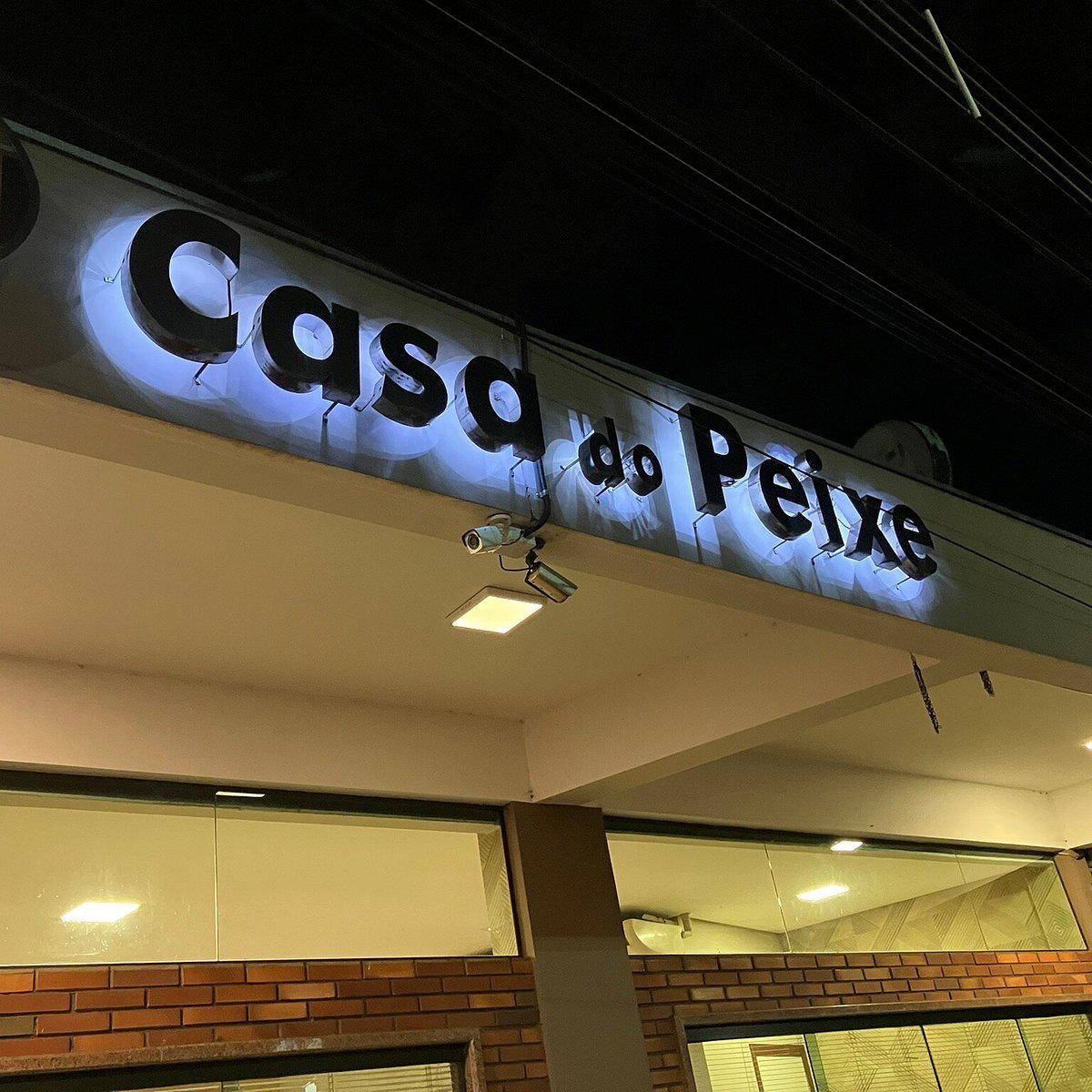
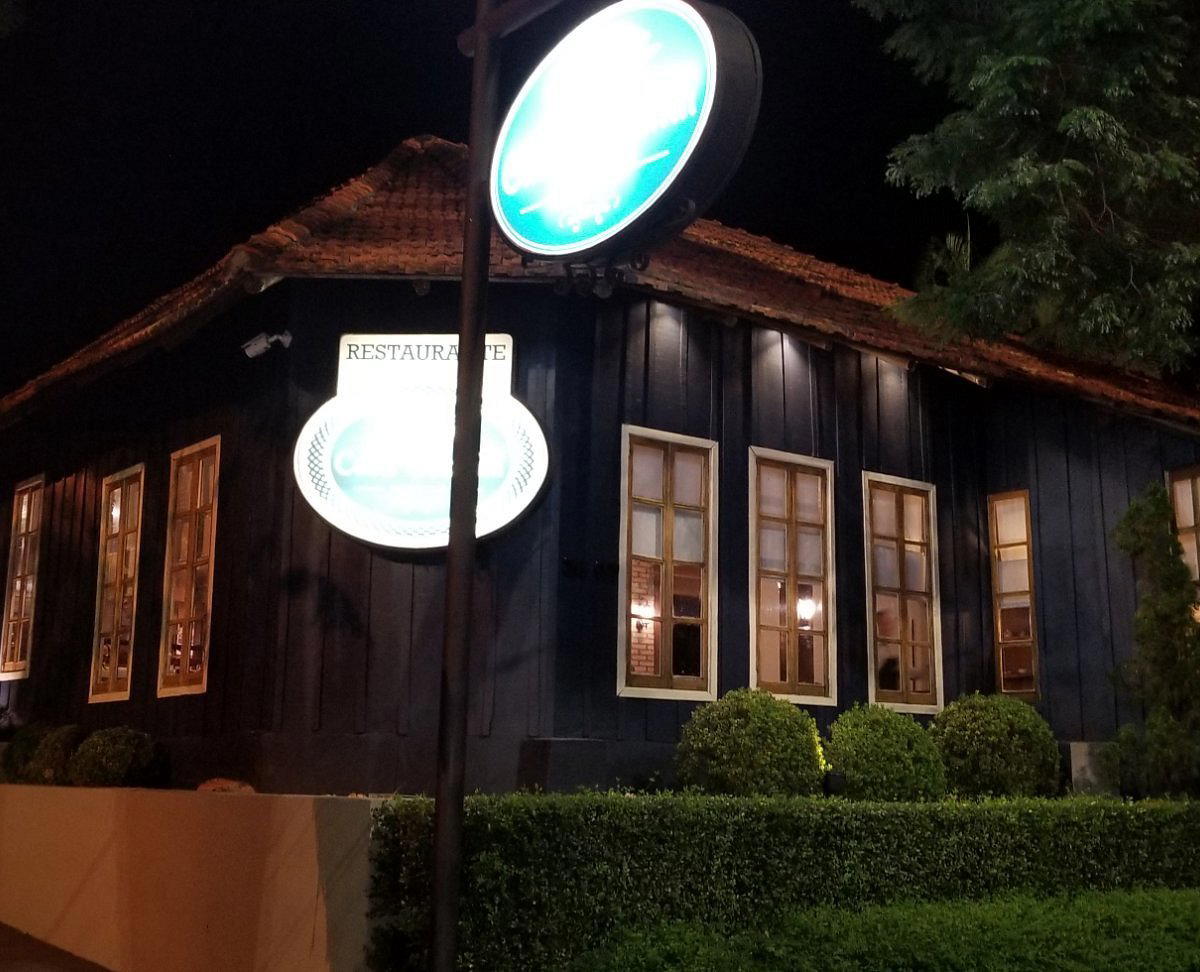
Casa do Peixe sits on Avenida Dr. João Rosa Píres in Campo Grande's Amambai district, positioning itself within the city's fish-focused dining tradition at a time when freshwater cooking is gaining serious attention across Brazil's interior. The name makes the premise clear: this is a house built around fish, in a landlocked capital that has quietly developed its own distinct relationship with river-sourced ingredients.

Pearl is the En Primeur Club membership app, where members save venues, book tables and use the concierge.
The menu
What to order
- Costela de Pacu
- Moqueca de Peixe
- Pintado ao Urucum
Fish in the Interior: What Campo Grande's River Cooking Tradition Actually Means
Brazil's landlocked interior cities have long maintained a complicated relationship with seafood. In Campo Grande, the capital of Mato Grosso do Sul, the reference point is not the Atlantic but the rivers and wetlands of the Pantanal, one of the world's largest tropical wetlands. Pintado, pacu, dourado, piraputanga, these are the species that define freshwater cooking across the region, and they behave differently at the table than their saltwater counterparts. The flesh is denser in some varieties, more delicate in others, and the preparation traditions that have developed around them over generations reflect that specificity. A restaurant called Casa do Peixe, operating in this context, is making a statement about culinary identity: fish here, in this city, prepared in this regional register.
This matters because Campo Grande's dining scene has historically leaned toward meat. The city sits at the edge of cattle country, and churrascarias dominate the popular imagination of what local eating looks like. Places like Cantina Romana and Casa Colonial speak to different traditions, Italian heritage cooking, colonial-era recipes, while Giuseppe Pizzaria, Pizzaria Romana, and Sumida Sushi each represent distinct immigrant culinary strands woven into the city's restaurant culture. Against that mix, a fish house operating from the Pantanal-adjacent tradition holds a specific and distinct position.
The Address and What It Signals
Casa do Peixe operates from Avenida Dr. João Rosa Píres in the Amambai neighbourhood, a working district in the western part of Campo Grande that tends to attract restaurants built around function rather than fashion. Amambai is not the city's high-design corridor. Restaurants that succeed there do so on the basis of product, portion, and consistency, the kind of local credibility that takes years to accumulate and is difficult to manufacture. A fish restaurant on this street is drawing a clientele that knows what it wants and returns because the kitchen delivers.
The full address, Av. Dr. João Rosa Píres, 1030, places it within easy reach from the city centre, a short drive from the urban core that makes it accessible without being positioned as a tourist destination. This is, by its geography and neighbourhood character, a restaurant for residents first. That dynamic tends to produce a different quality of regularity: the menu is calibrated for repeat visits, not single occasions.
How a Meal at a Brazilian Fish House Actually Unfolds
The dining ritual at a regional fish restaurant in the Brazilian interior follows rhythms distinct from the coastal seafood house. There is typically no single heroic centrepiece dish ordered for dramatic effect; instead, the meal builds through shared portions, cold preparations to open, fried or grilled fish as the structural anchor, and side dishes, rice, farofa, vinagrete, that are taken as seriously as the protein. Freshwater fish cookery in Mato Grosso do Sul prizes texture and seasoning over sauce complexity. The Pantanal pintado, for instance, is prized for its mild, clean flavour, which means that preparation decisions carry considerable weight: over-seasoned or overcooked fish telegraphs the kitchen's limitations immediately.
At restaurants operating in this tradition, the pacing tends to be unhurried. Portions arrive to be shared. The drink is likely to be a cold beer or something from the regional softdrink culture, and the table conversation extends well past the last bite. This is not a format designed for a quick stop. The implicit contract between kitchen and table is that time is available and food is the occasion. For the visitor arriving from cities where the dining ritual at fish-focused rooms has taken on the compressed precision of Le Bernardin in New York City or the communal-tasting ceremony of Lazy Bear in San Francisco, the interior Brazilian fish house offers a different, more informal pacing, one rooted in abundance rather than curation.
Where Casa do Peixe Sits in Brazil's Broader Fish Restaurant Conversation
Brazil's serious fish and seafood cooking has traditionally been concentrated on the coasts and in a handful of metropolitan centres. Oteque in Rio de Janeiro operates at the high-technique end, while D.O.M. in São Paulo brought Amazonian and interior ingredients into fine dining conversations long before it became a common move. Regional cooking from Brazil's interior, Minas Gerais, the Cerrado, the Pantanal, has gained critical attention more recently, with places like Birosca S2 in Belo Horizonte and Orixás in Itacaré demonstrating how local ingredient traditions can anchor a distinct kitchen identity. Elsewhere in Brazil, restaurants from Mina in Campos do Jordão to Manu in Curitiba are drawing sustained editorial attention for similar reasons: a commitment to regional specificity over generic cosmopolitan formats.
Casa do Peixe, operating in Campo Grande, sits within this broader movement even if it is not positioned as a fine dining statement. The interest in what the Pantanal's rivers produce is not a local phenomenon anymore, it is part of a national conversation about what Brazilian cooking actually is when it draws from its own geography rather than imported frameworks. A fish house on Avenida Dr. João Rosa Píres is a participant in that conversation whether it intends to be or not. For the full picture of what Campo Grande's restaurant culture looks like beyond this address, our full Campo Grande restaurants guide maps the city's dining options across formats and price tiers.
Planning Your Visit
Reaching Casa do Peixe requires no particular navigation difficulty. The Amambai address is accessible by car from the city centre in under fifteen minutes under normal conditions, and the neighbourhood is served by major arterial routes. As with most fish-focused restaurants operating in regional Brazilian cities, the practical recommendation is to arrive hungry and with time allocated, the format rewards a slow table rather than a pressed schedule. Because specific booking information, hours, and pricing are not published centrally, the most reliable approach is to contact the restaurant directly or check for current details through local listings before travelling specifically to dine here. This applies particularly to visitors arriving from outside Campo Grande who may be incorporating this stop into a broader Mato Grosso do Sul itinerary alongside sites like the Pantanal access points or the city's central market. Other restaurants in the broader Brazilian dining circuit worth considering on a longer trip include State of Espírito Santo in Rio Bananal, Castelo Saint Andrews in Gramado, Olivetto Restaurante e Enoteca in Campinas, and Primrose in Gramado, each occupying a distinct regional niche across the country's dining geography.
Frequently asked questions
Where is Casa do Peixe in Campo Grande?
Casa do Peixe is located at Av. Dr. João Rosa Píres, 1030 - Amambai, Campo Grande - MS, 79008-050, Brazil, Campo Grande.
How does dining at Casa do Peixe differ from a coastal seafood restaurant in Brazil?
Casa do Peixe sits in Campo Grande, the landlocked capital of Mato Grosso do Sul, where the fish tradition draws on rivers rather than the ocean. The species on the plate here, typical of the Pantanal basin and central Brazilian waterways, are freshwater fish largely absent from coastal menus in Rio de Janeiro or Salvador. That geographic separation produces a cuisine with its own regional logic, one shaped by the interior pantaneiro food culture rather than by Atlantic fishing ports.
What dish is Casa do Peixe famous for?
Casa do Peixe operates within Campo Grande's river fish tradition, where freshwater species from the Pantanal and Paraná basin waterways form the backbone of the menu. Preparations at this style of interior Brazilian fish house typically centre on whole-cooked or grilled river fish, served alongside rice, farofa, and regional accompaniments.
Should I book Casa do Peixe in advance?
Casa do Peixe is located at Av. Dr. João Rosa Píres, 1030 in the Amambai neighbourhood of Campo Grande, a working district with a local rather than tourist-driven clientele. Fish houses in this part of Brazil tend to fill quickly at weekend lunchtimes, which is the peak dining hour for the format in Mato Grosso do Sul. Booking ahead, particularly for groups, is a practical precaution even if the venue does not operate a formal reservations system.
What's Casa do Peixe best at?
The strongest case for Casa do Peixe rests on its position within Campo Grande's river fish cooking tradition, a regional practice distinct from Brazil's coastal seafood culture. Interior fish houses in this part of Mato Grosso do Sul have maintained preparation methods tied to Pantanal and local river catches, which differ substantially from what you find in São Paulo or Rio de Janeiro fish restaurants. That specificity of place and ingredient source is the defining characteristic of this style of dining.
Cuisine-First Comparison
Comparable venues nearby, for context on price, style, and recognition.
| Venue | Cuisine | Price | Notes |
|---|---|---|---|
| Casa do PeixeThis venue (the venue you are viewing) | Brazilian Seafood Rodízio | Not listed | Not listed |
| Casa Colonial | Traditional Brazilian Churrascaria | $20–30 | Not listed |
| Cantina Romana | Traditional Italian Pizza & Pasta | $10–20 | Jardim dos Estados |
| Pizzaria Romana | Traditional Italian Pizza & Pasta | $10–20 | Jardim dos Estados |
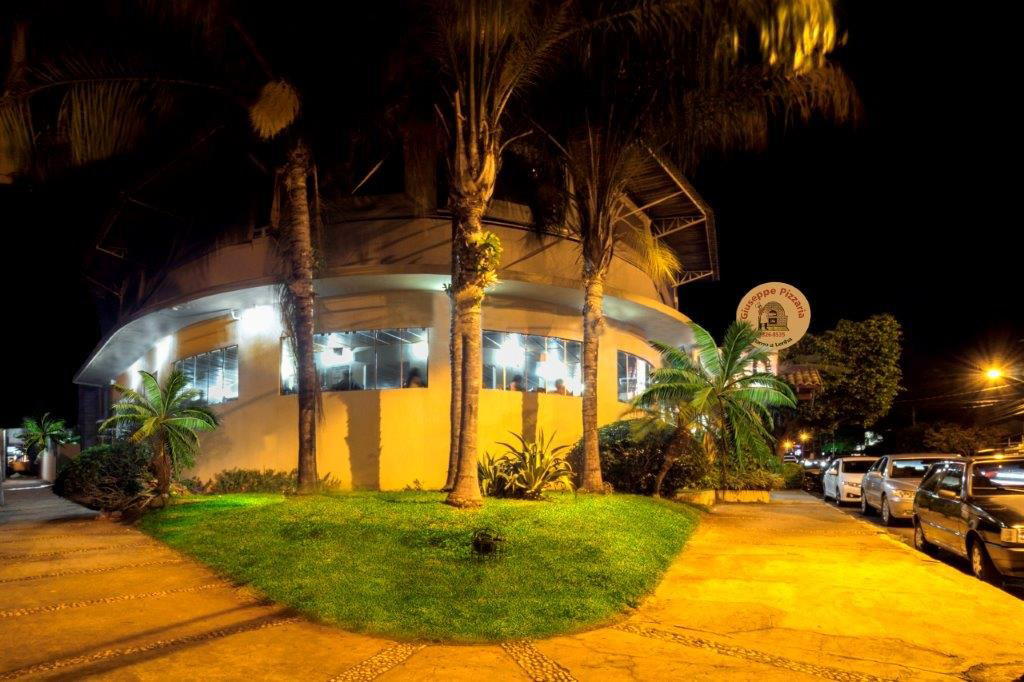
| Giuseppe Pizzaria | Rodízio Pizza | $10–20 | Chacara Cachoeira |
| Sumida Sushi - Campo Grande MS | Traditional Japanese Sushi | Not listed | City Center |
Continue exploring
More in Campo Grande
Details
- Rustic
- Cozy
- Family
- Group Dining
- Casual Hangout
- Open Kitchen
- Local Sourcing
- A La Carte
- Pescatarian Friendly
Current opening hours
- Monday
- Closed
- Tuesday
- 11 AM–2:30 PM, 6–10:30 PM
- Wednesday
- 11 AM–2:30 PM, 6–10:30 PM
- Thursday
- 11 AM–2:30 PM, 6–10:30 PM
- Friday
- 11 AM–2:30 PM, 6–10:30 PM
- Saturday
- 11 AM–3 PM, 6–10:30 PM
- Sunday
- 11 AM–3 PM
Hours can change for holidays and private events. Hours as of .
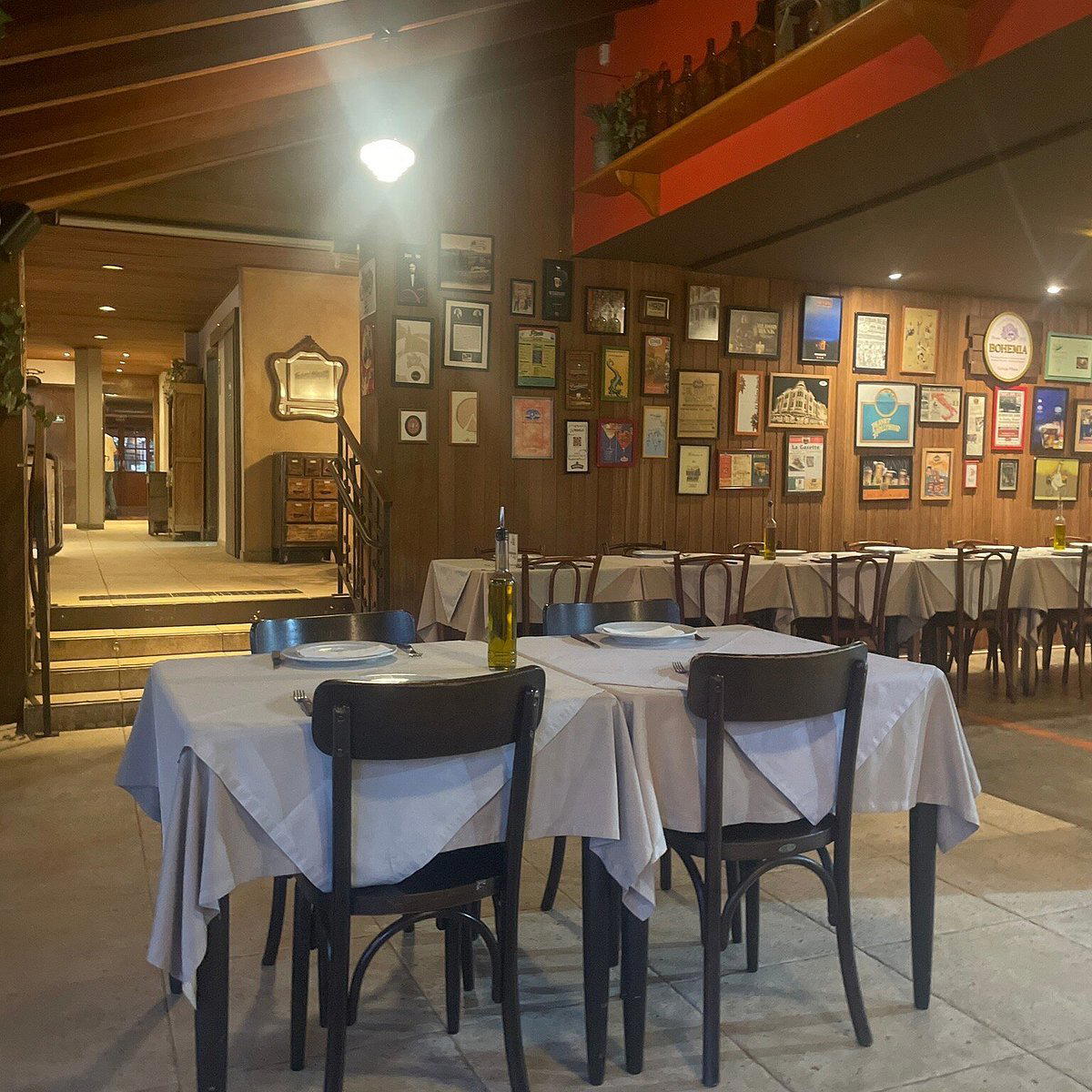
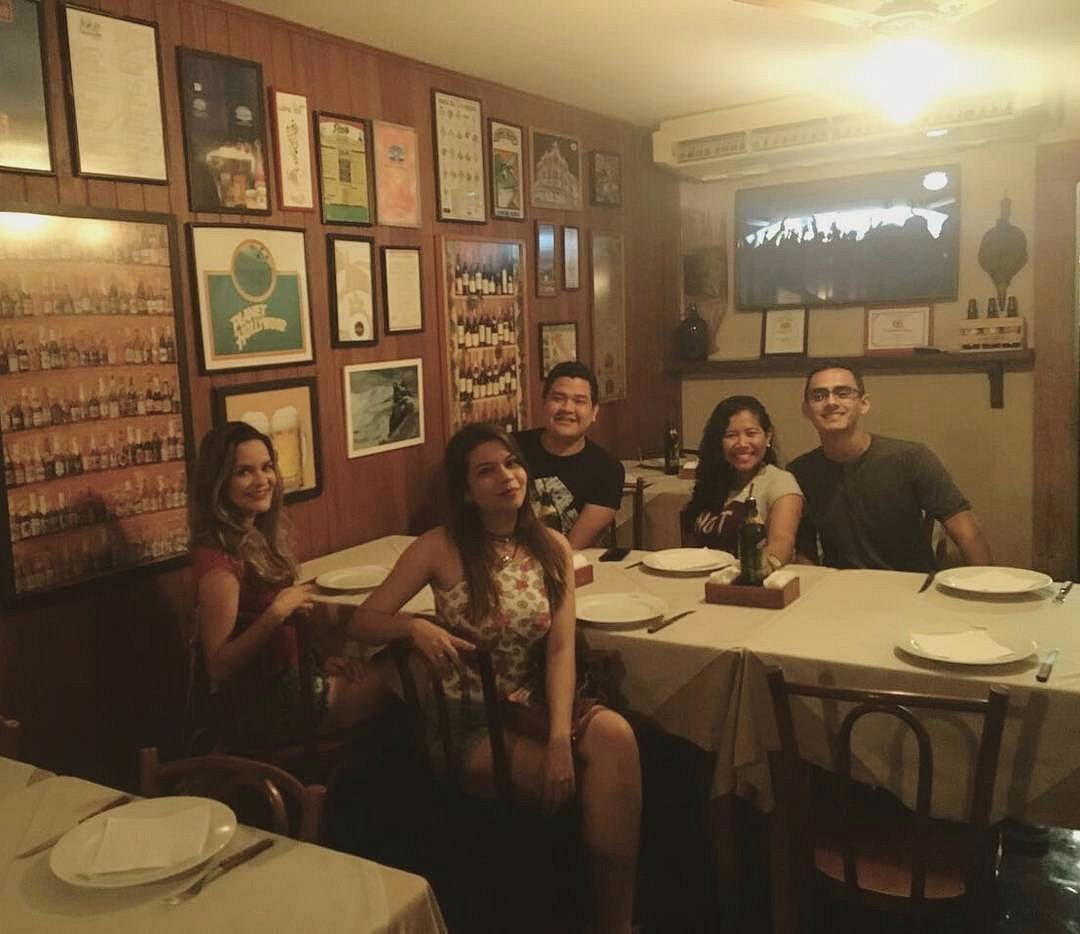
Simple yet welcoming atmosphere with a focus on quality food and variety in a casual, family-friendly setting.