
Tori Yaki Saji belongs to Osaka’s tighter, more adult chicken-cuisine tier: compact, late-running, and built around the concentration of grilled chicken rather than a broad izakaya spread. Its 2025 Tabelog 100 selection for chicken cuisine, 18-seat scale, counter seating, and Kitashinchi address place it in the city’s serious after-dark dining circuit without pushing it into formal tasting-menu territory.
Pearl is the En Primeur Club membership app — saves, bookings, and concierge access live there. Same editors, same standards.
- Address
- 大阪府大阪市北区堂島1-3-17 スリ-エイトビル 3F
- Phone
- +81663437332
- Website
- tabelog.com
 Saves & bookings on Pearl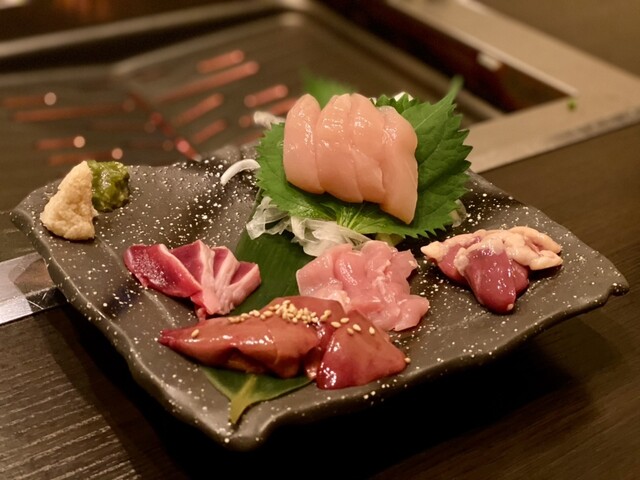
Kitashinchi changes texture after office hours: streets around Dojima narrow into elevator lobbies, third-floor rooms, soft signage, and late dinners that run well past first drinks. Here, chicken cuisine in Osaka is not a casual default; at its sharper end, it studies heat control, smoke, seasoning, pacing, and how tightly a small room can focus attention on the grill.
Tori Yaki Saji belongs to that grammar. The address is a building-floor address in Dojima, the room is compact at 18 seats with counter seating and two tables, and the category is explicitly chicken dishes and yakitori. Osaka offers many after-dark options, from batter and beef to noodles and curry, but a selected chicken-cuisine room in Kitashinchi asks for another read: less volume, more sequence, and a drink list able to carry smoke, salt, and fat without flattening the meal.
Kitashinchi's late-room logic, seen through chicken and charcoal
Osaka dining is often reduced to street-level appetite, yet Kitashinchi follows another code. Its strength is density, not spectacle. Restaurants stack vertically, rooms stay small, and the evening economy rewards serious dinner without hotel-dining ceremony. Yakitori and broader chicken cookery occupy useful middle ground: intimate enough for counter attention, flexible enough for sake, shochu, wine, or cocktails, and structured enough for the grill to organize the meal.
The recognition signal is clear. Tori Yaki Saji was selected for the Tabelog 100 Chicken Cuisine list in 2025, with a Tabelog score of 3.58. Tabelog’s Hyakumeiten lists are useful in Japan because they reflect category-specific strength rather than generic luxury. For travelers sorting Osaka tables, that distinction matters: this is not framed as an all-purpose fine-dining room, but as part of a narrower chicken-cuisine conversation where technique, pacing, and repeat local demand carry weight.
Compared with Osaka’s other premium specialist formats, the appeal is discipline rather than breadth. Kitashinchi Kushikatsu Bon represents the kushiage end of the same neighborhood appetite: skewers, sequence, adult pricing, and a different frying tradition. Onomichi Murakami, listed at JPY 3,000 to JPY 3,999, points to a more accessible bracket. Synergy, listed below JPY 999, sits in another day-to-day register. Against them, Tori Yaki Saji’s JPY 10,000 to JPY 14,999 dinner range places it in a higher-intent evening category, less about convenience than choosing a focused format.
The room favors concentration over ceremony
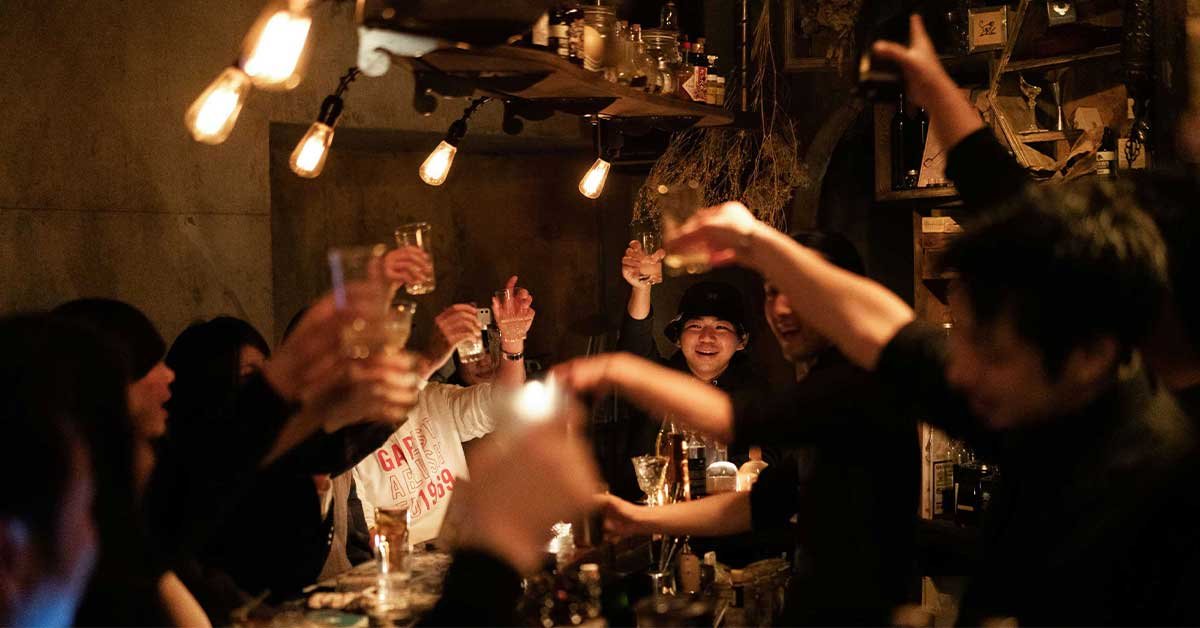
Scale is the useful clue. Eighteen seats changes dinner’s rhythm. A counter-led chicken room does not need grand architecture; sightline to the cooking area, the stop-start cadence of skewers or grilled pieces, and proximity to other diners do the work. In Osaka, such compactness is part of a high-functioning restaurant culture. Small rooms let specialization survive, especially in categories dependent on timing rather than elaborate plating.
The sensory register follows the category. Chicken cookery at this level lives in gradations: skin against heat, lean cuts against seasoning, smoke against clear spirits, and the interval between pieces. The drinks list reinforces range instead of forcing one pairing route. Sake and shochu keep the meal in a Japanese idiom; wine and cocktails give diners acidity, dilution, or aromatics beside the grill. That spread is common in serious modern yakitori rooms, where beverage programs have moved beyond beer-only informality.
Smoking is allowed, which is not a footnote for international travelers. It changes the atmosphere and, for some diners, will define the room as much as the grill. Japan’s revised Health Promotion Act has made smoking status more explicit across restaurants, but legacy nightlife districts still contain adult rooms where smoke remains part of the evening. Readers preferring a sealed non-smoking dining room should factor that in before chasing the award signal.
The absence of private rooms also tells the story. This is not a compartmentalized business-dinner suite; it is a shared room with counter energy. Private use is available for up to 20 people, effectively turning the room into a controlled group setting. For most travelers, the more interesting format is a smaller booking, where concentration is the point and the meal need not compete with a large-party agenda.
Where it fits in an Osaka eating itinerary
For visitors building an Osaka restaurant map, the restaurant works better as an evening anchor than a checkbox between daytime stops. Kitashinchi sits close to business and nightlife circuits, and the format suits diners who have spent the day in Osaka’s louder registers. Treat it as the serious chicken dinner after a morning of bakeries, casual counters, or neighborhood cafés, not as a place meant to satisfy every Osaka craving at once.
That contrast is part of the city’s pleasure. The EP Club Osaka archive ranges from café and bakery addresses such as .cafe and 52CHO-ME BAKERY to mass-popular local staples like 551 Horai (551蓬莱). It also includes Western-leaning rooms such as 99 Pizza Napoletana Gourmet and a canto (Italian). Together, they show why Osaka resists one dining identity: the city moves from commuter snacks to specialist counters without treating either as secondary.
For broader planning, use Our full Osaka restaurants guide alongside Our full Osaka hotels guide, Our full Osaka bars guide, Our full Osaka wineries guide, and Our full Osaka experiences guide. The wider Japan file helps calibration too: -Grilled beef Sukiyaki- KAMAKURA TANUKIAN 鎌倉 たぬき庵 in Kamakura frames beef tradition differently. 鮪と炭火焼き うお炭 秋葉原店 in Tokyo shifts charcoal toward seafood.know in Kumamoto and (Shoku) Vietnam in Kawasaki show regional breadth, while [Curry Senmon Ten] Maruyama Kyoju. in Sapporo and [ki:] in Kyoto pull the map into other specialist traditions. Outside Japan, Jōdo Saké Bar in Los Angeles and Onigiri Time in Pasadena show how Japanese formats travel when removed from native dining rhythms.
The editorial case is simple: choose this room for Osaka after dark, a compact counter, and chicken cookery treated as specialist discipline. The award gives validation, the price band signals a serious dinner, and Kitashinchi supplies the correct after-hours frame. It is not the broadest way to eat Osaka; it is a precise one.
Comparison Snapshot
Comparable venues at the same tier for side-by-side context.
| Venue | Cuisine | Price | Notes |
|---|---|---|---|
| Tori Yaki Saji | Yakitori & Chicken Grill | $$$ | Kita |
| Ryobo | Yakitori Omakase Counter | $$$ | Chūō |
| Noro | Classic Yoshoku (Japanese Western-style) | $$$ | Chūō |
| Unagiya Unagi | Traditional Kansai-style unagi (eel) counter | $$$ | Yodogawa |
| Unagi no Uoi Honten | Traditional Osaka charcoal-grilled unagi | $$$ | Asahi |
| Yakiniku Futoro | Casual Wagyu Yakiniku Counter | $$$ | Kita |
Recognition history
Dated appearances from independent guides and award organizations, with the underlying list record or original source where available.
Tabelog 100 #68 · No. 68
Tabelog · Tabelog 100 - Chicken cuisine - 2025
Continue exploring
More in Osaka
Restaurants in Osaka
Browse all →




Bars in Osaka
Browse all →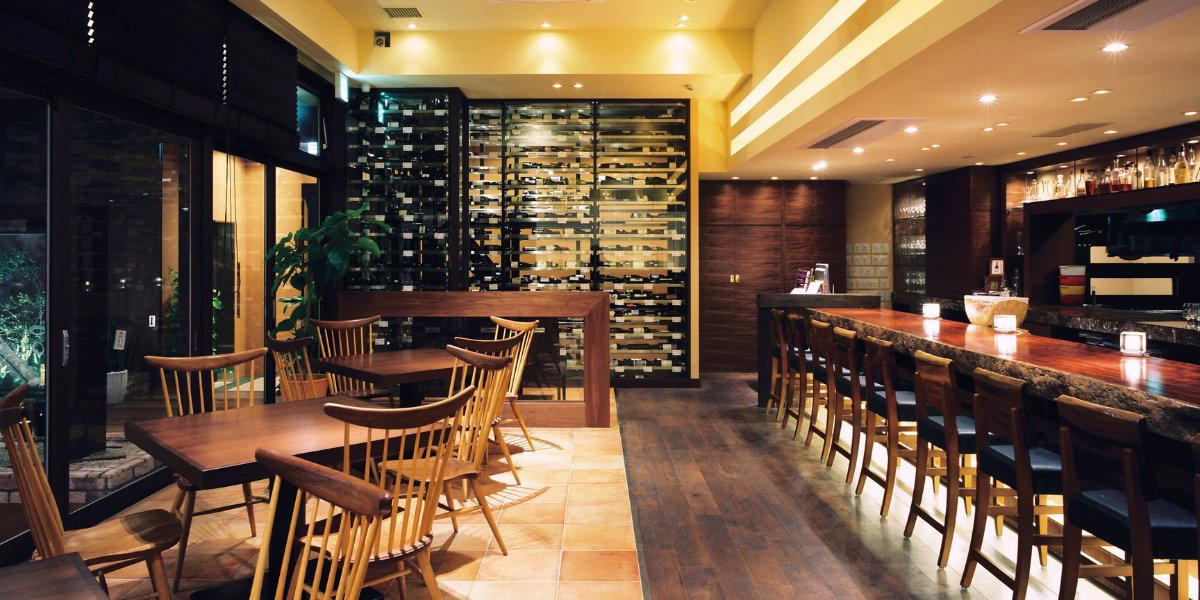

Hotels in Osaka
Browse all →




Wineries in Osaka
Browse all →
At a Glance
- Cozy
- Trendy
- Intimate
- After Work
- Casual Hangout
- Group Dining
- Late Night
- Date Night
- Chefs Counter
- Standalone
- Sake Program
A small, stylish third-floor hideout with counter-centric seating, softly lit and relaxed, described as a cozy, adult space suited to friends and late-night diners rather than families.