Suiyo Ekushibu hakone rikyuu

Hotel dining in Hakone often splits between ryokan ritual and resort polish; Suiyo Ekushibu hakone rikyuu belongs to the latter camp, with Chinese cuisine inside XIV Hakone Rikyu in Miyanoshita. Its Tabelog Chinese EAST “Tabelog 100” selections in 2021, 2023, 2024, and 2026 place it in a tighter regional conversation than the usual onsen-town dinner option.
Pearl is the En Primeur Club membership app — saves, bookings, and concierge access live there. Same editors, same standards.
- Address
- 神奈川県足柄下郡箱根町宮ノ下112-2 エクシブ箱根離宮
- Phone
- +81460850112
- Website
- rtg.jp
 Saves & bookings on Pearl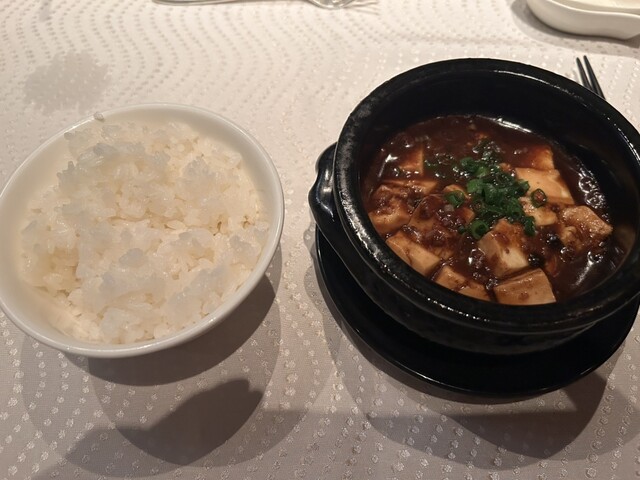
Approaching Chinese cooking in Hakone means resetting expectations. This is not Yokohama Chinatown’s street-level density or Tokyo’s counter-driven precision theatre; the mountain-resort setting pushes the meal toward composed pacing, private-room usefulness, and a dining room designed for guests who may be folding dinner into an onsen stay rather than crossing town for a single plate. Within that context, Suiyo Ekushibu hakone rikyuu sits inside XIV Hakone Rikyu in Miyanoshita, where the hotel-restaurant format matters as much as the cuisine label.
Hakone’s food culture is built on geography before genre. The area’s appeal lies in hot springs, steep valleys, rail access, and long-established inns, so restaurants have to serve mixed itineraries: couples staying overnight, families moving between museums and baths, groups looking for a private room, and travellers who want a serious dinner without returning toward Odawara or Tokyo. Chinese cuisine in this setting has a different job from a city specialist. It has to carry ceremony, comfort, and range, while still giving enough technical weight to justify a higher spend.
Chinese cooking adapted to Hakone's resort rhythm
The restaurant’s strongest editorial signal is recognition rather than biography. It was selected for Tabelog Chinese EAST “Tabelog 100” in 2021, 2023, 2024, and 2026, a useful marker because the EAST field reaches far beyond Hakone’s compact dining market. That does not make the room comparable to every urban Chinese counter in Tokyo, but it does place the kitchen inside a regional quality set rather than only among hotel restaurants in Ashigarashimo-Gun.
The ingredient-sourcing question in Hakone is less about a single named farm than about how mountain travel changes appetite. Visitors often arrive after rail transfers, museum stops, or a bath; the format rewards food that can move across seafood, vegetables, sauces, and shareable courses without turning dinner into a endurance test. Chinese cuisine is well suited to that resort brief because it can scale from family-style comfort to formal progression, and the private-room structure supports both. The better read here is not a chef-driven manifesto, but a resort Chinese table calibrated for multi-generational use and destination dining.
That positioning becomes clearer against local peers. Sumibi Teppan Yaki Toki sits in a similar dinner spend bracket, but teppanyaki narrows the experience around grill performance and premium proteins. PICOT and Watanabe Bakery occupy a much lighter daily-use tier, the kind of stop that makes sense between train schedules or sightseeing rather than as the anchor meal of a stay. The point is not that one format replaces another; Hakone works because these layers coexist. A breakfast bun, a tea-house pause, and a formal dinner answer different parts of the same itinerary.
Miyanoshita is built for planned meals, not casual wandering
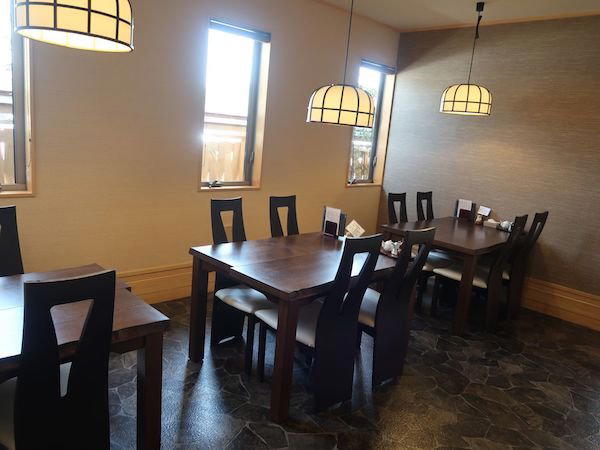
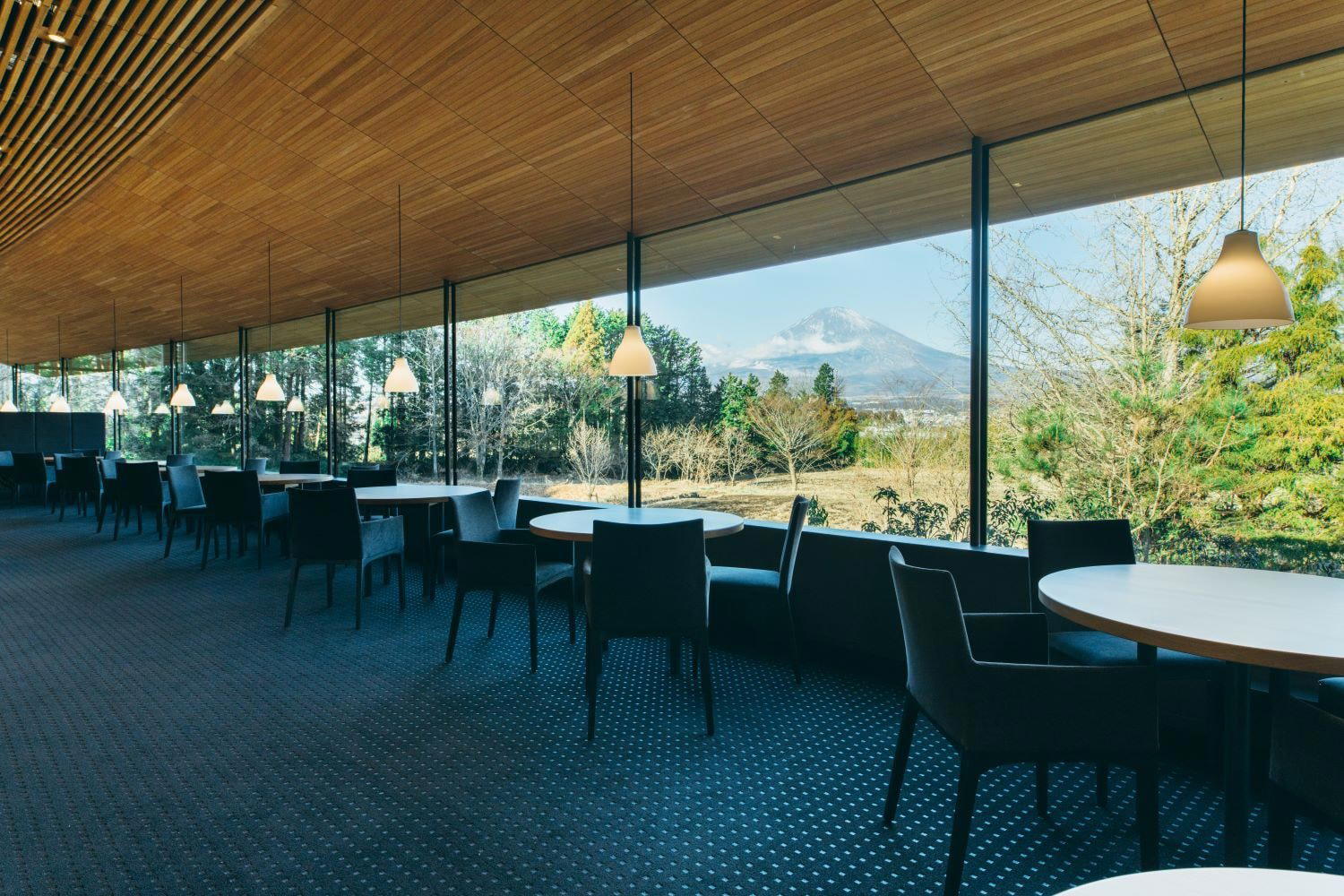
Miyanoshita has always felt more structured than spontaneous. The rail line, old hotel culture, and hillside geography make meals a matter of planning, especially for travellers staying outside the immediate area. A hotel dining room with 52 seats, non-smoking policy, parking, and private rooms for four- and ten-person groups fits that terrain. It also explains why the restaurant is better understood as a planned dinner or composed lunch than as a casual drop-in between attractions.
The price band reinforces that reading. Lunch sits at JPY 8,000 to JPY 9,999, while dinner moves into JPY 20,000 to JPY 29,999, with a 10% service charge listed. In Hakone, that puts dinner in the occasion-led category, but not in a vacuum: ryokan kaiseki, teppanyaki, and hotel French can all compete for the same evening. Chinese cuisine offers a different solution, particularly for groups that want breadth and private-room flexibility without committing to the ritual structure of kaiseki.
For travellers mapping the wider area, the restaurant makes sense as one node in an Ashigarashimo-Gun route rather than a stand-alone trophy. Traditional refreshment at Amazake Chaya, sweets at Cha no Chimoto or Chimoto Ekimae doori ten, baking at Bread & Circus, and regional dining at Arai Shoten show how broad the local table can be. For broader planning, use Our full Ashigarashimo-Gun restaurants guide alongside Our full Ashigarashimo-Gun hotels guide, Our full Ashigarashimo-Gun bars guide, Our full Ashigarashimo-Gun wineries guide, and Our full Ashigarashimo-Gun experiences guide.
Where it fits in a Japan dining itinerary
Travellers often misread resort restaurants in Japan by applying the same criteria used for city dining. In Tokyo or Osaka, scarcity, counter seats, chef visibility, and a tightly scripted menu often define the conversation. In Hakone, the more relevant questions are practical and social: can the room handle children, a group, a slower evening, and the logistics of a mountain stay while preserving enough culinary seriousness? Here, the repeated Tabelog 100 Chinese EAST selection gives the answer weight.
That also makes the restaurant useful for visitors building a wider Japan route. A trip might move from beef-focused dining such as -Grilled beef Sukiyaki- KAMAKURA TANUKIAN 鎌倉 たぬき庵 in Kamakura to casual urban cooking at. 鮪と炭火焼き うお炭 秋葉原店 in Tokyo, café culture at.cafe in Osaka, or regional stops such as.know in Kumamoto, (Shoku) Vietnam in Kawasaki, and [Curry Senmon Ten] Maruyama Kyoju. in Sapporo. Seen that way, Suiyo Ekushibu hakone rikyuu is not trying to mimic a metropolis. It gives Hakone a formal Chinese option with hotel infrastructure, a higher dinner tariff, and recognition that travels beyond the valley.
International travellers extending the same food-first logic across the Pacific may also compare how Japanese formats translate abroad, from Jōdo Saké Bar in Los Angeles to Onigiri Time in Pasadena. The contrast is instructive: overseas Japanese dining often explains itself through concept and identity, while Hakone’s stronger meals tend to be embedded in place, transport, and lodging. This restaurant belongs to that second model. Its value is clearest when dinner is part of a mountain stay, not a detached reservation hunt.
Snapshot
Comparable venues by cuisine and price in the same metro.
| Venue | Cuisine | Price | Notes |
|---|---|---|---|
| Suiyo Ekushibu hakone rikyuuThis venue — the venue you are viewing | Traditional Chinese in a luxury Hakone resort | $$$ | Not listed |
| THE HIRAMATSU HOTELS&RESORTS Sengokuhara | Italian Fine Dining | $$$$ | Sengokuhara |
| Bread & Circus | Japanese Bakery Café | $$ | Yugawara-machi |
| Sumibi Teppan Yaki Toki | Teppanyaki & Charcoal-Grilled Japanese | $$$ | / Ashigarashimo-gun |
| Chinese Suiyo | Refined Chinese restaurant in a luxury resort | $$$ | Not listed |
| HERLEQUIN BIS | French Fine Dining | $$$ | Hakone-machi |
Recognition history
Dated appearances from independent guides and award organizations, with the underlying list record or original source where available.
Tabelog 100 #7 · No. 7
Tabelog · Tabelog 100 - Chinese cuisine - EAST - 2026
Continue exploring
More in Ashigarashimo-Gun
Restaurants in Ashigarashimo-Gun
Browse all →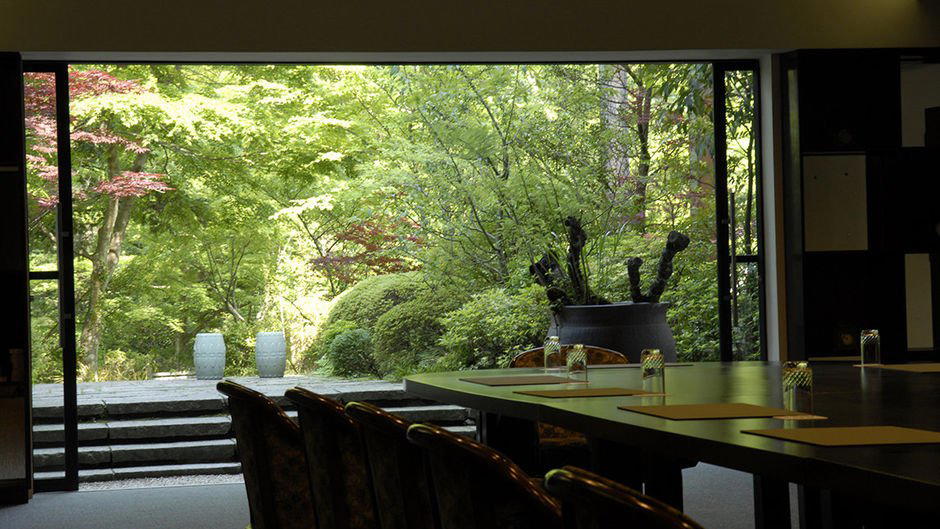
At a Glance
- Elegant
- Classic
- Cozy
- Family
- Group Dining
- Date Night
- Business Dinner
- Special Occasion
- Hotel Restaurant
- Private Dining
- Mountain
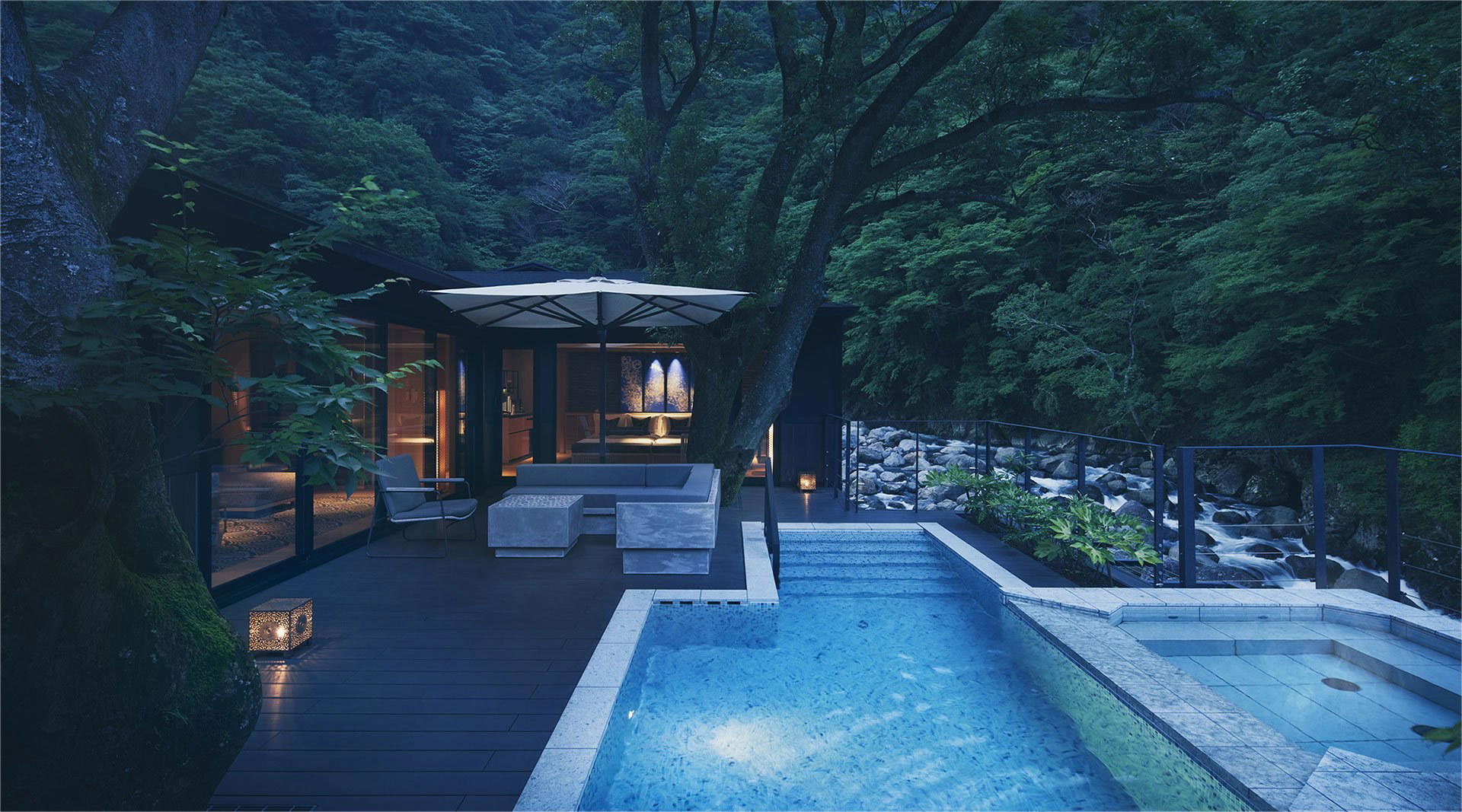
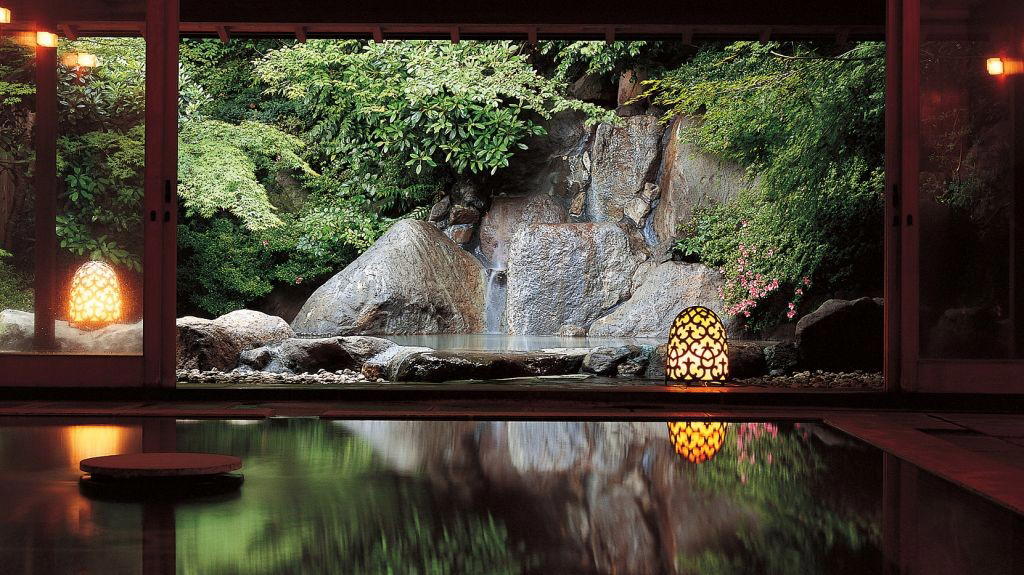
Hotel-style Chinese dining with a refined, classic atmosphere and comfortable, relaxed pacing suited to families and resort guests.