THE HIRAMATSU HOTELS&RESORTS Sengokuhara

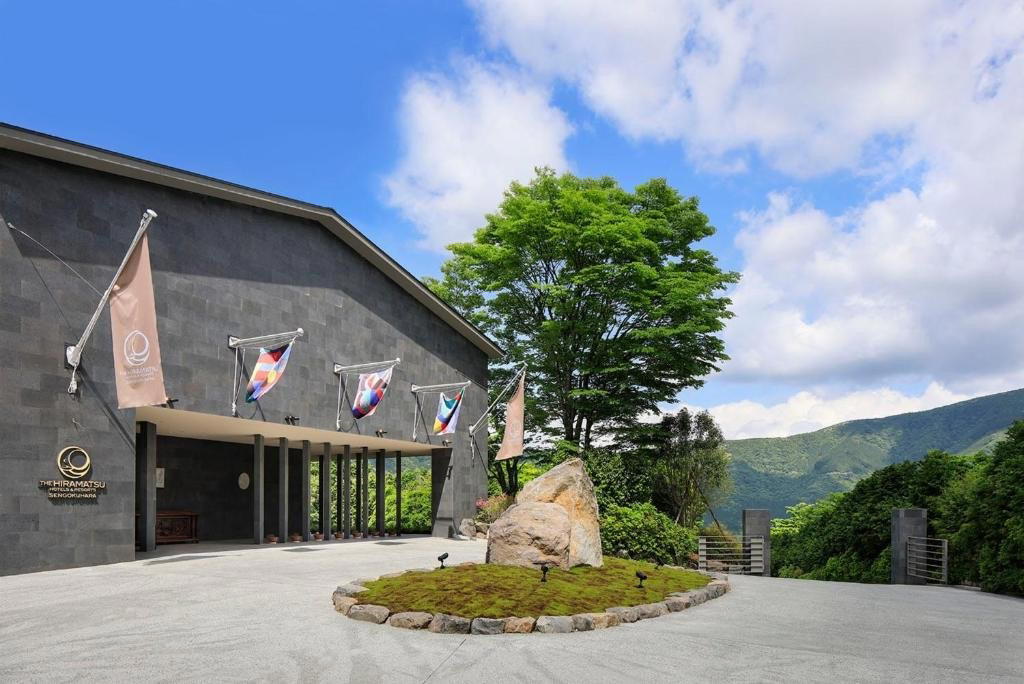
Hakone’s auberge dining culture rewards restaurants that treat the mountains as more than scenery. THE HIRAMATSU HOTELS&RESORTS Sengokuhara brings Italian cooking into that context, with a 12-seat hotel-restaurant format, sommelier service, private rooms, and Tabelog Italian EAST 100 selections in 2023 and 2025.
Pearl is the En Primeur Club membership app — saves, bookings, and concierge access live there. Same editors, same standards.
- Address
- 神奈川県足柄下郡箱根町仙石原1245-337
- Phone
- +81460838981
- Website
- hiramatsuhotels.com
 Saves & bookings on Pearl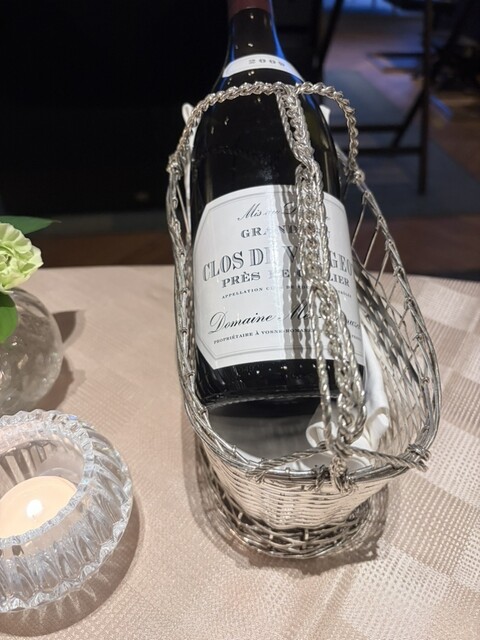
In Sengokuhara, the approach to dinner is set before the first plate. Hakone’s highland air, resort rhythm, and auberge pace move the meal away from city-restaurant urgency. This is not Tokyo counter dining built on precision and speed, but a mountain format where the room, wine service, and pauses between courses matter as much as the cuisine category.
That context matters for Italian cooking in Hakone. Away from metropolitan dining districts, imported technique must justify itself against place. Japan’s stronger auberge kitchens do this by letting regional produce, seasonality, and lodging culture set the tempo, rather than treating Italian food as a fixed urban template. THE HIRAMATSU HOTELS&RESORTS Sengokuhara belongs to that school: Italian by category, auberge by structure, and intentionally small in scale.
Italian cooking in Hakone works when the mountain setting is part of the logic
Hakone dining splits into old teahouse stops, ryokan restaurants, soba rooms, bakery detours, and polished hotel dining. A meal at Amazake Chaya speaks to travel-route tradition; Cha no Chimoto and Chimoto Ekimae doori ten sit closer to the area’s sweet-shop and souvenir grammar; Bread & Circus shows how destination baking has joined the wider Ashigarashimo-Gun food circuit. Against that spread, a formal Italian auberge must make a different case: not convenience or nostalgia, but a sustained evening built around produce, service, and pacing.
The award signal matters because it places the restaurant inside a regional Italian conversation, not only a hotel-dining one. Selection for Tabelog Italian EAST 100 in 2023 and again in 2025 gives the room a credential beyond resort capture, and the 3.66 Tabelog score puts it in a serious specialist bracket. The comparison is not a casual local meal such as Takeyabu Hakone ten, where spend sits much lower, but the small set of destination restaurants where diners accept travel time and a slower format as value.
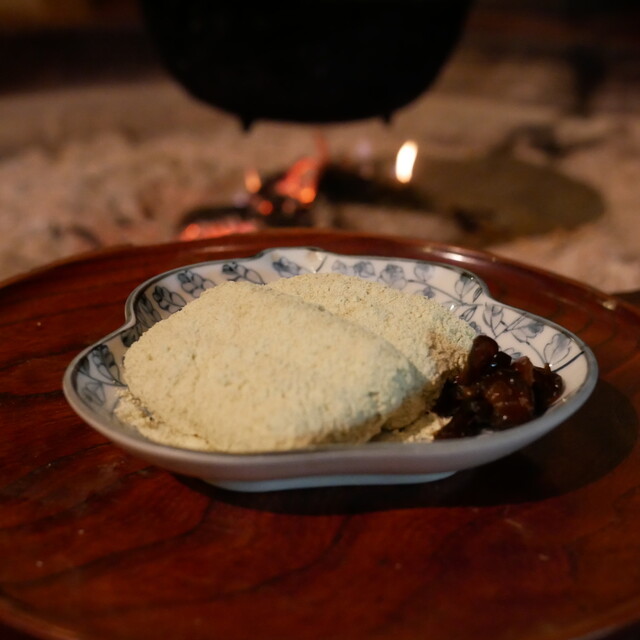
Sourcing is why the format makes sense. In Japan, Italian cooking has long absorbed local seafood, mountain vegetables, dairy, and seasonal fruit without announcing fusion at every turn. In Hakone, that feels especially natural: the meal can read through the region’s climate and resort calendar while keeping Italian structure in the background. The category is Italian, but the persuasive part is how a highland auberge makes ingredients feel tied to an overnight stay.
A 12-seat auberge format changes the expectations
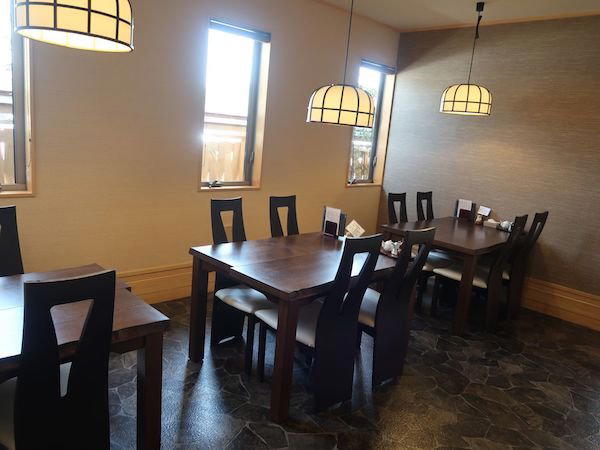
Scale is the editorial clue. With 12 seats, six tables, and one private room, the restaurant operates more like a controlled dining room than a broad hotel outlet. That size shapes pacing, wine attention, noise level, and the kitchen’s ability to keep the meal aligned with the room. Private rooms for six or eight also suit family travel or small celebrations without turning the experience into a banquet.
Sommelier service is another signal. Many resort restaurants list wine; fewer make it part of the identity. Here, wine and cocktails are part of the offer, with explicit emphasis on wine. For Italian cooking in an auberge, that matters because the meal is read as a sequence, not a single plate decision. Treat the evening as a composed dinner and let the wine program carry weight.
The non-smoking policy, with smoking limited to terrace seating, points to a contemporary resort standard rather than an old-style hotel restaurant. Children are welcome, broadening the audience without changing the format: this remains a high-spend, low-seat-count dinner room, not a casual family stop between sightseeing routes. Private use availability reinforces the point. It is built for controlled occasions.
How to place it in an Ashigarashimo-Gun itinerary
For travellers mapping the area, Ashigarashimo-Gun rewards separating daytime grazing from evening commitments. The daytime circuit can lean traditional or casual, with tea, sweets, bread, or local restaurants filling gaps. Dinner at THE HIRAMATSU HOTELS&RESORTS Sengokuhara is different: it suits travellers who want the meal to anchor the day, not compete with a long sightseeing schedule.
Transport is part of the Hakone calculation. Sengokuhara is not a station-front dining district, so the evening works better when planned around the hotel, a car, or a taxi, rather than improvised after a full day of movement. The broader area has excellent variety, but the pleasure here is reduced friction: arrive with enough time, avoid multiple transfers, and treat the restaurant as part of the resort stay.
Readers building a wider food plan can use Our full Ashigarashimo-Gun restaurants guide for dining context, then cross-check lodging through Our full Ashigarashimo-Gun hotels guide. The surrounding travel ecosystem also extends beyond restaurants: Our full Ashigarashimo-Gun bars guide, Our full Ashigarashimo-Gun wineries guide, and Our full Ashigarashimo-Gun experiences guide help frame whether the trip should be built around dining, lodging, or slower regional programming.
For comparison across Japan, EP Club’s restaurant coverage ranges from regional specialists such as Arai Shoten and (Shoku) Vietnam in Kawasaki to city addresses including. 鮪と炭火焼き うお炭 秋葉原店 in Tokyo.cafe in Osaka.know in Kumamoto, [Curry Senmon Ten] Maruyama Kyoju. in Sapporo, and -Grilled beef Sukiyaki- KAMAKURA TANUKIAN 鎌倉 たぬき庵 in Kamakura. Overseas references such as Jōdo Saké Bar in Los Angeles and Onigiri Time in Pasadena show a different question: how Japanese food culture travels. In Sengokuhara, the question is reversed, asking how Italian technique behaves when the setting is unmistakably Hakone.
The verdict is clear: choose this restaurant when the trip calls for a composed auberge dinner, wine attention, and a quiet mountain setting rather than a quick local meal. Repeat Tabelog Italian EAST 100 recognition gives it external weight; the small room gives it discipline; the ingredient-led logic gives it a reason to exist in Hakone rather than in a city dining tower.
Fast Comparison
Comparable venues by cuisine and price in the same metro.
| Venue | Cuisine | Price | Notes |
|---|---|---|---|
| THE HIRAMATSU HOTELS&RESORTS SengokuharaThis venue — the venue you are viewing | Italian Fine Dining | $$$$ | Not listed |
| Sumibi Teppan Yaki Toki | Teppanyaki & Charcoal-Grilled Japanese | $$$ | / Ashigarashimo-gun |
| Ito Ke no Tsubo | Japanese Sushi Omakase | $$$ | Manazuru |
| HERLEQUIN BIS | French Fine Dining | $$$ | Hakone-machi |
| sagamiya | Hakone nut-focused sweets shop | $ | Hakone Yumoto |
| Chinese Suiyo | Refined Chinese restaurant in a luxury resort | $$$ | Not listed |
Recognition history
Dated appearances from independent guides and award organizations, with the underlying list record or original source where available.
Tabelog 100 #20 · No. 20
Tabelog · Tabelog 100 - Italian - EAST - 2025
Continue exploring
More in Ashigarashimo-Gun
Restaurants in Ashigarashimo-Gun
Browse all →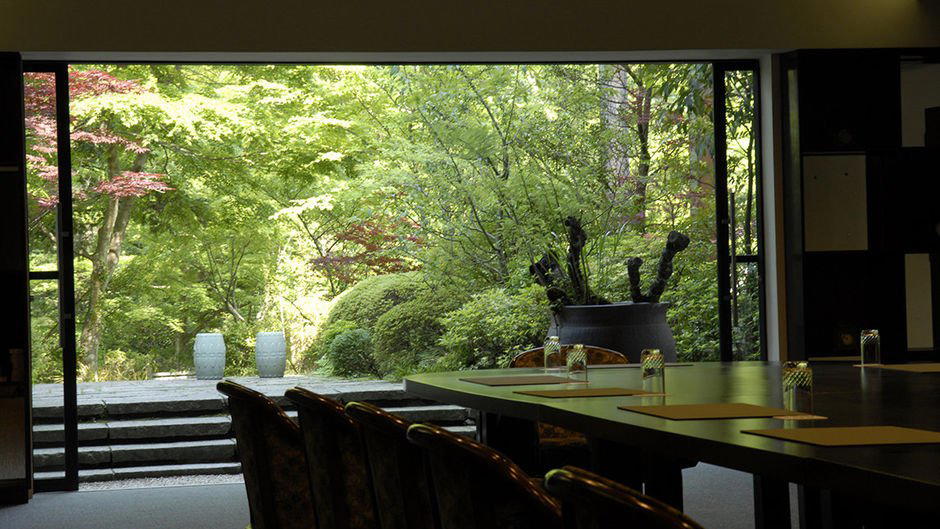
At a Glance
- Elegant
- Sophisticated
- Scenic
- Quiet
- Intimate
- Date Night
- Special Occasion
- Celebration
- Business Dinner
- Hotel Restaurant
- Design Destination
- Terrace
- Panoramic View
- Extensive Wine List
- Sommelier Led
- Local Sourcing
- Mountain
- Garden
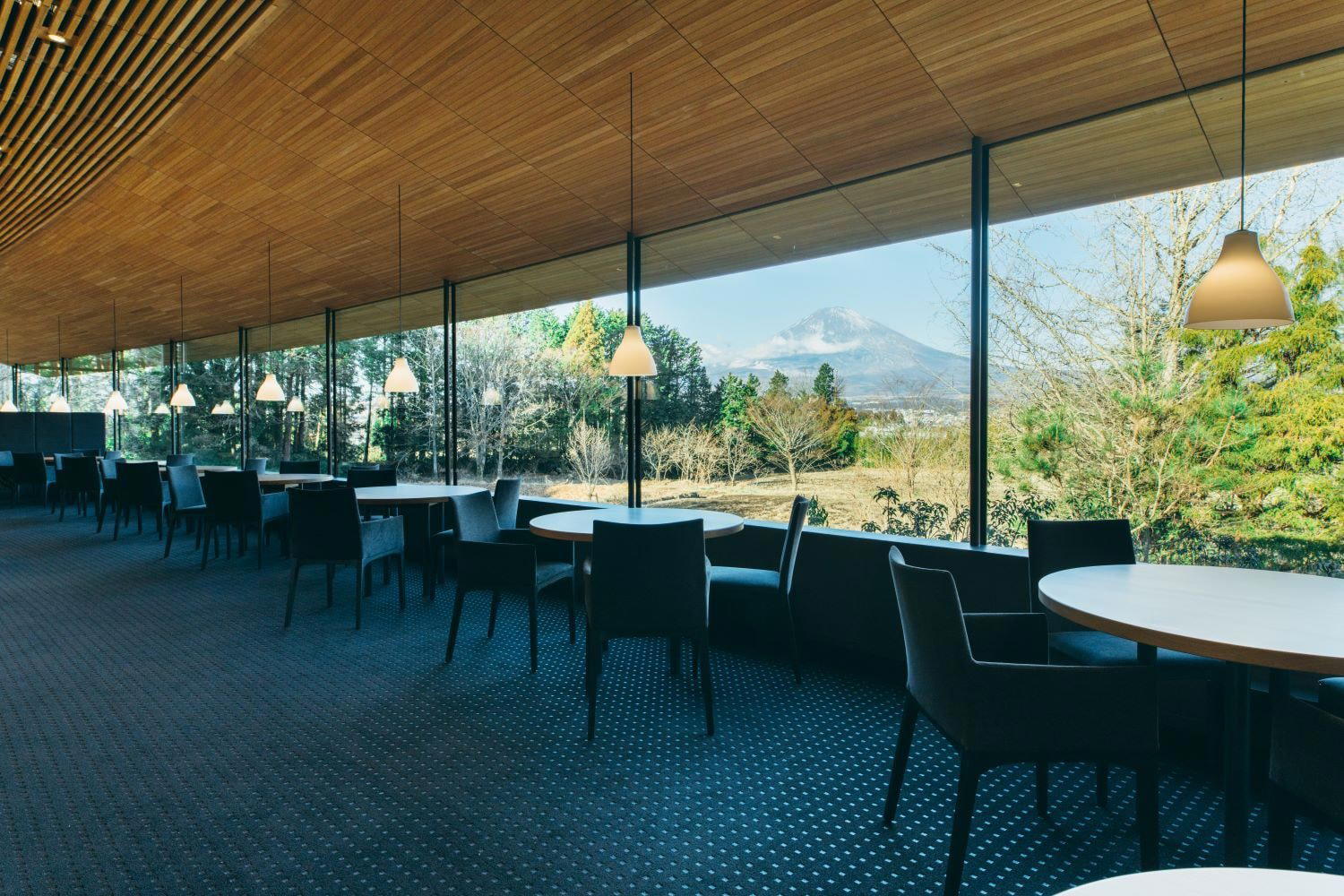
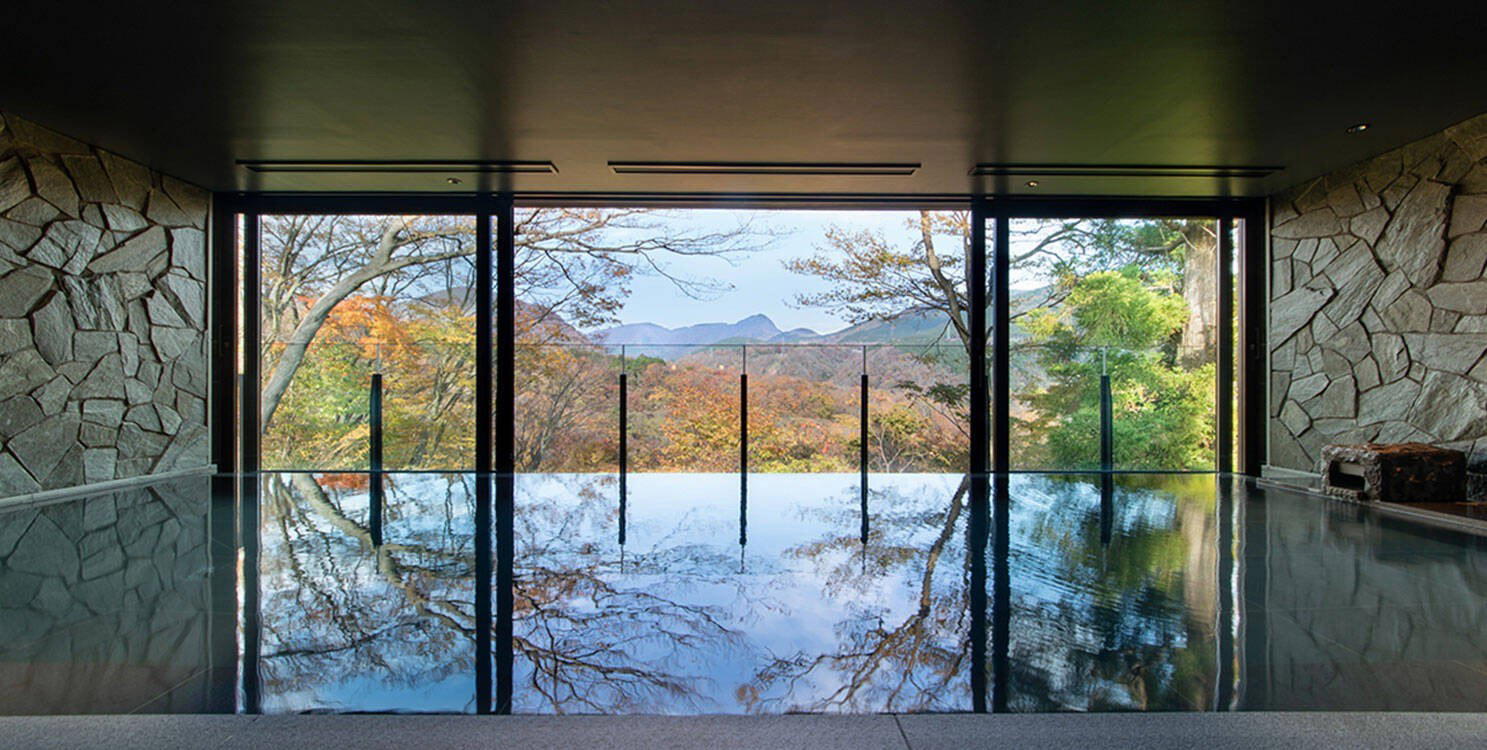
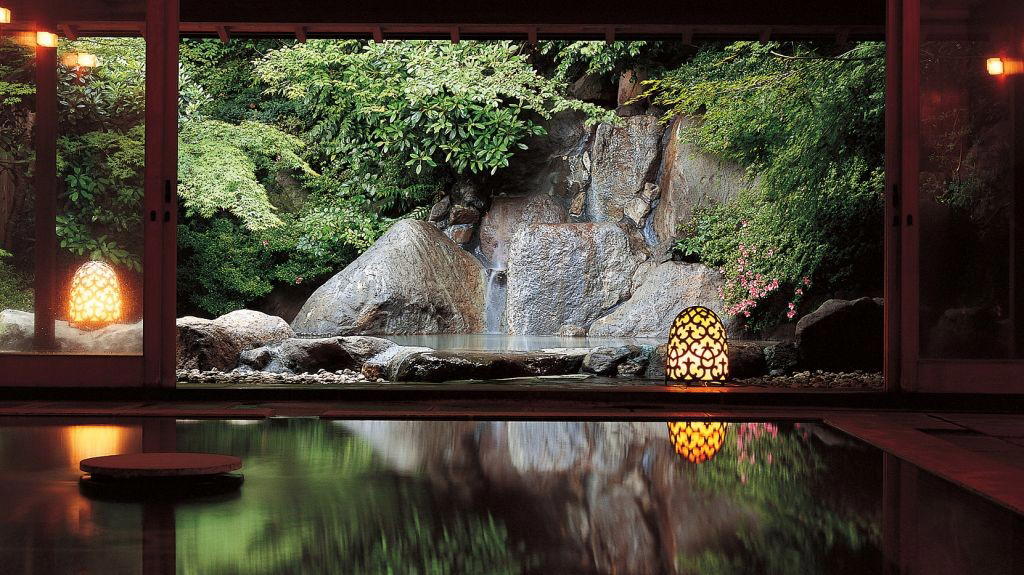
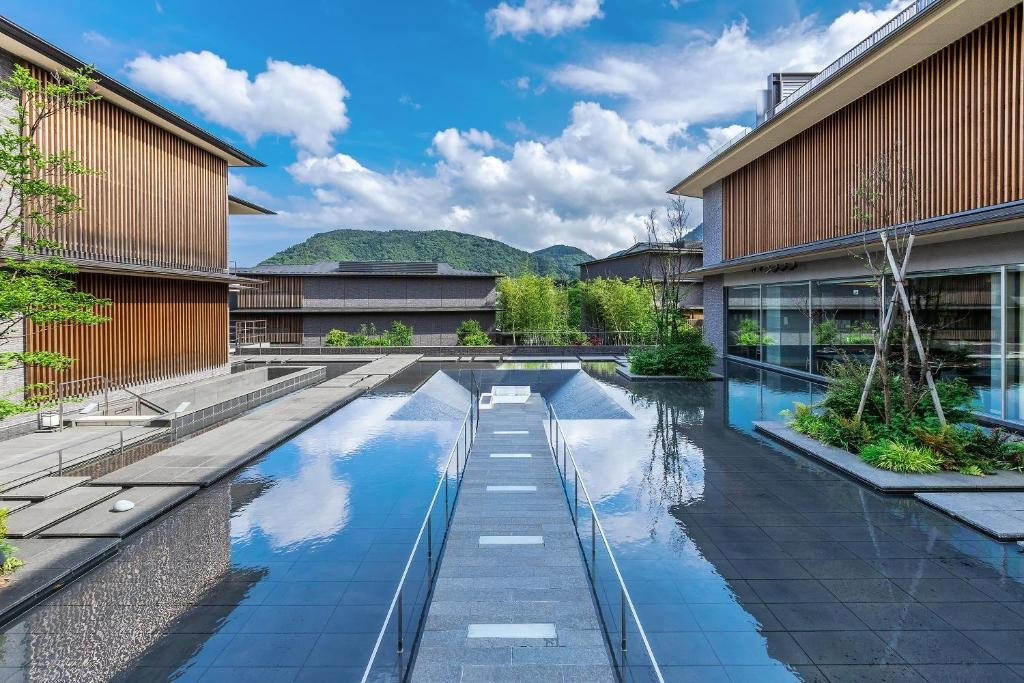
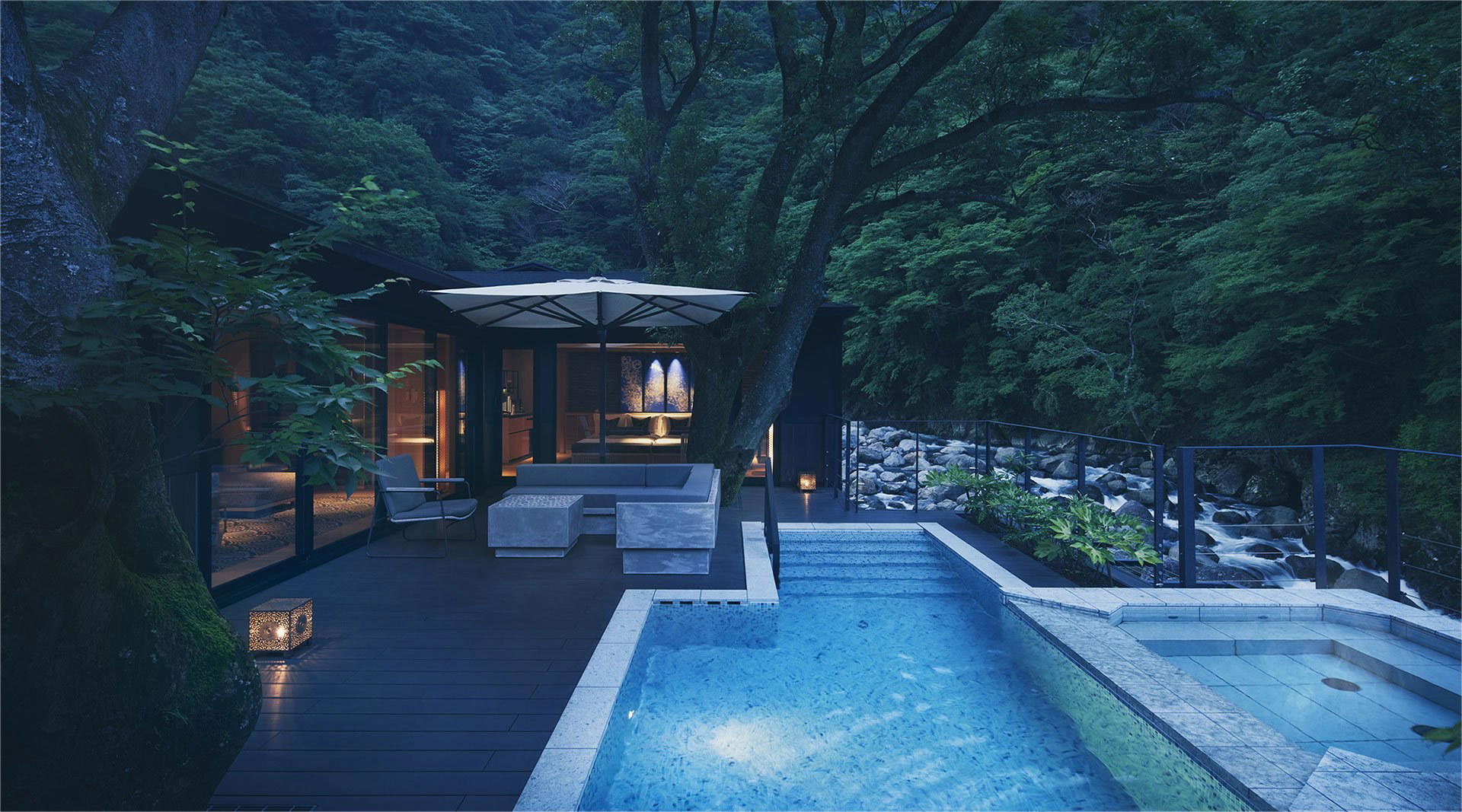
Elegant and tranquil, with a refined dining room framed by seasonal views and art, creating a secluded resort atmosphere.