Srithai
Our verdict
Srithai brings Thai cooking to Atlanta's Avenue Plaza address, operating in a city where the mid-tier dining scene has tightened considerably around a handful of well-credentialed kitchens.

Pearl is the En Primeur Club membership app — saves, bookings, and concierge access live there. Same editors, same standards.
- Address
- 1540 Avenue Pl Unit B2-280, Atlanta, GA 30329
- Phone
- (404) 254-4540
- Hours
- Mon–Fri 11 AM–10 PMSat–Sun 12–10 PM
- Website
- srithaikitchen.com
- Directions
- Get directions
- Booking
- Book on OpenTable
The menu
What to order
- Massaman Curry
- Crab Rangoon
- Tiger Maki
Thai Cooking in a City That Keeps Looking Inward
Atlanta's dining identity has long been shaped by its fine-dining anchors. Tasting-menu formats and New American frameworks dominate the conversation at the upper end, with venues like Bacchanalia, Atlas, and Lazy Betty pulling most of the critical oxygen. Below that tier, the city has a fragmented mid-market where cuisines from Southeast Asia, East Asia, and Latin America operate largely outside the awards infrastructure. Thai cooking sits squarely in that middle zone — present across Atlanta's neighborhoods, but rarely discussed with the same specificity brought to, say, the Japanese counter dining represented by venues like Hayakawa or Mujō.
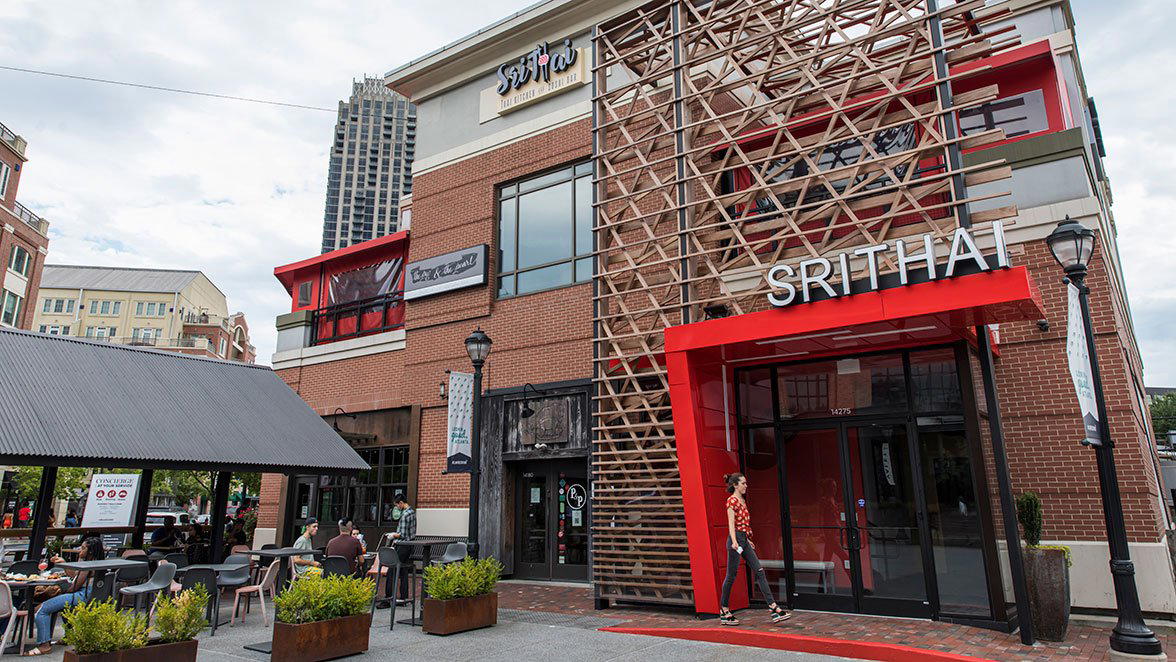
Srithai, located at 1540 Avenue Place in the Northeast Atlanta corridor, exists in that context. The Avenue Plaza address situates it away from Buckhead's high-gloss restaurant row and the Westside's design-forward dining cluster, placing it instead in a commercial strip that serves a dense residential population. That geography matters for understanding what the restaurant is and what it is not: this is neighborhood dining, not destination dining, and those are different contracts with the reader.
The Wine Question in Thai Dining
When the editorial angle turns to wine in the context of Thai cuisine, the conversation gets interesting fast — and not always comfortable for sommeliers. The flavor architecture of Thai cooking, built around fish sauce, galangal, lemongrass, kaffir lime, and varying registers of chili heat, creates matching challenges that most European wine traditions weren't designed to solve. The classic responses from wine-list builders lean toward off-dry Riesling, Alsatian Gewurztraminer, and low-tannin reds from the Loire. German Spätlese or Auslese bottlings have long served as a default pairing anchor for dishes that combine sweetness, acidity, and heat simultaneously.
What's less commonly addressed is the growing case for skin-contact whites, orange wines, alongside Thai cooking. The textural grip and phenolic structure of extended maceration whites can mirror the complexity of a well-made nam prik or a coconut-forward curry in ways that a clean, delicate Pinot Gris cannot. This is a direction that sommeliers at restaurants with serious wine programs, venues like Le Bernardin in New York City and Alinea in Chicago, have increasingly explored when pairing wine with bold, umami-saturated flavor profiles.
For Thai restaurants operating outside fine-dining infrastructure, the wine list question often comes down to a simpler calculus: beer, Thai iced tea, and perhaps a short by-the-glass selection covering basic aromatic white varieties. What can be said with confidence is that the broader Atlanta fine-dining scene has moved toward more thoughtful beverage programs even at accessible price points, a shift visible at venues ranging from Lazy Betty to the tasting-menu tier represented nationally by places like Single Thread Farm in Healdsburg and The French Laundry in Napa.
Thai Cuisine's Position in the Atlanta Mid-Market
Atlanta's mid-market dining has historically leaned toward familiar comfort formats, Southern cooking, barbecue, Italian-American, and Asian-American fusion. Authentic regional Thai cooking, the kind that distinguishes between northern larb traditions and the coastal seafood preparations of the south, has had a smaller footprint than in cities like Los Angeles (where Providence anchors a broader Thai-adjacent fine-dining ecosystem) or New York (where Korean fine dining at venues like Atomix has demonstrated what Asian cuisine looks like when it enters the awards tier fully).
The city's Thai dining conversation tends to cluster around a handful of names that have built reputations over years of consistent cooking for a loyal neighborhood base. These restaurants rarely receive the editorial amplification that tasting-menu formats attract, and their influence on the city's dining culture often goes underreported. That's not a critique of the restaurants themselves, it reflects how the critical apparatus in most American cities still calibrates prestige around European-derived formats, regardless of cooking quality. Globally, institutions like 8½ Otto e Mezzo Bombana in Hong Kong have shown how Asian-rooted dining can command fine-dining recognition, but that recalibration hasn't fully reached mid-market Thai dining in American cities yet.
For context on what Thai cooking looks like at its most disciplined, the farm-to-table frameworks developed by places like Blue Hill at Stone Barns in Tarrytown point toward what ingredient sourcing can do for any cuisine when taken seriously. Thai cooking has its own tradition of sourcing specificity, particular fish sauce producers, heritage rice varieties, fresh-ground curry pastes, that rarely surfaces in restaurant descriptions but matters enormously in the eating.
The Northeast Atlanta Corridor
The Avenue Plaza area sits in a commercial band that runs through the Toco Hills and North Druid Hills stretch of Northeast Atlanta, a zone defined more by its residential density and academic proximity (Emory University and the CDC campus are nearby) than by restaurant destination traffic. Dining in this corridor tends to serve commuters, students, and residents rather than tourists or special-occasion diners making a cross-city trip. That context defines the experience before you walk in: the register is casual, the rhythm is practical, and the value expectation runs toward generous portions and accessible pricing rather than tasting-menu architecture.
For those building a broader Atlanta itinerary, the city's anchor fine-dining venues are largely concentrated in Buckhead and the Westside. Our full Atlanta restaurants guide maps the city's dining by neighborhood and tier, providing context for how venues like Srithai fit into the larger picture alongside destinations such as Emeril's in New Orleans-caliber institutions and nationally recognized tasting rooms like Addison in San Diego and The Inn at Little Washington.
What should I expect atmosphere-wise at Srithai?
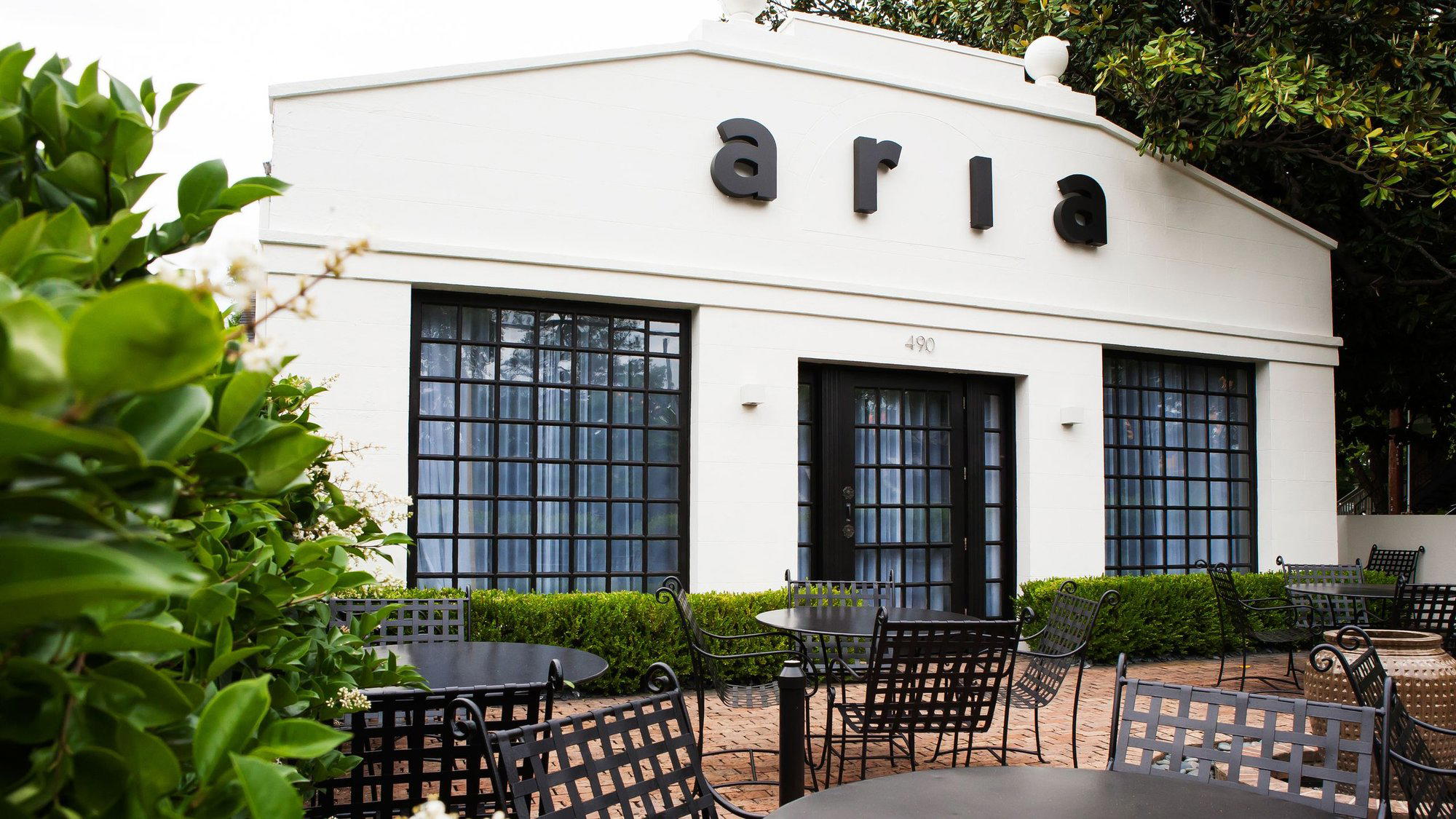
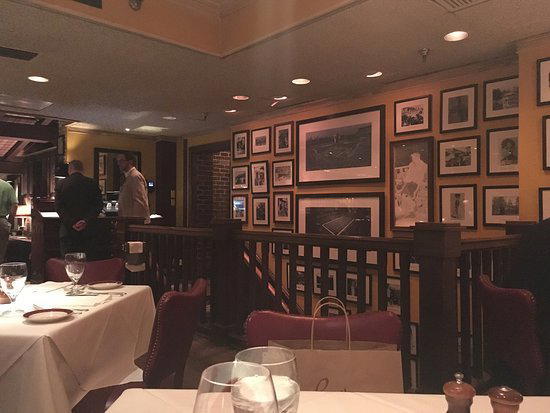
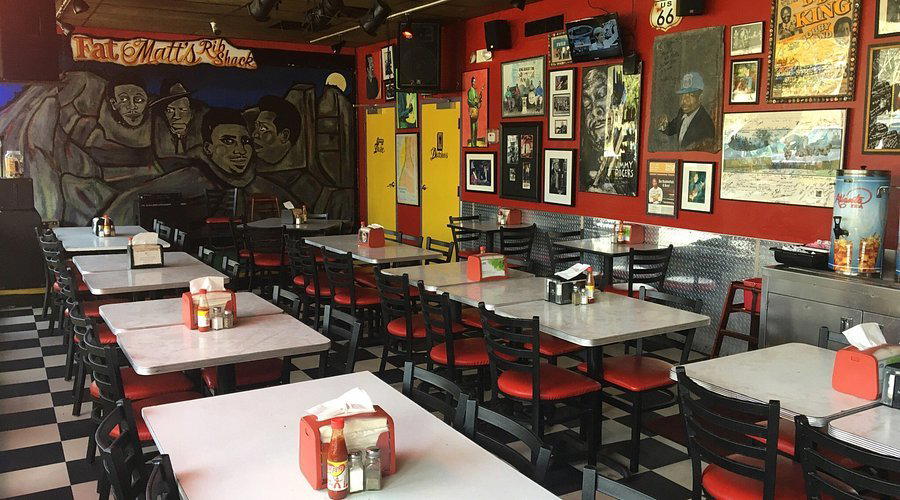
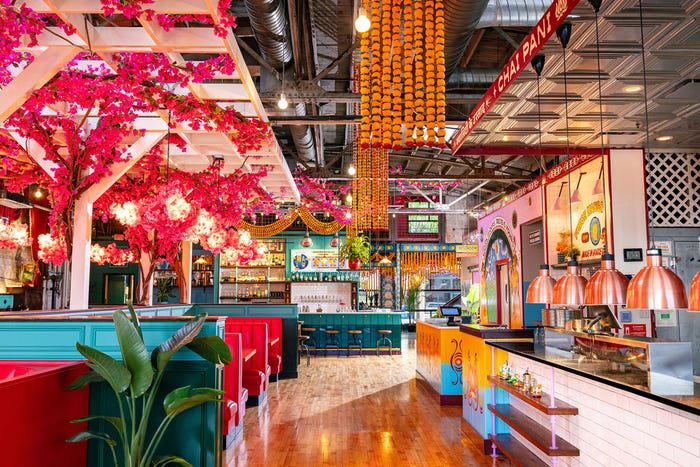
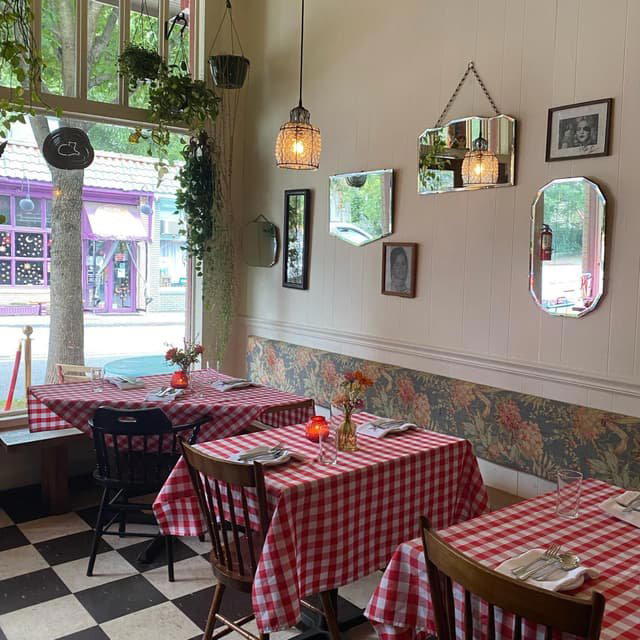
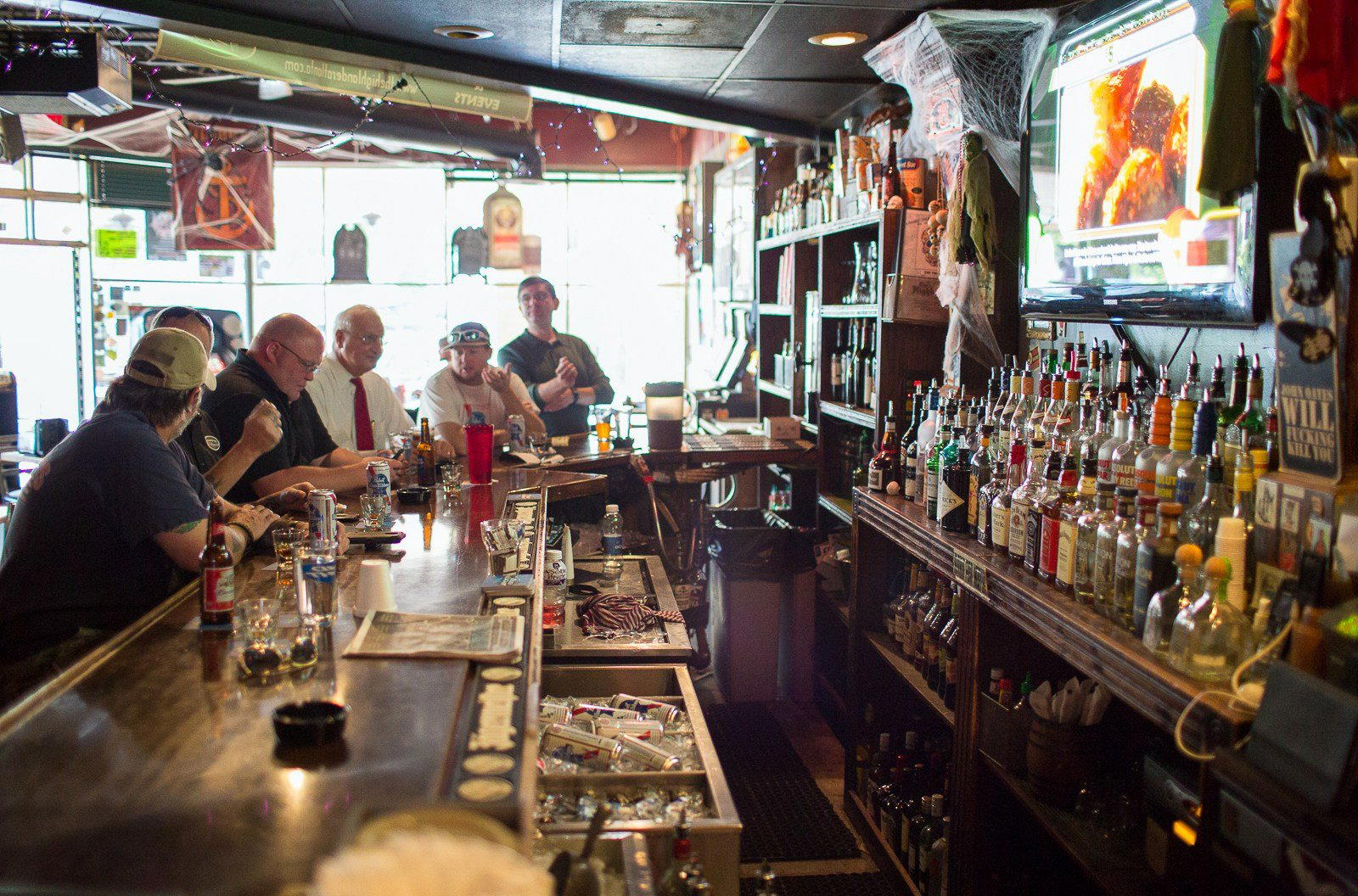
The Avenue Plaza address places Srithai firmly in neighborhood-restaurant territory rather than the destination-dining tier occupied by Atlanta's fine-dining venues. Expect a casual, functional setting geared toward local regulars rather than special-occasion formality, the kind of room where the food does the work without the room performing around it.
What's the signature dish at Srithai?
Thai restaurants in this market tier typically build reputations around curry execution and noodle preparations, order what the kitchen appears most confident in, and use som tum as a calibration dish if it's on the menu.
How does Srithai compare to other Thai restaurants in Atlanta's Northeast corridor?
The Toco Hills and North Druid Hills stretch has historically supported a cluster of Asian restaurants serving the Emory University and residential communities nearby.
Budget and Context
Comparable venues nearby, for context on price, style, and recognition.
| Venue | Cuisine | Price | Notes |
|---|---|---|---|
| SrithaiThis venue — the venue you are viewing | Thai & Sushi Fusion | $20–30 | Not listed |
| Mali Restaurant | Thai + Sushi | $30–50 | Virginia Highland, Thai + Sushi |
| Tuk Tuk Thai Food Loft | Modern Thai Street Food | $30–50 | Buckhead, Modern Thai Street Food |
| NAN THAI BUCKHEAD | Modern Thai Fine Dining | $50–100 | Buckhead, Modern Thai Fine Dining |
| El Viñedo Local | Authentic South American | $20–30 | Midtown, Authentic South American |
Details
- Trendy
- Lively
- Casual Hangout
- Family
- Open Kitchen
- Craft Cocktails
- Local Sourcing
- A La Carte
- Small Plates
- Cocktails
- Wine
- Vegetarian Friendly
Current opening hours
- Monday
- 11 AM–10 PM
- Tuesday
- 11 AM–10 PM
- Wednesday
- 11 AM–10 PM
- Thursday
- 11 AM–10 PM
- Friday
- 11 AM–10 PM
- Saturday
- 12–10 PM
- Sunday
- 12–10 PM
Hours can change for holidays and private events. Last verified .
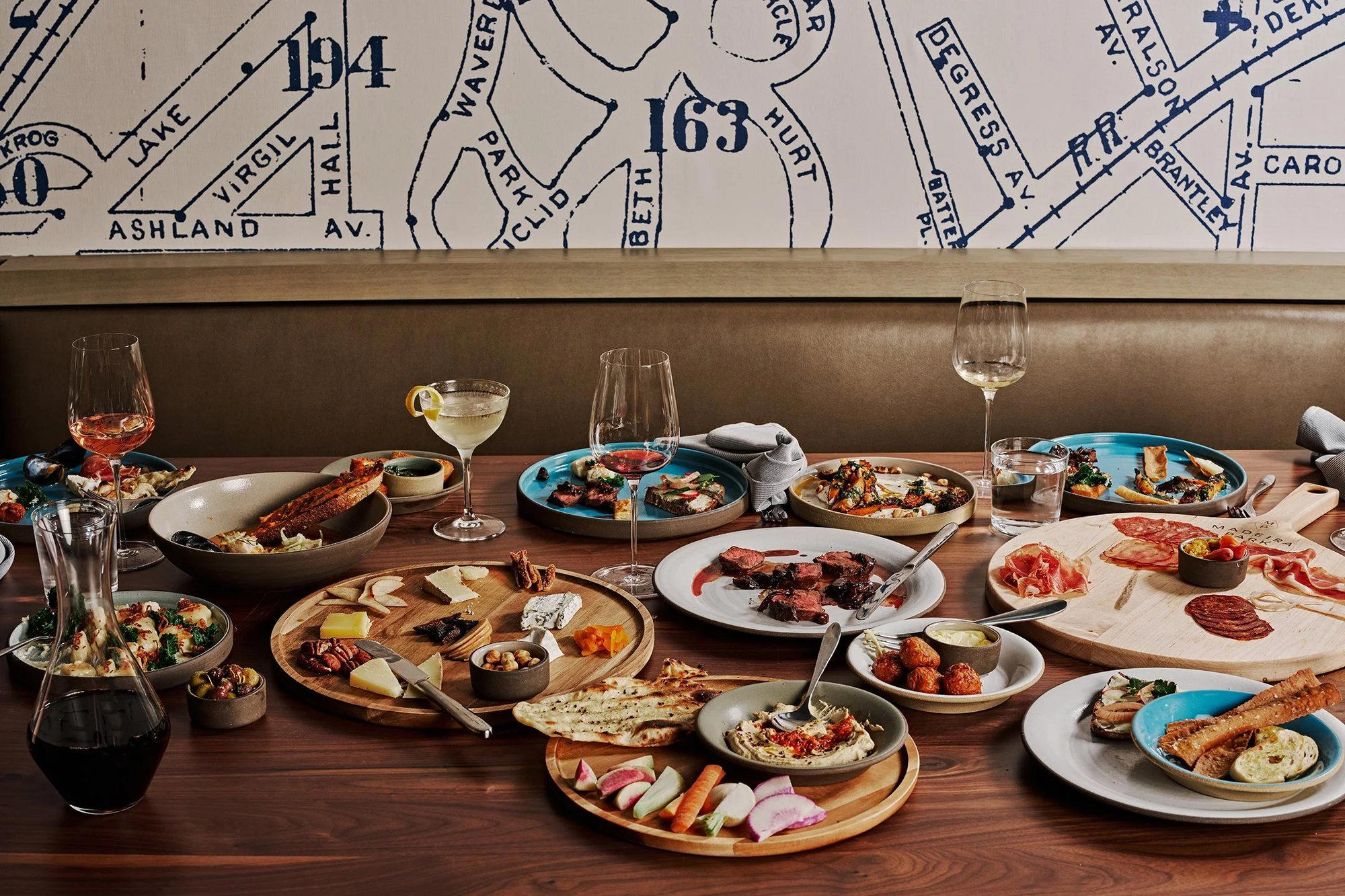
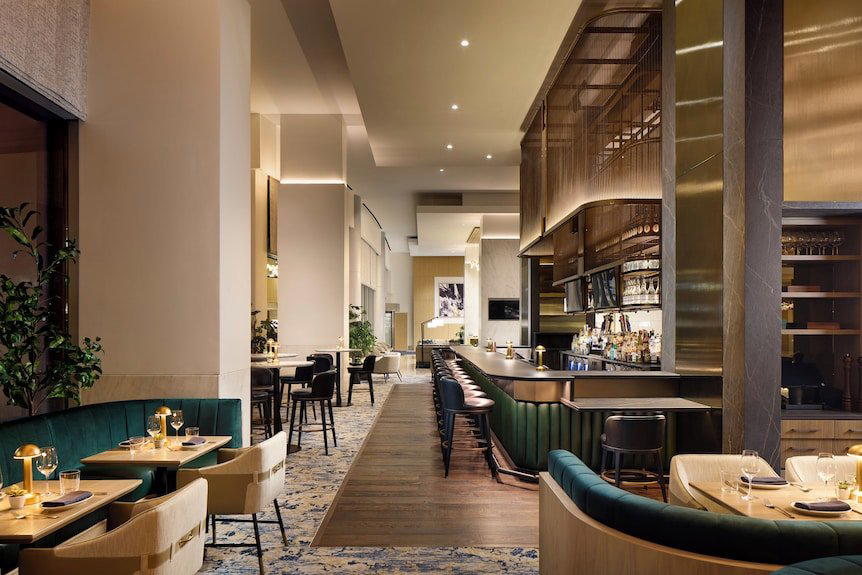
Pleasant and well-kept space with a lively, crowded atmosphere during peak times.