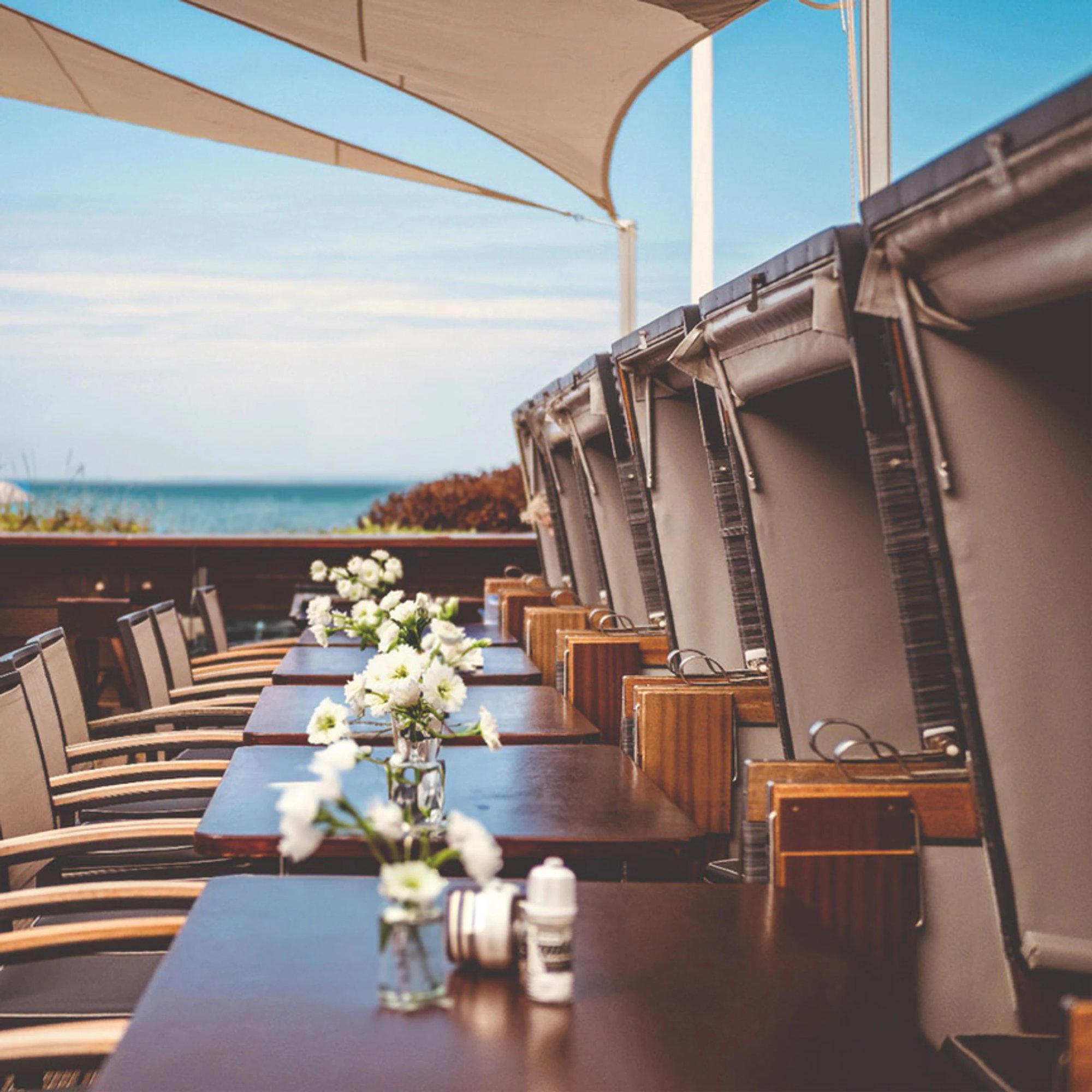
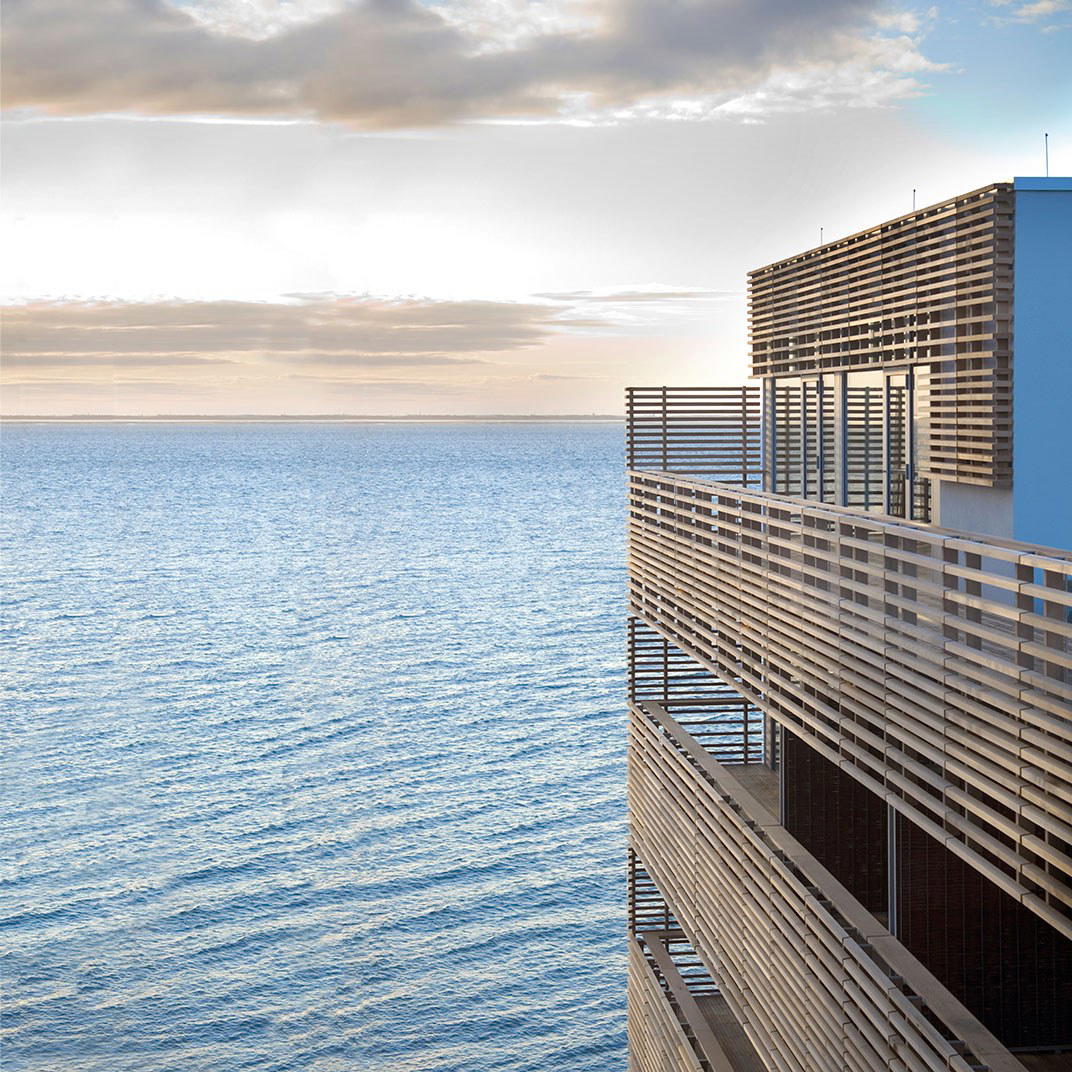
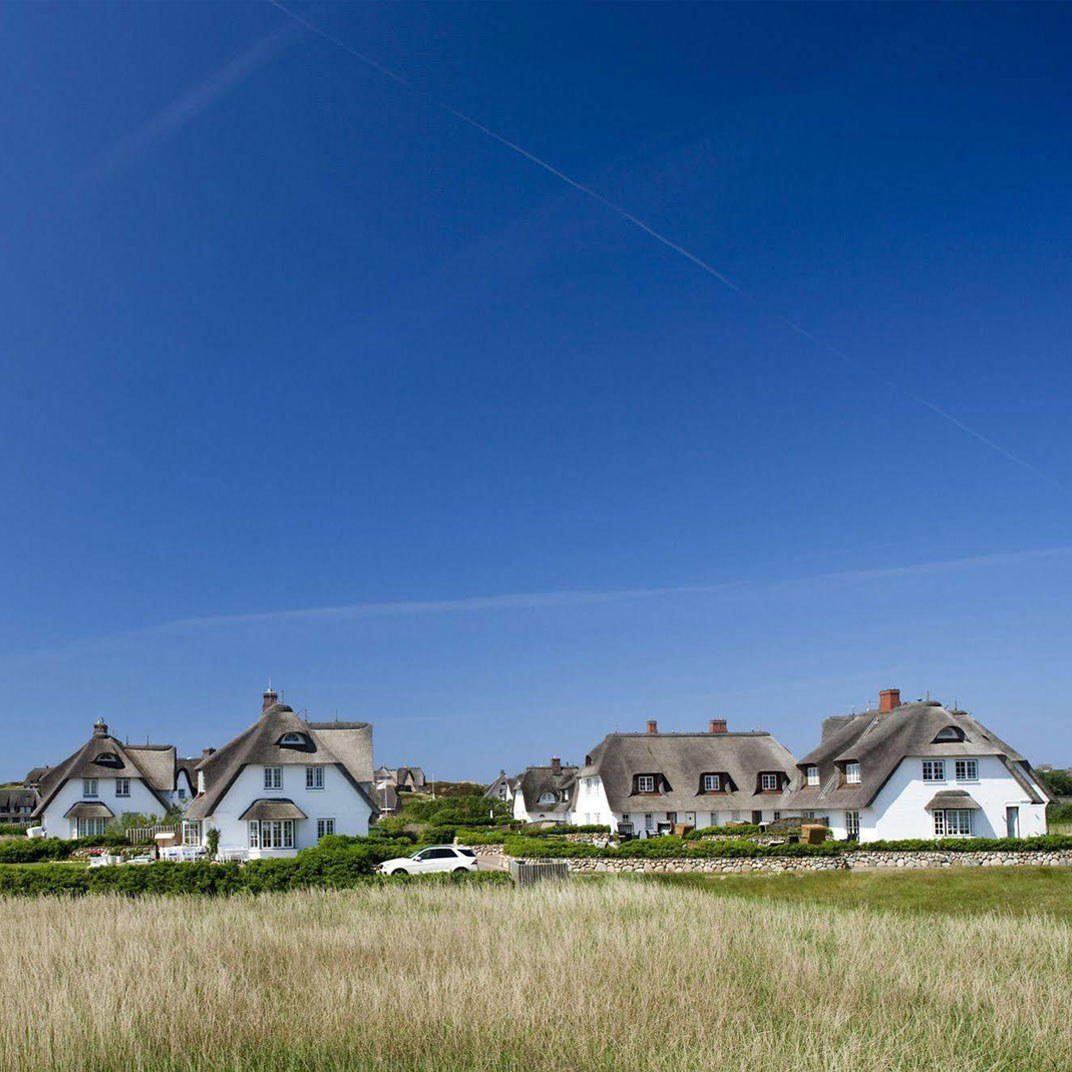
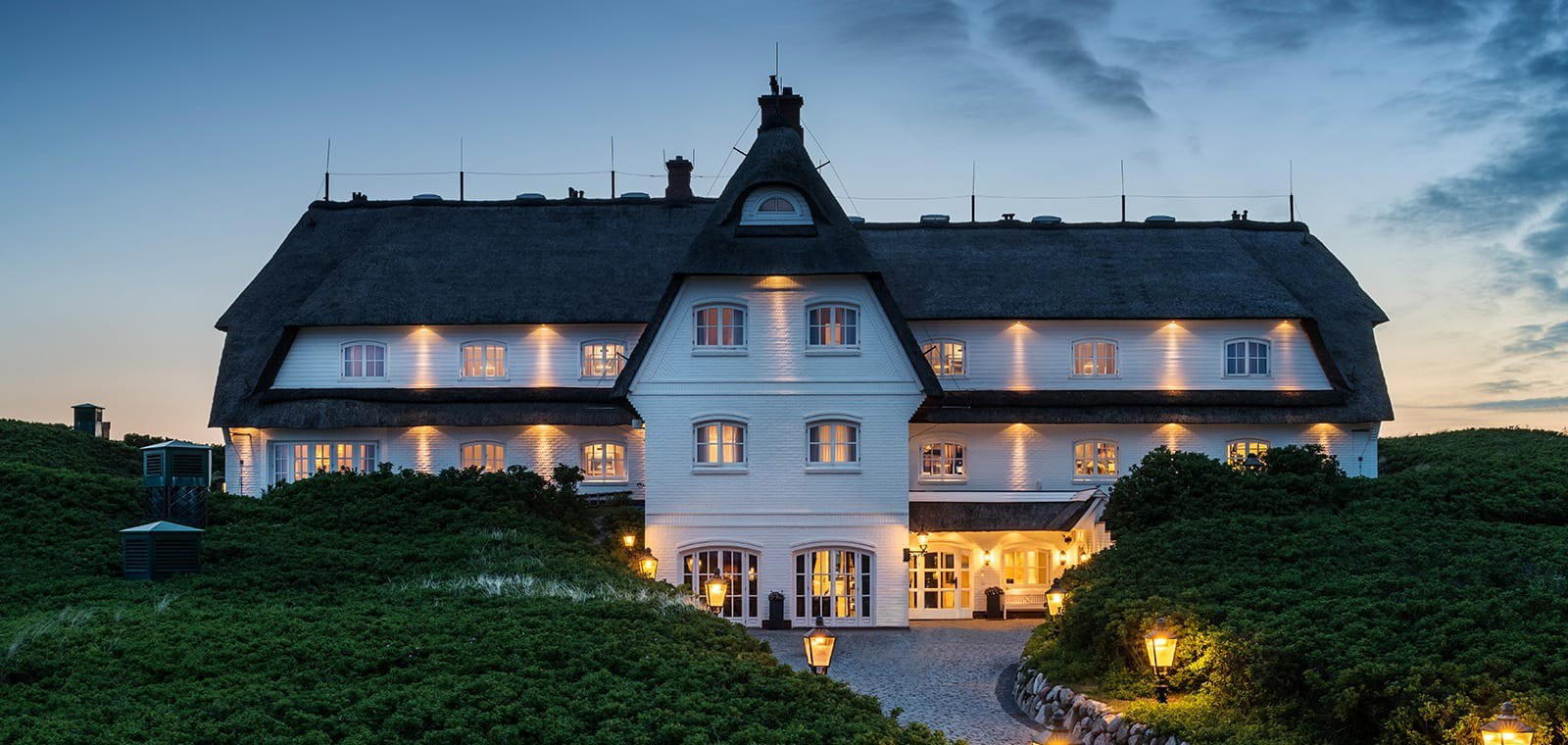
Fresh ambience in dunes with a golf course view.
 Discover on Pearl
Pearl is the En Primeur Club membership app — saves, bookings, and concierge access live there. Same editors, same standards.
- Address
- Fernsicht 1, 25997 Hörnum (Sylt), Germany
- Phone
- +4946514492727
- Website
- stroenholt.de
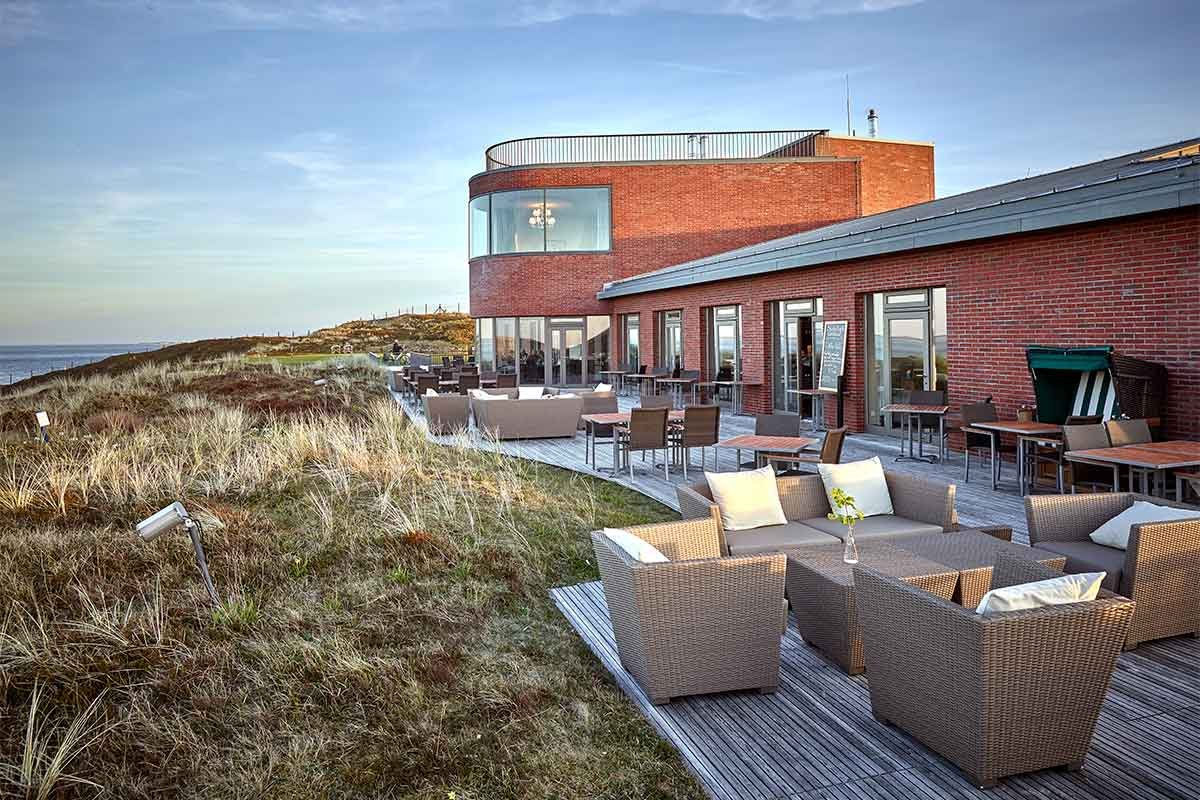
Where the North Sea Sets the Menu
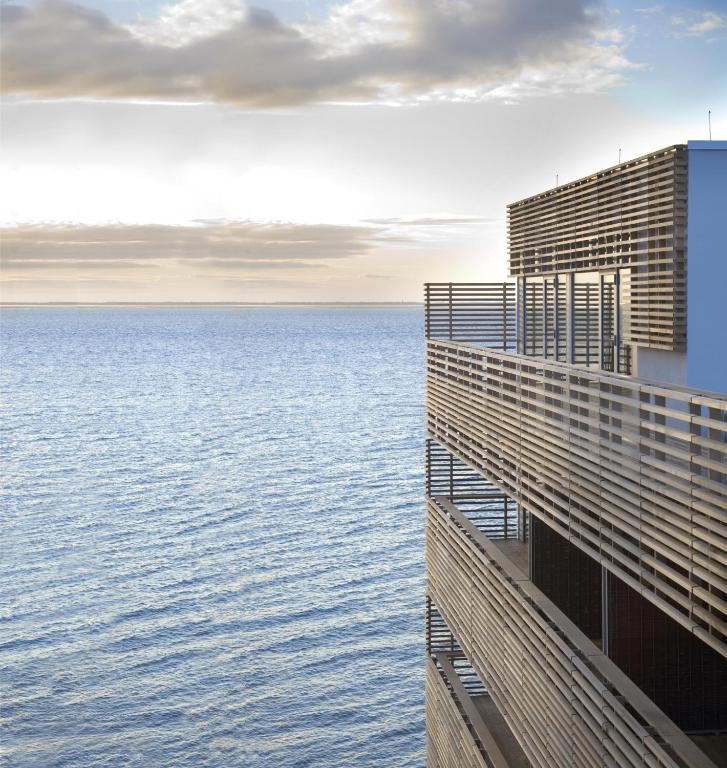
Hörnum sits at the southernmost tip of Sylt, separated from the island's more trafficked resort towns by a stretch of dune and heath that thins the crowds considerably. The address alone, Fernsicht 1, a name that translates roughly to "distant view", signals the relationship this part of the island maintains with its surroundings: open water on three sides, skies that change faster than weather apps can track, and a particular quality of light that shifts from pewter to pale gold without warning. Arriving here, the geography makes an argument before the door opens.
Ingredient Sourcing on an Island at the Edge of Germany
The North Sea fringe of Schleswig-Holstein produces some of the most geographically specific ingredients in German gastronomy. Sylt lamb, grazed on salt marshes where the grass carries mineral salinity from tidal flooding, has been a recognizable regional product for decades, distinguished from mainland equivalents by a flavor profile shaped by terrain. Oysters from the nearby Wadden Sea, a UNESCO World Heritage site, are harvested from waters whose cold temperature and high salinity produce dense, briny shellfish with a longer growing cycle than warmer-water alternatives. Samphire, sea buckthorn, and foraged coastal greens mark the seasons on menus across the island more precisely than any calendar could. These are ingredients whose character is inseparable from place, and kitchens in Hörnum and across Sylt increasingly treat them as the starting point rather than as a garnish.
This sourcing culture connects Sylt to a broader movement within German fine dining. Restaurants like ES:SENZ in Grassau and Schanz in Piesport have built reputations on the discipline of hyper-regional sourcing in areas most travelers would overlook, transforming landscape-specific produce into the central editorial logic of their menus. In Hörnum's case, the island geography enforces a similar discipline by necessity as much as by philosophy: supply lines are short not because of ideology alone but because the logistical realities of an island in the North Sea make distant sourcing impractical at the level of freshness that serious kitchens require.
Strönholt and the Argument for Stillness
Strönholt operates at the quieter end of Hörnum's dining register. The address at Fernsicht 1 places it at a remove from the main pedestrian activity of the village, in a position where the surrounding environment becomes part of the experience before a single dish arrives. German coastal fine dining has developed a distinct subgenre over the past decade: restaurants that treat their physical remove from urban centers not as a handicap but as an ingredient in itself. The stillness of the setting, the directness of access to raw materials, and the absence of the competitive noise of city dining all shape what a kitchen can do and what a guest is prepared to receive.
Hörnum fits this pattern.
The Sylt Context: Premium Expectations, Coastal Logic
Sylt carries a particular social weight in German tourism. The island draws a clientele that expects high-caliber food and service, and the restaurant economy reflects this: price points across the island's serious kitchens tend to run well above mainland equivalents at similar quality tiers. This is consistent with what happens in any geographically constrained premium destination where demand is seasonal and concentrated. Comparable dynamics play out at coastal fine dining destinations globally, the ingredient costs, the logistics of island supply, and the compressed season all push economics toward the higher end of the scale.
Within Germany's broader creative dining conversation, venues like JAN in Munich, CODA Dessert Dining in Berlin, and AUGUST in Augsburg define the urban end of the innovation spectrum. Coastal kitchens like those on Sylt operate at the other pole, where the territory itself exerts a gravitational pull on the menu. For international reference points, the discipline of letting geography set the culinary agenda is also visible at Le Bernardin in New York City, where the sourcing logic of marine ingredients shapes every editorial decision, and at Atomix in New York City, where provenance is treated as inseparable from technique. Hörnum's serious kitchens share that underlying logic, even when operating at a different scale.
Planning a Visit
Hörnum is reached by car or rail via the Sylt causeway from the mainland, with the journey from Hamburg taking approximately two hours by direct train to Westerland and a further transfer south. The village is small, and accommodation options are limited relative to Kampen or Westerland, which makes early planning advisable for anyone intending to stay overnight rather than visit on a day excursion from the island's northern end. For restaurants at this southern tip, the summer season from June through August is the period of peak demand; visiting in May or September offers a quieter experience of the same geography with considerably less competition for tables.
How It Stacks Up
Comparable venues nearby, for context on price, style, and recognition.
| Venue | Cuisine | Price | Awards | Notes |
|---|---|---|---|---|
| StrönholtThis venue — the venue you are viewing | Regional German Bistro | $$ | , | |
| KAI3 | Nordic Fusion Fine Dining | $$$$ | Michelin 1 Star | Hörnum |
| Marstall Festzelt | Traditional Bavarian Oktoberfest | $$ | , | Theresienwiese |
| Strandlächeln Hohenfelde | Modern German Seafood | $$ | , | Hohenfelde |
| Bremers Bauerndiele | Traditional German & Mediterranean | $$ | , | Wiefelstede |
| Paulaner's Miraculum | Bavarian Brewery Cuisine | $$ | , | St. Georg |
At a Glance
- Cozy
- Scenic
- Special Occasion
- Waterfront
- Local Sourcing
- Waterfront
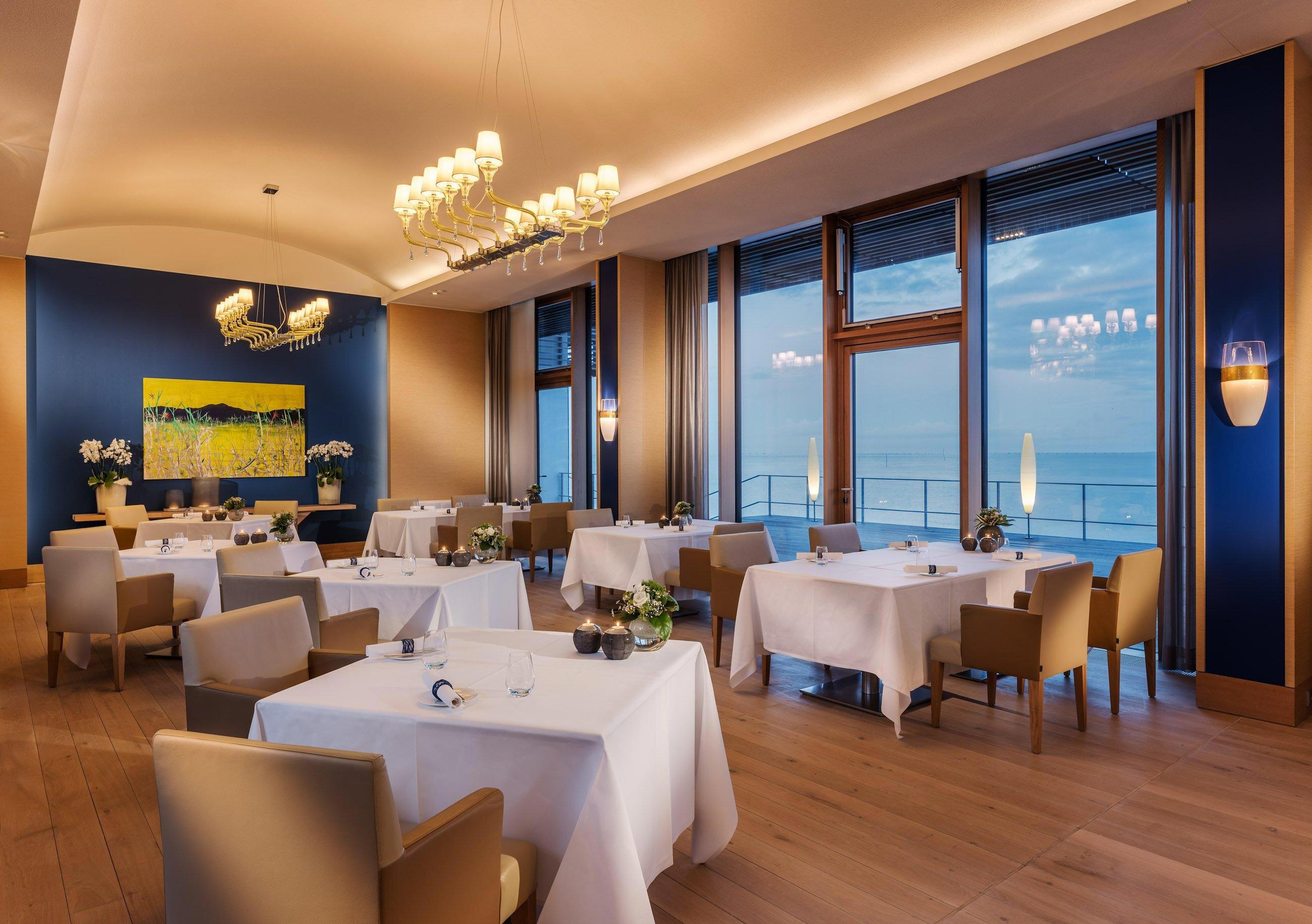
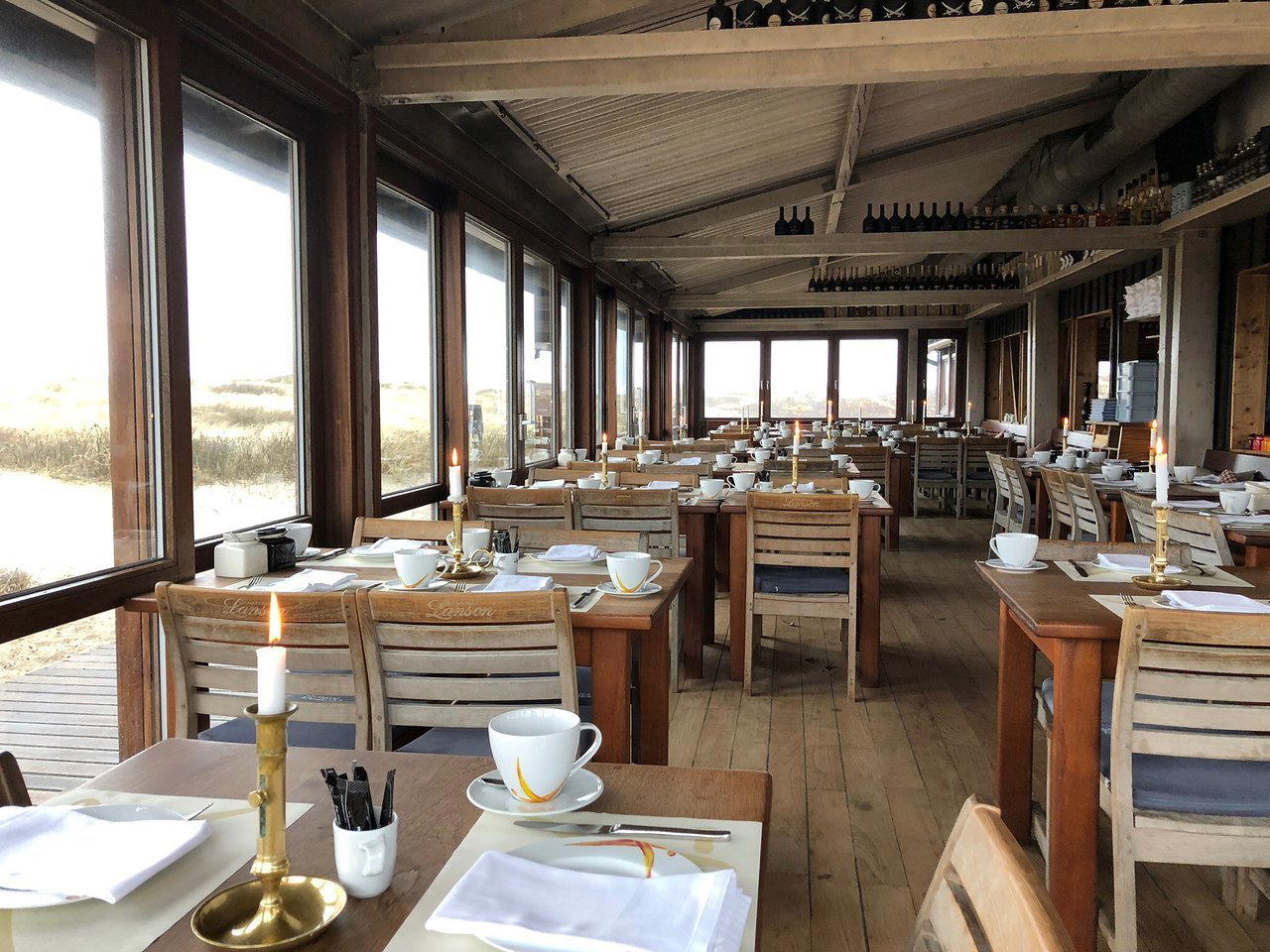
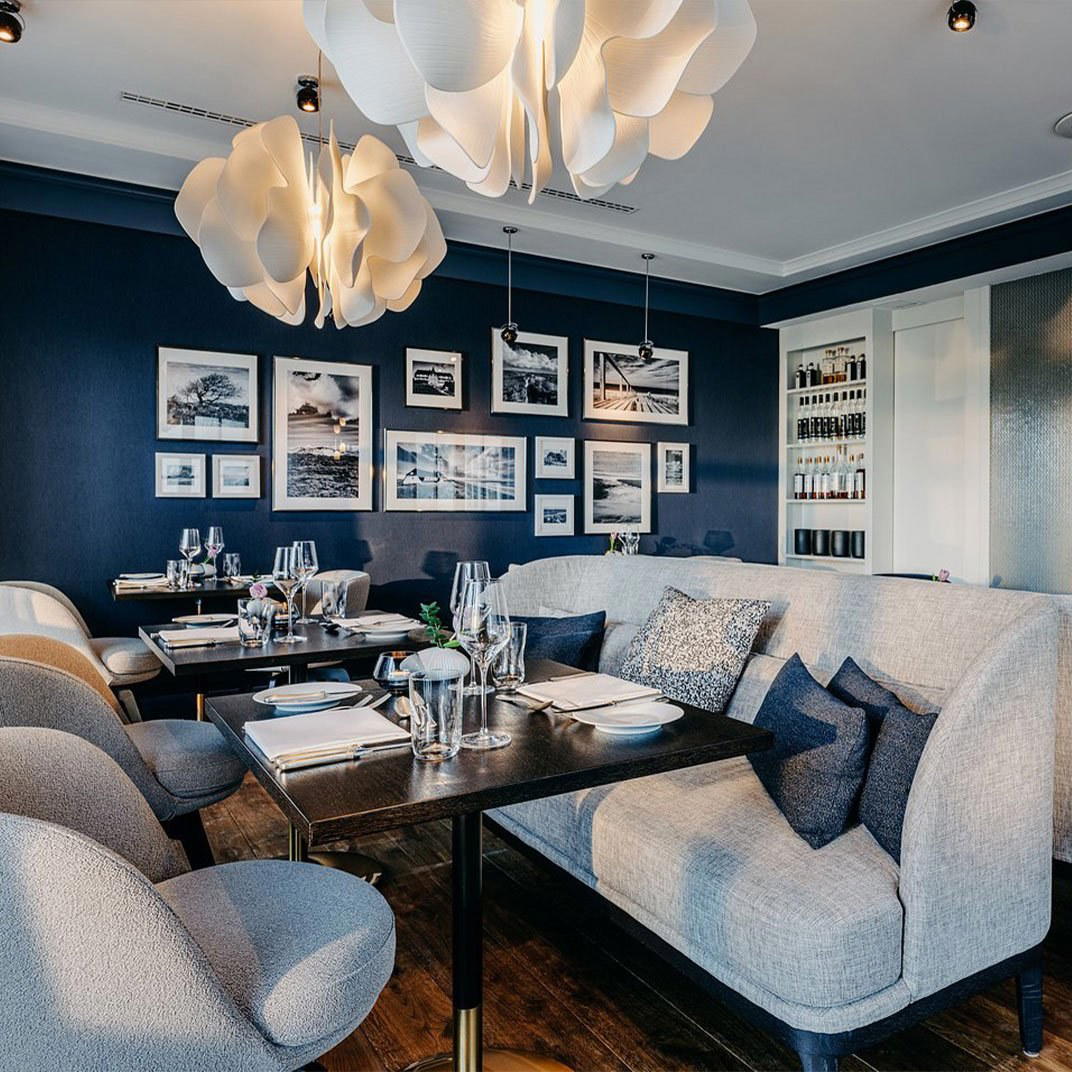
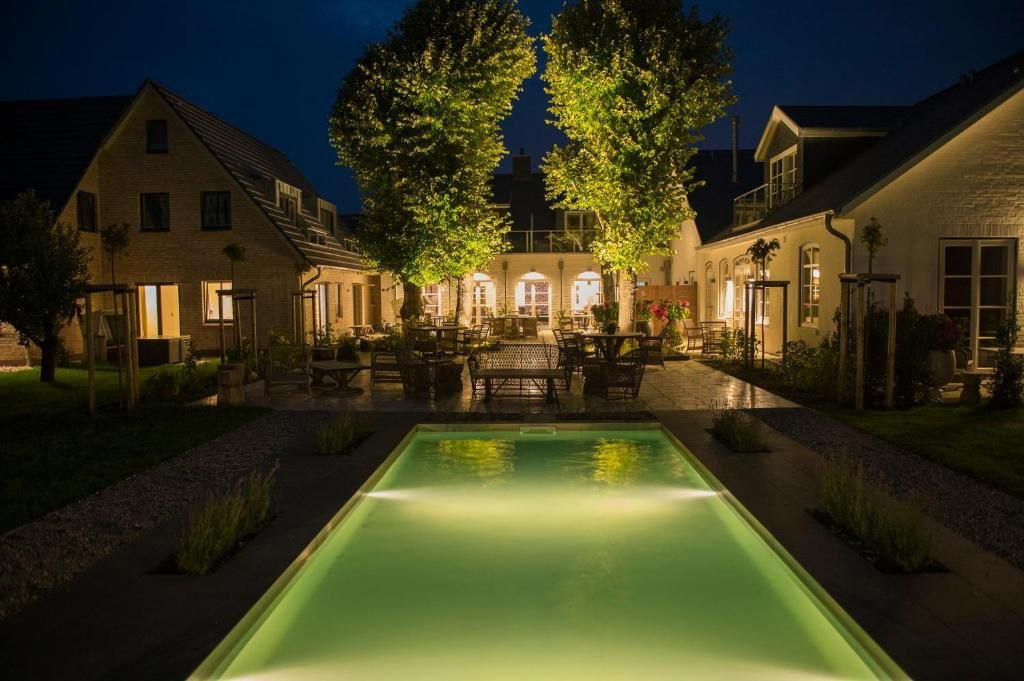
Airy and fresh ambience amidst the dunes, spacious and cozy with ocean views.