
1 Michelin Star
Our verdict
KAI3 holds a Michelin star at the southern tip of Sylt, where chef Rodrigo Rivera RiO brings a creative, technically precise menu to one of Germany's most remote fine-dining addresses. The restaurant operates at the €€€€ tier, drawing guests who travel specifically for the experience rather than passing through. For the North Frisian island scene, it represents a serious culinary proposition in an otherwise casual coastal setting.

Pearl is the En Primeur Club membership app, where members save venues, book tables and use the concierge.
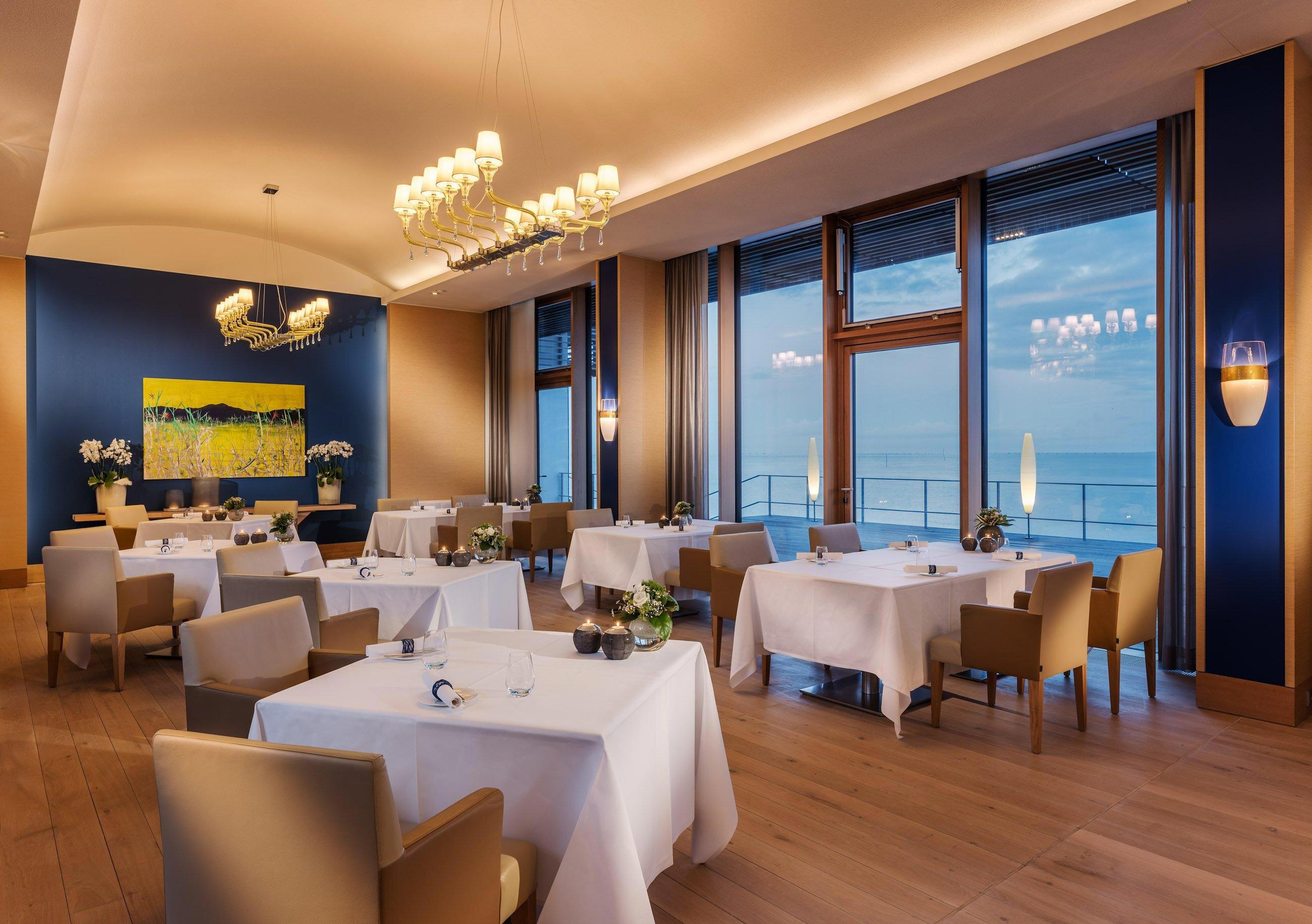
Where the Island Ends and the Cooking Begins
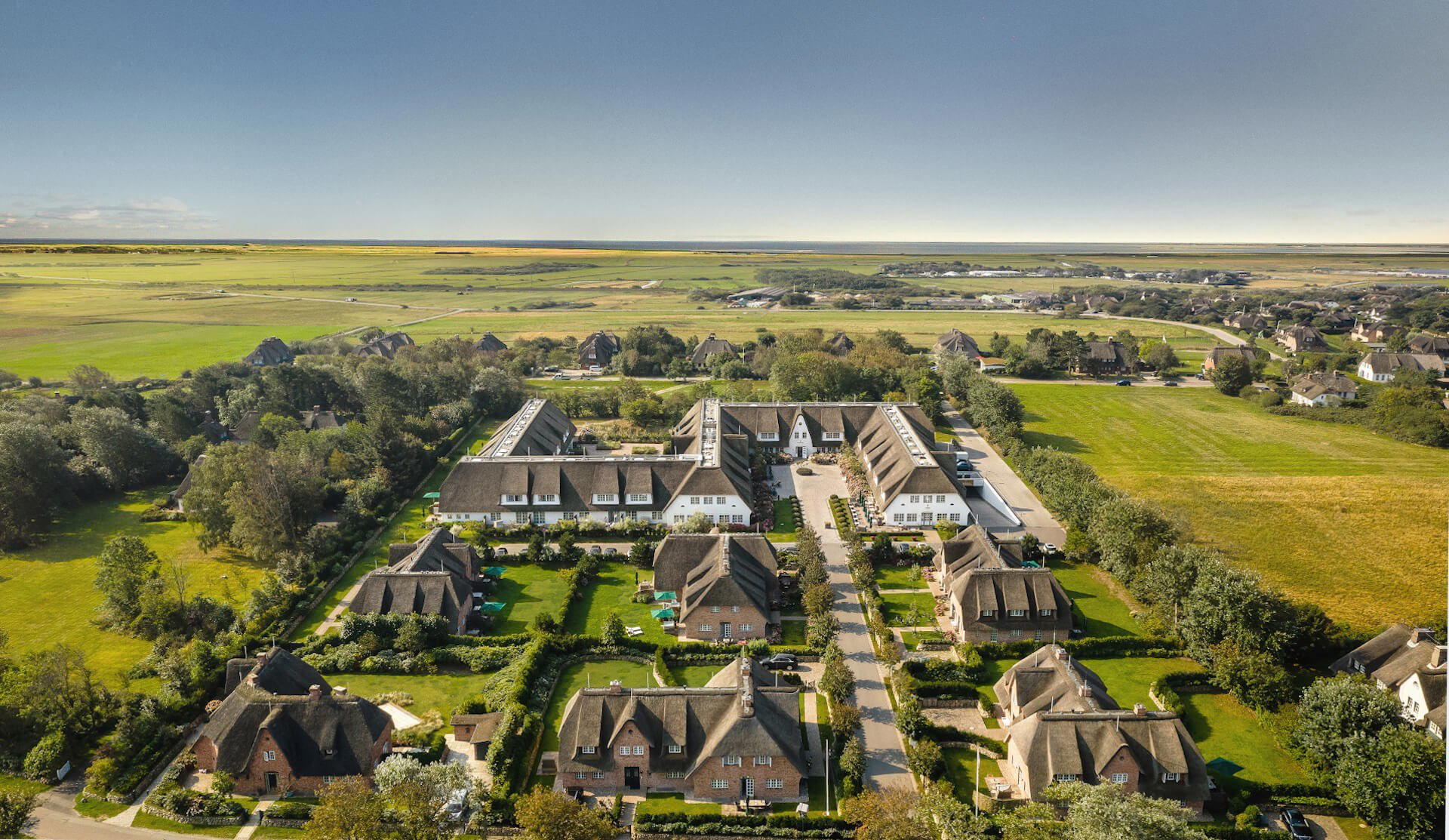
Hörnum sits at the southernmost point of Sylt, a narrow spit of land where the dunes give way to harbour and the horizon opens in three directions. The village is quieter than Westerland or Kampen, and the waterfront carries the particular stillness of a place that exists largely on its own terms. It is into this setting that KAI3 operates, a Michelin-starred creative restaurant at Am Kai 3 that holds an unlikely position in the German fine-dining map: serious technical cooking at the edge of the North Sea, far from the metropolitan circuits where starred kitchens tend to cluster.
That geographical distance is worth noting. Germany's one- and two-star creative addresses are largely inland or city-based. Houses like JAN in Munich, CODA Dessert Dining in Berlin, or Vendôme in Bergisch Gladbach operate within reach of large urban audiences. KAI3 does not. Guests come to Hörnum specifically, crossing the Hindenburgdamm by train or the causeway by car, and that journey filters the room toward a particular kind of diner: one who has done the research and committed to the trip.
Creative Cooking in a Coastal Frame
The creative cuisine category in Germany's starred tier covers a wide range. At the far end sits a place like Aqua in Wolfsburg, where three Michelin stars anchor a kitchen working across contemporary German, Italian, and Japanese reference points. The category also includes single-star addresses where the ambition is genuine but the format is more intimate, the menu tighter, the room smaller. KAI3 occupies that register. The creative classification signals a kitchen not bound to a single national tradition, working instead with technique and produce as the primary logic, letting geography and season shape the menu's character rather than a fixed culinary identity.
Chef Rodrigo Rivera RiO leads the kitchen. The name itself, with the appended "RiO," signals a distinct identity within a German dining scene that still skews toward Central European surnames. That distinction matters as context: the creative category in Germany has opened over the past decade to chefs whose formative cooking happened outside the Franco-German axis, and the results are often the category's most interesting entries. At KAI3, the island location adds a further layer. North Sea produce, particularly fish and shellfish, carries a regional specificity that creative kitchens elsewhere cannot replicate, and a chef attentive to that local material has a native advantage.
The Michelin Signal
KAI3 received its first Michelin star in 2024 and retained it in 2025. Two consecutive awards at the same level are a more reliable signal than a single year's recognition: they indicate consistency of execution across service cycles rather than a strong performance in a single inspection window. In the broader context of Germany's awarded scene, where houses like Schwarzwaldstube in Baiersbronn, Restaurant Haerlin in Hamburg, or Waldhotel Sonnora in Dreis represent the upper tier, a one-star creative address at a remote coastal location is a notable entry. It signals that the kitchen's output has cleared a quality bar that the guide applies uniformly regardless of geography.
Venues of this type tend to generate fewer but more considered reviews than high-volume urban restaurants, and the score holds across that limited pool. Guests at this price point and remoteness are rarely casual diners leaving quick impressions.
Rodrigo Rivera RiO and the Creative Kitchen Tradition
The editorial angle that matters here is not biography for its own sake but what a chef's formation implies about where a kitchen sits in its tradition. Germany's creative starred tier has historically drawn on French technique as its foundation, with the arc running from classical French through nouvelle cuisine and into contemporary plating logic. Houses like Victor's Fine Dining by Christian Bau in Perl or Schanz in Piesport operate within that tradition explicitly. A chef named Rivera RiO may bring a different formation, one that runs through Spanish or Latin American technique, possibly through the modernist strand that made northern Spain one of the defining cooking regions of the past three decades.
That lineage matters for how the menu reads. Spanish-trained creative kitchens tend to treat texture and temperature contrast as primary compositional tools rather than secondary effects. They are more likely to work with fermentation, emulsification, and precision timing at the plate level. What the creative classification, the chef's name, and the Michelin recognition together suggest is a kitchen operating outside the Franco-German default, which places it in an interesting minority within Germany's starred cohort. For comparison across European creative kitchens, Alléno Paris au Pavillon Ledoyen and Arpège in Paris represent the category's French apex, useful benchmarks for understanding how the creative designation translates across national contexts.
The Sylt Fine Dining Scene in Context
Sylt has a long identity as Germany's premium island resort, associated with wealthy Hamburg and northern German visitors who maintain houses in Kampen or Wenningstedt. The dining scene has historically tracked that clientele: good but conventional, pitched at reliable comfort rather than technical ambition. The emergence of a Michelin-starred creative kitchen at the island's southern tip is a shift within that pattern. It suggests that at least part of the island's visitor base now includes guests motivated by the restaurant specifically, rather than guests who happen to want a good dinner while on holiday.
For visitors planning around KAI3, the logistics point toward a dedicated trip or a longer island stay. Hörnum is roughly 30 kilometres from the northern end of Sylt, and the village offers limited accommodation options at the starred restaurant tier. Anyone building an itinerary around the meal would be sensible to consult our full Hörnum hotels guide in advance. The restaurant's address at Am Kai 3 places it directly on the harbour waterfront, which adds a specific atmospheric context to the arrival and, on clear evenings, to the dining room's orientation toward the water.
For those extending the visit, our full Hörnum restaurants guide covers the broader scene, while the bars guide, wineries guide, and experiences guide map the rest of what the area offers. Regional comparisons further down the German coast are worth noting too: ES:SENZ in Grassau and Bagatelle in Trier represent the kind of destination-specific starred addresses that reward deliberate travel rather than convenience.
Practical Notes for Planning
KAI3 operates at the €€€€ price tier, which in Germany's starred dining context typically indicates tasting menus priced from roughly €120 upward, with wine pairings adding substantially to the total. Advance booking for a remote destination restaurant of this standing is advisable, particularly during the summer season when Sylt's visitor numbers peak. The restaurant's retention of its Michelin star across two consecutive years provides confidence that the experience holds regardless of when within that window a reservation is made.
Frequently asked questions
Is KAI3 good for families?
KAI3 operates at the €€€€ price tier in Hörnum, the quietest and most remote village on Sylt. The format is a creative kitchen with two consecutive Michelin stars, which points toward structured tasting-menu service rather than à la carte flexibility. It is not a setting that accommodates young children well.
What's the vibe at KAI3?
Hörnum sits at the southern tip of Sylt where the island narrows to a harbour point, and KAI3 takes its address directly from the quay, Am Kai 3. Two consecutive Michelin stars (2024 and 2025) signal a kitchen that takes its work seriously, but the setting is coastal and low-key rather than formal city-centre dining.
What distinctions does KAI3 have?
KAI3 has received recognition including: Michelin 1 Star (2025); Michelin 1 Star (2024).
What do regulars order at KAI3?
The creative cuisine classification and Michelin recognition together point to a tasting-menu format where the kitchen sets the direction rather than the diner. At the €€€€ tier on Sylt, the kitchen is chef Rodrigo Rivera RiO's, and the sequence of courses rather than individual dish selection is the standard way to eat here.
A Quick Peer Check
| Venue | Cuisine | Price | Awards | Notes |
|---|---|---|---|---|
| KAI3This venue (the venue you are viewing) | Nordic Fusion Fine Dining | $150–200 | 1 Michelin Star | Not listed |
| Schwarzwaldstube | Modern French Fine Dining | $150–200 | 3 Michelin Stars · World's 50 Best #47 | French, Classic French |
| Aqua | Contemporary German, Italian/Japanese, Creative | Not listed | Michelin 3 Star | Not listed |
| CODA Dessert Dining | Dessert-Inspired Fine Dining | $200–300 | 2 Michelin Stars · World's 50 Best #79 | Creative |
| Tantris | Modern French, French Contemporary | Not listed | Michelin 2 Star | Not listed |
| Vendôme | Modern German Haute Cuisine | $200–300 | 2 Michelin Stars · World's 50 Best #47 | Modern European, Creative |
Recognition history
Dated appearances from independent guides and award organizations, with the underlying list record or original source where available.
Michelin 1 Star
Michelin
Full recognition history (3 entries)
Michelin 1 Star
Michelin
Michelin 1 Star
Michelin
Continue exploring
More in Hörnum
Restaurants in Hörnum
All restaurants in Hörnum →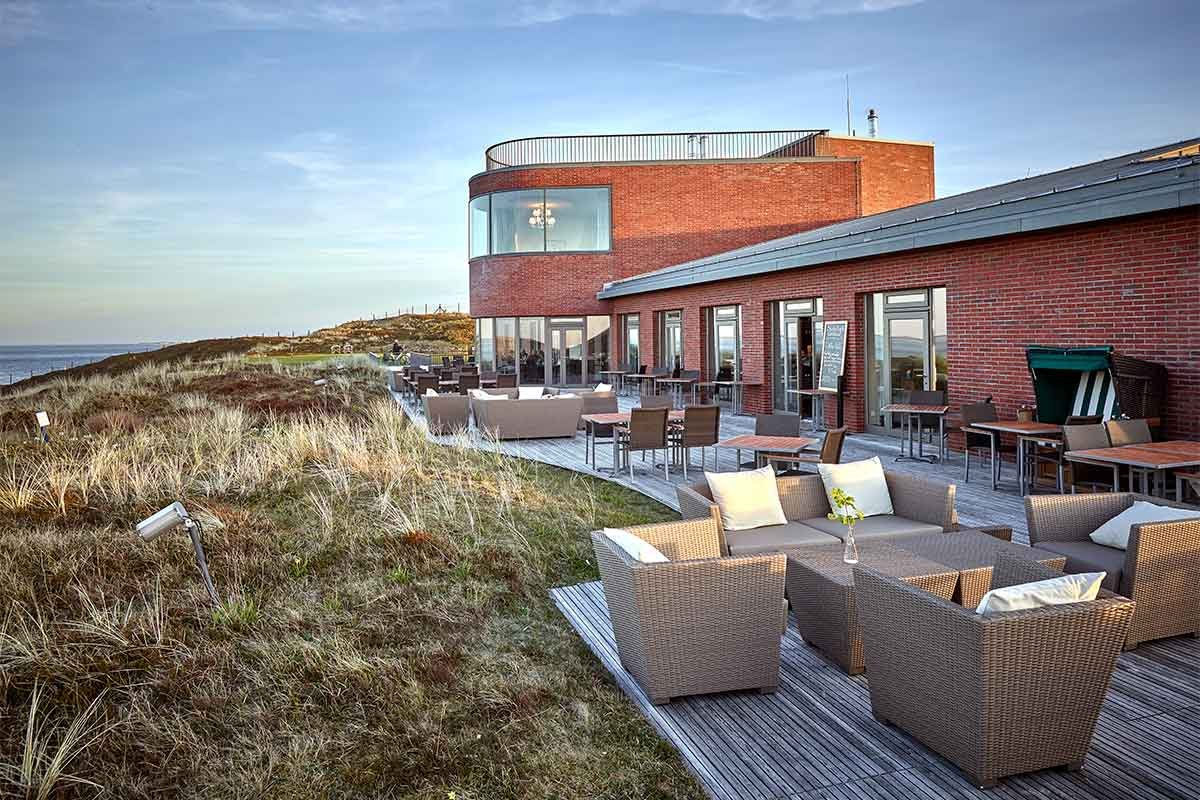
Details
- Elegant
- Modern
- Sophisticated
- Intimate
- Scenic
- Special Occasion
- Date Night
- Waterfront
- Hotel Restaurant
- Extensive Wine List
- Local Sourcing
- Waterfront
- Tasting Menu
- Prix Fixe
- Wine Pairings
- Vegetarian Friendly
- Gluten Free Options
Current opening hours
- Monday
- 6:30–9 PM
- Tuesday
- 6:30–9 PM
- Wednesday
- Closed
- Thursday
- Closed
- Friday
- 6:30–9 PM
- Saturday
- 6:30–9 PM
- Sunday
- 6:30–9 PM
Hours can change for holidays and private events. Hours as of .
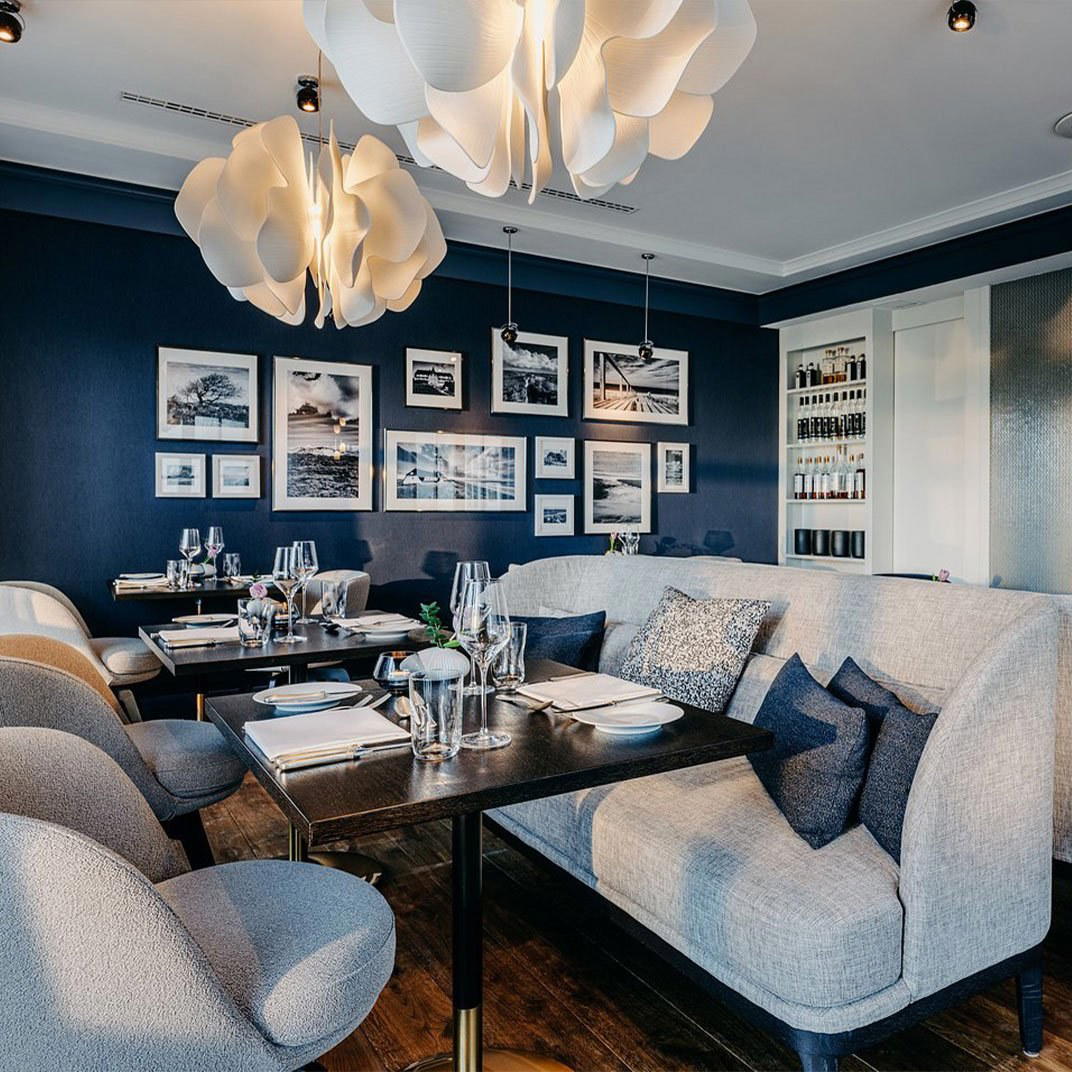
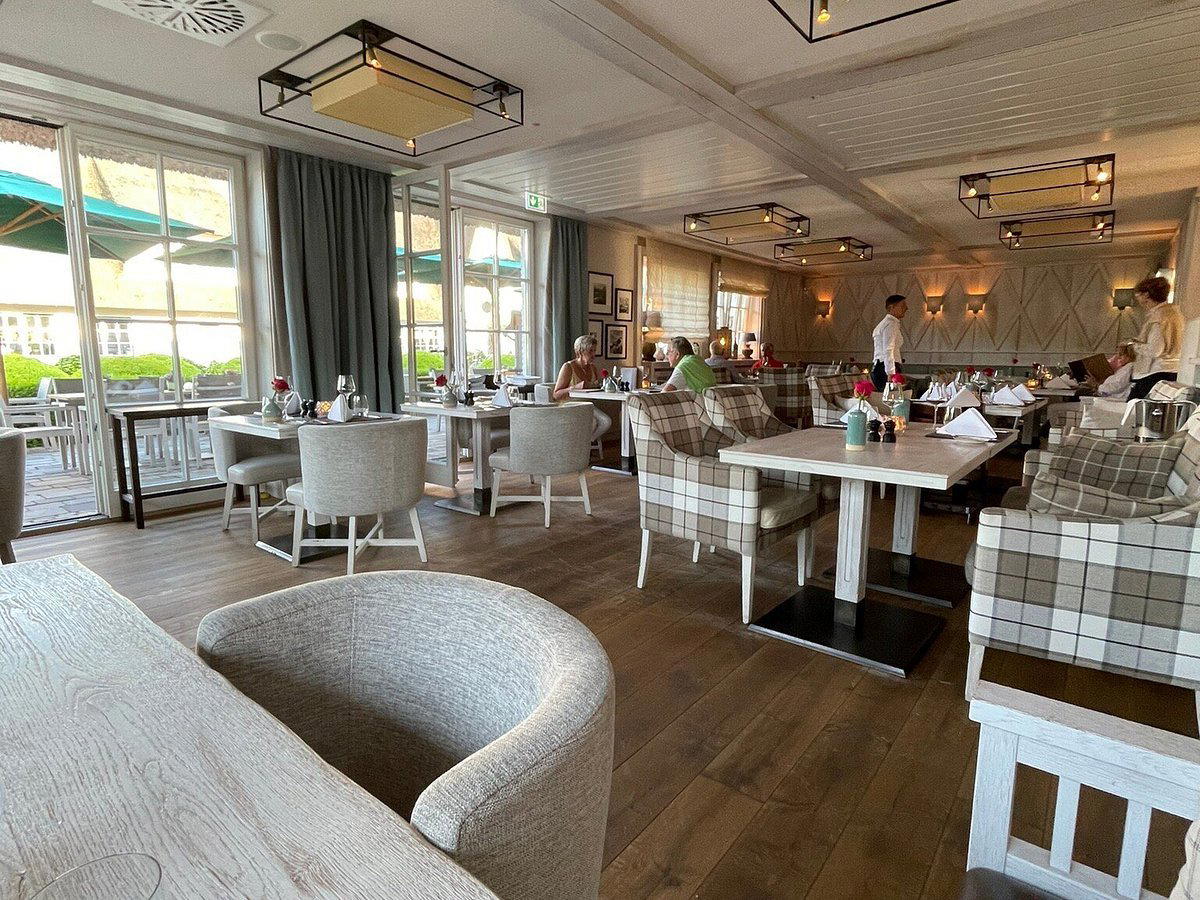
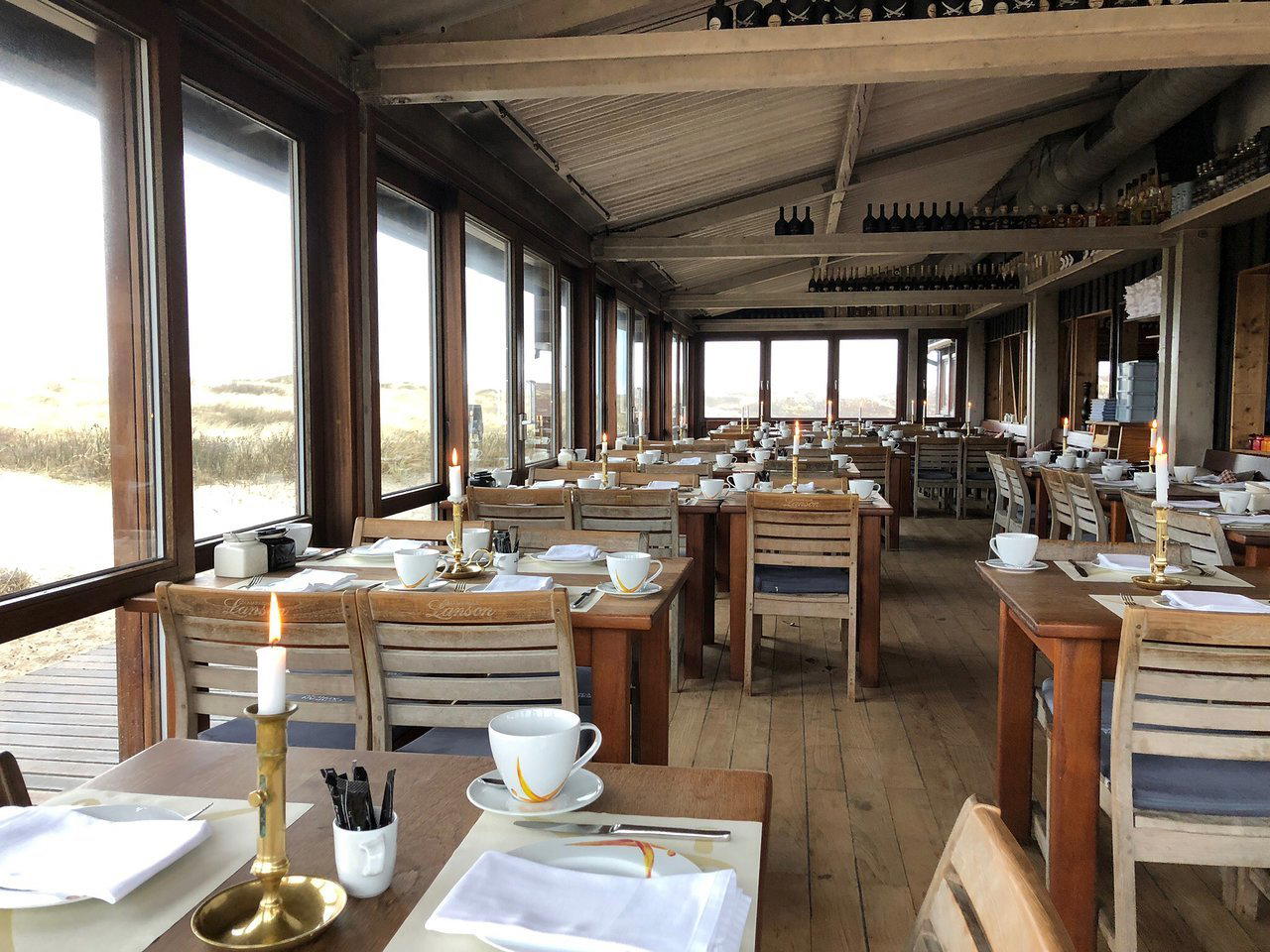
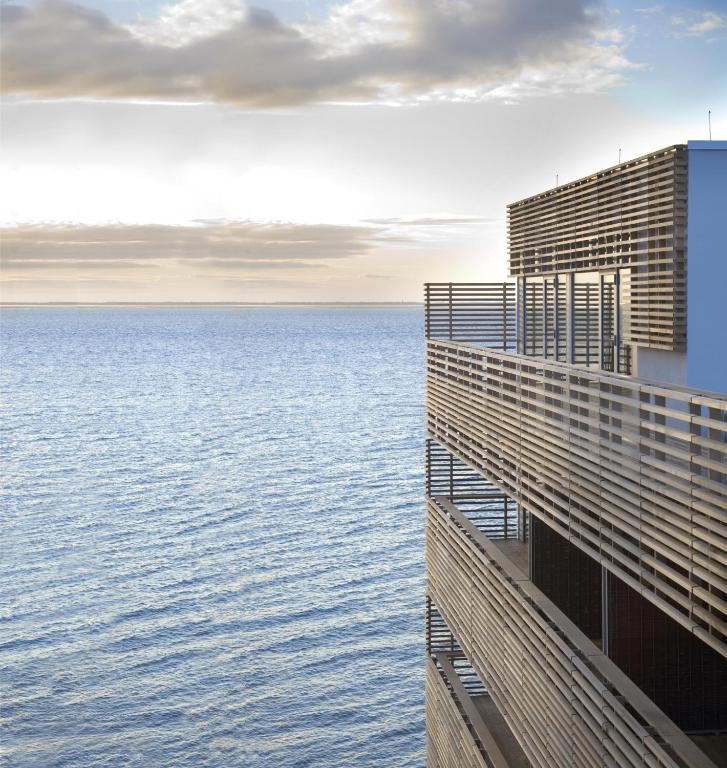
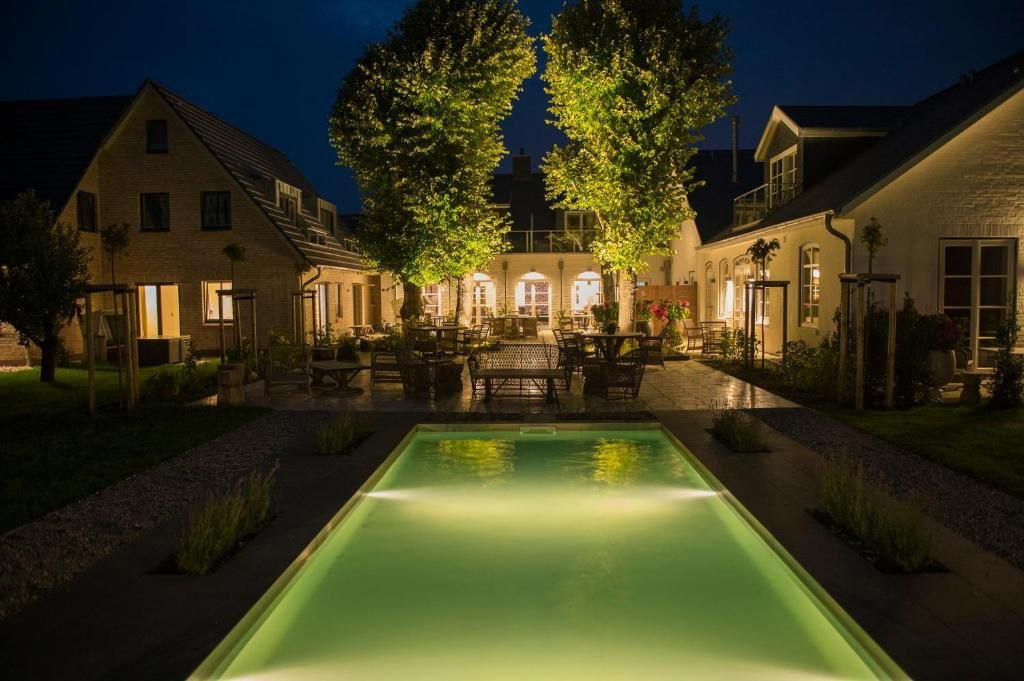
Modern Nordic design with clean lines, natural materials, understated luxury, and dramatic seascape through floor-to-ceiling windows.