

Michelin Plate · Star Wine List
Our verdict
Sansibar sits on the dune-backed shore of Sylt's Rantum coast, holding two consecutive Michelin Plates (2024 and 2025) against a backdrop of North Sea wind and salt air. The international menu draws from the island's proximity to exceptional seafood and North German produce, served in a setting that has become a reference point for the island's casual-premium dining tier.2 across 3,311 reviews signals consistent delivery at scale.

Pearl is the En Primeur Club membership app — saves, bookings, and concierge access live there. Same editors, same standards.
- Address
- Strandabschnitt, Hörnumer Str. 80, 25980 Sylt, Germany
- Phone
- +49 4651 964646
- Hours
- Daily 12–11 PM
- Website
- sansibar.de
- Directions
- Get directions
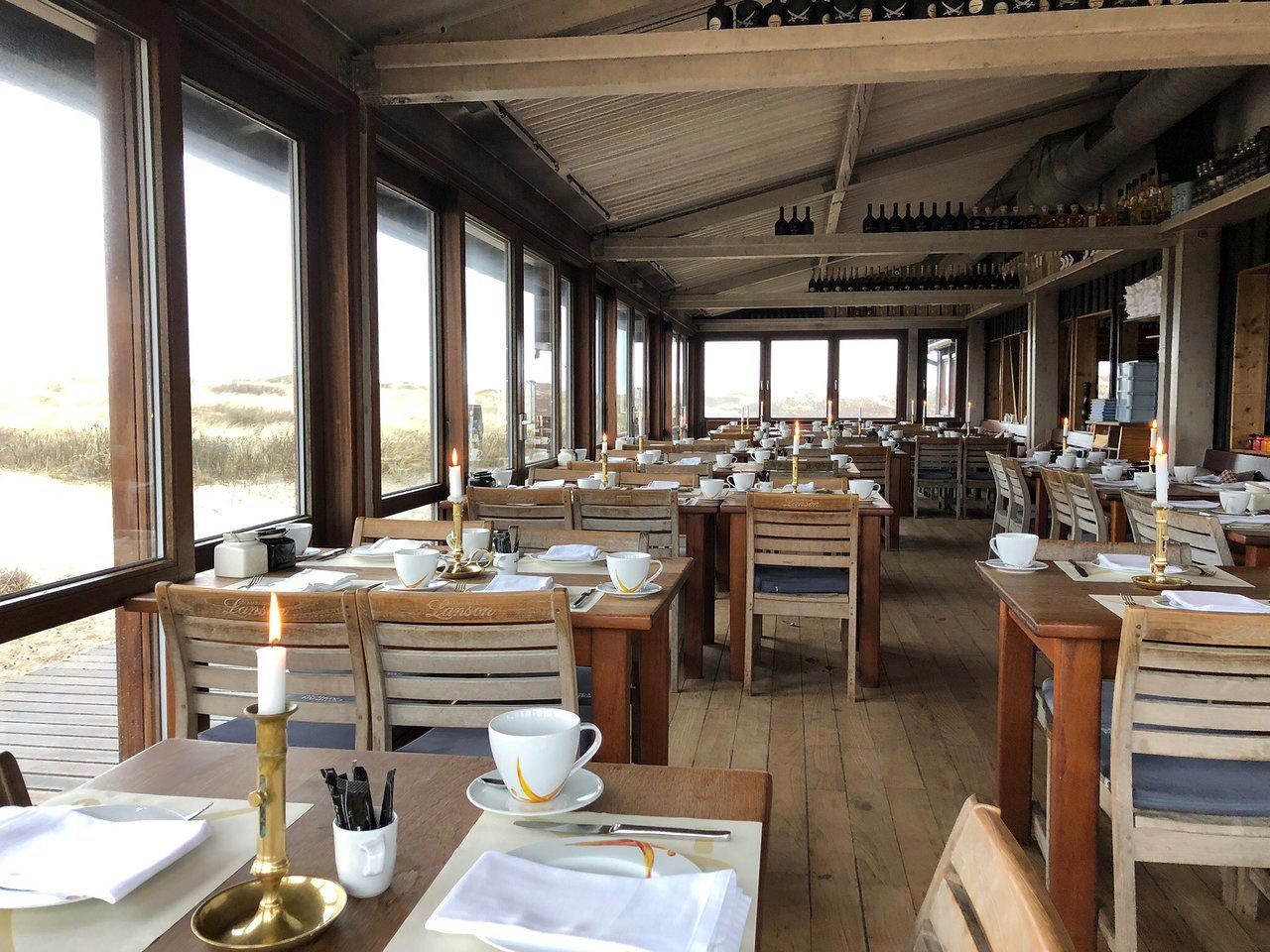
Where the North Sea Sets the Table
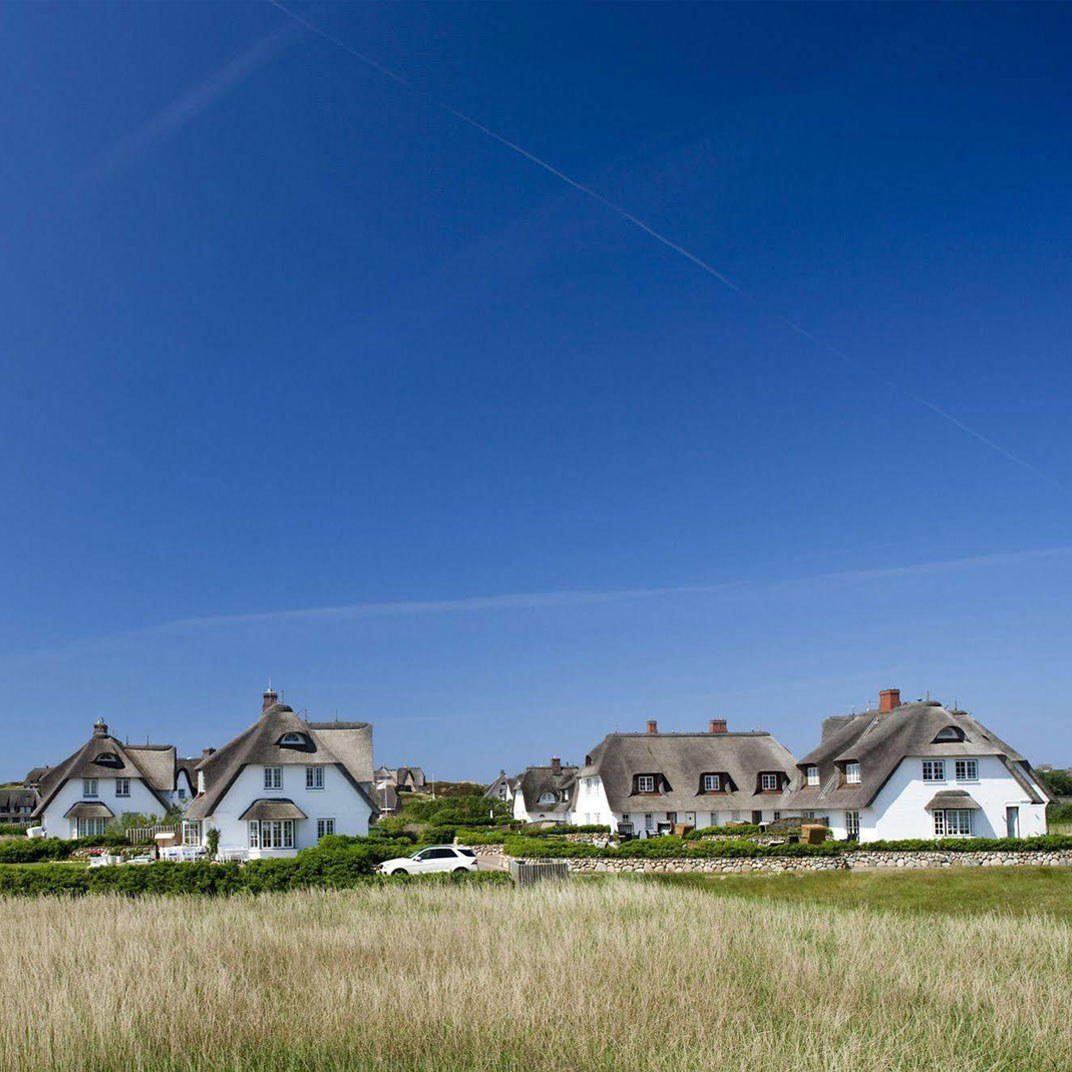
The approach to Sansibar tells you something before the menu does. Hörnumer Strasse gives way to a stretch of Rantum coastline where the dunes absorb the wind and the light shifts depending on cloud cover — conditions that define not just the mood of the island but the logic of what gets cooked here. North Sea proximity shapes the ingredient conversation at any serious dining address on Sylt, and Sansibar is no exception. The Michelin Plate, awarded in both 2024 and 2025, signals that kitchen standards are observed and maintained — a recognition that sits a tier below star awards but confirms the operation meets the guide's criteria for quality cooking.
Sylt as a whole occupies an unusual position in the German dining conversation. It is remote by mainland standards, accessible by the Hindenburgdamm rail causeway or by air, yet it draws a clientele willing to travel for the combination of North Sea landscape and concentrated food culture. For broader context on where Sansibar sits relative to other addresses on the island, our full Rantum restaurants guide maps the local scene in detail.
Sourced from the Shore: What the North Sea Provides
The ingredient logic at a Sylt restaurant differs materially from a mainland address. The island sits at the edge of the Wadden Sea, a UNESCO World Heritage tidal flat system that produces exceptional shellfish and supports one of Germany's most productive coastal fishing corridors. Oysters cultivated in these cold, mineral-rich waters have a salinity and texture that distinguish them from Atlantic farmed product, and the shrimp caught in the shallow Wattenmeer, the small, sweet Nordseekrabbe, represent a regional specificity that no import can replicate. Any serious kitchen on the island with an international menu has to decide how much of that local provenance to anchor itself to, and how much to bring in from elsewhere.
Sansibar's international cuisine classification positions it as a kitchen that works across references rather than within a single tradition. That framing allows it to place North Sea product alongside ingredients from other sourcing traditions, a model increasingly common at mid-to-premium coastal addresses across Northern Europe, where the best of the local catch anchors a menu that ranges more widely in technique and influence.
For context on how the premium tier of German restaurant cooking handles sourcing and technique, addresses like Aqua in Wolfsburg and Schwarzwaldstube in Baiersbronn operate at the starred level with tasting menus built around single-region sourcing commitments. Sansibar operates at the Michelin Plate tier and at a lower price point, the €€ range, which puts it in a different competitive conversation: accessible quality rather than destination fine dining.
The Price Tier and What It Signals
The €€ price range at Sansibar is notable on an island where premium addresses can run significantly higher. Sylt has a well-documented reputation as one of Germany's most expensive leisure destinations, and the dining market reflects that. Sansibar's positioning at €€ with a Michelin Plate across two consecutive years is an unusual combination, it suggests a kitchen that achieves recognition without pricing at the level where recognition is typically expected.
The broader Rantum visitor profile, and Sylt's generally, skews towards affluent Germans and international visitors from the DACH region, many of whom are there for extended stays rather than single nights. That context matters for how Sansibar functions: it serves a repeat clientele that uses it across multiple occasions, not just as a one-off destination meal. For visitors also exploring accommodation on the island, our full Rantum hotels guide covers the relevant options, and our Rantum bars guide maps the island's after-dinner options.
Sansibar in the German Dining Context
Germany's Michelin Plate tier covers a wide range of kitchens, from neighbourhood bistros to resort addresses with serious sourcing programs. What differentiates Sansibar from a typical regional recipient is the combination of coastal location, ingredient access, and a volume of guest feedback that speaks to sustained performance over time. At the starred level in Germany, addresses like Vendôme in Bergisch Gladbach, JAN in Munich, and Waldhotel Sonnora in Dreis operate with tasting menu structures and sourcing philosophies that demand a different kind of engagement from the guest. Sansibar's international format and accessible price point serve a different function in the ecosystem, it is the address that Sylt visitors return to across seasons, rather than the address they build a trip around once.
That role, consistent, geographically anchored, seasonally informed, is not a lesser one. The Wadden Sea's seasonal rhythms directly affect what arrives in the kitchen: spring brings Nordseekrabbe in quantity, summer the peak tourist season with its demand for breadth and volume, autumn a shift toward heartier North German produce. Any kitchen holding Michelin recognition at this level across two consecutive years has demonstrated the ability to maintain standards through that cycle. Other creative formats in the German scene worth noting include CODA Dessert Dining in Berlin and ES:SENZ in Grassau, both of which approach the Michelin tier through more specialist lenses. For a Hamburg-proximate comparison, Restaurant Haerlin represents the starred tier within the northern German region.
Additional reference points in the German dining network include Schanz in Piesport, Victor's Fine Dining by Christian Bau in Perl, and international-format addresses like Haubentaucher in Rottach-Egern and Loumi in Berlin, which together illustrate how widely the international cuisine classification is applied across German dining contexts. Our Rantum experiences guide and wineries guide round out the full picture for visitors planning time on the island.
Planning Your Visit
Sansibar is located at Strandabschnitt, Hörnumer Strasse 80, in Rantum on Sylt's western coast. The address is on the island's Atlantic-facing shore, where the dune geography keeps the site partly sheltered. Sylt is reached by the overnight car-train from the mainland or by domestic flights into Sylt Airport, the island has no road bridge connection. The €€ price tier makes it accessible relative to other recognised addresses on the island, which in turn increases demand across a wider visitor base than a higher-priced address would attract.
Frequently asked questions
What distinctions does Sansibar have?
Sansibar has received recognition including: Michelin Plate (2025); Michelin Plate (2024).
What part of town is Sansibar in?
Sansibar is located at Strandabschnitt, Hörnumer Str. 80, 25980 Sylt, Germany, Rantum.
What should I order at Sansibar?
The kitchen's Michelin Plate recognition in both 2024 and 2025 points to consistent execution across its international cuisine format. Given the restaurant's position on Sylt's Wadden Sea coastline — a UNESCO World Heritage site — seafood-forward dishes are the logical focus. The €€ price tier means you can order across the menu without the commitment that Sylt's higher-end addresses demand.
Is Sansibar expensive?
Pricing at Sansibar is listed as €€.
Do I need a reservation for Sansibar?
Yes. Sansibar carries Michelin Plate recognition for two consecutive years and sits on Sylt, an island with a concentrated and high-demand summer season. Booking ahead is advisable, particularly between June and August when the island's visitor numbers peak. Contact details are best confirmed directly via the venue before travelling.
What's the standout thing about Sansibar?
The combination of a direct Wadden Sea coastal address at Hörnumer Strasse 80 in Rantum and back-to-back Michelin Plate recognition (2024 and 2025) gives Sansibar a clear position on the island. It delivers recognised culinary consistency at a €€ price point, which is notably accessible relative to the premium tier that defines much of the Sylt dining scene.
In Context: Similar Options
| Venue | Cuisine | Awards |
|---|---|---|
| SansibarThis venue — the venue you are viewing | Beach Seafood & International | Michelin Plate · Star Wine List |
| Schwarzwaldstube | French, Classic French | Michelin 3 Star |
| Aqua | Contemporary German, Italian/Japanese, Creative | Michelin 3 Star |
| CODA Dessert Dining | Creative | Michelin 2 Star |
| Tantris | Modern French, French Contemporary | Michelin 2 Star |
| Vendôme | Modern European, Creative | Michelin 2 Star |
Recognition history
Dated appearances from independent guides and award organizations, with the underlying list record or original source where available.
Michelin Plate
Michelin
Star Wine List
Star Wine List
Full recognition history (4 entries)
Michelin Plate
Michelin
Michelin Plate
Michelin

Details
- Well Known
- Lively
- Scenic
- Rustic
- Casual Hangout
- Celebration
- Waterfront
- Terrace
- Waterfront
- A La Carte
- Gluten Free Options
Current opening hours
- Monday
- 12–11 PM
- Tuesday
- 12–11 PM
- Wednesday
- 12–11 PM
- Thursday
- 12–11 PM
- Friday
- 12–11 PM
- Saturday
- 12–11 PM
- Sunday
- 12–11 PM
Hours can change for holidays and private events. Last verified .
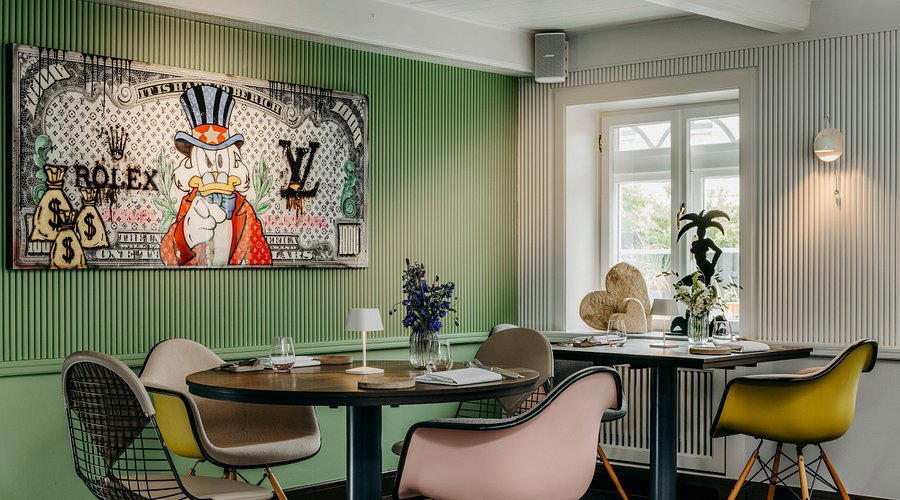
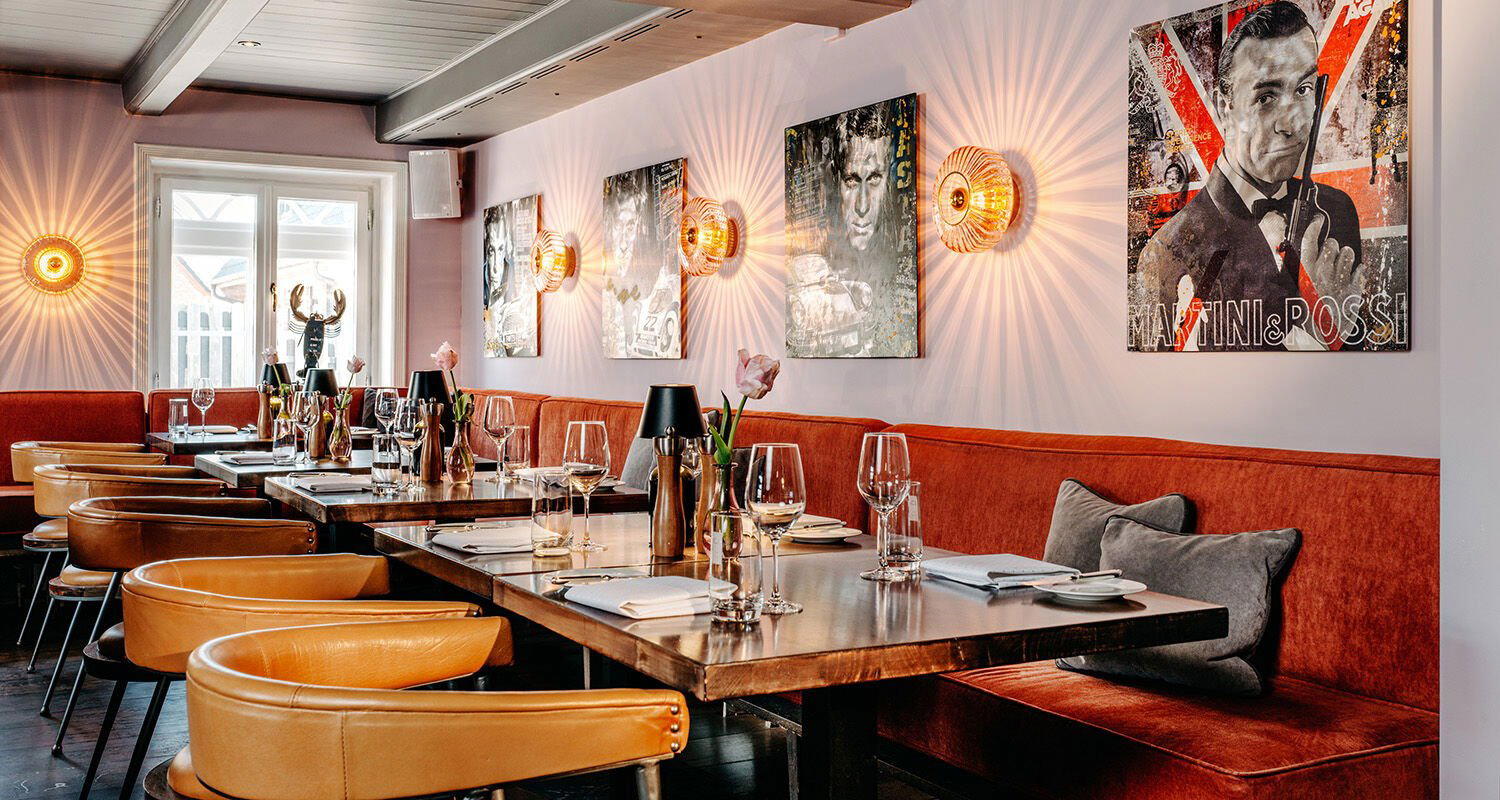
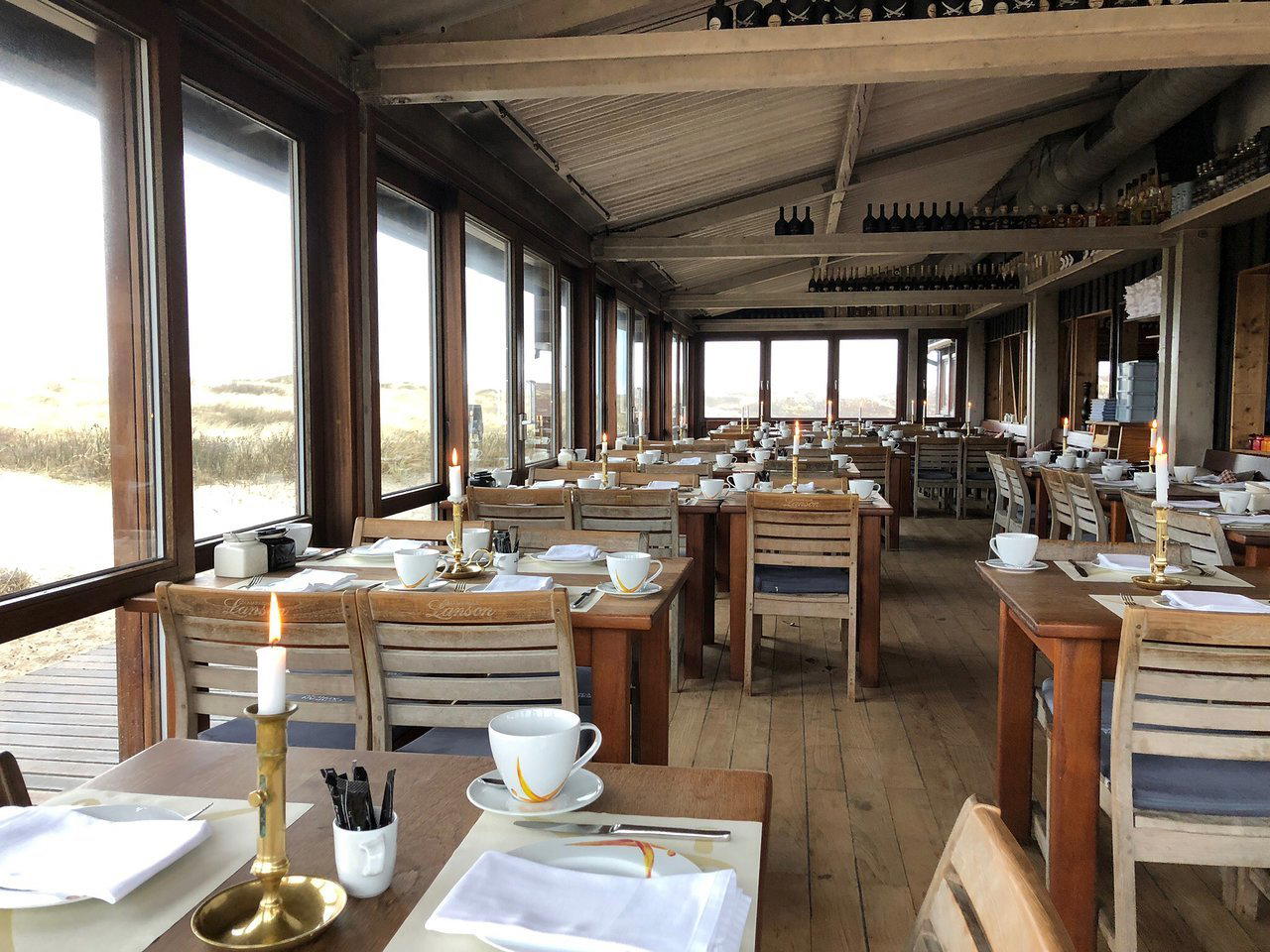
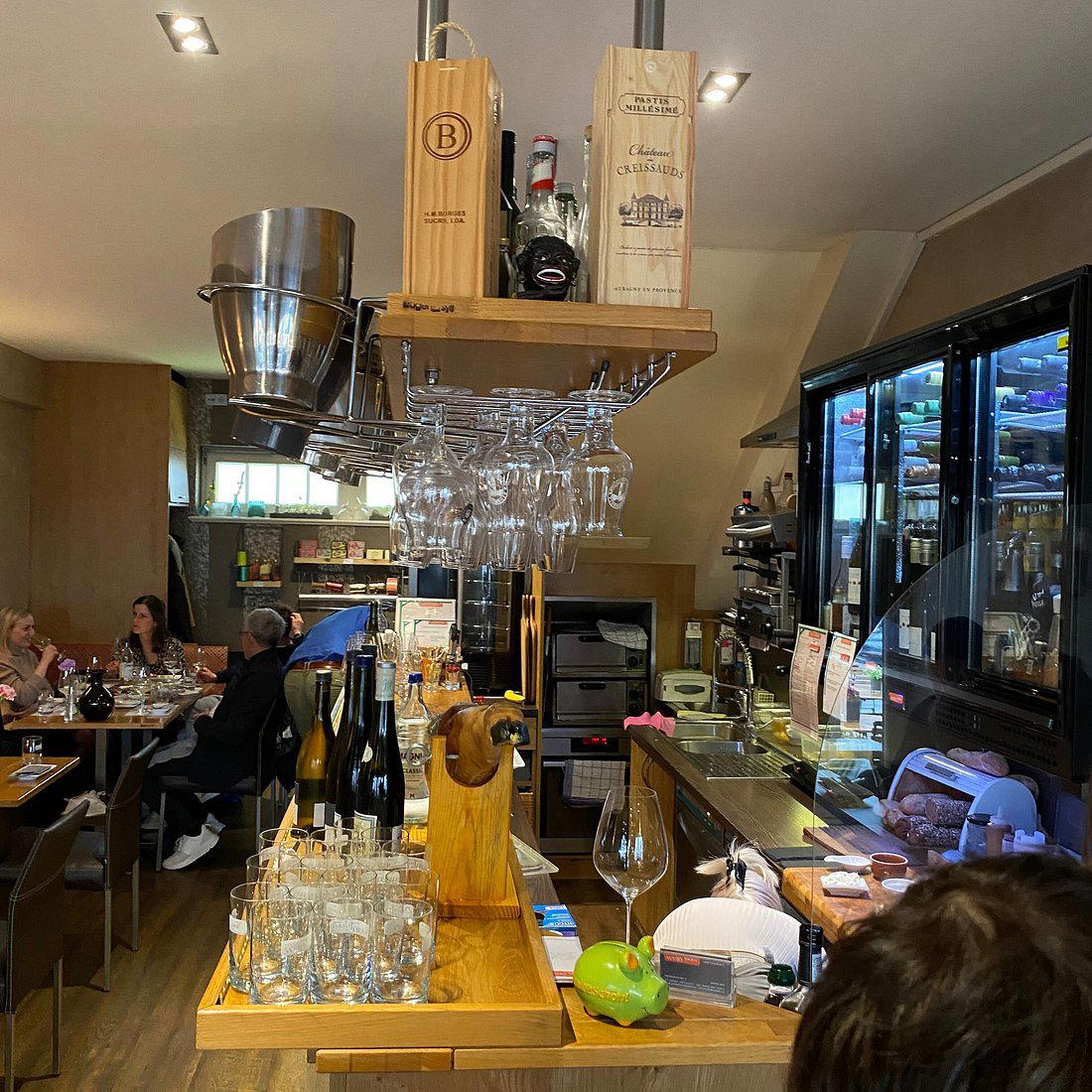
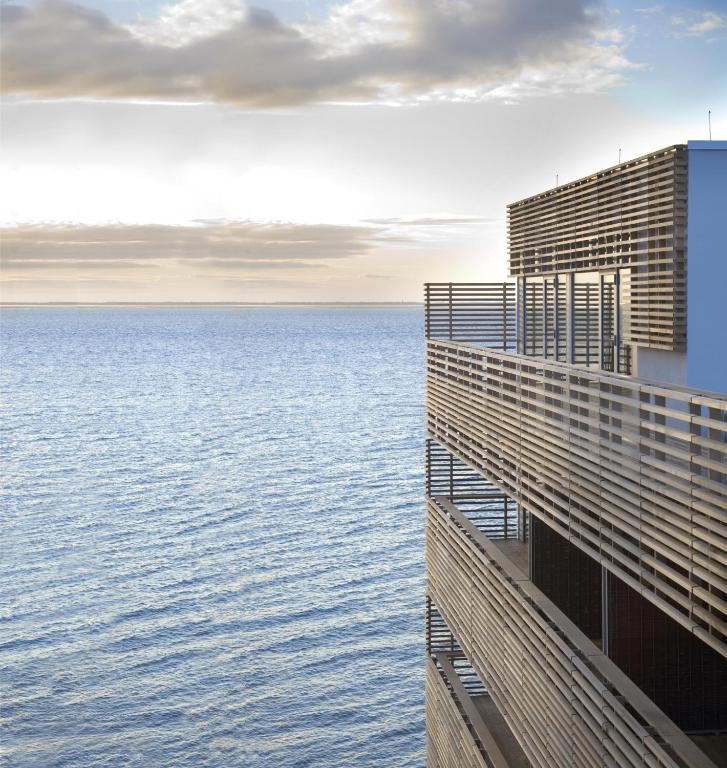
Inviting beachfront vibe with outdoor wooden benches in sand, lively crowds, and scenic sea views.