
Støtvig Hotel sits on the Oslofjord shoreline at Larkollen, combining hotel accommodation with a restaurant operation that earned a White Star listing on Star Wine List in August 2024. The property's fjord-edge position places it within Norway's growing tradition of destination dining tied directly to coastal geography and local ingredient sourcing, a pattern increasingly defining how the country's regional hospitality is recognised internationally.
Pearl is the En Primeur Club membership app — saves, bookings, and concierge access live there. Same editors, same standards.
- Address
- Larkollveien 801, 1560 Larkollen, Norway
- Phone
- +47 69 23 61 00
- Website
- stotvighotel.com
- Directions
- Get directions
 Saves & bookings on Pearl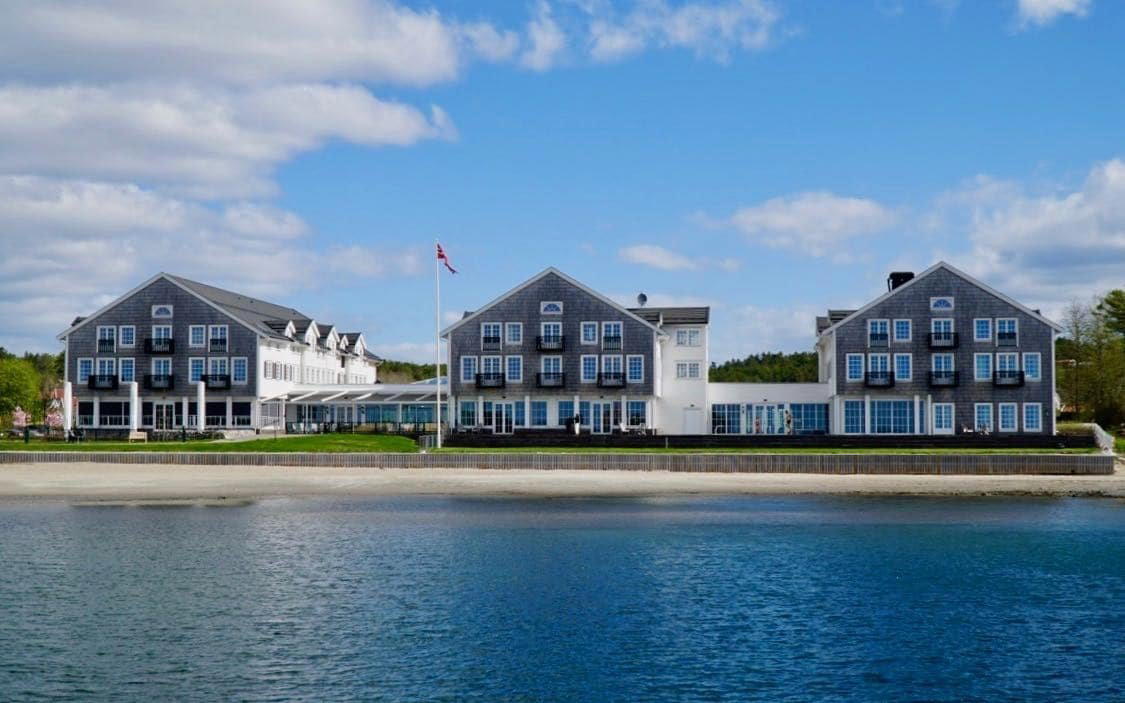
Where the Fjord Sets the Menu
The Oslofjord's western shore has never competed for attention with the drama of Norway's western fjords. There are no vertical cliff walls here, no tourist cruises threading between waterfalls. What the Larkollen coastline offers instead is something quieter and, for the purposes of serious eating and drinking, more productive: direct access to the cold, relatively shallow waters of the inner fjord, where shellfish and coastal produce have fed the communities around Larkollen for generations. Støtvig Hotel occupies this geography deliberately. Sitting at Larkollveien 801 with the fjord as an immediate neighbour rather than a distant postcard view, the property belongs to a Norwegian hospitality tradition in which the surrounding environment is not decoration but source material.
This matters more than it might initially appear. Across Norway's restaurant culture in the last decade, particularly closely watched properties have been those that tie their identity to specific coastal or agricultural geographies. Iris in Rosendal anchors its menu to the Hardangerfjord's micro-climate produce. Under in Lindesnes operates at the southern tip of Norway, using its proximity to the North Sea as both a physical feature and a supply chain. Conservatory in Norangsfjorden anchors a similar logic to the remote western fjords. Støtvig Hotel's position on the Oslofjord places it in this category of venue where geography and table are deliberately connected, though operating within a more accessible and less remote context than several of its counterparts.
The White Star Signal and What It Means for the Cellar
In August 2024, Star Wine List published Støtvig Hotel and awarded it a White Star, the platform's entry-level recognition for wine programs that meet a threshold of quality, care, and range. For a property in Larkollen, which is a small coastal settlement rather than a major Norwegian city, this carries some weight. Star Wine List's White Star designation indicates that the wine operation here has been reviewed and passed a baseline of curatorial seriousness. It does not place Støtvig in the same tier as a three-Michelin-star cellar, but it does suggest that the beverage program is not an afterthought.
Within Norway's broader wine culture, this kind of recognition at a regional property is part of a visible pattern. Oslo's leading tables, including Maaemo, have long demonstrated that Norwegian restaurants can maintain serious, awarded wine programs. What has shifted in recent years is the geographic spread of that seriousness outward from the capital. Properties like Støtvig, in smaller coastal communities, are now drawing the attention of wine-focused platforms that previously concentrated almost entirely on urban dining. For visitors travelling from Oslo, roughly an hour south on the E6 corridor, the White Star recognition at Larkollen is a reasonable signal that a destination-worthy meal with a considered wine pairing is achievable without staying in the city.
Ingredient Geography: The Oslofjord as Larder
The editorial angle that makes most sense for a property in this location is not chef biography or architectural detail, but sourcing geography. The Oslofjord, for all its relative modesty compared to Norway's western waterways, is a productive food environment. Prawns, crab, various flatfish species, and seasonal coastal vegetables have been harvested from these waters and shorelines for as long as communities have existed at Larkollen. A hotel-restaurant sitting directly on this coastline has access, in principle, to ingredients that Oslo restaurants must source at a remove.
Norway's broader new-Nordic movement, which achieved its highest international visibility through venues like RE-NAA in Stavanger and FAGN in Trondheim, has consistently foregrounded this kind of hyper-local sourcing as both an ethical position and a flavour argument. The argument is direct: coastal Norwegian ingredients eaten at or near the point of harvest taste different from the same ingredients transported and held. The geographic logic that underpins that movement applies here regardless of formal affiliation.
For comparison, the same geographic-sourcing argument applies to properties operating in far more remote settings, like Kvitnes Gård in Kvitnes or Huset Restaurant in Longyearbyen, where distance from supply chains makes local sourcing a practical necessity as much as a philosophical choice. Larkollen's proximity to Oslo makes it a different kind of case: here, the choice to source locally is more deliberate than logistically compelled, which tends to reflect kitchen priorities rather than infrastructure constraints.
Larkollen in Context: A Small Settlement with a Specific Draw
Larkollen is not a destination with a deep hospitality infrastructure. It is a small coastal community in Østfold, the county that runs south of Oslo along the Oslofjord's western bank. Its draw is largely seasonal, summer cottages, boating, and the kind of quiet that is genuinely difficult to find within an hour of a Scandinavian capital. The restaurant operates within this context, which means it functions as one of the few formal hospitality options in an area that otherwise runs on informal summer-house culture.
This positioning is not a disadvantage. Several of Norway's most closely watched destination restaurants and hotels operate in similarly small or remote settlements, where the absence of competition concentrates local attention and allows a single property to define what serious hospitality means in a given geography. Boen Gård in Tveit and Storfjord Hotel Restaurant in Glomset both operate under this logic, and both have generated recognition that exceeds what their settlement size would predict. Støtvig's White Star listing follows a similar pattern.
Planning a Visit
The restaurant's address at Larkollveien 801 places it on the coastal road that traces the Oslofjord shoreline south of Moss. From Oslo, one practical route runs via the E6 southbound to Moss, then follows the coastal road to Larkollen, a drive of approximately 70 to 80 kilometres depending on the departure point within the city. The property functions as both hotel and restaurant, which makes it a natural candidate for an overnight stay rather than a day trip, particularly for visitors who want to engage with a wine list that earned White Star recognition without calculating a return drive.
Comparable Spots, Quickly
Comparable venues nearby, for context on price, style, and recognition.
| Venue | Cuisine | Price | Notes |
|---|---|---|---|
| Støtvig HotelThis venue — the venue you are viewing | Norwegian Seafood & Buffet | $$$ | Not listed |
| Restaurant Bro | Modern Norwegian Coastal Gastronomy | $$$ | city center |
| Renaa: Restauranten | Modern New Nordic Seafood Tasting | $$$$ | downtown |
| Kitchen & Table Fishery | Norwegian Seafood | $$ | Youngstorget |
| Sjøslag | French-Inspired Norwegian Seafood | $$$ | Fritzøe Brygge |
| Vin Tjuvholmen | European Wine Bar | $$$ | Aker Brygge |
Recognition history
Dated appearances from independent guides and award organizations, with the underlying list record or original source where available.
Star Wine List
Star Wine List
Continue exploring
More in Larkollen
Restaurants in Larkollen
Browse all →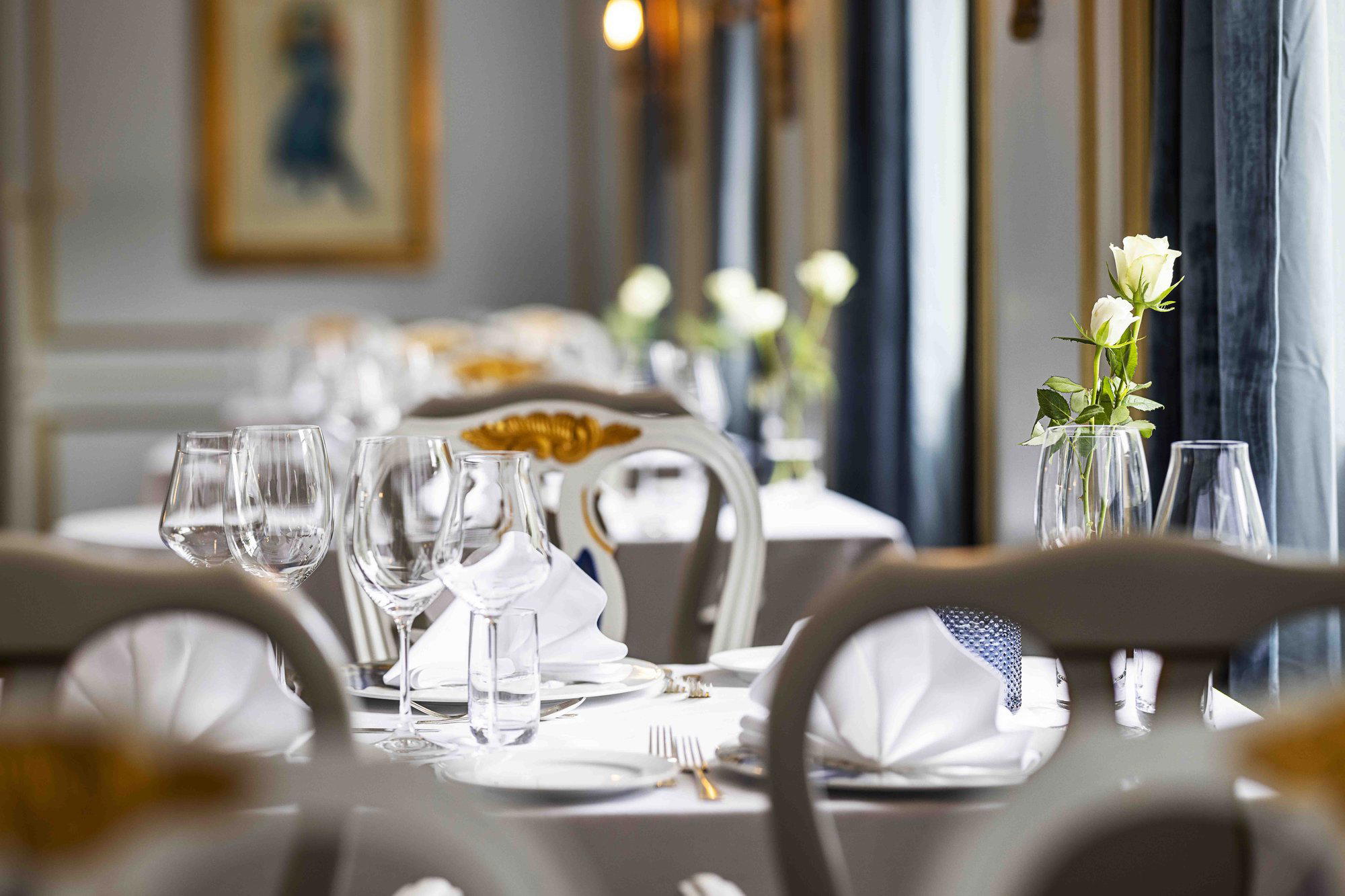
Bars in Larkollen
Browse all →
Hotels in Larkollen
Browse all →
At a Glance
- Scenic
- Elegant
- Cozy
- Family
- Celebration
- Brunch
- Waterfront
- Hotel Restaurant
- Historic Building
- Extensive Wine List
- Local Sourcing
- Waterfront
Maritime New England-inspired atmosphere with bright, comfortable spaces and scenic waterfront views.