Conservatory

Relais Chateaux Award
Our verdict
Conservatory sits inside Salmon Eye, a floating conservation vessel anchored in the waters of Norangsfjorden, and serves Modern Norwegian cooking under chef Sal Sabeel. Recognised by EP Club's Cooking Classics highlight, the restaurant operates at the intersection of New Nordic philosophy and remote Norwegian wilderness. It draws visitors willing to travel specifically for the experience.

Pearl is the En Primeur Club membership app, where members save venues, book tables and use the concierge.
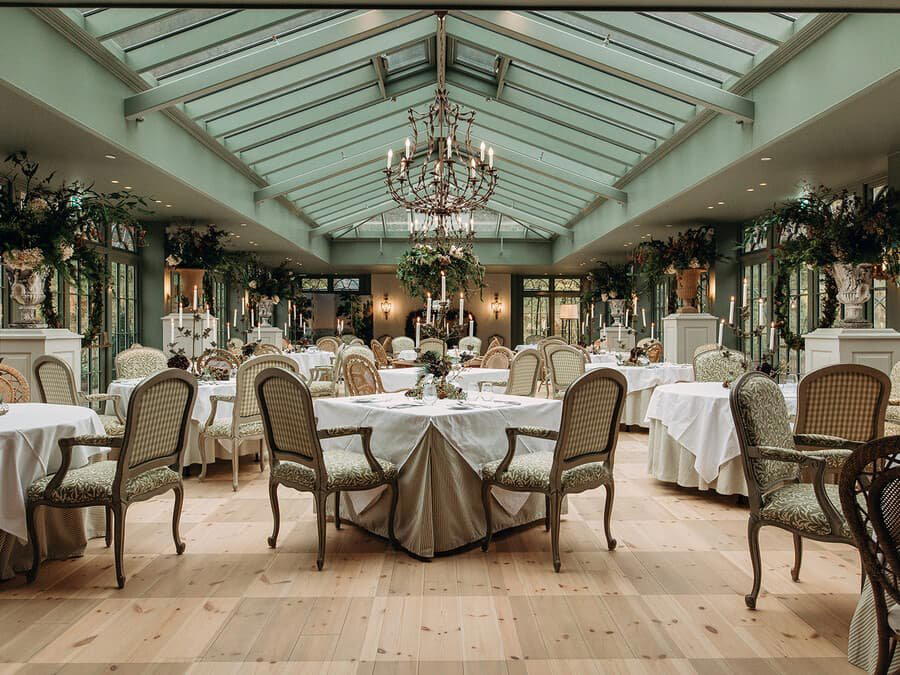
Fjord as Setting, Fjord as Ingredient
There is a particular kind of restaurant that only makes sense in its exact location. Remove it, place it on a city block, and the food would still technically be the food, but the argument it was making would dissolve entirely. Conservatory, housed inside Salmon Eye on the waters of Norangsfjorden in western Norway, is that kind of restaurant. The floating structure itself is a conservation project, and the restaurant operating within it belongs to a growing category of remote Nordic dining where the environment is not backdrop but subject. The fjord you arrive across is the same fjord that informs what lands on the plate under chef Sal Sabeel.
Norangsfjorden sits in Sunnmøre, a district of western Norway where glacial valleys descend sharply into saltwater and the growing season is short, cold, and precise. These conditions are not obstacles for New Nordic cooking; they are its premise. The movement that crystallised in Scandinavia over the past two decades argued that proximity, seasonality, and restraint produce more honest food than technique deployed to compensate for distance. At Conservatory, that argument is tested in one of Norway's more demanding geographic contexts. Getting there requires commitment: the closest town of any size is Rosendal, and most visitors approach by water. That logistical reality shapes the audience, which skews toward guests who have planned deliberately rather than stumbled in.
The New Nordic Frame at Salmon Eye
Norway's most decorated dining rooms have spent the last decade building the intellectual case for this cuisine. Maaemo in Oslo and RE-NAA in Stavanger both hold three Michelin stars and operate at the top of the Norwegian fine dining bracket, setting benchmarks around foraged ingredients, coastal produce, and minimal intervention. FAGN in Trondheim works in the same tradition at one Michelin star, as does Iris in Rosendal, which brings a creative inflection to the regional conversation. These are Conservatory's peer references, even though they operate in different geographic contexts. What unites them is the philosophical commitment: the landscape dictates the menu, not the other way around.
The designation signals an approach grounded in technique and classical understanding, applied to Modern Norwegian ingredients and conditions. Chef Sal Sabeel operates in a venue where the surrounding water, the conservation mission of Salmon Eye as a structure, and the seasonal rhythms of western Norway are all present in the dining room at once. That coherence between setting and cooking is what distinguishes Conservatory from urban New Nordic restaurants that reference landscape without being inside it.
What the Location Actually Demands
Remote dining in Norway has become its own subgenre. Under in Lindesnes placed its dining room five metres below the sea surface. Kvitnes Gård in Kvitnes operates from a farm estate on a fjord island. Huset Restaurant in Longyearbyen serves fine dining at 78 degrees north. The pattern in each case is consistent: the remoteness is not a marketing position but a functional reality that the kitchen has to work with, and the best of these restaurants turn that constraint into specificity. Conservatory at Salmon Eye belongs to this cohort.
Arriving by boat into Norangsfjorden, with steep mountainsides rising on either side and the structure of Salmon Eye visible on the water ahead, the spatial framing of the meal begins before you sit down. The fjord itself is one of Norway's narrower and more dramatic waterways, and the light at different times of year shifts the palette of the approach entirely. Visiting in summer, when Norwegian twilight extends well past midnight, produces a different experience than arriving in the grey compression of a western Norway autumn. Both are valid reasons to make the trip, and the seasonal difference is real enough to be worth factoring into planning.
People who have travelled specifically to a floating conservation vessel in a remote Norwegian fjord are not casual reviewers. That consensus points toward consistency in execution.
Placing Conservatory in Its Broader Context
Norway's dining scene has internationalised at pace. Visitors who have eaten at Le Bernardin in New York City or Atomix in New York City arrive with calibrated expectations for what precision cooking at this level looks like. The New Nordic tradition offers something those rooms do not: a proposition about place that is inseparable from the food itself. Emeril's in New Orleans built its identity around the flavours of a specific American city; the leading Norwegian restaurants build theirs around a specific ecosystem.
For those building an itinerary across Norway's dining circuit, Storfjord Hotel Restaurant in Glomset and Gaptrast in Bergen occupy the western Norway region alongside Conservatory and offer comparative reference points in different formats. Boen Gård in Tveit works a similar estate-based model in the south. Taken together, they map a Norwegian dining culture that has moved decisively away from the urban centre and toward landscape as subject. Conservatory sits at the sharper end of that geographic commitment.
Planning the Visit
Reaching Salmon Eye requires water transport, and advance planning is more than advisable given the logistics involved in arriving at a floating structure in a fjord. The nearest accommodation base is Rosendal, which offers access for those combining the meal with an overnight stay in the region. For comprehensive guidance on where to stay, what else to drink, and how to structure time in the area, see our full Norangsfjorden hotels guide, our full Norangsfjorden bars guide, our full Norangsfjorden wineries guide, and our full Norangsfjorden experiences guide. The our full Norangsfjorden restaurants guide situates Conservatory within the wider dining options of the region.
Frequently asked questions
Is Conservatory suitable for children?
Reaching Salmon Eye requires water transport to a floating structure in Norangsfjorden, which presents practical challenges for young children. The Modern Norwegian format under chef Sal Sabeel is precision-focused and oriented around local fjord and coastal produce, a format that rewards attentive diners. Families with older, adventurous children may find the setting engrossing, but the logistics alone make this a venue best suited to adults.
Is Conservatory formal or casual?
A restaurant. The setting is remote and architecturally singular rather than formally ceremonial, but the seriousness of chef Sal Sabeel's Modern Norwegian cooking warrants considered dress. Think composed and practical for the journey, not black-tie.
Has Conservatory won any awards?
Conservatory has received recognition including:
What's the must-try dish at Conservatory?
Specific menu items are not published in advance, which is consistent with how chef Sal Sabeel's Modern Norwegian kitchen works: produce from the surrounding fjord and coastline drives what appears on the plate. The menu's direction toward local Norangsfjorden ingredients is where the clearest case for the Cooking Classics recognition is made, so lean into whatever the kitchen is drawing from the water and land that day.
Where exactly is Conservatory?
Conservatory is located at Salmon Eye, 5470 Rosendal, Norway, Norangsfjorden.
Who is the chef at Conservatory?
The chef associated with Conservatory is Sal Sabeel.
Quick Comparison
Comparable venues nearby, for context on price, style, and recognition.
| Venue | Cuisine | Price | Awards | Notes |
|---|---|---|---|---|
| ConservatoryThis venue (the venue you are viewing) | Seasonal Nordic Fine Dining | $150–200 | Relais Chateaux Award | Not listed |
| Hotel Union Øye | Norwegian Seasonal Fine Dining | $150–200 | Star Wine List | Norangsfjorden |
| MiraBelle by Ørjan Johannessen | Modern Nordic Island Gastronomy | $200–300 | 1 Michelin Star · Star Wine List | Bekkjarvik |
| Buer Restaurant | Nordic Fine Dining | $150–200 | Star Wine List | Buerdalen Valley, Odda |
| Bålyveien 48 | Seasonal Nordic Seafood Tasting Menu | $300–500 | Not listed | Spangereid |
| Restaurant Bro | Modern Norwegian Coastal Gastronomy | Not listed | Not listed | city center |
Recognition history
Dated appearances from independent guides and award organizations, with the underlying list record or original source where available.
Relais Chateaux Award
Relais Chateaux
Continue exploring
More in Norangsfjorden
Restaurants in Norangsfjorden
All restaurants in Norangsfjorden →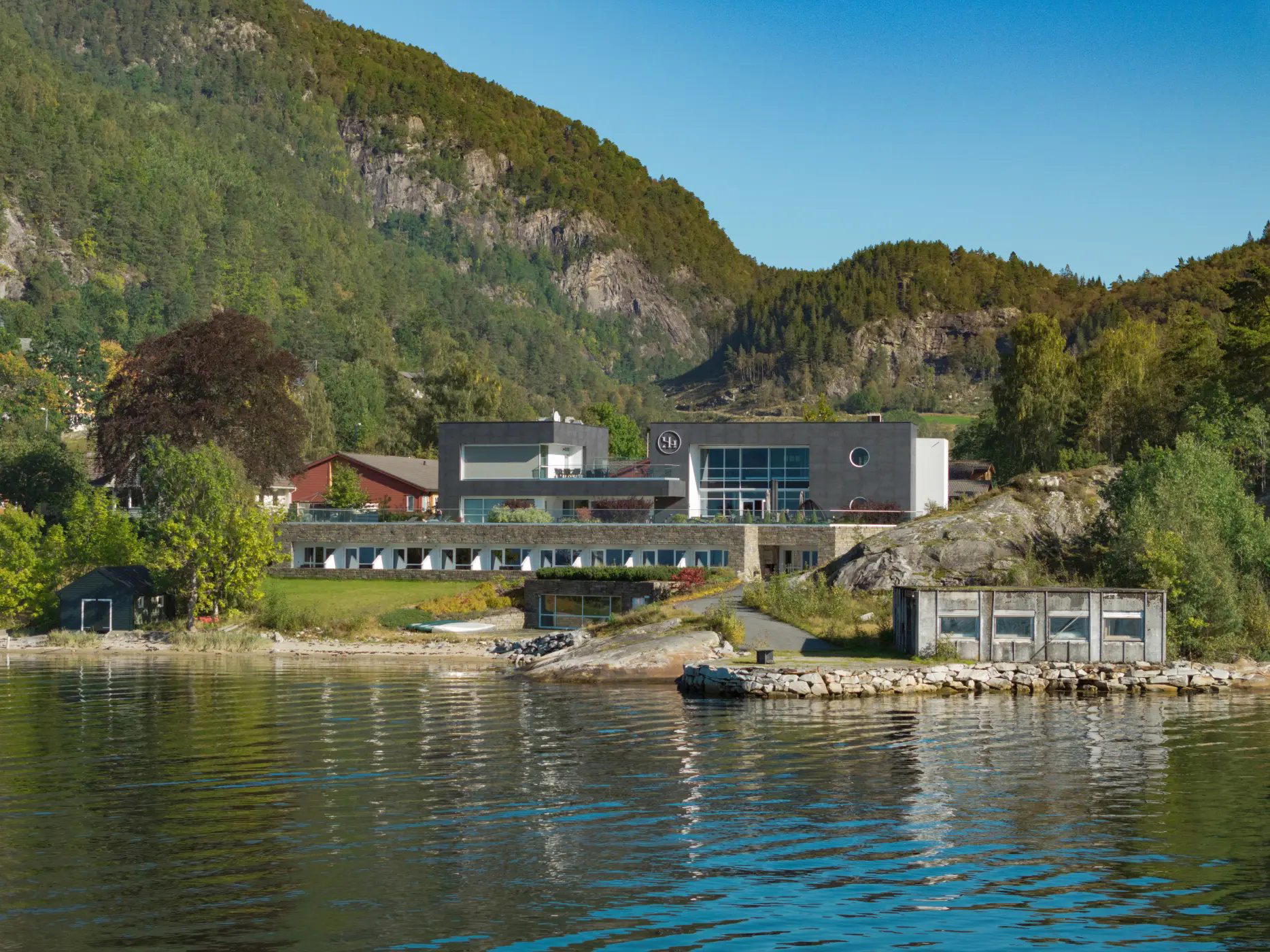
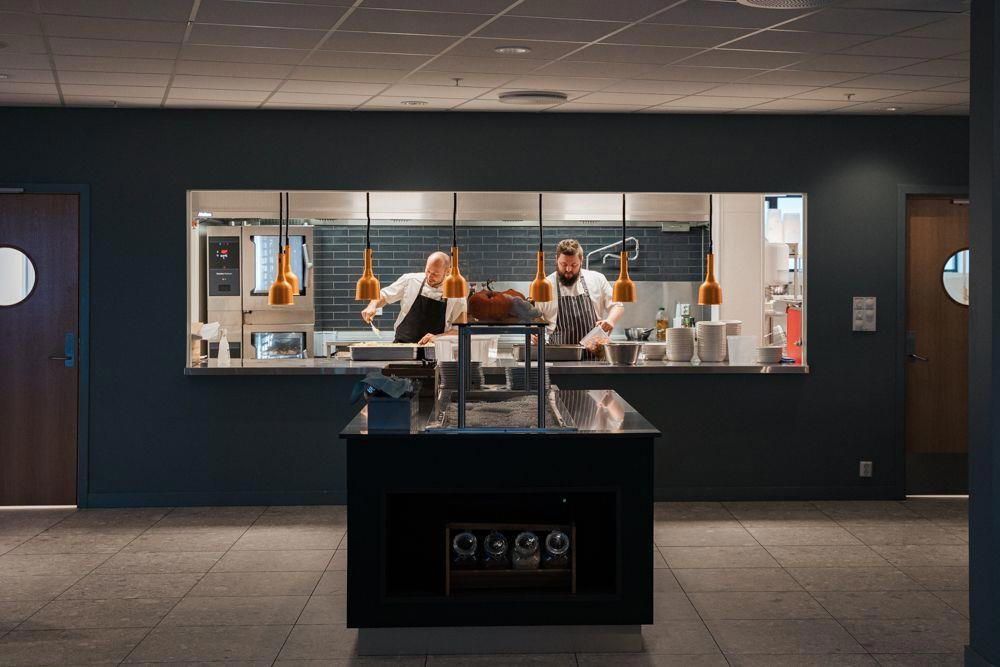
Conservatory
The wine
- Wine program
- Deep wine list
- Extensive wine list
- Sommelier-led
Details
- Elegant
- Scenic
- Intimate
- Sophisticated
- Special Occasion
- Date Night
- Celebration
- Panoramic View
- Hotel Restaurant
- Extensive Wine List
- Sommelier Led
- Local Sourcing
- Farm To Table
- Waterfront
- Mountain
- Garden
- Tasting Menu
- Set Menu
Luminous daylight diffuses across polished stone and pale woods, with climbing greens and aromatic herbs creating an intimate yet expansive atmosphere warmed by an open fireplace.