On the Swedish west coast, Koster Islands sits within one of Scandinavia's most isolated archipelago settings, where the surrounding marine environment shapes what ends up in the glass as much as what reaches the plate. The address, Nordkoster, a car-free island accessible only by ferry, places it outside the usual circuit of Swedish bar and restaurant culture, which is precisely what makes it worth the trip.

Pearl is the En Primeur Club membership app, where members save venues, book tables and use the concierge.
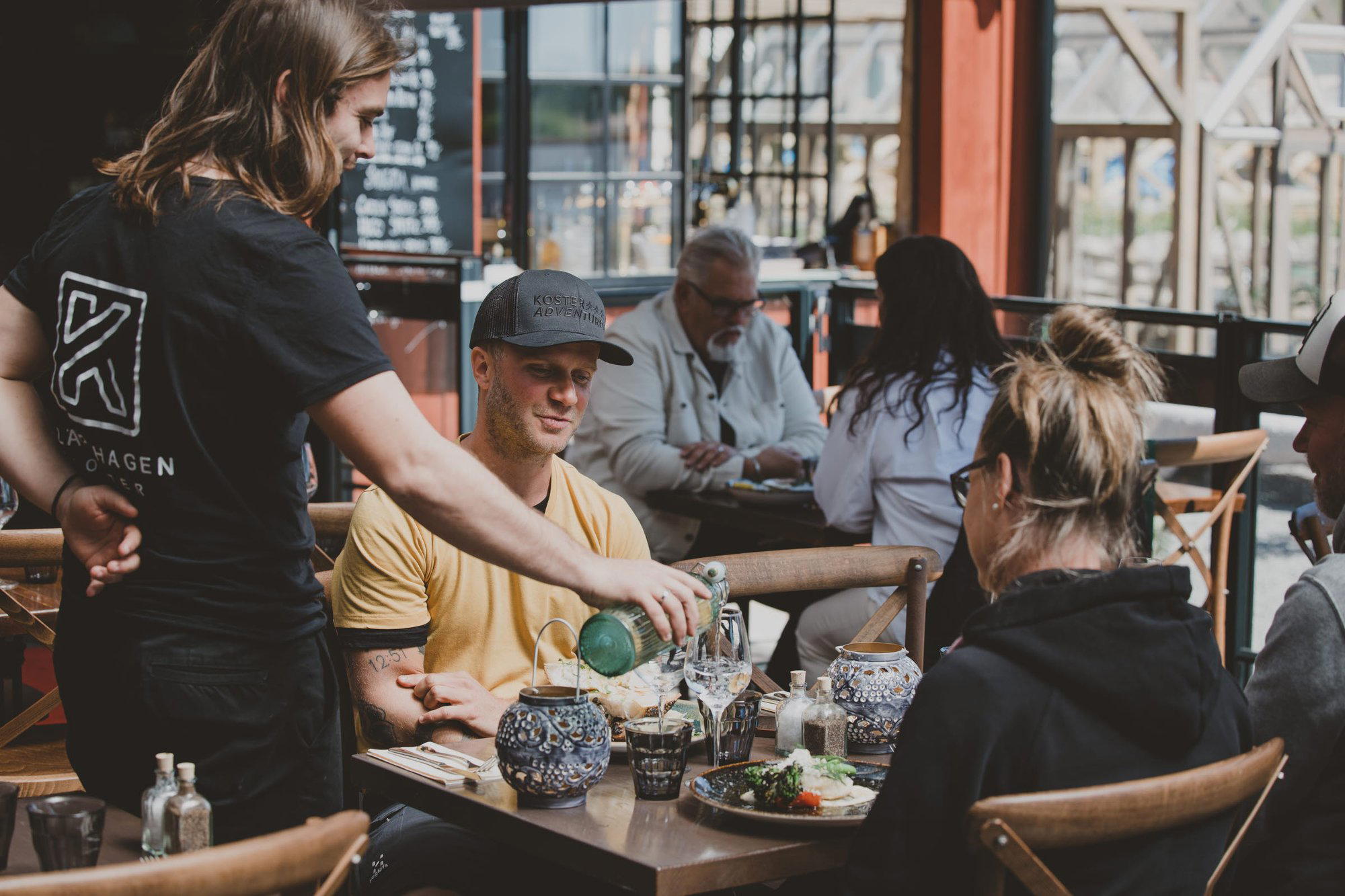
Where the Archipelago Sets the Terms
Arriving at Nordkoster by ferry, the absence of road traffic registers immediately. The Koster Islands are Sweden's westernmost inhabited islands, sitting in the Kosterfjord, which is also the country's first national marine park. That context matters for anyone planning a visit: the physical environment here is not incidental to the drinking and dining experience, it is the primary frame. Bars and restaurants that operate in marine-protected, car-free island settings tend to orient their programmes around proximity and seasonality in ways that urban venues rarely match, because they have no alternative. Supply chains are shorter by necessity, and the surrounding seascape provides both ingredient and atmosphere.
The Swedish west coast has developed a distinct hospitality identity over the past two decades, different in character from the capital's more design-conscious bar scene. Where Stockholm venues like Lucy's Flower Shop in Stockholm operate within a dense, competitive urban tier, trading on technical programmes, sourcing narratives, and critical recognition, coastal outposts on the Bohuslän coast work within tighter constraints and often produce more site-specific results as a consequence. The Koster Islands' remoteness is a structural condition, not a styling choice.
The Drink in Context: Marine Foraging and Nordic Technique
Across Sweden's archipelago and coastal bar programmes, the past decade has produced a recognisable approach: spirits and mixers informed by the surrounding landscape, fermented or foraged locally where possible, and presented with a restraint that prioritises ingredient clarity over theatrical garnish. This movement has parallels in urban venues, Vyn Restaurant in Ostra Nobbelov operates in a similarly rural southern Swedish context, where the programme draws on what the immediate geography provides rather than what a metropolitan supply catalogue offers.
For the Koster Islands, the marine national park setting suggests a drinks programme shaped by seaweed, coastal botanicals, and local aquavit traditions. Sweden's aquavit culture has deep regional variation: west coast expressions tend toward dill and caraway, while more experimental coastal producers have introduced kelp-infused and brine-adjacent profiles that reflect the fjord environment directly.
For comparison, Ångbryggeriet in Pitea represents the Swedish coastal brewing tradition further north, where local grain and water profiles define the product. The Koster setting, with its Atlantic-facing exposure and marine park credentials, suggests a different but equally site-specific approach, one oriented more toward sea botanicals and local fermentation than inland grain traditions.
The Setting Itself
Nordkoster is roughly two hours from Gothenburg by a combination of road and ferry, via Strömstad. The island is car-free, so arrival means leaving the vehicle on the mainland and crossing by boat, a logistical commitment that filters the visitor profile considerably. Those making the trip are not passing through; they are specifically here. This changes the atmosphere in ways that translate to how food and drink is consumed. There is no rushing to catch a connection, no distracted early departure. The pace is set by ferry schedules and the rhythm of an island with a permanent population numbered in the hundreds.
That dynamic has produced a particular type of hospitality in similar settings across Scandinavia: unhurried, locally focused, and oriented toward guests who have already done the work of getting there. Venues operating in these conditions often develop deeper relationships with their immediate supply network than urban counterparts, partly from necessity and partly because the sourcing story is part of what draws visitors in the first place. For a longer picture of how the Swedish coastal hospitality scene fits together, our full Tjarno restaurants guide maps the area's venues and their relationship to the broader Bohuslän coast.
Positioning Koster Islands relative to the wider Swedish bar and restaurant scene requires acknowledging the category it occupies: a remote, island-based venue in a marine conservation zone, serving a visitor base that has self-selected for the experience of getting there. This is not the same competitive tier as Dorsia Hotel and Restaurant in Gothenburg, which operates within a city centre luxury hotel context and trades on urban density and reputation signals. Nor does it sit alongside Brogatan in Malmö or Ölkaféet in Malmo, both of which function within large southern Swedish urban markets. The Koster Islands address is, structurally, its own category.
The more useful peer comparison is with destination dining venues in similarly isolated Scandinavian settings: places where the journey is part of the proposition, and where the geographic specificity of the programme justifies the logistics of arrival. Bageriet Mat and Bar in Visby offers a partial analogy, Gotland is another island destination that requires a specific journey and produces a hospitality scene shaped by insularity and seasonality. The key difference is scale: Visby is a functioning town with a tourism infrastructure; Nordkoster is considerably smaller and quieter.
International comparisons are instructive too. Bar Leather Apron in Honolulu demonstrates how an island setting with serious craft intent can build a programme that reads as technically sophisticated within its own geographic frame, without requiring proximity to a major city's supply or critical infrastructure. The lesson is that remoteness does not preclude programme depth, it redirects it.
Planning a Visit
The ferry to Nordkoster runs from Strömstad, which is reachable by train from Gothenburg in approximately two hours. Summer months bring significantly more ferry frequency and visitor volume; the shoulder season, particularly late spring and early autumn, offers a quieter visit with the island's landscape at its most atmospheric. Venues on the island operate seasonally in most cases, so confirming opening dates before travelling is advisable. Those looking for a broader Bohuslän coastal itinerary can use Båthuset Krog and Bar in Sigtuna and Bistro Vinoteket in Västerås as reference points for the wider Swedish hospitality circuit, and Butlers in Norrköping for the east coast counterpart to the west coast marine setting.
At-a-Glance Comparison
| Venue | Price | Awards |
|---|---|---|
| Koster IslandsThis venue (the venue you are viewing) | Not listed | Not listed |
| Röda Huset | Not listed | World's 50 Best |
| Lucy's Flower Shop | $30–50 | World's 50 Best #35 · White Guide Sweden Bars - Exceptional Level |
| Tjoget | Not listed | World's 50 Best |
| A Bar Called Gemma | $20–30 | Falstaff Bar - 96 Falstaff Points · White Guide Sweden Bars - Very Fine Level |
| Alba Vinbar | Not listed | Star Wine List · Falstaff Wine Bar - Listed |
Continue exploring
More in Tjarno
Restaurants in Tjarno
Browse all →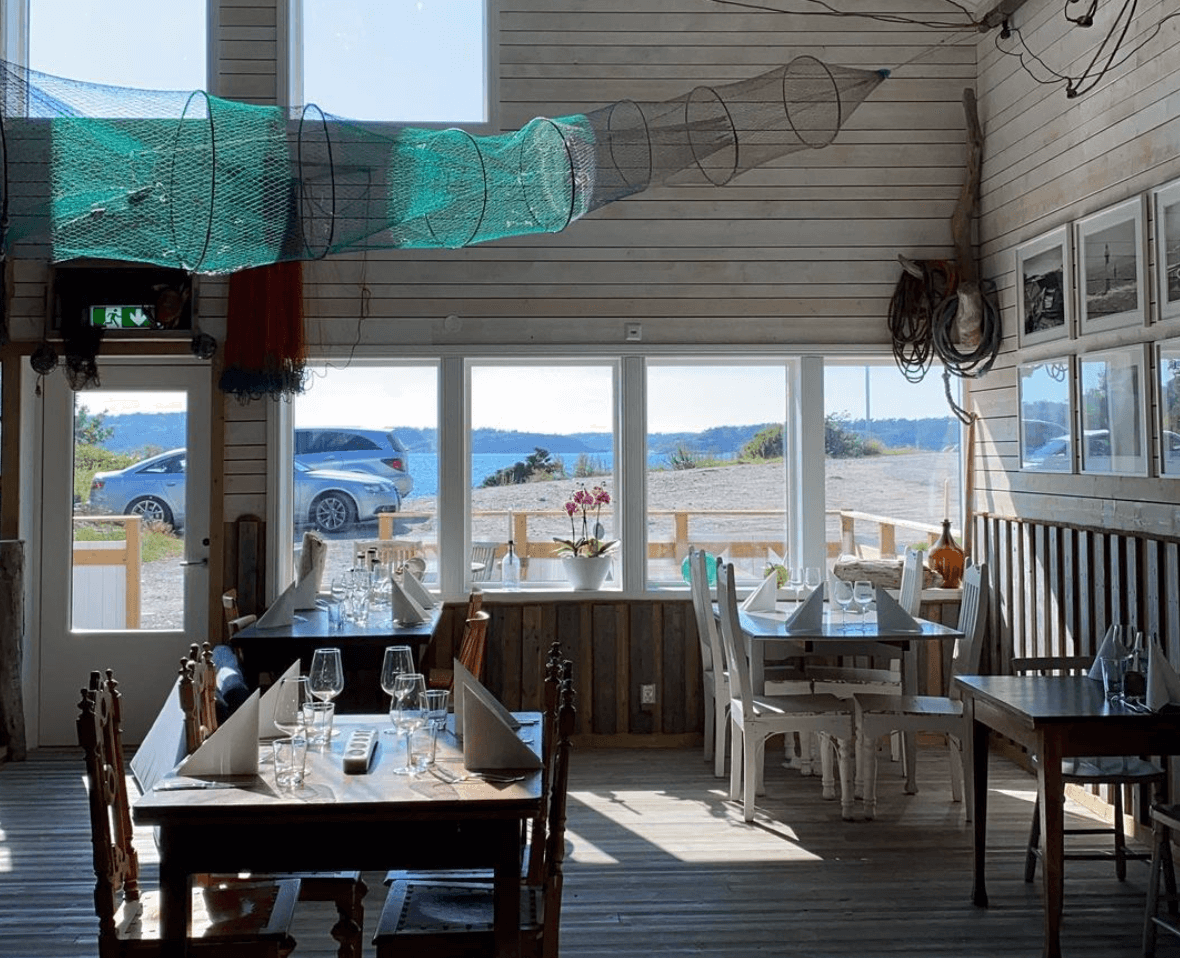
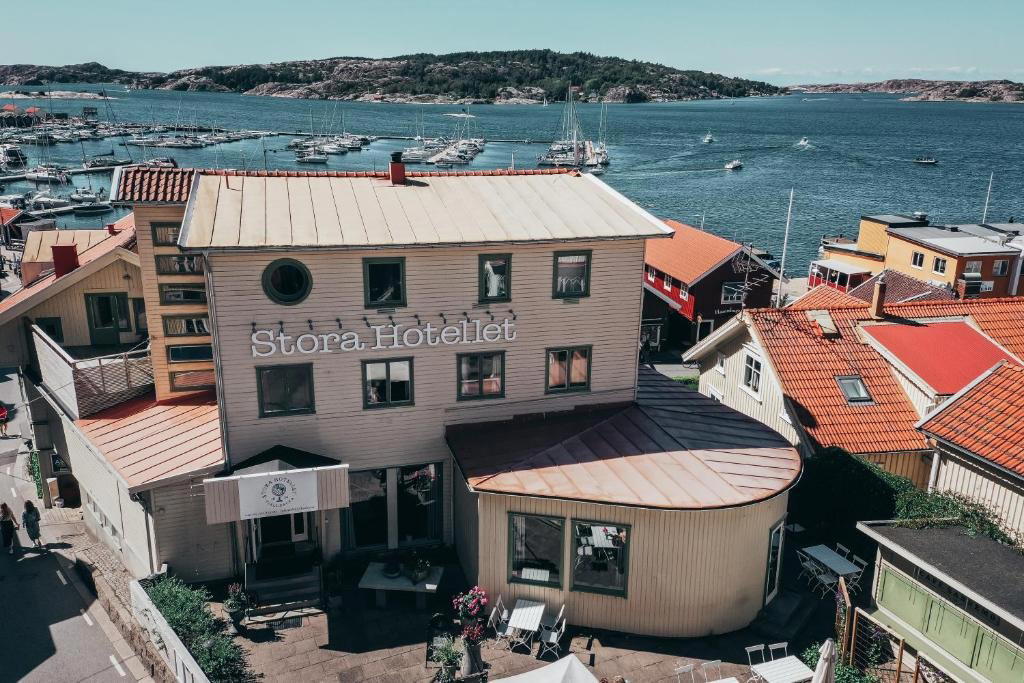
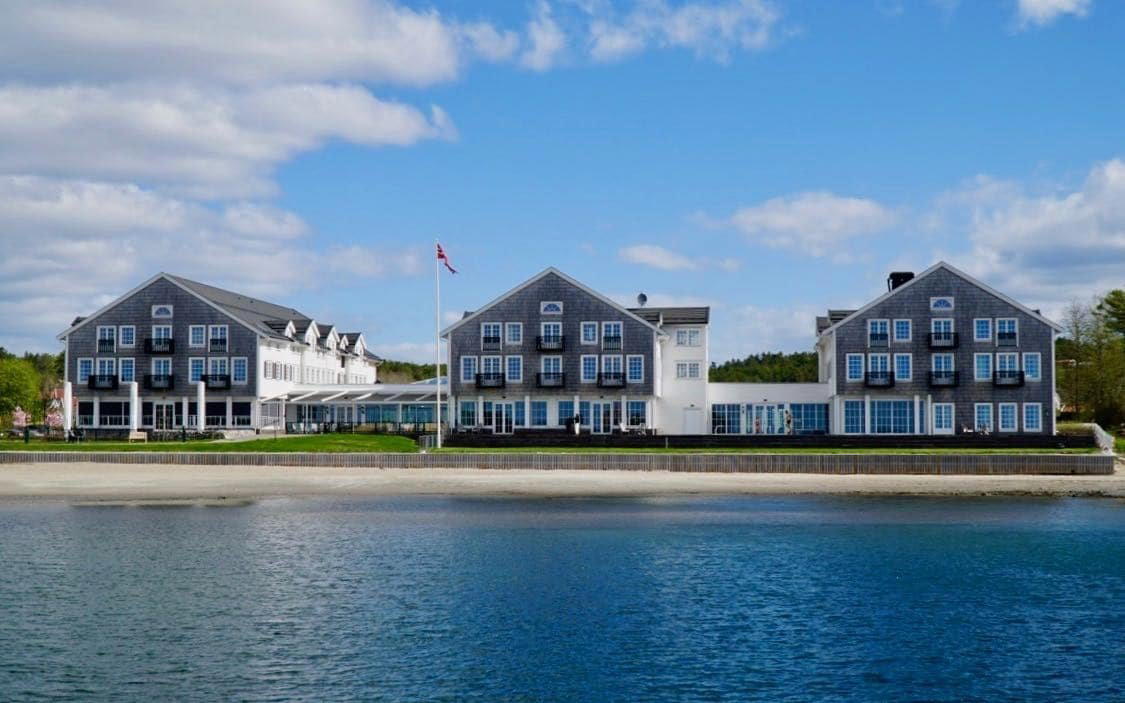
Hotels in Tjarno
Browse all →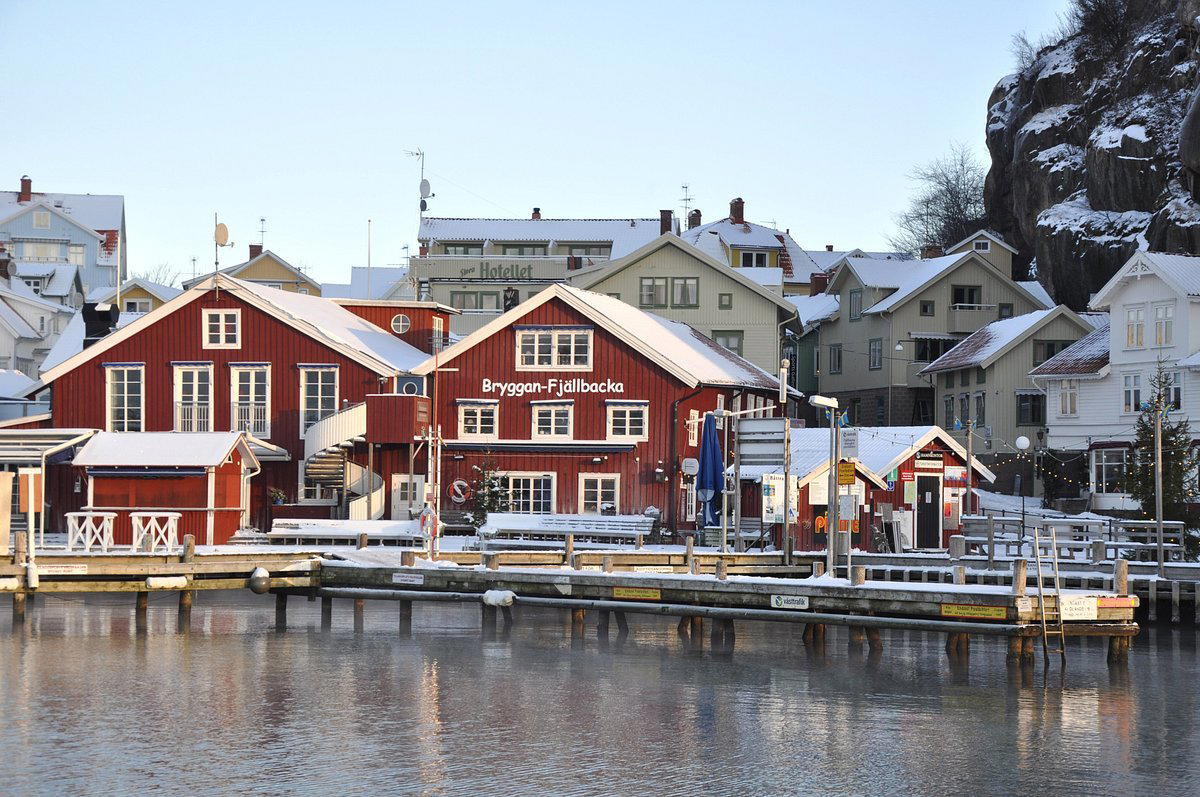
Wineries in Tjarno
Browse all →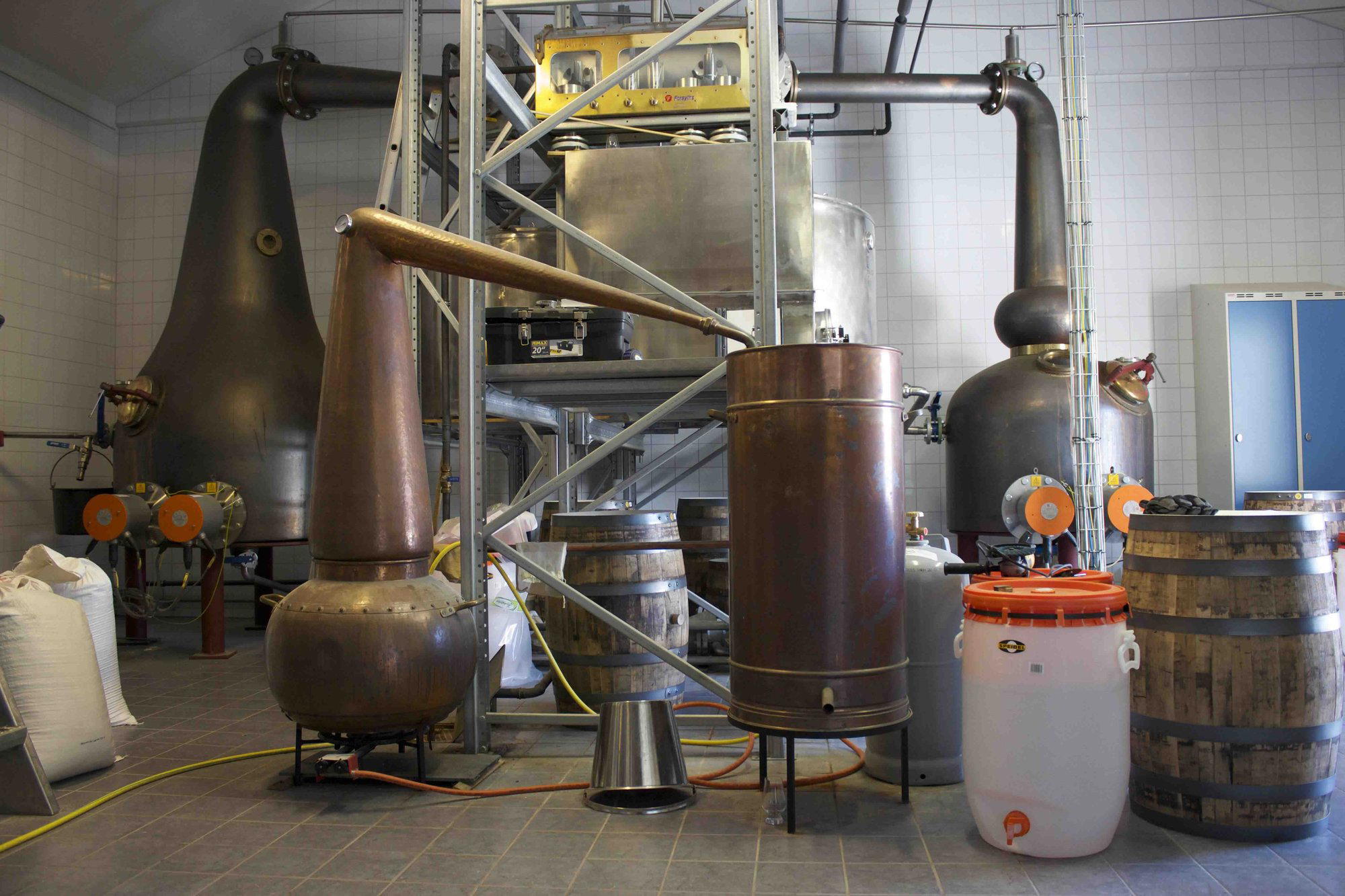
Details
- Casual Hangout
- Waterfront
- Seated Bar
- Craft Beer
- Waterfront
Relaxed island vibe with conversational noise levels.