Our verdict
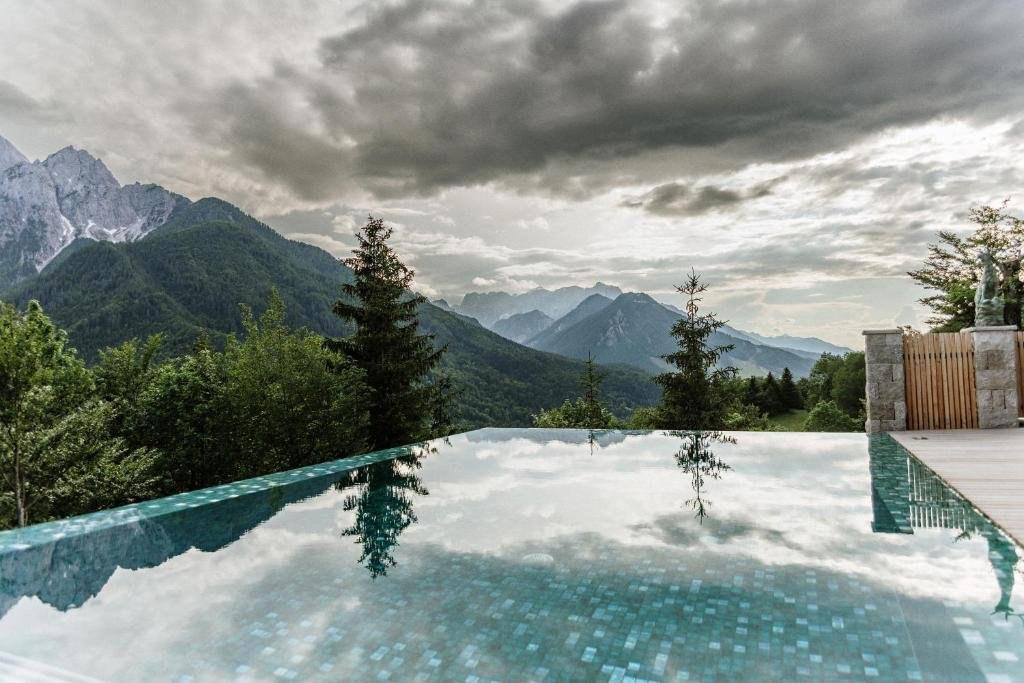
Stofflwirt serves Traditional Austrian dishes such as schnitzel, goulash, and strudel, with mountain views and a beer program that suit a casual lunch or dinner.

Pearl is the En Primeur Club membership app — saves, bookings, and concierge access live there. Same editors, same standards.
- Address
- Deutschberg 6, 9551 Bodensdorf, Austria
- Phone
- +434342436920
- Website
- stofflwirt.at
- Directions
- Get directions
Where Carinthia Eats Like It Always Has
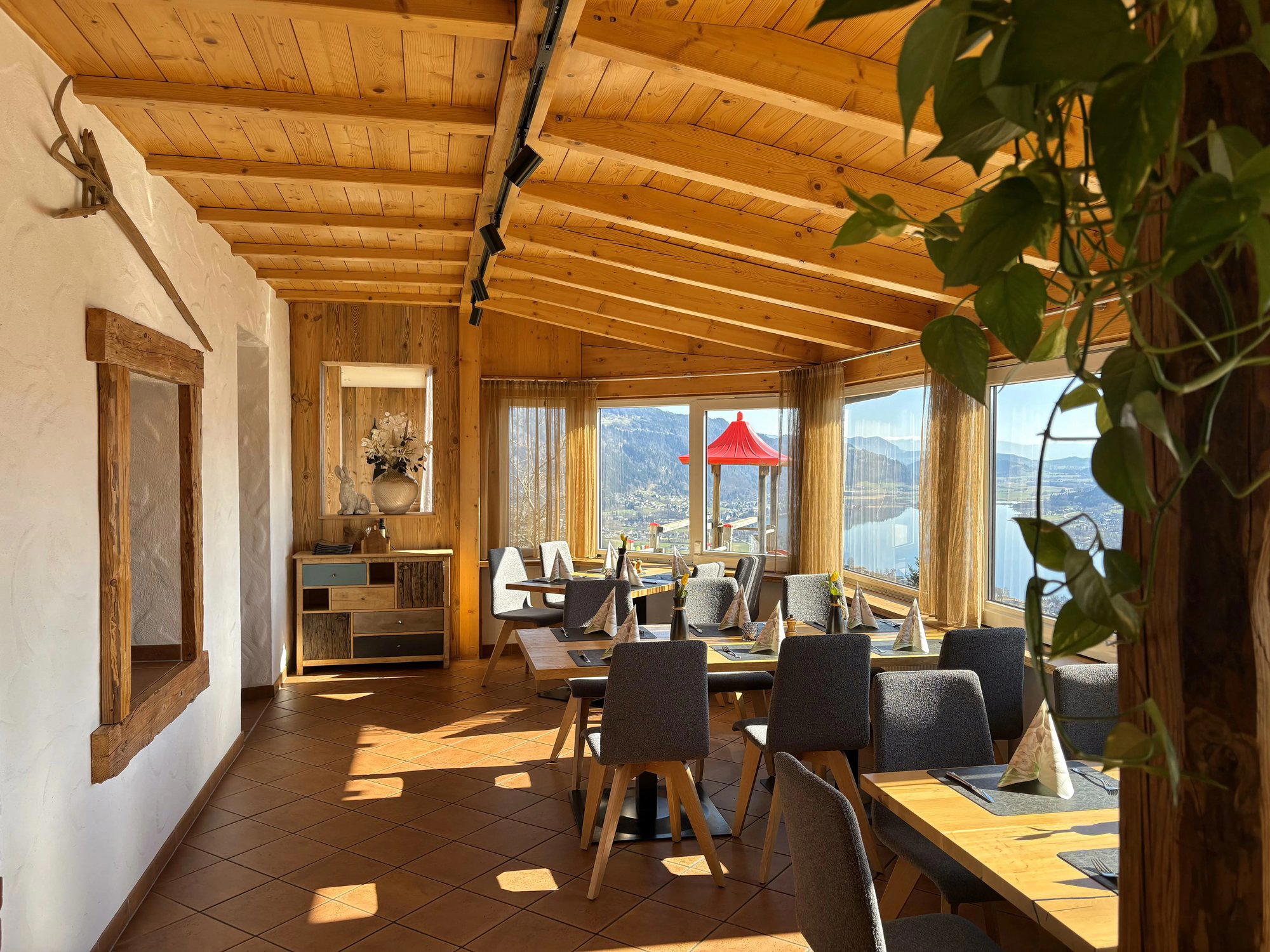
The road into Bodensdorf runs along the northern shore of Ossiacher See, one of Carinthia's warmer lowland lakes, where the light in late afternoon sits low against the water and the mountains hold the valley in a kind of enforced stillness. Stofflwirt sits at Deutschberg 6, a short distance above the lake, in the kind of position that Austrian country inns have occupied for generations: close enough to the agricultural rhythms of the region to draw from them directly, far enough from the tourist corridor to operate on its own terms.
Carinthian gastronomy has a distinct character within the Austrian dining map. Unlike the Viennese tradition, which refined itself through court influence and cosmopolitan import, or the Salzburg corridor restaurants that have increasingly aligned with alpine modernism, the Carinthian kitchen stayed closer to its agricultural base for longer. The region's signature preparations, from Kasnudeln (filled pasta parcels with brown butter and chives) to roasted freshwater fish from the Wörthersee and Ossiacher See, evolved out of what the land and water provided rather than what prestige demanded. Stofflwirt operates within that tradition.
Ingredient Sourcing as Structural Principle
In much of European dining, the phrase "local sourcing" has become a marketing posture. In small Carinthian inns of this type, it remains a structural fact. The region's short growing season concentrates produce into a tight window, meaning a kitchen tied to what is available locally will cook quite differently in July than in November. Lake fish from Ossiacher See, dairy from Carinthian farms, and foraged material from the surrounding hillsides are not supplementary ingredients here; they are the menu's load-bearing elements.
This is the model that Austria's most respected rural restaurants have always operated under. Landhaus Bacher in Mautern an der Donau, one of Austria's most consistently decorated dining addresses, built its reputation on exactly this kind of regional rootedness along the Danube. Döllerer in Golling an der Salzach has formalised the alpine-sourcing premise into a contemporary tasting format that earns national attention. Stofflwirt works at a different register, less formalized and more embedded in the everyday rhythms of a working Carinthian Gasthaus, but the underlying logic is the same: the ingredient defines the plate, not the reverse.
That distinction matters for how you read a place like this against peers. Steirereck im Stadtpark in Vienna and Ikarus in Salzburg operate at the upper tier of Austrian dining by transforming regional sourcing into internationally legible fine dining language. The Gasthaus model asks something different of its kitchen: restraint over transformation, familiarity over surprise, and season over concept.
The Atmosphere: What You Find When You Arrive
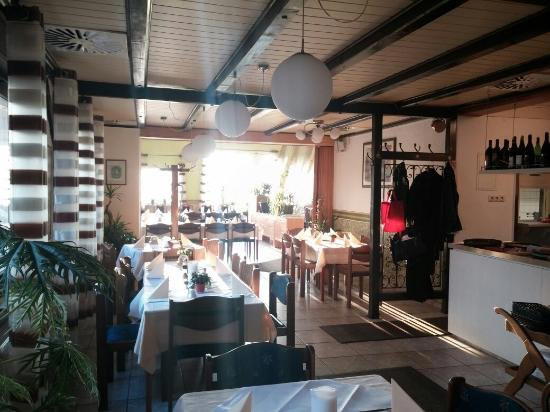
Carinthian country inns of this type share certain physical signatures: timbered interiors, a degree of wear that reads as comfort rather than neglect, and a room that is designed for staying rather than turning over tables. The Ossiacher See area attracts Austrian holidaymakers throughout summer, and the hospitality rhythm around the lake is calibrated accordingly. Evenings at places like Stofflwirt are not structured around a single seating or a timed format. The pace is deliberate, and the expectation is that guests will take time over their meal.
For visitors accustomed to the higher-pressure formats of destination restaurants, whether the formal tasting structure of Gourmetrestaurant Tannenhof in Sankt Anton am Arlberg or the precision service of Griggeler Stuba in Lech, the adjustment here is tonal. This is a room for conversation, not performance.
Carinthian Cooking in Its Regional Context
Austria's food regions are more internally differentiated than they are often given credit for. The alpine west (Vorarlberg, Tirol) operates around mountain dairy and game. The Salzburg corridor has developed a formalized contemporary alpine cuisine that institutions like Obauer in Werfen have refined over decades. Styria carries its pumpkin seed oil and wine country influence. Carinthia sits apart from all of these, shaped by its Italian border, its network of lakes, and a tradition of hearty preparation that resists the kind of lightening that modernist kitchens tend to impose.
The Kasnudel, Carinthia's most identifiable dish, is a useful reference point. Unlike Italian-influenced fresh pasta that has migrated north, the Carinthian version is distinctly its own form: thicker-skinned, filled with a mixture of quark and fresh herbs, crimped at the edge, and finished with browned butter and chives. It is not a delicate dish. It is not trying to be. The same applies to preparations built around lake fish, which in Carinthia tend toward pan-roasting or poaching rather than the more aggressive treatments that fashion sometimes imposes. For a picture of how that Styrian-Carinthian regional border plays out in a contemporary fine dining format, Artis in Graz offers a useful comparison point.
Restaurants working in adjacent Austrian traditions that have pushed toward more contemporary expression include Kräuterreich by Vitus Winkler in Sankt Veit im Pongau, where herb-forward sourcing takes on a more structured tasting format, and Ois in Neufelden, which applies a similar regional-ingredient logic in Upper Austria. Taubenkobel in Schützen am Gebirge in Burgenland shows how deeply a wine-region kitchen can embed itself into local production. Stofflwirt shares the philosophical orientation without the formal framing.
Planning Your Visit
Treffen am Ossiacher See is accessible from Villach, the nearest city of scale, roughly 15 kilometres to the west. Summer (July through August) is peak season for the lake district, and Carinthian inns in this category fill quickly during those weeks, particularly on weekends. Visiting on a midweek evening in shoulder season (late May, early June, or September) gives you both a quieter room and a menu that reflects the transitional produce of those months. Arrival by car is the practical route; public transport to Bodensdorf is limited.
Visitors building a broader Austrian dining itinerary around this region should cross-reference our full Treffen restaurants guide and consider how Stofflwirt fits into a Carinthian stay rather than treating it as a standalone destination. Nearby lake-district accommodation, combined with a meal here, makes more sense than a dedicated drive from further afield. For comparison with how the Austrian rural dining tradition performs at its most formally ambitious, Atelier Fischer in Sankt Gilgen and Restaurant 141 by Joachim Jaud in Mieming are worth adding to the itinerary. For those extending to Austria's Tirol corridor, Stüva in Ischgl and Schwarzer Adler in Hall in Tirol represent the alpine formal-dining register. Internationally, the sourcing-led philosophy that defines kitchens like Stofflwirt at its most technically refined finds expression at Le Bernardin in New York City (product-first seafood) and the ingredient-precision approach of Atomix in New York City.
Frequently asked questions
Can I bring kids to Stofflwirt?
Country inns of Stofflwirt's type in the Carinthian lake district have historically accommodated families as a matter of course, not exception. The setting in Bodensdorf, along the northern shore of Ossiacher See, suits a relaxed pace.
What should I expect atmosphere-wise at Stofflwirt?
Stofflwirt sits at Deutschberg 6 in Bodensdorf, and Carinthian inns of this address type share a recognisable character: timbered interiors, worn surfaces that read as lived-in rather than tired, and a dining room that functions as a genuine local gathering point. The atmosphere is shaped more by the regulars than by any design brief.
Is Stofflwirt worth visiting from Villach as a standalone day trip?
Treffen am Ossiacher See sits roughly 15 kilometres east of Villach, making Stofflwirt a manageable detour rather than a destination requiring overnight planning. The drive along the northern lakeshore adds context to the visit: the inn's cooking is tied to this specific stretch of Carinthia, not abstracted from it. For travellers based in Villach, it represents a direct route into how the region actually eats.
What's the must-try dish at Stofflwirt?
Carinthian cooking in this part of Austria draws on lake fish from Ossiacher See, cured meats, and dishes such as Kasnudeln — cheese-filled pasta that is a regional standard. What arrives on the plate is best confirmed on the day.
Where do I go for Stofflwirt?
Stofflwirt is located at Deutschberg 6, 9551 Bodensdorf, Austria, Treffen.
Do I need a reservation for Stofflwirt?
No booking contact or online reservation system is listed for Stofflwirt at this time. In Carinthian country inns, particularly during the July–August peak season when Ossiacher See draws considerable visitors, arriving without a reservation carries risk. Contacting the venue in advance is the practical course.
What do critics highlight about Stofflwirt?
Its position in Treffen places it within a category of Carinthian Gasthäuser that earn local loyalty through consistency rather than accolades. Regional inns of this profile tend to be discussed within Austrian food circles through word of mouth rather than guidebook listings.
A Quick Peer Check
| Venue | Cuisine | Price | Awards | Notes |
|---|---|---|---|---|
| StofflwirtThis venue — the venue you are viewing | Traditional Austrian | $20–30 | Not listed | Not listed |
| Steirereck im Stadtpark | Modern Austrian Fine Dining | $200–300 | 3 Michelin Stars · World's 50 Best #33 | Creative |
| Döllerer | Modern Alpine Cuisine | $100–150 | 2 Michelin Stars · La Liste Top Restaurants | Contemporary Austrian, Innovative |
| Ikarus | Guest Chef Fine Dining | $200–300 | 2 Michelin Stars · La Liste Top Restaurants | Modern European, Creative |
| Konstantin Filippou | Modern Fish-Led Fine Dining | $200–300 | 2 Michelin Stars · La Liste Top Restaurants | Modern European, Modern Cuisine |
| Landhaus Bacher | Classic Austrian Fine Dining | $100–150 | 2 Michelin Stars · La Liste Top Restaurants | Austrian, Classic Cuisine |
Continue exploring
More in Treffen
Restaurants in Treffen
Browse all →
Bars in Treffen
Browse all →

Hotels in Treffen
Browse all →

Details
- Cozy
- Rustic
- Scenic
- Family
- Casual Hangout
- Panoramic View
- Beer Program
- Local Sourcing
- Mountain
- A La Carte
- Local Beers
- Local Wines
- Vegetarian Friendly
- Vegan Options
- Gluten Free Options
Cozy and inviting rustic atmosphere with warm lighting well-suited for relaxed family meals.