Skip to Main Content
← Collection
Schagen, Netherlands

Stiel Oriental

CuisineIndonesian
LocationSchagen, Netherlands
Michelin

Schagen's Indonesian restaurant with consecutive Michelin Plate recognition in 2024 and 2025, Stiel Oriental brings the Dutch-Indonesian culinary tradition to North Holland's market town setting. Priced at the accessible €€ tier, it sits in a distinct category from the province's fine-dining circuit, offering a cuisine rooted in archipelago techniques and the spice trade history that shaped the Netherlands itself. Google reviewers rate it 4.5 across 491 reviews.

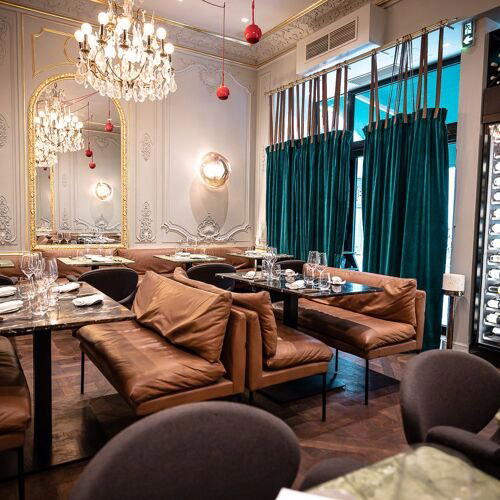
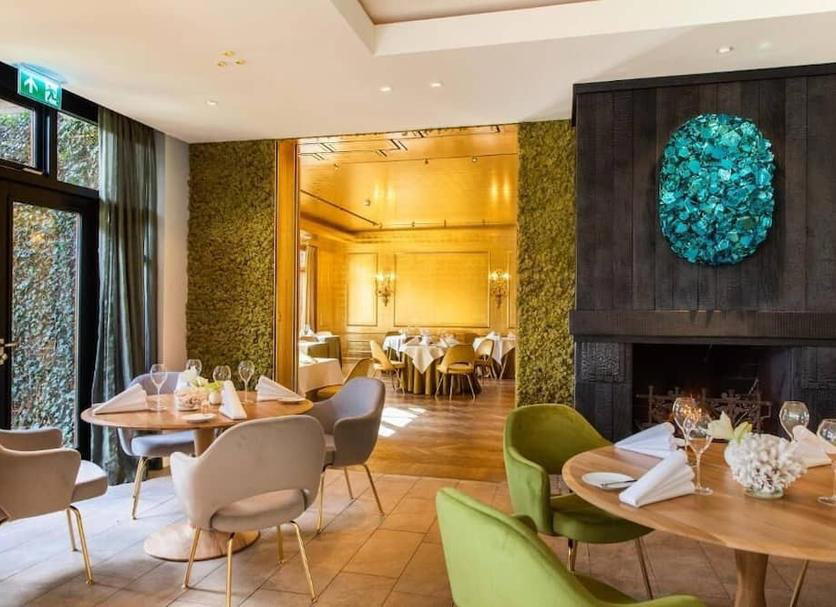
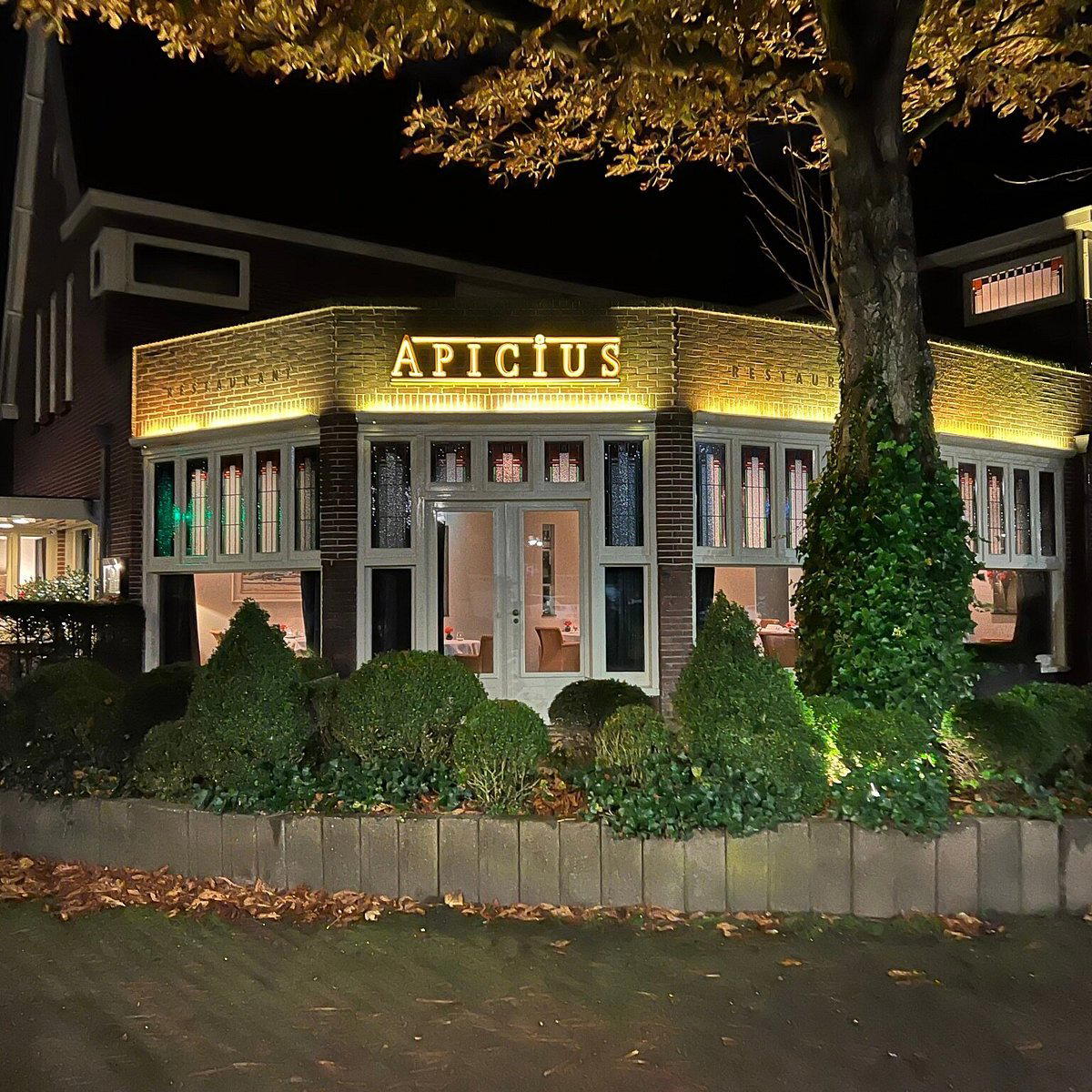
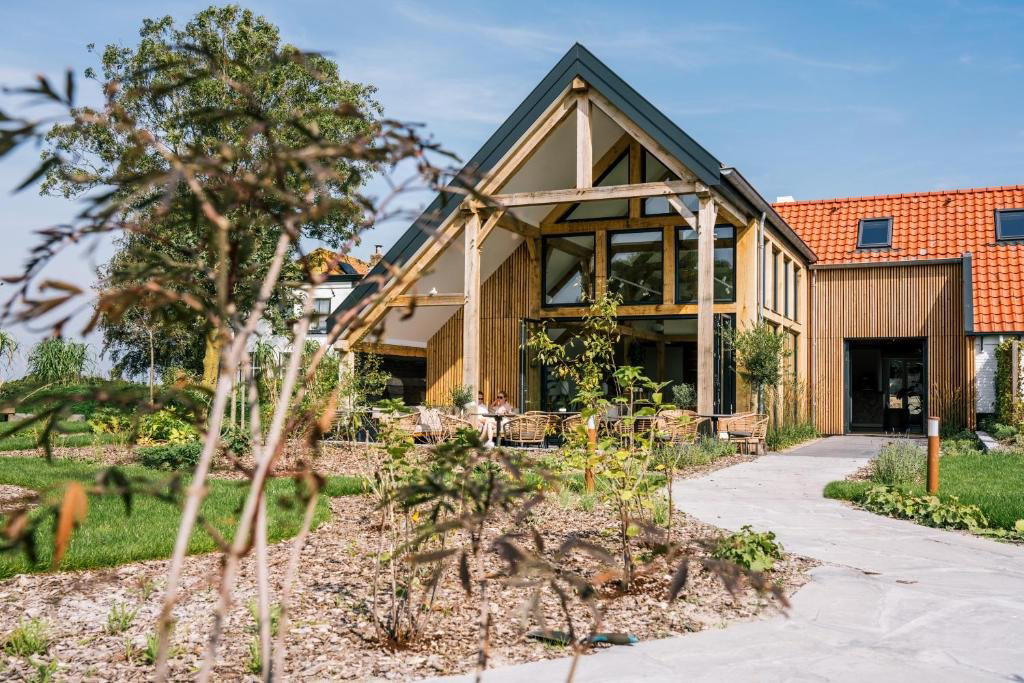
Stiel Oriental restaurant in Schagen, Netherlands
About

Indonesian Cooking in a North Holland Market Town

Schagen is not the first Dutch city that comes to mind when the conversation turns to serious cooking. The compact North Holland market town, better known for its Thursday folklore markets and agricultural surroundings, sits well outside the Amsterdam-Rotterdam axis where most of the Netherlands' Michelin attention concentrates. Yet the country's relationship with Indonesian cuisine runs so deep — shaped by 350 years of colonial entanglement, mass migration, and the eventual absorption of rijsttafel into the national diet — that skilled Indonesian cooking surfaces in unexpected places. Stiel Oriental is one of those places. Two consecutive Michelin Plate recognitions (2024 and 2025) signal a kitchen that meets the guide's threshold for good cooking at any postcode, and in a town like Schagen, that carries particular weight.

For context on where Schagen's dining sits within the broader Dutch fine-dining picture, the province's most decorated restaurants , including De Bokkedoorns in Overveen and Aan de Poel in Amstelveen , operate at the €€€€ tier with starred credentials. Stiel Oriental's €€ pricing puts it in a structurally different category: accessible Indonesian cooking recognised for quality rather than fine-dining theatrics. The companion modern cuisine restaurant TOV (€€€ · Modern Cuisine) is the only other Schagen venue currently drawing comparable attention, which underscores how thin the field is in this part of North Holland.

Members Only

The shortlist, unlocked.

Hard-to-book tables, cellar releases, and concierge-planned trips.

Get Exclusive Access →

The Ingredient Logic Behind Dutch-Indonesian Cooking

Indonesian cuisine arrived in the Netherlands not as an exotic curiosity but as a practical reality of post-colonial life. By the mid-twentieth century, Indonesian ingredients , galangal, lemongrass, sambal, tempeh, coconut milk , had moved from specialty import shops into mainstream Dutch supermarkets. That normalisation, however, created its own problem: the flattening of a cuisine built on regional diversity (Javanese, Sundanese, Padang, Balinese) into a generic "Indonesian" category that too often meant a predictable rijsttafel format. The kitchens that earn Michelin recognition in this category tend to be those that push back against that flattening, working with ingredients in ways that acknowledge their actual origins rather than their domesticated Dutch versions.

At the €€ price point, sourcing decisions are constrained in ways they simply are not at €€€€ starred houses like De Librije in Zwolle or Inter Scaldes in Kruiningen. What distinguishes the better mid-tier Indonesian restaurants in the Netherlands is not extravagant sourcing but disciplined spice work: fresh-ground pastes rather than jarred, coconut milk reduced from block rather than tinned, and fermentation-forward preparations , tempeh, tauco, terasi , treated as layering tools rather than afterthoughts. Whether Stiel Oriental operates along those lines specifically is something only a visit can confirm, but the consistent Michelin Plate recognition across two cycles suggests a kitchen doing something more than the baseline.

For comparison at the international end of Indonesian fine dining, Locavore NXT in Ubud has built its reputation on hyper-local Balinese sourcing, while Cumi Bali in Singapore approaches Indonesian cooking through a different diaspora lens. Stiel Oriental operates in neither of those registers , its Dutch-Indonesian context is its own, shaped by the particular migration history of the Netherlands rather than by archipelago localism or Singaporean cosmopolitanism.

Where Stiel Oriental Sits in the Dutch Indonesian Category

Indonesian restaurants in the Netherlands broadly split into three tiers. At the bottom sits the vast category of takeaway and casual warung-style spots that serve reliable nasi goreng and satay without any particular ambition beyond affordability. At the leading, a small number of restaurants have begun reframing Indonesian cooking as a tasting-menu proposition, applying fine-dining technique to kampung recipes. The middle tier , accessible, sit-down restaurants with a genuine kitchen rather than a production line , is where Michelin Plate recognition most often lands, and where Stiel Oriental appears to operate.

A 4.5 Google rating across 491 reviews is a meaningful data point for a restaurant in a town of Schagen's size. Volume matters here: 491 reviews in a market this small suggests a customer base that extends beyond locals, drawing visitors from across North Holland who know what they're looking for. That kind of draw is not automatic for Indonesian restaurants outside the major cities, and it speaks to a consistency that aligns with the back-to-back Michelin Plate results.

Other Michelin-recognised Dutch kitchens operating at a comparable level of ambition outside the major urban centres include De Groene Lantaarn in Staphorst, De Lindehof in Nuenen, De Lindenhof in Giethoorn, Brut172 in Reijmerstok, and Fred in Rotterdam. The pattern across these venues is consistent: Michelin attention in smaller or mid-sized Dutch cities tends to go to kitchens that maintain technical standards without requiring the full fine-dining infrastructure. Stiel Oriental fits that pattern, distinguished further by its cuisine category, which remains underrepresented in Dutch Michelin listings relative to the cuisine's cultural significance in the country.

For a fuller picture of what Schagen offers beyond this restaurant, the complete Schagen restaurants guide covers the current scene. Those planning a longer stay can also consult the Schagen hotels guide, while the bars guide, wineries guide, and experiences guide round out planning for the wider North Holland region. Amsterdam-based visitors looking for a stronger fine-dining reference point within the province might also consider Ciel Bleu in Amsterdam for contrast.

Planning a Visit

Stiel Oriental sits in Schagen's centre, reachable by train from Amsterdam on the Alkmaar–Den Helder line with a journey time of roughly 50 to 60 minutes depending on connection. The €€ pricing makes it one of the more accessible Michelin-recognised addresses in North Holland, and its Google review volume suggests demand that can outpace walk-in availability on weekends and during the town's Thursday market season (typically April through October, when visitor numbers in Schagen increase). Booking ahead is advisable. Specific hours, phone, and online booking details were not available at time of publication; checking current availability directly with the restaurant or through local booking platforms is recommended.

What Should I Order at Stiel Oriental?

Without verified menu data, specific dish recommendations would be speculation. What the Michelin Plate recognition and review volume do suggest is a kitchen with range across the Indonesian canon rather than a single speciality. Indonesian cooking at this level typically rewards ordering across the table , the cuisine is structurally built on combination, with rice, proteins, sambals, and vegetable preparations designed to be eaten together rather than in sequence. If the menu follows the Dutch-Indonesian tradition, expect both Javanese-influenced sweet-soy preparations alongside the spicier Sumatran or Padang registers. The Schagen restaurants guide and the venue's own current menu are the most reliable sources for order-specific guidance.

Comparison Snapshot

A fast peer set for context, pulled from similar venues in our database.

Collector Access

Need a table?

Our members enjoy priority alerts and concierge-led booking support for the world's most difficult tables.

Get Exclusive Access
Members Only

The shortlist, unlocked.

Hard-to-book tables, cellar releases, and concierge-planned trips.

Get Exclusive Access →