MAYA
Our verdict
MAYA sits on Flæsketorvet in Copenhagen's Vesterbro district, operating within a city where the competition for serious dining attention is among the sharpest in Europe. The address places it close to a cluster of restaurants that have redefined how Nordic cooking is understood internationally, making the neighbourhood context as much a part of the experience as what arrives at the table.

Pearl is the En Primeur Club membership app, where members save venues, book tables and use the concierge.
Vesterbro and the Weight of Expectation
Flæsketorvet, the old meatpacking district in Vesterbro, has carried several identities over the past two decades. It began its post-industrial turn as a nightlife corridor, then absorbed a generation of casual dining concepts, and has since graduated into a neighbourhood where serious cooking competes for attention alongside the bars and late-night crowd. MAYA occupies an address at number 28 on that square, and the physical setting carries the particular energy of a Copenhagen street that still remembers its working-class infrastructure while housing some of the city's more considered hospitality.
Copenhagen's dining scene is unusually concentrated for a city of its size. Within a few kilometres, you have Geranium, operating at three Michelin stars in the upper tier of Nordic fine dining, Alchemist running its theatrical multi-act format, and Koan fusing New Nordic technique with kaiseki structure. The legacy of Noma still shapes how younger restaurants frame their identity, whether they are working directly within that tradition or consciously against it. Any restaurant opening in Copenhagen today inherits that context whether it wants to or not.
What the Meal Builds Toward
The editorial logic of Copenhagen's leading multi-course formats is progression, not just through flavour, but through reference, texture, and the accumulation of a point of view. The most considered tasting menus in this city treat the sequence as an argument: early courses establish a register, middle courses test that register against contrast, and the final arc resolves or subverts what came before. This is the grammar that Kadeau uses to restate its Bornholm provenance through each season, and it is the same grammar that venues like Noma deployed to make a cuisine out of a philosophy.
MAYA's position on Flæsketorvet situates it within that broader conversation. The address is practical for visitors: Vesterbro is walkable from the central station and well-served by the city's public transport network, which means the logistics of reaching it do not require advance planning beyond the reservation itself. Copenhagen's booking culture for serious restaurants rewards early action; the city's most discussed tables operate on booking windows that open weeks to months ahead, and restaurants in this tier tend to fill at pace.
The Sequence as Editorial Form
Among the qualities that separate a thoughtful tasting progression from a list of courses is the question of pacing. Copenhagen's leading kitchens have developed a particular sensitivity to this: the move from snack-scale precision work to more substantial plates, the deliberate use of ferment and acid as punctuation, the way a single preserved ingredient can reframe everything that follows. Koan applies a kaiseki-influenced structure to this problem, using restraint and negative space as compositional tools. Restaurants in Vesterbro tend toward a slightly less formal register, which can mean more latitude in the middle of a meal, the courses where a kitchen reveals its actual point of view rather than its technical credentials.
The neighbourhood's character supports that informality. Flæsketorvet remains a mixed-use square where the surrounding businesses set an ambient tone that is neither purely residential nor purely gastronomic. Arriving at MAYA in the evening, the square is active in a way that distinguishes Vesterbro from the quieter streets around Geranium in Østerbro or the institutional calm of the areas near the Royal Danish Opera. That contrast in setting is not incidental, it shapes the emotional register of a meal before a single course arrives.
Copenhagen's Wider Table
For visitors building a multi-day itinerary around Danish cooking, the city functions as a hub rather than an endpoint. The country's broader restaurant culture extends well beyond the capital. Jordnær in Gentofte sits just north of the city and operates at two Michelin stars with a seafood-forward format. Further afield, Frederikshøj in Aarhus, Henne Kirkeby Kro in Henne, Alimentum in Aalborg, ARO in Odense, Domæne in Herning, Dragsholm Slot Gourmet in Hørve, Frederiksminde in Præstø, LYST in Vejle, and MOTA in Nykøbing Sjælland represent a layer of serious cooking distributed across the country that rewards travellers willing to move beyond the capital. The full picture of what Denmark is doing with its cooking is not available from Copenhagen alone.
For international context, the progressive tasting format that defines Copenhagen's upper tier has parallels in other cities where technique and provenance drive the menu structure. Le Bernardin in New York City represents a different tradition, French classical technique applied to seafood at the highest formal register, while Atomix in New York City uses a card-based service format to add documentary depth to each course, a structural device that has influenced how fine dining communicates intent globally. Copenhagen's contribution to that international conversation has been to make provenance and seasonality feel like narrative rather than marketing.
Our full Copenhagen restaurants guide maps the city's dining tiers in more detail, including neighbourhood-by-neighbourhood breakdowns and current booking intelligence.
Planning Your Visit
MAYA is located at Flæsketorvet 28, 1711 København, in the Vesterbro district. The address is accessible on foot from Copenhagen Central Station in under fifteen minutes, and the area is well-connected by bus along Istedgade and Vesterbrogade. Vesterbro rewards arriving with time to walk the square before sitting down; the neighbourhood's layered character is part of the frame for any meal eaten here. As with most serious Copenhagen restaurants, checking current booking availability directly through the venue's own channels is the most reliable approach, as policies and windows shift with the season.
Frequently asked questions
What dish is MAYA famous for?
Do I need a reservation for MAYA?
What makes MAYA worth seeking out?
How does MAYA handle allergies?
Is MAYA part of Copenhagen's New Nordic tradition, or does it operate in a different culinary register?
Cuisine Context
Comparable venues nearby, for context on price, style, and recognition.
| Venue | Cuisine | Price | Notes |
|---|---|---|---|
| MAYAThis venue (the venue you are viewing) | Latin American Inspired | Not listed | Not listed |
| Keyser Social | Asian-Nordic Fusion Social Dining | $50–100 | Indre By |
| Maison | Classic French Bistro | $50–100 | Indre By |
| Hija de Sanchez Torvehallerne | Authentic Mexican Tacos | $20–30 | Indre By |
| La Rocca | Authentic Italian | $50–100 | Indre By |
| Den Lille Fede | New Nordic Fine Dining | Not listed | Indre By |
Continue exploring
More in Copenhagen
Restaurants in Copenhagen
All restaurants in Copenhagen →
Bars in Copenhagen
All bars in Copenhagen →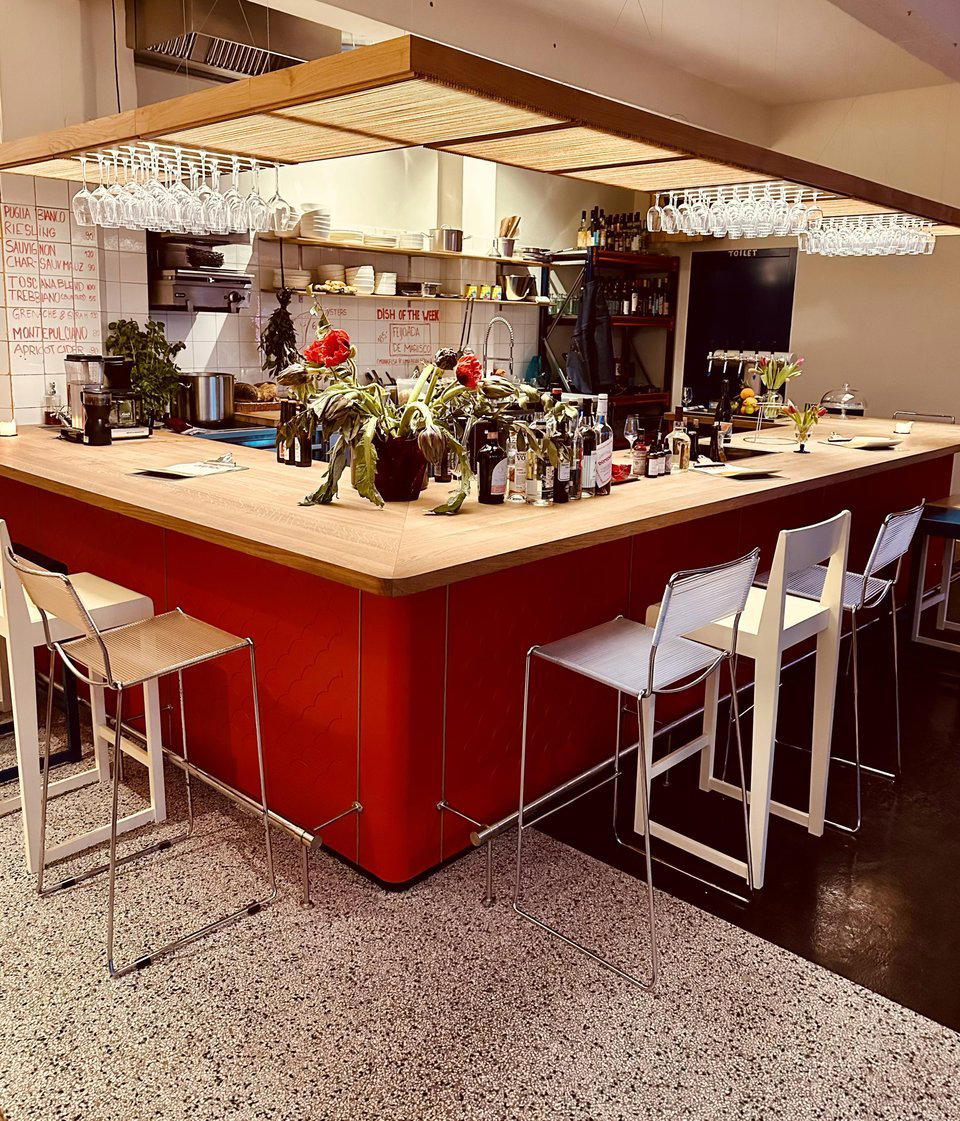

Details
- Lively
- Trendy
- Energetic
- Group Dining
- Casual Hangout
- Celebration
- Open Kitchen
- Craft Cocktails
- Small Plates
- A La Carte
- Craft Cocktails
- Vegetarian Friendly
- Vegan Options
- Gluten Free Options
Current opening hours
- Monday
- 8 AM–4 PM
- Tuesday
- 8 AM–12 AM
- Wednesday
- 8 AM–12 AM
- Thursday
- 8 AM–2 AM
- Friday
- 8 AM–3 AM
- Saturday
- 4 PM–3 AM
- Sunday
- Closed
Hours can change for holidays and private events. Hours as of .
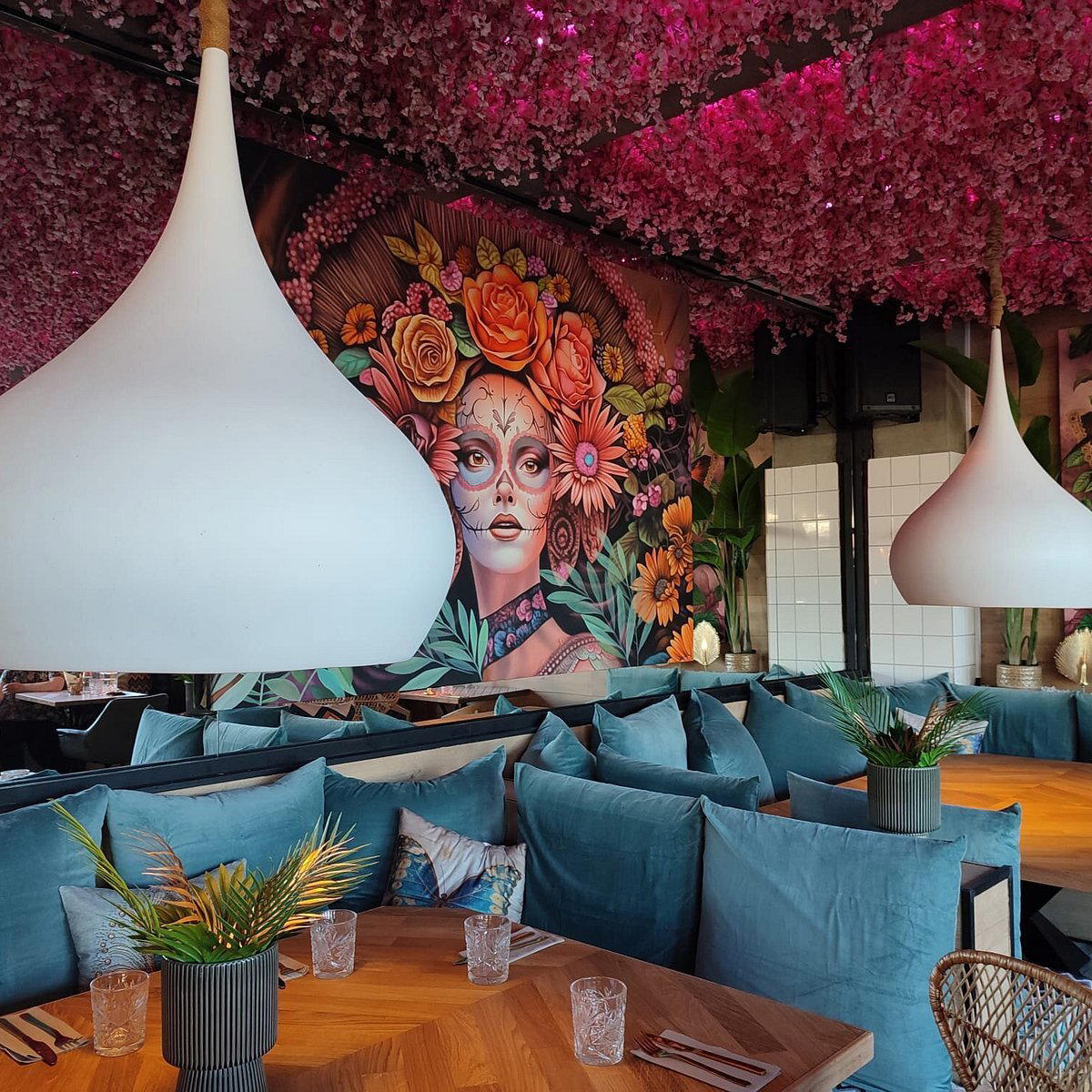
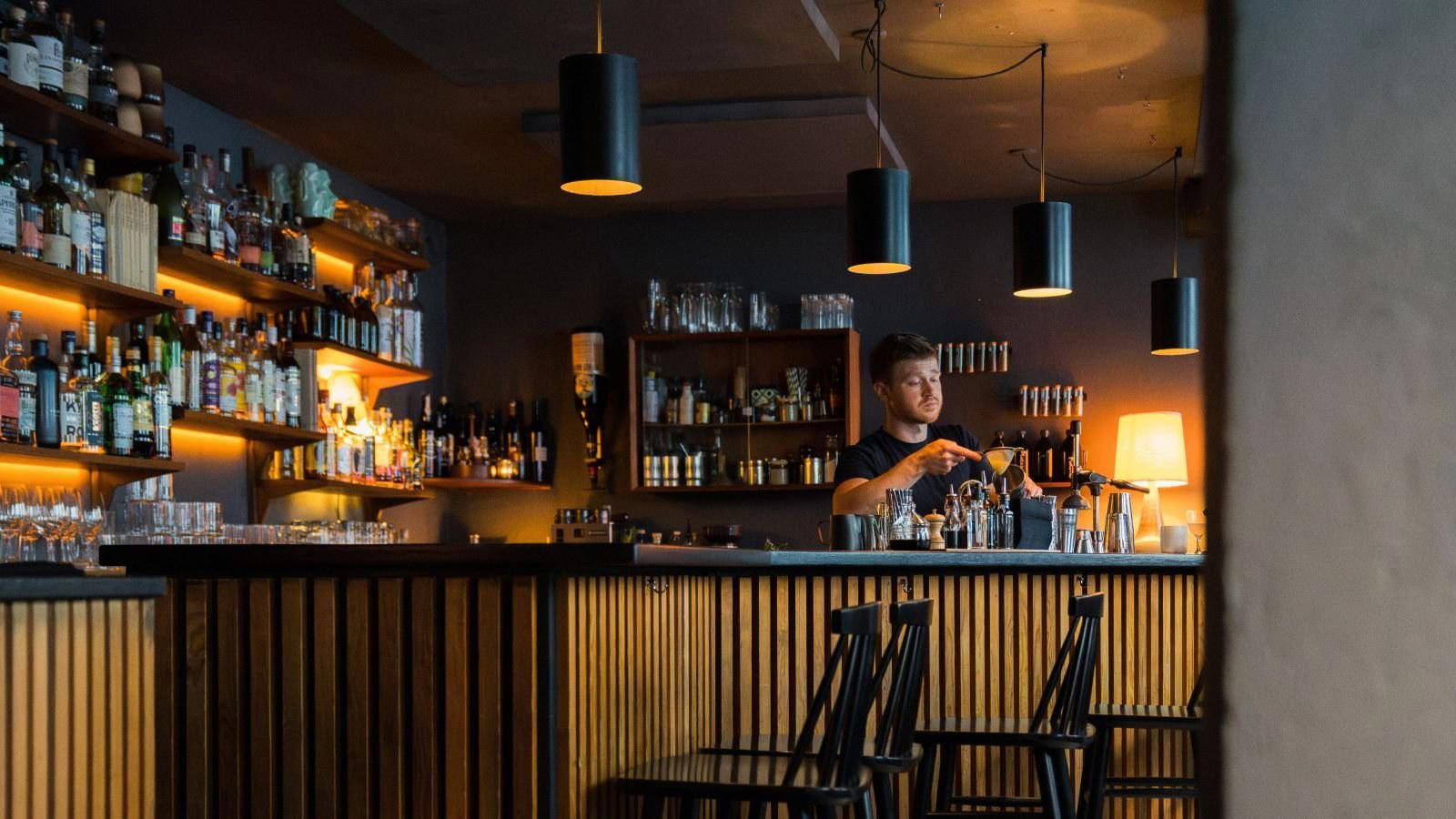
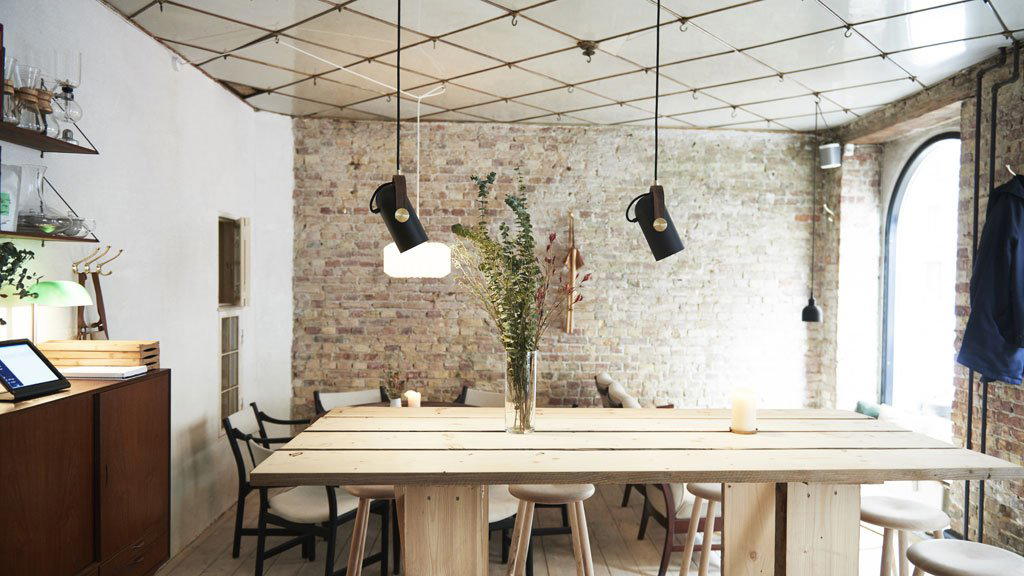
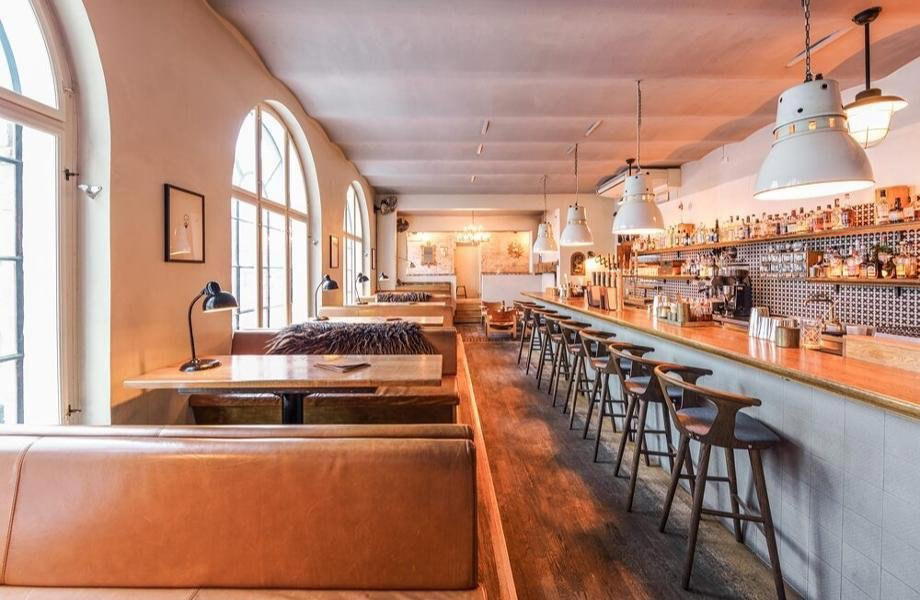
Lively and welcoming atmosphere with colorful, jungle-inspired decor that creates a multi-sensory dining experience.