
Tabelog 100 #38
Our verdict
Steak House Sue belongs to Nagoya’s old-school steak and yoshoku current rather than the city’s flashier tasting-menu circuit. Its Tabelog 100 Steak / Teppanyaki EAST 2025 selection, counter-led format, private rooms, and wine listing place it in a serious beef bracket with a family-friendly register unusual for higher-priced steak rooms.

Pearl is the En Primeur Club membership app, where members save venues, book tables and use the concierge.
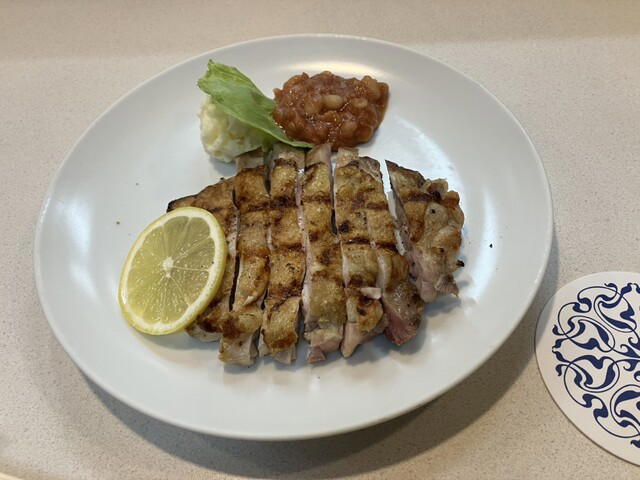
Nagoya has a different rhythm from Japan’s larger restaurant capitals. Away from the most familiar tourist shorthand, the city supports small dining rooms, local addresses, and restaurants that do not need a theatrical entrance to matter. In that context, Steak House Sue fits Nagoya’s Western-influenced dining grammar: beef, yoshoku, and a house-restaurant sensibility rather than a hotel dining room or luxury retail complex.
Nagoya’s dining identity is often reduced to its best-known regional dishes, but its Western-style Japanese cooking has a serious local audience. Yoshoku is not imitation European food; it is a domestic tradition shaped around sauces, rice, grills, omelets, cutlets, and beef served with Japanese pacing. Steak sits at the more occasion-driven end of that tradition, rewarding restaurants that understand heat, timing, portion structure, and the difference between a business meal, a family dinner, and a celebratory meal.
Beef, yoshoku, and a menu built around format rather than novelty
The useful way to read this restaurant is through format, not biography. Listed as steak and yoshoku, the kitchen sits between two Japanese dining habits: the direct pleasure of grilled beef and the comfort-coded logic of Western-style Japanese cooking. That combination matters in Nagoya, where premium dining can be formal without drifting into tasting-menu abstraction. A steak house in this mode needs no long narrative arc; it needs a menu that lets diners choose occasion, appetite, and spend without losing the central promise of beef.
The award signal is concrete. Steak House Sue is listed in the Tabelog Hyakumeiten record for 2025. That places it inside a recognized category field rather than only a casual neighborhood list. Tabelog’s Hyakumeiten selections tend to reward durable local demand and category credibility; for steak and yoshoku, that usually means a room where regulars care less about spectacle than consistency.
Its Tabelog score is 3.62, which reads differently in Japan than on many global platforms. Japanese review culture is conservative, and scores above the mid-threes often indicate sustained approval rather than casual popularity. The listed dinner budget is JPY 10,000 - JPY 14,999, while the lunch band is JPY 1,000 - JPY 1,999, creating a split identity common in Japanese urban dining: business-friendly by day, more considered by night.
Against local comparison points, the positioning is clear. Obanzai Anko, Ichibiki, Salamanger de Casino, BUCYO COFFEE, and Joshin Ya show Nagoya’s breadth across very different formats rather than serving as exact replicas of this address. Steak House Sue belongs to the city’s narrower lane of specialist beef and yoshoku rooms where category, occasion, and budget define the meal.
A Nagoya room with local use built into the brief
The restaurant is easiest to understand as a Nagoya steak and yoshoku address rather than as a concept built for novelty. That matters because higher-priced beef restaurants in Japan can sometimes become overdetermined by performance, while yoshoku rooms can lean toward everyday comfort. Steak House Sue sits between those expectations: recognizable enough for local repeat use, but still built around a category that can carry a more deliberate lunch or dinner.
That flexibility is not cosmetic. The lunch and dinner budgets describe two different ways to use the same restaurant. Lunch is positioned at a much lower listed band, which makes the address easier to approach during the day; dinner moves into a higher steak-house range. For travelers, that makes the restaurant easier to read: it is not a hushed omakase equivalent translated into steak, and it is not merely casual yoshoku. It occupies the middle ground where local diners can make sense of the same basic category at different levels of commitment.
The category listing is also a clue to the restaurant’s self-definition. “Steak” gives the meal its direct center, while “yoshoku” places that center inside a Japanese Western-style vocabulary rather than a purely imported steak-house template. The result is a category hybrid: Western-style in vocabulary, Japanese in service rhythm, and local in how it absorbs multiple occasions under one roof.
How to place it in a Nagoya itinerary
For a serious Nagoya food itinerary, this is not the first explanation of the city’s famous specialties. It makes more sense after the obvious regional dishes, when the question becomes how Nagoya’s local dining culture behaves outside tourist shorthand. The location is best treated simply as Nagoya, useful for visitors building a city plan around more than one meal.
The editorial case is strongest for diners who want beef in a Japanese format without committing to the performative language of luxury dining. The menu category, listed budget range, Tabelog score, and 2025 Hyakumeiten recognition point to an established local steak and yoshoku address with range for different dining styles.
Readers comparing broader Japanese dining styles can also look at other beef-led formats, charcoal-and-fish contexts, cafe formats, and curry specialists elsewhere in Japan. For North American Japanese-adjacent references, similar formats abroad show how Japanese dining ideas can shift outside Japan. Additional Nagoya restaurant pages can be used generically for breadth, but Steak House Sue should be read most directly through its own listed category: steak and yoshoku in Nagoya.
Frequently asked questions
What are the operating hours at Steak House Sue?
Specific operating hours are not listed here. Call Steak House Sue in advance at +81-52-551-5815 to confirm the current schedule before visiting.
What should I budget for a meal at Steak House Sue?
Pricing at Steak House Sue is listed as Dinner: JPY 10,000 - JPY 14,999; Lunch: JPY 1,000 - JPY 1,999.
Where is Steak House Sue in Nagoya?
Nagoya.
What's the signature at Steak House Sue?
No single named signature dish is listed. The clearest read is the format itself: steak and yoshoku, with a Tabelog score of 3.62 and 2025 Hyakumeiten recognition.
Can Steak House Sue adjust for dietary needs?
The restaurant is listed for steak and yoshoku, so discuss any dietary request directly before booking. The practical move is to call +81-52-551-5815 in advance and confirm what is possible in Nagoya.
Local
Comparable venues at the same tier for side-by-side context.
| Venue | Cuisine | Price | Awards | Notes |
|---|---|---|---|---|
| Steak House SueThis venue (the venue you are viewing) | Classic Japanese Steakhouse & Yoshoku | $50–100 | Tabelog 100 #38 | Not listed |
| Obanzai Anko | Traditional Japanese Obanzai Izakaya | $30–50 | Tabelog 100 #70 | JPY 3,000 - JPY 3,999 JPY 1,000 - JPY 1,999 |
| BUCYO COFFEE | Not listed | $10–20 | Tabelog 100 | JPY 1,000 - JPY 1,999 JPY 1,000 - JPY 1,999 View spending breakdown |
| Ichibiki | Traditional Unagi | Not listed | Tabelog 100 #34 | JPY 3,000 - JPY 3,999 JPY 3,000 - JPY 3,999 |
| Salamanger de Casino | French bistro | Not listed | Tabelog 100 #59 | JPY 6,000 - JPY 7,999 JPY 2,000 - JPY 2,999 |
| Joshin Ya | Classic Nagoya Ramen Shop | Not listed | Tabelog 100 #24 | JPY 999 - JPY 999 |
Recognition history
Dated appearances from independent guides and award organizations, with the underlying list record or original source where available.
Tabelog 100 #38 · No. 38
Tabelog · Tabelog 100 - Steak / Teppanyaki - EAST - 2025
Continue exploring
More in Nagoya
Restaurants in Nagoya
All restaurants in Nagoya →
Details
- Cozy
- Classic
- Intimate
- Family
- Date Night
- Business Dinner
- Special Occasion
- Standalone
- Private Dining
- Extensive Wine List
- A La Carte
- Set Menu
- Counter Dining
- Wine
Current opening hours
- Monday
- 12–2 PM, 5–9 PM
- Tuesday
- 12–2 PM, 5–9 PM
- Wednesday
- 12–2 PM, 5–9 PM
- Thursday
- 12–2 PM, 5–9 PM
- Friday
- 12–2 PM, 5–9 PM
- Saturday
- 5–9 PM
- Sunday
- Closed
Hours can change for holidays and private events. Hours as of .
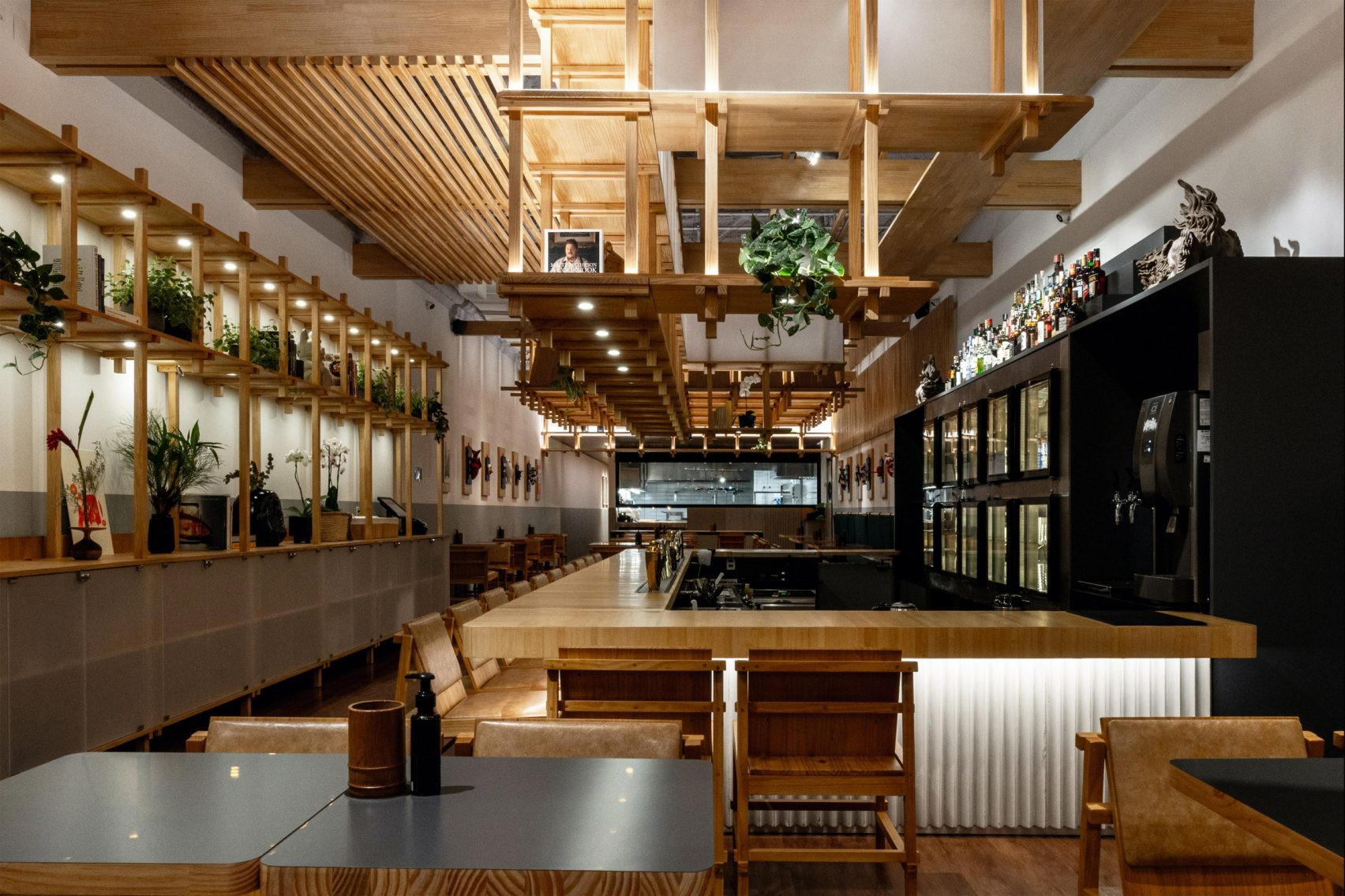
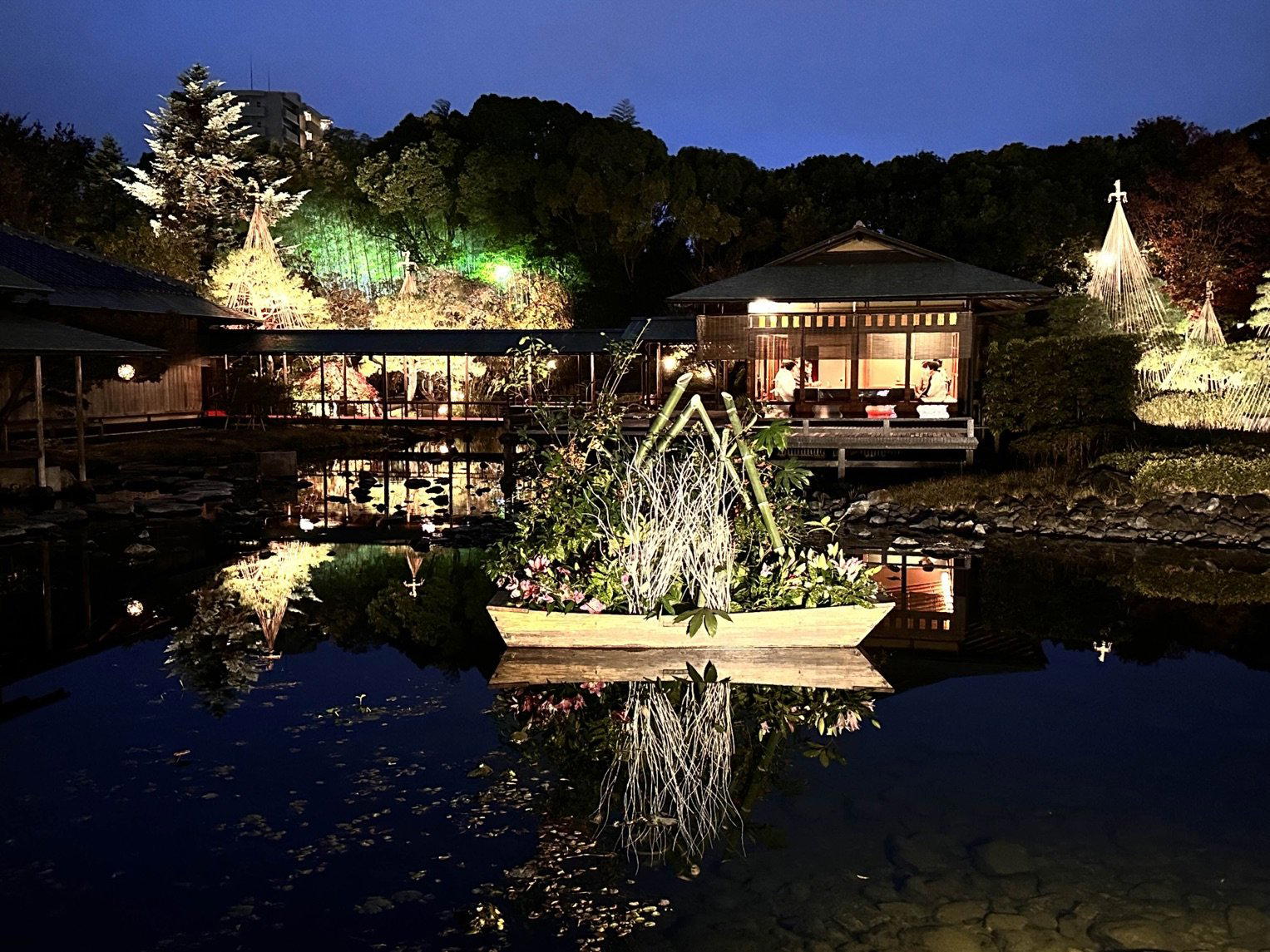
A nostalgic, classic Japanese steakhouse set in a house-style building, featuring a warm mix of stone and wood, red carpet, and an intimate counter plus small table seating that creates a cozy, slightly old-school atmosphere suited to both families and small gatherings.