STAY

Michelin Plate
Our verdict
STAY occupies the 81st floor of Lotte World Tower in Songpa-gu, bringing Michelin Plate-recognised French cooking to one of Seoul's most architecturally dramatic dining addresses. Consecutive Michelin Plate distinctions in 2024 and 2025 place it within the city's tier of French restaurants held to a genuine technical standard. The altitude is not incidental: the room frames Seoul's sprawl as the backdrop to a considered French menu.

Pearl is the En Primeur Club membership app, where members save venues, book tables and use the concierge.
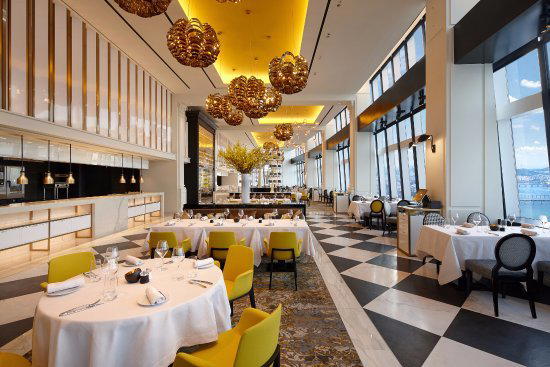
Dining at Altitude: The Seoul French Table Reimagined
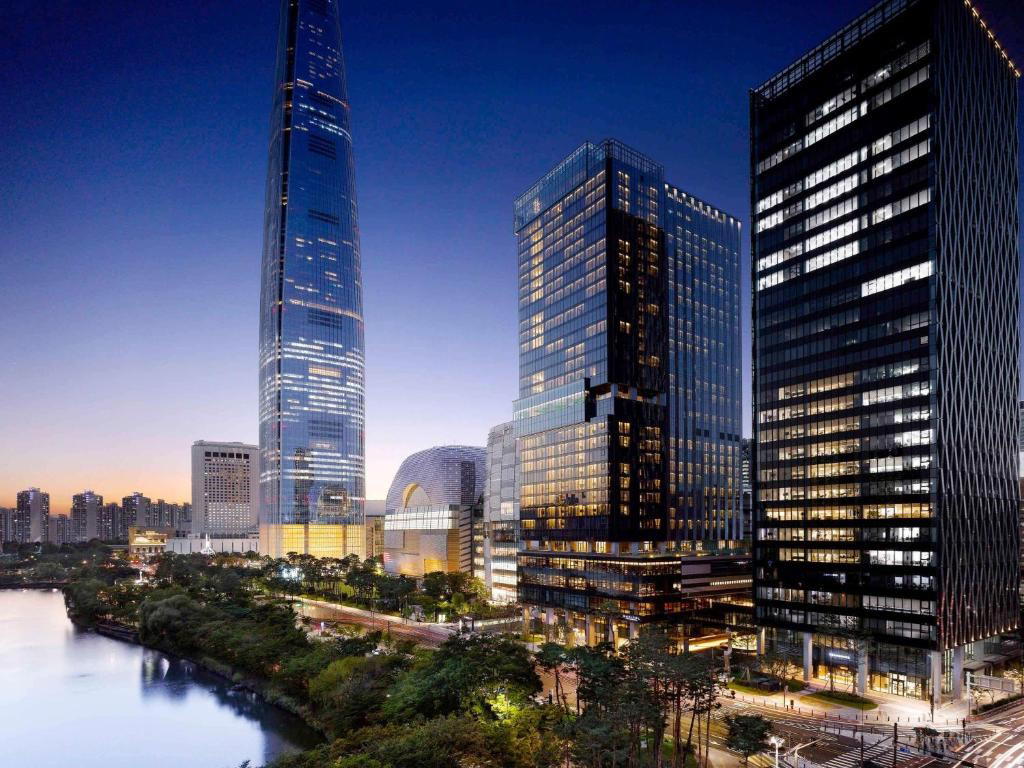
There is a moment, stepping into a lift that deposits you on the 81st floor of Lotte World Tower, when the city stops being something you are inside and becomes something you are above. The Han River cuts southeast through the grid. Songpa-gu fans out below. The light changes depending on the hour, and by evening the city organises itself into a spread of moving amber and white. This is the physical fact of dining at STAY, and it sets a frame that almost any room in Seoul would struggle to match.
That frame creates a particular kind of obligation. A restaurant positioned this deliberately, on one of the tallest floors of the tallest building in South Korea, either lets the view carry the experience or builds something that holds its own against it. STAY's consecutive Michelin Plate recognitions in 2024 and 2025 suggest the kitchen has made a credible argument for the latter.
Where STAY Sits in Seoul's French Dining Progression
Seoul's French restaurant tier has matured considerably over the past decade. What once read as an aspirational import has been absorbed, localised, and in some cases genuinely advanced. Restaurants like L'Amitié, which operates at the ₩₩₩ price point, and Tutoiement represent the range now available to Seoul diners seeking French technique, from accessible neighbourhood formats through to destination-level tasting experiences. STAY sits at the ₩₩₩₩ tier, where the competitive logic shifts: guests are paying for total experience architecture, not just the plate.
That architecture includes the room, the outlook, the pacing, and the occasion. At this price point in Seoul, French restaurants are not competing only against each other. They are competing against Gaon, against 권숙수 (Kwon Sook Soo), against contemporary Korean formats that have absorbed Western technique and applied it to local ingredients with growing sophistication. That STAY holds a Michelin Plate at ₩₩₩₩ alongside this competition signals that the cooking is not coasting on location.
Across Asia's major cities, the premium French table has gone through successive reinventions. In Tokyo, Sézanne has reframed what Parisian-rooted French cooking looks like in an East Asian city context. In Singapore, Les Amis has held a consistent position at the top of the French dining tier for years. Seoul's equivalent tier is younger and faster-moving, which means the restaurants operating in it now are shaping what the city's French dining identity will look like in the next decade.
The Evolution of STAY's Proposition
High-altitude restaurants in major cities follow a recognisable arc. They open to significant attention, supported by architectural drama and the novelty of the address. The question, always, is whether the kitchen develops alongside the room's reputation or whether the view gradually becomes the only reason to book. STAY's Michelin Plate appearances across two consecutive years indicate a kitchen that has moved past the opening phase and into something more durable.
Michelin's Plate designation, for context, is not a star award but a quality signal: it marks restaurants where inspectors found cooking of a good standard. Consecutive Plate appearances in the 2024 and 2025 editions of the Seoul guide suggest consistency, not a single strong year followed by drift. For a restaurant where the theatrical setting could easily become a substitute for culinary ambition, that consistency carries editorial weight.
The broader pattern in high-floor hotel dining is instructive. Restaurants positioned above city skylines in cities like Seoul, Hong Kong, and Bangkok have followed different trajectories. Some have leaned into the spectacle and settled into a comfortable banquet function. Others have treated the altitude as a pressure to perform: the higher the room, the sharper the cooking has to be to justify the decision to eat there rather than at street level. STAY's Michelin recognition places it in the latter category, at least in the eyes of the guide.
For French dining specifically, the skyline setting creates an interesting tension. French cuisine's strongest associations are with intimacy, with rooms that feel sealed from the outside world. The Burgundian cellar, the Lyonnais bouchon, the hushed Parisian dining room. A floor-to-ceiling glass room above one of Asia's largest cities is the formal opposite of that tradition. Whether STAY's kitchen uses that tension productively, or simply operates good French cooking in an unusual envelope, is the question a visit would answer.
Songpa-gu and the Tower Context
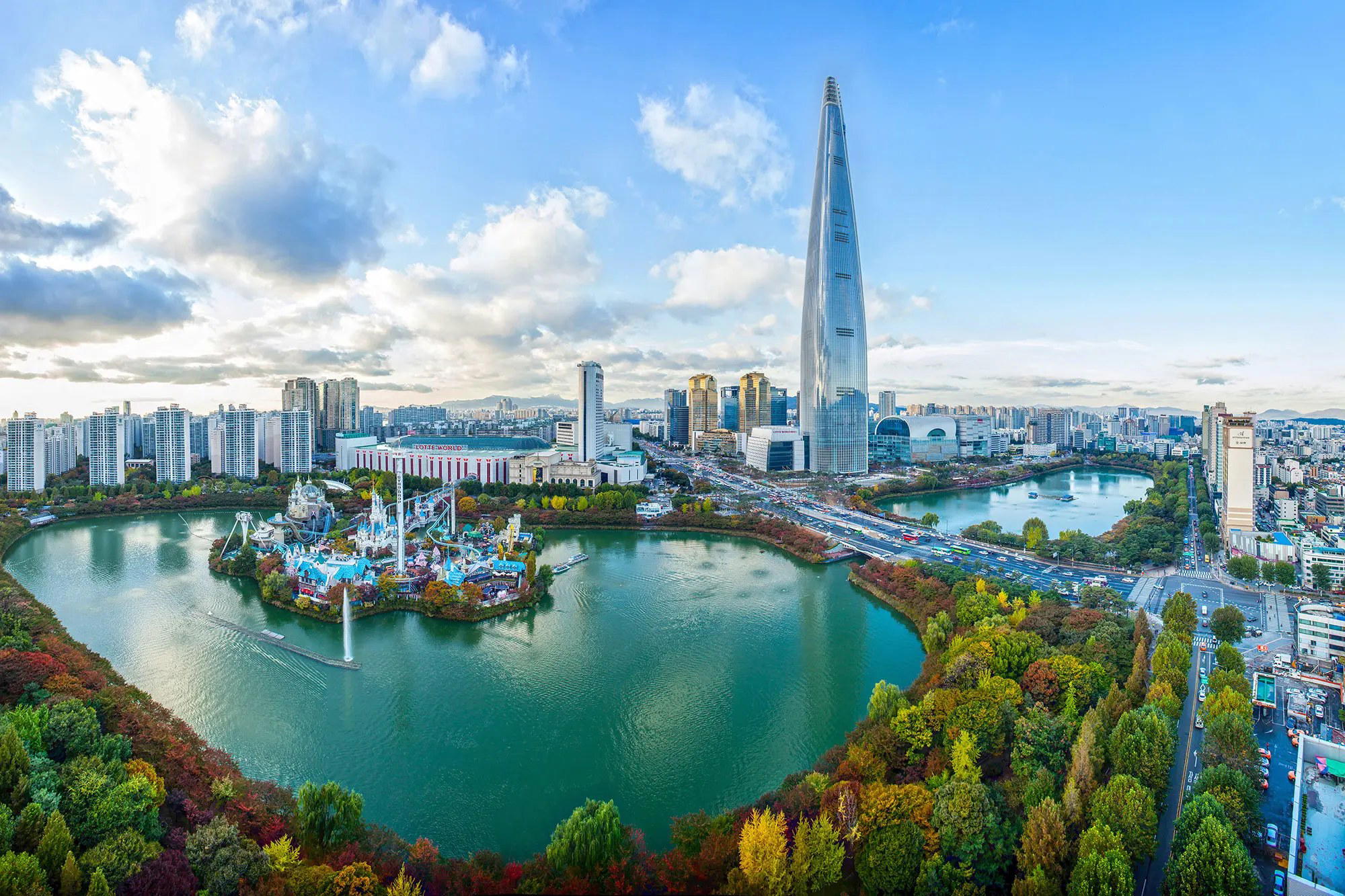
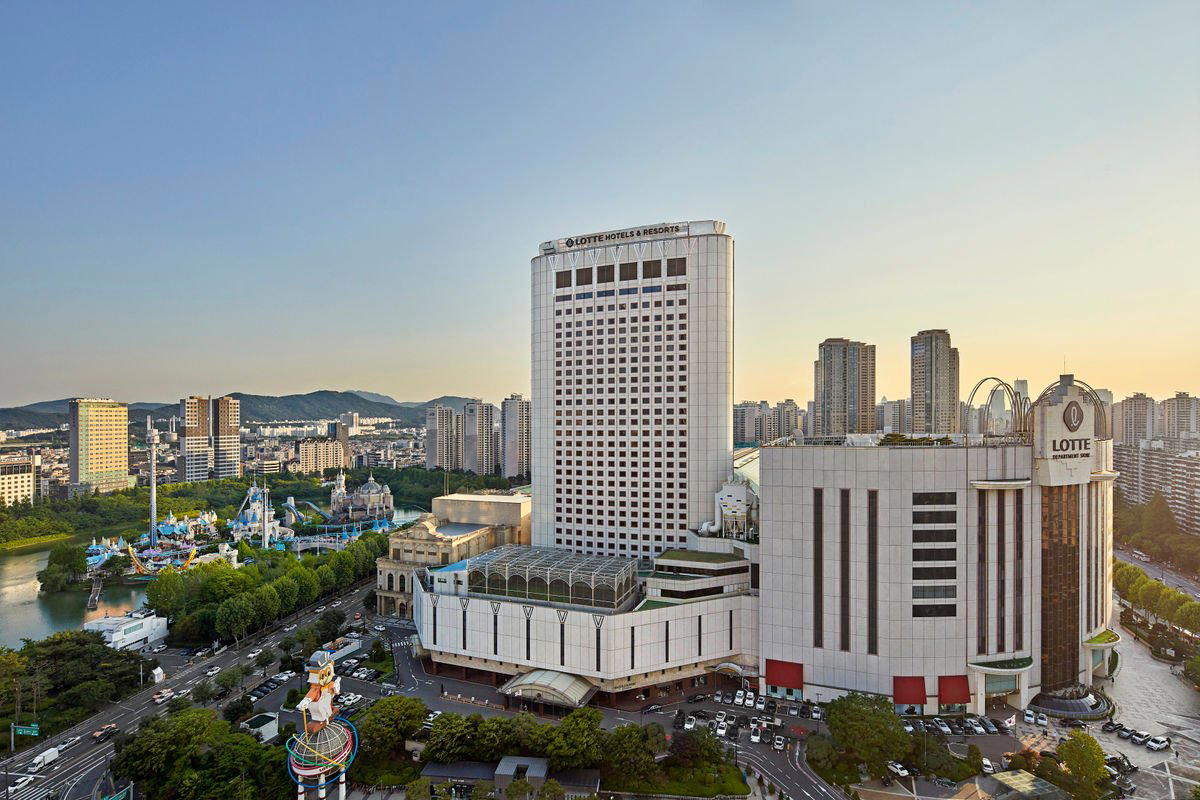
Lotte World Tower is not a conventional Seoul address in the way that Gangnam-gu or the older restaurant corridors of Jongno are. The tower sits adjacent to Lotte World Mall and Seokchon Lake in Songpa-gu, an eastern district that became a hospitality destination primarily because of the tower itself. The building topped out at 555 metres in 2016 and holds a mix of hotel floors, residences, offices, and hospitality venues. At 81 floors up, STAY is well above the hotel and observation deck floors below it.
The practical implication is that arriving at STAY involves a degree of tower navigation that is not typical of most Seoul dining destinations. Seoul's French dining scene, by contrast, tends to cluster in Cheongdam-dong, Hannam-dong, and parts of central Jongno. STAY is geographically apart from those clusters, which concentrates its audience toward guests who are already staying in the tower, or making a deliberate occasion-based journey from elsewhere in the city. That self-selection likely shapes the room's atmosphere on any given evening.
For those exploring Korean dining options in the broader region, the contrast with temples of different traditions is notable. Baegyangsa Temple in Jangseong-gun and Mori in Busan represent entirely different ends of the Korean dining spectrum, and browsing our full Seoul restaurants guide maps the range from street-level tradition to high-floor contemporary. For accommodation, nightlife, and cultural programming during a broader Seoul trip, our Seoul hotels guide, bars guide, and experiences guide cover the full picture.
Within the Seoul French tier, Au Bouillon and Bistrot de Yountville represent more accessible entry points to French cooking in the city, while KANG MINCHUL Restaurant and The Flying Hog in Seogwipo speak to how broadly Korean dining now ranges across format and geography. For a European reference point on what French haute cuisine looks like in a landmark building context, Hotel de Ville Crissier in Switzerland offers a useful counterpoint in ambition and register.
Know Before You Go
- Address: 81F Lotte World Tower, 300 Olympic-ro, Songpa-gu, Seoul 05551, South Korea
- Cuisine: French
- Price range: ₩₩₩₩ (premium tier)
- Awards: Michelin Plate 2024, Michelin Plate 2025
- Getting there: Lotte World Tower is served by Jamsil Station (Lines 2 and 8). Allow time for tower check-in and lift access to floor 81.
- Occasion fit: Suited to celebrations, business dinners, and date-night dining where setting is a material part of the occasion.
- Booking: Contact the tower's hospitality directory directly; advance reservation is advisable given the address's profile.
Frequently asked questions
Does STAY work for a family meal?
At ₩₩₩₩ pricing and with Michelin Plate recognition, STAY is pitched at formal dining occasions rather than casual family outings. In Seoul at this price tier, the format and pacing tend toward tasting menus or structured à la carte, which suits adults-only celebrations more naturally than family groups with children. If the goal is a family dinner with a view, there are options within Lotte World Tower at lower price points that would serve that purpose without the full fine-dining commitment.
What should I expect atmosphere-wise at STAY?
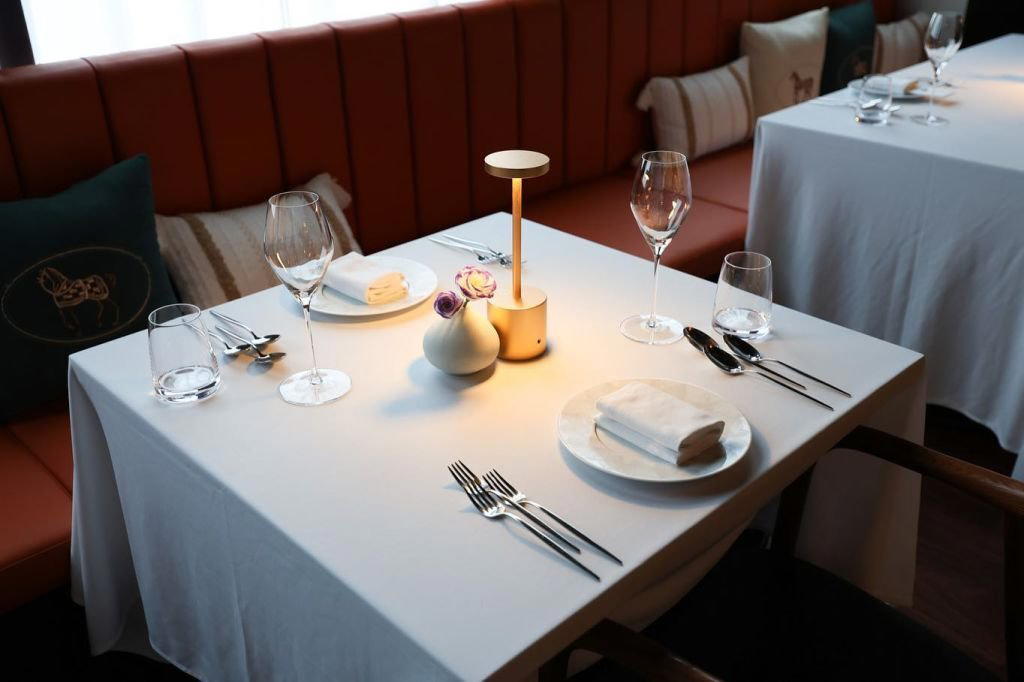
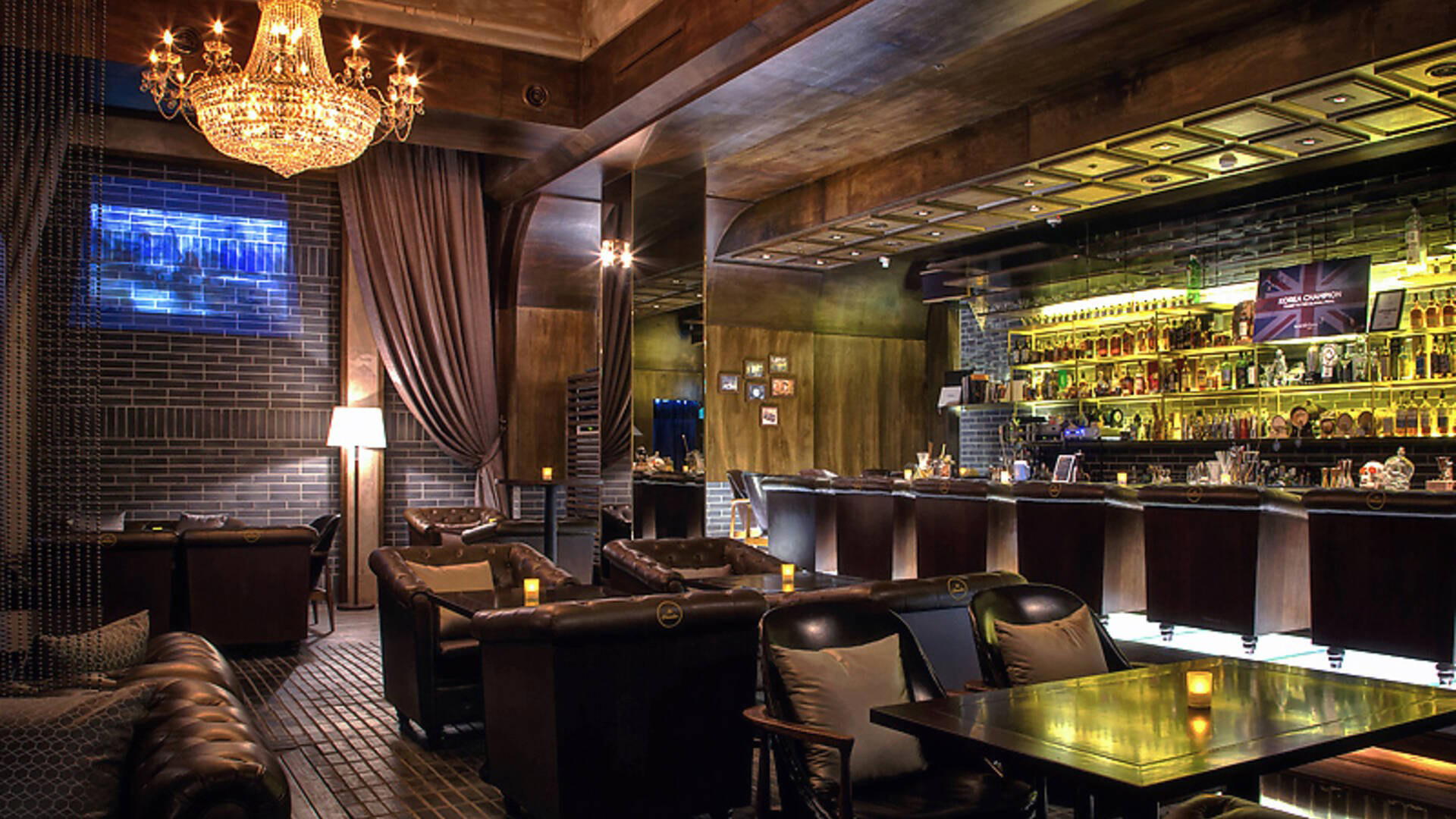
The 81st-floor setting in one of Seoul's tallest buildings means the room is defined as much by what is outside the windows as by the interior design. Seoul's eastern skyline and the Han River are visible from this height, and the experience changes materially between a lunch service, bright, aerial, almost abstract, and an evening booking when the city lights organise below. The Michelin Plate distinction and ₩₩₩₩ pricing point toward a formal, composed service style rather than a casual or convivial atmosphere. Expect measured pacing and a room that takes its occasion function seriously.
What dish is STAY famous for?
What the Michelin Plate recognition in both 2024 and 2025 does confirm is that inspectors found consistent quality in the French cooking across multiple visits. The cuisine type is French, and at ₩₩₩₩ pricing, the kitchen almost certainly operates a structured format with seasonal variation rather than a fixed signature-dish menu.
Peers in This Market
| Venue | Cuisine | Price | Awards | Notes |
|---|---|---|---|---|
| STAYThis venue (the venue you are viewing) | Modern French | $150–200 | Michelin Plate | Not listed |
| 7th Door | Modern Korean Fermentation Fine Dining | $100–150 | 1 Michelin Star · World's 50 Best #49 | Korean, Contemporary |
| Solbam | Contemporary Neo-Classical Korean | $200–300 | 1 Michelin Star · World's 50 Best #55 | Contemporary |
| Onjium | Modern Korean Royal Court Cuisine | Not listed | 1 Michelin Star · World's 50 Best #14 | Korean |
| L'Amitié | Classic French Fine Dining | $100–150 | 1 Michelin Star · La Liste Top Restaurants | French |
| Zero Complex | Modern French Neo-Bistro | $100–150 | 1 Michelin Star · La Liste Top Restaurants | Korean-French, Innovative |
Recognition history
Dated appearances from independent guides and award organizations, with the underlying list record or original source where available.
Michelin Plate
Michelin
Full recognition history (3 entries)
Michelin Plate
Michelin
Michelin Plate
Michelin
Continue exploring
More in Seoul
Restaurants in Seoul
All restaurants in Seoul →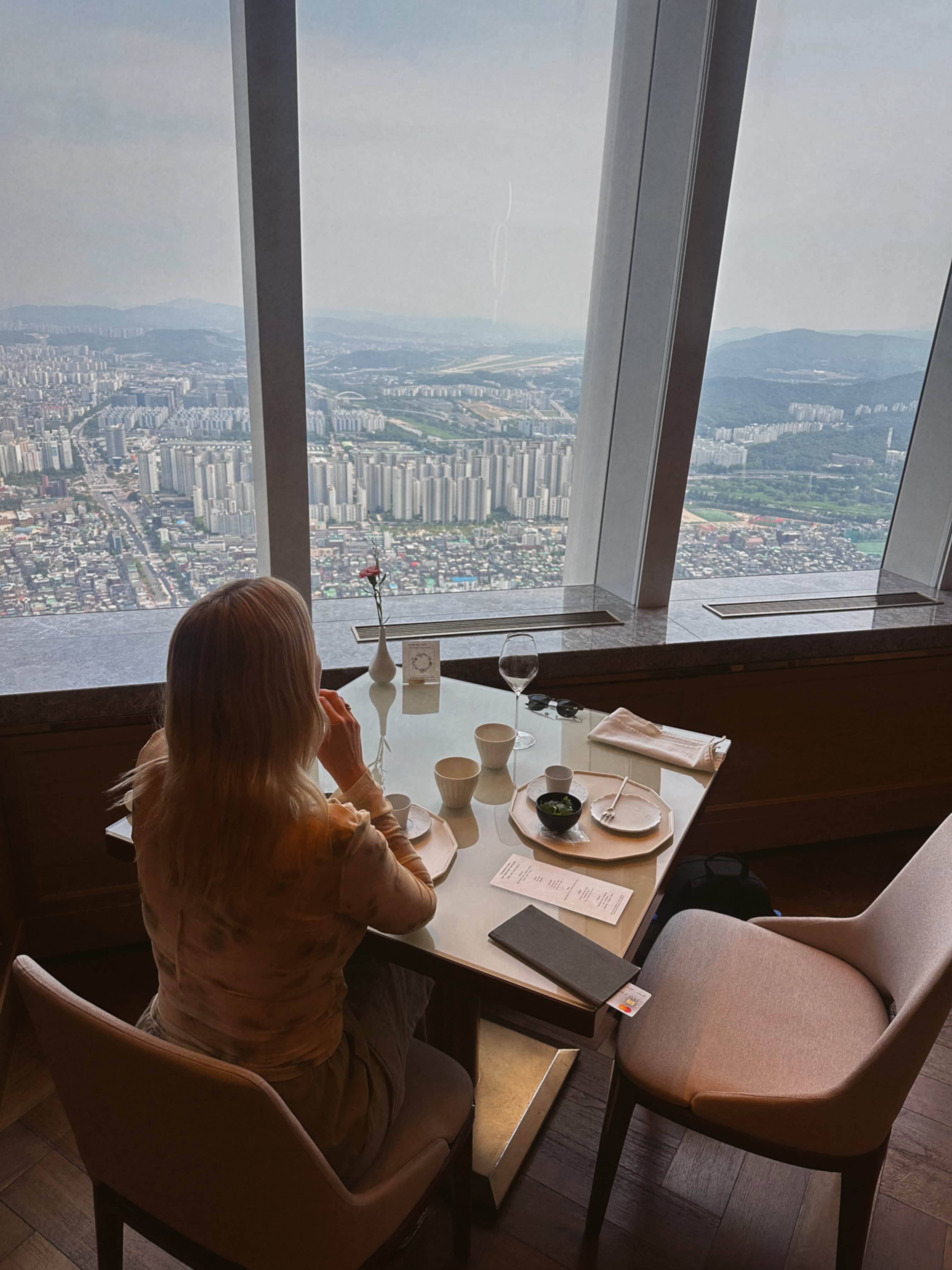
Bars in Seoul
All bars in Seoul →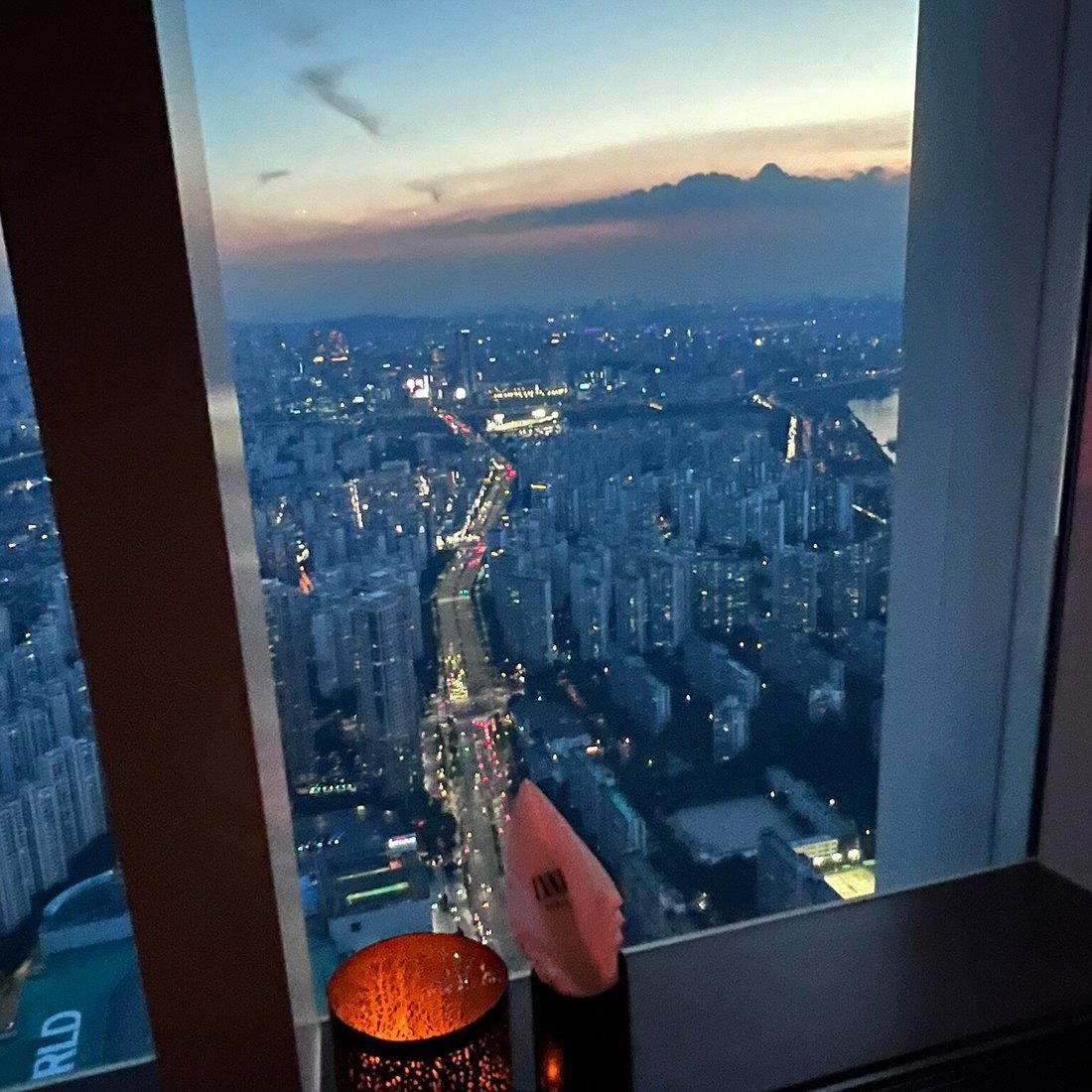
Details
- Modern
- Elegant
- Sophisticated
- Trendy
- Date Night
- Special Occasion
- Business Dinner
- Panoramic View
- Hotel Restaurant
- Extensive Wine List
- Sommelier Led
- Local Sourcing
- Skyline
- A La Carte
- Small Plates
- Vegetarian Friendly
- Vegan Options
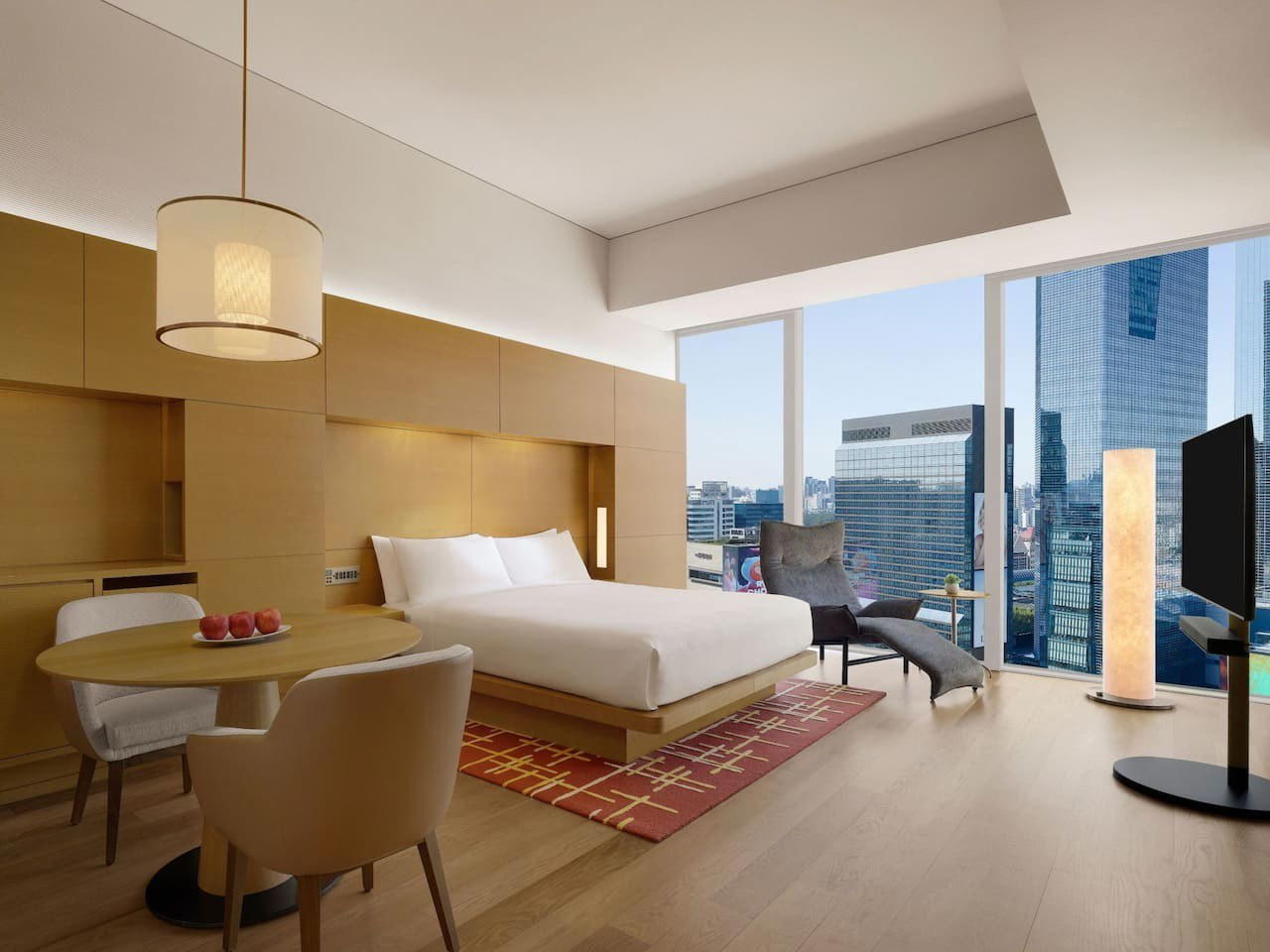
Youthful and lively space accented with yellow and gold, providing a modern casual atmosphere with sweeping city vistas.