
Ginza Kagari Ruku a oosaka ten places a Tokyo-born ramen name inside Umeda’s station-centre dining grid, where speed, seating design, and repeatable craft matter as much as reputation. Its Tabelog Ramen OSAKA 100 selections for 2023, 2024, and 2025 make it a useful read on how serious ramen now operates inside Osaka’s polished transport hubs.
Pearl is the En Primeur Club membership app — saves, bookings, and concierge access live there. Same editors, same standards.
- Address
- 大阪府大阪市北区梅田3-1-3 ルクア B2F
- Phone
- +81661512541
- Website
- tabelog.com
 Saves & bookings on Pearl
Umeda’s basement dining floors have their own rhythm: tiled corridors, ticket queues, office workers moving from rail platforms, and small rooms built for turnover without making meals feel disposable. Ramen fits this architecture: it rewards solo dining, tolerates a short wait, and compresses craft into one bowl. Ginza Kagari Ruku a oosaka ten belongs to that station-side category, but repeated selection for Tabelog Ramen OSAKA 100 in 2023, 2024, and 2025 lifts it above ordinary transit eating.
The context is not Ginza nostalgia but Osaka’s appetite for polished, high-convenience ramen. In a city where udon, okonomiyaki, kushikatsu, and department-store food halls compete for casual meals, ramen must be legible to travelers and disciplined for locals. This shop answers with a compact room of counter seating and tables, keeping solo ramen grammar intact while letting small groups eat without turning the meal into a lingering restaurant occasion.
Station ramen with a designed-room discipline
The physical container matters. Counter seats focus attention on kitchen rhythm and the bowl, while tables soften the experience for pairs and families passing through Umeda. That split is common in transport-adjacent Osaka, but better versions avoid the cafeteria feeling that can flatten station dining. Here, the room is described around counter seating and a composed interior rather than bare utility, matching ramen’s broader shift from workmanlike shopfront to designed casual dining.
A 20-seat ramen room in a major rail node carries different expectations from a backstreet counter. It must absorb traffic, maintain pace, and serve people between trains, shopping floors, and hotel check-ins. Stronger examples do not fight the station; they use it. Beneath the Osaka Station complex, the shop becomes part of Umeda’s vertical food city, where restaurants are stacked below and above retail rather than spread along one street.
For a broader Osaka map, it is a useful counterpoint to other casual anchors. The 551 pork-bun economy around 551 Horai (551蓬莱), the bakery precision of 52CHO-ME BAKERY, and the café register of .cafe show how Osaka treats accessible food seriously. Ramen belongs to that culture of speed plus standards, not as a lesser meal but as a compact expression of urban appetite.
What the Tabelog Ramen OSAKA 100 signal means
Tabelog’s Hyakumeiten lists are practical signals in Japan, especially in crowded categories where the gap between a convenient stop and destination-level casual meal is hard to read from the street. Selection for three consecutive ramen lists gives this shop a stronger claim than a single-year mention. It suggests continued relevance in a category where new shops, specialist broths, and limited menus constantly reset attention.
Osaka’s ramen scene is less internationally simplified than Tokyo’s. The city’s dining identity is often reduced to sauce, batter, and street-food energy, but ramen here spans station counters, neighbourhood specialists, and polished commercial-centre rooms. In Umeda, it competes not only with ramen shops but with curry, Italian, pastry, steak, and department-store dining nearby. Comparisons such as Kyu Yamu Tetsudo, PONTE VECCHIO, Delicius pasticceria Oosaka ten, Wolfgang's Steakhouse Osaka, and エキ ポンテベッキオ show the breadth of the immediate commercial field: ramen is one option in a dense, cross-category meal decision, not a fallback.
That pressure explains the importance of design and repeatability. A ramen shop here cannot rely on neighbourhood ritual alone. It needs clear ordering, efficient turnover, and enough polish to feel intentional rather than merely convenient. The award record suggests Ginza Kagari Ruku a oosaka ten has kept that balance visible, especially for diners using Umeda as a base rather than crossing town for one meal.
How to place it in an Osaka food day
The strongest use case is a focused ramen stop within a Umeda itinerary, not a drawn-out evening. That matters for travelers building a day around rail connections, shopping floors, and hotel geography. It fits Osaka Station movement: lunch before a transfer, early dinner before bars, or a controlled meal between heavier reservations. The category is casual, but the recognition record makes it more than convenience.
Readers planning across the city should treat it as one node in a wider Osaka circuit, not the whole argument for the city. For restaurant planning, start with Our full Osaka restaurants guide; for where to stay around the station and beyond, use Our full Osaka hotels guide. After ramen, the evening can move toward cocktail rooms through Our full Osaka bars guide, while broader trip planning sits in Our full Osaka experiences guide and Our full Osaka wineries guide.
The surrounding editorial field shows why Japan’s casual formats travel so well across cities. Compare Osaka’s station ramen logic with beef-focused dining at -Grilled beef Sukiyaki- KAMAKURA TANUKIAN 鎌倉 たぬき庵 in Kamakura, izakaya-adjacent seafood and charcoal cooking at. 鮪と炭火焼き うお炭 秋葉原店 in Tokyo, and regional small-format dining at.know in Kumamoto. The same casual-serious axis appears in (Shoku) Vietnam in Kawasaki, [Curry Senmon Ten] Maruyama Kyoju. in Sapporo, and [ki:] in Kyoto, while Los Angeles versions such as Jōdo Saké Bar in Los Angeles and Onigiri Time in Pasadena show how Japanese formats become more curated abroad. Osaka adds its bias: fast access, tight rooms, and little patience for meals that waste time.
Within that frame, Ginza Kagari Ruku a oosaka ten is strongest as a design-aware ramen stop in the city’s busiest dining machine. The room, station setting, and multi-year ramen recognition tell the story more clearly than chef mythology would. In Osaka, convenience does not automatically mean compromise; sometimes the serious meal is built to fit between platforms.
For another polished casual comparison inside Osaka’s international register, see 99 Pizza Napoletana Gourmet and a canto (Italian), useful contrasts for how the city handles imported formats with local expectations for pace, value, and precision.
Local
Comparable options at the same price tier.
| Venue | Cuisine | Price | Notes |
|---|---|---|---|
| Ginza Kagari Ruku a oosaka tenThis venue — the venue you are viewing | Modern Japanese Ramen | $$ | Not listed |
| tanpopo Kitashinchi honten | Teppanyaki & Okonomiyaki with Italian Wine | $$ | Kita |
| Yakiniku fujimoto Umeda ohatsu tenjin ten | Yakiniku (Japanese BBQ) | $$ | Kita |
| Sogetsu | Traditional Osaka Okonomiyaki | $$ | Kita |
| Sobabito Aki | Traditional Soba & Japanese Small Plates | $$ | Chūō |
| Ampere Coffee & Kitchen | Japanese-International All-Day Cafe | $$ | Chūō |
Recognition history
Dated appearances from independent guides and award organizations, with the underlying list record or original source where available.
Tabelog 100 #6 · No. 6
Tabelog · Tabelog 100 - Ramen - OSAKA - 2025
Continue exploring
More in Osaka
Restaurants in Osaka
Browse all →




Bars in Osaka
Browse all →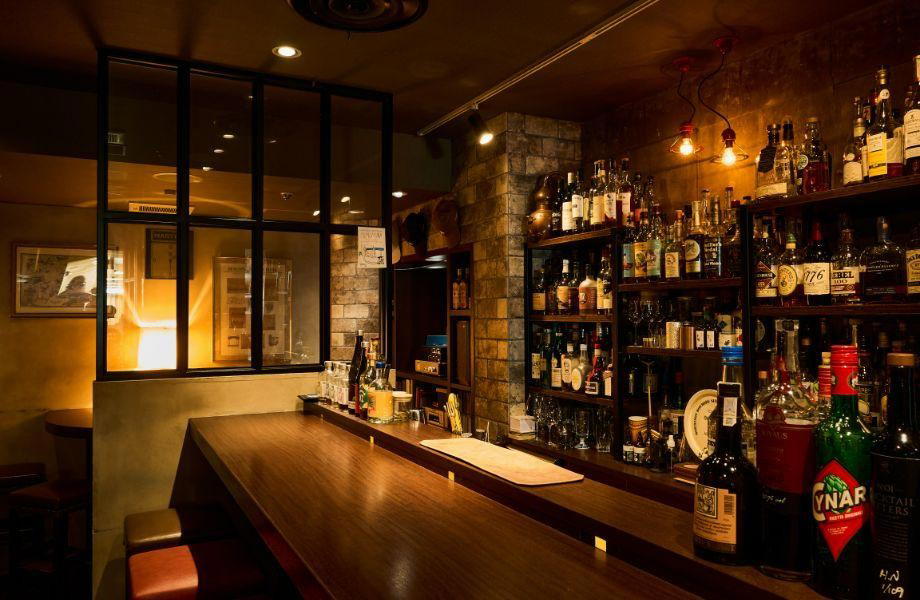
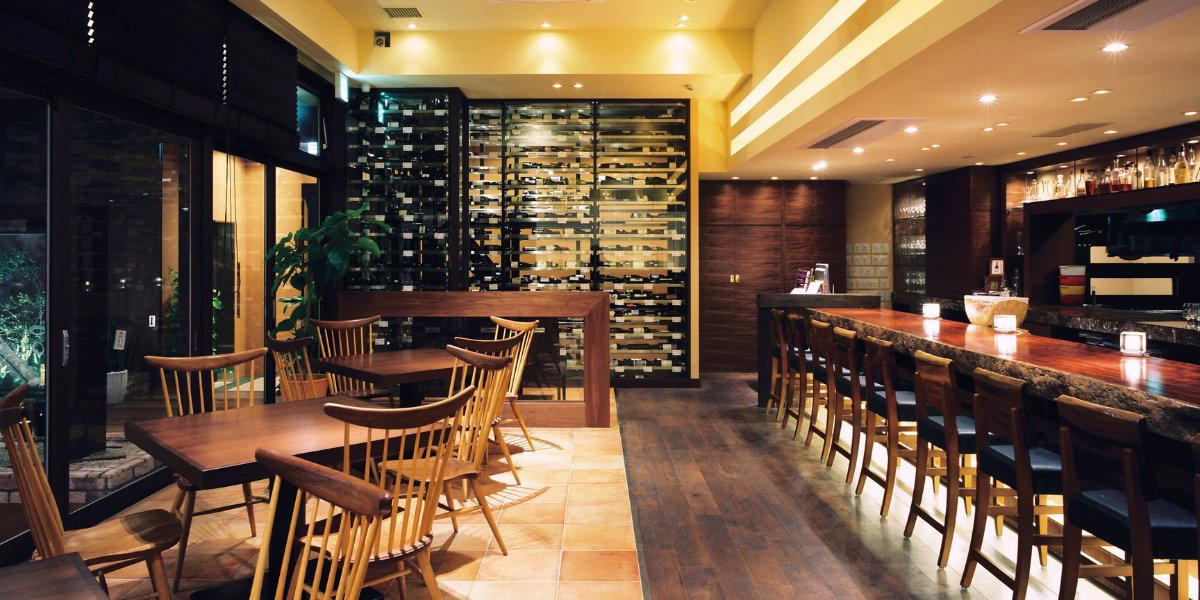



Hotels in Osaka
Browse all →

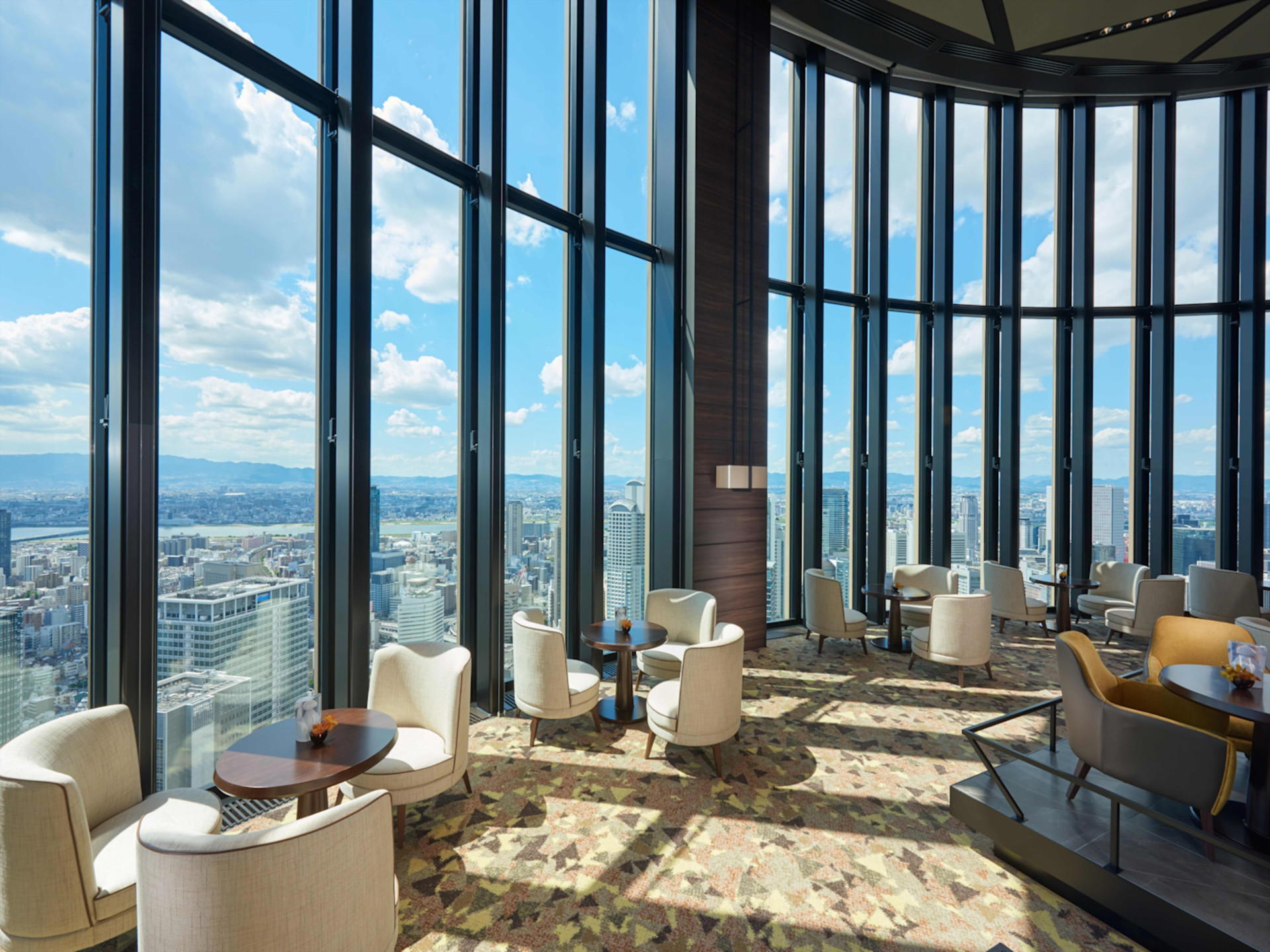


Wineries in Osaka
Browse all →
At a Glance
- Modern
- Cozy
- Trendy
- Solo
- After Work
- Casual Hangout
- Late Night
- Standalone
Compact and non‑smoking with a stylish yet relaxing interior, mixing counter and a few tables; busy and energetic due to its Osaka Station underground location but more polished than a typical ramen shop.