
Tabelog 100 #49
Our verdict
Suidobashi’s standing-bar culture is built for quick decisions, close quarters, and a sharper appetite than the format’s casual reputation suggests. Stand Hero sits in that tradition with kushi-age, seafood, sake, and shochu, backed by selection for Tabelog 100 Tachinomi 2025 and a 26-person standing-room format that keeps the experience compact rather than leisurely.

Pearl is the En Primeur Club membership app, where members save venues, book tables and use the concierge.
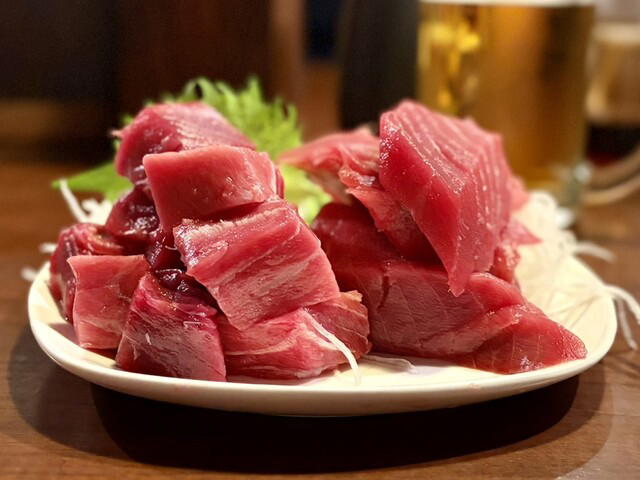
The menu
What to order
- Kushikatsu (deep-fried skewers)
- Sashimi platters
- Uni dishes
- Horse mackerel sashimi
Approach Tokyo and the mood shifts fast: office workers leave stations, event traffic drifts through, and the evening economy tightens into bright counters, short menus, and unfussy pours. Tokyo tachinomi is not lesser izakaya dining; it is another social contract: stand, order decisively, drink well, and leave before the night turns heavy.
Stand Hero fits that grammar. It is a stand-up bar, and its food identity runs through kushi-age and seafood. Its selection for Tabelog 100 Tachinomi 2025 matters because the category rewards consistency, pace, and local usefulness over theatrical luxury. In a city where expensive counters draw international attention, the standing bar remains one of Tokyo’s sharper hospitality tests: little room, little time, few places to hide.
Standing-room Tokyo, with kushi-age and seafood doing the work
Tachinomi grew from practical drinking culture around stations and work districts, but better examples now run with precision. The format changes food: dishes must arrive quickly, hold beside drinks, and be easy to share or eat solo without slowing the counter. Kushi-age suits that demand with portion control, pace, and variety; seafood adds a lighter register so the meal is not only fried food.
That balance is the lens. Stand Hero is not competing with reserved counters or long tasting-menu restaurants. It belongs to Tokyo’s lower-spend, high-turnover dining, closer to quick drinking rooms than reservation-led destinations. In the comparisons set, Sabameshi no Sabashou, DIXANS Suidobashi, and Jimbocho Gokita each point to different ways Tokyo casual dining can organize a quick meal or drink. The distinction is use case, not hierarchy: tachinomi is for a tighter, more immediate evening.
The drink emphasis is part of the format. A standing bar succeeds when food and pours can move at the same pace: fried skewers, seafood, salty snacks, and compact rounds that do not require a long table or a long stay. That matters for solo diners and groups alike. The occasion guidance points to both, and the format supports both: one person can eat without performance, while friends keep the meal loose and mobile.
Tokyo rewards speed, not ceremony
Tokyo has many evening tempos, from polished destination dining to workday counters and quick post-train stops. The city rewards places that absorb uneven evening traffic without turning every meal into an appointment. Standing bars suit people before a later commitment, after a train transfer, or at the start of a longer night elsewhere in the city.
Here, the standing-room format defines the encounter. That scale pushes concise ordering and shorter stays while giving the room a social density seated restaurants struggle to reproduce. Tokyo has many dining intimacies: hushed counters, tiny specialist rooms, private tables, and lively counters. Tachinomi intimacy is more democratic and less staged: shoulder-to-shoulder, transactional in the right way, and dependent on rhythm rather than ceremony.
The stand-up bar identity places it within current Tokyo drinking culture. Older standing bars often carried a rougher image; newer and better-listed examples can feel sharper, cleaner, and more deliberate without losing the everyday appeal. The message is clear: urban, compact, and oriented toward foot traffic rather than destination dining by car.
For readers mapping a broader Tokyo food day, the contrast helps. Other Tokyo dining rooms can cover many casual-to-specialist formats. Stand Hero’s value is making tachinomi its own category, not a prelude to somewhere formal.
How to place it in a Tokyo itinerary
The practical appeal is strongest as an early-evening or compact dinner decision, not a lingering night out. The listed dinner budget is JPY 1,000 - JPY 1,999, while the broader listed price range also includes JPY 2,000 - JPY 2,999. That keeps it accessible beside higher-priced counters and tasting menus, and makes basic cash-and-timing planning part of the experience rather than an afterthought.
Within the local comparison set, Sushi Yoshino represents another appetite and a separate value proposition. Gokita and Jimbocho Gokita keep the conversation within Tokyo’s broader casual dining map. Stand Hero’s combination of standing bar, kushi-age, and seafood makes it a quick, high-frequency Tokyo drinking stop rather than a chef-led special occasion. That makes the Tabelog 100 Tachinomi 2025 selection more meaningful than a generic popularity badge; it recognizes performance inside the standing-bar form.
Use it as a study in Tokyo’s lower-priced precision. The city’s luxury dining can be spectacular, but places built for ordinary weeknights are often more revealing. Tachinomi asks whether a venue can manage pace, drink compatibility, and crowd flow with limited physical comfort. When it works, the result is efficient, local, and sharply tuned to the city.
For wider planning, see Our full Tokyo restaurants guide, Our full Tokyo bars guide, Our full Tokyo hotels guide, Our full Tokyo wineries guide, and Our full Tokyo experiences guide. Nearby and regional contrasts can also sharpen the reading of casual Japanese formats, from other unnamed Tokyo dining rooms to casual Japanese dining in other cities.
Frequently asked questions
What's Stand Hero's location?
Tokyo.
What's the pricing like at Stand Hero?
Pricing at Stand Hero is listed as JPY 1,000 - JPY 1,999 JPY 2,000 - JPY 2,999 View spending breakdown.
What time does Stand Hero open and close?
Published hours are not provided here. Contact Stand Hero directly or check the venue's official channels for the latest details.
What's the signature at Stand Hero?
The clearest draw is the kushi-age and seafood focus, served in a stand-up bar in Tokyo. It was selected for Tabelog 100 Tachinomi 2025, which is the strongest trust signal on the page.
Can Stand Hero adjust for dietary needs?
Those details are not published. For anything specific, the practical move is to contact Stand Hero directly at +81-3-3221-9701 before going. Check the venue's official channels for the latest details.
Standing Among Peers
Comparable venues at the same tier for side-by-side context.
| Venue | Cuisine | Price | Awards | Notes |
|---|---|---|---|---|
| Stand HeroThis venue (the venue you are viewing) | Standing Japanese Izakaya & Kushikatsu Bar | $10–20 | Tabelog 100 #49 | Not listed |
| Tsuruse Yushima honten | Traditional Japanese wagashi & tea cafe | $1–10 | Tabelog 100 #50 | Bunkyō |
| Soup Curry Kamui | Sapporo-style Japanese soup curry | $10–20 | Tabelog 100 #38 | Chiyoda |
| Kikumi Senbei Sohonten | Japanese senbei shop | $1–10 | Tabelog 100 #91 | Bunkyō |
| Sumibi Baisen Coffee Rin | Japanese Kissaten / Coffee Shop | $1–10 | Tabelog 100 #60 | Chūō |
| 玄冶店 濱田家 | Traditional Japanese Kaiseki Ryotei | $200–300 | Not listed | Chūō |
Recognition history
Dated appearances from independent guides and award organizations, with the underlying list record or original source where available.
Tabelog 100 #49 · No. 49
Tabelog · Tabelog 100 - Tachinomi - 2025
Continue exploring
More in Tokyo
Restaurants in Tokyo
All restaurants in Tokyo →


Bars in Tokyo
All bars in Tokyo →



Details
- Lively
- Cozy
- Energetic
- Trendy
- After Work
- Casual Hangout
- Group Dining
- Solo
- Late Night
- Standalone
- Sake Program
- Beer Program
- A La Carte
- Small Plates
- Counter Dining
- Sake
- Shochu
- Beer
Current opening hours
- Monday
- 5–10:15 PM
- Tuesday
- 5–10:15 PM
- Wednesday
- 5–10:15 PM
- Thursday
- 5–10:15 PM
- Friday
- 5–10:15 PM
- Saturday
- 4:30–8:15 PM
- Sunday
- Closed
Hours can change for holidays and private events. Hours as of .
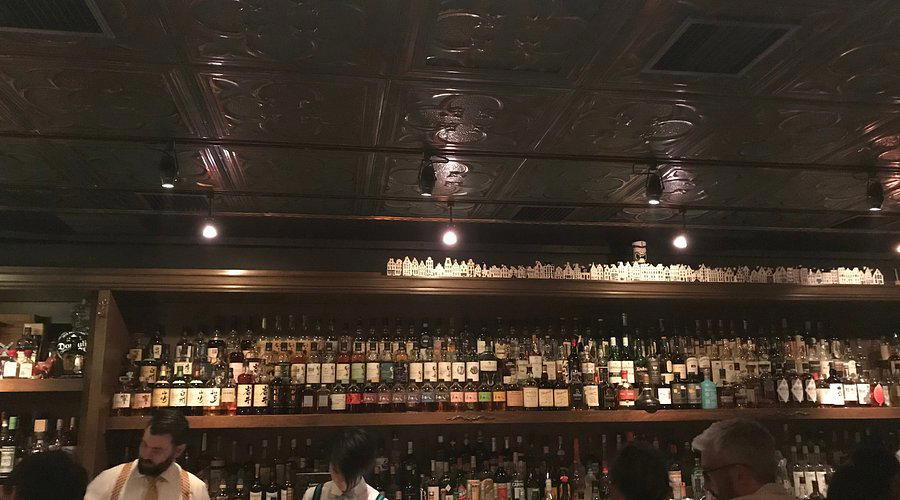
Casual and energetic standing bar with a compact, stylish counter-focused interior, non-smoking environment, and the buzz of after-work drinkers enjoying skewers and sashimi shoulder-to-shoulder.