Pituq Waroeng
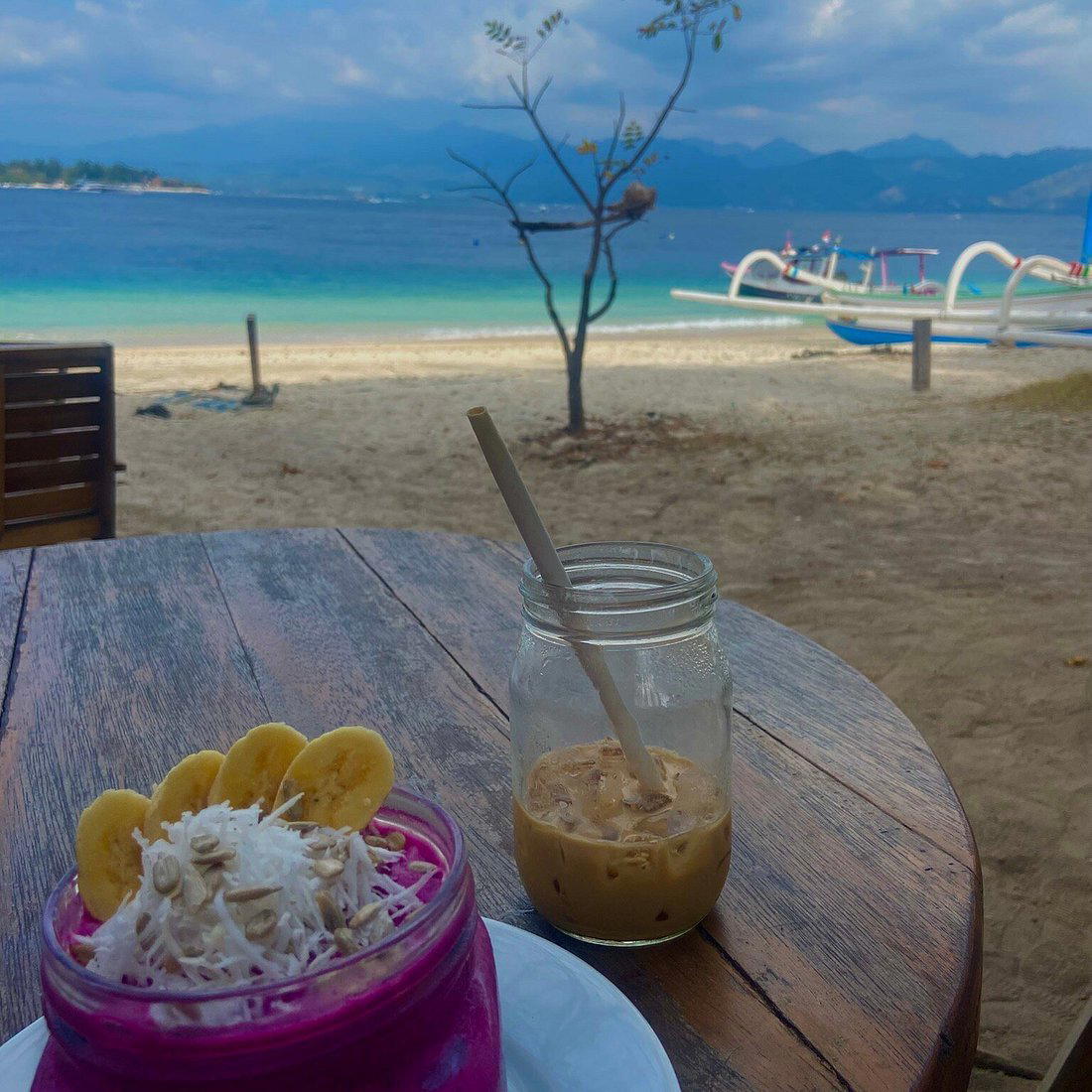
Pituq Waroeng serves organic vegan Indonesian dishes in Gili Trawangan, with Coconut Satay Lilit, Mushroom Soup, and Smoothie Bowls in a casual garden setting.
Pearl is the En Primeur Club membership app — saves, bookings, and concierge access live there. Same editors, same standards.
- Address
- Gili Trawangan, Lombok Utara, Nusa Tenggara Barat 83352
- Directions
- Get directions
 Saves & bookings on Pearl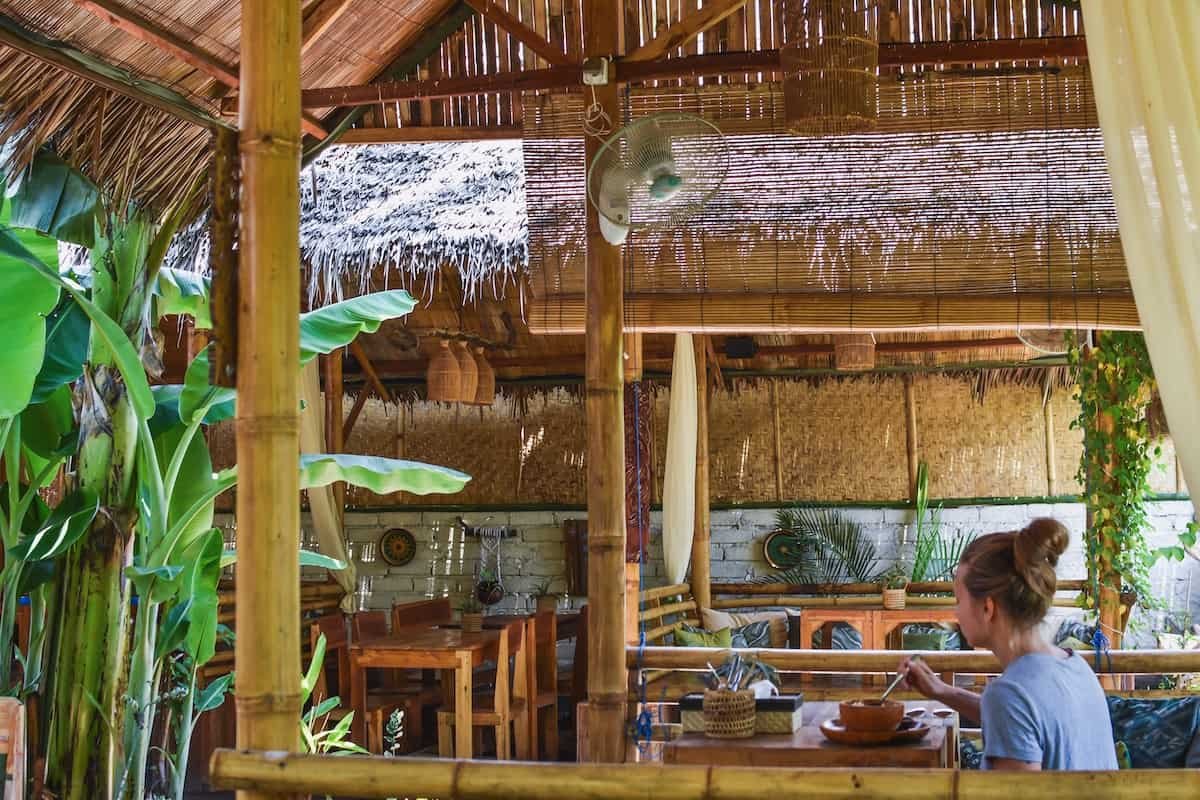
Eating on Gili Trawangan: The Context Behind the Counter
Gili Trawangan operates under conditions that shape every plate served on the island. There are no motorised vehicles, no industrial supply chains pulling up to kitchen doors, and no sprawling cold-storage infrastructure of the kind that underpins restaurant operations in Bali or Jakarta. Ingredients arrive by boat. Logistics dictate menus in ways that urban diners rarely consider. Against that backdrop, the waroeng format, a small, often family-run warung-style operation with a limited menu and a fixed relationship to local produce, becomes less a casual dining choice and more a practical expression of island life. Pituq Waroeng sits within that tradition on Gili Trawangan, operating from an address on an island where the dining scene has stratified sharply over the past decade between tourist-facing beach clubs and smaller local-style operations that predate the resort boom.
The Waroeng Tradition and What It Means Here
The word waroeng (a variant spelling of warung) carries cultural weight across Indonesia that its English translation, roughly "small food stall" or "local eatery," fails to capture. Warungs are the connective tissue of Indonesian food culture: they are where sambals are made to order, where rice arrives in portions calibrated to appetite rather than portion-control dogma, and where the gap between kitchen and table is measured in feet rather than floors. In a resort-heavy environment like Gili Trawangan, where international menus and sunset cocktail pricing have reshaped much of the dining offer, a waroeng-format operation represents a deliberate counter-position. It signals a different set of priorities: familiarity over novelty, repetition over reinvention, community over curation. For visitors who have spent time at places like Locavore NXT in Ubud or the more architecturally ambitious end of Bali dining, represented by spots such as Jungle Fish Bali in Gianyar or Bikini Restaurant Bali in Badung, the shift to a waroeng register requires a recalibration of expectations, and that recalibration is part of the point.
Lombok's Culinary Identity and the Island Setting
Lombok's food culture is distinct from Bali's in ways that matter at the table. Where Balinese cuisine leans on ceremonial complexity and slow-cooked preparations, Lombok's culinary identity is built around heat, directness, and the Sasak ethnic tradition. Ayam taliwang, the Lombok-originating dish of spiced grilled chicken served with plecing kangkung (water spinach in a chilli tomato sauce), is the marker dish of the region, the reference point against which local kitchens are still informally measured. Gili Trawangan, as an island administratively within Lombok Utara district, sits within that culinary geography even as its dining scene has drifted toward a more international tourist profile. A waroeng-format venue on Gili T is thus operating at an interesting intersection: physically within Lombok's culinary zone, commercially within a tourist economy that has largely moved past it. For a broader sense of how dining plays out across the Indonesian archipelago, from the refined Indonesian tasting menus in Bali to the street-level traditions of Gudeg Yu Djum in Yogyakarta, our full Lombok Utara restaurants guide offers useful orientation.
The Gili Trawangan Dining Scene: Where Pituq Waroeng Fits
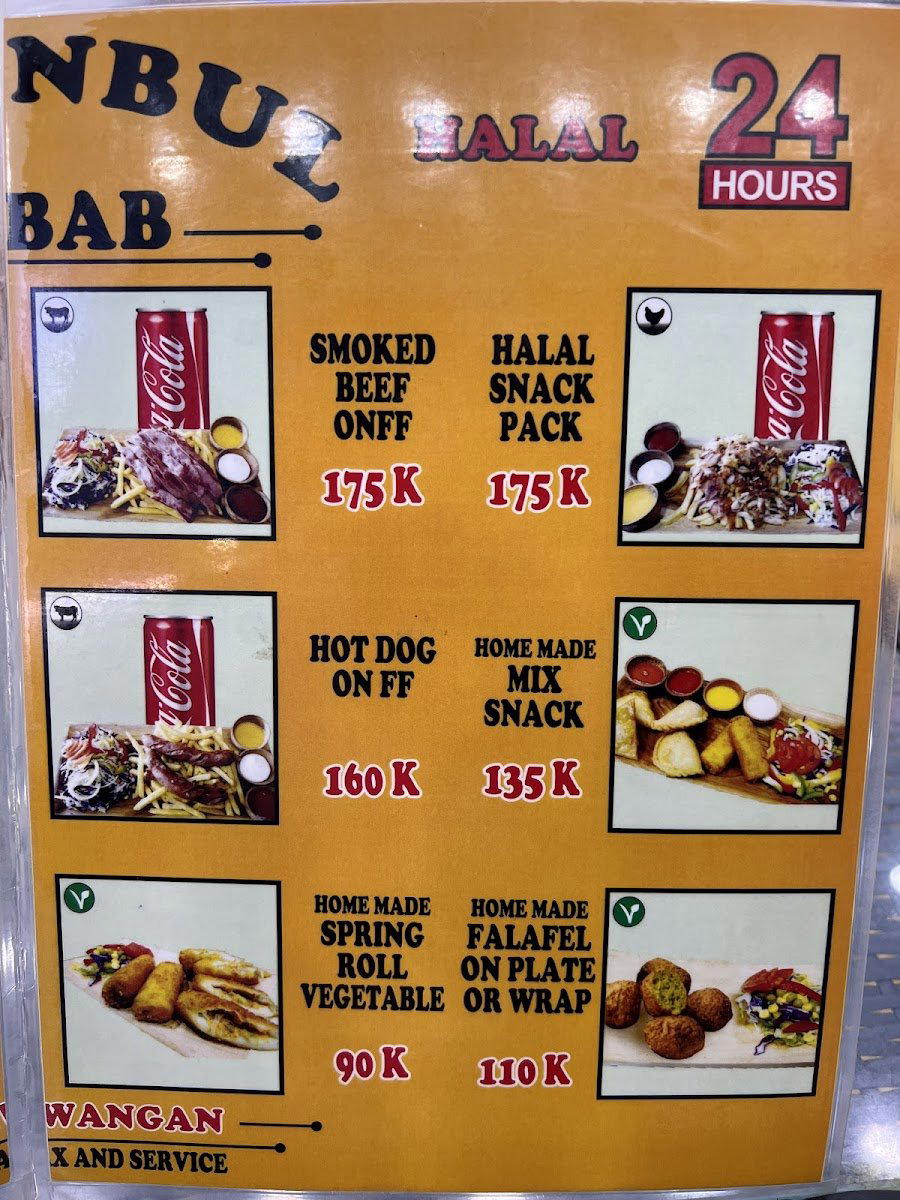
Gili Trawangan's restaurant offer runs a wide range. At one end sit beachfront operations with international menus, cocktail programs, and pricing that tracks Bali's Seminyak rather than mainland Lombok. At the other end, smaller local-facing spots serve the island's working population and the fraction of visitors who seek them out. The waroeng tier sits in the latter group. This is not a criticism: in Indonesian dining culture, the waroeng format has produced particularly technically consistent and culturally grounded food in the country. The comparison set for a venue like Pituq Waroeng is not the tasting-menu operations of Ubud or the polished Jakarta dining rooms, such as August in Jakarta or Kita in Kecamatan Menteng. Nor is it the global fine-dining reference points of Le Bernardin in New York or Atomix. It operates in a different register entirely, one where value is measured in directness, in proximity to local ingredient sourcing, and in the absence of the intermediary steps that characterise more formal dining environments. The İstanbul Kebab also operating in Lombok Utara illustrates the range: even within a single district, the dining offer spans local Indonesian traditions and imported formats aimed at the same tourist market.
What to Eat and How to Approach the Menu
What the waroeng format reliably signals, across Indonesia, is a menu anchored to a small number of preparations made with consistency, often including rice-based main dishes, grilled proteins, and house-made sambals that vary by day and by what has arrived from the mainland. On Gili Trawangan specifically, fresh seafood is a logical fixture given the island's location, though supply can shift with weather and season. One productive approach at any waroeng is to ask what is freshest that day rather than to arrive with a fixed order in mind. This is not a venue where a printed menu should be treated as a contract. It is a venue where the kitchen's relationship to available ingredients is more honest than in operations that maintain consistency through industrial supply. For diners accustomed to the kind of format discipline seen at venues like Kunyit Restaurant in Bandung or the structured menus of Kynd Community in Bali, the flexibility required here is a feature, not a flaw.
Planning Your Visit: Practical Notes
Gili Trawangan is reached by fast boat from Bali's Serangan or Padang Bai harbours, with crossing times ranging from roughly 90 minutes to two hours depending on the operator and departure point; slower public boats from Bangsal harbour on mainland Lombok take less time on the water but require the overland transfer first. On the island itself, transport is by cidomo (horse-drawn cart) or bicycle. The address places Pituq Waroeng within Gili Trawangan's main settlement area. The practical approach is walk-in friendly. Early evening tends to be when Gili T's smaller local operations fill with both residents and visitors who have spent the day on the water; arriving before the post-sunset rush is usually the path of least friction. Packing light expectations alongside the practical ones is advisable: this is island dining in the waroeng tradition, and it rewards visitors who arrive for what the format actually is rather than what it is not.
Price and Positioning
Comparable venues nearby, for context on price, style, and recognition.
| Venue | Cuisine | Price | Notes |
|---|---|---|---|
| Pituq WaroengThis venue — the venue you are viewing | Not listed | $ | Not listed |
| İstanbul kebab | Gili Indah, Turkish Kebab | $ | Not listed |
| Warung Babi Guling Ibu Oka 1 | Ubud, Balinese Babi Guling | $ | Not listed |
| Warung Babi Guling Pak Malen | Seminyak, Balinese Babi Guling | $ | Not listed |
| Saung Abah Ayam Bakar Bambu Bogor | Panaragan, Sunda Ayam Bakar Bambu | $ | Not listed |
| De'Savanna Restaurant | Not listed | $ | Cisarua, Authentic Indonesian and Sundanese |
Continue exploring
More in Lombok Utara
Restaurants in Lombok Utara
Browse all →
Bars in Lombok Utara
Browse all →
At a Glance
- Rustic
- Cozy
- Quiet
- Casual Hangout
- Family
- Solo
- Garden
- Standalone
- Organic
- Local Sourcing
- Garden
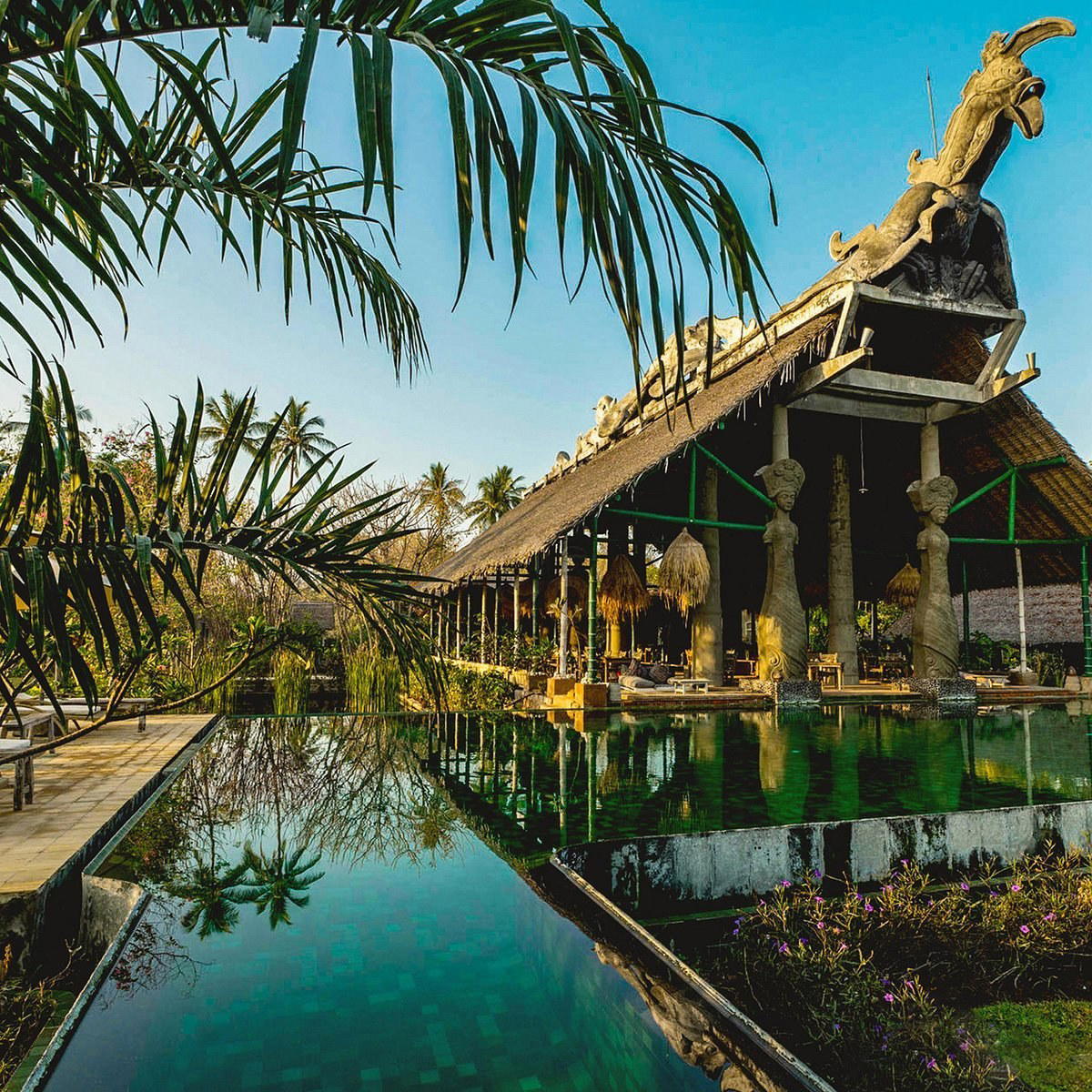
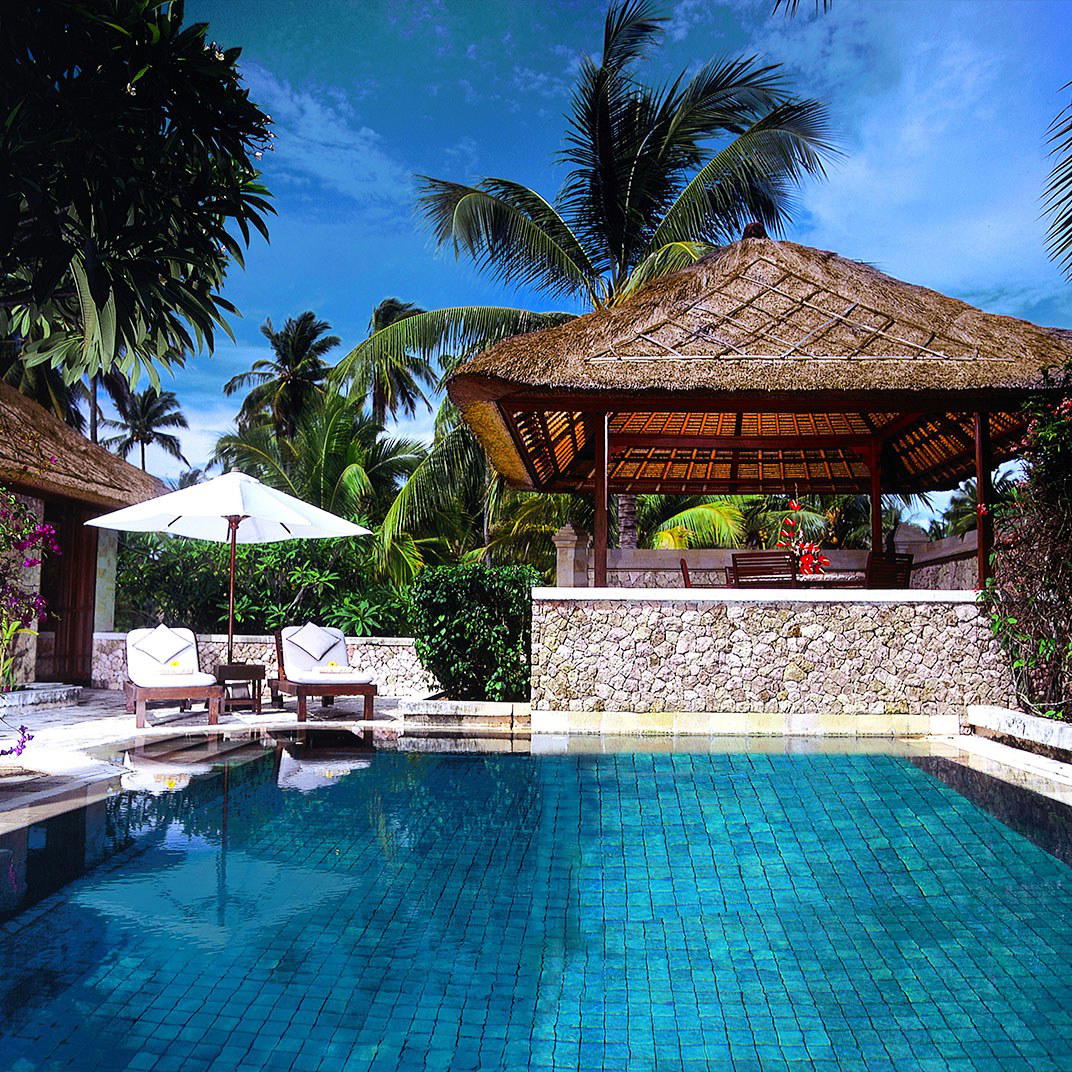
Casual garden setting with simple traditional hut-like design, wooden tables, straw coverings, and greenery.