
Michelin Plate
Our verdict
Stammtisch am Paulustor holds consecutive Michelin Plate recognition in 2024 and 2025, placing it among Graz's more considered regional kitchens in the mid-to-upper price tier. Positioned at the edge of the Altstadt, the address rewards those who look past the city's more publicised dining names.

Pearl is the En Primeur Club membership app, where members save venues, book tables and use the concierge.
The menu
What to order
- Veal Wiener Schnitzel
- Charcoal-Grilled Steaks
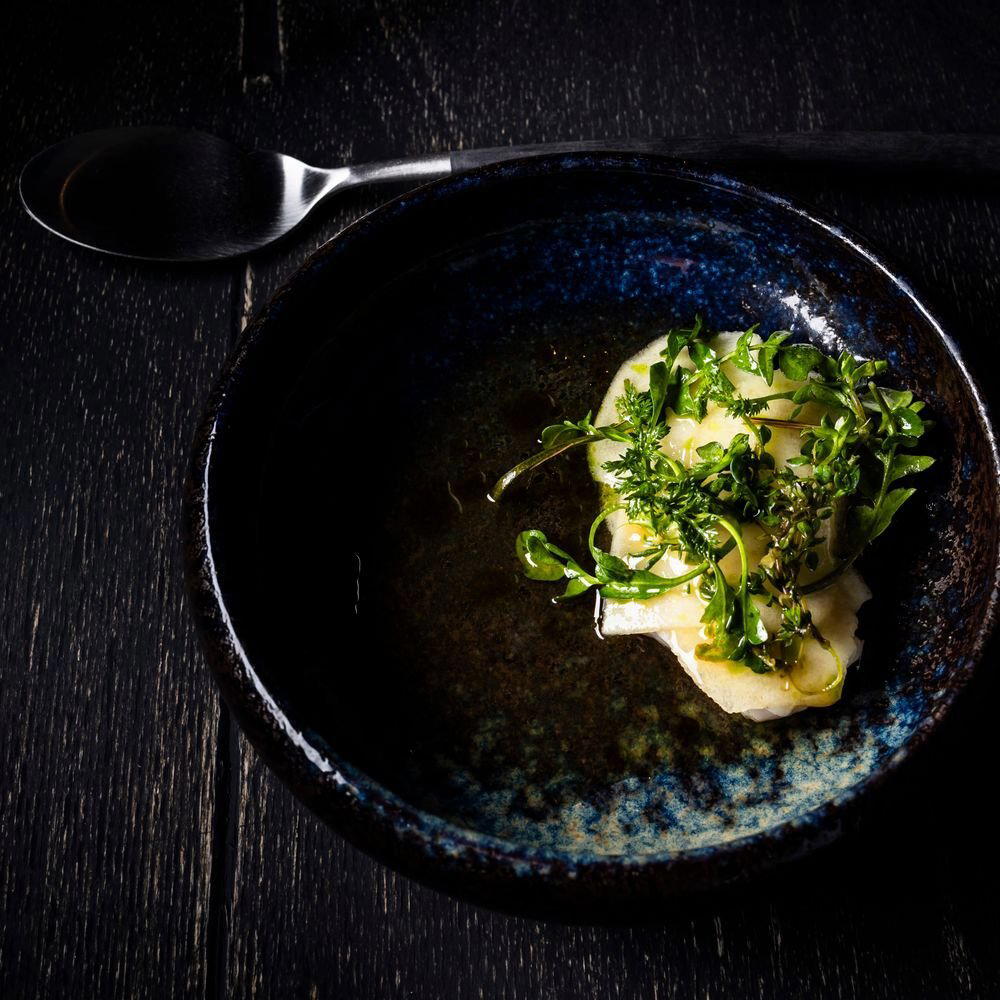
- Carpaccio of Styrian Alpine Ox
- Markknochen with Beef Tatar
- Fish Curry
Where the Altstadt Ends and the Kitchen Begins
The Paulustorgasse sits at one of Graz's quieter thresholds, where the dense medieval fabric of the Altstadt opens toward the ring roads and the city's edges. It is the kind of street where foot traffic thins, the tourist circuit fades, and the restaurants that remain tend to survive on repeat custom rather than passing curiosity. That context matters when reading Stammtisch am Paulustor: this is not a venue positioned to catch the overflow from the Hauptplatz or the Landhausgasse.
Regional cuisine in Styria operates inside a specific set of constraints and expectations. The Steiermark is one of Austria's most agriculturally productive provinces, pumpkin oil, Vulkanland wine, Lipizzaner-country beef, and river trout define a pantry that regional kitchens here draw from instinctively. The question for any Graz restaurant working in this register is not whether to use those ingredients but how to frame them: as folklore or as craft. The better addresses treat regional sourcing as a technical discipline, not a marketing posture. Stammtisch am Paulustor, operating at the €€€ price point, sits in the tier where that craft framing is expected rather than optional.
The Atmosphere at Table
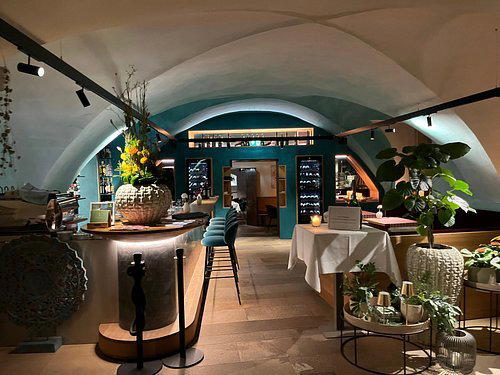
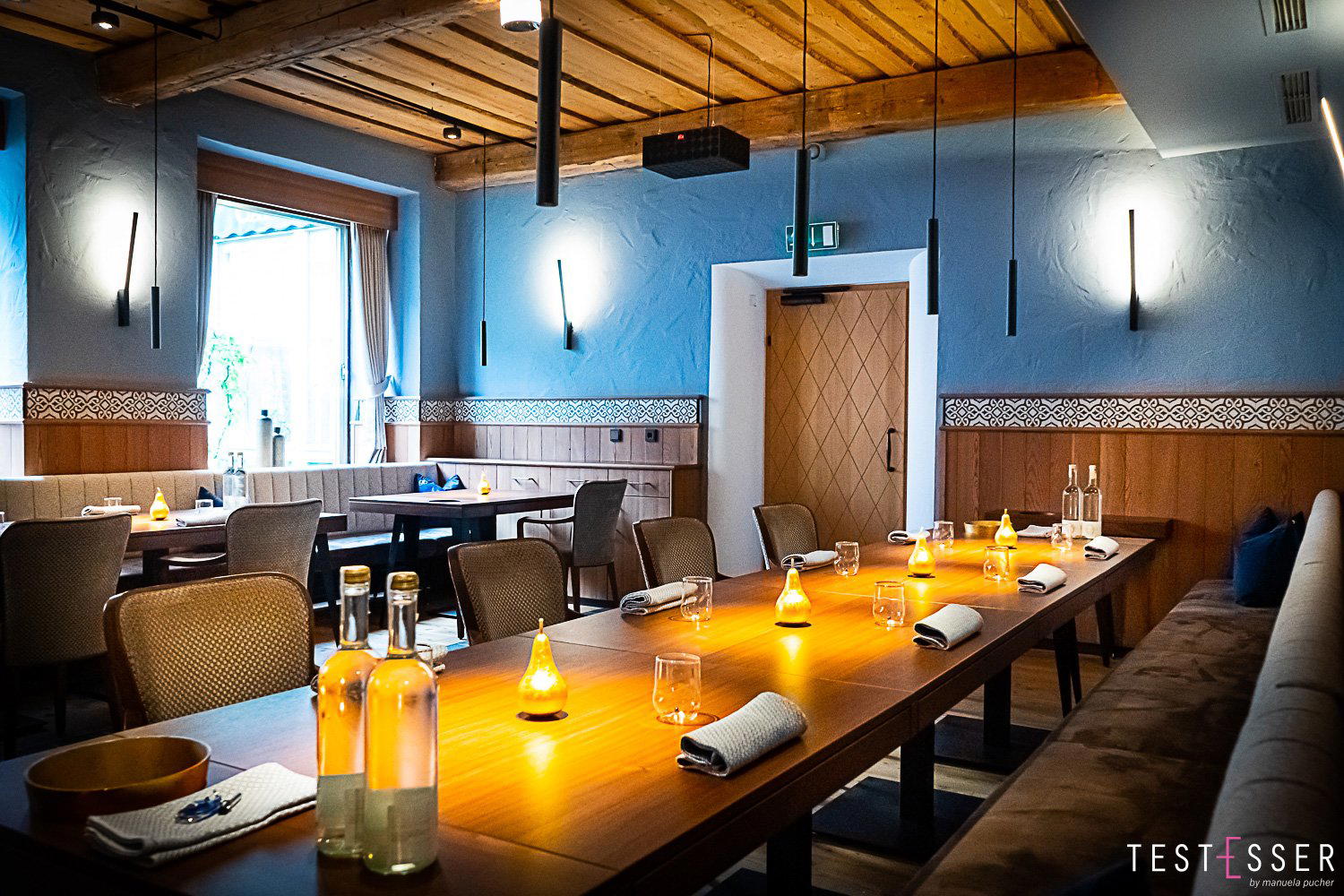
The name itself carries a specific cultural weight. In German-speaking Central Europe, the Stammtisch is the reserved table for regulars, the fixed point in a restaurant's week around which long-standing relationships with food and community accumulate. Invoking that term in a name is a declaration of intent: this is not a kitchen that performs for strangers. The physical environment at Paulustorgasse 8 likely carries that same register, the kind of room where warm materials, low ceiling planes, and the acoustics of a full but not crowded house define the sensory experience more than any single design gesture. These are the environments where Austrian regional cooking has always worked leading: grounded, unhurried, and built for return visits.
What you encounter at a table in this price bracket in Graz tends to follow a particular rhythm. Service moves with enough formality to signal attention without the distance of a tasting-menu room. Wine pours skew toward Steiermark producers, Welschriesling and Sauvignon Blanc from the Südsteiermark, Blaufränkisch from the warmer pockets east of the city. The smell of a kitchen working with butter-basted meat, root vegetables in season, and something acidic from the fermentation tradition that Styrian cooking has quietly maintained for decades tends to announce the approach before the plate arrives.
How Stammtisch Fits Into the Graz Regional Picture
Graz's regional cuisine tier covers a broader spread than the Michelin presence alone suggests. At the accessible end, Mohrenwirt operates at €€, working the same Styrian register at a lower price point and with a more neighbourhood-tavern format. Restaurant Scheucher approaches similar territory from a farm-to-table angle, also at €€, with an emphasis on documented sourcing. Stammtisch at €€€ occupies the step above both: a restaurant where the same regional material is handled with more formal kitchen technique and a more deliberate service environment.
For seasonal-cuisine comparison, Kehlberghof and Restaurant SCHLOSSBERG both work the €€€ bracket with a calendar-led menu philosophy. The creative end of the Graz market moves to Artis at €€€€, where the kitchen departs from regional orthodoxy into more interpretive territory. Stammtisch sits between the accessible regional houses and the avant-garde tier, which is a commercially useful position: it captures diners who want something more considered than a Buschenschank but are not ready to commit to a full tasting-menu evening.
In the broader Austrian context, the Michelin Plate is a meaningful marker. It places Stammtisch in the same quality band as a significant number of solid regional houses across the country, from Döllerer in Golling an der Salzach to Gannerhof in Innervillgraten, both of which demonstrate how regional-cuisine kitchens outside the major cities maintain Michelin recognition through disciplined sourcing and consistent execution rather than through theatrical ambition. Fahr in Künten-Sulz shows a similar pattern in the Swiss regional context. The Plate is not a star, but it is a recommendation, and consecutive recognition across two years suggests the kitchen is not coasting.
The Wider Austrian Regional Scene
Understanding Stammtisch requires placing it inside the Austrian regional-cuisine tradition more broadly. The benchmark for Styrian cooking in an urban format is Steirereck im Stadtpark in Vienna, which operates at a different scale and ambition entirely, but which established the idea that Austrian regional ingredients could carry serious fine-dining weight. Below that tier, houses like Ikarus in Salzburg and Gourmetrestaurant Tannenhof in Sankt Anton am Arlberg represent the regional-but-refined approach in their own geographies. Kräuterreich by Vitus Winkler in Sankt Veit im Pongau and Griggeler Stuba in Lech push the mountain-herb and alpine-pantry angle with Michelin recognition behind them. Stammtisch, working at the Plate level with Styrian material, fits this pattern of regional houses that earn recognition through focus rather than expansion.
Planning a Visit
Stammtisch am Paulustor is located at Paulustorgasse 8, 8010 Graz, in the southern fringe of the Altstadt. At the €€€ price tier with consecutive Michelin Plate recognition, booking ahead is advisable, particularly midweek evenings when the local regular trade tends to fill the room without much advance warning to visitors. Graz's dining culture runs earlier than Vienna's: tables turn by 9pm in most regional houses, and arriving at 7pm is not considered unfashionably prompt. The address is walkable from the Hauptplatz in under ten minutes and sits close to the Paulustor gate itself, one of the few remaining historic city gates. For those planning a broader Graz trip, our full Graz restaurants guide covers the complete dining picture, and our guides to Graz hotels, bars, wineries, and experiences map the rest of the city's offer.
What to Know Before You Book
What's the signature dish at Stammtisch am Paulustor?
What the Michelin Plate recognition and regional cuisine classification signal is a kitchen working with Styrian ingredients at a consistent technical level, expect preparations rooted in the province's pantry: pumpkin, local beef, seasonal root vegetables, and freshwater fish. For verified current menu detail, checking directly with the restaurant before visiting is the reliable approach.
Frequently asked questions
What's the signature dish at Stammtisch am Paulustor?
Stammtisch am Paulustor focuses on Styrian regional cuisine, and the kitchen's identity is rooted in that tradition rather than a single showpiece plate. The consecutive Michelin Plates awarded in 2024 and 2025 point to consistent execution across the menu at the €€€ price tier. For specific current dishes, contacting the restaurant directly at Paulustorgasse 8, Graz is the most reliable route.
What does dinner at Stammtisch am Paulustor typically cost?
Pricing at Stammtisch am Paulustor is listed as €€€.
Quick Comparison
| Venue | Cuisine | Price | Awards | Notes |
|---|---|---|---|---|
| Stammtisch am PaulustorThis venue (the venue you are viewing) | Styrian-Austrian Grill with Seasonal Creativity | $50–100 | Michelin Plate | Not listed |
| Artis | Creative International Seafood Fine Dining | Not listed | 1 Michelin Star · Star Wine List | Creative |
| Kehlberghof | Modern Austrian Fine Dining | $50–100 | Michelin Plate · Star Wine List | Not listed |
| Mohrenwirt | Organic Austrian Wirtshaus | $30–50 | Michelin Bib Gourmand | Not listed |
| Restaurant Scheucher | Central European | Not listed | Michelin Plate | Not listed |
| Schmidhofer im Palais | Modern Austrian-International Fine Dining | $100–150 | Michelin Plate | Not listed |
Recognition history
Dated appearances from independent guides and award organizations, with the underlying list record or original source where available.
Michelin Plate
Michelin
Full recognition history (3 entries)
Michelin Plate
Michelin
Michelin Plate
Michelin
Continue exploring
More in Graz
Restaurants in Graz
All restaurants in Graz →
Bars in Graz
All bars in Graz →
Hotels in Graz
All hotels in Graz →
Details
- Elegant
- Romantic
- Sophisticated
- Cozy
- Date Night
- Business Dinner
- Group Dining
- Celebration
- Special Occasion
- Open Kitchen
- Courtyard
- Garden
- Historic Building
- Live Music
- Extensive Wine List
- Sommelier Led
- Local Sourcing
- Farm To Table
- Garden
- A La Carte
- Set Menu
- Wine
- Local Wines
- Vegetarian Friendly
Current opening hours
- Monday
- Closed
- Tuesday
- Closed
- Wednesday
- 11:30 AM–12 AM
- Thursday
- 11:30 AM–12 AM
- Friday
- 11:30 AM–12 AM
- Saturday
- 11:30 AM–12 AM
- Sunday
- Closed
Hours can change for holidays and private events. Hours as of .
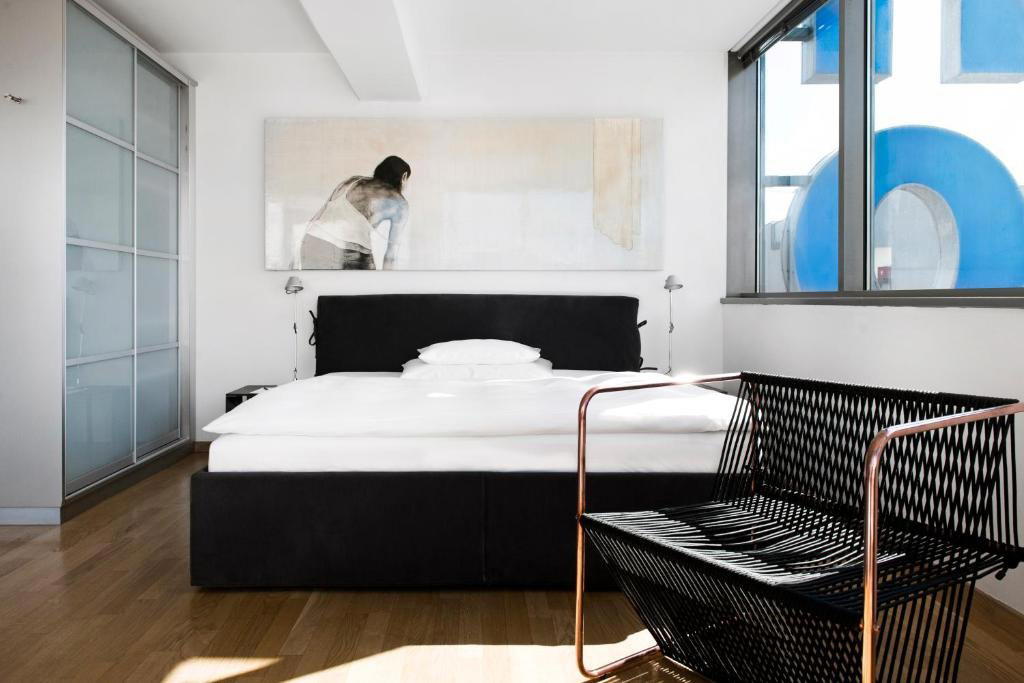
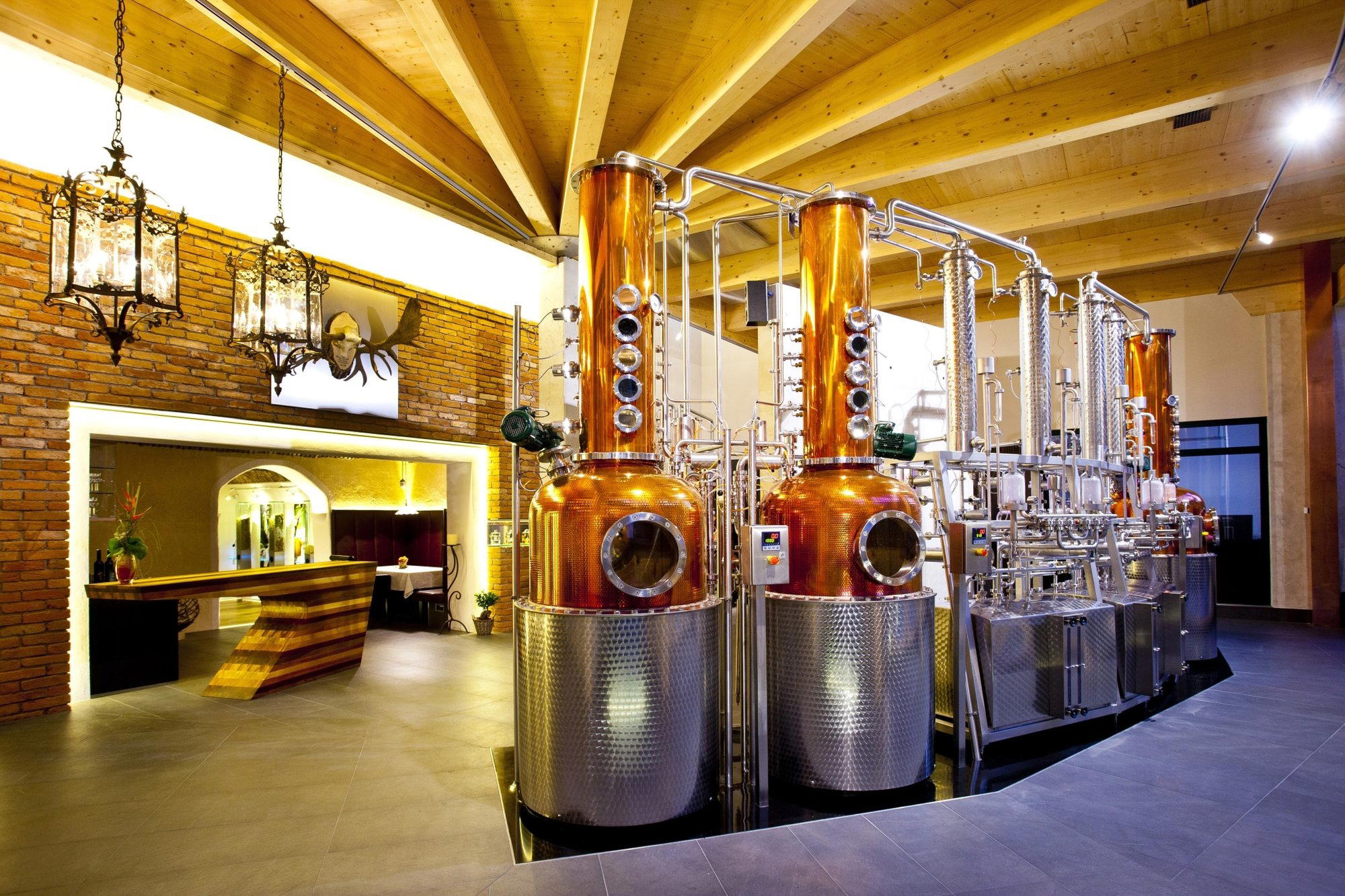
Bright, modern interior with clean-lined design and pops of color combined with historic architectural elements; warm, welcoming atmosphere enhanced by soft lighting and a serene leafy courtyard.