Sprouts Chef Training - Awareness Event
Sprouts Chef Training runs awareness events at 605 Righters Ferry Rd in Bala Cynwyd, PA, introducing participants to culinary fundamentals in a hands-on format. Situated in the Main Line corridor west of Philadelphia, the program fits into a broader regional pattern of community-oriented cooking education that treats the kitchen as a learning environment rather than a performance space. Contact the organizers directly for current scheduling and availability.
Pearl is the En Primeur Club membership app — saves, bookings, and concierge access live there. Same editors, same standards.
- Address
- 605 Righters Ferry Rd, Bala Cynwyd, PA 19004
- Website
- opentable.com
- Directions
- Get directions
 Saves & bookings on Pearl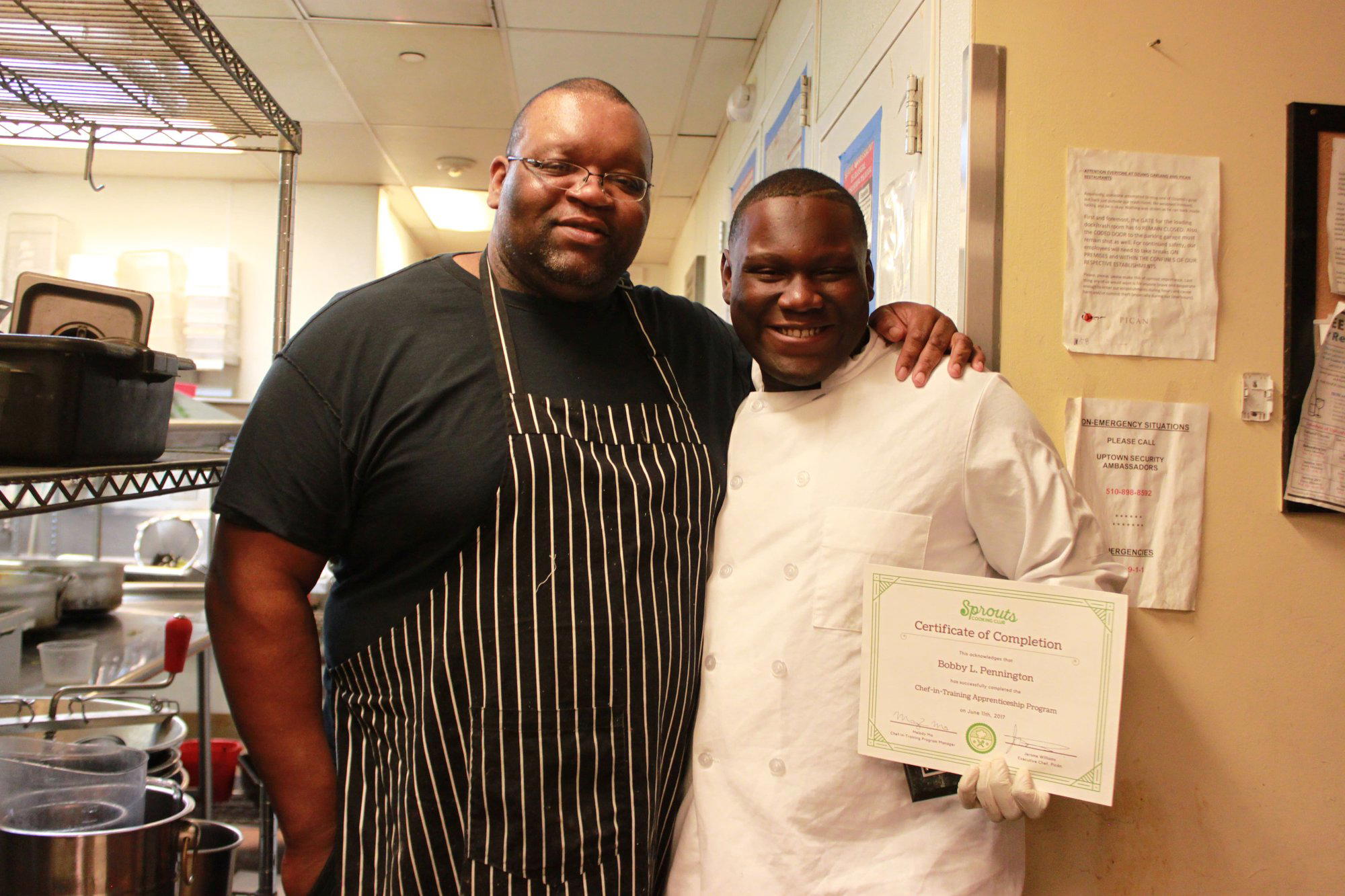
Cooking Education on the Main Line: What Programs Like This Actually Do
Sprouts Chef Training - Awareness Event is a restaurant in Bala Cynwyd, PA, focused on Culinary Training. On the Main Line corridor stretching west from the city, community-rooted cooking events occupy a different tier from the destination dining that defines places like Le Bernardin in New York City or Alinea in Chicago. The organizing principle here is participation over observation, and the format reflects that shift: attendees come to learn technique and develop awareness of ingredients and process, not to watch a brigade perform from behind a pass.
Sprouts Chef Training awareness events, held at 605 Righters Ferry Rd in Bala Cynwyd, PA 19004, operate within that participation-first tradition. The address places the program in a residential and light-commercial zone typical of the inner Main Line, close enough to the Route 30 corridor to draw from across the western suburbs and from Philadelphia itself. Bala Cynwyd sits roughly four miles northwest of Center City, accessible by regional rail and by road, which makes it a practical staging point for community programming that draws across multiple zip codes.
The Cultural Logic of Awareness-Format Cooking Events
Culinary education in the United States has historically split between two poles: the professional pipeline (culinary schools, apprenticeships, brigade systems) and casual home-cook instruction (demonstration classes, cookbook-driven workshops). Awareness events occupy a third position that has grown more prominent since the early 2010s, when food literacy became a distinct concern in public health and community development circles. The format borrows from both poles without committing fully to either.
Where professional programs at schools feed into kitchens like The French Laundry in Napa or Blue Hill at Stone Barns in Tarrytown, awareness events prioritize a different outcome: participants who understand what food is, where it comes from, how it changes under heat, and why those changes matter. The skills transferred are foundational rather than specialized, which is precisely the point. Programs with this orientation tend to run shorter sessions, use accessible ingredient sets, and frame technique in terms of everyday application rather than professional execution.
This approach has parallels across the country. In cities where strong local food cultures have taken root, community cooking programs often function as an on-ramp for broader engagement with dining and food sourcing. The Philadelphia region, with its farmers markets, its CSA networks, and its cluster of farm-to-table restaurants drawing from southeastern Pennsylvania agriculture, provides a reasonably strong context for that kind of programming. Participants who develop basic kitchen awareness in a setting like Sprouts are also more likely to engage meaningfully with the regional dining scene, from neighborhood spots like Murray's Deli in Bala Cynwyd itself to the broader range of options documented in
How This Format Compares Across the American Dining Scene
American fine dining has spent the past decade developing more porous boundaries between professional kitchens and the public. The communal table format pioneered at places like Lazy Bear in San Francisco blurs the line between restaurant and dinner party. Chef-driven educational programming at venues adjacent to serious kitchens, as seen near farms that supply restaurants like Single Thread Farm in Healdsburg, brings guests closer to production. At the other end of the formality spectrum, awareness events address the foundational gap: the significant portion of the population that lacks basic kitchen confidence and whose food choices are shaped more by that deficit than by price or access.
Programs of this type rarely generate the kind of attention given to a new opening from the team behind Providence in Los Angeles or a tasting-menu evolution at Addison in San Diego. That relative obscurity is not a reflection of lower value. It reflects a different audience and a different success metric: not a reservation list or a Michelin distinction, but a measurable shift in how participants relate to food preparation. That shift, when it happens at scale across a community, has downstream effects on how local food economies function.
The comparison also holds regionally. Programs anchored in mid-sized metropolitan areas, from the kind of ingredient-forward events associated with restaurants like Frasca Food and Wine in Boulder to the community initiatives that complement the dining cultures around places like Bacchanalia in Atlanta, tend to reinforce rather than compete with the high-end restaurant tier. A more food-literate local population generally supports a more sophisticated restaurant market.
Practical Information for Attending
Sprouts Chef Training awareness events are held at 605 Righters Ferry Rd, Bala Cynwyd, PA 19004. Current scheduling, pricing, and registration details should be confirmed directly with the organizers. Given the community orientation of events in this category, sessions often run in shorter blocks rather than full-day formats, and groups tend to be small enough to allow direct instruction rather than lecture-style delivery.
Parking is generally available in the surrounding commercial zone.
For wider reference on how culinary education and community food programming interact with destination dining across the country, Causa in Washington, D.C. and Brutø in Denver to The Inn at Little Washington and Atomix in New York City, illustrates the full spectrum of how Americans engage with food at a serious level. Awareness events sit at the entry point of that spectrum, and that position is not incidental. It is structurally necessary.
Price and Positioning
Comparable venues nearby, for context on price, style, and recognition.
| Venue | Cuisine | Price | Notes |
|---|---|---|---|
| Sprouts Chef Training - Awareness EventThis venue — the venue you are viewing | Bala Cynwyd, Culinary Training | Not listed | Not listed |
| Murray's Deli | Bala Cynwyd, Classic Jewish Deli | $$ | Not listed |
| Little Walter's | East Kensington, Modern Polish | $$ | Not listed |
| Mural City Cellars | Fishtown, Urban Winery & Wine Bar | $$ | Not listed |
| Puyero Venezuelan Flavor | South Street, Venezuelan Street Food | $$ | Not listed |
| Noord | Not listed | $$$ | East Passyunk Crossing, Dutch and Northern European Bistro |
Continue exploring
More in Bala Cynwyd
Restaurants in Bala Cynwyd
Browse all →
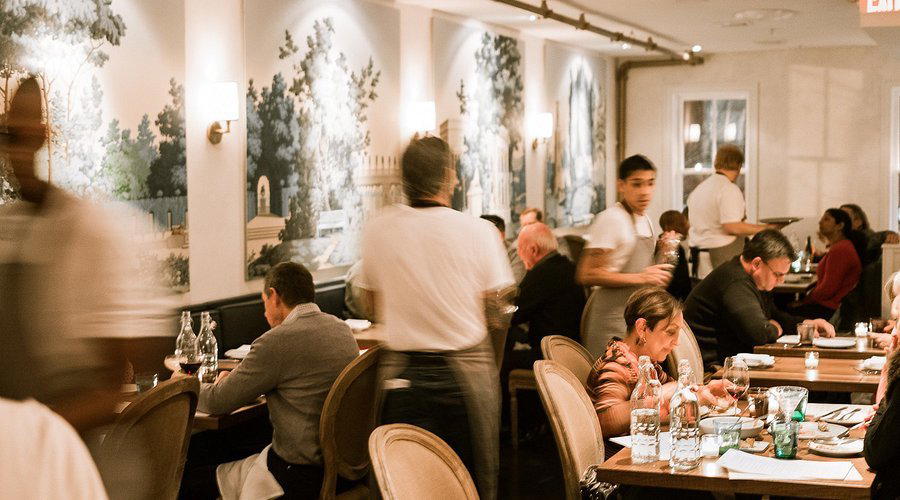
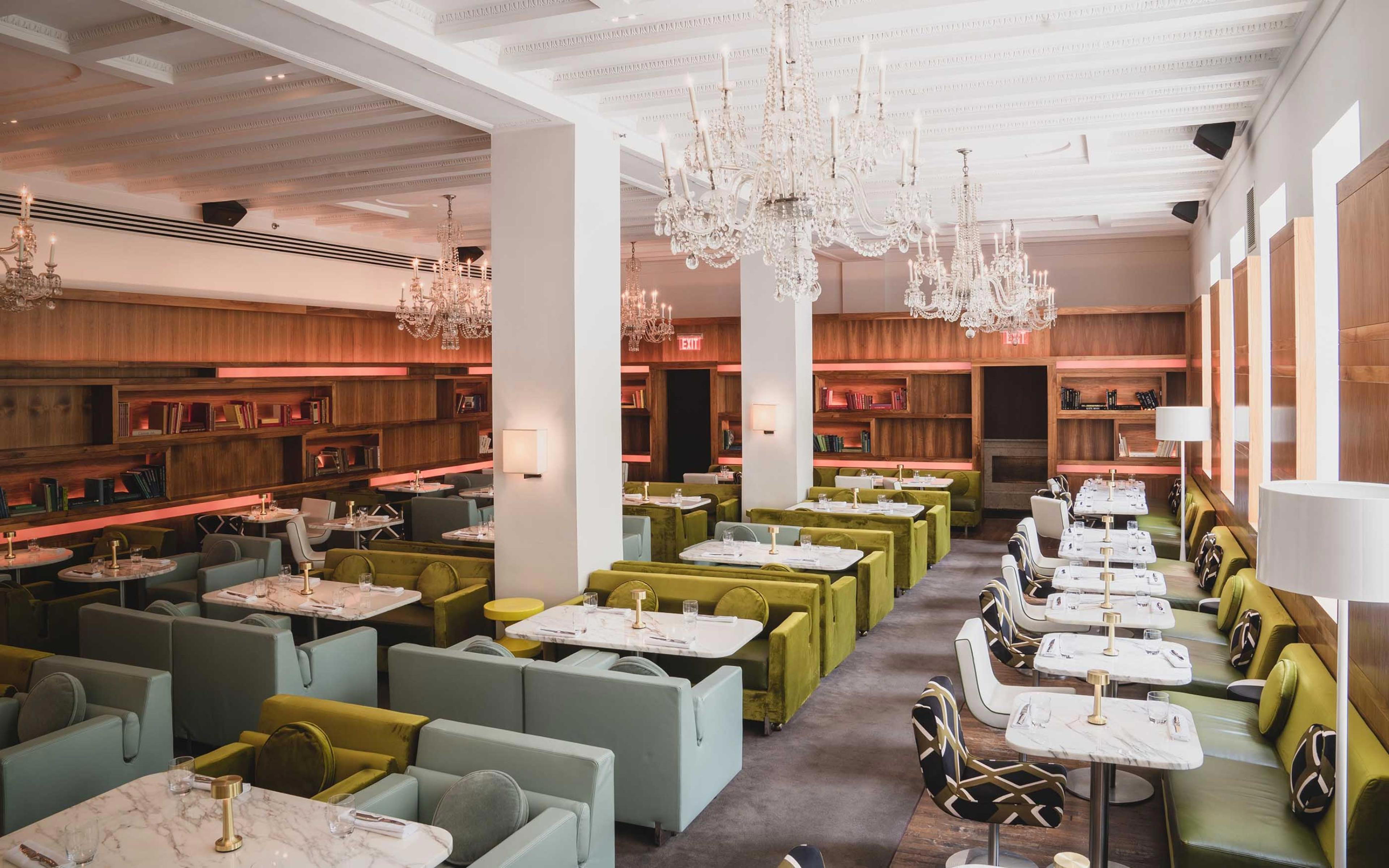
Bars in Bala Cynwyd
Browse all →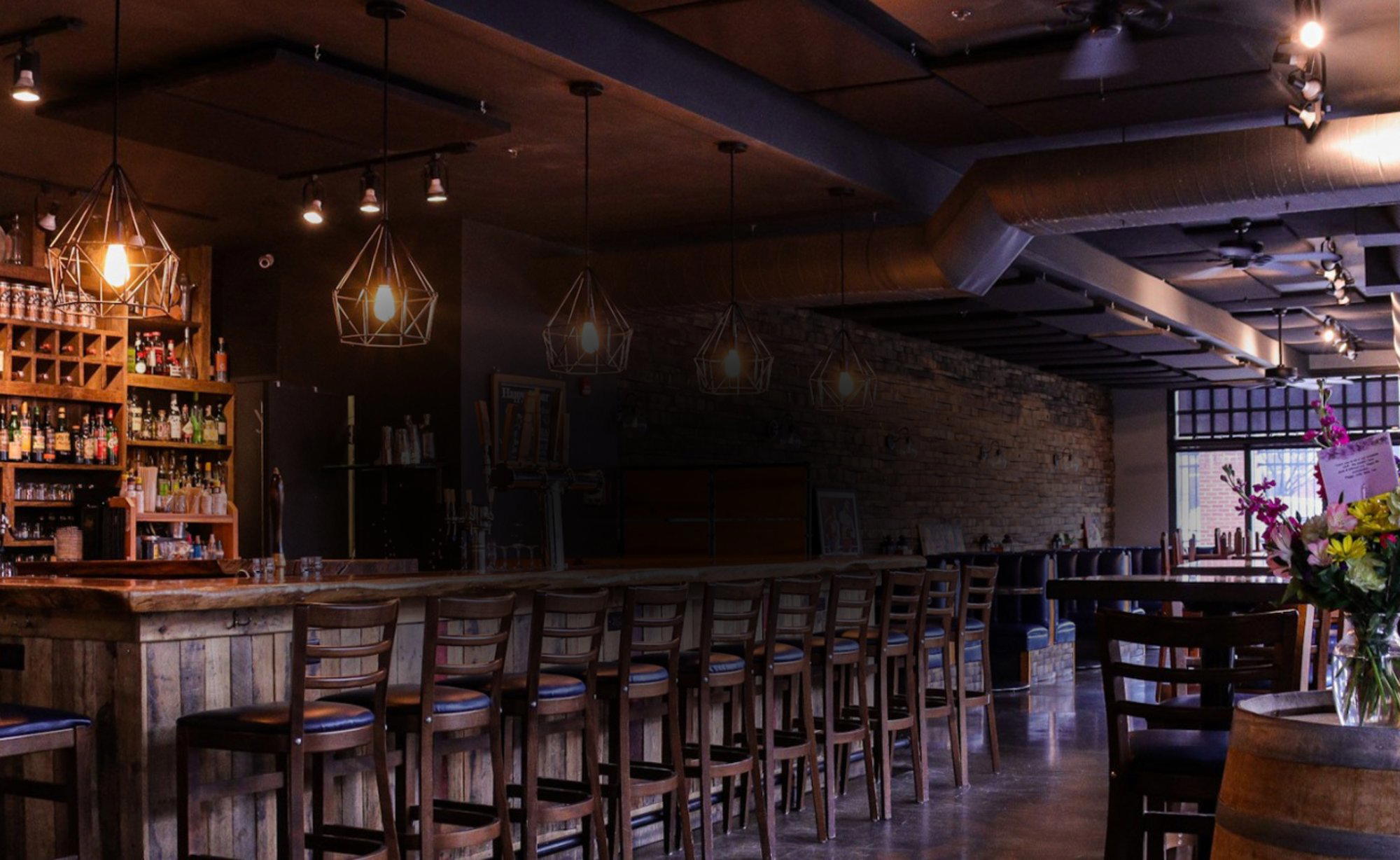
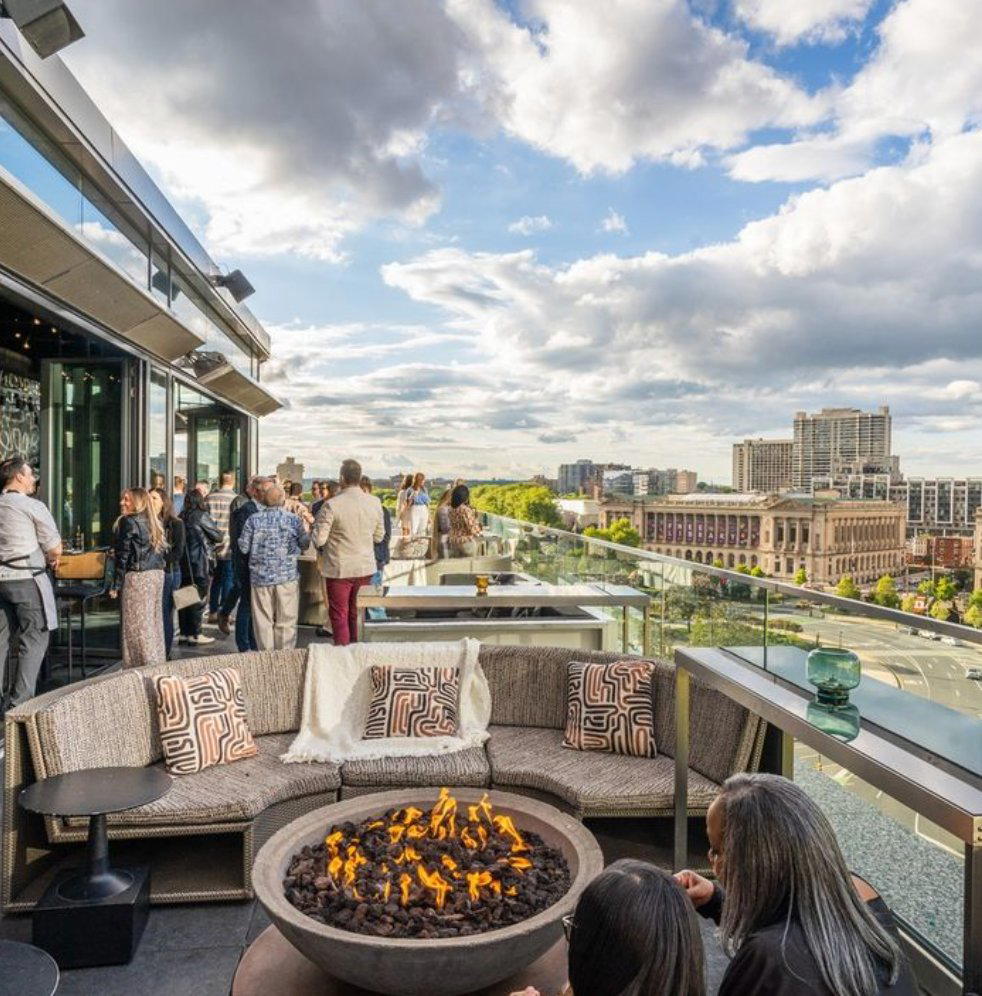




At a Glance
- Private Event
- Open Kitchen
- Local Sourcing
Educational and supportive training atmosphere.