Mural City Cellars
Our verdict
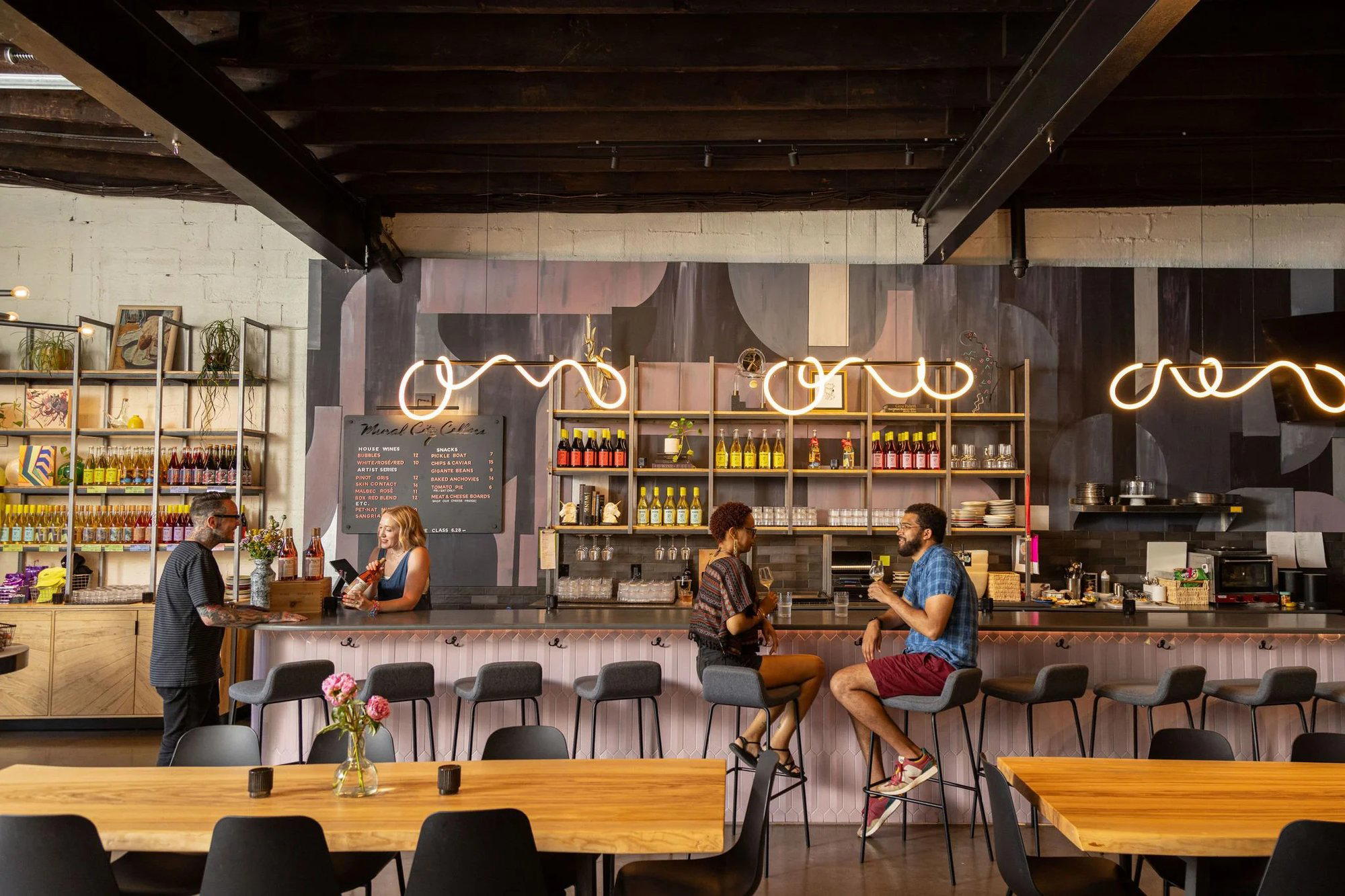
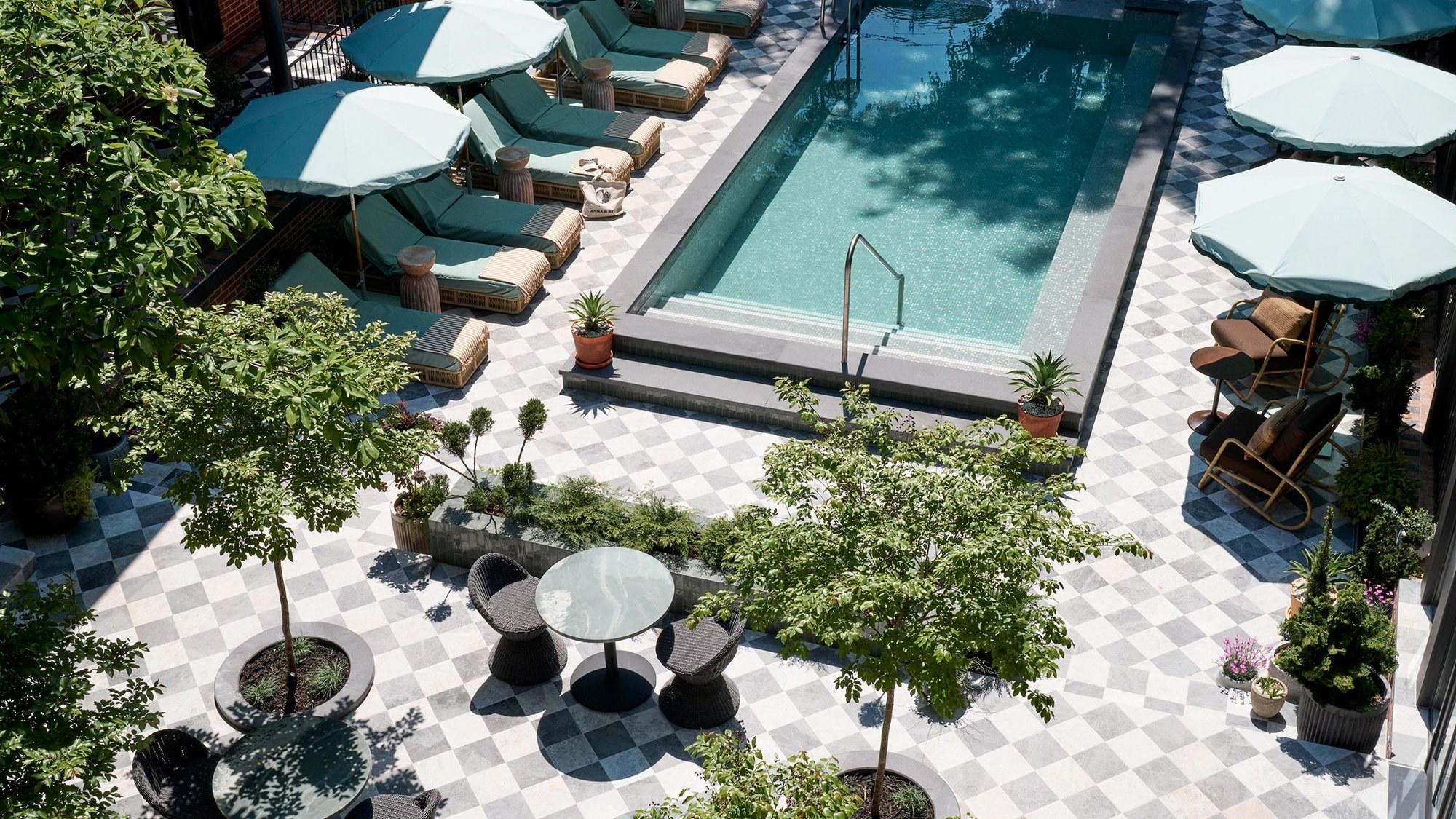
Mural City Cellars pairs natural wine with a leisurely, conversational dinner format, plus charcuterie boards and seasonal flatbreads in a garden setting.

Pearl is the En Primeur Club membership app — saves, bookings, and concierge access live there. Same editors, same standards.
- Address
- 1831 Frankford Ave, Philadelphia, PA 19125
- Phone
- (215) 291-9161
- Hours
- Mon 4–10 PMTue ClosedWed–Thu 4–10 PMFri 4–11 PMSat 12–11 PMSun 12–8 PM
- Website
- muralcitycellars.com
- Directions
- Get directions
- Booking
- Book on OpenTable
The menu
What to order
- Charcuterie Board
- Seasonal Flatbreads
Frankford Avenue and the New Neighborhood Wine Bar
The stretch of Frankford Avenue running through Fishtown has spent the past decade cycling through identities: industrial holdover, arts corridor, restaurant row, and now something harder to categorize. Mural City Cellars, at 1831 Frankford Ave, arrived as the neighborhood was settling into a more defined character, with wine bars and small-format dining rooms filling in around the live music venues and coffee shops that came first. That address puts it squarely in the middle of one of Philadelphia's most actively evolving corridors, where foot traffic is genuine rather than manufactured and where the dining room down the block matters as much as the one you're in.
Philadelphia's wine bar scene has followed a pattern visible in several mid-sized American cities: early movers established the format around natural wine lists and charcuterie, and subsequent entrants have had to differentiate through program depth, room character, or kitchen ambition. Mural City Cellars takes its name from Philadelphia's public art tradition, a reference that does more than local color work. The city has over 4,000 registered murals, many concentrated in North Philadelphia and along corridors like Frankford Avenue, and invoking that tradition signals a specific kind of civic rootedness that distinguishes the venue from the more generic wine bar formats that have proliferated nationally.
How the Format Has Shifted
Wine bars in American cities went through a legible evolution over the roughly fifteen years between 2008 and the mid-2020s. The first generation operated as retail hybrids, selling bottles to drink on-site or take home, with food as an afterthought. The second generation built serious kitchens and began competing with full-service restaurants on food quality while keeping the wine list as the organizing principle. The third generation, where Mural City Cellars fits, has had to define itself against both predecessors and against the broader casualization of fine dining that accelerated after 2020.
That third-generation challenge is partly about programming and partly about room design. Venues that opened or repositioned after 2020 found that the old separation between wine bar and restaurant had collapsed in the minds of guests who spent two years ordering delivery and then returned to dining rooms with recalibrated expectations. The question facing any wine-focused room in that period was whether to lean harder into the beverage program, build the kitchen up to restaurant parity, or find a format that made the distinction irrelevant. Along Frankford Avenue, where Fork and Friday Saturday Sunday have set a high bar for New American dining and where Kalaya and Mawn have demonstrated that Philadelphia's Southeast Asian cooking has genuine national standing, the competitive pressure on any new opening is real.
Fishtown as Context
Fishtown's dining evolution over the past decade mirrors patterns in neighborhoods like Logan Square in Chicago or Williamsburg in Brooklyn: a wave of bars and coffee shops creates foot traffic, restaurants follow, and eventually the neighborhood develops enough critical mass to attract guests who are making a trip specifically to eat rather than just happening in. That destination status changes what a venue can ask of its guests in terms of booking lead times, price expectations, and menu format.
Philadelphia's broader dining moment has drawn attention from critics tracking American restaurant cities outside New York, Chicago, and Los Angeles. My Loup has added a French-inflected register to the city's range, and the concentration of serious cooking in a relatively compact walkable area gives Philadelphia a density advantage that larger cities sometimes lack. For a wine bar on Frankford Avenue, that concentration means guests who walk in have often just come from another serious meal or are planning one for the following night. The list and the kitchen have to hold up to that context.
What the Mural City Name Implies
Naming a venue after Philadelphia's mural tradition is a choice with specific implications. The city's Mural Arts Program, founded in 1984, is the largest public art program in the United States by documented mural count, and it has been particularly active in neighborhoods like Fishtown and Kensington. Invoking it positions Mural City Cellars as a neighborhood institution rather than a destination import, suggesting that the wine program and the room are oriented toward local regulars as much as toward out-of-town guests. That positioning has consequences for list construction: a list built for regulars tends to rotate more frequently, price more accessibly on the by-the-glass side, and take more risks on lesser-known producers than a list built to impress one-time visitors.
That kind of local-first positioning is common in cities with strong neighborhood identity, and it tends to produce better wine bars over time. The pressure to turn over inventory and keep regulars engaged pushes buyers toward producers and regions that most restaurants ignore. Philadelphia has enough of a wine-educated drinking public, built partly through years of serious BYOB culture (the city's restaurant licensing history made BYOB a default for many serious kitchens), to support a wine bar that takes genuine risks on the list.
Planning a Visit
Mural City Cellars sits at 1831 Frankford Ave in Fishtown, accessible by the Market-Frankford Line with the Berks station placing guests within a short walk. Frankford Avenue has enough density that a visit works as part of a longer evening in the neighborhood rather than a standalone destination trip, though the wine focus makes it a logical starting or ending point around dinner elsewhere. Visitors arriving from out of town who want to map the Philadelphia dining scene more broadly should consult our full Philadelphia restaurants guide for context on how the city's neighborhoods and cuisines fit together.
For those benchmarking Philadelphia against other American dining cities, the range of ambition is easier to appreciate when set against what other cities are doing at the upper end: Le Bernardin in New York City, Lazy Bear in San Francisco, Alinea in Chicago, The French Laundry in Napa, Providence in Los Angeles, Blue Hill at Stone Barns in Tarrytown, Addison in San Diego, The Inn at Little Washington in Washington, Atomix in New York City, Single Thread Farm in Healdsburg, Emeril's in New Orleans, and 8 1/2 Otto e Mezzo Bombana in Hong Kong. Philadelphia's neighborhood wine bar tier is operating in a different register than those rooms, but the city's overall dining seriousness provides the audience that makes a place like Mural City Cellars viable.
Frequently asked questions
at Mural City Cellars?
What the venue's positioning along Frankford Avenue suggests, given the neighborhood's dining culture and the by-the-glass emphasis typical of third-generation wine bars, is that the list is where most of the editorial energy sits. Philadelphia's strong BYOB tradition has produced a drinking public with genuine wine knowledge, and a wine bar in this neighborhood has to price and rotate accordingly.
Do I need a reservation for Mural City Cellars?
Philadelphia's dining scene has enough momentum, supported by coverage that places the city alongside Chicago and Los Angeles in terms of restaurant quality, that walk-in availability on Friday and Saturday nights is not guaranteed at any well-regarded small room. Contacting the venue directly or checking their current booking channel is advisable for weekend visits.
Is Mural City Cellars a good fit for someone exploring Philadelphia's natural wine scene?
Philadelphia has developed one of the more engaged natural wine audiences on the East Coast, partly because the city's BYOB culture trained diners to pay attention to what was in the bottle rather than defaulting to a restaurant's house pour. A venue operating under the Mural City name on Frankford Avenue, in a neighborhood with this kind of wine-literate foot traffic, is well-positioned within that scene. For visitors building an itinerary around Philadelphia's independent wine culture, pairing a stop here with dinner at somewhere like [My Loup](https://www.enprimeurclub.com/restaurants/my-loup-philadelphia-restaurant) or [Friday Saturday Sunday](https://www.enprimeurclub.com/restaurants/friday-saturday-sunday-philadelphia-restaurant) covers a useful range of the city's current dining register.
Cuisine Context
Comparable venues nearby, for context on price, style, and recognition.
| Venue | Cuisine | Price | Notes |
|---|---|---|---|
| Mural City CellarsThis venue — the venue you are viewing | Urban Winery & Wine Bar | $20–30 | Not listed |
| KINTO Cozy & Authentic Georgian Restaurant | Georgian | $20–30 | Fishtown |
| Baby's Kusina + Market | Modern Filipino | Not listed | Brewerytown |
| Kampar | Malaysian | Not listed | South Street |
| Abe Fisher | Modern Jewish Diaspora | $50–100 | Rittenhouse Square |
| The Foodery | Craft Beer & Deli Sandwiches | $20–30 | Northern Liberties |
Continue exploring
More in Philadelphia
Restaurants in Philadelphia
Browse all →
Bars in Philadelphia
Browse all →
Details
- Rustic
- Cozy
- Trendy
- Casual Hangout
- Date Night
- Wine Cellar
- Garden
- Natural Wine
- Local Sourcing
- Small Plates
- Wine
Current opening hours
- Monday
- 4–10 PM
- Tuesday
- Closed
- Wednesday
- 4–10 PM
- Thursday
- 4–10 PM
- Friday
- 4–11 PM
- Saturday
- 12–11 PM
- Sunday
- 12–8 PM
Hours can change for holidays and private events. Last verified .
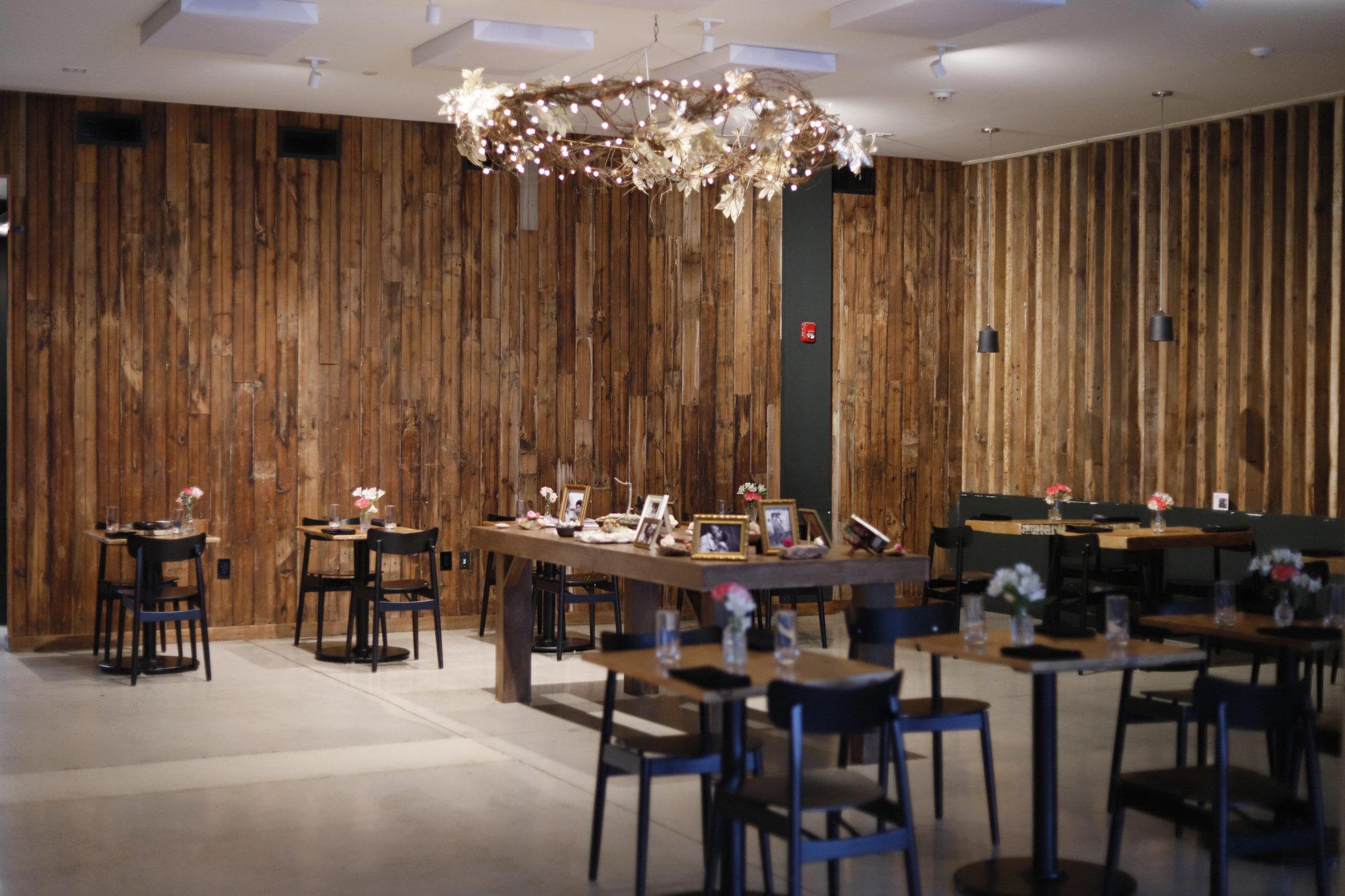
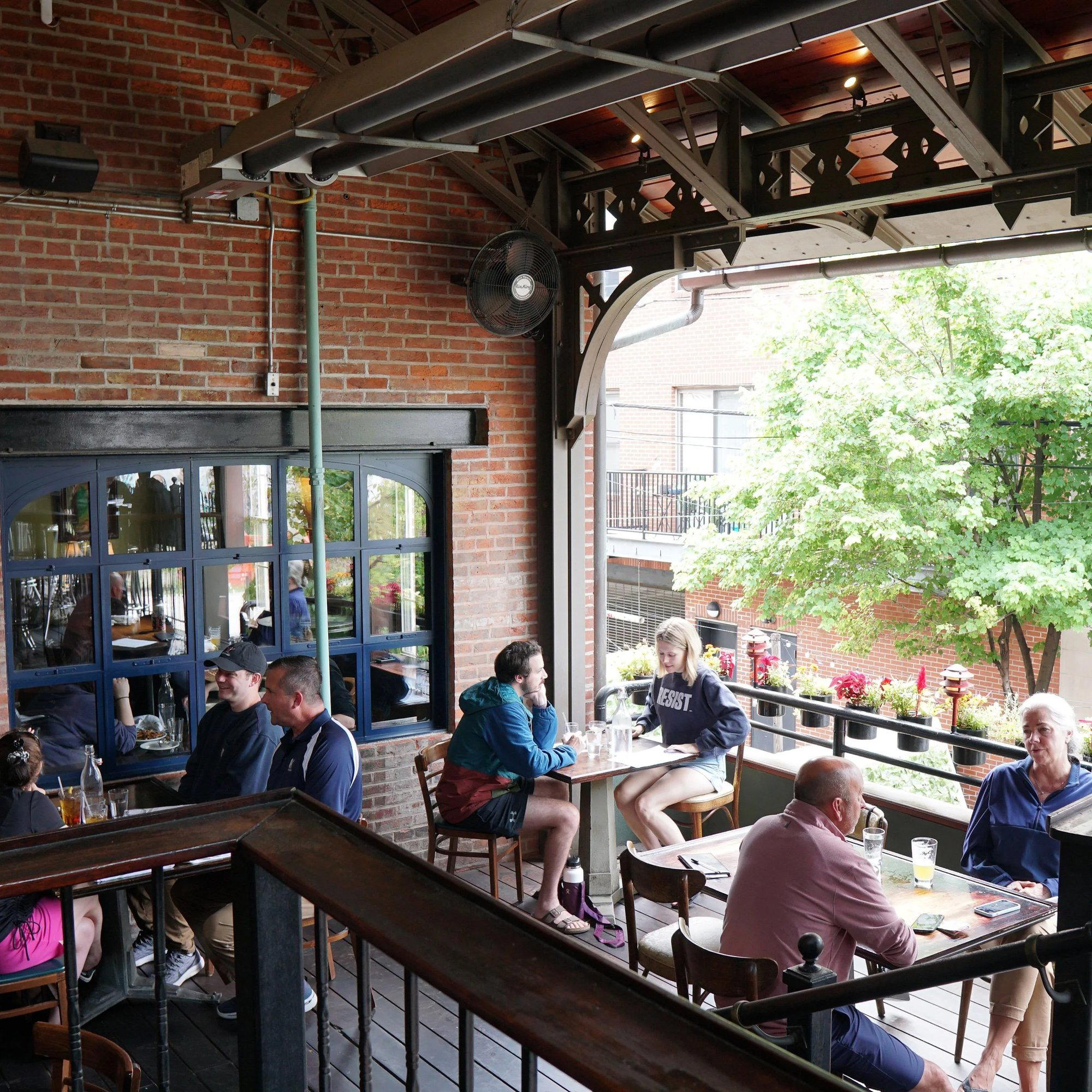
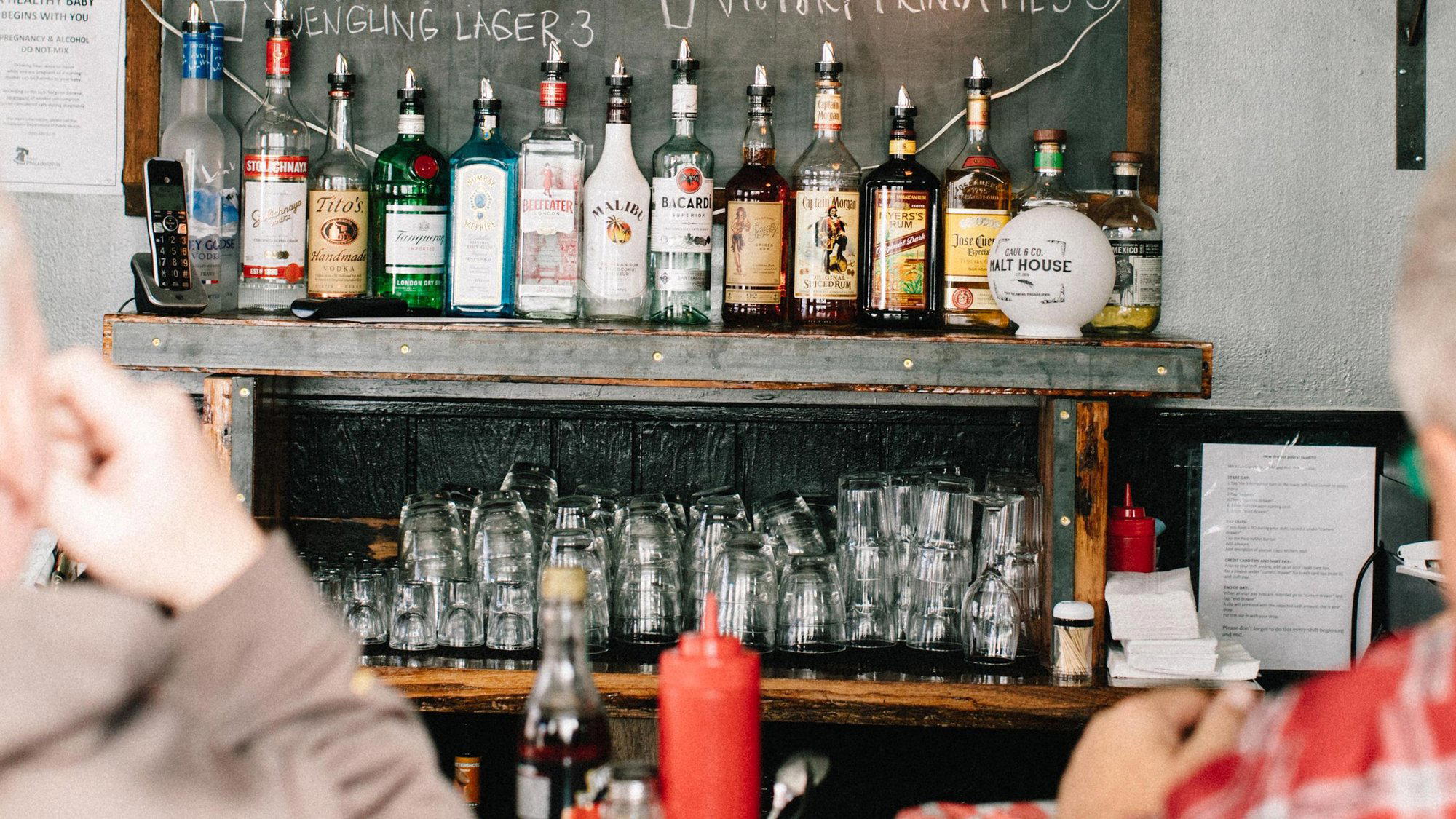
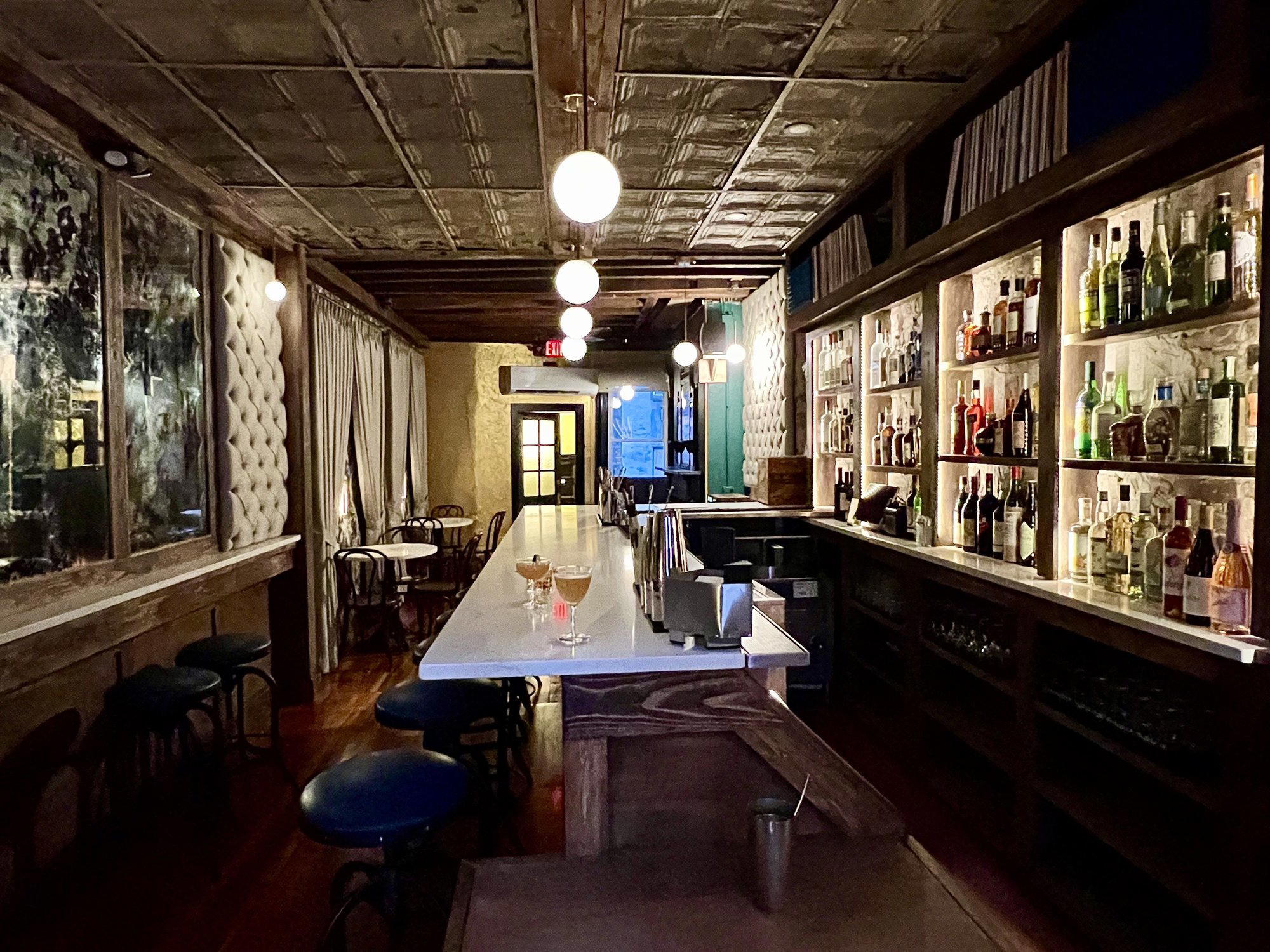
Casual and welcoming with moderate noise levels, featuring a wine garden atmosphere.