Puyero Venezuelan Flavor
Our verdict
On South 4th Street in Queen Village, Puyero Venezuelan Flavor brings the street-food architecture of Venezuelan cuisine to a Philadelphia neighborhood better known for cheesesteaks and Italian delis. The menu is built around the arepa as a structural unit, with fillings that trace regional flavor traditions rather than crowd-pleasing fusion. It occupies a distinct position in the city's increasingly varied Latin American dining scene.

Pearl is the En Primeur Club membership app — saves, bookings, and concierge access live there. Same editors, same standards.
- Address
- 524 S 4th St, Philadelphia, PA 19147
- Phone
- (267) 928-4584
- Hours
- Mon–Fri 11:30 AM–9 PMSat–Sun 11 AM–9 PM
- Website
- puyeroflavor.com
- Directions
- Get directions
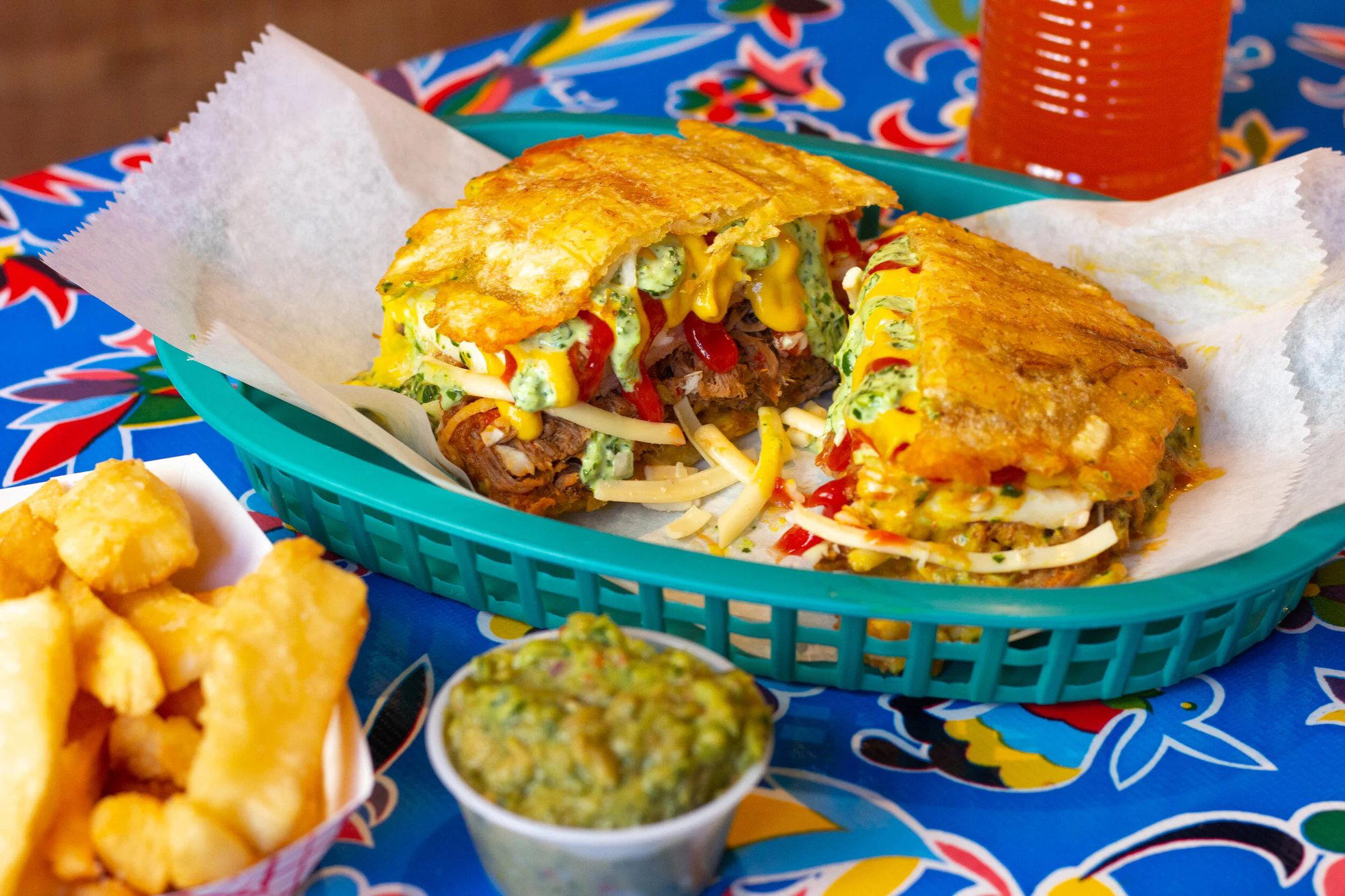
Queen Village and the Case for Venezuelan Street Food
South 4th Street runs through one of Philadelphia's older residential neighborhoods, a corridor where Portuguese bakeries, Jewish delis, and South Philly Italian traditions have historically defined the food identity. Puyero Venezuelan Flavor sits at 524 S 4th St inside this layered geography, representing something that Philadelphia's Latin American dining scene has been slowly developing: a focused, cuisine-specific offering that doesn't dilute its reference points for a broader audience. In a city where the dominant Latin American presence has long been Puerto Rican and Mexican, Venezuelan cooking occupies a smaller, more recently established niche, and Puyero is among the venues making that niche legible to a wider dining public.
For context on how the city's independent restaurant culture has evolved, our full Philadelphia restaurants guide maps the neighborhoods and price tiers worth tracking.
What the Menu Architecture Reveals
The editorial angle that matters most at a place like Puyero is structural: what does the menu's organization tell you about how the kitchen thinks about Venezuelan food? Across South America's restaurant diaspora in North American cities, menus often compress national cuisines into a single multi-category list that trades culinary logic for accessibility. The more instructive model, which Puyero appears to follow based on its known positioning, centers the arepa as the primary vehicle and lets the filling combinations do the explanatory work.
The arepa is not a neutral bread. It carries specific regional and class associations in Venezuela: a white corn masa cake that appears at breakfast counters, roadside stands, and family tables, with fillings ranging from simple butter and white cheese to the richer combinations associated with pabellón criollo, the national dish of black beans, shredded beef, fried sweet plantains, and rice. A menu that treats the arepa as its central organizing unit rather than a side item is making an argument about authenticity and about which traditions are worth preserving in translation.
This structural choice places Puyero in a different competitive conversation than, say, a pan-Latin restaurant deploying arepas as a token item. It also sets it apart from Philadelphia's better-known independent kitchens in adjacent cuisines. South Philly Barbacoa operates with a similar single-minded focus on Mexican regional cooking, and the comparison holds: a narrow menu anchored to a specific culinary tradition tends to produce more disciplined cooking than a broad one attempting regional coverage.
Philadelphia's Independent Latin American Dining Tier
The broader context for Puyero's position in Philadelphia is a dining scene that has been quietly diversifying its Latin American offerings over the past decade. The city's restaurant conversation tends to be dominated by its New American and European-influenced independents — venues like Fork, Friday Saturday Sunday, and My Loup — which occupy the city's critical attention and press coverage disproportionately relative to their share of actual dining. Meanwhile, the immigrant-led and diaspora kitchens that define daily eating for large parts of the population operate in a different register, earning neighborhood loyalty without necessarily attracting the same editorial notice.
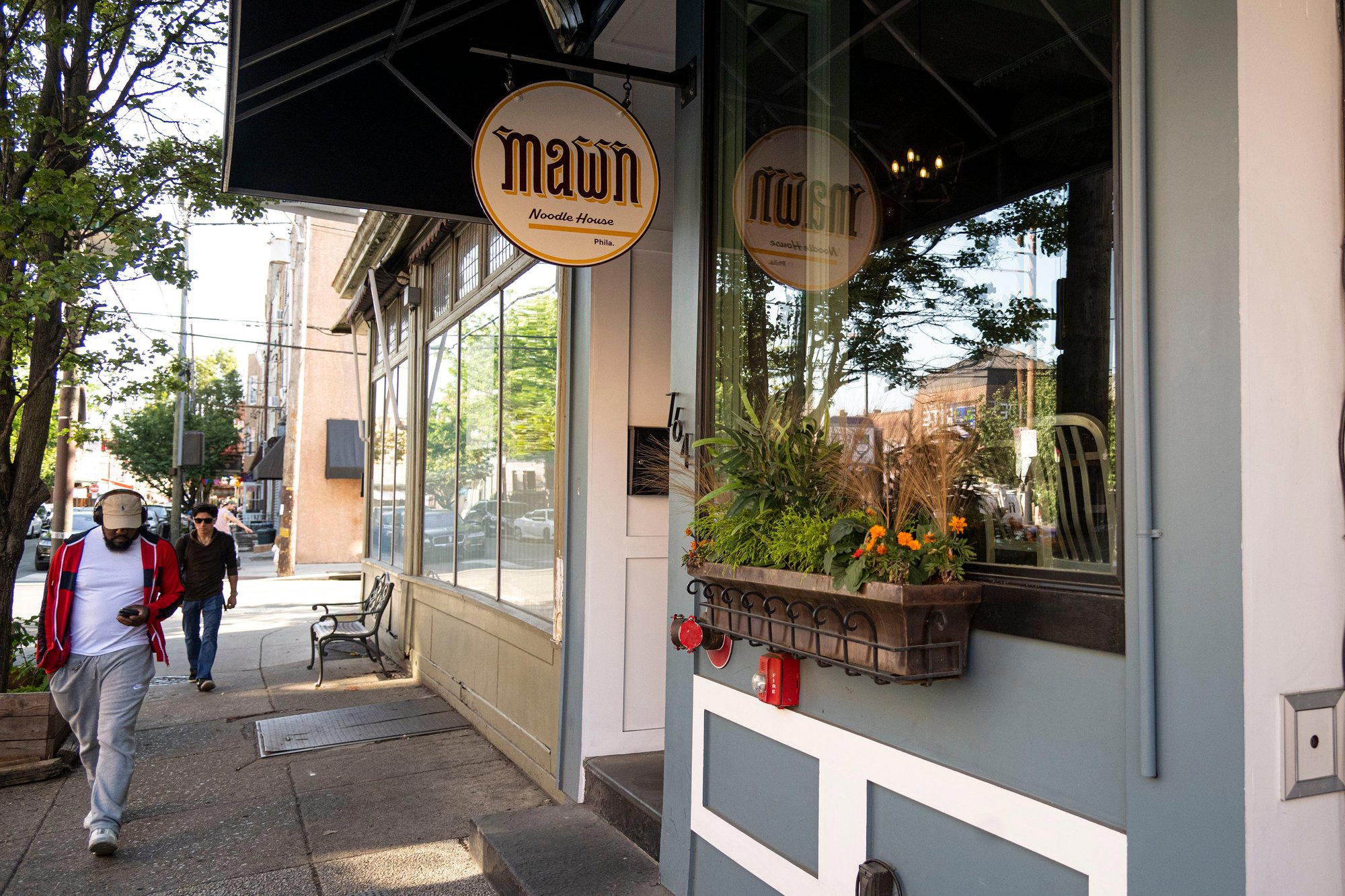
Puyero occupies a middle position: it has built enough recognition to attract diners from outside the immediate neighborhood, functioning as a destination for Venezuelan food specifically, rather than simply a local convenience. That kind of single-cuisine destination status, earned without major awards infrastructure or a high-profile chef name attached, reflects a pattern visible in other American cities where Latin American cuisines have developed strong independent footholds. Philadelphia's increasingly varied Asian dining scene, represented by venues like Mawn, follows a parallel track of cuisine-specific depth replacing generic category coverage.
For reference, the national standard for single-cuisine focus in a Latin American context plays out very differently at the fine-dining tier. Emeril's in New Orleans and Le Bernardin in New York City operate within tightly defined culinary frameworks, but at price points and with award infrastructure that place them in a different category entirely. The more relevant comparison for Puyero is what happens when a street-food tradition is treated with the same seriousness that those establishments bring to their respective cuisines, but delivered at a price point accessible to daily dining.
Venezuelan Cooking in the American City
Venezuelan immigration to the United States has accelerated significantly since 2015, creating new restaurant openings across cities where Venezuelan communities have settled. Miami has the largest established Venezuelan dining scene, followed by New York and Houston. Philadelphia represents a smaller but growing presence, and Puyero sits at a point in that development where the audience extends beyond the immediate Venezuelan diaspora to include diners drawn by curiosity about South American regional cooking more broadly.
The flavors that define classic Venezuelan street food, including the sweetness of ripe plantains, the tang of guasacaca (avocado-based sauce), the richness of pernil and caraotas negras, read differently to a palate calibrated on Mexican or Caribbean cuisines. The corn used for arepas is nixtamalized differently from Mexican masa, producing a milder, slightly denser crumb. These distinctions matter for understanding why Venezuelan food has taken longer to establish a foothold in American restaurant culture compared to Mexican or Cuban cuisines: the flavor profile requires more explanation, and the menu architecture at a place like Puyero is doing that explanatory work implicitly through what it offers and how it's organized.
Planning Your Visit
Puyero Venezuelan Flavor is located at 524 S 4th St in Queen Village, accessible from the Bella Vista neighborhood on foot and within a short distance of South Street's main dining corridor. Given its positioning as a counter-service or casual sit-down format typical of arepa-focused Venezuelan restaurants in American cities, it is suited for lunch or early dinner rather than a long evening meal. Specific hours, current pricing, and booking availability are best confirmed directly with the venue before visiting, as operational details for independent restaurants at this tier can shift seasonally. Demand at well-regarded single-cuisine destinations in Philadelphia tends to concentrate on weekend afternoons and early evenings, so visiting on a weekday or arriving early offers the most direct experience.
Frequently asked questions
What's the must-try dish at Puyero Venezuelan Flavor?
How hard is it to get a table at Puyero Venezuelan Flavor?
What has Puyero Venezuelan Flavor built its reputation on?
Do they accommodate allergies at Puyero Venezuelan Flavor?
How does Puyero Venezuelan Flavor fit into Philadelphia's broader range of immigrant-led cuisine-specific restaurants?
Cuisine Context
A quick snapshot of similar venues for side-by-side context.
| Venue | Cuisine | Price | Awards | Notes |
|---|---|---|---|---|
| Puyero Venezuelan FlavorThis venue — the venue you are viewing | Venezuelan Street Food | $20–30 | Not listed | Not listed |
| Friday Saturday Sunday | Modern American Tasting Menu | $100–150 | 1 Michelin Star · World's 50 Best #40 | New American |
| Fork | Seasonal New American | Not listed | James Beard Award Outstanding Restaurateur #1 · Wine Spectator Award of Excellence | New American |
| South Philly Barbacoa | Authentic Mexican Barbacoa Taqueria | $10–20 | James Beard Award Best Chef: Mid Atlantic · Chef's Table Featured on Chef's Table | Mexican |
| Jean-Georges Philadelphia | Modern French Fine Dining | $200–300 | La Liste Top Restaurants · Wine Spectator Best of Award of Excellence | French |
| Helm | Seasonal New American Small Plates | $50–100 | Not listed | Filipino |
Continue exploring
More in Philadelphia
Restaurants in Philadelphia
Browse all →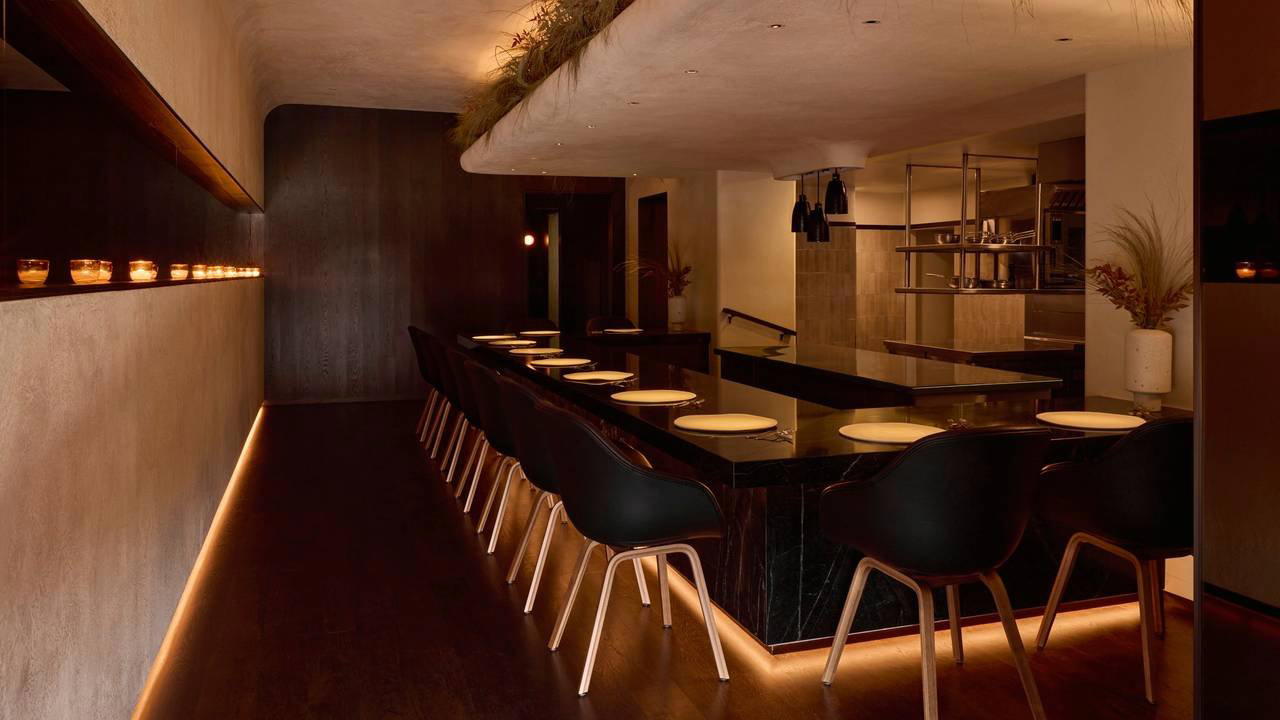
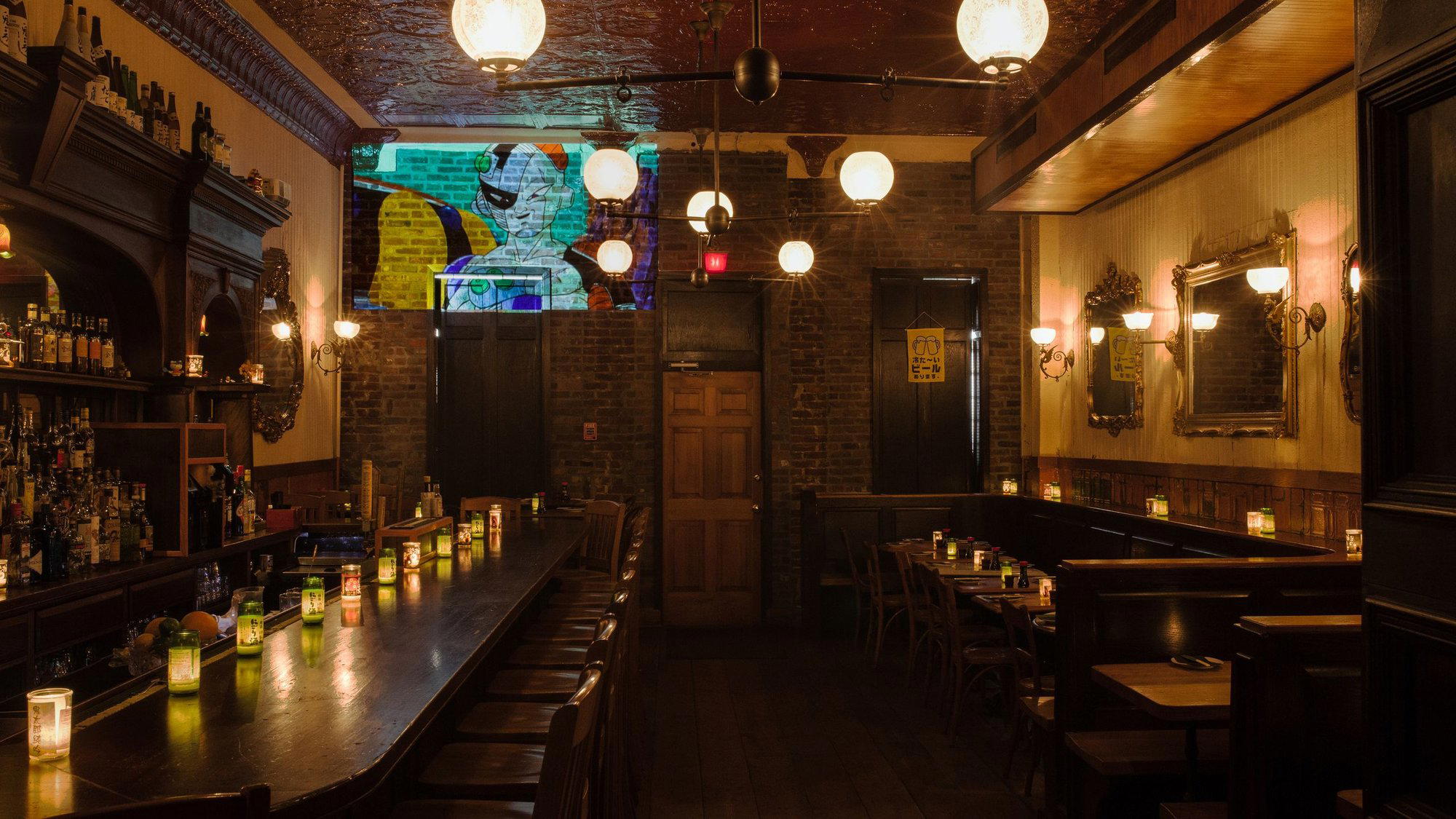
Bars in Philadelphia
Browse all →

Details
- Lively
- Cozy
- Trendy
- Casual Hangout
- Family
- Byob
- A La Carte
- Vegetarian Friendly
Current opening hours
- Monday
- 11:30 AM–9 PM
- Tuesday
- 11:30 AM–9 PM
- Wednesday
- 11:30 AM–9 PM
- Thursday
- 11:30 AM–9 PM
- Friday
- 11:30 AM–9 PM
- Saturday
- 11 AM–9 PM
- Sunday
- 11 AM–9 PM
Hours can change for holidays and private events. Last verified .
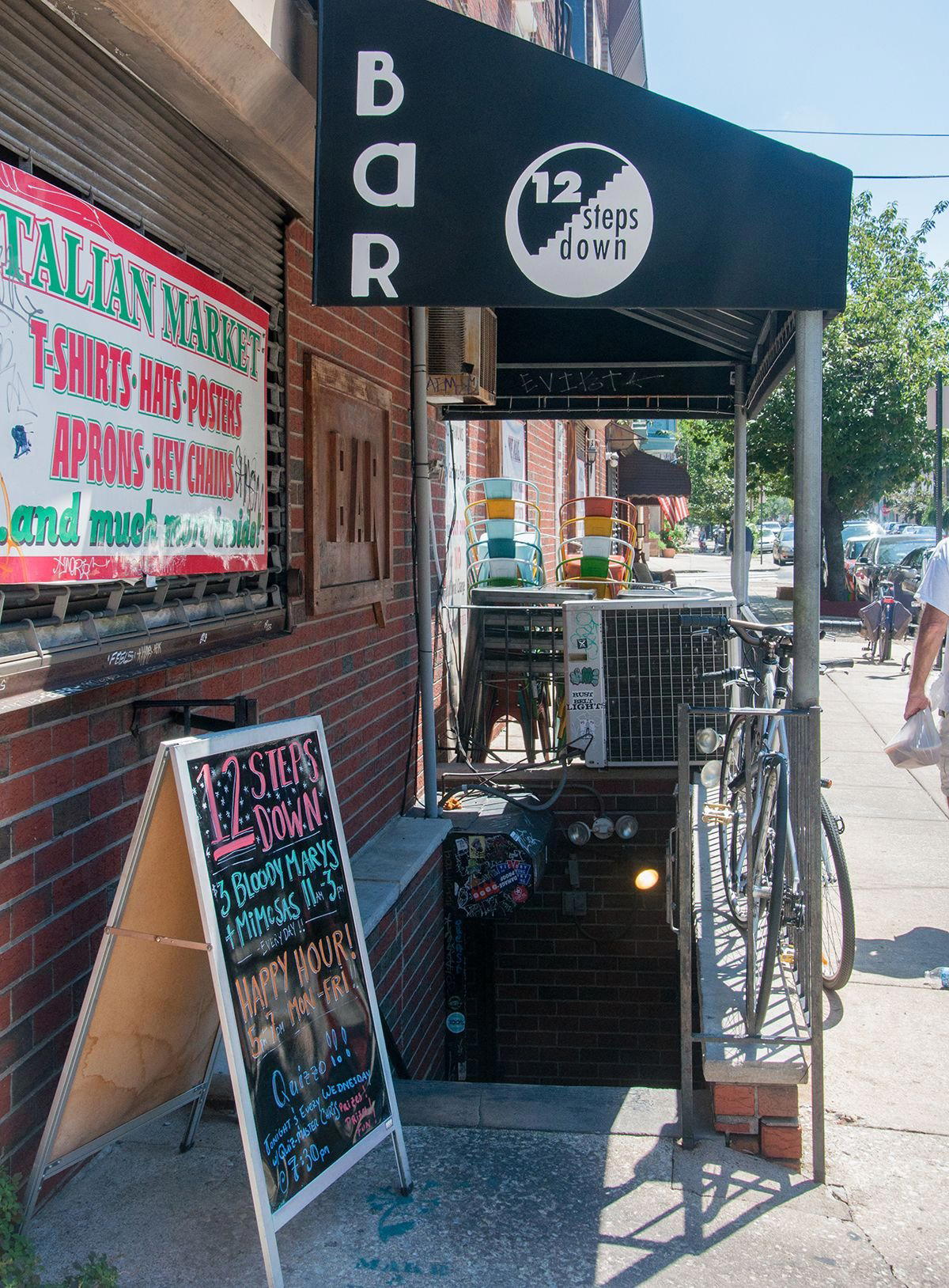
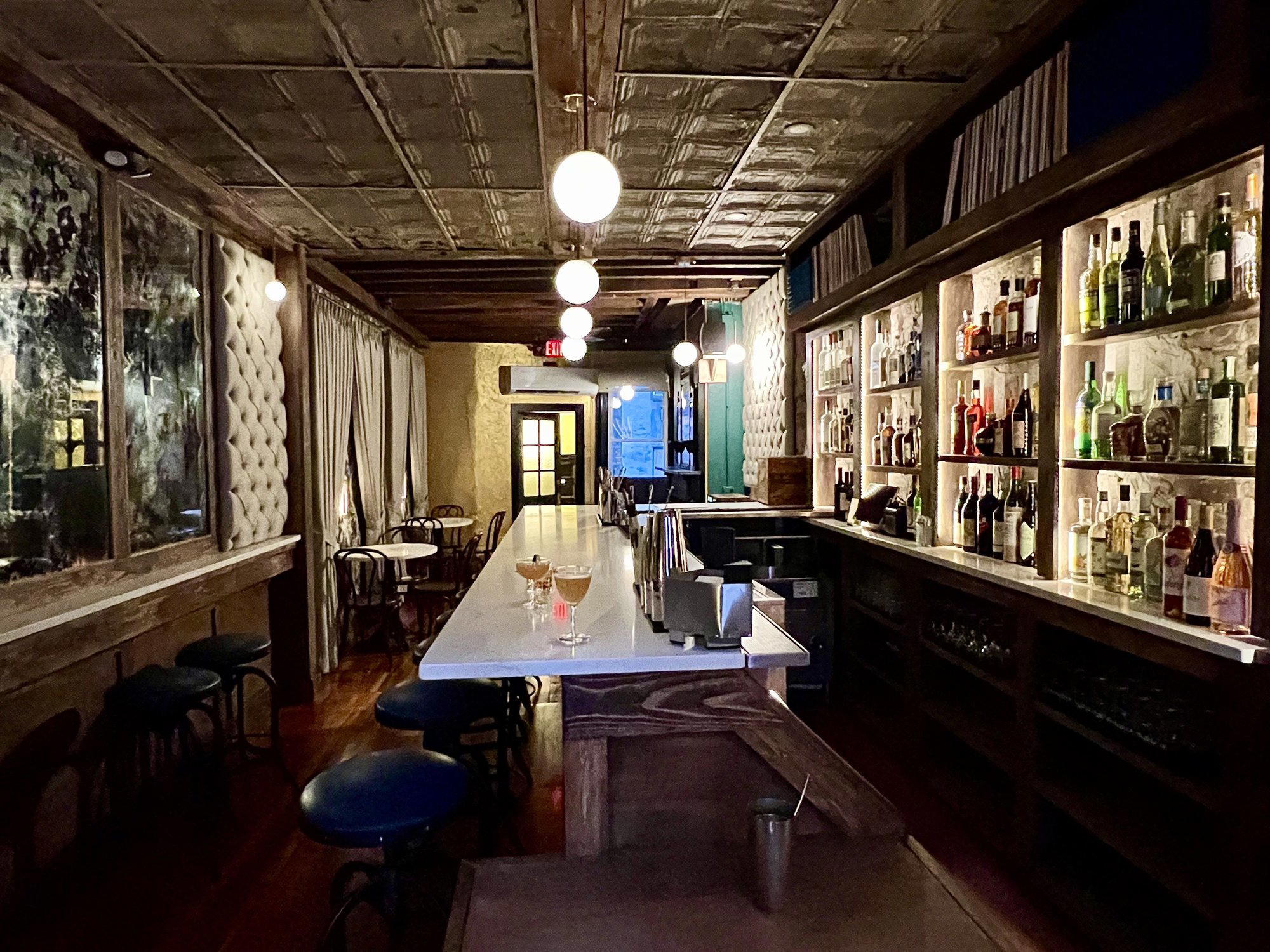
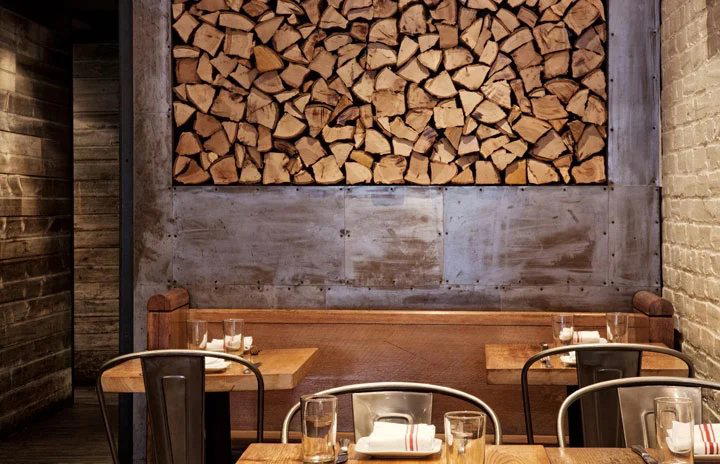
Small but comfortable space with a lively, joyful vibe that brings the energetic spirit of Venezuelan culture to Philly.