
Spice Bar Nekoroku places Tokyo’s Asian and ethnic dining conversation away from the usual central wards, in Higashimukojima near Hikifune. Its Tabelog 100 selection for Asian and ethnic cuisine in Tokyo 2024, compact 16-seat format, wine listing, and bar-adjacent category make it a useful counterpoint to the city’s higher-priced tasting-menu circuit.
Pearl is the En Primeur Club membership app — saves, bookings, and concierge access live there. Same editors, same standards.
- Address
- 東京都墨田区東向島2-14-2
- Phone
- +81366572286
- Website
- tabelog.com
 Saves & bookings on Pearl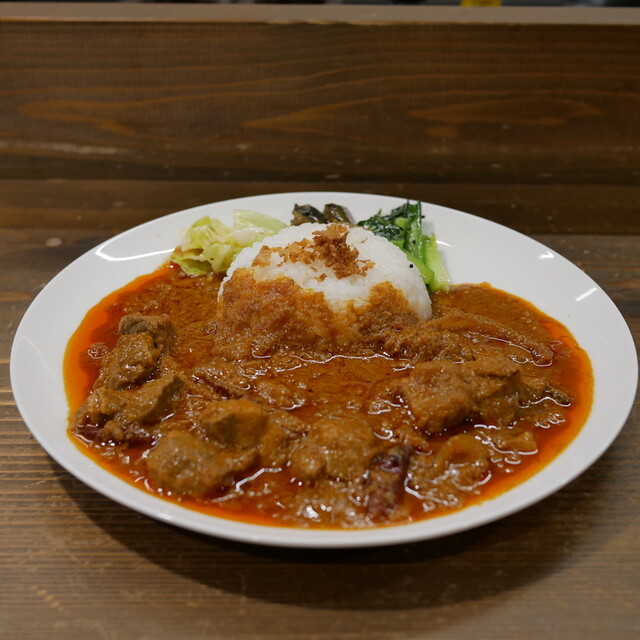
Higashimukojima does not announce dinner with Ginza polish or Shinjuku neon. Around Hikifune, the mood is local: station traffic, narrow streets, small rooms, and restaurants whose reputations travel faster than their façades. That context matters for Spice Bar Nekoroku, as Tokyo’s Asian and ethnic cooking has split between central, design-forward destination rooms and neighbourhood counters where spice, drink, and repetition carry the appeal.
The restaurant’s public signals put it in the second camp. It is listed across Asian, ethnic, Spanish-style bar, and beer bar categories, with wine part of the drinks program. That mix says more than a generic cuisine label. In Tokyo, curry shop, izakaya, wine bar, and spice-led small plates now overlap, especially in compact rooms where guests build a meal across dishes rather than follow a fixed sequence. Spice Bar Nekoroku sits in that hybrid category: not a formal dégustation room or casual chain curry stop, but a small-format spice bar where drinking structures the meal.
A spice-bar format built for wine rather than ceremony
Tokyo is fluent in imported cuisines, but its most interesting Asian and ethnic rooms often translate them through Japanese bar culture: modest scale, attentive pacing, and drinks lists that shape the meal. The wine signal is important. Spice-led food punishes lazy pairing; sweetness, heat, acid, and smoke need bottles chosen for texture and freshness, not prestige alone. Read through wine, the restaurant sits closer to the city’s bistro-bar and izakaya logic than to a single-country ethnic template.
That explains its appeal. A bar-format ethnic restaurant asks different questions from a specialist soba counter such as Sobakappo Nagano or a higher-ticket traditional room such as Uwo Toku. It is not competing on rare ingredients, ritualised service, or multi-course escalation, but on range, rhythm, and how comfortably the table moves between spice, beer-bar informality, and wine. In Tokyo, that middle register can serve repeat diners better than grander rooms demanding a full evening.
The Tabelog 100 selection for Asian cuisine and ethnic cuisine in Tokyo 2024 gives the room an external quality marker without making it a trophy meal. Repeated selections across Asian and ethnic categories in recent years, plus earlier curry-category recognition, point to a reputation tied to a broader spice tradition rather than one fashionable moment. For travelers, that matters: Tokyo’s acclaimed dining scene is packed with expensive counters, but its everyday brilliance often sits in smaller rooms with sharper category focus.
Hikifune gives the meal a different Tokyo frame
Location changes expectations. Higashimukojima and Hikifune sit in Sumida, east of the city’s better-known luxury hotel and restaurant corridors. This is not lobby-bar Tokyo or an international concierge circuit, but a side of the city where food reputations spread through local repeat custom, station-adjacent convenience, and specialist lists rather than glossy hotel adjacency. It usefully corrects itineraries that never leave Minato, Chuo, Shibuya, or Shinjuku.
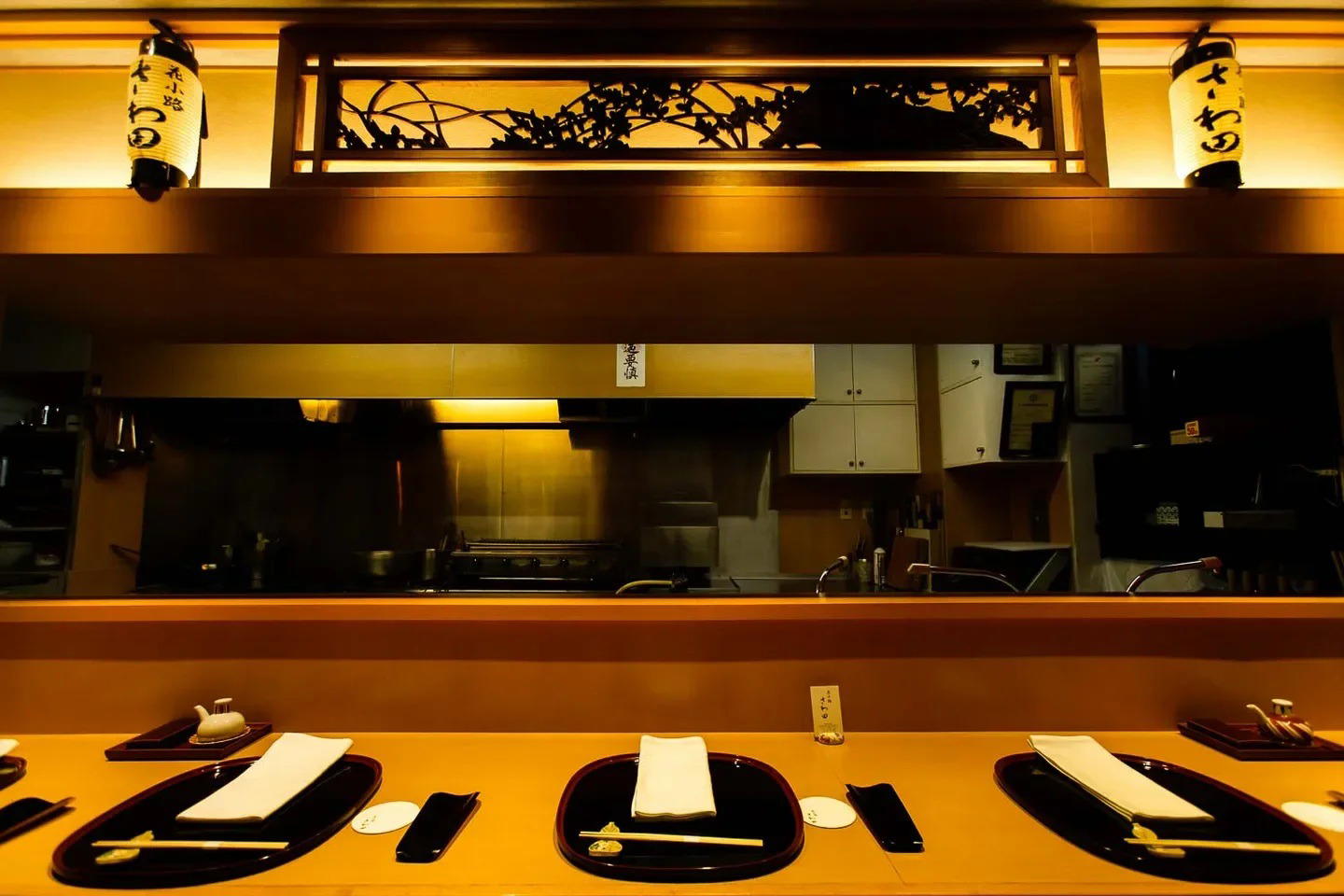
Spice Bar Nekoroku’s small capacity sharpens that neighbourhood character. A 16-seat room, including counter seating, changes the meal’s social temperature: pacing is tighter, the room reads quickly, and a table of friends can affect the evening. The format also explains its bar-adjacent category. Tokyo’s compact dining rooms often blur eating and drinking, and this one’s Asian, ethnic, beer bar, and wine cues make that blur the point.
Within Tokyo’s east-side orbit, older confectionery and snack traditions around places such as Kototoi Dango, Chomeiji Sakura Mochi, and Jiman Kusamochi show another version of local food memory: inexpensive, specific, and rooted in repeat visits. The restaurant belongs to a newer urban pattern, where non-Japanese spice vocabularies enter the same small-room culture. The common thread is scale. These are not dining rooms imitating hotel gastronomy; they work because they know how much space, choice, and ceremony the format can support.
How to place it in a Tokyo dining plan
Treat this as a focused evening in eastern Tokyo, not a box-checking detour between bigger-name meals. Its appeal is contrast: after sushi counters, wagyu rooms, and kaiseki formality, a spice bar with wine and beer-bar grammar gives the palate another register. It is also a practical counterweight to expensive reservation culture. Published budgets sit in a moderate Tokyo band, making it easier to pair with a later bar or use as the main meal on a day built around Sumida and the eastern wards.
English-menu availability lowers friction for visitors, but the room remains small and locally scaled. Payment details matter in Japan’s independent restaurant scene: cash and PayPay are part of the stated setup, while credit cards and electronic money are not listed as accepted. For travelers using hotel cards and phone wallets, that can decide whether the evening runs smoothly.
Readers building a broader Tokyo map can place this alongside more central and genre-specific picks in Our full Tokyo restaurants guide, or contrast it with hotel-led itineraries in Our full Tokyo hotels guide and drinks-first planning in Our full Tokyo bars guide. For a wider Japan and beyond comparison set, useful reference points include 3 Chome no Curry Ya San, (Shoku) Vietnam in Kawasaki, [Curry Senmon Ten] Maruyama Kyoju. in Sapporo, and [ki:] in Kyoto. Tokyo completists may also compare the city’s range through. 鮪と炭火焼き うお炭 秋葉原店, 12/10 Shinjuku ten, 124. KAGURAZAKA (Yakitori), and 2D Cafe.
The broader lesson is that Tokyo’s dining strength is not confined to high ceremony. A small Sumida spice bar selected for Tabelog’s Asian and ethnic list says something about the city’s appetite: wine with heat, casual rooms with serious followings, and neighbourhood restaurants that hold their own against more expensive formats. For planning beyond restaurants, the city context continues through Our full Tokyo wineries guide and Our full Tokyo experiences guide, while cross-city comparisons can run from -Grilled beef Sukiyaki- KAMAKURA TANUKIAN 鎌倉 たぬき庵 in Kamakura and.cafe in Osaka to.know in Kumamoto, Jōdo Saké Bar in Los Angeles, and Onigiri Time in Pasadena.
The Minimal Set
Comparable venues at a glance for context.
| Venue | Cuisine | Price | Notes |
|---|---|---|---|
| Spice Bar NekorokuThis venue — the venue you are viewing | Not listed | $$ | Not listed |
| The Auditorium | Taitō, Japanese Whisky & Cocktail Bar | $$ | Not listed |
| Bondy Chiyoda kanda jinbou honten | Not listed | $$ | Chiyoda, European-style Japanese curry house |
| Wine Shop Okukagurazaka Shoten | Shinjuku, Standing wine bar & bistro | $$ | Not listed |
| Boulangerie et Cafe Main Mano | Shibuya, French-style Boulangerie & Café | $$ | Not listed |
| Sukiyabashi Sanboar | Chūō, Classic Japanese Bar | $$ | Not listed |
Recognition history
Dated appearances from independent guides and award organizations, with the underlying list record or original source where available.
Tabelog 100 #68 · No. 68
Tabelog · Tabelog 100 - Asian cuisine / Ethnic cuisine - TOKYO - 2024




At a Glance
- Cozy
- Trendy
- Intimate
- Casual Hangout
- After Work
- Group Dining
- Solo
- Standalone
- Beer Program
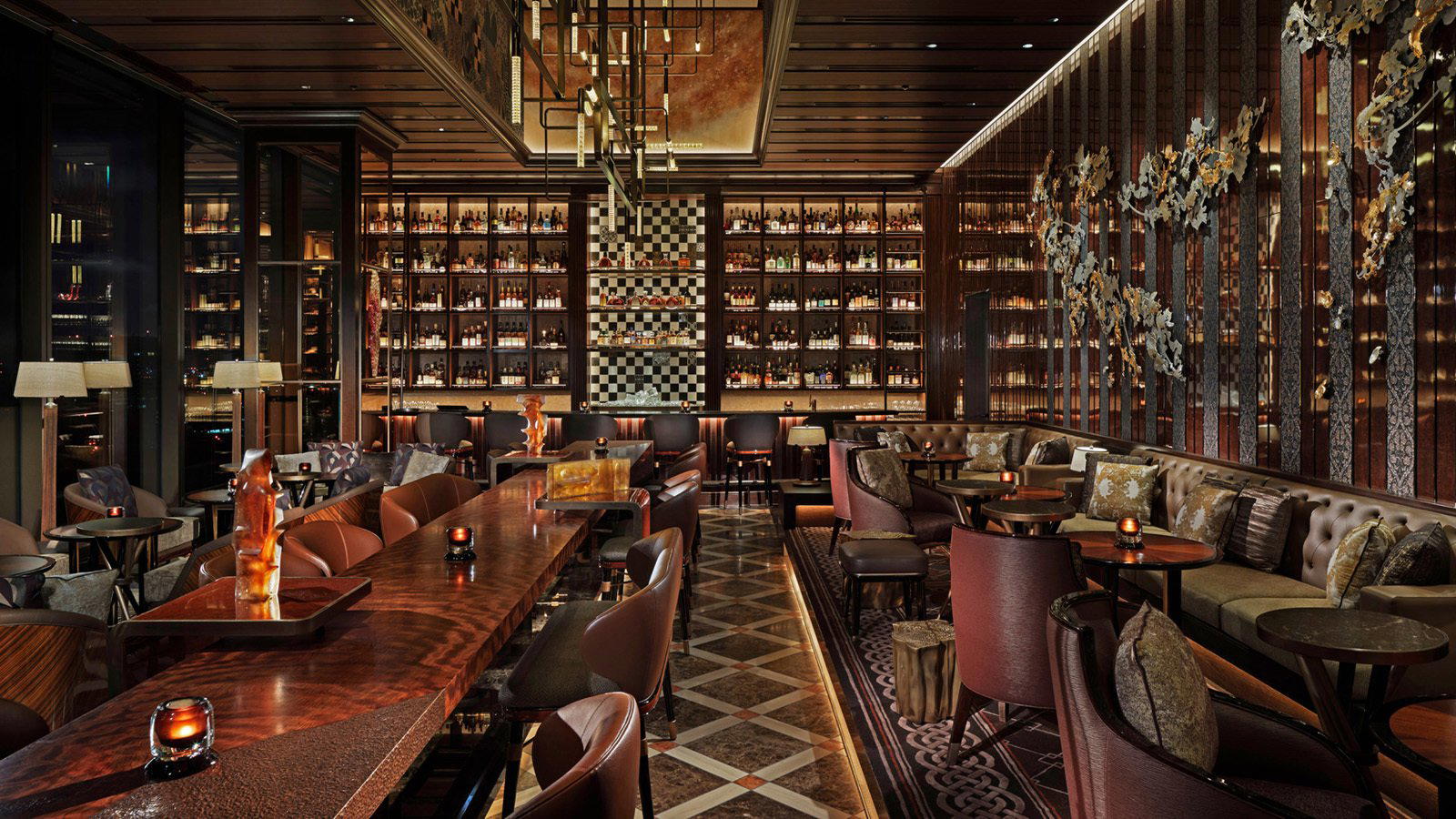
A small, stylish hideout with counter seating and a relaxed, intimate bar atmosphere suited to casual drinking and spice-driven meals.