
Jimbocho’s curry culture is shaped by bookshops, station traffic, and Tokyo’s long habit of adapting European formats into local comfort food. Bondy Chiyoda kanda jinbou honten belongs to that tradition with a Tabelog Curry TOKYO 100 selection in 2024, a 50-seat room, and prices that keep it in the everyday curry bracket rather than the destination tasting-menu tier.
Pearl is the En Primeur Club membership app — saves, bookings, and concierge access live there. Same editors, same standards.
- Address
- 東京都千代田区神田神保町2-3 神田古書センター 2F
- Phone
- +81332342080
- Website
- bondy.co.jp
 Saves & bookings on Pearl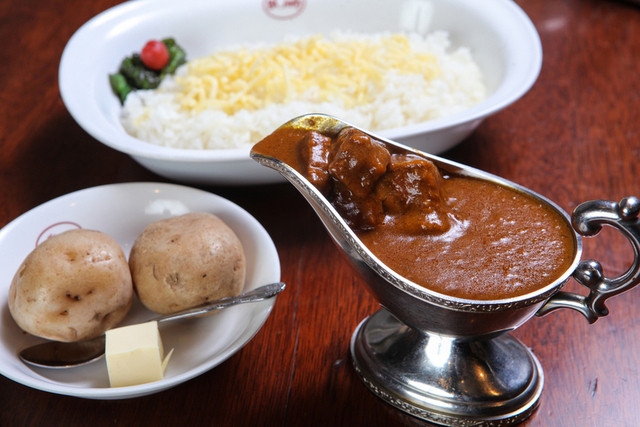
The approach to Jimbocho has its own rhythm: used-book stores, university foot traffic, basement cafés, and office workers moving between stations with practical hunger. Curry fits because it is quick, filling, and repeatable, yet the better rooms treat it with the seriousness Tokyo often reserves for sushi counters and tempura bars. Bondy Chiyoda kanda jinbou honten belongs to that older Jimbocho pattern, where European-style curry is not novelty but local grammar: sauce at the centre, rice as structure, and the room as neighbourhood routine rather than special-occasion performance.
Tokyo curry has split into tracks: canteen curry in train-station corridors, the spice-led wave shaped by South Asian and Japanese hybrid shops, and the yōshoku lineage that reads Western technique through Japanese appetite. Jimbocho has particular weight in the last category. Its curry houses compete less on luxury cues than on consistency, speed, and memory. A Tabelog 100 - Curry - TOKYO selection in 2024 places Bondy inside the city’s recognised curry conversation, but continuity is the stronger signal: the restaurant also appears in Tabelog curry selections from 2017, 2018, 2019, 2020, 2022, and 2023.
Jimbocho curry after the yōshoku boom
European-style curry in Japan is built on translation. It does not directly reproduce British curry-house cooking or French sauce work; it absorbs both into a Japanese plate that prizes density, sweetness, and order. In Tokyo, that format became especially persuasive where lunch had to be fast but not careless. Jimbocho, with its book district identity and academic traffic, gave curry a natural habitat: affordable enough for repeat visits, distinctive enough to create loyalties.
That context matters more than any flourish. The JPY 1,000 to JPY 1,999 lunch and dinner range puts the experience in a rare Tokyo category: citywide recognition at regular-meal pricing. Nearby comparisons sharpen the point. Steak & Wine Jinbo moves into a higher dinner bracket while keeping a similar lunch range; ALTER EGO belongs to a more expensive Italian register; Gavial sits closer to the same curry tier. The decision is less about occasion than appetite: curry in Jimbocho is daily culture with enough depth to reward travellers who usually chase reservation-only rooms.
The restaurant’s Tabelog score of 3.68 is another useful calibration. In Japan, Tabelog scores move conservatively, and curry shops rarely receive the international attention given to omakase counters or French tasting menus. A 2024 Tabelog Curry TOKYO 100 selection is therefore a credible category signal rather than a broad luxury badge. Judge the room against Tokyo curry specialists, not kaiseki or fine dining.
A curry room built for repetition, not spectacle
The dining format is part of the argument. A 50-seat curry restaurant with counter seating, sofa seating, take-out, and a non-smoking policy suggests volume without anonymity. That is a specific Tokyo expertise: moving people through a popular room while preserving the habits that bring regulars back. The category needs little ceremony. It needs heat, timing, and a kitchen that can make the same order persuasive for a student, a family, and a traveller who crossed town after reading curry lists.
Public details reveal priorities. Cash-only payment, no private rooms, no private use, and no parking keep the experience close to an older urban restaurant model. This is not a concierge-scripted Tokyo meal. It is closer to the city’s durable lunch-and-dinner institutions, where practical constraints are texture and the queue can say more than décor. Children are welcome, friends are a common use case, and the scale is more flexible than the tiny counter restaurants that dominate many Tokyo itineraries.
Evolution here is not a pivot toward luxury; it is the survival of a format made more valuable as Tokyo dining professionalises around scarcity. As reservation platforms, tasting menus, and overseas attention reshape the city’s restaurant economy, Jimbocho curry offers another measure of seriousness. The question is not exclusivity, but whether a casual category can hold an audience across years of repeat recognition. Bondy’s repeated Tabelog curry selections answer within the category’s boundaries.
For travellers building a wider Tokyo food map, this is the counterweight to chef-led rooms and late-night bars. Pair the area with other city categories through Our full Tokyo restaurants guide, then branch outward with Our full Tokyo hotels guide, Our full Tokyo bars guide, Our full Tokyo wineries guide, and Our full Tokyo experiences guide. Within the restaurant map, the contrast is useful: 3 Chome no Curry Ya San keeps the curry thread in view, while 124. KAGURAZAKA (Yakitori), 12/10 Shinjuku ten. 鮪と炭火焼き うお炭 秋葉原店, and 2D Cafe show how different Tokyo’s casual dining circuits feel from one neighbourhood to the next.
How to read the value
The value proposition is clear: recognised curry in central Tokyo, priced for repeat eating, with enough seating to function as a real restaurant rather than a micro-counter. That matters in a city where acclaim often narrows meals into more expensive formats. Bondy Chiyoda kanda jinbou honten is not trying to behave like Ginza. It belongs to Jimbocho’s habit of making specialised food accessible without flattening it into convenience.
Travellers comparing beyond Tokyo can use this as a benchmark for Japan’s casual-specialist culture. [Curry Senmon Ten] Maruyama Kyoju. in Sapporo offers a northern curry reference; [ki:] in Kyoto.cafe in Osaka.know in Kumamoto, (Shoku) Vietnam in Kawasaki, and -Grilled beef Sukiyaki- KAMAKURA TANUKIAN 鎌倉 たぬき庵 in Kamakura widen the frame around regional dining habits. For Japanese food culture abroad, Jōdo Saké Bar in Los Angeles and Onigiri Time in Pasadena show how portable some formats become, and how stubbornly local others remain.
The editorial call is simple: this is a category meal to take seriously. Not because it is rare or dressed up, but because Tokyo’s curry tradition rewards close reading. In Jimbocho, curry is both comfort food and neighbourhood identity, and the better rooms prove repetition can be discipline.
Side-by-Side Snapshot
Comparable venues in the metro at similar price points.
| Venue | Cuisine | Price | Notes |
|---|---|---|---|
| Bondy Chiyoda kanda jinbou hontenThis venue — the venue you are viewing | European-style Japanese curry house | $$ | Not listed |
| Iyoshi Cola | Craft Cola Specialty | $$ | Jingumae, Shibuya |
| Bar Centifolia | Cocktail Bar | $$ | Azabujuban |
| Cafe Bach | Traditional Japanese kissaten & coffee house | $$ | Taitō |
| TOLO COFFEE AND BAKERY | Bakery café with pasta and coffee | $$ | Setagaya |
| Wine Shop Okukagurazaka Shoten | Standing wine bar & bistro | $$ | Shinjuku |
Recognition history
Dated appearances from independent guides and award organizations, with the underlying list record or original source where available.
Tabelog 100 #32 · No. 32
Tabelog · Tabelog 100 - Curry - TOKYO - 2024








At a Glance
- Cozy
- Classic
- Solo
- Family
- Casual Hangout
- After Work
- Group Dining
- Late Night
- Standalone
- Historic Building
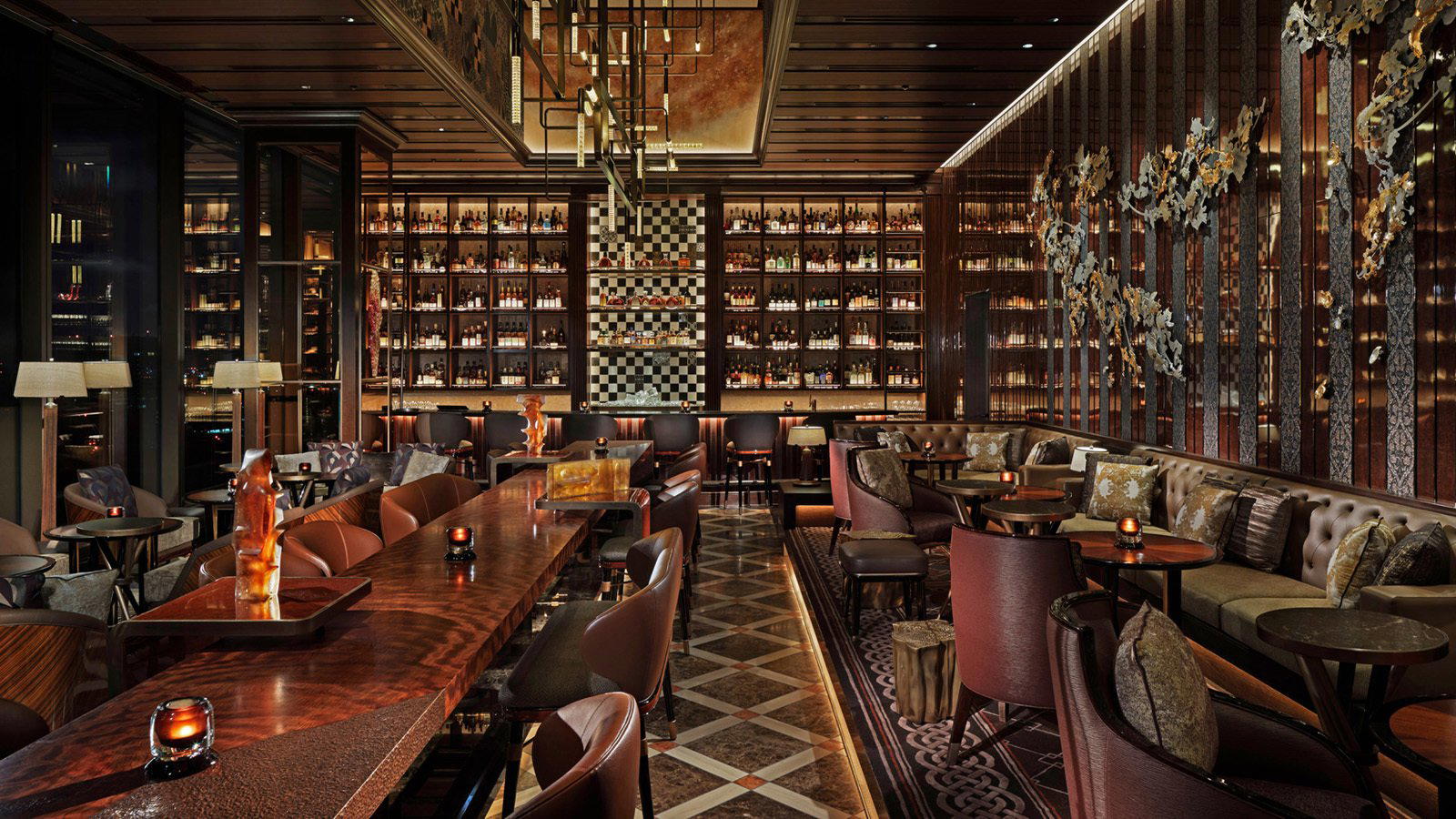
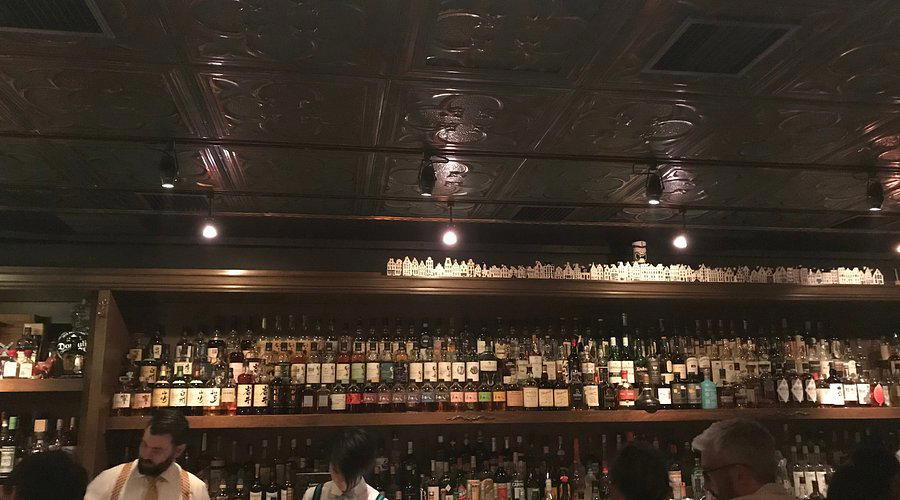
A compact, old-school curry house on the 2nd floor of a book center, with a bustling, lively feel, close-set tables, and simple classic décor that emphasizes comfort over design flair.