
Spice and Curry Ougon no Kaze sits in Osaka’s serious lunch-curry tier: low spend, narrow hours, no reservations, and Tabelog 100 Curry WEST 2024 recognition. In Minamimorimachi, it makes sense as a value-led stop for travelers who understand that Osaka’s everyday dining strength is not only counter sushi and yakiniku, but tightly focused specialist rooms built around a single category.
Pearl is the En Primeur Club membership app — saves, bookings, and concierge access live there. Same editors, same standards.
- Address
- Japan, 〒530-0041 Osaka, Kita Ward, Tenjinbashi, 3 Chome−3−18 1 階奥
- Phone
- +81 6-6881-6006
- Website
- twitter.com
 Saves & bookings on Pearl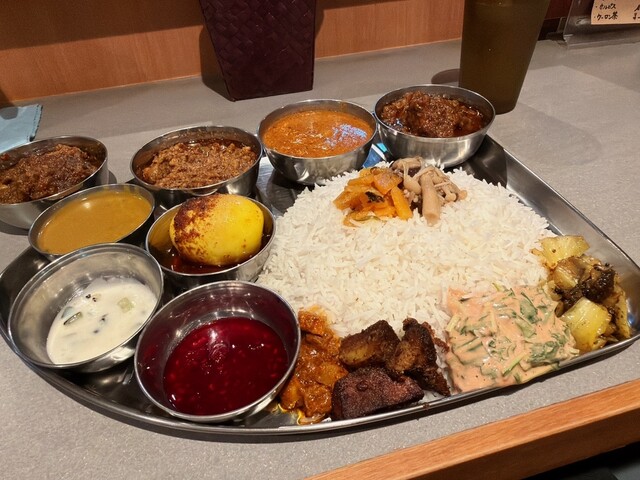
Tenjinbashi has a way of compressing Osaka into a few blocks: covered shopping arcades, office workers moving fast at midday, small counters with little tolerance for indecision. Curry fits that rhythm. It is quick enough for lunch, personal enough to invite loyalty, and in Osaka, varied enough to range from student-budget plates to spice-led specialist cooking. Spice and Curry Ougon no Kaze belongs to the serious end of that casual category, where the room is not selling ceremony and the value is measured in concentration rather than theatre.
Osaka’s curry culture is easy to underrate from the outside because it rarely announces itself with luxury signals. The stronger addresses work by repetition: a focused format, a short service window, and regulars who know how to read the day’s pace. That is why Tabelog 100 Curry WEST 2024 recognition matters here. It places this Minamimorimachi address inside a regional curry conversation rather than treating it as another cheap lunch stop. The price bracket keeps it democratic; the recognition tells visitors to take the category seriously.
Osaka curry value is built on focus, not formality
The case for this restaurant is not that it competes with Osaka’s special-occasion dining. It competes with the city’s sharpest everyday meals. In the same district, a spend comparable to a snack counter or udon lunch buys entry into a category with enough depth to merit its own Tabelog Hyakumeiten list. That is the value proposition: low financial risk, high local signal, and a format that rewards travelers willing to organize a day around lunch rather than dinner.
Compared with Yakiniku Mikazuki Tenjinbashi ten, which sits in a far higher dinner bracket, this is a different Osaka instinct entirely. The city does both well: charcoal, beef, and long evenings on one side; compact curry rooms with fast turnover on the other. Happy Camper Bagel and ANNAPURNA show how low-spend specialists can anchor daily eating in Osaka, while Ogimachi Udonya Asuro reflects the same principle through noodles. Ougon no Kaze belongs in that practical, category-specific lane, where the question is not how long the meal lasts but how much character is delivered within a modest spend.
For a broader read on how these formats sit beside bakeries, counters, and casual specialists, Our full Osaka restaurants guide is the useful frame. Nearby-style casual references such as .cafe, 52CHO-ME BAKERY, 551 Horai (551蓬莱), 99 Pizza Napoletana Gourmet, and a canto (Italian) point to the range of Osaka eating below the white-tablecloth tier. The point is not equivalence; it is that Osaka rewards narrow specialisation across price bands.
Recognition changes how to read a modest lunch counter
Tabelog’s Curry WEST 2024 selection is not a Michelin-style luxury marker. It is more useful than that for this category because it identifies regional depth in a field where visitors often lack bearings. Curry in Japan carries several histories at once: naval and home-style curry rice, spice-curry movements associated with urban independent cooks, and South Asian restaurants adapted to Japanese lunch patterns. Osaka has been especially receptive to the spice-curry side because the city’s dining culture values speed, intensity, and individual operators who can turn a small room into a habit.
That context explains why the lack of ceremony is part of the appeal. A curry specialist with a Tabelog 3.64 score and Hyakumeiten selection is telling the informed diner something precise: the category has enough competitive density that recognition has meaning, yet the meal remains priced for regular use. Visitors who only chase omakase counters or kaiseki rooms miss this layer of Osaka, where craft is often expressed through narrow menus, lunch-only energy, and a neighbourhood’s tolerance for queue discipline.
There is also a strategic reason to treat this as a midday plan. Restaurants built around a short lunch service do not behave like flexible all-day dining rooms. The better move is to put curry before sightseeing rather than after it, especially in a city where train connections make Minamimorimachi easy to fold into a north-Osaka day. Pairing a meal here with Tenjinbashi’s arcade gives more texture than dropping into a station mall by default.
How it fits into a sharper Osaka itinerary
For travelers building a food-led Osaka day, this is the kind of address that should sit between the headline meals. It is not trying to replace a splurge dinner; it makes the day less generic. A hotel base can be chosen with movement in mind through Our full Osaka hotels guide, while evening plans can run through Our full Osaka bars guide. Osaka’s food calendar also sits inside a wider Kansai and Japan map, from sake-oriented drinking to regional cooking, so Our full Osaka wineries guide and Our full Osaka experiences guide help round out the trip beyond lunch.
The broader Japan list shows how category specialists travel across regions without becoming interchangeable. Curry has a different role at [Curry Senmon Ten] Maruyama Kyoju. in Sapporo; sake-bar culture reads differently at Jōdo Saké Bar in Los Angeles; compact Japanese formats shift again at Onigiri Time in Pasadena. For contrast across Japan’s dining spectrum, compare the casual precision here with -Grilled beef Sukiyaki- KAMAKURA TANUKIAN 鎌倉 たぬき庵 in Kamakura. 鮪と炭火焼き うお炭 秋葉原店 in Tokyo.know in Kumamoto, (Shoku) Vietnam in Kawasaki, and [ki:] in Kyoto. The lesson is consistent: Japan’s lower-spend rooms often carry as much local information as its formal ones, if the diner knows what the format is built to do.
Spice and Curry Ougon no Kaze is a strong choice for travelers who want Osaka specificity without paying for ceremony. Its appeal rests on three concrete signals: a defined curry category, regional Tabelog 100 recognition, and a price band that keeps the decision low-pressure. In a city famous for eating often and well, that combination has more editorial weight than another polished dinner reservation.
Local
Side-by-side context: comparable cuisine and price.
| Venue | Cuisine | Price | Notes |
|---|---|---|---|
| Spice and Curry Ougon no KazeThis venue — the venue you are viewing | Japanese spice curry | $ | Not listed |
| Yatagarasu Udon | Osaka Udon Shop | $ | Chūō |
| Tachinomi Tekken | Japanese tachinomi (standing izakaya) | $ | Naniwa |
| Teuchi Udon Beniy | Handmade Udon & Curry Udon | $ | Moriguchi |
| Mensho Jikon | Ramen & Tsukemen Shop | $ | Moriguchi |
| Zouya | Classic Osaka okonomiyaki & yakisoba | $ | Nishinari |
Recognition history
Dated appearances from independent guides and award organizations, with the underlying list record or original source where available.
Tabelog 100 #11 · No. 11
Tabelog · Tabelog 100 - Curry - WEST - 2024
Continue exploring
More in Osaka
Restaurants in Osaka
Browse all →




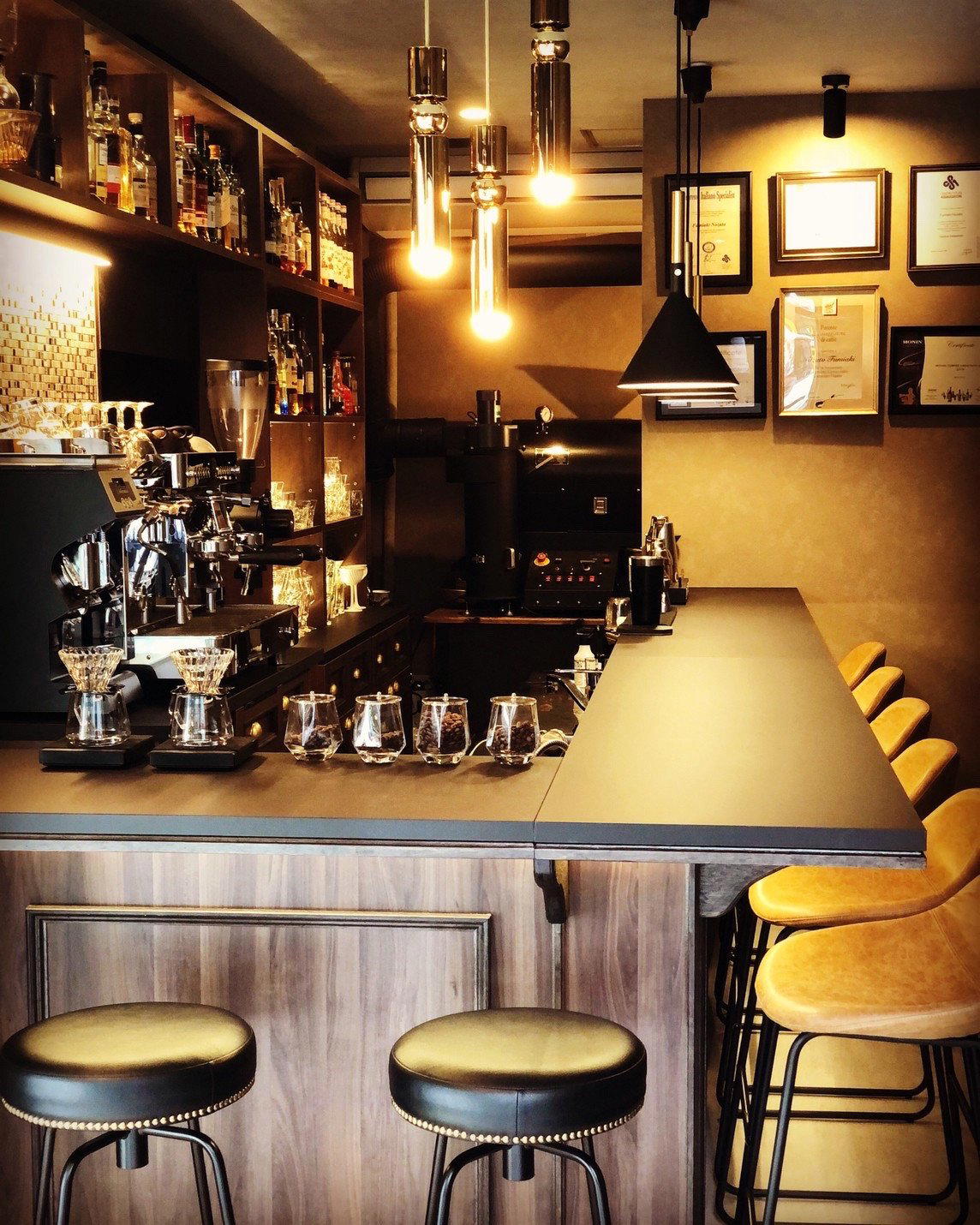
Bars in Osaka
Browse all →



Hotels in Osaka
Browse all →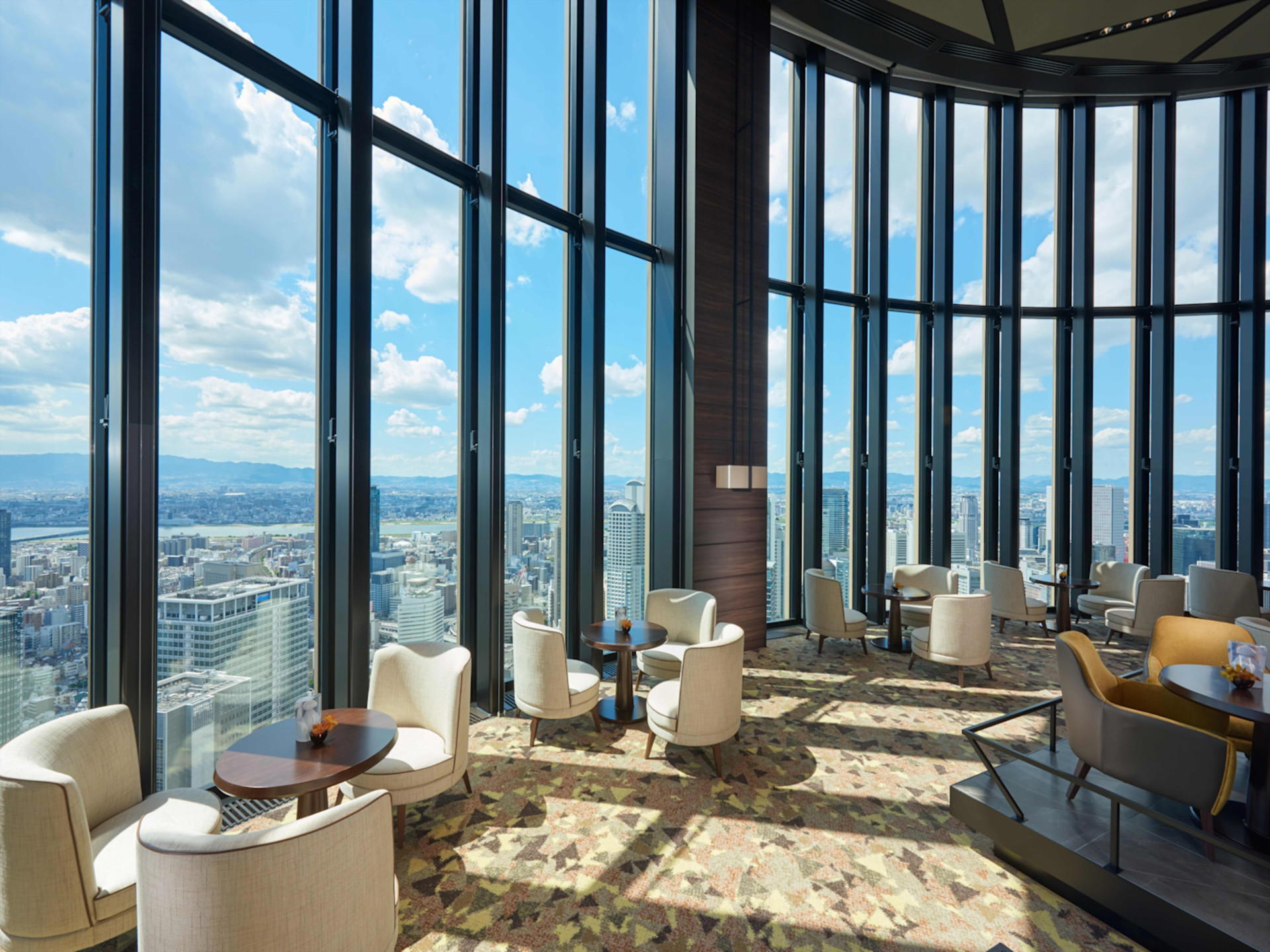




Wineries in Osaka
Browse all →
At a Glance
- Cozy
- Solo
- Casual Hangout
- After Work
- Standalone
Current opening hours
- Monday
- Closed
- Tuesday
- 11:30 AM–3 PM
- Wednesday
- 11:30 AM–3 PM
- Thursday
- 11:30 AM–3 PM
- Friday
- 11:30 AM–3 PM
- Saturday
- 11:30 AM–3 PM
- Sunday
- Closed
Hours can change for holidays and private events. Last verified .
Simple, cozy counter-style curry shop tucked at the back of a first-floor corridor, with a casual daytime atmosphere focused on quick but personal service.