
Yatagarasu Udon belongs to Osaka’s serious daytime noodle culture rather than its long-dinner circuit: compact, direct, and built around udon as a precise lunch decision. Its selection for Tabelog 100 - Udon - WEST - 2024 places it among the region’s notable specialists, with planning shaped less by ceremony than by timing, queue tolerance, and the no-reservations format.
Pearl is the En Primeur Club membership app — saves, bookings, and concierge access live there. Same editors, same standards.
- Address
- 大阪府大阪市中央区谷町3-5-9 レジュールアッシュ谷町 1F
- Phone
- +81647927188
- Website
- instagram.com
 Saves & bookings on Pearl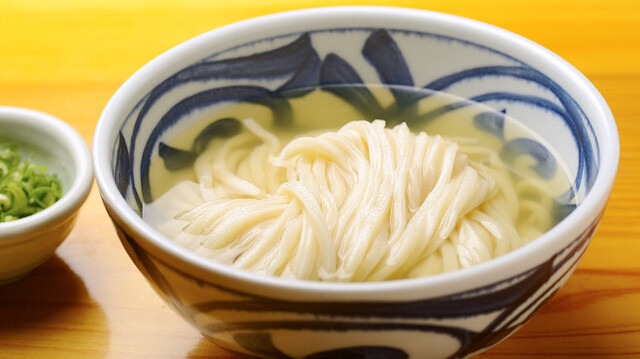
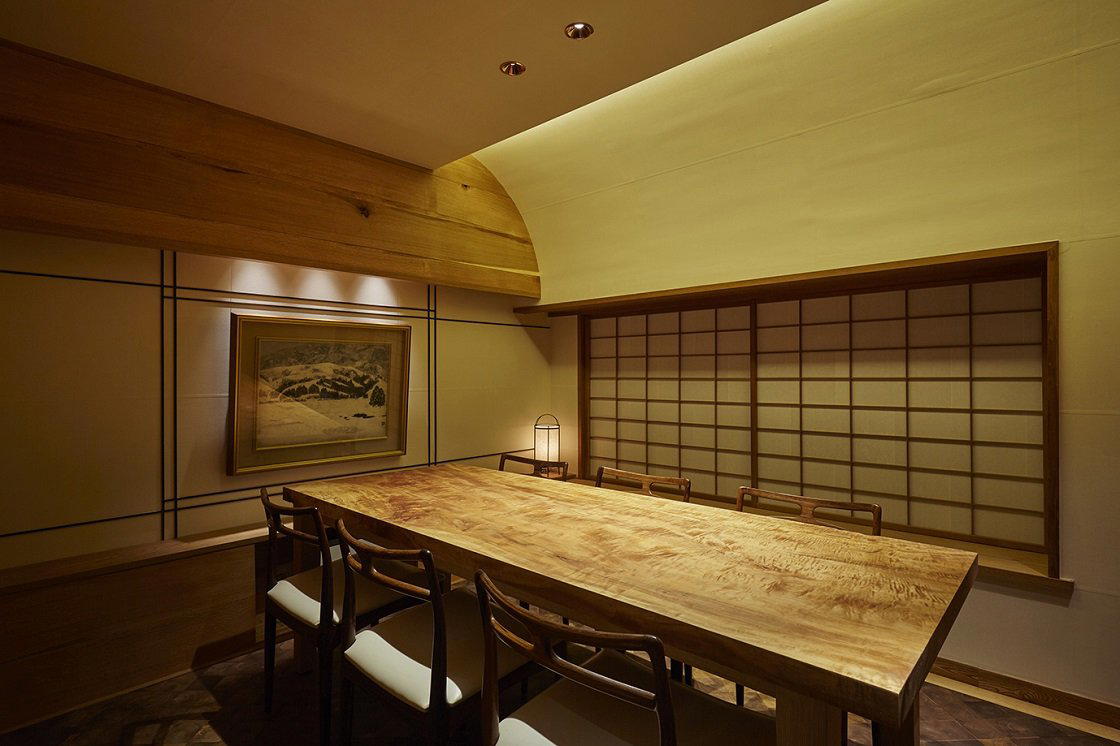
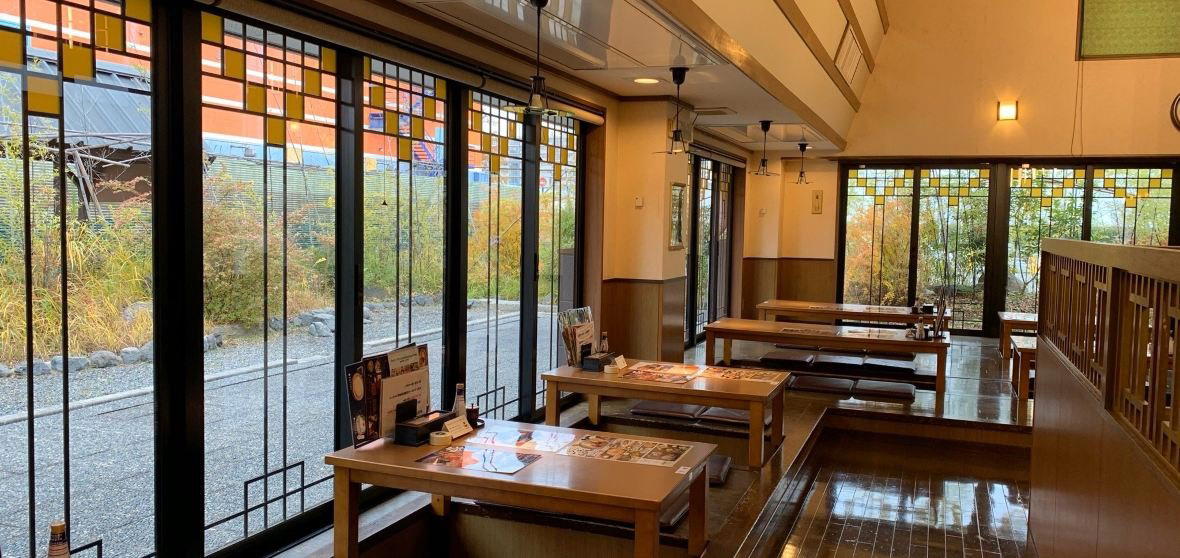
Approaching a good Osaka udon shop rarely feels theatrical. The cues are smaller: a short frontage, a practical room, table seating rather than counter drama, and the rhythm of office workers, neighborhood regulars, and noodle-focused travelers moving through lunch with purpose. In Tanimachi, that rhythm matters. The area sits away from the Dotonbori photo circuit, closer to civic Osaka and weekday routines, which gives its better casual restaurants a different pressure: they have to work for repeat diners, not just passing crowds.
That is the useful frame for Yatagarasu Udon. Osaka has a deep appetite for quick food, but speed here does not mean carelessness. Udon shops compete on noodle handling, broth clarity, portion discipline, and the ability to keep service moving without reducing the meal to a convenience stop. The restaurant’s selection for Tabelog 100 - Udon - WEST - 2024 is the clearest external signal that it belongs in that more serious Kansai noodle conversation, where a modest check can sit beside a high level of local scrutiny.
Osaka udon, read through timing rather than ceremony
Kansai udon is not a single fixed style, and Osaka’s version is often understood through restraint: wheat noodles, dashi-led structure, and a preference for balance over maximal seasoning. The city’s noodle culture also rewards repetition. A shop becomes meaningful when it performs the same core act, lunch after lunch, for diners who know the category well enough to notice small failures.
Yatagarasu Udon’s format fits that tradition. It is not a tasting-menu destination and does not ask for the same mental preparation as Osaka’s sushi counters or kaiseki rooms. The decision is sharper: go for udon, go during the window when the room is built to turn, and treat the meal as a focused stop rather than a lingering appointment. That simplicity is part of the appeal. In a city where visitors often stack elaborate dinners, a serious udon lunch can say as much about Osaka as a longer evening booking.
The comparison set around Tanimachi makes the point. Ramen Tsuji works in the city’s low-priced noodle lane, Boulangerie & cafe gout sits closer to daytime bakery-café habits, while Shuhari Tanimachi yonchome ten and Sakitori Ya pull the neighborhood toward drinking and dinner. Kamekichi, as a French address, belongs to a different dining grammar altogether. Against those nearby choices, Yatagarasu Udon is the leaner move: a daytime noodle specialist with recognition attached to a narrow craft rather than a broad hospitality proposition.
The booking experience is a queue calculation
For travelers, the main planning issue is not a reservation strategy; it is timing. No-reservation restaurants in Japan require a different kind of discipline than hard-to-secure counters. Instead of refreshing booking platforms, the useful move is to understand the meal period, avoid assuming flexibility, and build the day around a possible wait. That is especially true for a small, recognized udon shop, where demand concentrates into a narrow lunch pattern.
This is where Osaka’s practical dining culture becomes an advantage. A no-reservations format can be less punishing than it sounds if the meal is treated as a daytime anchor, not a loose afterthought between castle visits and shopping. The reward is also clear: udon at this tier remains financially accessible compared with many acclaimed meals in Japan, so the cost of planning is paid in time rather than in a large bill.
There is another planning wrinkle for families. The restaurant has guidance around younger children during the busiest part of lunch, which points to a room designed for efficient service under pressure. That detail is not cosmetic; it tells readers how to read the experience. This is a place for diners who can accept the tempo of a compact local shop, not a slow multi-course room built around accommodation and lingering.
Where it fits in an Osaka eating day
The restaurant works well as a hinge in a wider Osaka itinerary. Pairing it with a destination dinner would miss the point less than trying to make it the whole day’s event. The city rewards that split: a precise lunch, then a separate evening built around bars, grills, or a more formal table. For broader planning, Our full Osaka restaurants guide is the natural companion, while hotel positioning is easier to judge through Our full Osaka hotels guide. If the day continues into drinks, Our full Osaka bars guide gives the evening a clearer shape.
Visitors building a casual-food run can also read it alongside other Osaka addresses in different registers: 551 Horai (551蓬莱) for the city’s takeaway comfort-food logic, 52CHO-ME BAKERY for bakery culture.cafe for a lighter daytime stop, 99 Pizza Napoletana Gourmet for Osaka’s international casual lane, and a canto (Italian) when lunch needs to give way to a more composed Italian meal.
The broader Japan map helps sharpen the category. A udon shop in Osaka is a different proposition from [ki:] in Kyoto. 鮪と炭火焼き うお炭 秋葉原店 in Tokyo.know in Kumamoto, (Shoku) Vietnam in Kawasaki, [Curry Senmon Ten] Maruyama Kyoju. in Sapporo, or -Grilled beef Sukiyaki- KAMAKURA TANUKIAN 鎌倉 たぬき庵 in Kamakura. Outside Japan, Jōdo Saké Bar in Los Angeles and Onigiri Time in Pasadena show how Japanese formats change when transplanted abroad. The lesson is simple: context decides the meal. In Osaka, udon at this level is not a detour from serious eating; it is one of the city’s clearest ways to measure craft without ceremony.
Travelers with extra time can widen the itinerary beyond restaurants through Our full Osaka experiences guide, while Our full Osaka wineries guide is useful for readers mapping Japan-focused drinking and cellar stops around the region. For this particular meal, though, the editorial stance is narrow: plan early in the day, respect the lunch rhythm, and do not overcomplicate it. The value lies in a recognized Osaka udon specialist doing a focused job in a city that understands the category deeply.
Cuisine and Recognition
Comparable venues to anchor price and recognition.
| Venue | Cuisine | Price | Notes |
|---|---|---|---|
| Yatagarasu UdonThis venue — the venue you are viewing | Osaka Udon Shop | $ | Not listed |
| Chitose Udon | Osaka Nikusui Udon | $ | Namba |
| Madam Curry | Japanese Curry | $ | Chūō |
| Horumon Gibier Myojo | Stand-up Japanese horumon & wild game bar | $ | Chūō |
| Ramen Jinsei JET 600 | Ramen & Tsukemen Shop | $ | Higashinari |
| Tenmasa | Budget Udon & Soba Noodle Shop | $ | Chūō |
Recognition history
Dated appearances from independent guides and award organizations, with the underlying list record or original source where available.
Tabelog 100 #35 · No. 35
Tabelog · Tabelog 100 - Udon - WEST - 2024
Continue exploring
More in Osaka
Restaurants in Osaka
Browse all →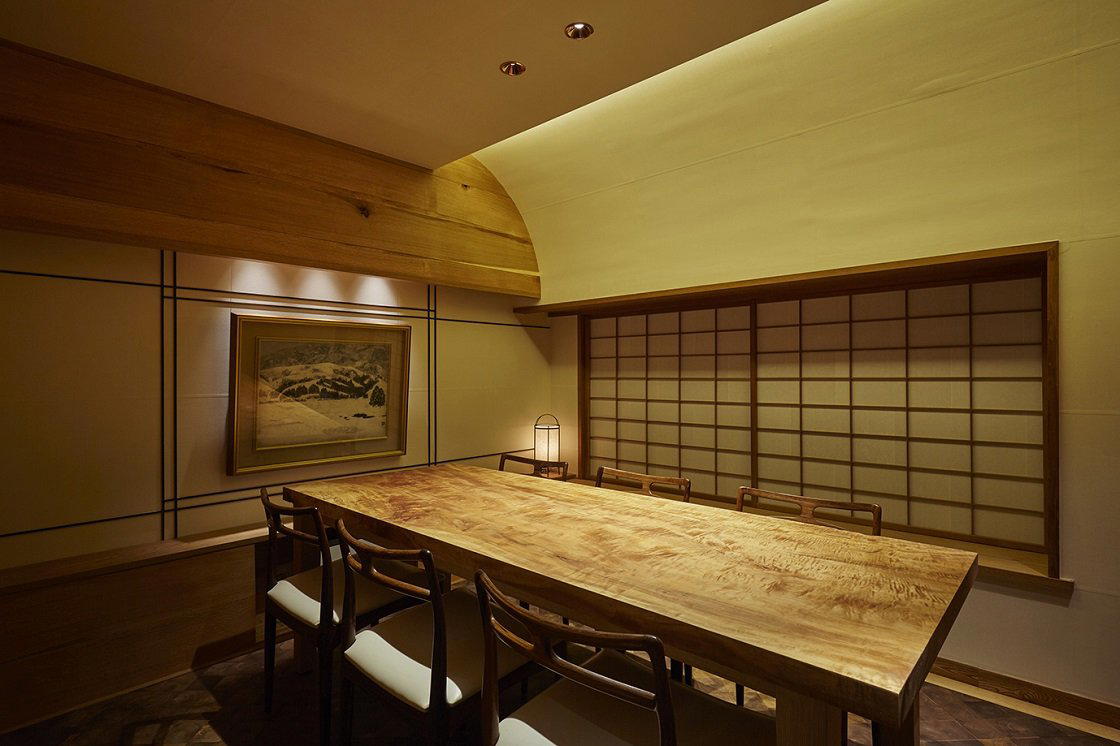


Bars in Osaka
Browse all →
Hotels in Osaka
Browse all →


Wineries in Osaka
Browse all →
At a Glance
- Solo
- Casual Hangout
- After Work
- Standalone
Casual, no-frills udon restaurant atmosphere focused on quick, hearty meals for office workers and sightseers, with all table seating and daytime-only hours creating a busy but functional lunchtime vibe.