Our verdict
On Wels's historic Stadtplatz, Marlon occupies a central position in a city that is quietly building a more considered dining culture. The address alone places it within walking distance of the old town's architectural core, and the surrounding scene suggests a restaurant pitched at locals who take the table seriously rather than at passing trade.

Pearl is the En Primeur Club membership app, where members save venues, book tables and use the concierge.

The Ritual of Dining on Stadtplatz
Wels is an Upper Austrian city that most international travellers pass through without stopping, and that habit of passing through is precisely what keeps its restaurant scene calibrated for residents rather than visitors. The Stadtplatz, one of the longest medieval market squares in Austria, sets a particular kind of stage: its baroque and renaissance facades impose a deliberate pace on anyone moving through it. Arriving at Stadtpl. 43 means arriving somewhere with architectural weight on both sides, the kind of address that implies a certain seriousness before a single dish is ordered.
That context matters when thinking about how dining rituals function in a city like Wels. Unlike Vienna, where restaurants on prestige streets often perform for tourists as much as for locals, or Salzburg, where the festival calendar distorts normal dining rhythms, Wels operates on a steadier frequency. The guests here are largely regulars or residents of the surrounding Upper Austrian region, and that shapes everything from pacing to portion logic. A meal in this kind of city is less an event and more a standing appointment.
Where Marlon Sits in the Wels Dining Pattern
The Wels restaurant scene is small enough to map in a single evening's walk but varied enough to reward attention. Within that compact field, the Stadtplatz address positions Marlon in the more visible, more deliberate tier of the city's options. The surrounding dining choices cover a range of registers: Adria Fischrestaurant leans into central European fish traditions, Agape Cuisine & Wine signals a pairing-focused approach, and GansFein and In's Haas anchor other parts of the local conversation. Indiya represents the city's appetite for cuisines from further afield. For a full orientation, the EP Club Wels restaurants guide maps these options against each other with more granularity.
What distinguishes a Stadtplatz address from one tucked into a side street is not prestige alone but visibility and commitment. A restaurant in this location is making a statement about its intended role in the city, and that role carries obligations: consistent hours, a room that functions through the full arc of an evening, and a kitchen that can hold its line on a Tuesday as reliably as a Saturday. These are the structural requirements of a dining room on a public square in a working Austrian city.
The Customs and Pacing of an Austrian Table
In Upper Austria broadly, the dining ritual retains patterns that more internationally oriented cities have edited out. Meals are not rushed. The bread arrives before questions are asked about it. There is an expectation that the guest will stay, and the room is arranged accordingly. This is not the compressed, high-turnover format of a city-centre lunch counter; it is a tradition closer to the long Austrian Gasthauskultur that treats the table as a place where time is given rather than spent.
Austria's wider fine dining circuit has been shaped by a handful of landmark addresses that define the benchmark for what serious cooking looks like in this country. Steirereck im Stadtpark in Vienna occupies the highest rung of that ladder, while Döllerer in Golling an der Salzach and Obauer in Werfen demonstrate that ambitious cooking is not confined to the capital. Elsewhere in the Alpine dining corridor, addresses like Gourmetrestaurant Tannenhof in Sankt Anton am Arlberg, Griggeler Stuba in Lech, and Ikarus in Salzburg have established that the Austrian provinces carry genuine dining ambition. Kräuterreich by Vitus Winkler in Sankt Veit im Pongau, Landhaus Bacher in Mautern an der Donau, Ois in Neufelden, and Restaurant 141 by Joachim Jaud in Mieming further fill out a picture of a national dining culture that rewards regional exploration. Against that context, Wels is a city still consolidating its place in that wider argument.
The comparison is not unfair. Cities of Wels's size across Europe have produced dining rooms that hold their own against urban competitors when the kitchen is focused and the format is honest. The question is always whether the local audience is willing to pay for and sustain that level of commitment, and in Upper Austria, where food culture runs deep and the agricultural hinterland provides serious raw material, the conditions are reasonable.
Reading the Room: Format, Etiquette, and Expectation
For guests arriving at a Stadtplatz address in a city like Wels, certain cues apply. Austrian dining rooms in this position tend to dress the table rather than the guest, meaning formality is expressed through linens and glassware more than through enforced dress codes. The pace of service follows the kitchen's rhythm, and the expectation is that the guest participates in that rhythm rather than imposing their own. Ordering all courses at once is less common than in a fast-casual context; the meal is meant to unfold.
Wine choices in Upper Austrian restaurants of this register tend to draw from the Wachau, Kamptal, and Kremstal appellations, which supply the kind of Grüner Veltliner and Riesling that have genuine pairing logic with central European cooking. Whether the list at Marlon reflects that regional orientation or ranges more widely is information that requires direct contact with the venue. For comparisons in the international tier, addresses like Le Bernardin in New York City and Atomix in New York City illustrate what highly structured tasting formats look like at the upper end of the global scale, though the register at a Wels address is naturally different in scope and intention.
Planning a Visit
Wels is served by its own railway station with direct connections from Vienna (approximately 90 minutes) and Salzburg (around 45 minutes), making it a practical stop on either corridor. The Stadtplatz is a short walk from the main station, which removes any navigation difficulty from the equation. For anyone building a broader Upper Austrian itinerary, the Wels address pairs naturally with visits to the Salzkammergut or the Mühlviertel, both within an hour's drive.
Frequently asked questions
Where is Marlon located?
Marlon is located at Stadtpl. 43, 4600 Wels, Austria, Wels.
What is the best way to reach Marlon at Stadtplatz 43 in Wels by public transport?
Wels has its own railway station with direct services from Vienna (approximately 90 minutes) and Salzburg (around 45 minutes), making it a practical stop for a dedicated lunch or dinner visit. Stadtplatz 43 is in the pedestrianised heart of the old town, roughly a 10-minute walk from the station. No car is necessary once you arrive.
What's the signature dish at Marlon?
Marlon's specific menu and signature dishes are not publicly detailed at this time. Given its address at Stadtplatz 43 in Wels, the kitchen likely draws on Upper Austrian regional traditions, where rooted, seasonal cooking has historically shaped the local dining pattern. Checking directly with the restaurant before your visit is the most reliable approach.
Is Marlon reservation-only?
Booking policy for Marlon has not been formally published. Restaurants in Wels's compact city-centre circuit, particularly those on Stadtplatz, tend to operate with limited covers relative to demand on weekends and market days. Contacting the venue directly in advance is advisable, especially if visiting mid-week from Vienna or Salzburg on a day trip.
What makes Marlon worth seeking out?
Wels is a city most international travellers skip between Vienna and Salzburg, which keeps its restaurant scene largely free of the tourist pricing that follows heavy footfall. Marlon's Stadtplatz address places it at the geographic and social centre of a city that rewards those who stop rather than pass through. The Upper Austrian dining ritual, generally unhurried and rooted in regional produce, tends to be experienced more authentically here than in larger Austrian cities.
How does Marlon handle allergies?
No specific allergy policy is documented for Marlon. Standard Austrian food-labelling regulations require restaurants to declare the 14 major allergens, so staff should be equipped to advise on request. If you have a severe or complex allergy requirement, contacting the restaurant ahead of your visit is the practical approach.
Category Peers
Comparable venues nearby, for context on price, style, and recognition.
| Venue | Cuisine | Price | Awards | Notes |
|---|---|---|---|---|
| MarlonThis venue (the venue you are viewing) | Bar/Café | Not listed | Not listed | Not listed |
| Indiya | Traditional Indian with Street Food | $20–30 | Not listed | Stadtplatz |
| Adria Fischrestaurant | Mediterranean Seafood | $30–50 | Not listed | Bahnhofstrasse |
| GansFein | Contemporary Mediterranean-Japanese Fusion | Not listed | Michelin Plate | Stadtplatz |
| sGerstl | Austrian Brew Pub | $20–30 | Not listed | Wels city center |
| In's Haas | Austrian Bistro with International Specialties | $20–30 | Falstaff Restaurant - 89 Falstaff Points | Stadtplatz |
Continue exploring
More in Wels
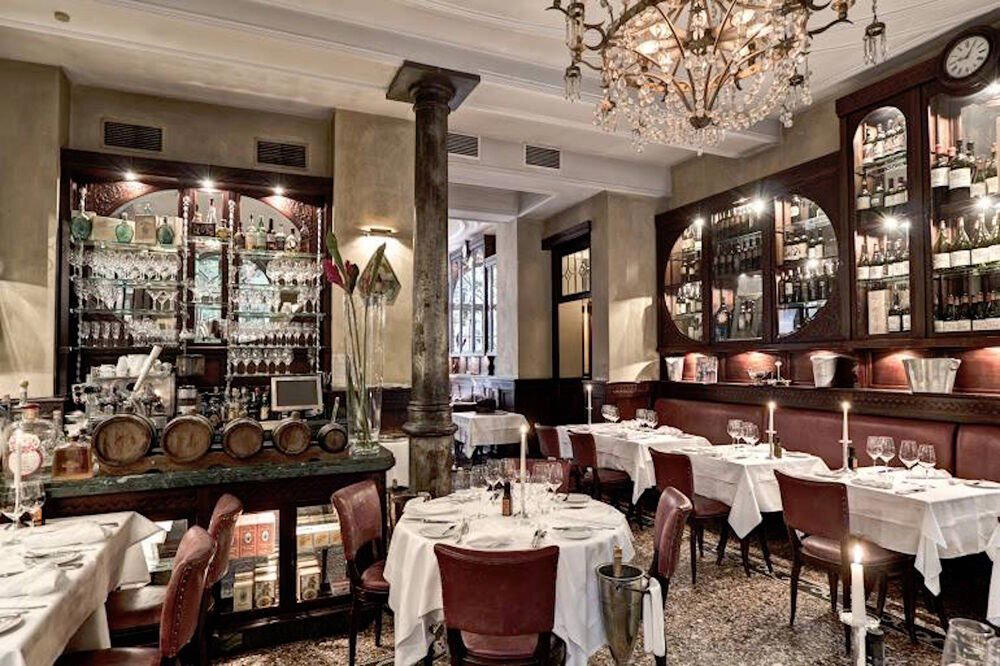
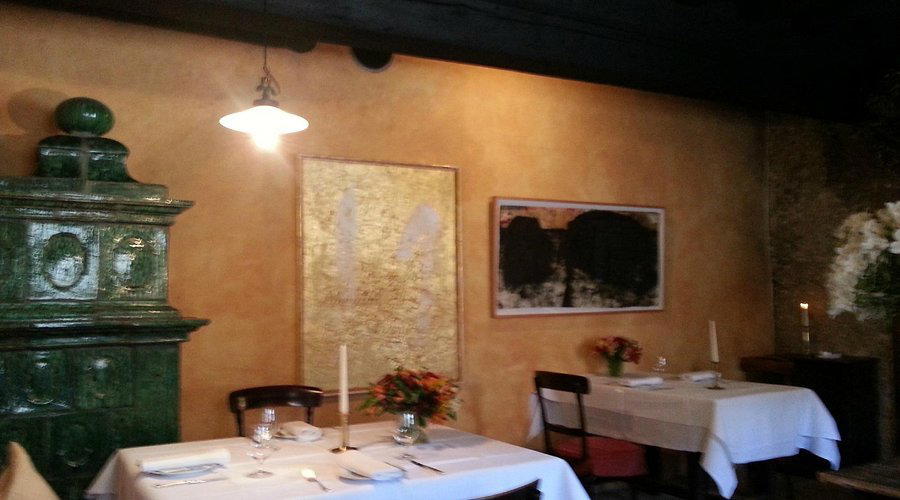
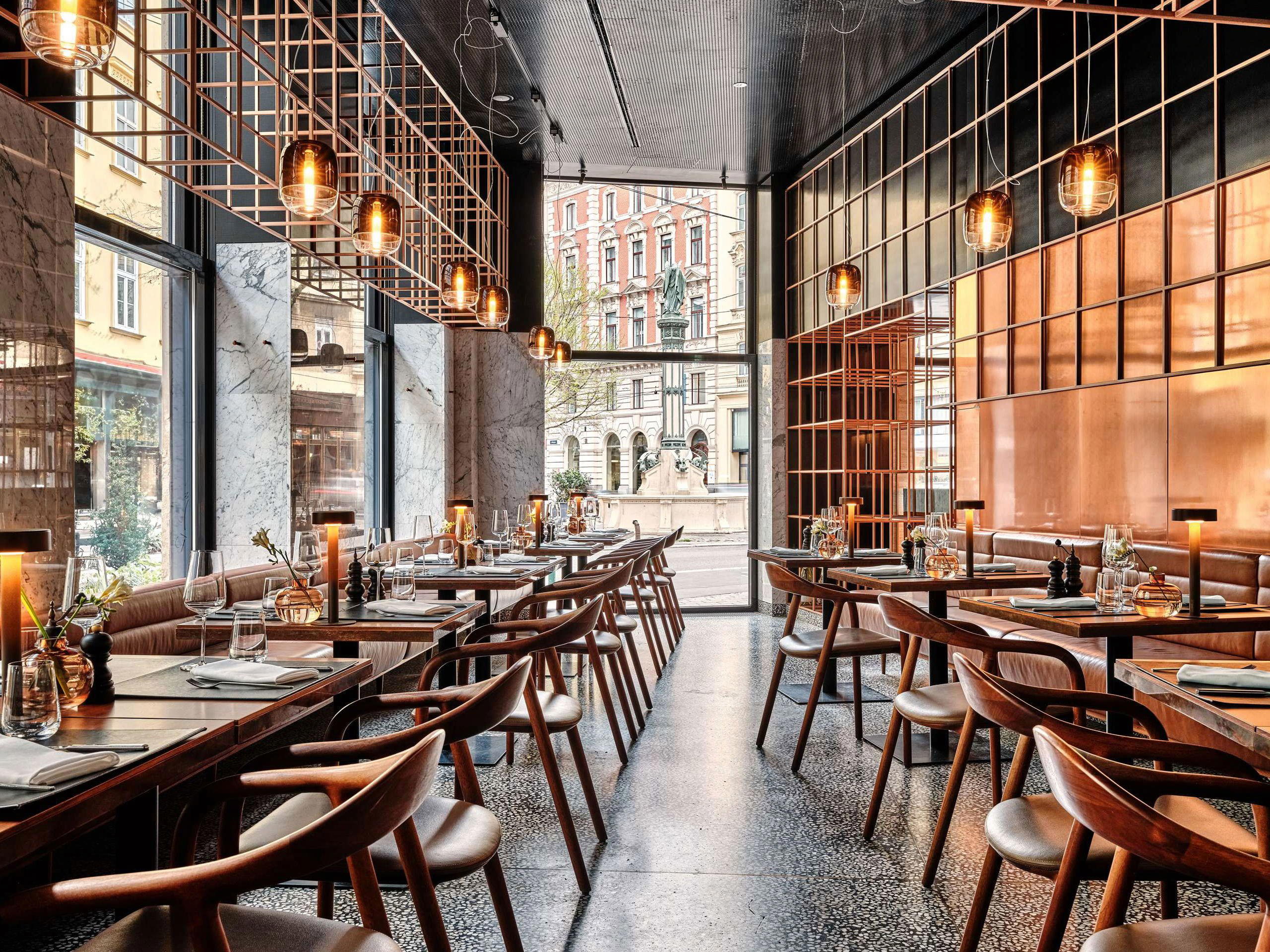
Restaurants in Wels
All restaurants in Wels →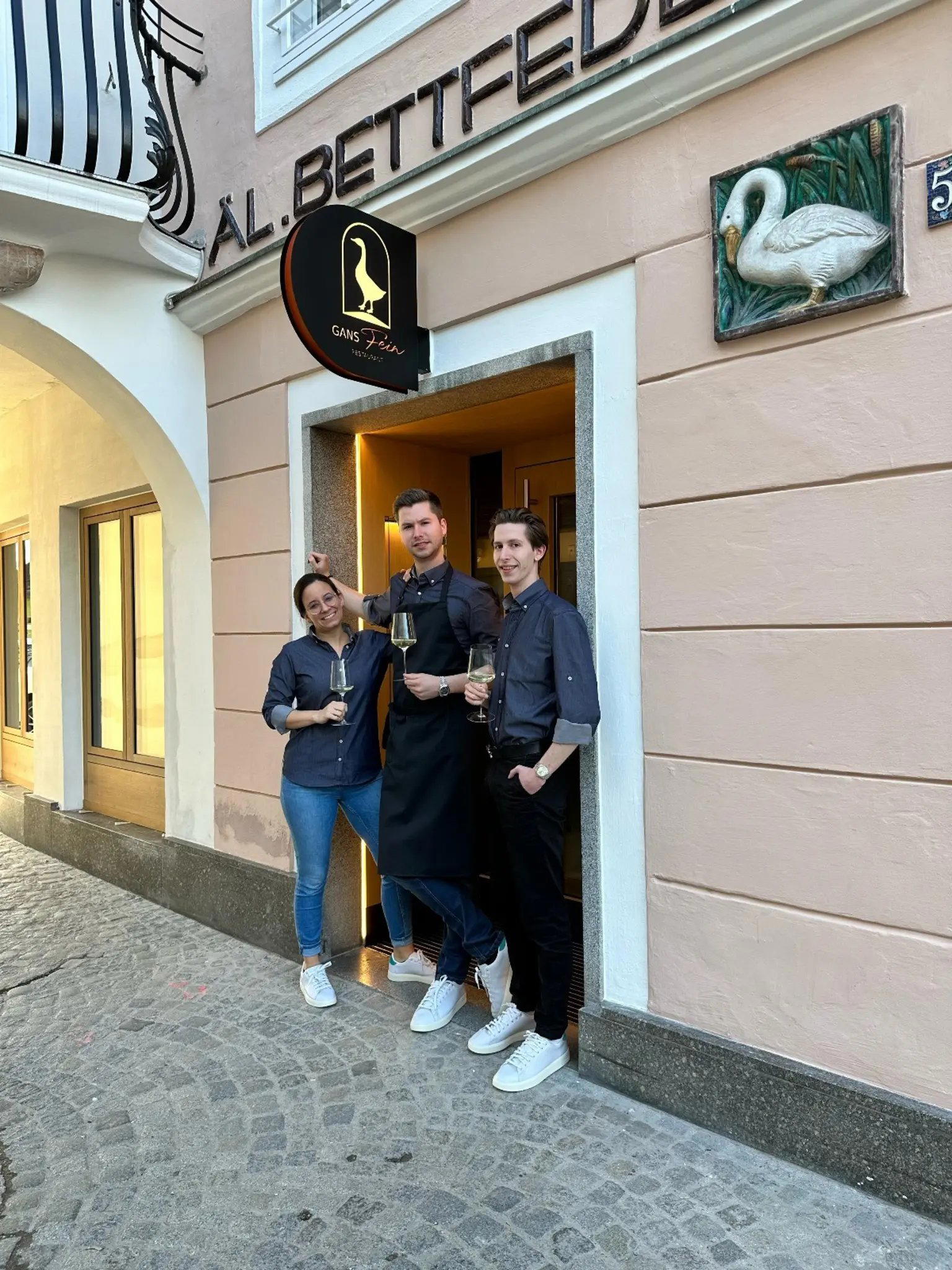
Hotels in Wels
Browse all →

Details
- Casual Hangout
- Terrace
- Street Scene
Current opening hours
- Monday
- 4 PM–12 AM
- Tuesday
- 4 PM–12 AM
- Wednesday
- 4 PM–12 AM
- Thursday
- 4 PM–12 AM
- Friday
- 12 PM–12 AM
- Saturday
- 10 AM–12 AM
- Sunday
- 4 PM–12 AM
Hours can change for holidays and private events. Hours as of .
Casual terrace atmosphere suitable for all seasons with pet-friendly outdoor seating.