


A Michelin Plate-recognised address in Chamberí, Soy Kitchen positions itself at the crossroads of Chinese, Korean, and Japanese cooking and Spanish culinary tradition. The restaurant sits a short walk from the Museo Sorolla, making it a natural choice for a considered special-occasion dinner in one of Madrid's quieter, more residential dining corridors.
Pearl is the En Primeur Club membership app — saves, bookings, and concierge access live there. Same editors, same standards.
- Address
- Calle de Zurbano, 59, Chamberí, 28010 Madrid, Spain
- Phone
- +34 913 19 25 51
- Website
- soykitchen.es
- Directions
- Get directions
 Saves & bookings on Pearl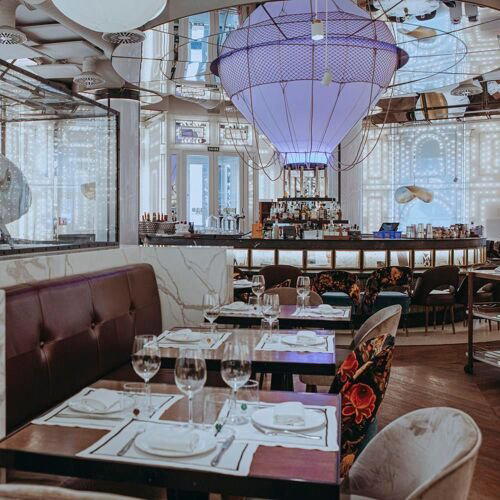
Where Chamberí Meets the Pacific Rim
Madrid's fusion dining scene has moved well past the novelty phase. In the years since DiverXO put the city's progressive-Asian cooking on the international map, a secondary tier of more accessible but no less considered addresses has taken root across the city's residential neighbourhoods. Chamberí, historically more associated with traditional tabernas and Castilian roasting houses than experimental kitchens, has quietly become home to particularly interesting cross-cultural cooking in the capital. Soy Kitchen, on Calle de Zurbano, sits in that emerging context: a Modern Asian Fusion restaurant in Madrid's Chamberí, priced at €€€, that draws from China, Korea, and Japan in equal measure, then applies Spanish product logic in leading.
The street itself is calm and largely residential, a marked contrast to the louder dining corridors of Chueca or Malasaña a few blocks south. That neighbourhood register matters for the experience: Soy Kitchen operates as a destination rather than a passing-trade restaurant, which tends to self-select a more considered clientele and a more deliberate occasion. The Museo Sorolla is a few minutes' walk away, which means the early-evening crowd often pairs dinner here with an afternoon of culture, a natural rhythm for the address.
The Case for Celebration at a Fusion Counter
Occasion dining in Madrid has long defaulted to one of two modes: a grand Spanish institution (think old-guard Castilian roasters with centuries of pedigree) or a high-concept tasting menu at the €€€€ tier, where DiverXO, Disfrutar in Barcelona-adjacent thinking, and Michelin-starred properties like those represented by Arzak in San Sebastián or El Celler de Can Roca in Girona set the benchmark. Soy Kitchen operates a tier below that ceiling at €€€, which is a meaningful distinction: it delivers genuine culinary ambition and a structured menu format without the full tasting-menu commitment in price or duration.
For a birthday dinner, an anniversary, or a post-Sorolla celebration, that price-to-formality ratio positions the restaurant well. Two set menus, named Hu and Long, provide structure without the rigidity of a single long-form degustation. The parallel-menu format is increasingly common at this tier in European fusion restaurants: it lets two diners at the same table choose different paths through the kitchen's repertoire, or lets a couple revisit on a second occasion and experience a materially different sequence. The à la carte option extends accessibility further, making the restaurant work for a smaller celebration where not everyone wants to commit to a full format.
The Cooking: Asian Foundations, Spanish Inflection
Spain's most ambitious creative cooking has always been comfortable borrowing technique and flavour logic from outside its own tradition, the new Basque cuisine that underpins addresses like Azurmendi in Larrabetzu or Quique Dacosta in Dénia arrived partly through French influence, and later through Asian technique. What the restaurant does is reverse the typical direction: the foundation is East Asian, Chinese dim sum, Szechuan spice logic, Korean textural conventions, Japanese precision, and the Spanish element appears in the product choices and occasional preparation methods.
Julio Zhang (Yong Ping Zhang) works across that interface. Among the dishes that have built the kitchen's reputation over time is the dim sum, which appears consistently in diner accounts and has developed the kind of word-of-mouth consistency that marks a kitchen confident in its identity. The beef marrow, baked in the oven and served alongside Szechuan-style smoked Chinese aubergine and freshly baked Chinese bread, represents the crossover logic clearly: a technique-forward preparation of a product associated with both Spanish and Asian cooking traditions, finished with the kind of spice register that has no direct Spanish precedent.
That dish also illustrates why this restaurant has held Michelin Plate recognition in both 2024 and 2025: the Plate designation does not indicate starred-level cooking, but it does represent Michelin's acknowledgement of kitchens delivering food worth seeking out. In Madrid's competitive mid-to-upper tier, where addresses like ABYA, Bacira, and Asiakō occupy similar fusion and cross-cultural registers, the sustained Plate recognition across consecutive years carries weight. It signals consistency, not a single strong performance.
For context on where Spanish-Asian fusion sits more broadly, it is worth noting that Madrid is not alone in developing this niche. Ajonegro in Logroño works a comparable seam, and internationally, addresses like Arkestra in Istanbul demonstrate how the East-West fusion format is producing serious, credentialed work across a range of cities. The restaurant's positioning within that broader category is coherent: it is not trying to be DiverXO, nor is it a direct Chinese restaurant with a few Spanish ingredients added. The integration runs deeper than that.
Madrid's Wider Fusion and Contemporary Scene
The restaurant does not exist in isolation. Chamberí and the surrounding barrios have developed a genuine density of thoughtful contemporary addresses, and the city as a whole now competes credibly with Barcelona and San Sebastián for serious dining beyond the traditional Spanish repertoire.
For a specific pre- or post-dinner drink, Doppelgänger Bar operates in the same general register of contemporary, considered hospitality.
- Lobster
- Tom Yum Soup
- Firefish
- Tuétano
- Chili Crab
- Gyoza Rabo de Toro
Budget and Context
Comparable venues nearby, for context on price, style, and recognition.
| Venue | Cuisine | Price | Awards | Notes |
|---|---|---|---|---|
| Soy KitchenThis venue — the venue you are viewing | Almagro, Modern Asian Fusion | $$$ | Michelin Plate | Not listed |
| Izariya | Almagro, Traditional Japanese Kaiseki | $$$ | Michelin Plate | Not listed |
| Ayantar | Not listed | $$$ | Michelin Plate | Vallehermoso, Traditional Spanish Stews and Classics |
| La Guisandera de Piñera | Not listed | $$$ | Michelin Plate | Castillejos, Traditional Asturian Spanish |
| Marmitón | La Latina, Modern Spanish Bistro | $$$ | Michelin Plate | Not listed |
| Poncio WM | Nino Jesus, Modern Andalusian Tapas | $$$ | Michelin Plate | Not listed |
Recognition history
Dated appearances from independent guides and award organizations, with the underlying list record or original source where available.
Guía Repsol 1 Sol
Guía Repsol
Michelin Plate
Michelin
Opinionated About Dining Casual in Europe Recommended
Opinionated About Dining
Michelin Plate
Michelin
Michelin Plate
Michelin
Continue exploring
More in Madrid
Restaurants in Madrid
Browse all →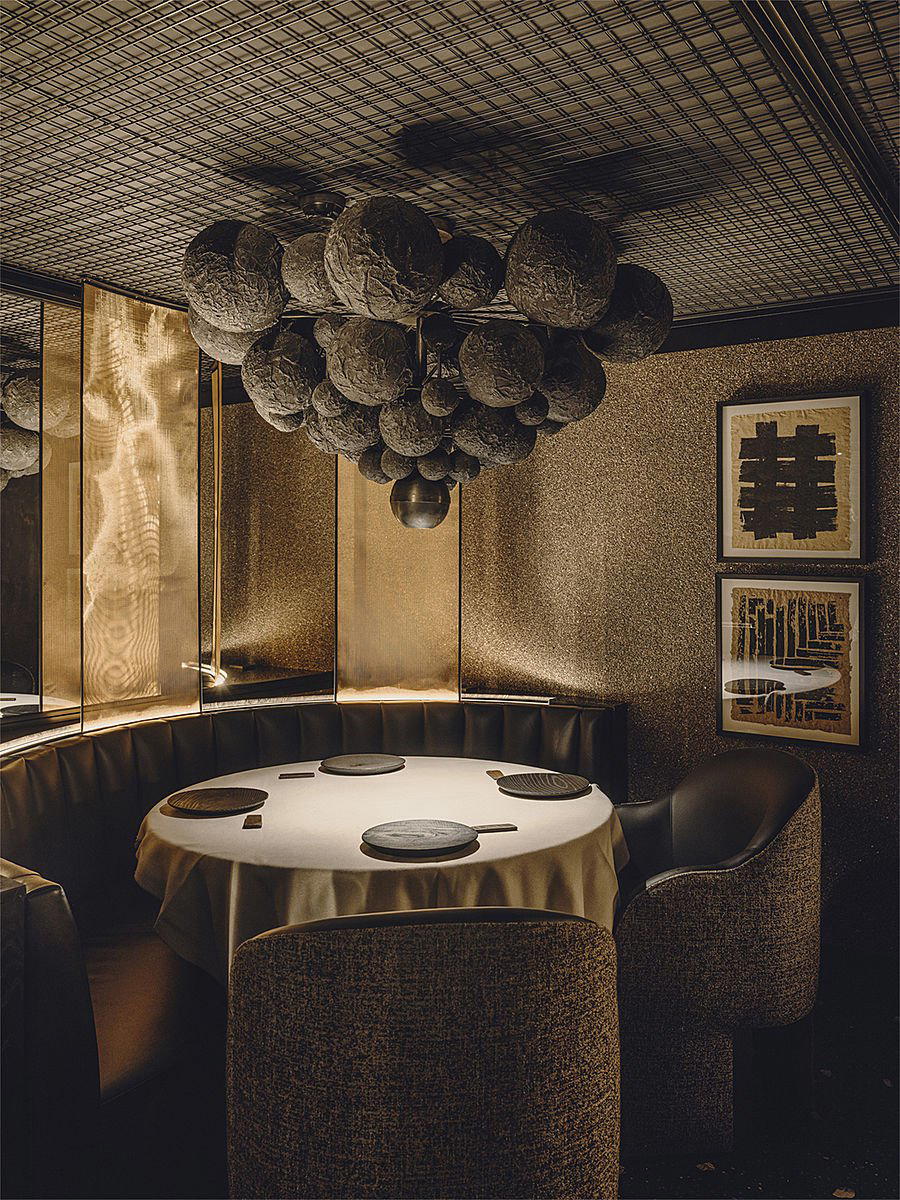
Bars in Madrid
Browse all →
Hotels in Madrid
Browse all →





At a Glance
- Elegant
- Sophisticated
- Cozy
- Modern
- Date Night
- Business Dinner
- Special Occasion
- Celebration
- Open Kitchen
- Design Destination
- Craft Cocktails
- Sommelier Led
Current opening hours
- Monday
- Closed
- Tuesday
- 1:30–5:30 PM, 8:30 PM–12 AM
- Wednesday
- 1:30–5:30 PM, 8:30 PM–12:30 AM
- Thursday
- 1:30–5:30 PM, 8:30 PM–12:30 AM
- Friday
- 1:30–5:30 PM, 8:30 PM–1 AM
- Saturday
- 1:30–5:30 PM, 8:30 PM–1 AM
- Sunday
- 1:30–6 PM, 8:30 PM–12:30 AM
Hours can change for holidays and private events. Last verified .
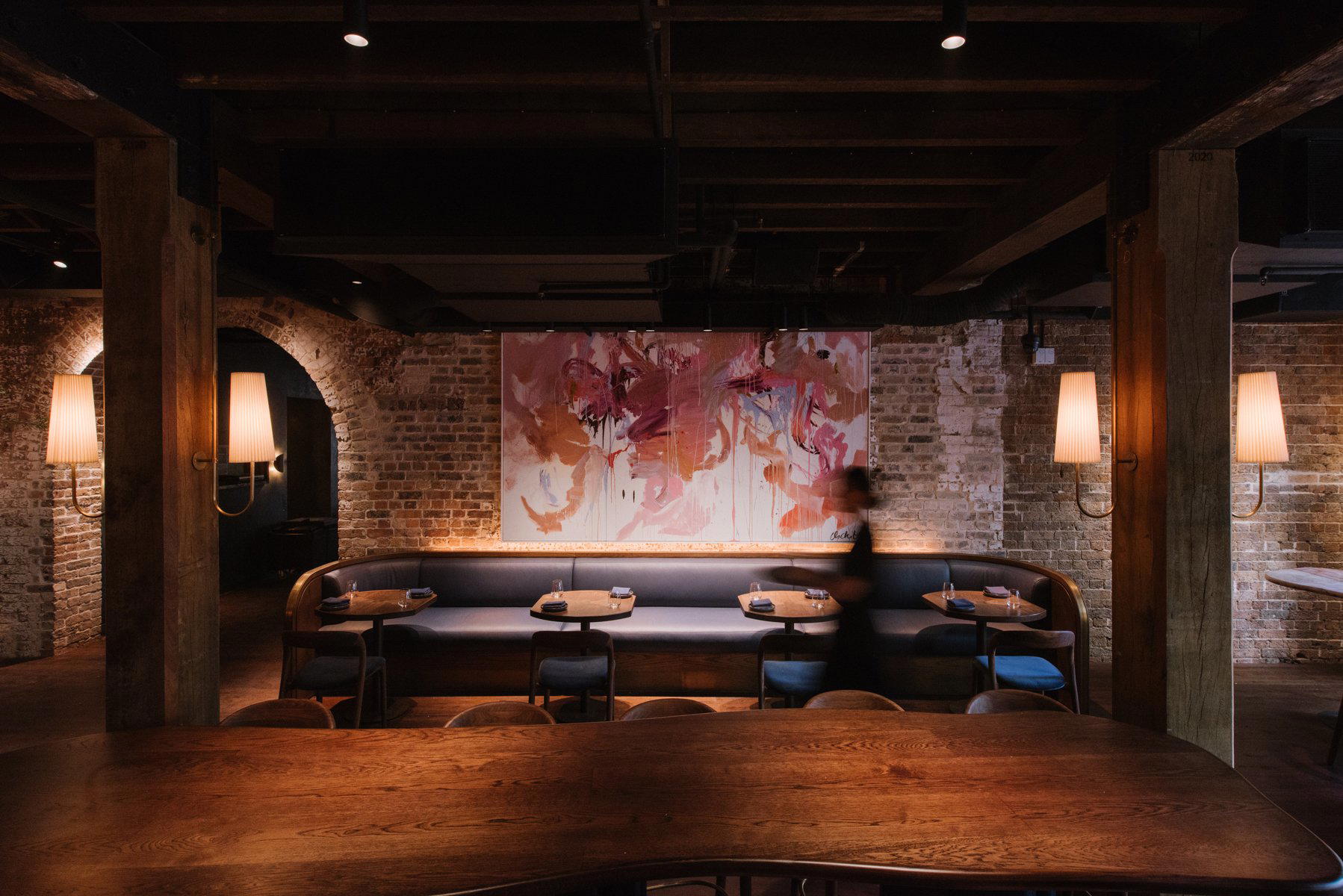
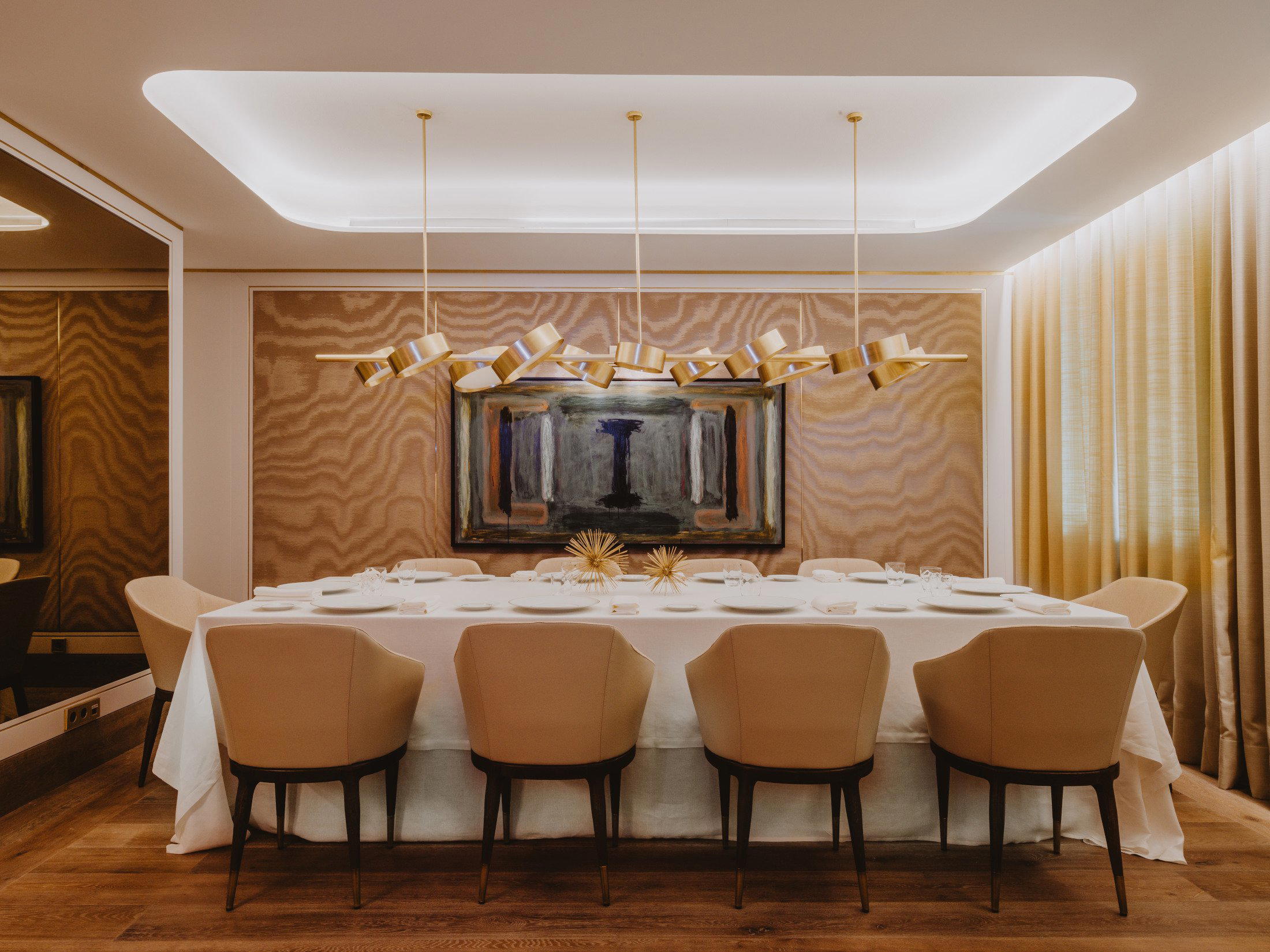
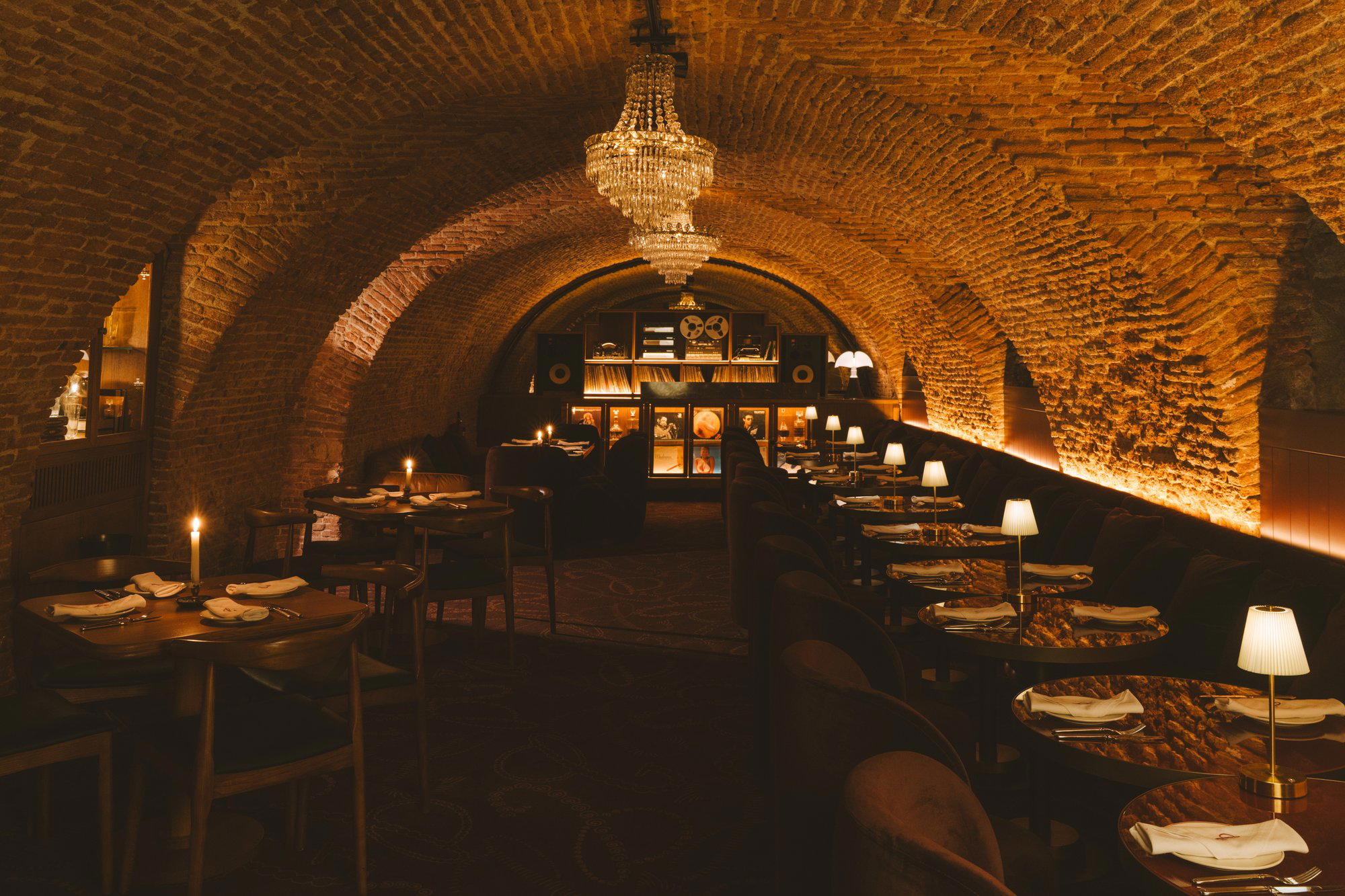
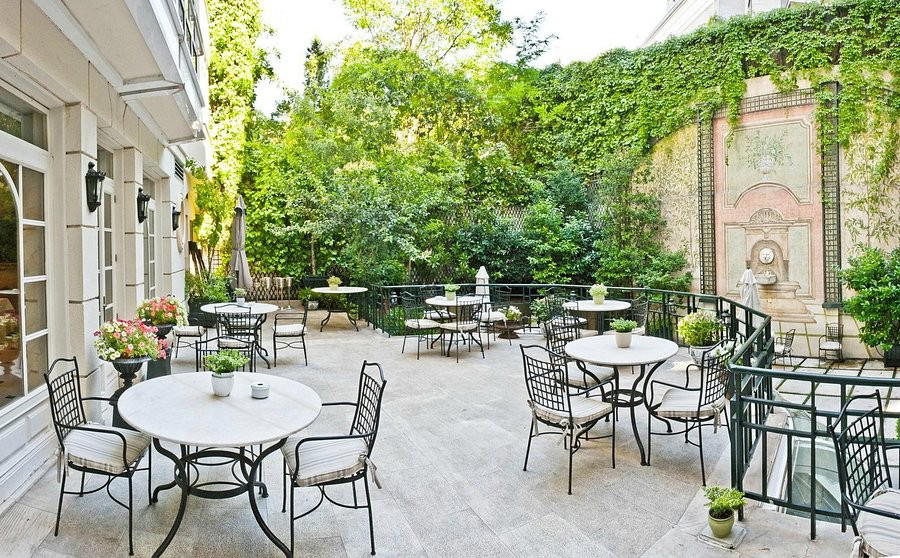
Contemporary and intimate setting with spacious velvet booths, warm lighting, and a well-appointed dining room that conveys serenity and sophistication without being cold.