Som Tum Jae Kai (Asavamit Road)

Michelin Plate
Our verdict
A Michelin Plate-recognised lunch counter on Naresuan Road, Som Tum Jae Kai has been drawing Udon Thani residents for around fifty years. The kitchen's defining variable is house-made fermented fish sauce, which sharpens the flavour of mixed som tum, pork crackling, and fermented sausage in ways that mass-produced condiments cannot replicate. At single-digit baht pricing, it sits at the most accessible end of Udon Thani's Isan dining spectrum.

Pearl is the En Primeur Club membership app, where members save venues, book tables and use the concierge.
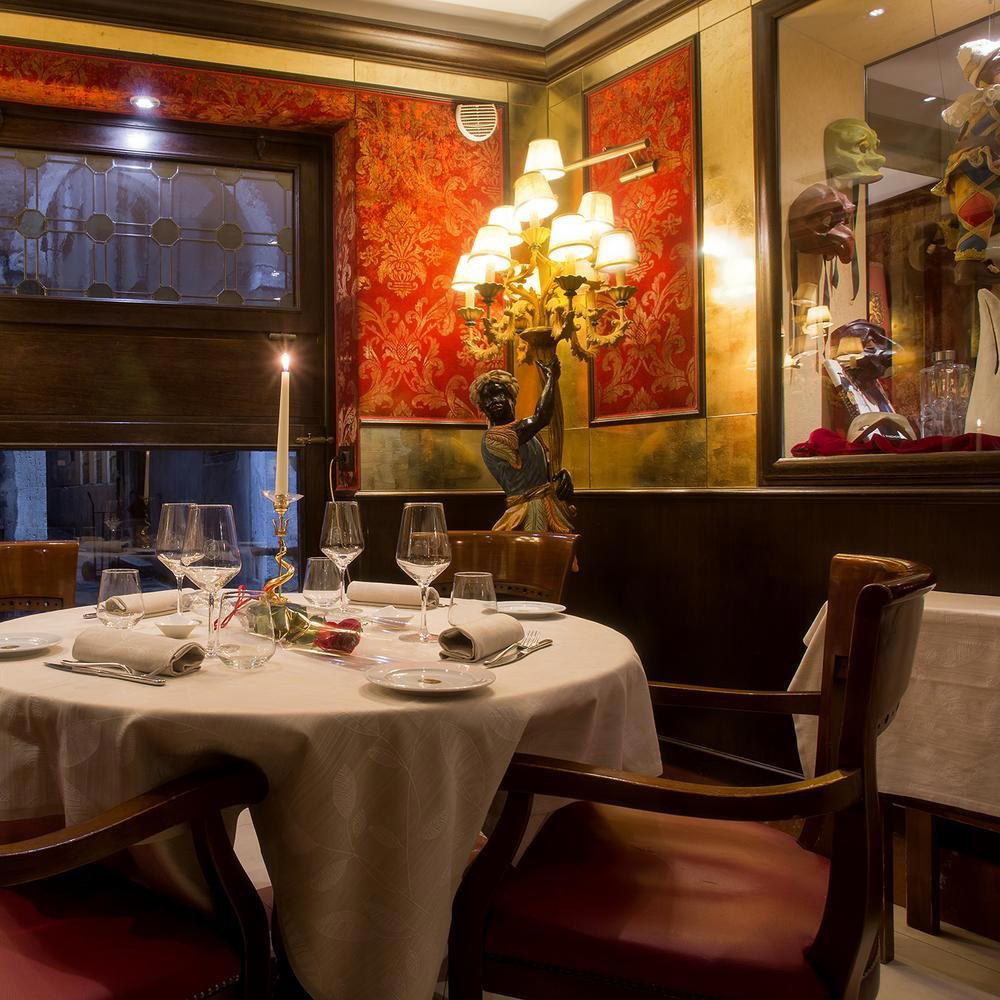
The menu
What to order
- Mixed som tum with pork crackling and fermented sausage
- Som tum
Where Isan Cooking Stays Honest
Naresuan Road in Udon Thani carries the ordinary traffic of a provincial city going about its day. Shopfronts, motorcycles, the smell of charcoal and lime in the air. It is exactly the kind of street where the most serious regional cooking tends to happen, away from the curated atmosphere of tourist precincts. Som Tum Jae Kai occupies a modest address at 167 Naresuan Road, and its physical presence is unremarkable by design. The queue, on the other hand, tells a different story.
Isan food is the most consumed regional cuisine in Thailand, yet it is also one of the most unevenly understood by visitors whose experience of it is filtered through Bangkok interpretations. The real vocabulary, pla ra fermented fish sauce, raw crab, smoked galangal, hand-pounded salads calibrated with glutinous rice in mind, is a northeaster thing, not a capital thing. Udon Thani, sitting close to the Mekong and the Lao border, is where that vocabulary has been spoken without translation for generations. Restaurants like Krua Khun Nid and Lab Mu Worachai represent different registers of that same tradition; Som Tum Jae Kai represents its lunch-counter form at its most concentrated.
Half a Century of the Same Sauce
The single most consequential detail in this kitchen's output is the fermented fish sauce made on site. Pla ra, the pungent, deeply savoury condiment produced from fermented freshwater fish, varies enormously in quality and character depending on who makes it and how long they allow it to mature. At Som Tum Jae Kai, the sauce has been produced in-house for approximately fifty years. That duration is not a marketing claim; it is the kind of operational continuity that is reflected in the Michelin Guide's decision to award the restaurant a Plate recognition in both 2024 and 2025. The Michelin Plate is not a star, but within Thailand's guide, it signals consistent cooking worth a deliberate detour.
The significance of house-made fermented fish sauce becomes clearer when you consider what it does to the food around it. Som tum, the green papaya salad that serves as the backbone of the menu, is a dish whose identity shifts almost entirely based on its souring and savoury agents. A version built on commercial fish sauce tastes bright and clean. A version using well-aged, house-fermented pla ra carries ferric depth, a funkiness that lengthens in the mouth and demands sticky rice as counterweight. That difference is not subtle.
Reading the Meal in Order
Menu at Som Tum Jae Kai follows the logic of a shared Isan lunch rather than a Western tasting progression, but it still moves through a recognisable sequence. The meal anchors itself around the mortar. Papaya arrives first, in most cases, pounded to order with tomato, palm sugar, lime, dried shrimp, and a measure of that house pla ra. The mixed som tum, incorporating pork crackling and fermented sausage alongside the standard build, is the version most regulars reach for. The crackling adds structural crunch and rendered fat to what is otherwise an acidic, herbaceous dish; the fermented sausage, sour and dense with spice, introduces a second fermented layer that reinforces the pla ra rather than competing with it.
From the salad, the meal typically widens outward to grilled proteins and larb, the minced meat salad dressed with toasted rice powder and dried chillies that is the other pillar of Isan eating. The toasted rice powder is worth noting: it contributes texture and a nutty, slightly smoky note that binds the dressing in a way no wet starch could. These dishes are designed to be eaten with sticky rice, not as standalone plates, and the kitchen produces food with that ratio in mind. The spice levels are calibrated for locals, not adjusted downward.
This is a lunch operation. Arriving mid-morning gives the leading access to the full range; by early afternoon certain preparations sell out, a common pattern at single-session kitchens of this type across the northeast. The price point sits at the single-฿ level, making it one of the most accessible entries in the city's Michelin-recognised tier. For context, Samuay & Sons operates at ฿฿, offering a more composed, contemporary interpretation of Isan ingredients; Baan Chik Pork Noodles and Chabaa Barn represent the city's other single-฿ options in adjacent categories. Som Tum Jae Kai is the only one among Udon Thani's Michelin-recognised spots where the core product is a pounded salad built on half a century of in-house fermentation.
The Broader Isan Context
Thailand's Michelin coverage of the northeast has expanded meaningfully over recent guides, recognising what serious eaters already knew: the provinces hold cooking traditions that Bangkok restaurants approximate but rarely equal. Sorn in Bangkok has done more than almost any restaurant to argue the case for southern Thai cooking at fine-dining level; the northeast has its own version of that argument playing out at the street and lunch-counter level, through places exactly like Som Tum Jae Kai. Across the region, Jum Khao in Nakhon Ratchasima and Kai Yang Rabeab in Khon Kaen map a similar territory: deeply local, technically specific, priced for the community they serve. AKKEE in Pak Kret, PRU in Phuket, Aeeen in Chiang Mai, and Agave in Ubon Ratchathani each represent regional Thai cooking at different price registers and formats, but the northeast lunch-counter model has its own discipline that no tasting menu replicates.
Planning a Visit
Som Tum Jae Kai operates as a lunch spot at 167 Naresuan Road, Mak Khaeng Sub-district, Mueang Udon Thani District. No website or booking line is listed in the public record, which is consistent with the operation's format: this is a walk-in, cash-based lunch counter where the queue self-organises. Arriving on the earlier side of the lunch window reduces wait time and improves access to the full preparation range. Given the single-฿ price point, budget is not a planning variable; timing is.
For visitors building a longer programme around Udon Thani's food scene, the full Udon Thani restaurants guide maps the city's range from street level to contemporary Isan. The hotels guide, bars guide, wineries guide, and experiences guide cover the wider destination. The Spa in Lamai Beach offers a point of contrast for readers comparing how regional Thai food traditions operate in different geographic contexts.
Frequently asked questions
What does dinner at Som Tum Jae Kai (Asavamit Road) typically cost?
Pricing at Som Tum Jae Kai (Asavamit Road) is listed as ฿.
What kind of recognition has Som Tum Jae Kai (Asavamit Road) received?
Som Tum Jae Kai (Asavamit Road) has received recognition including: This family-operated lunch spot has been a popular haunt for half a century. The dishes get their distinctive flavour from their home-made fermented fish sauce. This tasty addition elevates favourites such as mixed som tum with pork crackli….
What's the signature dish at Som Tum Jae Kai (Asavamit Road)?
The mixed som tum with pork crackling and fermented sausage is the dish that draws regulars back. What sets it apart is the house-made pla ra, fermented fish sauce produced on site, which the kitchen has been making for roughly 50 years. Michelin awarded the restaurant a Plate in both 2024 and 2025, citing that same fermented sauce as the flavour foundation.
Where is Som Tum Jae Kai (Asavamit Road) located?
Som Tum Jae Kai (Asavamit Road) is located at 167 9QXM+RFJ, 16 Naresuan Rd, Mak Khaeng Sub-district, Mueang Udon Thani District, Udon Thani 41000, Thailand, Udon Thani.
Is Som Tum Jae Kai (Asavamit Road) reservation-only?
No booking line or website is listed for Som Tum Jae Kai at 167 Naresuan Road, Udon Thani. As a family-operated lunch spot with half a century of local custom, walk-in appears to be the standard approach, arriving early in the lunch window is advisable given its Michelin Plate recognition in 2024 and 2025.
What's the defining dish or idea at Som Tum Jae Kai (Asavamit Road)?
The defining idea is fermentation as a fixed point rather than a trend. The kitchen produces its own pla ra in-house, and that sauce runs through the menu's Isan staples, som tum with pork crackling and fermented sausage being the clearest example. That consistency over 50 years of operation is precisely what Michelin's Plate recognition in 2024 and 2025 reflects.
Quick Comparison
| Venue | Cuisine | Price | Awards |
|---|---|---|---|
| Som Tum Jae Kai (Asavamit Road)This venue (the venue you are viewing) | Authentic Isan Papaya Salad (Som Tum) | $1–10 | Michelin Plate |
| Khao Soi Thai Yai | Northern Thai Khao Soi | $1–10 | Michelin Bib Gourmand |
| Krua Khun Nid | Authentic Isaan (Northeastern Thai) | $1–10 | Michelin Bib Gourmand |
| Majchapasuk | Traditional Isan Seafood | $1–10 | Michelin Bib Gourmand |
| Peng Duck Noodles | Traditional Thai Duck Noodles | $1–10 | Michelin Bib Gourmand |
| Samuay & Sons | Modern Isan | $20–30 | Michelin Bib Gourmand |
Recognition history
Dated appearances from independent guides and award organizations, with the underlying list record or original source where available.
Michelin Plate
Michelin
Full recognition history (3 entries)
Michelin Plate
Michelin
Michelin Plate
Michelin
Continue exploring
More in Udon Thani
Details
- Rustic
- Well Known
- Casual Hangout
- Group Dining
- Open Kitchen
- Local Sourcing
- A La Carte
- Family Style
Current opening hours
- Monday
- 8 AM–8 PM
- Tuesday
- 8 AM–8 PM
- Wednesday
- 8 AM–8 PM
- Thursday
- 8 AM–5 PM
- Friday
- 8 AM–4 PM
- Saturday
- 8 AM–4 PM
- Sunday
- 8 AM–8 PM
Hours can change for holidays and private events. Hours as of .
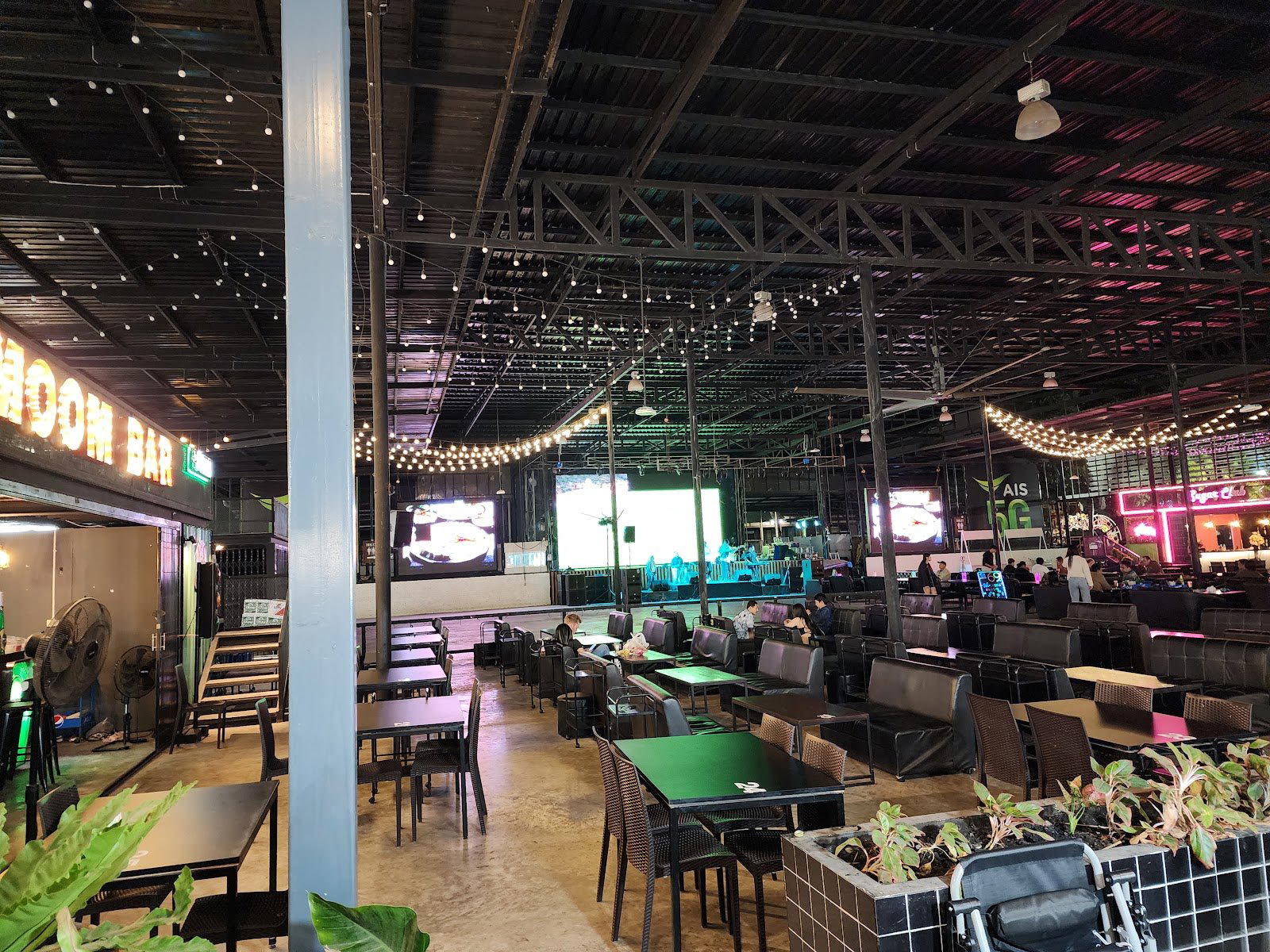
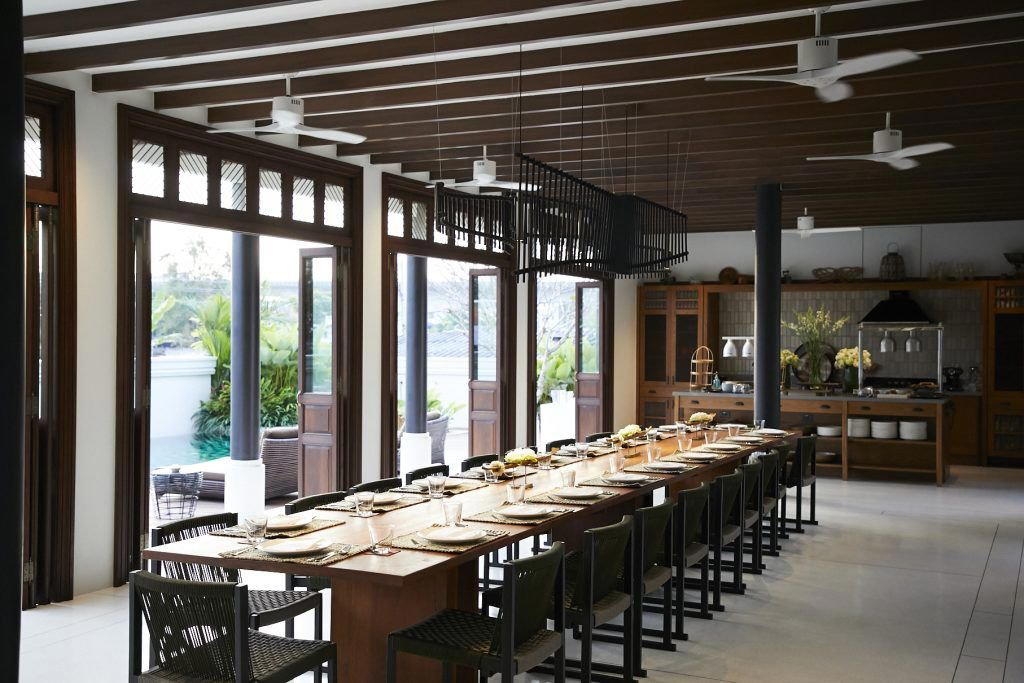
Simple but clean, airy, and spacious with natural ventilation and the fragrant aroma of grilled dishes; no air conditioning but cooled by natural breezes.